Tungnath Trek

Trek Fee
₹ 5,499 ₹7,499
Save ₹2,000 (27% Off)
  • Pick Up: Sari
  • Drop: Sari
  • Location: Sari Village
Note: Pick-up & drop details will be reconfirmed on WhatsApp after booking.

Overview

A Sacred Walk Through Stillness, Devotion, and Himalayan Silence

Some places in the Himalayas are known for their views.
Others are remembered for how they make you feel long after you have returned.

The journey to Tungnath, undertaken alongside Chopta and Chandrashila, belongs to the second kind. For many, this journey becomes less about reaching a summit and more about standing still in places where time feels slower.

The Spiritual Significance of Tungnath

Tungnath is revered as the highest Shiva temple in the world and holds a central place among the Panch Kedar shrines. According to tradition, it is here that the Pandavas encountered the arm (bahu) of Lord Shiva while seeking release from the weight of their past actions. What draws pilgrims to Tungnath is not grandeur, but restraint. The temple is modest, almost austere, resting quietly against the mountainside. There is no sense of spectacle—only continuity. Devotion here feels steady, practiced, and unhurried. Many visitors speak of Tungnath as a place where effort and reverence meet naturally. The walk toward the temple is gentle yet persistent, allowing thoughts to settle into rhythm. Prayer here often happens without words.

A Journey That Unfolds Gradually

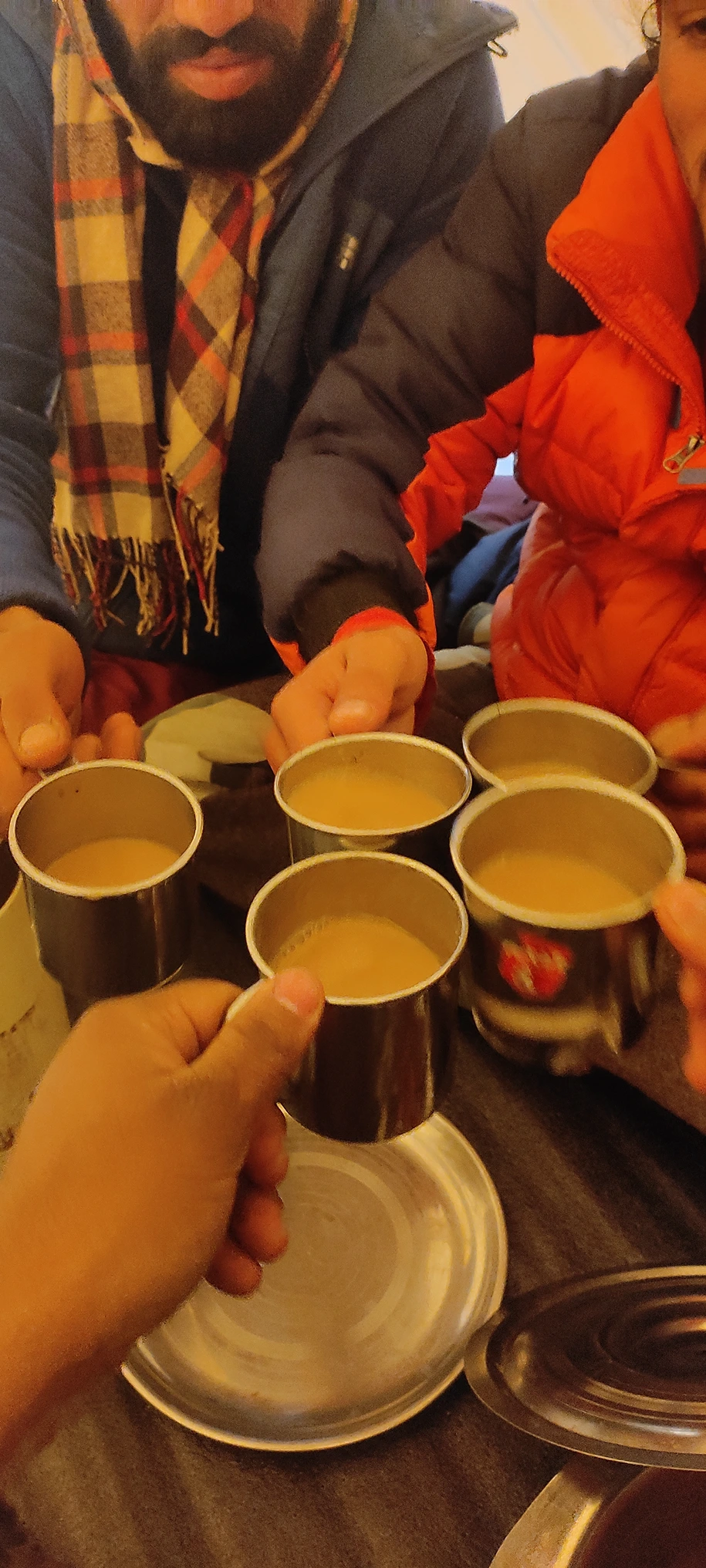
This pilgrimage unfolds in stages, allowing the body and mind to adjust together. Forest paths replace roads. Footsteps slow. Conversations thin out. Shared meals, brief exchanges, and unspoken support become part of the experience. Like many sacred routes in the Himalayas, help is offered without ceremony. Silence is shared without discomfort. Nothing here urges you to move faster. The journey allows you to arrive—physically and inwardly—at your own pace.

Why Walk This Journey With Us

We approach the Tungnath–Chandrashila route not as a challenge to complete, but as a space to be held with care.

Our role is to ensure:

  • i
    A pace that respects physical limits and inner experience
  • i
    Planning that removes unnecessary stress
  • i
    Sensitivity toward the spiritual nature of Tungnath
  • i
    Support that is present without being intrusive

This journey is meant to feel settled, not scheduled. We focus on creating conditions where the pilgrimage can unfold naturally, without hurry or performance.

Highlights

Duration 5D/4N
Difficulty Moderate
Altitude 3688 m
Batch Size 21 people
Base Camp Sari Village
Pick & Drop Dehradun – Dehradun

Itinerary

Day
1
Rishikesh to Sari Village – Entering the Himalayan Rhythm Meal

The journey begins early with a 7 to 8 hour drive (approx. 190 km) from Rishikesh into the heart of the Garhwal Himalayas. As the road gradually climbs, the pace of everyday life begins to loosen. The route follows sacred river valleys, passing the revered confluence at Devprayag, where the Alaknanda and Bhagirathi unite to form the Ganga—a moment that quietly sets the spiritual tone for the days ahead.

Dense forests, mountain settlements, and winding roads mark the transition from the plains to the highlands. By evening, you arrive at Sari Village (approx. 6,600 ft), a calm Himalayan hamlet that serves as the starting point of this sacred journey. After settling into a guesthouse or homestay, the evening is kept unhurried, allowing time to rest, reflect, and receive a gentle briefing about the days ahead.

Meals

Breakfast
Lunch
Dinner

The day begins with a short, mindful walk of approximately 3 km, taking about an hour along a clearly defined uphill trail. The path moves through oak and rhododendron forests, where filtered light and forest silence encourage a slower, more attentive pace.

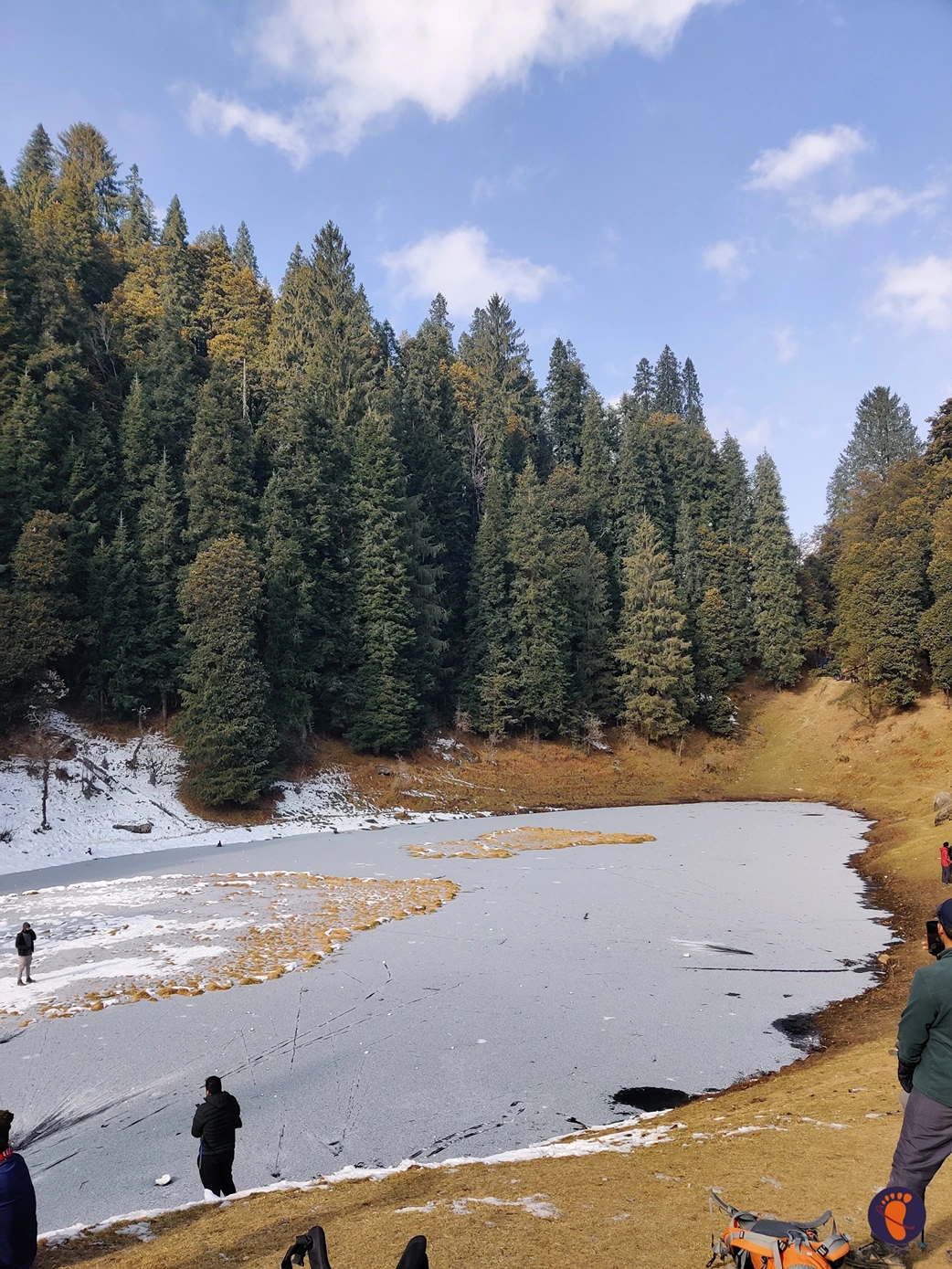
At the end of the walk lies Deoriatal Lake (approx. 7,800 ft)—a place often experienced less as a destination and more as a pause. On clear days, the reflection of the Chaukhamba massif rests quietly on the lake’s surface, creating a moment of natural symmetry that invites stillness. Time here is unstructured: some walk along the shoreline, some sit quietly, and others simply observe.

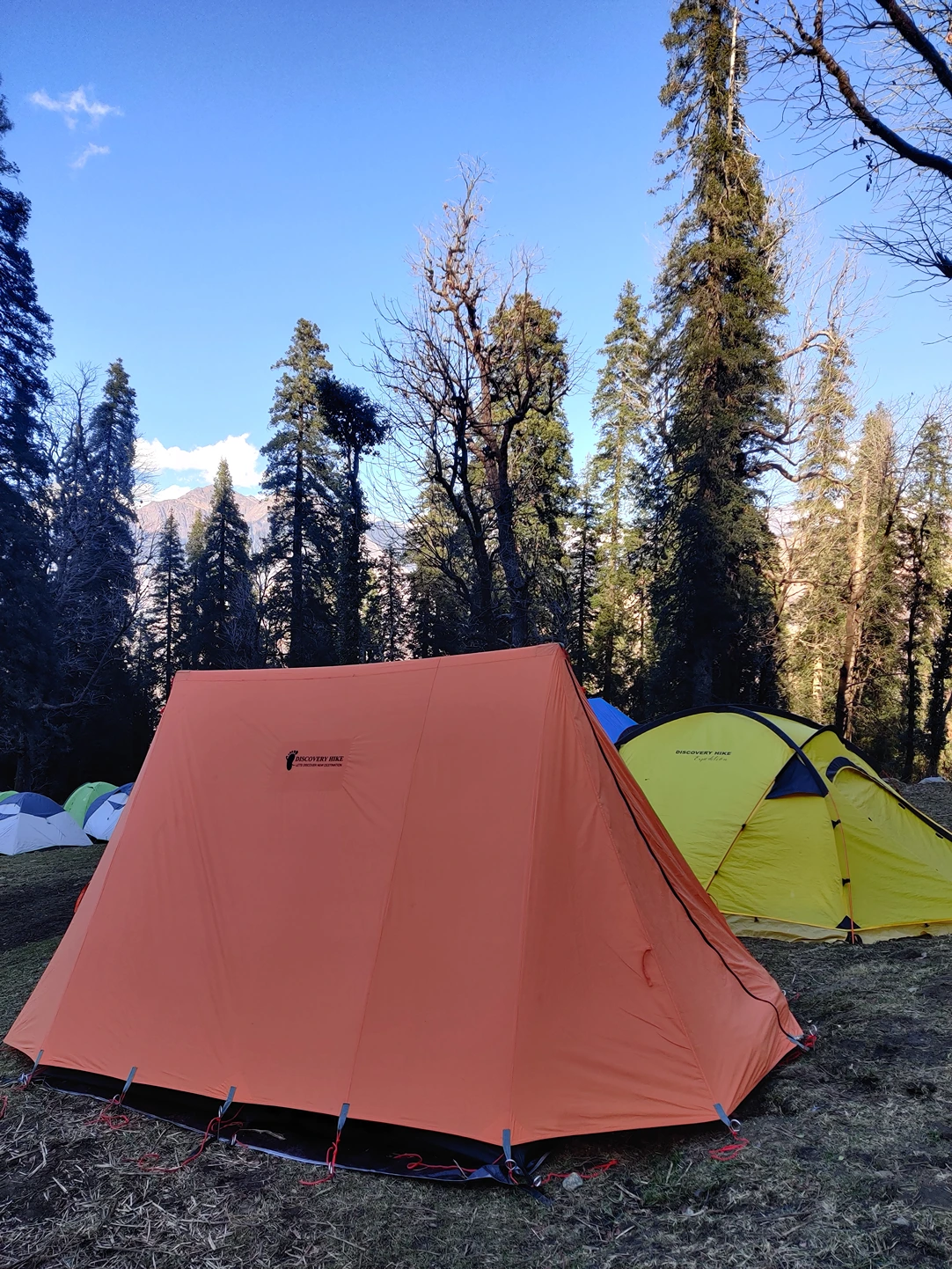
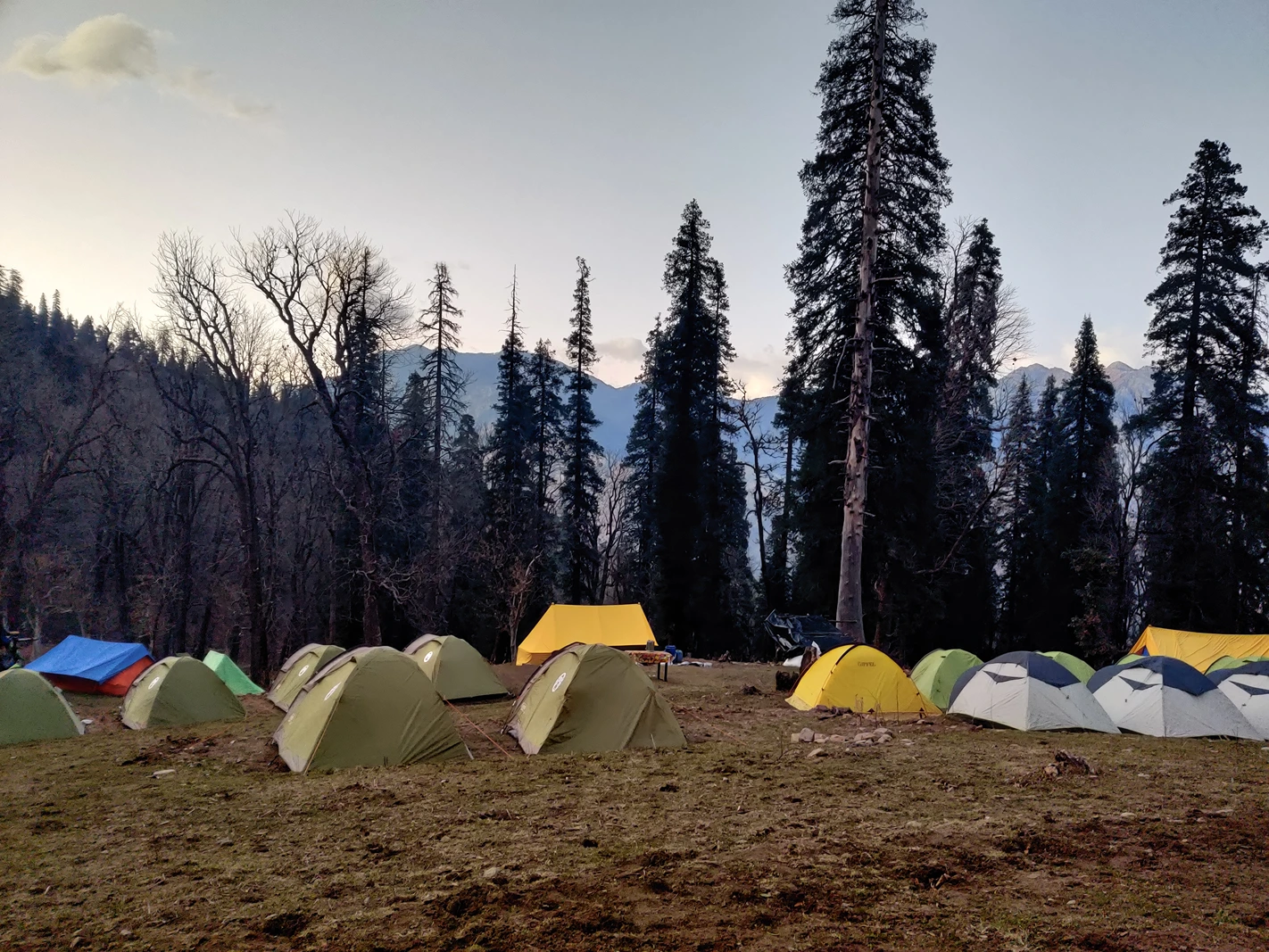
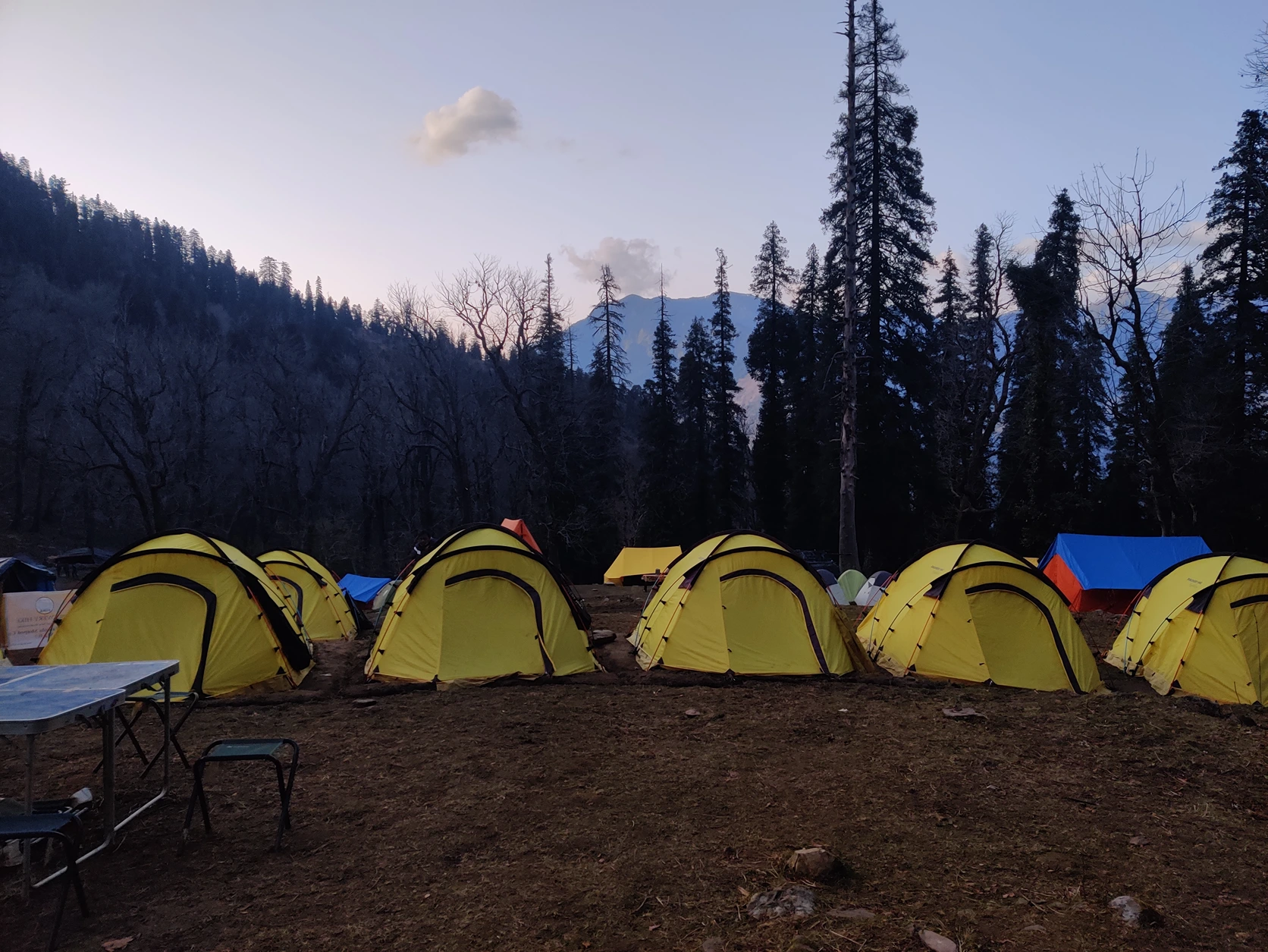
Meals are taken near the lakeside camp, and the remainder of the day is reserved for rest and acclimatization. The night is spent in tents close to the water, where silence settles early.

Meals

Breakfast
Lunch
Dinner

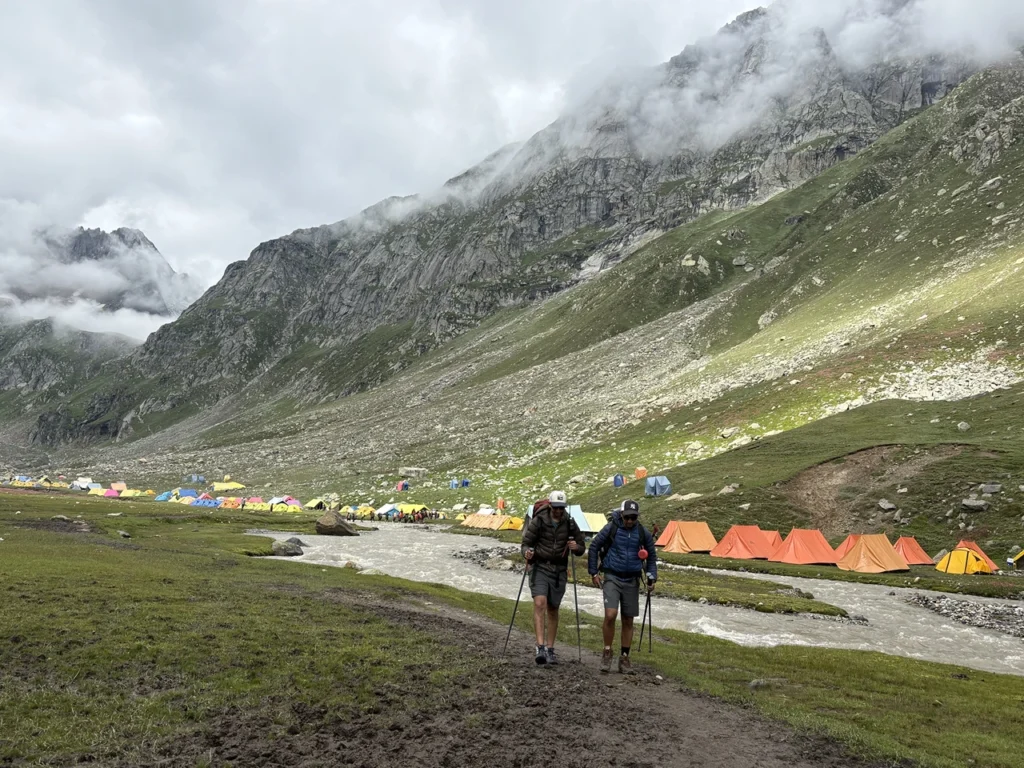
This is the longest walking day of the journey, covering approximately 16 km over 7 to 8 hours. The trail moves steadily through thick forest stretches and open alpine clearings, including the peaceful meadows of Rohini Bugyal.

The walk is gradual rather than strenuous, allowing the body to find rhythm. Occasional openings in the forest offer distant views of the Kedar and Chaukhamba ranges, but the focus remains inward—on breath, balance, and continuity. The route passes through the village region of Duggalbitta before ascending gently toward Baniyakund (approx. 8,700 ft), located close to the Chopta area.By evening, the sense of anticipation grows—not for a summit, but for the sacred visit awaiting the next morning.

Meals

Breakfast
Lunch
Dinner

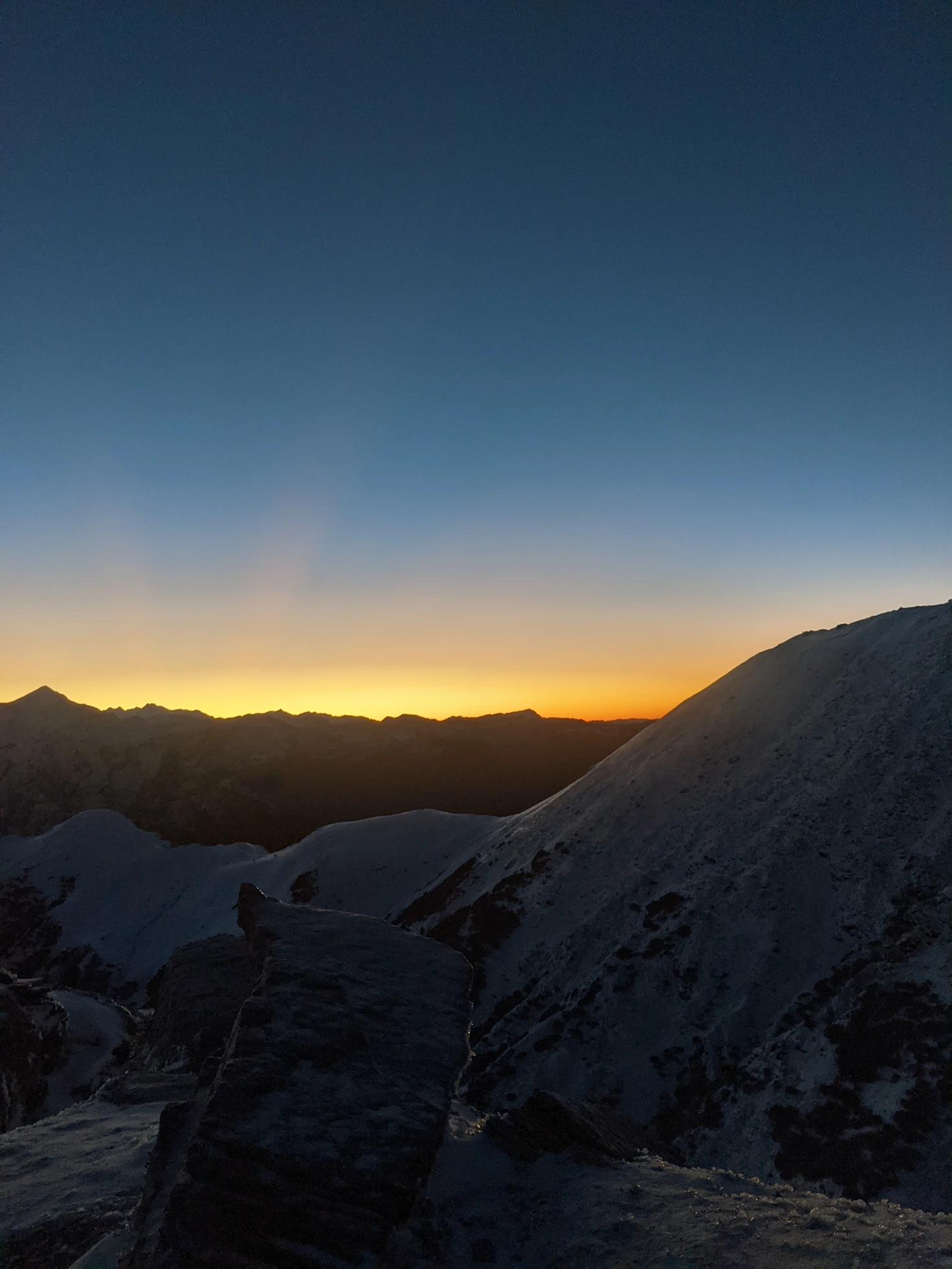
The day begins well before sunrise, often around 3:00 AM, when the surroundings are quiet and the mind is unburdened by distraction. This early start allows the walk to unfold in silence.

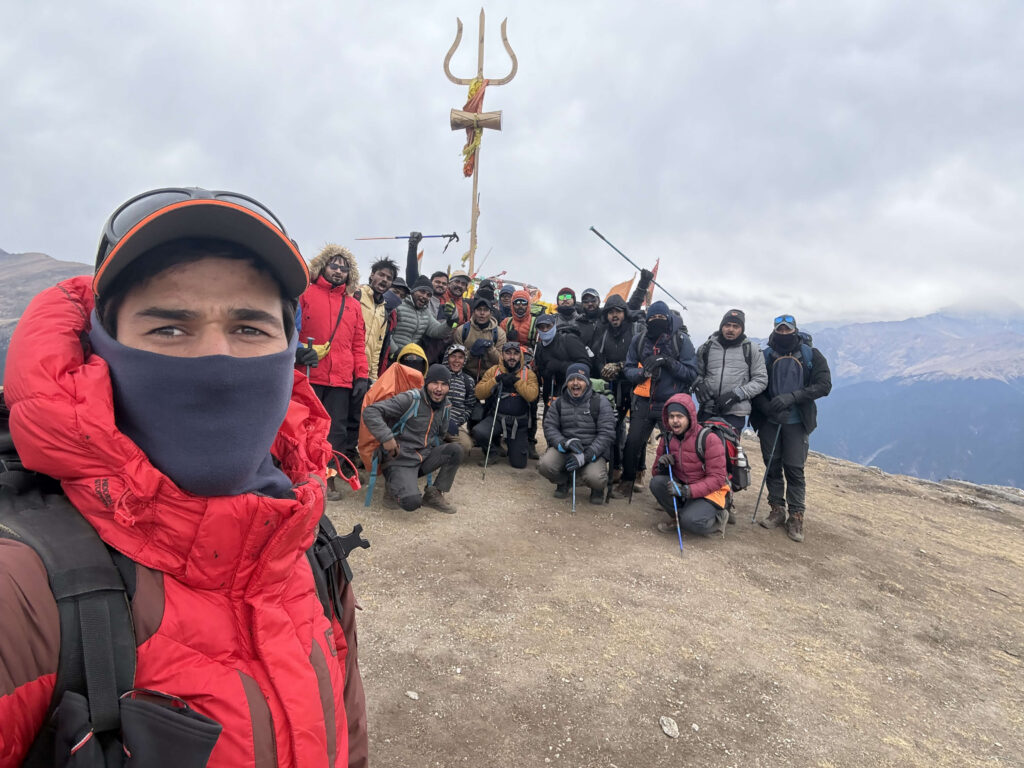
The first part of the ascent is the 3.5 km stone-paved path leading from Chopta to Tungnath Temple (approx. 12,000 ft)—the highest Shiva shrine in the world. The walk is steady and intentional, with many pilgrims choosing to move slowly, pausing when needed.

Reaching the temple at dawn is often described as the emotional heart of the journey. Time is given here for darshan, stillness, and personal prayer.

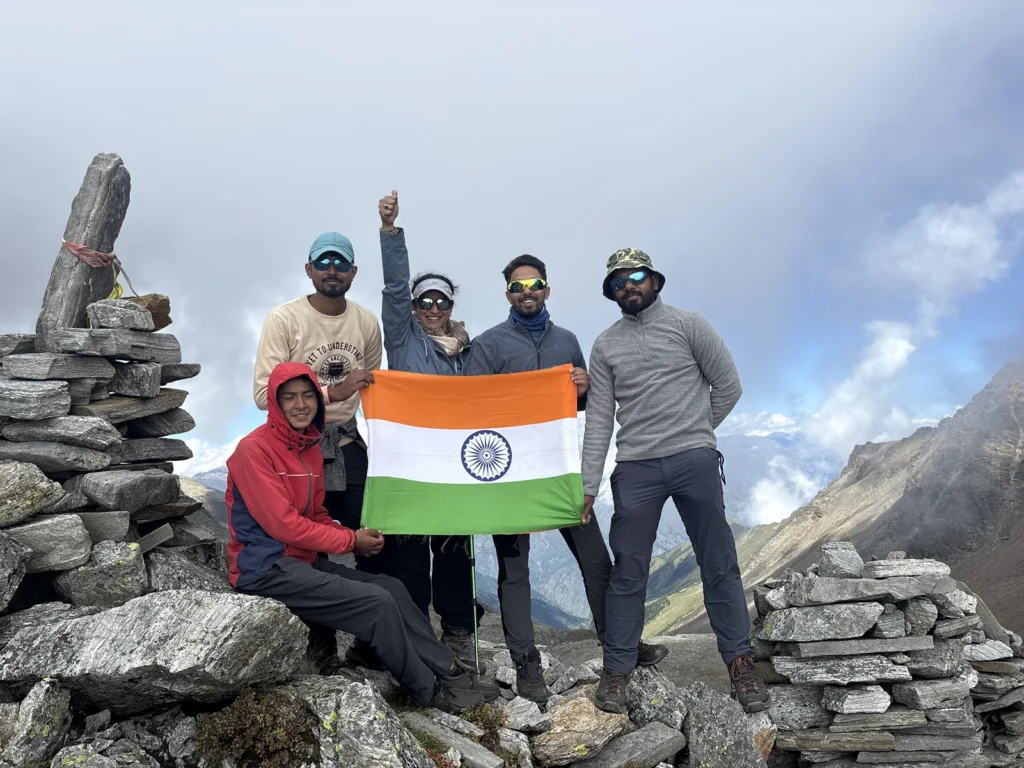
For those who continue, the final 1 km climb leads to Chandrashila (approx. 12,100 ft).

The ridge opens to wide Himalayan horizons, where the first light of day touches peaks such as Nanda Devi, Trishul, Chaukhamba, and Kedar Dome. The view feels expansive, yet grounding—less about spectacle, more about perspective.

After spending quiet moments at the top, the descent begins, retracing the path back to Baniyakund by afternoon, allowing time for rest and reflection.

Meals

Breakfast
Lunch
Dinner

After an early breakfast, the return drive begins, retracing the same mountain route back toward Rishikesh. The 7 to 8 hour journey offers a final passage through river valleys and forested slopes, providing time to absorb what the past days have carried.

Arrival in Rishikesh is planned for late afternoon, with drop-off at the railway station or bus stand, allowing sufficient time for onward travel. The journey concludes not with urgency, but with a sense of gentle closure.

Meals

Breakfast
Lunch
Dinner

Good to know

Inclusions

  • Accommodation at base locations (shared basis)
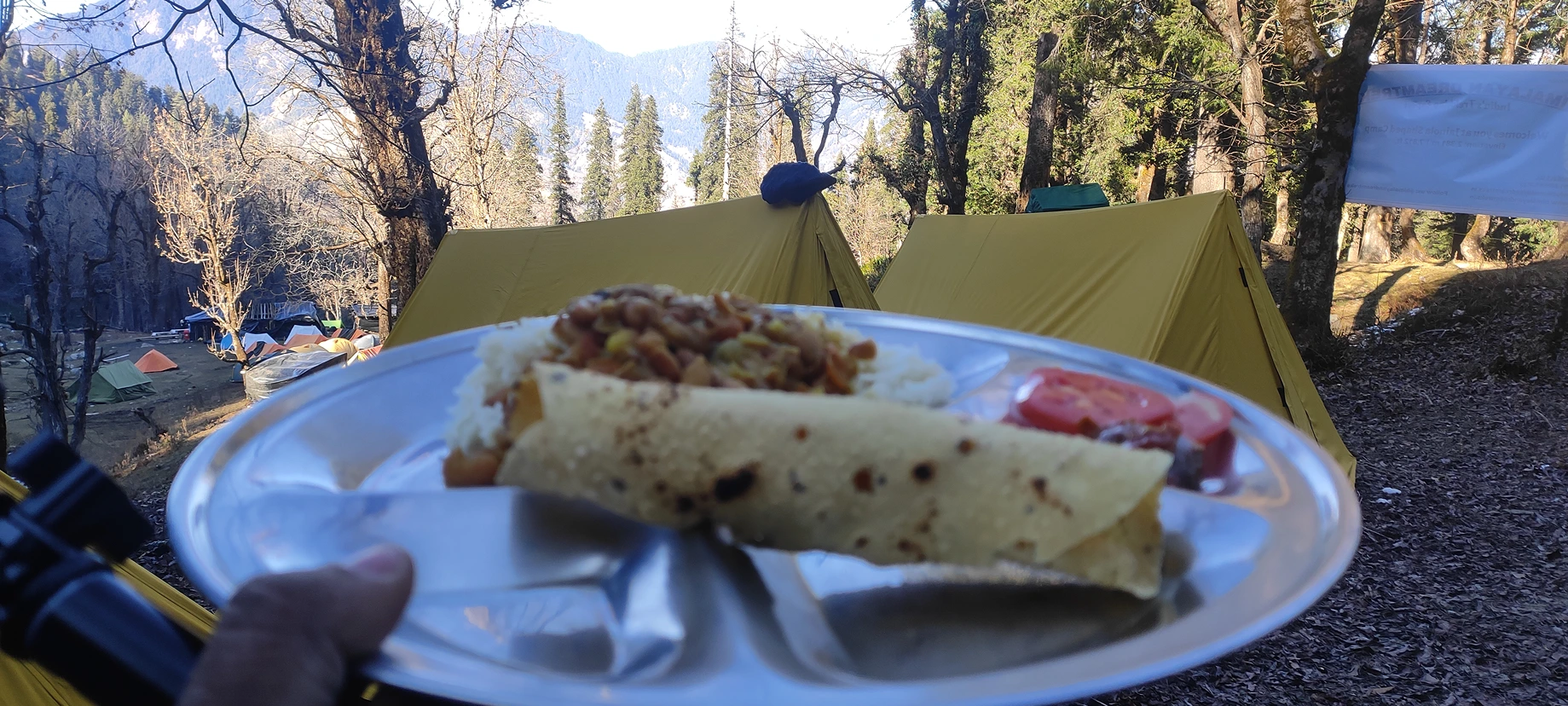
  • Simple, nourishing vegetarian meals
  • Ground transportation (if opted)
  • Local support staff familiar with the route
  • Basic first-aid and safety support

Exclusions

  • Personal expenses or offerings
  • Travel to Rishikesh
  • Any services not mentioned above

Things to Carry

I. Head & Face
Woolen Cap / Beanie

Must cover ears. Essential for retaining body heat.

Balaclava / Neck Gaiter

Crucial for summit day to protect the nose and mouth from cold wind.

UV-Protection Sunglasses

MANDATORY. Snow glare is intense and can cause snow blindness. Must be UV protected.

II. Upper Body
Base Layer (2–3)

Thermal tops (full sleeve). Must be synthetic or Merino wool. NO COTTON.

Mid Layer (2)

Fleece jacket (thick). Your primary source of warmth.

Outer/Shell Layer (1)

Padded jacket (Polyfill/Down). Heavy, windproof, and water-resistant.

III. Lower Body
Base Layer (1–2)

Thermal bottoms (leggings).

Trekking Pants (2)

Quick-dry, synthetic trekking trousers. Avoid jeans/shorts.

IV. Hands & Feet
Trekking Shoes (1 Pair)

High-ankle, sturdy, waterproof trekking boots with good grip.

Socks (5–6 Pairs)

3–4 pairs of thick woolen/synthetic trekking socks (for the day) and 2 pairs of dry woolen socks (for sleeping only).

Gloves (2 Pairs)

1 pair of woolen/fleece inner gloves and 1 pair of heavy, waterproof outer gloves.

V. Accessories
Headlamp

MANDATORY. Carry extra batteries.

Water Bottle / Thermos

Carry a 1-liter bottle and a thermos to keep water from freezing.

Sunscreen (SPF 40+) & Lip Balm

Essential for high-altitude UV protection.

Personal Toiletries & Medication

Toothbrush, wet wipes, and any personal prescription drugs.

Daypack (20–30L)

For carrying water, jacket, snacks, and personal items during the trek.

VI. Provided Gear
From Our Side

Sleeping Bag, Sleeping Mat, Tents, Crampons, Gaiters, and Trekking Poles (use optional).

How to reach

By Air:

  • i
    Nearest airport – Dehradun (Jolly Grant)

By Train:

  • i
    Haridwar or Rishikesh railway stations

By Road:

  • i
    Rishikesh is well connected to Delhi and nearby cities
  • i
    Ground transport from Rishikesh to the base region can be arranged.

How to prepare your body and mind for the trek

Your Mind & Body Compass

Tungnath Trek is the perfect choice for a first-time wellness trekker, but a reasonable level of fitness is essential to ensure you enjoy the experience, especially given the rapid altitude gain.

Physical Conditioning (8 Weeks Prior):

  • i
    Cardiovascular Fitness: Commit to a daily routine of 4-5 kilometers of walking or jogging. Focus on building endurance to comfortably manage the steep sections.
  • i
    Strength and Flexibility: Incorporate basic strength training (squats, planks) and gentle Himalayan-focused stretching to condition the muscles and joints for carrying a backpack.

Mental & Respiratory Conditioning:

  • i
    Mastering the Breath: Begin a routine of Pranayama (breathing exercises). Practices like Anulom Vilom (Alternate Nostril Breathing) are vital for improving lung capacity and ensuring a smooth, relaxed acclimatization at high altitude.
  • i
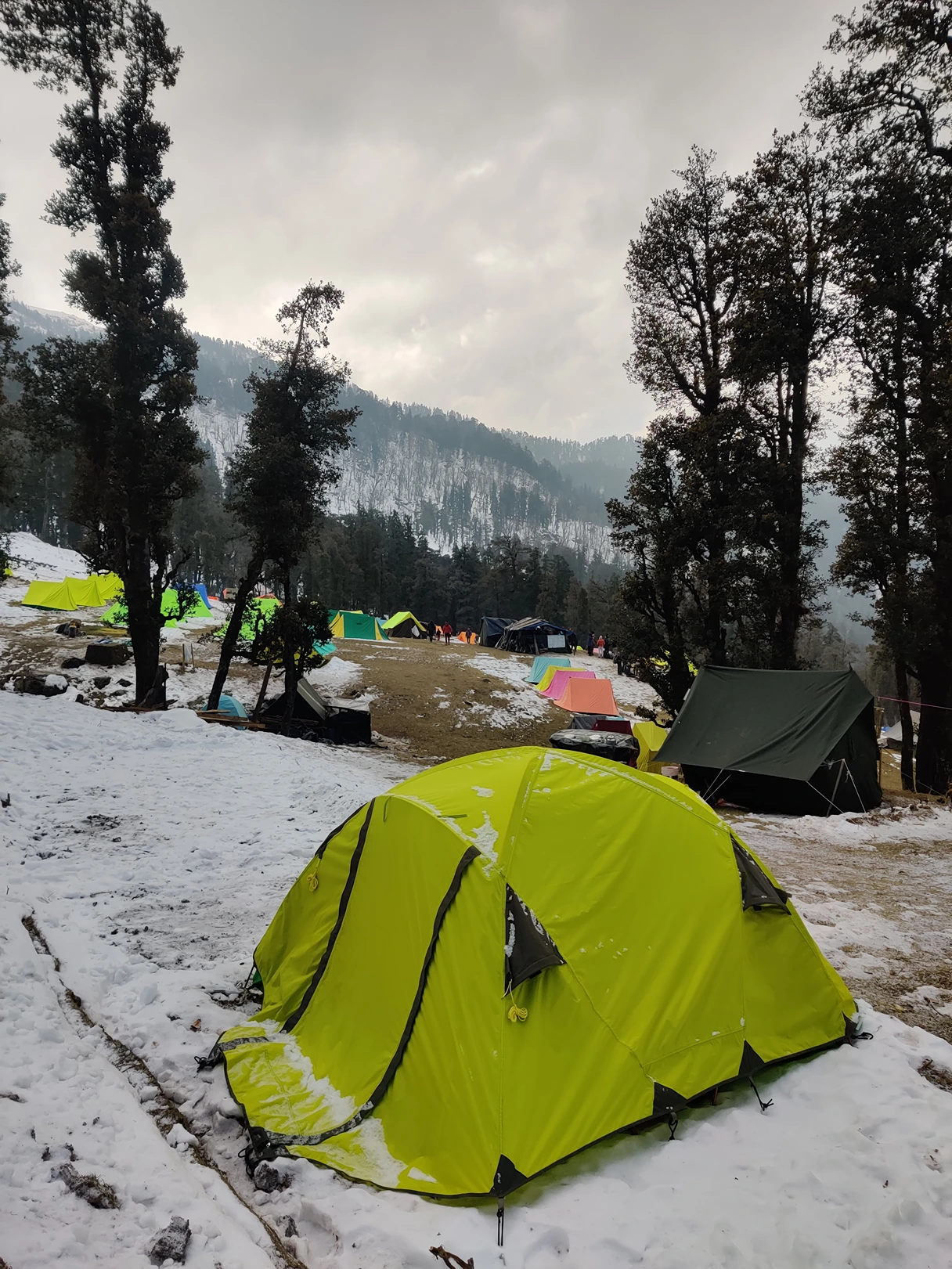
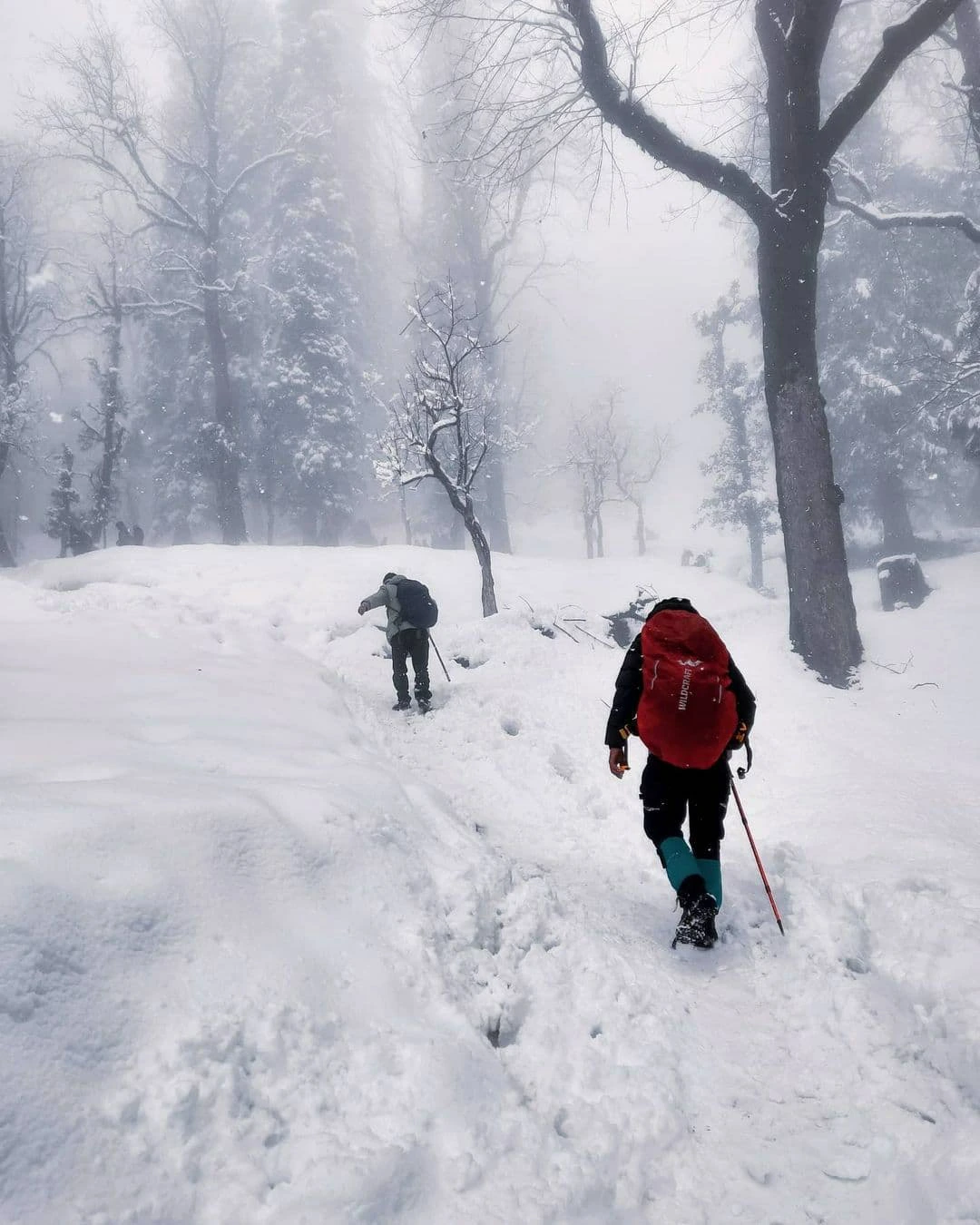
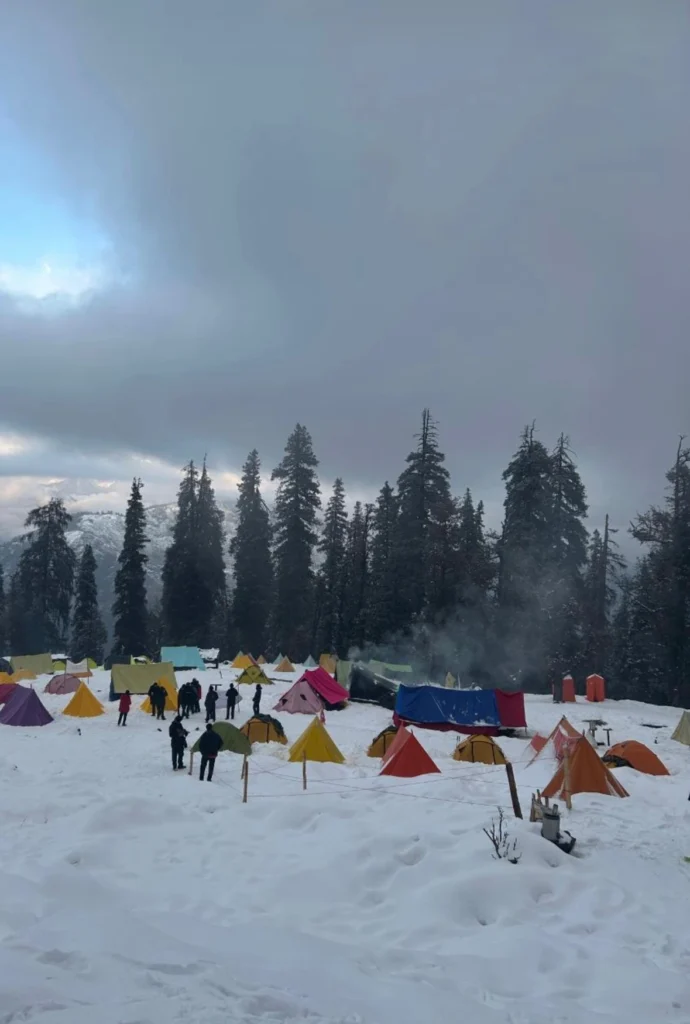
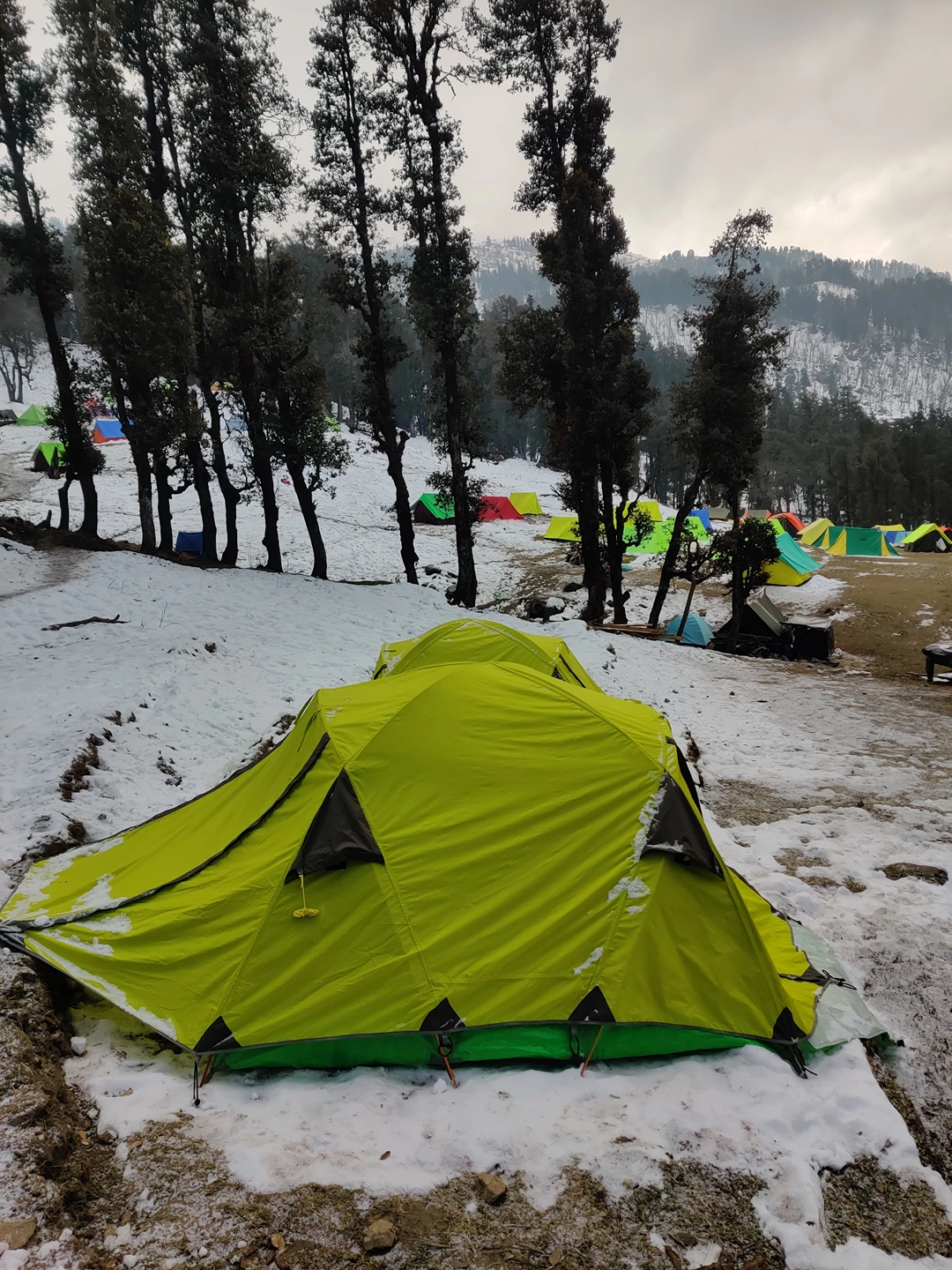
    Weather Readiness: Be prepared for the transformative nature of Himalayan weather. While daytime can be manageable (10°C to 15°C), winter nights are intensely cold, dropping to -4°C or lower. Our high-quality gear is provided to support your journey safely through the cold.

Refund & Cancellation

We aim for clear and fair practices regarding cancellations. We know plans can change, and our policy is designed to balance flexibility for you with the operational needs of running a trek.

If Crux Himalaya Cancels Your Trek

  • If we are forced to cancel a trip for reasons beyond our control (such as natural disasters, route closures, or governmental mandates), you will receive a Trek Voucher. This voucher is valid for one year and can be applied toward the original trek or any other available trek.

  • If the cost of the new trek is higher, you must pay the difference. If the cost of the new trek is lower, we will refund the surplus amount.

  • If the cancellation is due to insufficient bookings (fewer than three participants), you will receive a full monetary refund.

If You Cancel Your Trek

Cancellation Window Refund Notes
More than 30 days prior to the trek start date 100% refund Full refund of trek fee
Between 15 and 30 days prior to the trek start date 50% refund Balance forfeited
Within 1 to 15 days prior to the trek start date No refund Pre-booked logistics; refund not applicable

FAQs

It involves regular walking and gradual ascent. Basic fitness is helpful, but the pace is kept mindful.

Yes. Many visitors experience Tungnath as their first Himalayan shrine.

Yes, weather permitting, with additional preparation and support.

Its altitude, simplicity, and setting create an experience that feels inward rather than ceremonial.

Trek Fee
₹ 5,499 ₹7,499
Save ₹2,000 (27% Off)
  • Pick Up: Sari
  • Drop: Sari
  • Location: Sari Village
Note: Pick-up & drop details will be reconfirmed on WhatsApp after booking.