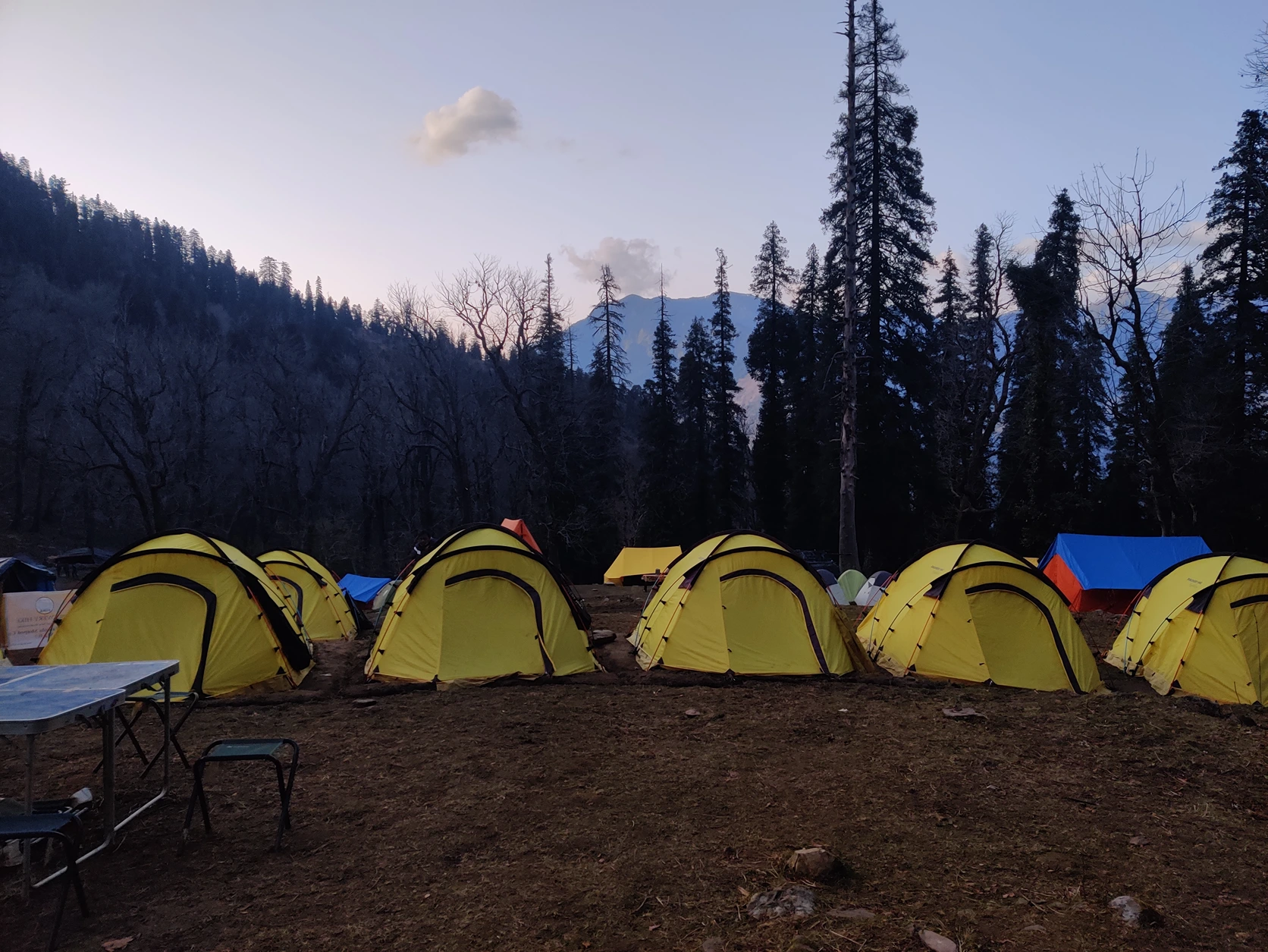
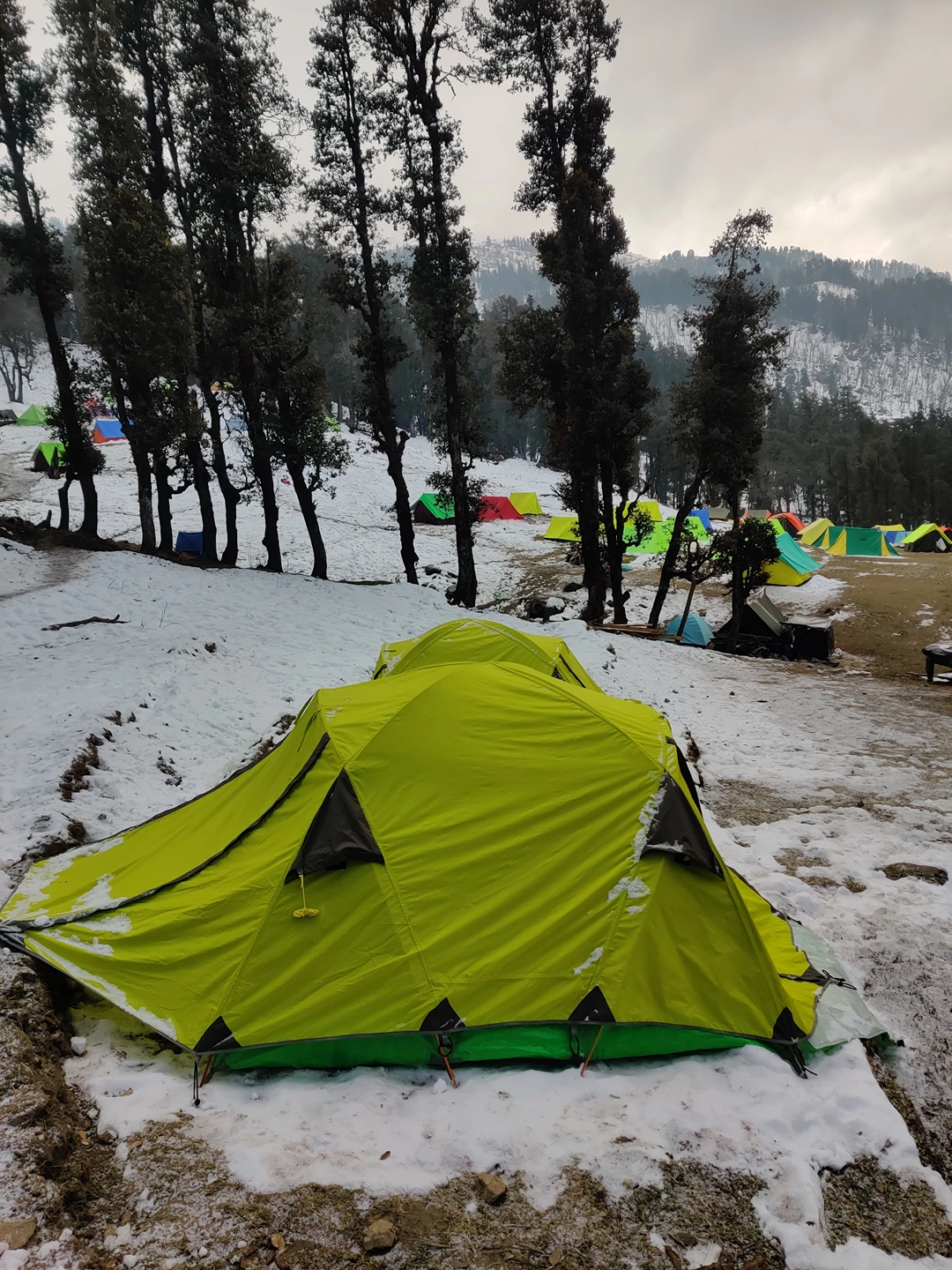
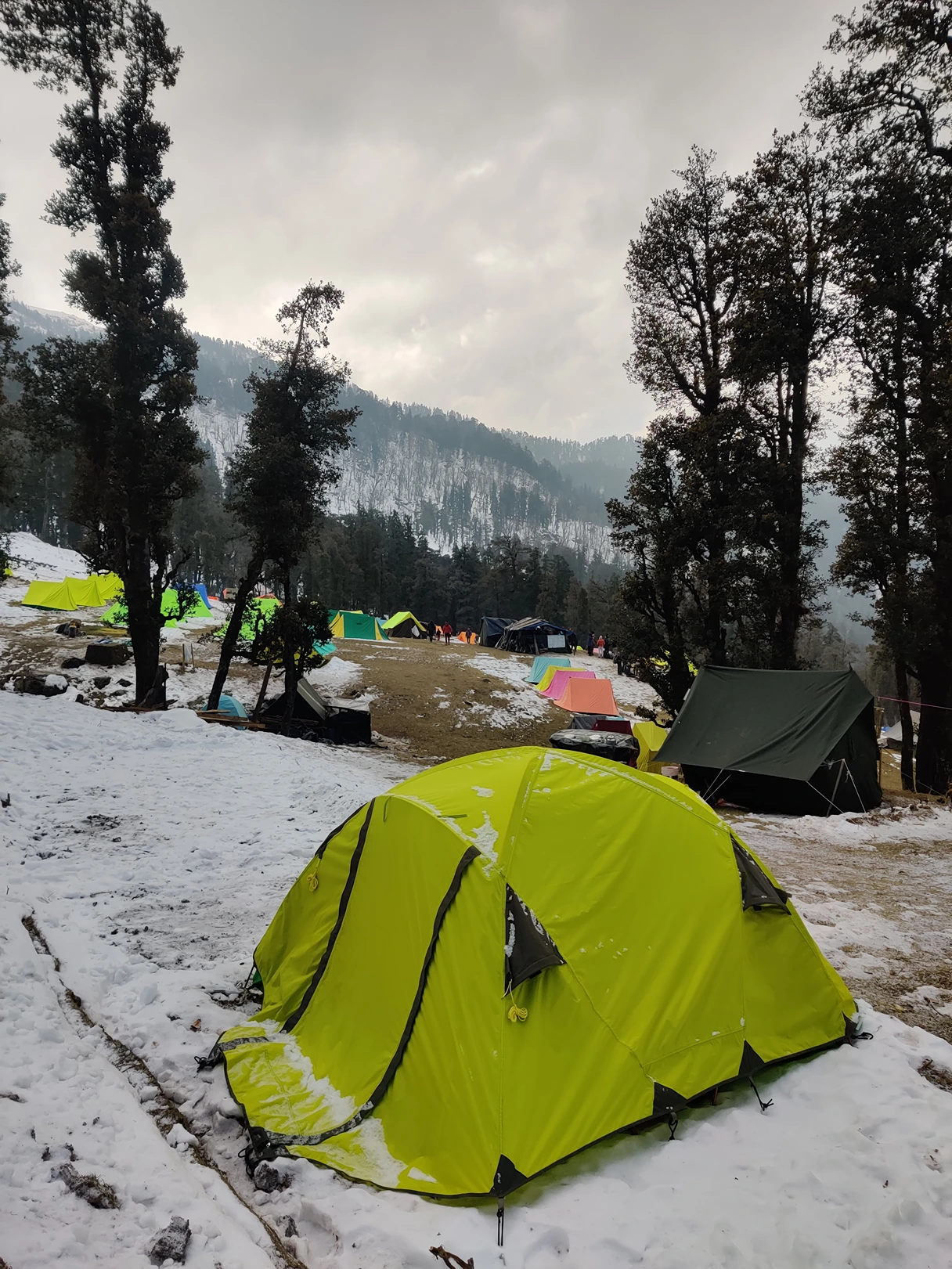
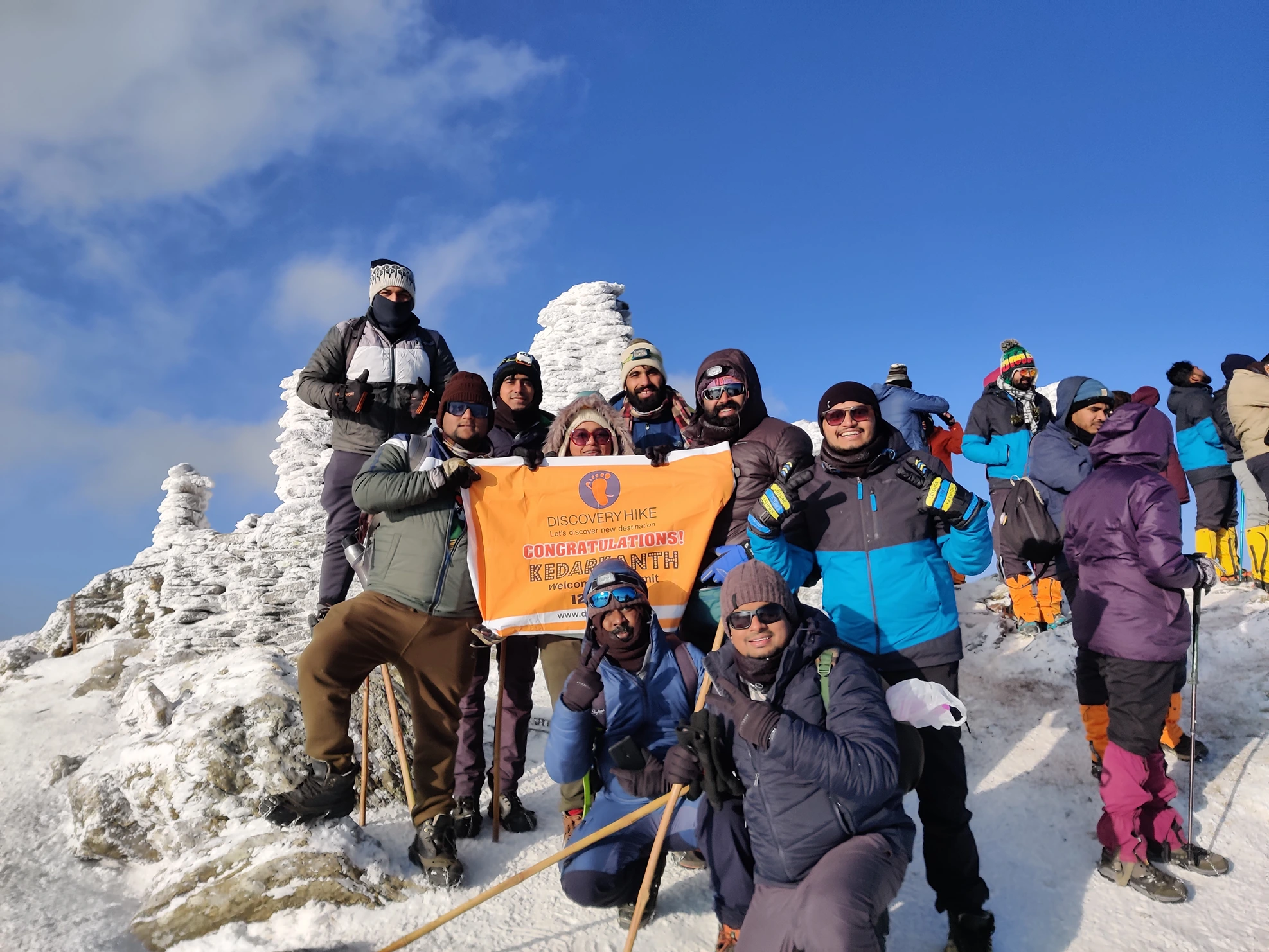
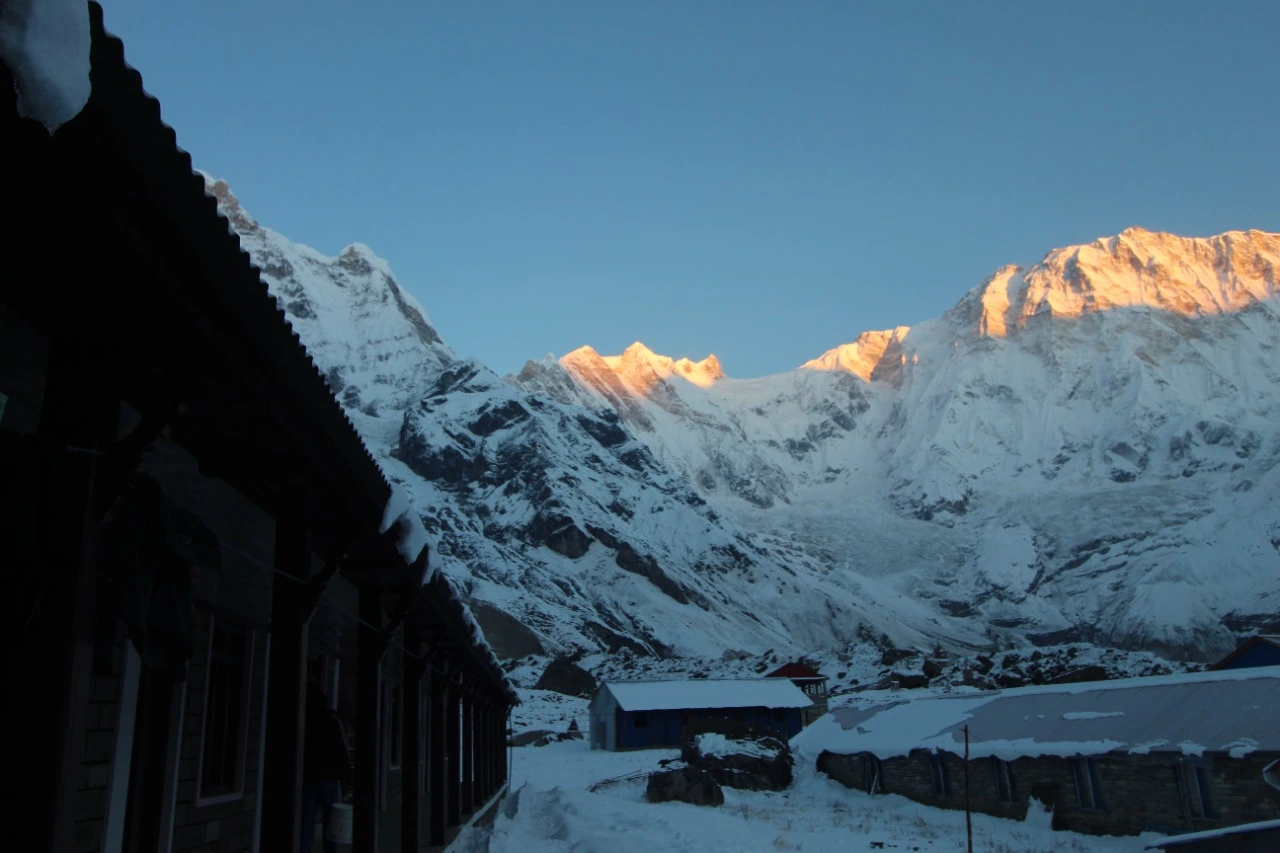
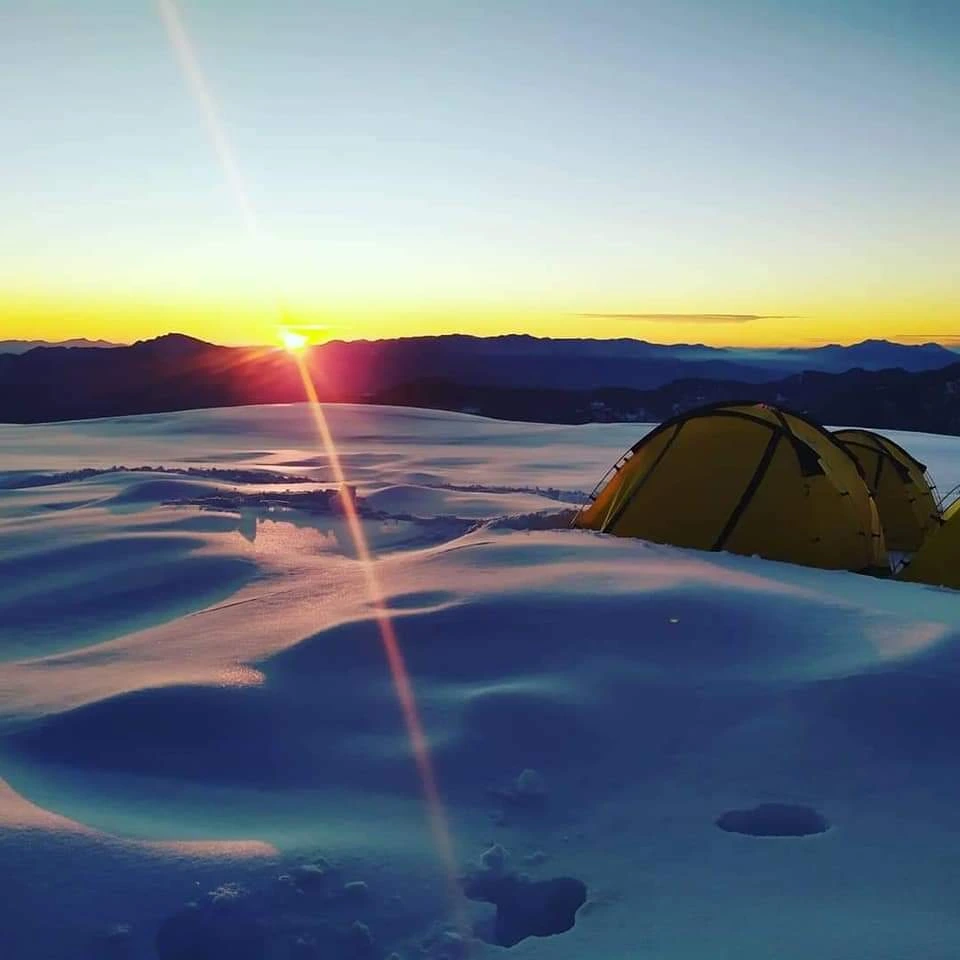
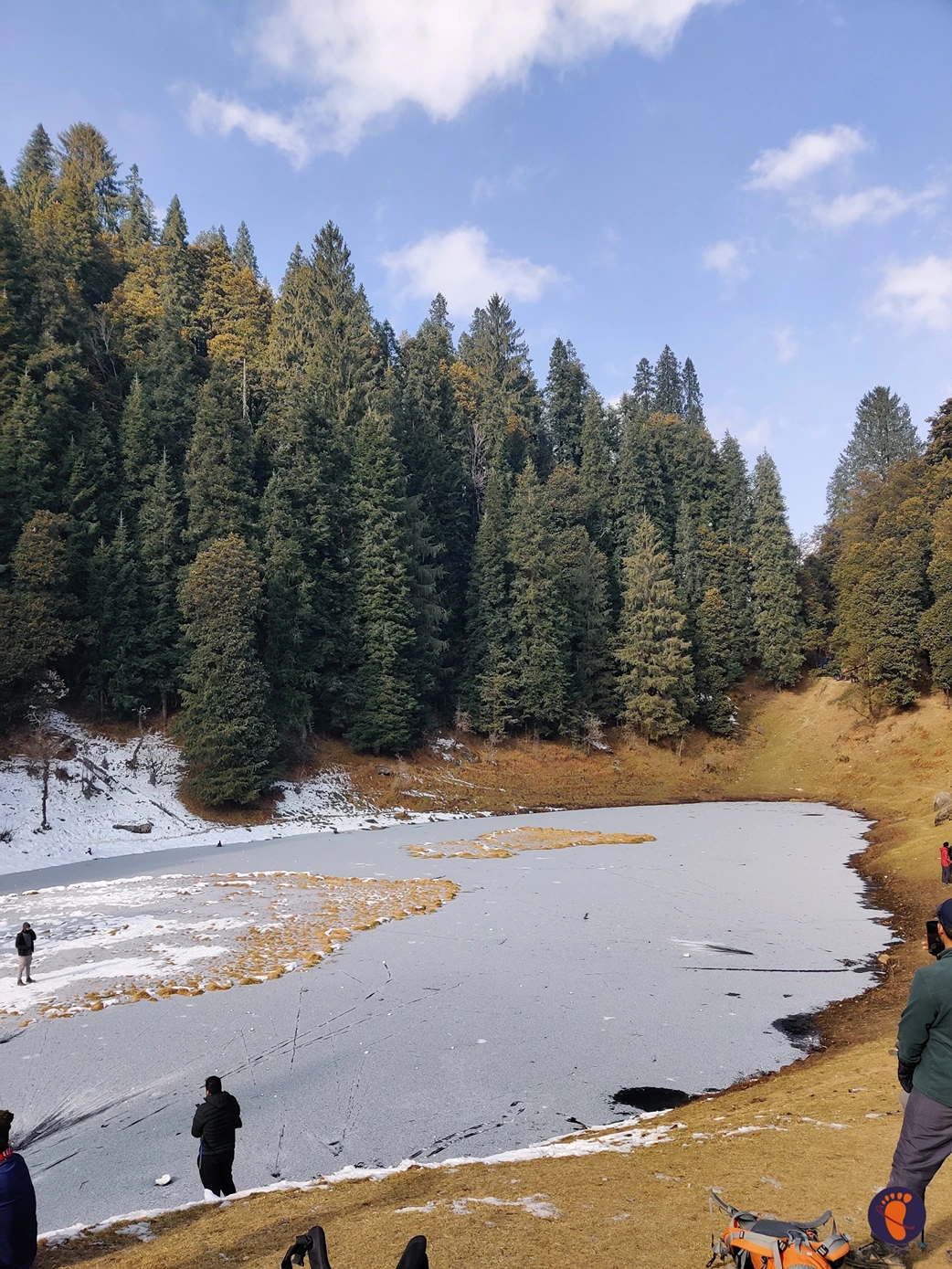
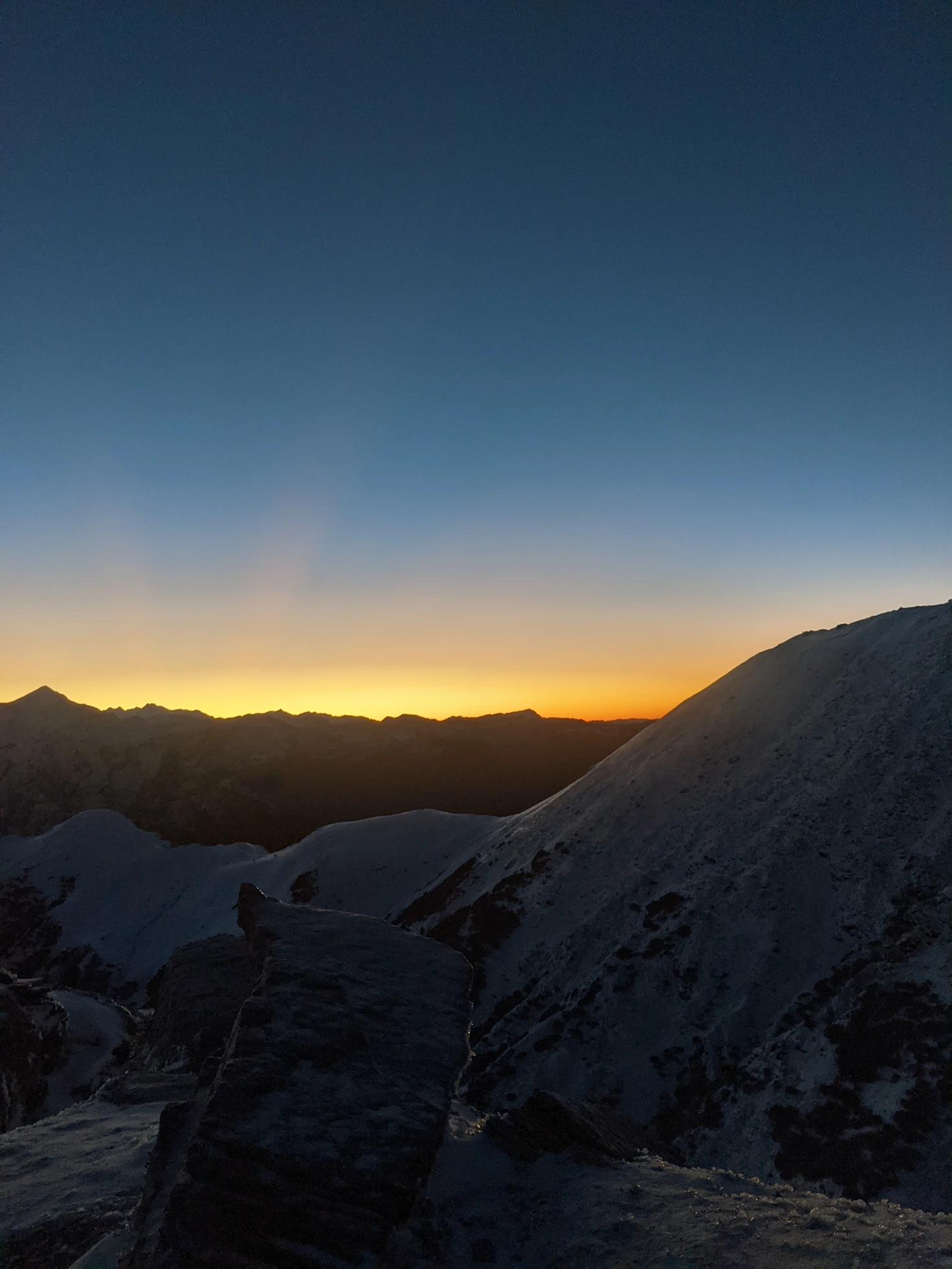
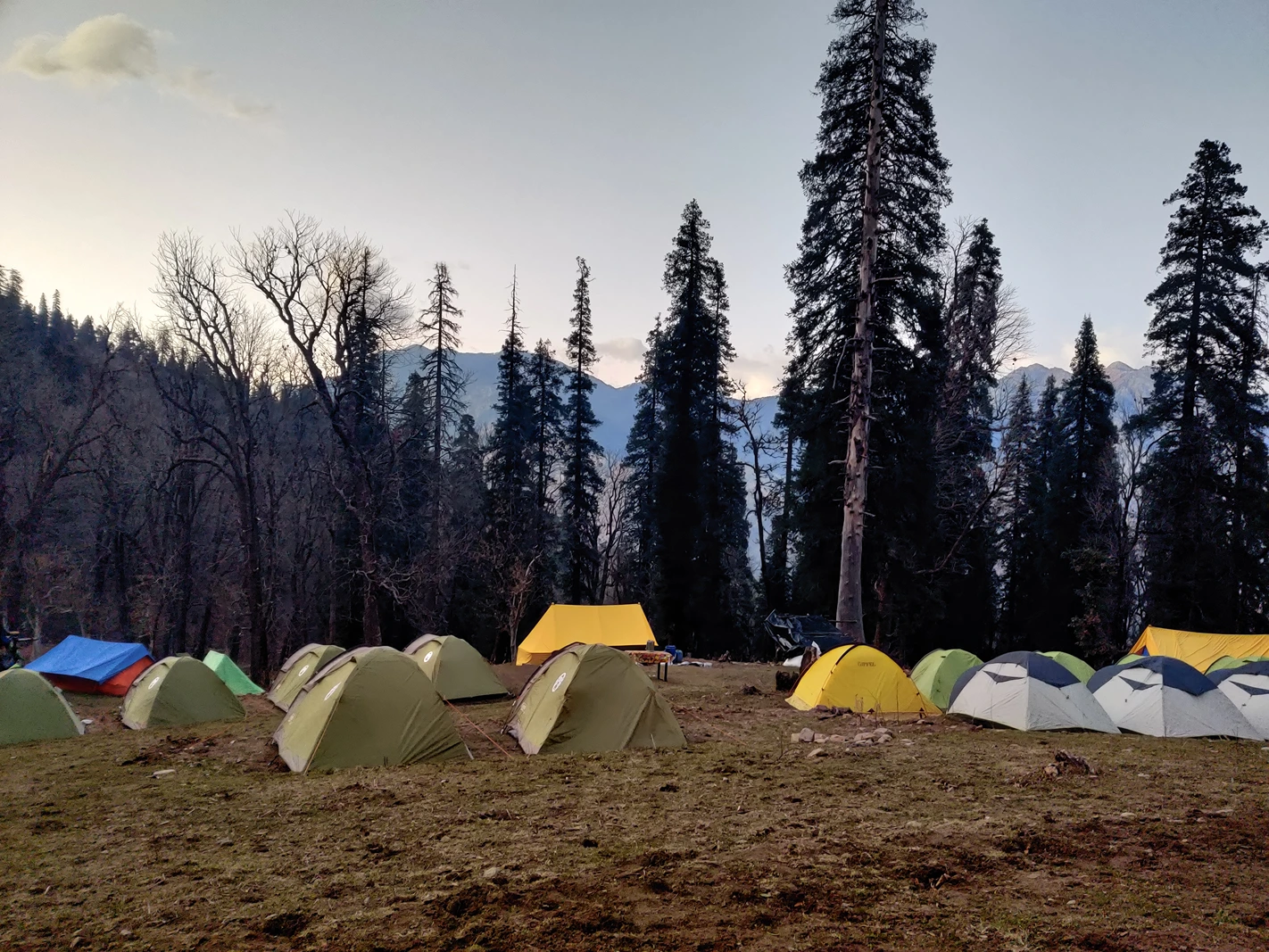
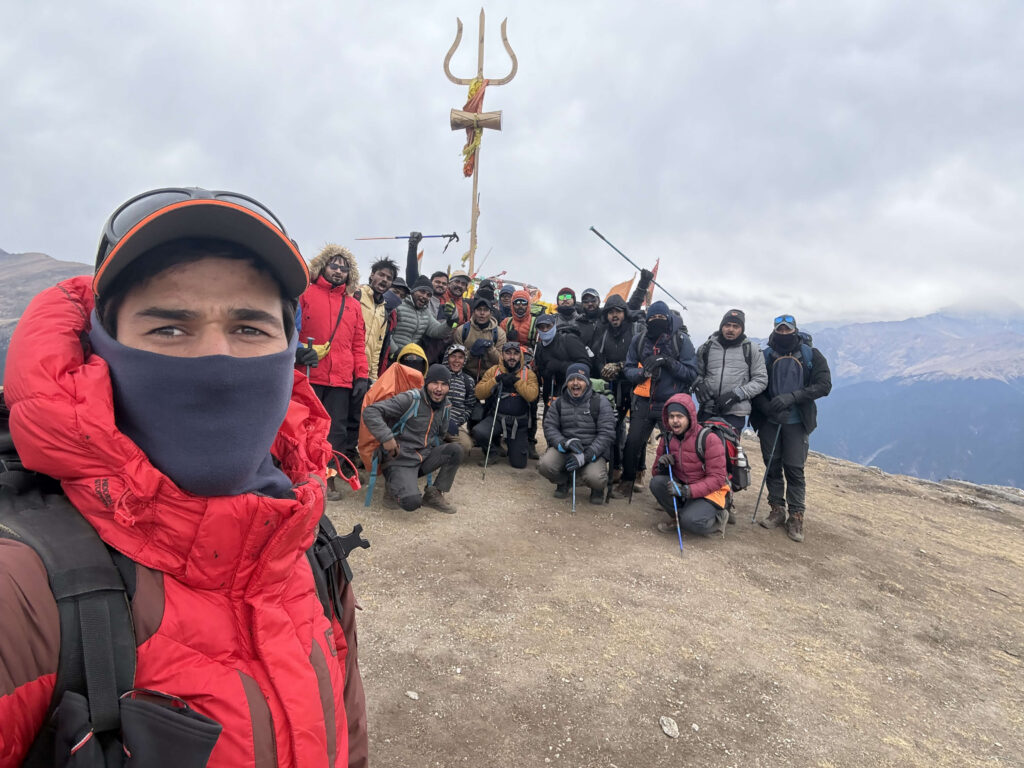
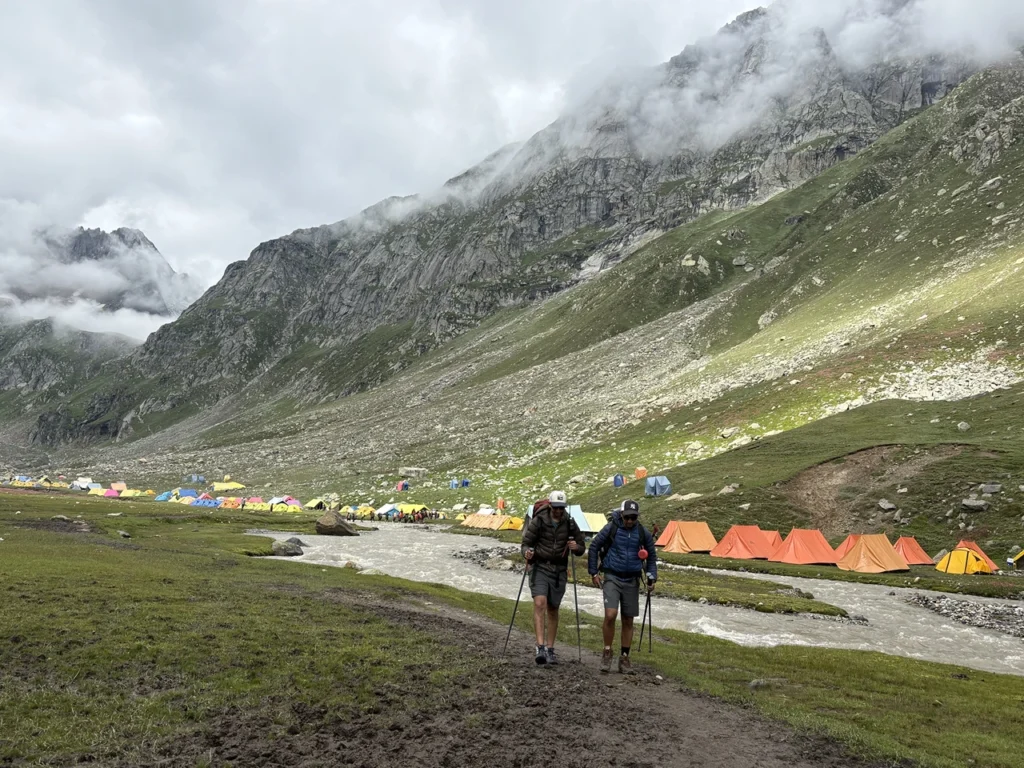
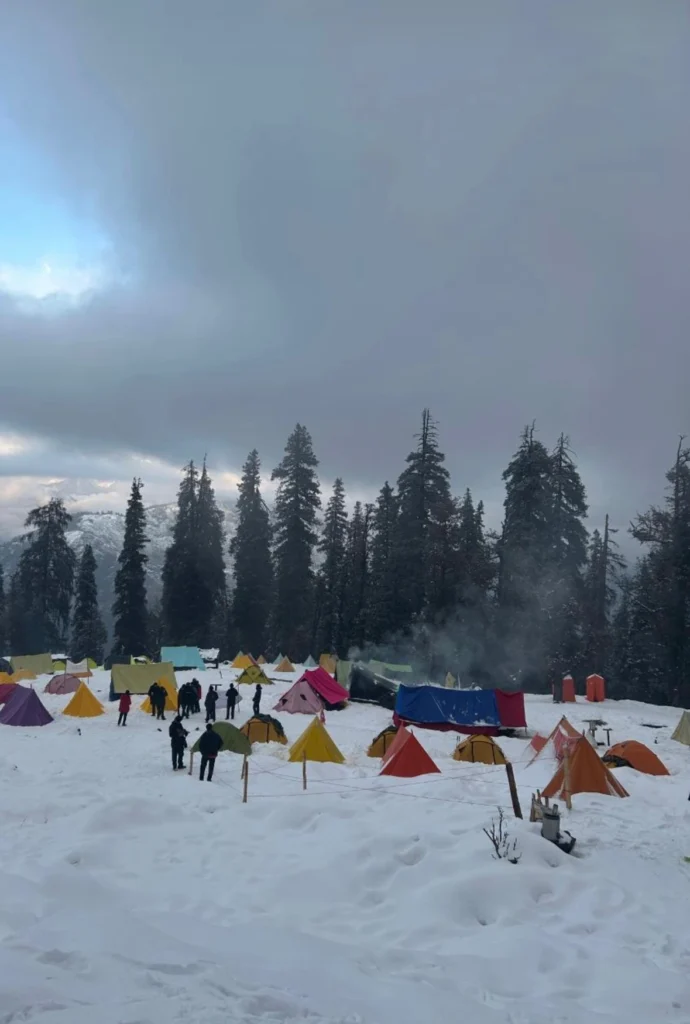
The journey begins with a very long but scenic drive spanning approximately 10 to 12 hours (covering ≈280−300km) from Rishikesh. The route follows the course of the holy Ganga and Alaknanda rivers, passing major pilgrimage towns like Devprayag (confluence of Alaknanda and Bhagirathi) and Rudraprayag. The road eventually takes you deeper into the Garhwal region, traversing winding Himalayan roads before arriving at the base camp of Lohajung (≈7,600ft). Upon arrival, you will meet your Trek Leader and fellow trekkers for a crucial briefing. Overnight stay is in a guesthouse or lodge.
Roopkund Trek
- Pick Up: Lohajung
- Drop: Lohajung
- Location: Lohajung Base Camp
Send an enquiry
Overview
The Roopkund Trek, historically one of the most mesmerizing and sought-after journeys in the Indian Himalayas, is an unparalleled blend of dramatic alpine beauty and profound historical mystery. Nestled high in the Garhwal region of Uttarakhand, the trek is renowned for leading adventurers through some of Asia’s most expansive alpine meadows, or Bugyals, before culminating at the elusive Roopkund Lake. At a staggering altitude of approximately 15,696ft (≈4,800m), this glacial tarn is famously dubbed the “Mystery Lake” or the “Skeleton Lake,” a moniker that speaks directly to the enigma at its heart.
The lake’s chilling fame stems from the discovery of hundreds of ancient human and animal skeletal remains scattered at its edge and partially submerged beneath its icy waters. First officially rediscovered by a forest guard in 1942, these remains have since puzzled archaeologists and geneticists alike. Initial theories suggested the individuals—which included both men and women, along with horses—perished in a single, catastrophic event, potentially a severe blizzard or landslide. Subsequent research, however, revealed that the remains belong to multiple distinct groups and time periods, ranging from the 9th century CE to perhaps the 15th century, though the most prominent theory suggests a large group died together, possibly from a sudden, violent hailstorm, as evidenced by forensic examination of cranial injuries.
Rooted deeply in local folklore and religious practice, the Roopkund region is intrinsically linked to the grand Nanda Devi Raj Jat Yatra, one of the world’s longest pilgrimage journeys, held once every twelve years. The prevailing mythology posits that the skeletons belong to a royal entourage led by King Jasdhawal of Kanauj and his pregnant queen, who were undertaking a pilgrimage to the revered Nanda Devi mountain. Disregarding the sacred mountain rules by bringing dancers and exhibiting a lavish lifestyle, the party supposedly incurred the wrath of the local deity, who unleashed a furious hailstorm of ice-balls, instantly killing the entire group. This legend perfectly ties the region to the majestic peaks that dominate the horizon, including Trishul Peak and Nanda Ghunti.
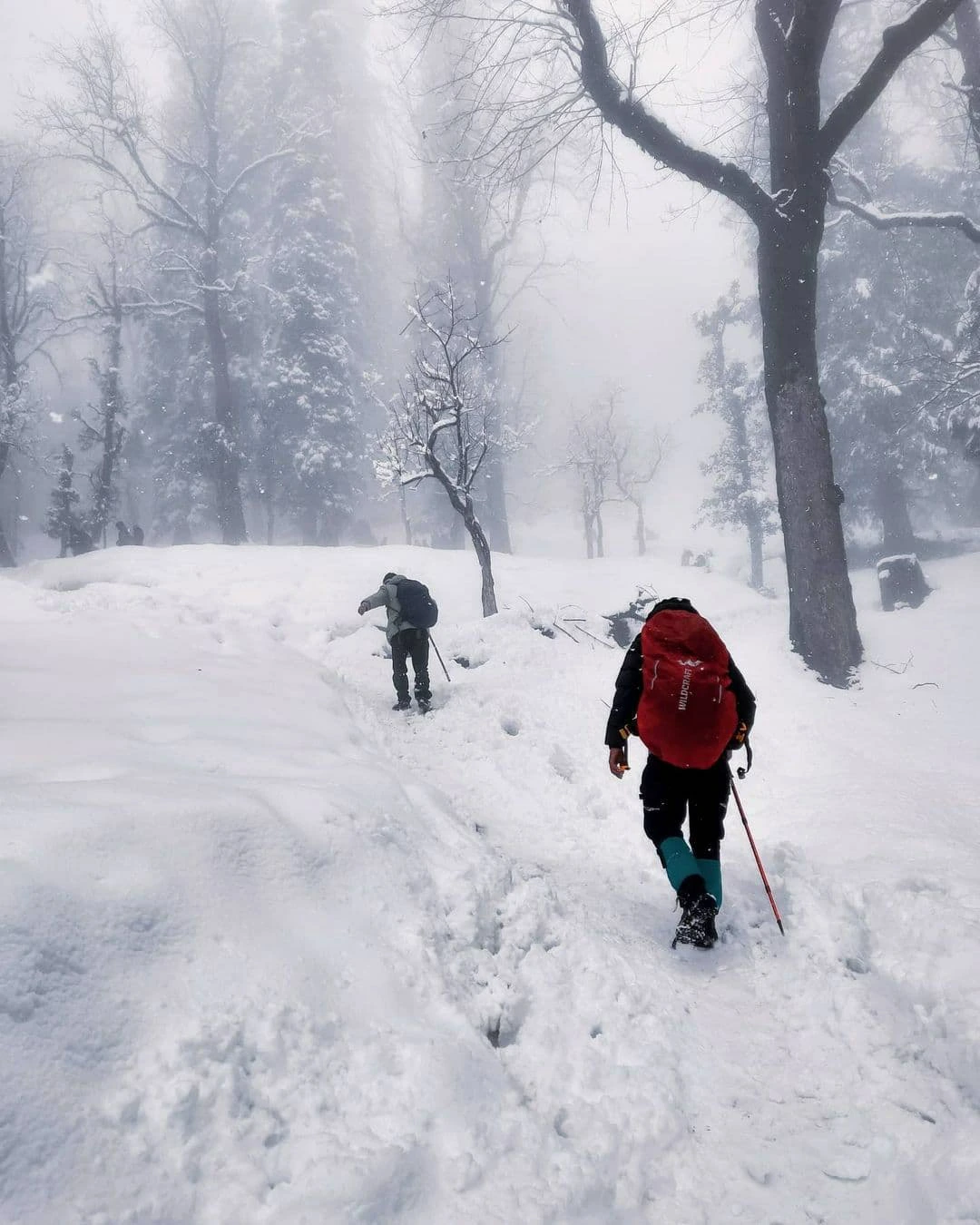
The trek’s narrative journey is almost as compelling as its destination, beginning from the basecamp of Lohajung. The trail quickly transitions from dense rhododendron and oak forests to the massive, rolling grasslands of Ali Bugyal and Bedni Bugyal, which provide endless undulating green carpets in the summer and pristine snowscapes in the winter. It is these sacred meadows, offering spectacular views of the Himalayan range, that form the breathtaking prelude to the ultimate, steep final climb to the desolate, yet historically captivating, Roopkund Lake.
Highlights
Itinerary
The first day of trekking covers ≈10km, taking around 5 to 6 hours. The walk begins from Lohajung, following a jeep road with a slight ascent until the small village of Kulling. The trail then descends steeply down to the Neel Ganga riverbed before starting the strenuous, yet rewarding, climb up the opposite ridge to Didna Village (≈8,000ft), which is your campsite for the night.
Meals
This is a pivotal day involving significant altitude gain as you leave the treeline behind. The ≈10km trek takes 6 to 7 hours. The challenging climb through dense forest is rewarded upon reaching the vast, rolling meadows of Ali Bugyal, which connect seamlessly to Bedni Bugyal (≈11,700ft). Your campsite will be amidst this unparalleled natural expanse, with jaw-dropping views of peaks like Trishul and Nanda Ghunti.
Meals
The trek today is relatively shorter and easier, covering ≈4km in 3 to 4 hours, primarily serving as an essential acclimatization day. The trail is mostly gentle, following the contours of the vast meadow, passing the sacred Bedni Kund (lake). You then descend slightly to the campsite at Patar Nachauni (≈12,500ft).
Meals
Today is a moderate, 4-hour trek spanning ≈4km. You ascend to the Kalu Vinayak pass (≈14,200ft), before the trail levels out and gently descends into a desolate, rocky landscape. You reach the high-altitude camp of Bhagwabasa (≈14,100ft), the final stop before the summit attempt.
Meals
This is the longest and most challenging day, spanning ≈10km and demanding 10 to 12 hours. You ascend steeply past Chhirianag to the mysterious Roopkund Lake (≈15,696ft). If conditions permit, you may continue to the higher Junargali Pass (≈16,700ft) for the best views. After time at the summit, you begin the long, careful descent, all the way back to the Patar Nachauni campsite.
Meals
Today marks the full descent back to the base camp. It is a long, downhill walk covering ≈14km in about 6 to 7 hours, passing back through the Bugyals and forests until you reach the warmth of Lohajung.
Meals
The final day involves the long ≈10 to 12 hours drive back from Lohajung to Rishikesh. You will retrace your route through the major confluences, arriving in Rishikesh by late afternoon or early evening, allowing you to catch your onward travel.
Meals
Good to know
Inclusions
-
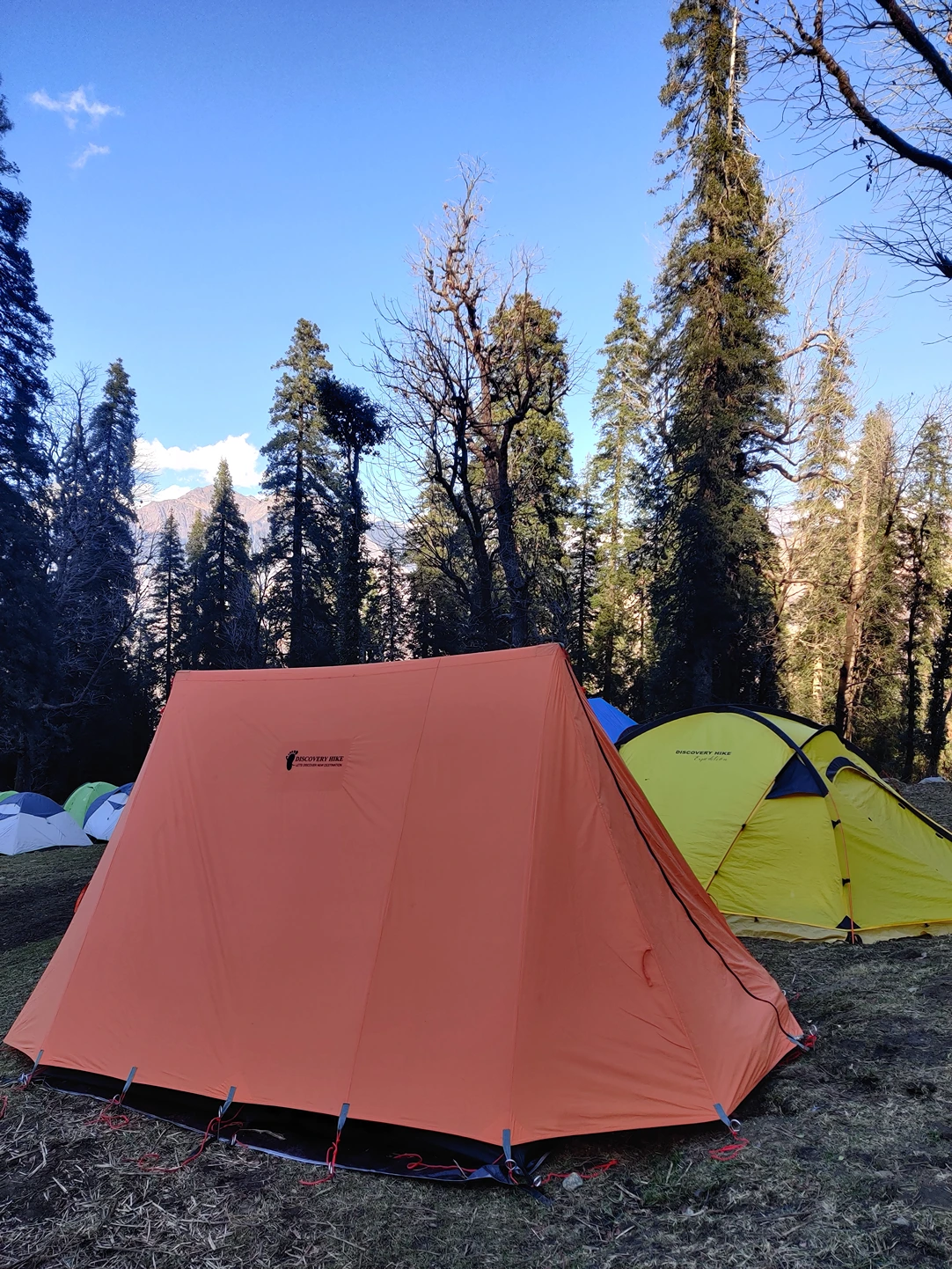
Accommodation: All nights are covered, including your stay in a guesthouse/lodge at the base camp (Lohajung) on Day 1 and Day 7, and the remaining nights in high-quality, weather-appropriate tents (twin-sharing basis) during the trek.
-
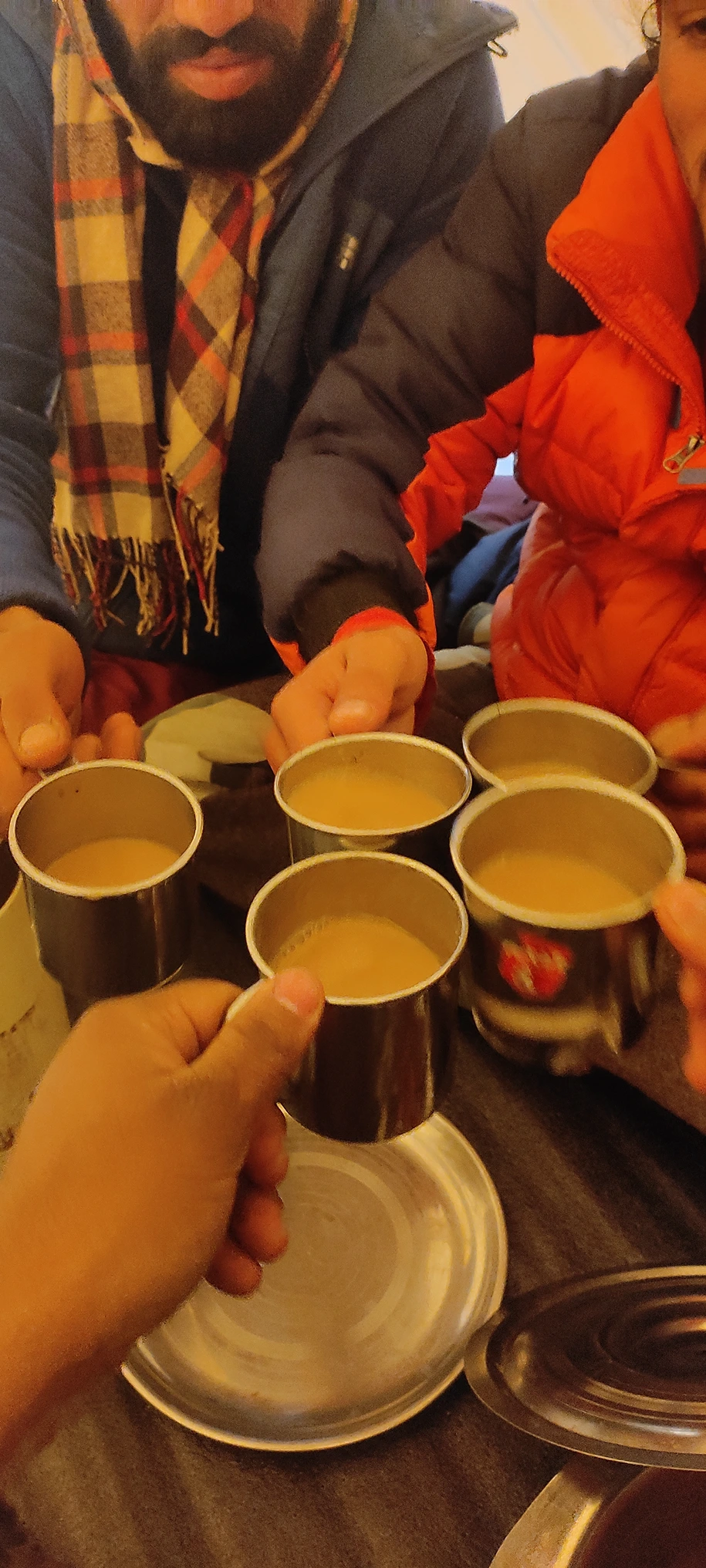
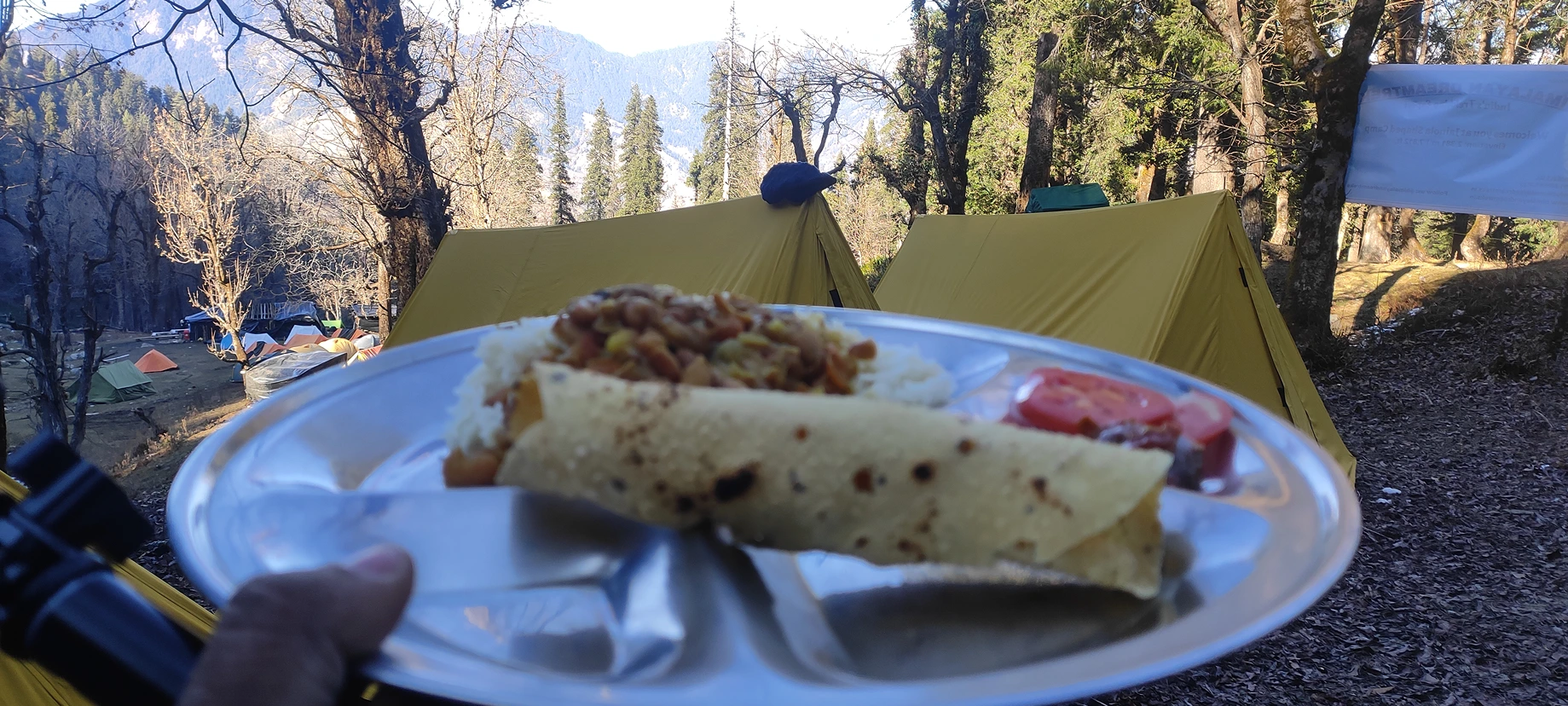
Meals: All meals from Day 1 Dinner to Day 8 Breakfast are generally included. This covers nourishing vegetarian meals on the trek, including breakfast, lunch, high tea, and dinner.
-
Transportation: The entire journey between the gateway and basecamp is included: the round-trip drive from Rishikesh to Lohajung and back on Day 1 and Day 8.
-
Staff and Support: The fees cover the wages and expenses of your qualified team, including the Certified Trek Leader, local guide, cook, and support staff.
-
Permits and Fees: All necessary forest entry fees, camping charges, and trekking permits required to complete the itinerary are handled by the operator.
-
Safety Equipment: Access to necessary safety equipment, including a comprehensive first-aid kit, portable oxygen cylinder, and essential mountaineering gear for the team.
Exclusions
-
Personal Gear: The cost of renting or buying your personal trekking equipment, such as trekking shoes, a down jacket, waterproof pants, trekking poles, etc.
-
Travel Insurance: Any form of travel insurance, medical insurance, or coverage for unexpected health events. This is highly recommended and must be purchased separately.
-
Emergency Expenses: The cost of any emergency evacuation, rescue operation, or medical treatment that may be required on the mountain.
-
Meals during Transit: Food expenses during the long drives on Day 1 (Breakfast/Lunch) and Day 8 (Lunch/Dinner) are typically not included.
-
Tipping: Tips and gratuities for the trekking staff (guides, porters, cooks) are not included and are usually given at the end of the trek.
-
Personal Costs: Costs for personal items like snacks, packaged foods (chocolates, energy bars), bottled water, telephone calls, or personal medicine.
Things to Carry
Must cover ears. Essential for retaining body heat.
Crucial for summit day to protect the nose and mouth from cold wind.
MANDATORY. Snow glare is intense and can cause snow blindness. Must be UV protected.
Thermal tops (full sleeve). Must be synthetic or Merino wool. NO COTTON.
Fleece jacket (thick). Your primary source of warmth.
Padded jacket (Polyfill/Down). Heavy, windproof, and water-resistant.
Thermal bottoms (leggings).
Quick-dry, synthetic trekking trousers. Avoid jeans/shorts.
High-ankle, sturdy, waterproof trekking boots with good grip.
3–4 pairs of thick woolen/synthetic trekking socks (for the day) and 2 pairs of dry woolen socks (for sleeping only).
1 pair of woolen/fleece inner gloves and 1 pair of heavy, waterproof outer gloves.
MANDATORY. Carry extra batteries.
Carry a 1-liter bottle and a thermos to keep water from freezing.
Essential for high-altitude UV protection.
Toothbrush, wet wipes, and any personal prescription drugs.
For carrying water, jacket, snacks, and personal items during the trek.
Sleeping Bag, Sleeping Mat, Tents, Crampons, Gaiters, and Trekking Poles (use optional).
How to reach
The journey to the start of the Roopkund experience involves reaching the gateway city of Rishikesh first, followed by the final long drive to the official trek base camp, Lohajung.
Part I: Reaching the Gateway (Rishikesh)
Rishikesh is well-connected and easily accessible from major metropolitan centers, primarily Delhi. You should aim to arrive at Rishikesh (or the nearby transit hubs) one day prior to Day 1 of the itinerary to ensure you are well-rested for the long drive ahead.
| Mode of Transport | Nearest/Best Hub | Time/Distance from Delhi | Notes |
| By Air | Jolly Grant Airport (DED), Dehradun | ≈45 mins drive to Rishikesh. | Easiest option. Taxis are readily available from DED to Rishikesh. |
| By Rail | Rishikesh Railway Station (RKSH) or Haridwar (HW) | Overnight train journey. | Haridwar (HW) is a major hub with better connectivity; about 1 hour drive to Rishikesh. |
| By Road/Bus | Rishikesh ISBT (Bus Stand) | ≈6 to 7 hours | Overnight and day Volvo/AC sleeper buses operate frequently from Delhi’s ISBT (Kashmere Gate). |
Part II: The Final Leg to Lohajung
Lohajung is the designated base camp for the Roopkund Trek, and the journey from Rishikesh is a long but spectacular introduction to the high mountains.
- iRoute: Rishikesh → Devprayag → Rudraprayag → Karnaprayag → Lohajung.
- iMode: This journey must be completed via reserved taxi or shared taxi/cab arranged by your trekking operator. There is no reliable public transport connecting directly from Rishikesh to Lohajung that can complete the journey in one day.
- iTimeline: The drive covers approximately 280 to 300km and takes a significant 10 to 12 hours, depending on road conditions. It is essential to start this drive early on Day 1 (around 6:00 AM) to ensure you reach Lohajung before nightfall.
The drive itself is scenic, following the major river confluences, but it is physically demanding, so ensure you rest well upon arrival at the base camp.
How to prepare your body and mind for the trek
Your Mind & Body Compass
Roopkund is the perfect choice for a first-time wellness trekker, but a reasonable level of fitness is essential to ensure you enjoy the experience, especially given the rapid altitude gain.
Physical Conditioning (8 Weeks Prior):
- iCardiovascular Fitness: Commit to a daily routine of 4-5 kilometers of walking or jogging. Focus on building endurance to comfortably manage the steep sections.
- iStrength and Flexibility: Incorporate basic strength training (squats, planks) and gentle Himalayan-focused stretching to condition the muscles and joints for carrying a backpack.
Mental & Respiratory Conditioning:
- iMastering the Breath: Begin a routine of Pranayama (breathing exercises). Practices like Anulom Vilom (Alternate Nostril Breathing) are vital for improving lung capacity and ensuring a smooth, relaxed acclimatization at high altitude.
- iWeather Readiness: Be prepared for the transformative nature of Himalayan weather. While daytime can be manageable (10°C to 15°C), winter nights are intensely cold, dropping to -4°C or lower. Our high-quality gear is provided to support your journey safely through the cold.
Refund & Cancellation
We aim for clear and fair practices regarding cancellations. We know plans can change, and our policy is designed to balance flexibility for you with the operational needs of running a trek.
If Crux Himalaya Cancels Your Trek
-
If we are forced to cancel a trip for reasons beyond our control (such as natural disasters, route closures, or governmental mandates), you will receive a Trek Voucher. This voucher is valid for one year and can be applied toward the original trek or any other available trek.
-
If the cost of the new trek is higher, you must pay the difference. If the cost of the new trek is lower, we will refund the surplus amount.
-
If the cancellation is due to insufficient bookings (fewer than three participants), you will receive a full monetary refund.
If You Cancel Your Trek
| Cancellation Window | Refund | Notes |
|---|---|---|
| More than 30 days prior to the trek start date | 100% refund | Full refund of trek fee |
| Between 15 and 30 days prior to the trek start date | 50% refund | Balance forfeited |
| Within 1 to 15 days prior to the trek start date | No refund | Pre-booked logistics; refund not applicable |
30+ days before trek start
Full refund of trek fee
15–30 days before trek
Balance forfeited
1–15 days before trek
Refund not applicable
FAQs
Yes. However, occasionally, the traditional route for the Roopkund Trek gets restricted due to environmental concerns and regulations imposed by local authorities to preserve the delicate alpine meadows. We recommend checking with the trek team before booking or booking alternative treks with similar highlights, such as Brahmatal or Rupin Pass.
The trek is graded as Moderate to Difficult. It requires a high level of physical fitness, significant endurance, and prior preparation due to the steep terrain and high altitude.
The highest point reached on the classic itinerary is Roopkund Lake at approximately 15,696ft (≈4,800m), with an optional climb to the Junargali Pass (≈16,700ft).
The ideal windows for the trek are: Summer (May to June), offering pleasant weather and blooming rhododendrons, and Autumn (September to October), providing clear skies and panoramic views. The trek is typically closed during the heavy monsoon season.
The risk of AMS is significant given the rapid ascent to 15,696ft. However, the itinerary incorporates a necessary acclimatization profile. Following strict hydration rules, ascending slowly, and participating in daily health checks are mandatory precautions.
Network is extremely poor. You will find patchy connectivity (primarily BSNL) only at the base camp, Lohajung. There is no mobile network or electricity connectivity once the trek begins. You must carry power banks for charging your electronics.
The base camp is reached via a long road journey (approximately 10 to 12 hours) by hired taxi or reserved vehicle from Rishikesh, passing through major confluences like Rudraprayag and Karnaprayag.
Yes. Solo trekkers are generally welcomed and accommodated by being grouped with other trekkers in shared tents and guided by the Trek Leader. Fitness preparation is still strictly required.
- Pick Up: Lohajung
- Drop: Lohajung
- Location: Lohajung Base Camp