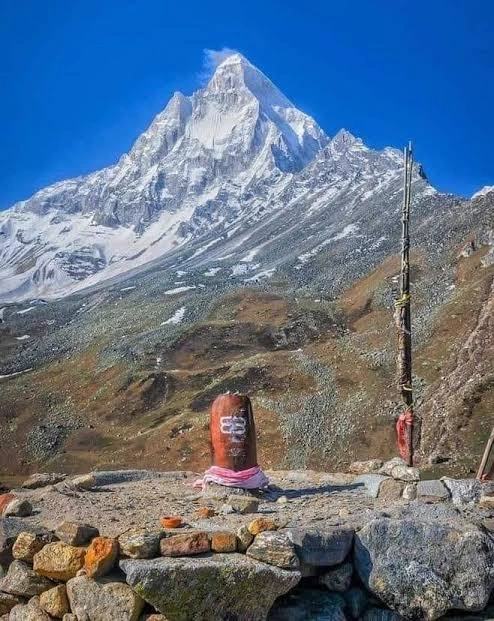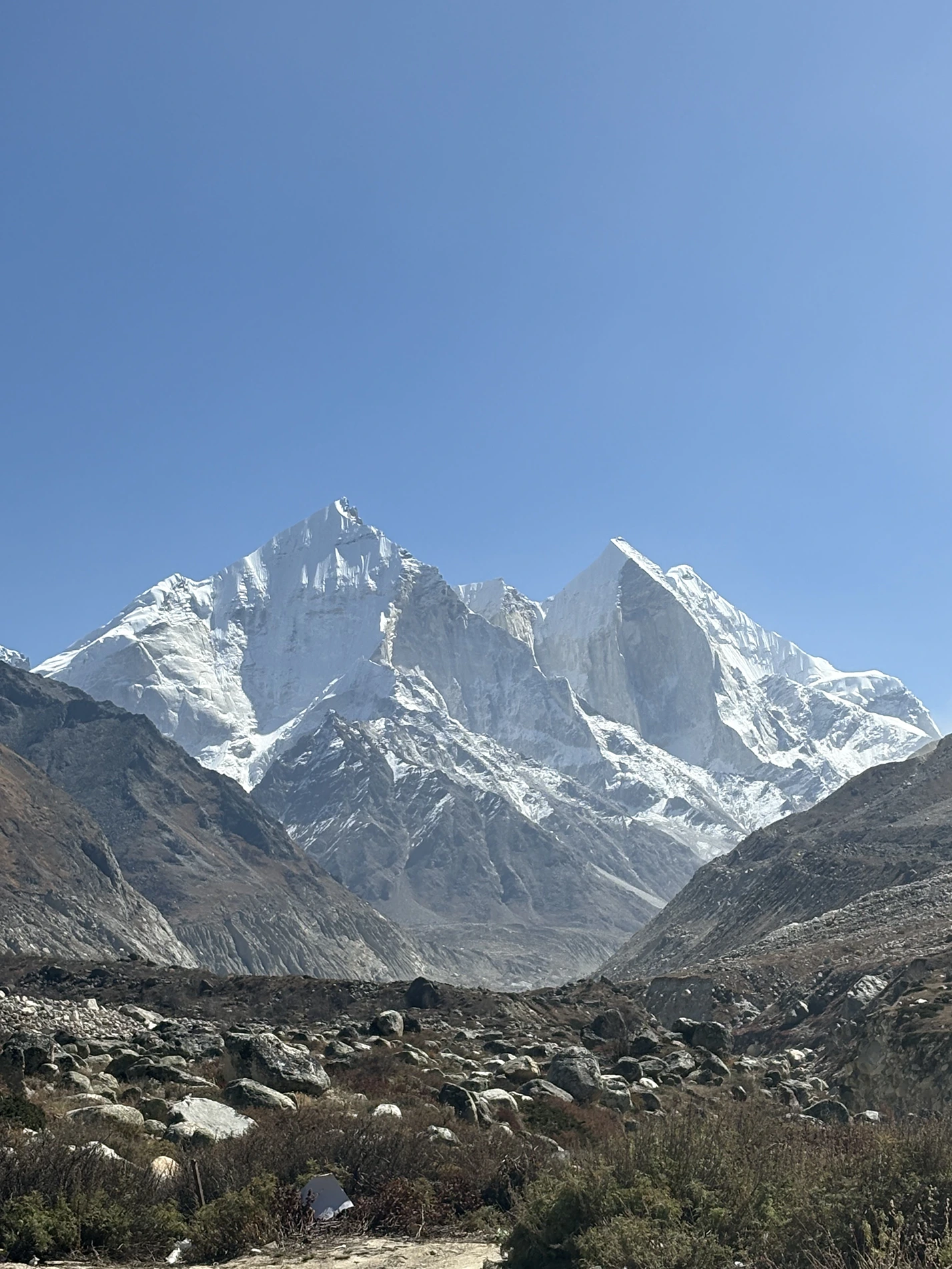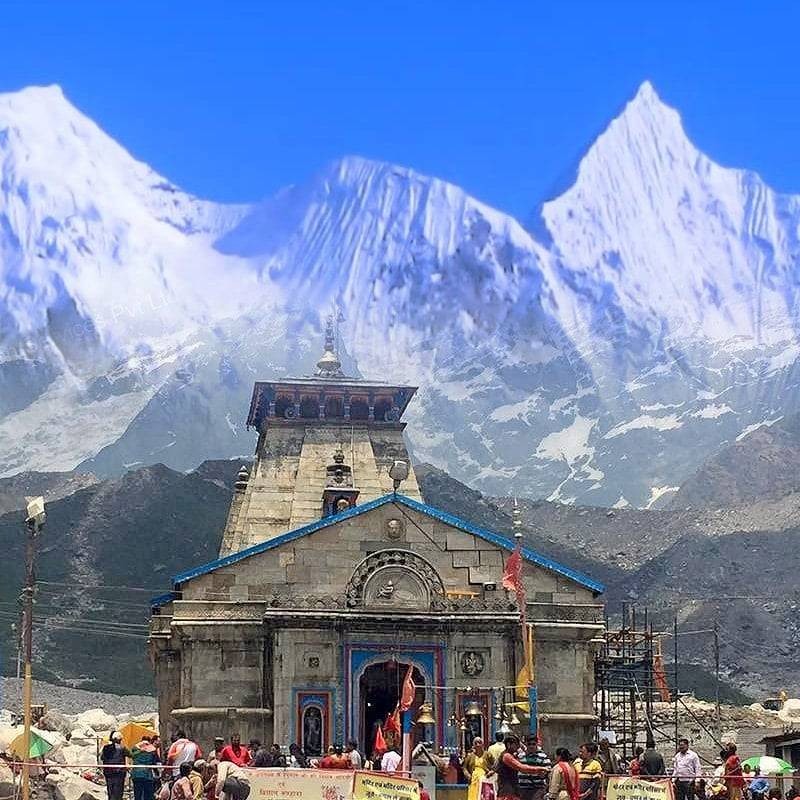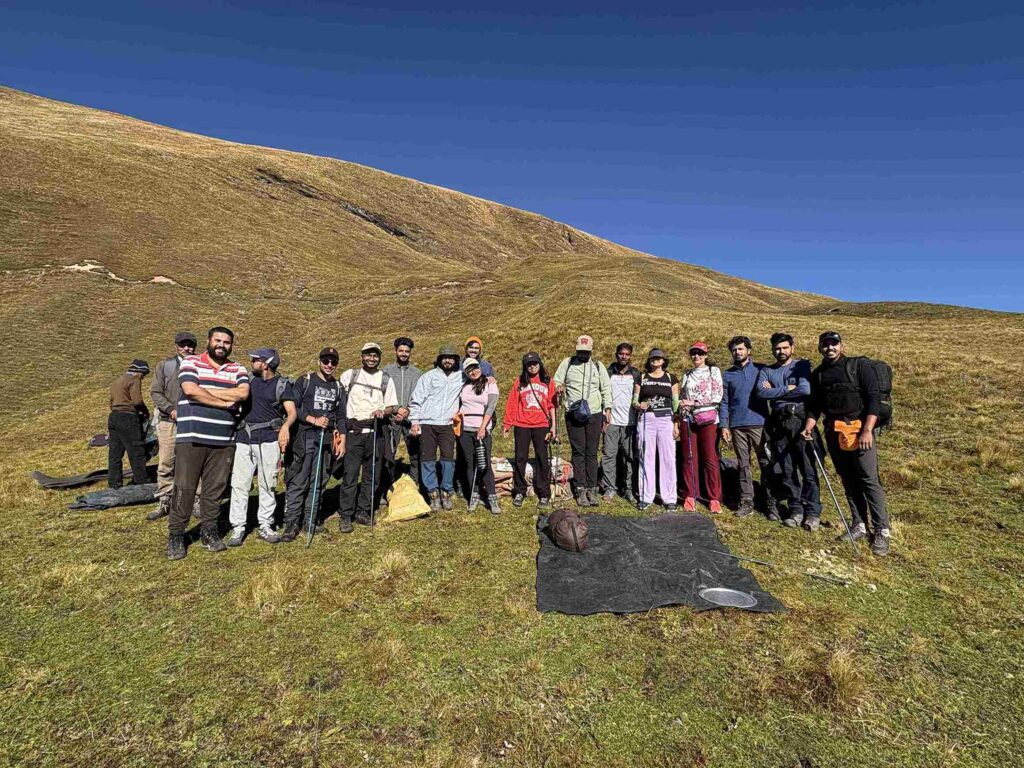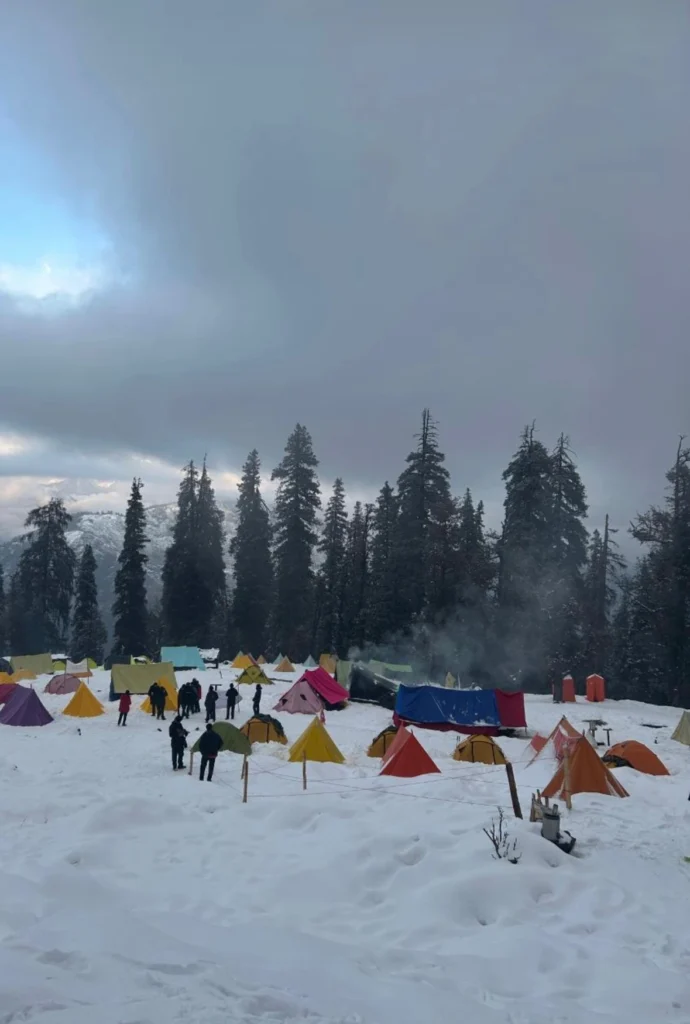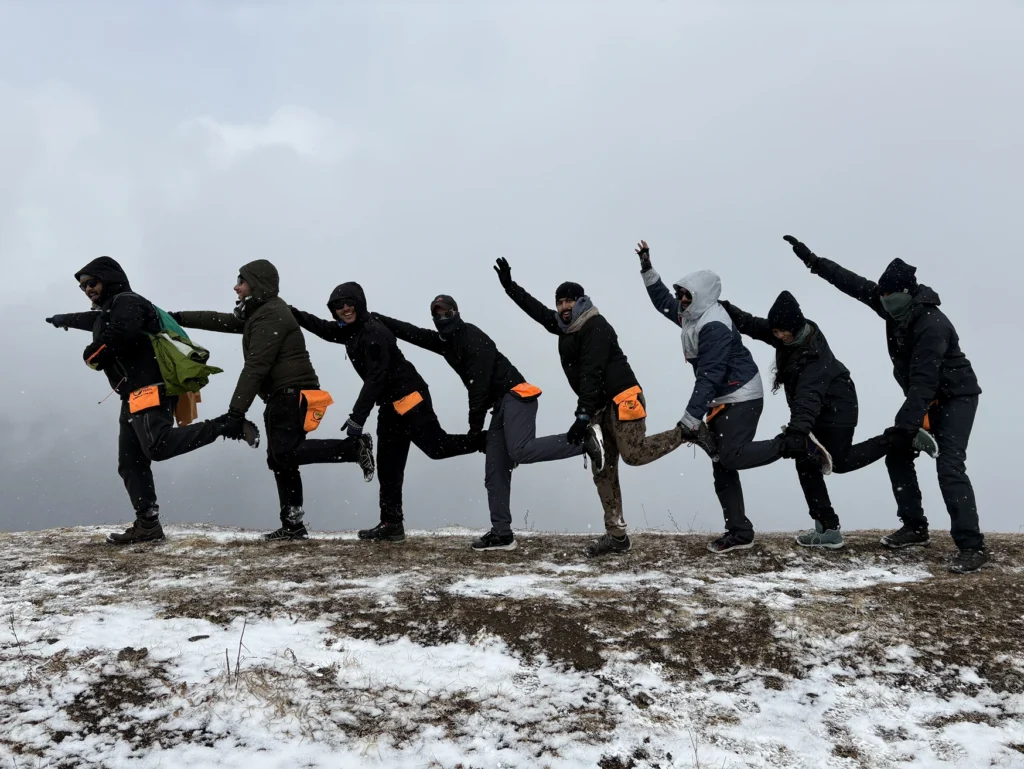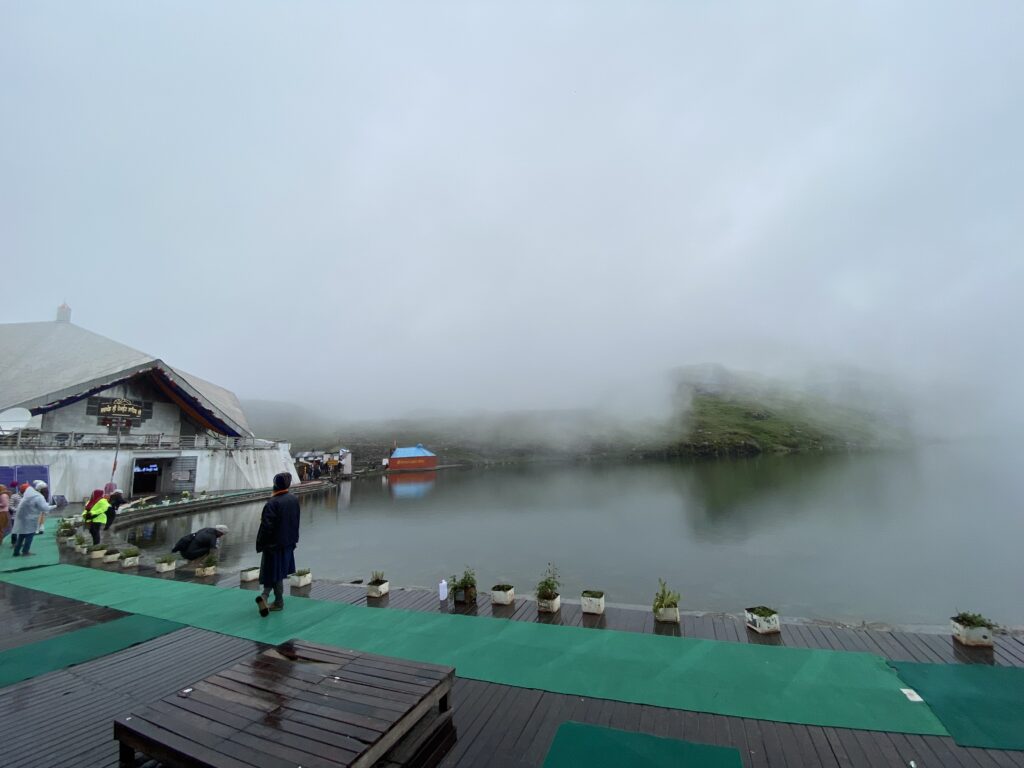
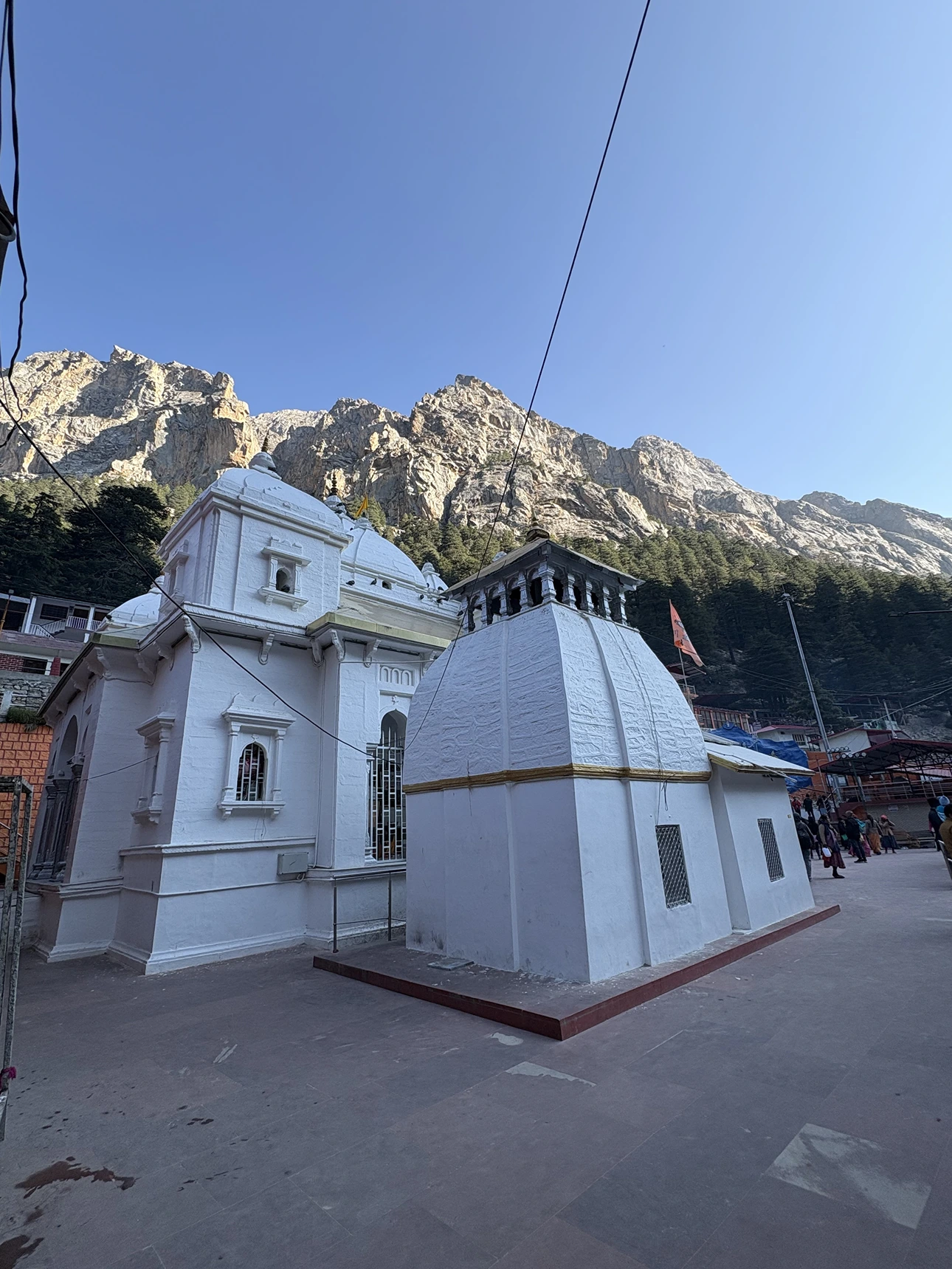
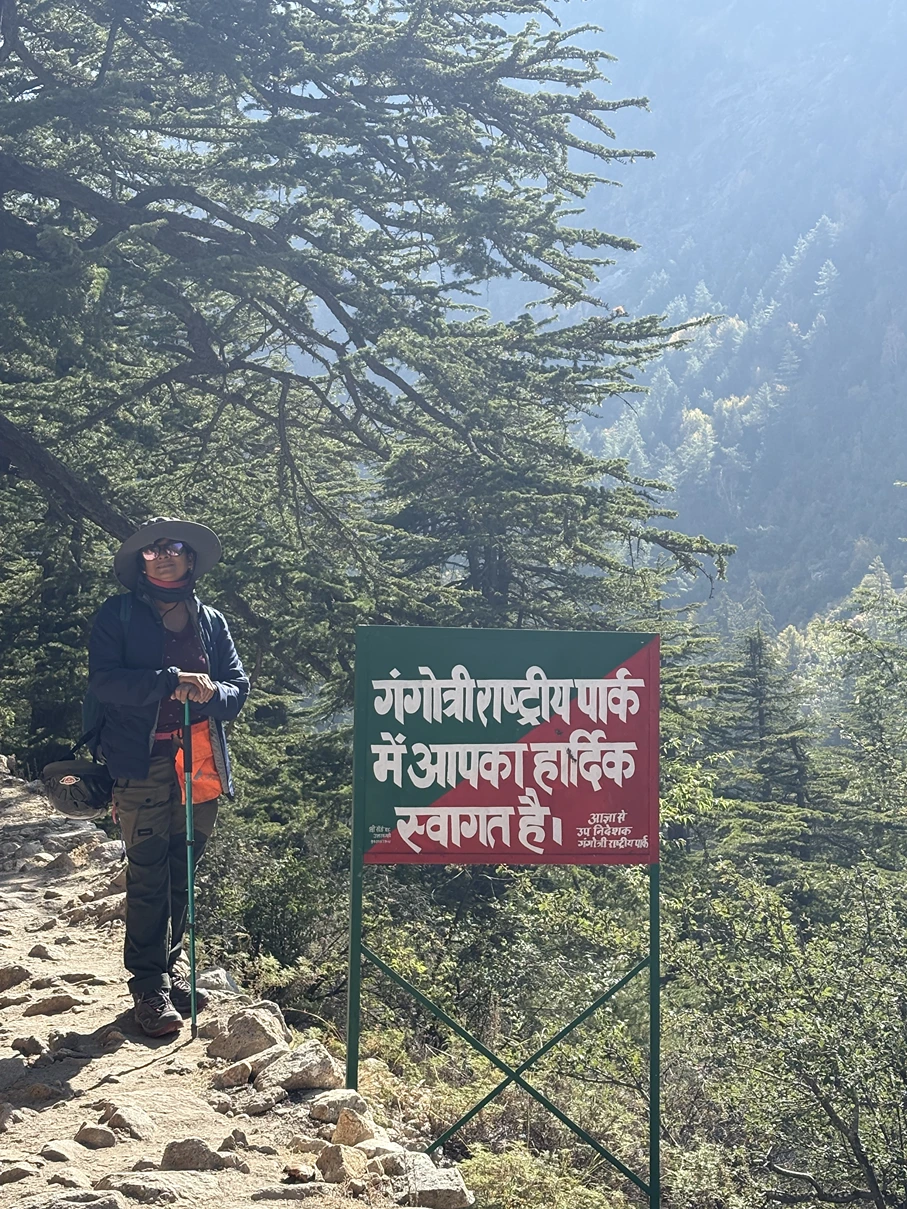
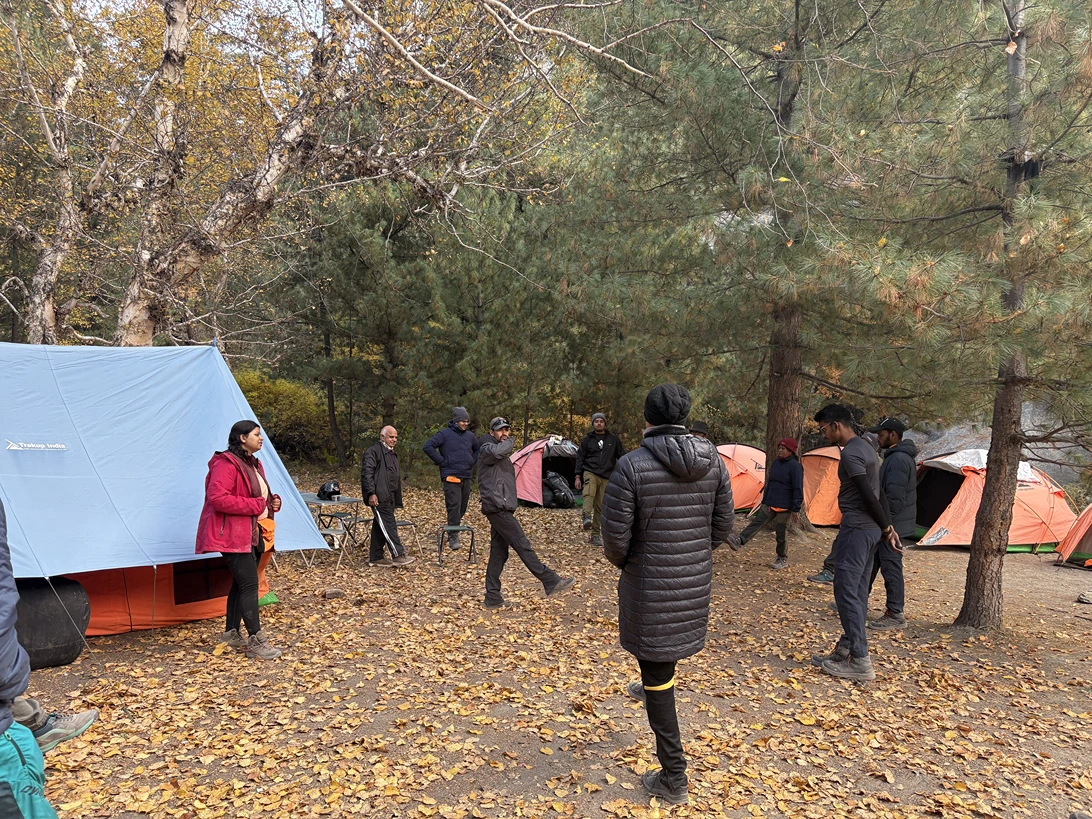
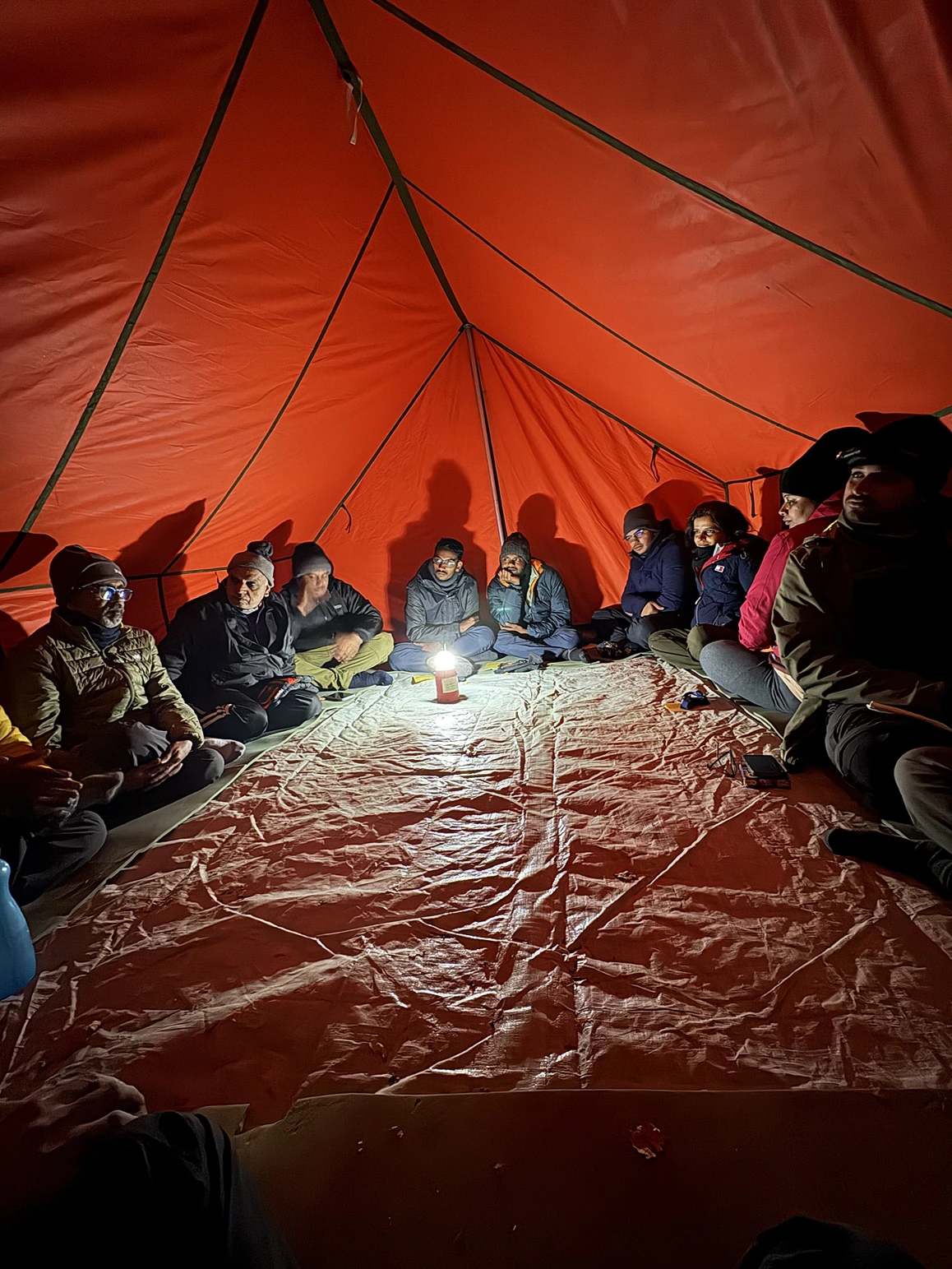
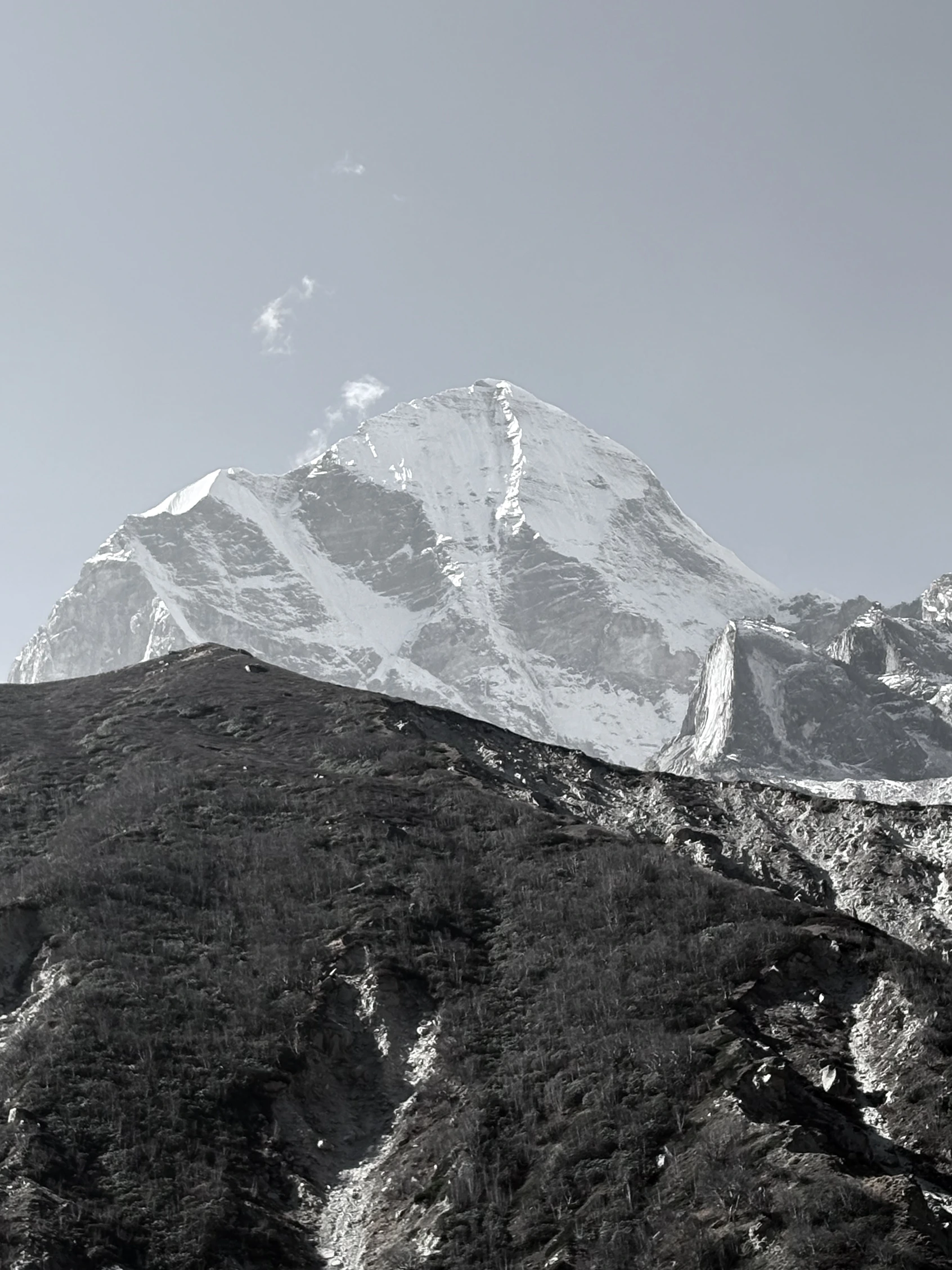
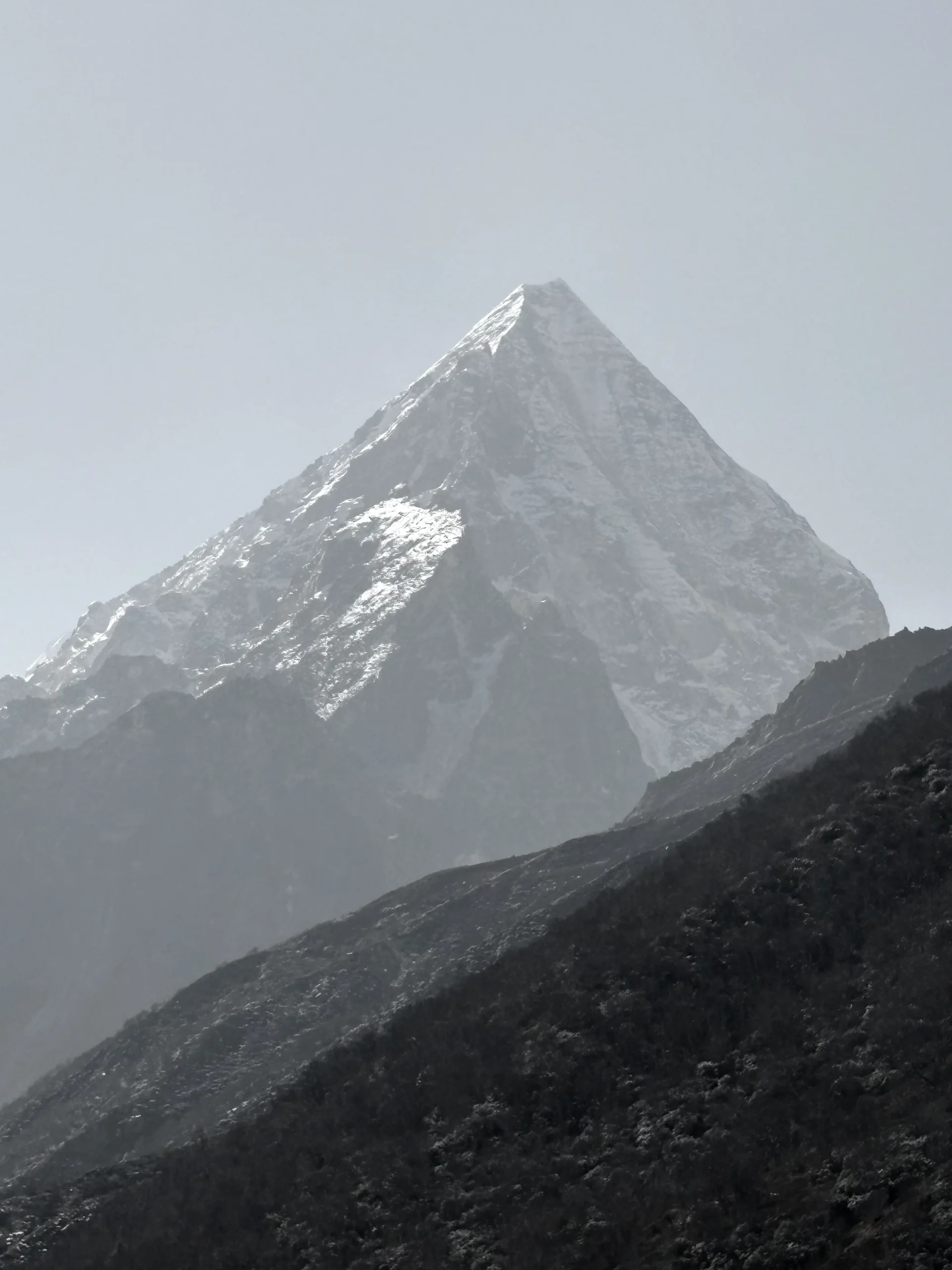
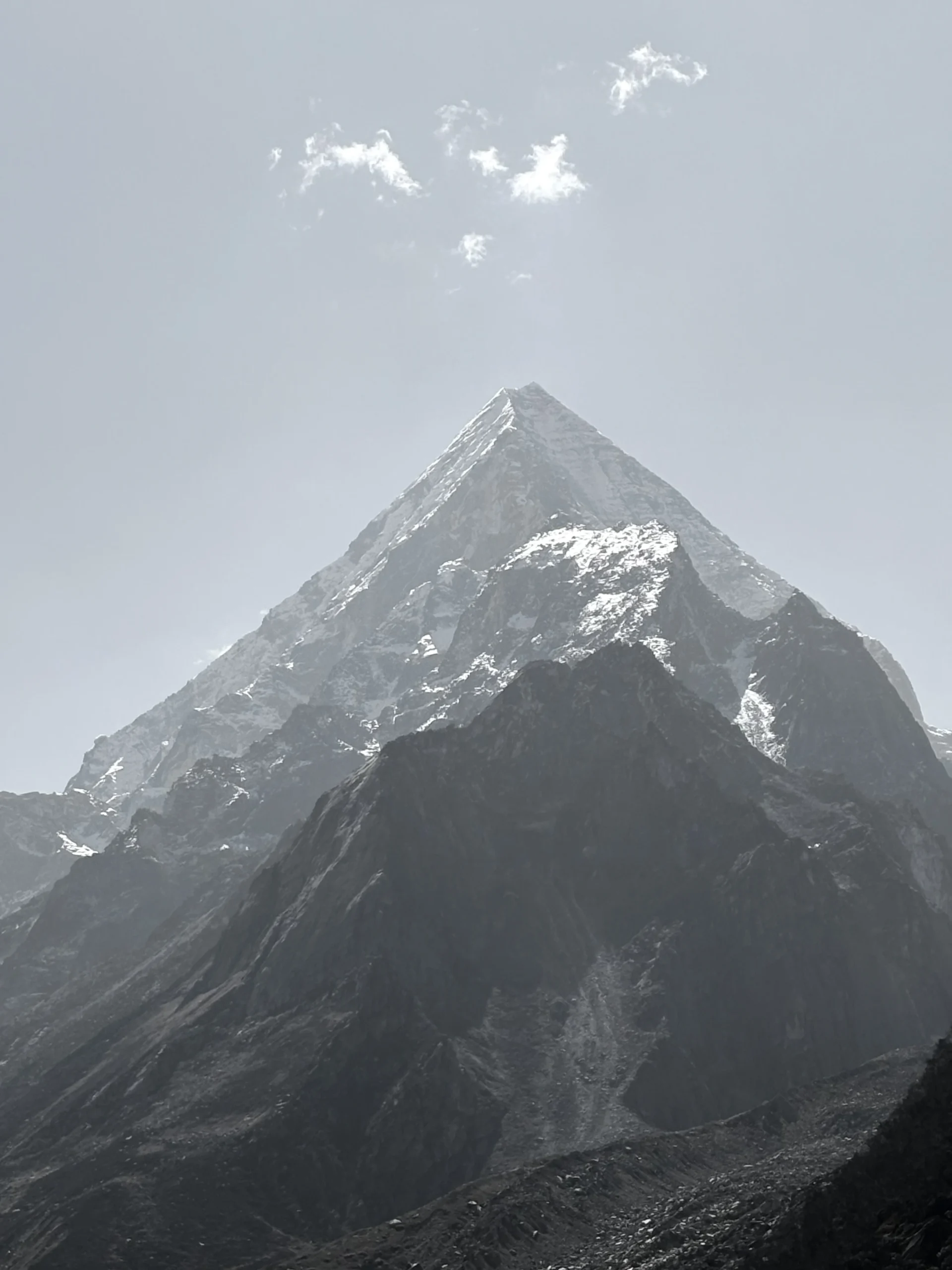
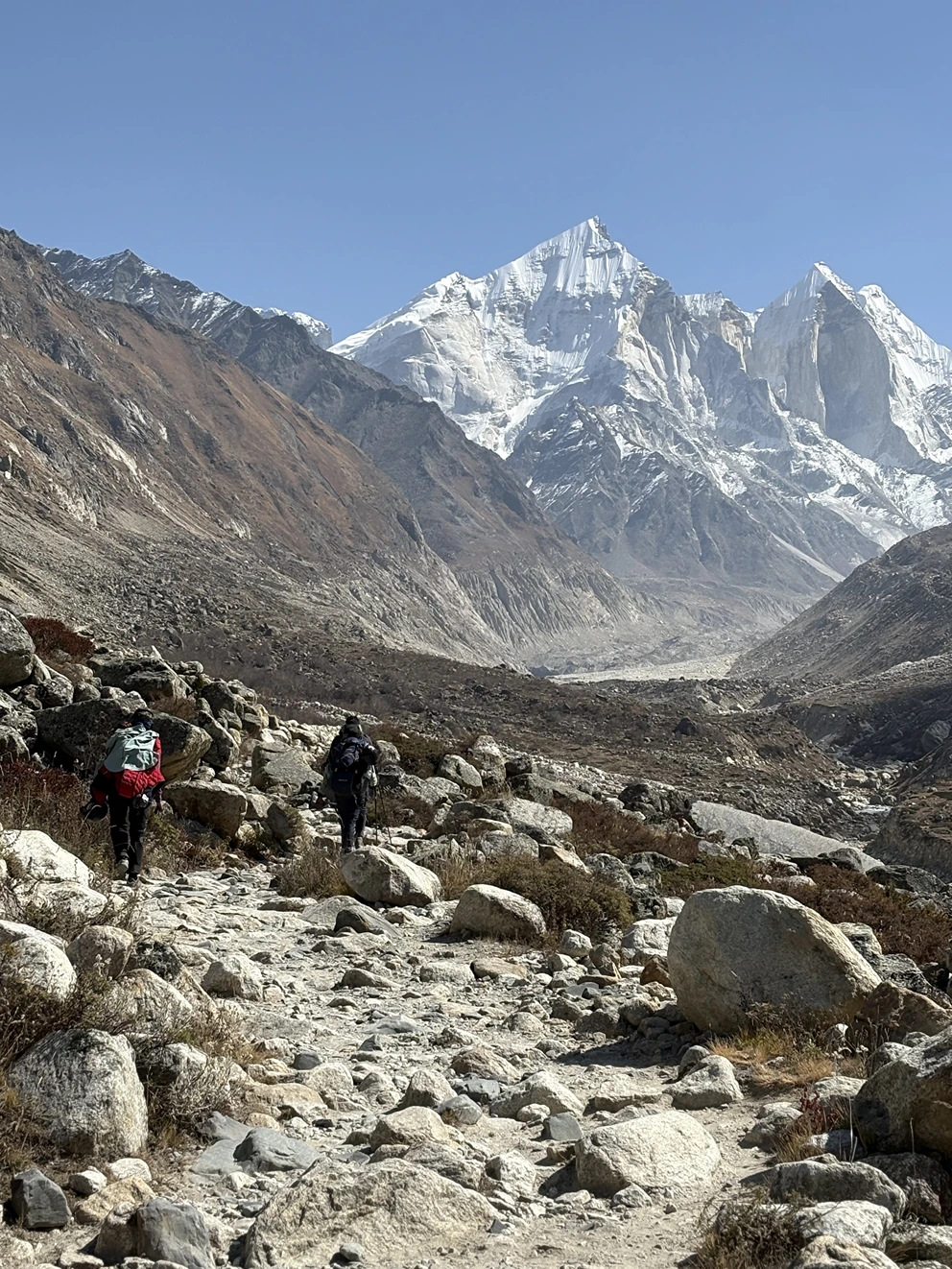
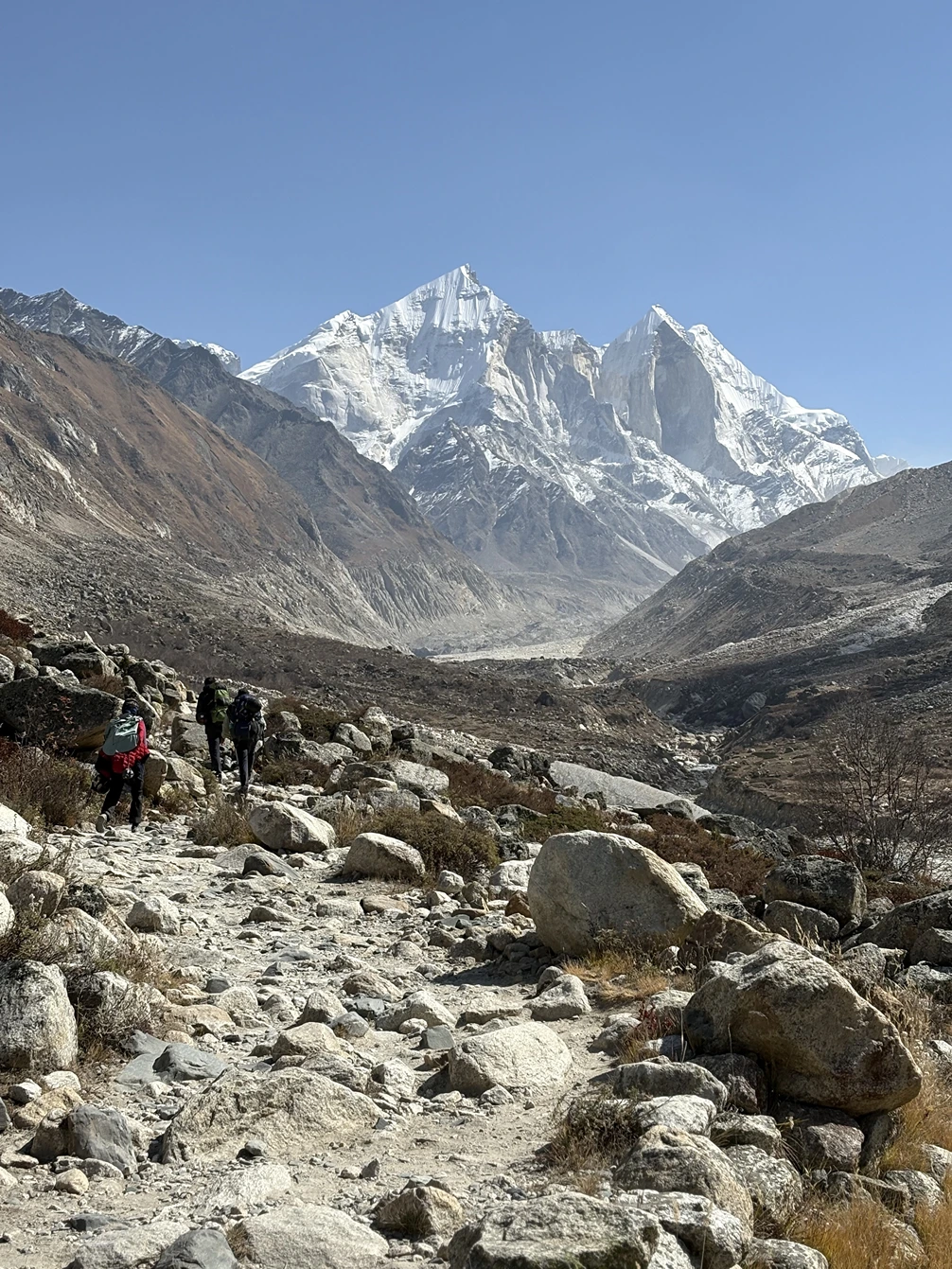
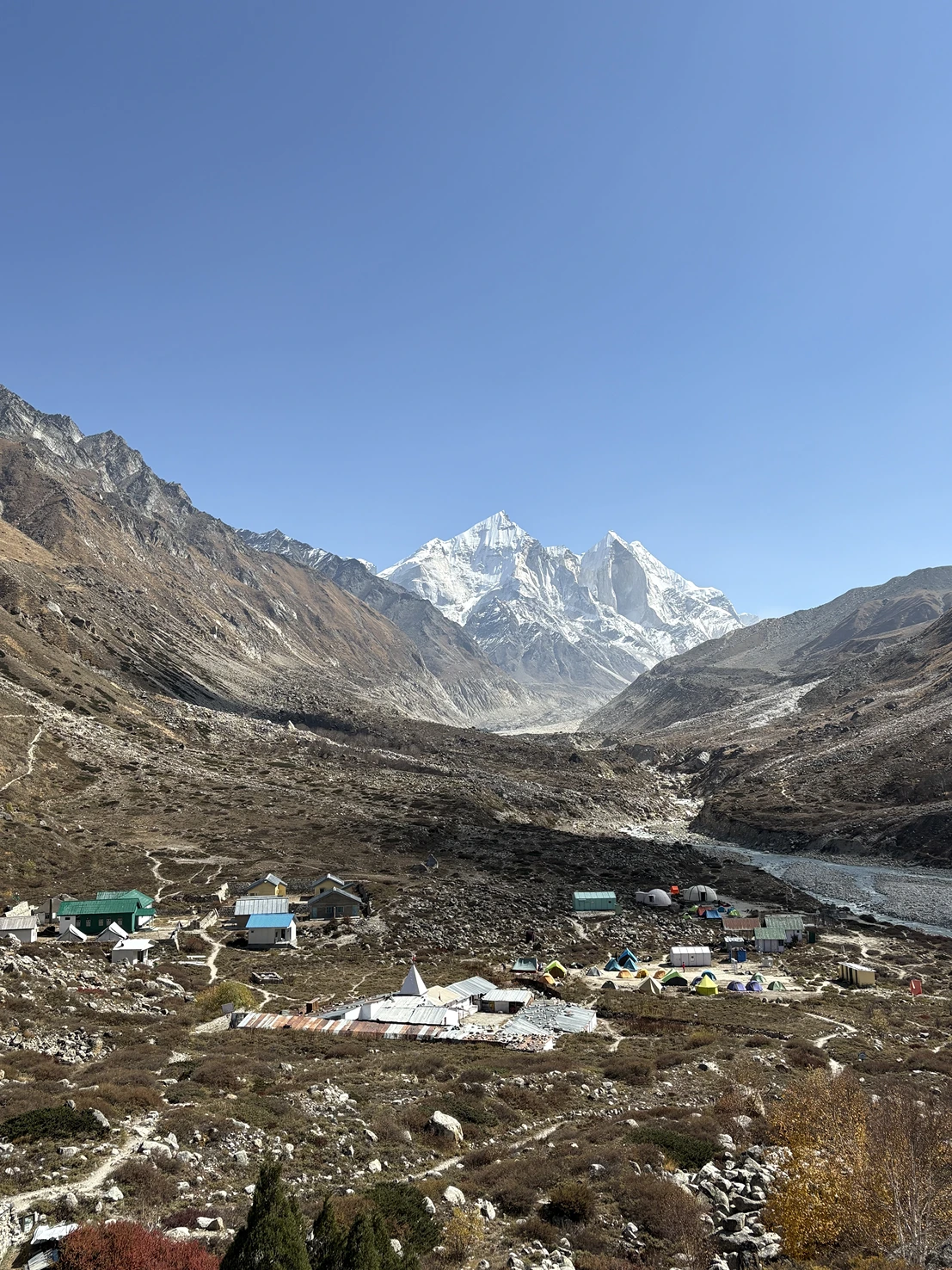
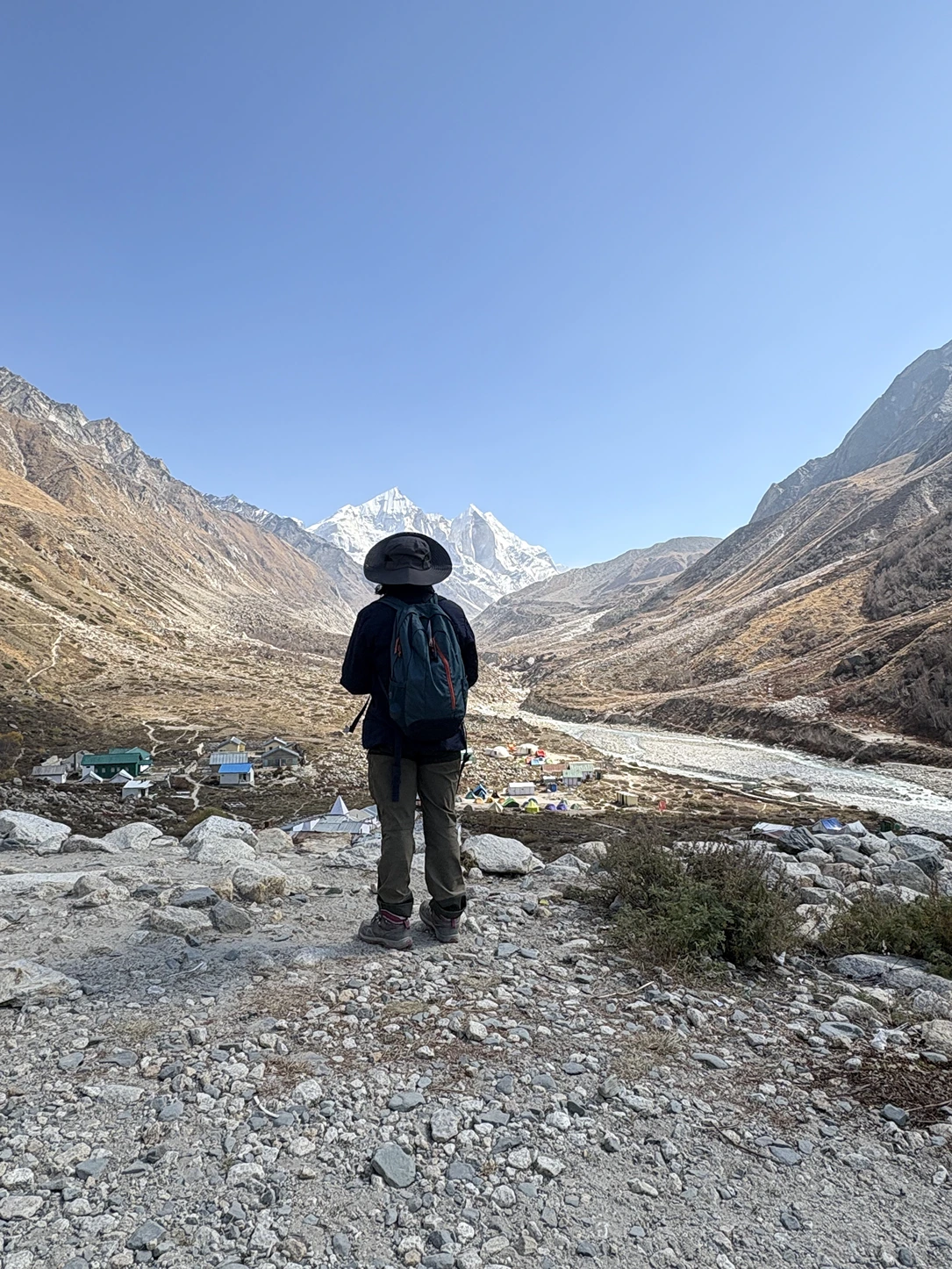
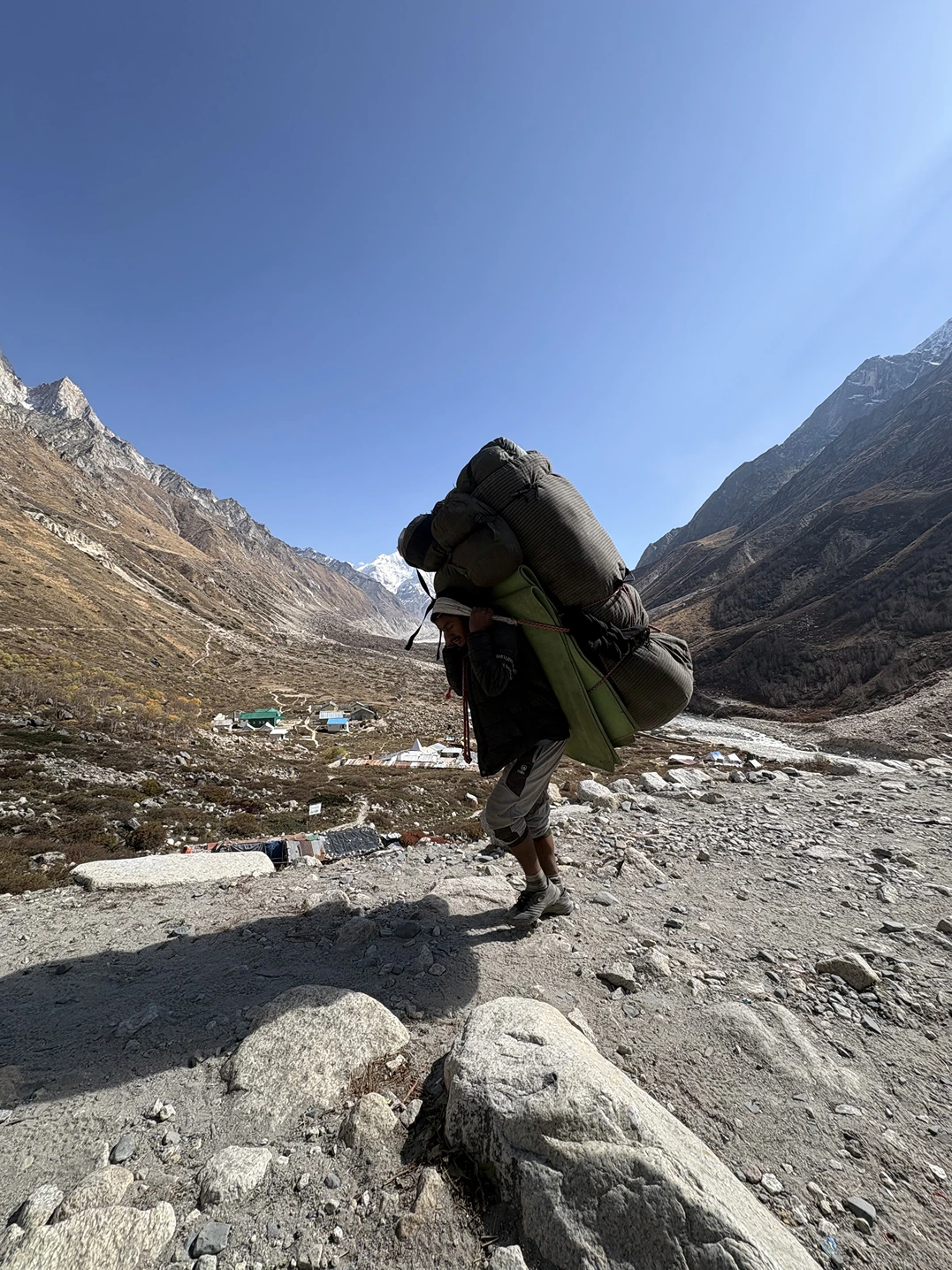
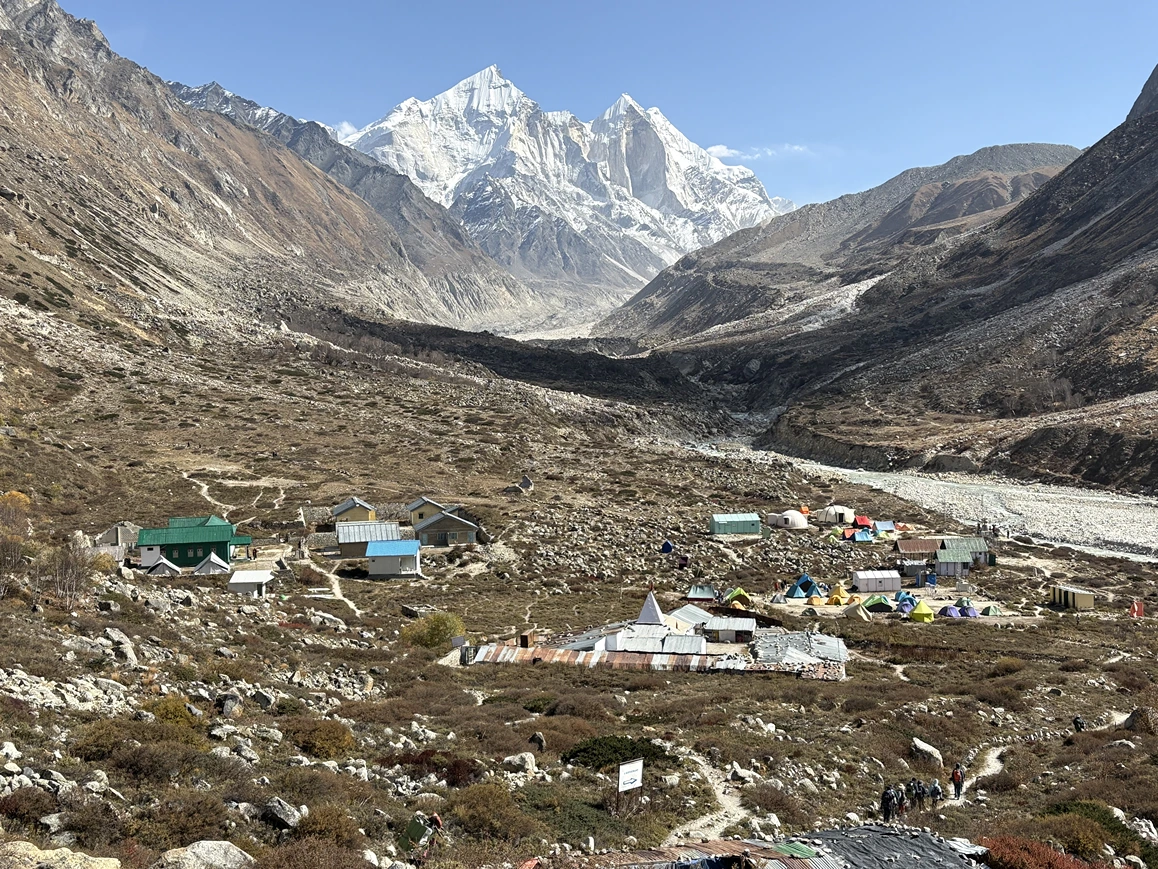
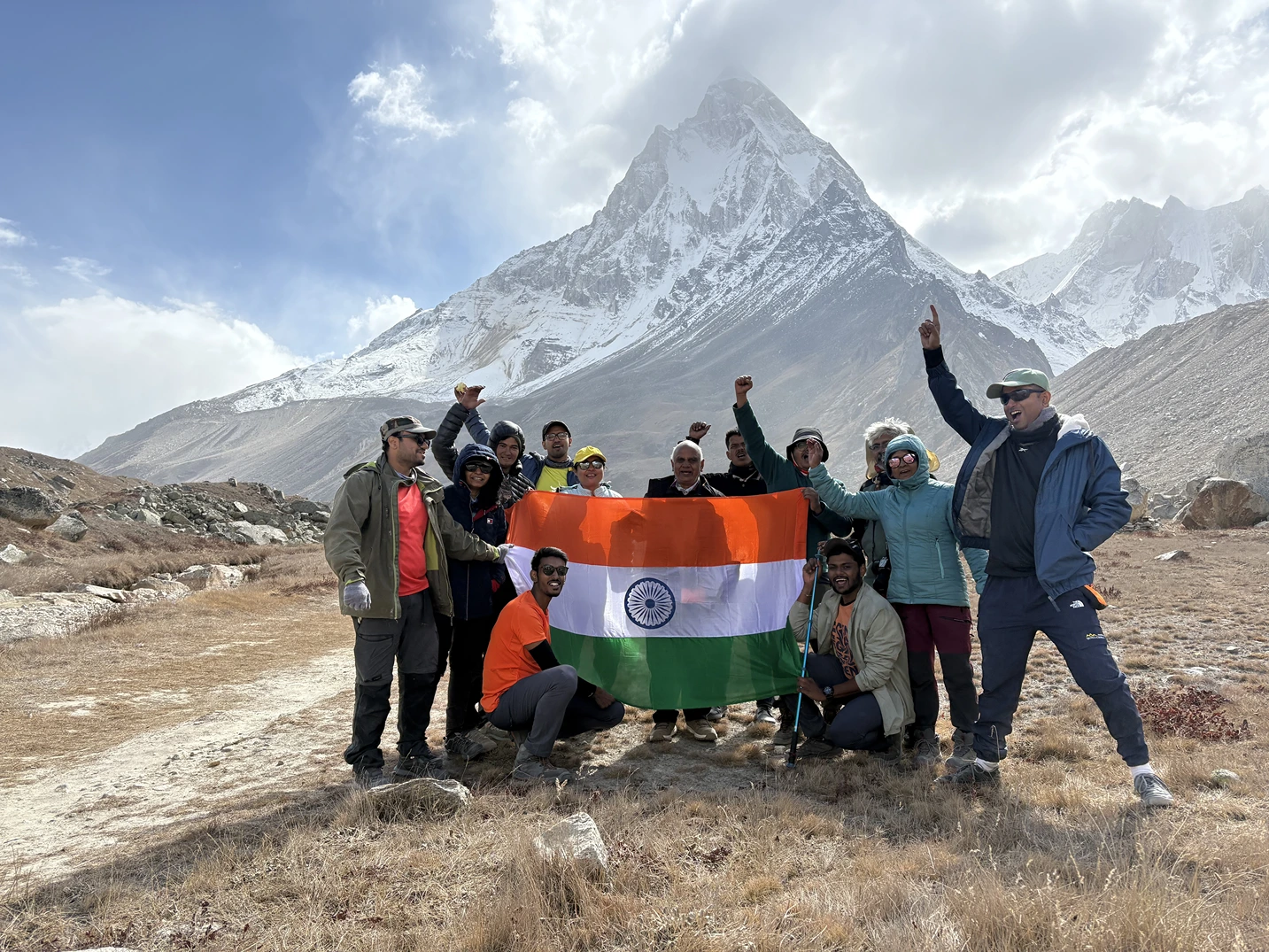
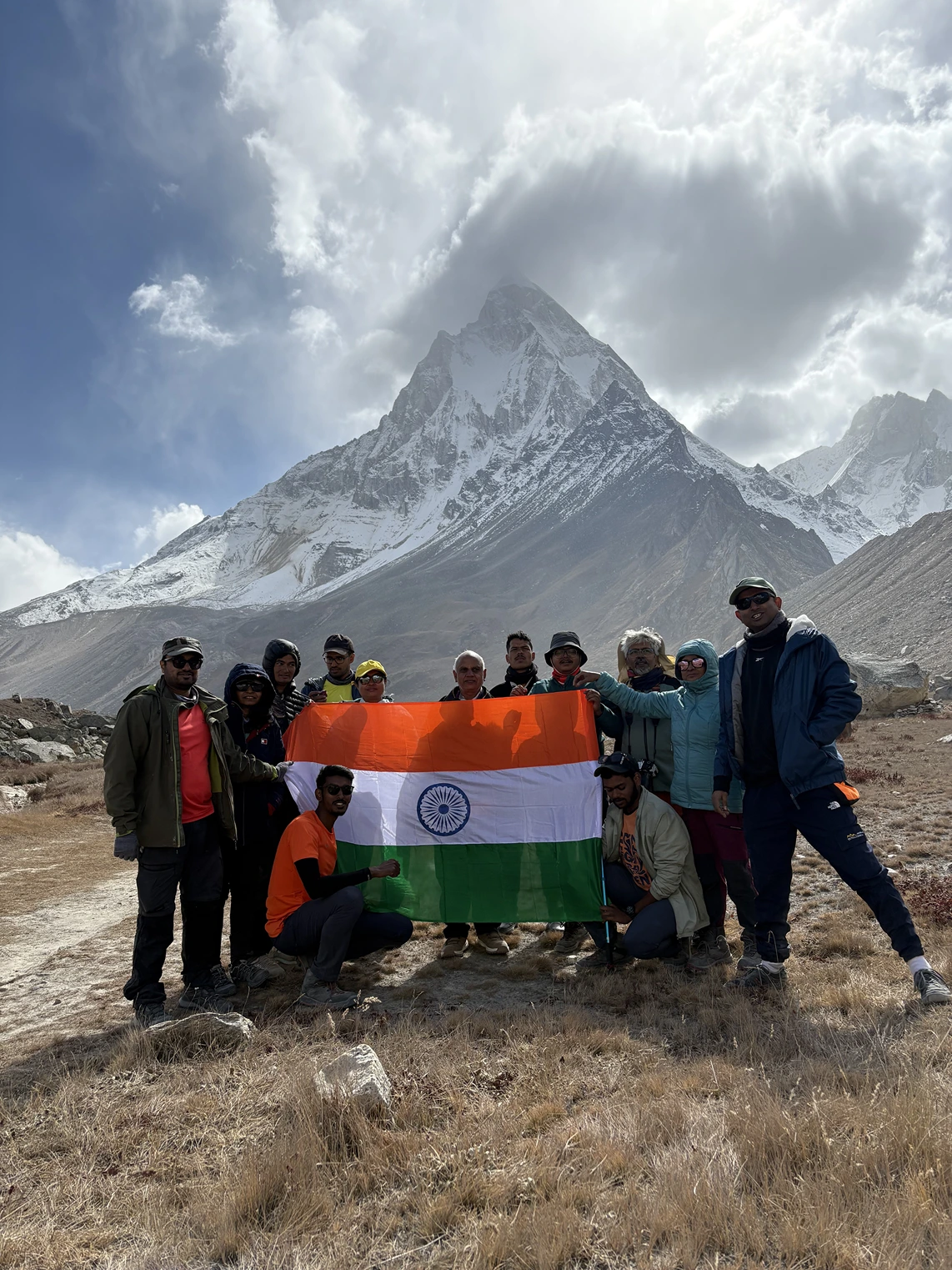
The journey begins with an early morning drive from the plains into the heart of the Garhwal Himalayas. This is a long, winding, yet visually spectacular road journey that takes us past the massive Tehri Dam reservoir, through the beautiful Harsil valley, and finally to the sacred town of Gangotri. The drive itself is an exercise in acclimatization, slowly ascending over several hours. Upon arrival, the day is entirely dedicated to rest and light exploration. We settle into our accommodation, visit the revered Gangotri Temple, and take a gentle stroll to acclimate to the ∼3,100m altitude, ensuring our bodies begin the process of adjusting before the trek commences.
Gaumukh Tapovan Trek
- Pick Up: Gangotri
- Drop: Gangotri
- Location: Gangotri town
Send an enquiry
Overview
The Epic Scale and Ancient Echoes
The Gaumukh Tapovan Trek is not merely a trail across the Himalayas; it is an expedition into the heart of Hindu civilization and the raw geological power of the Garhwal mountains. This journey follows a path trodden by sages, explorers, and devoted pilgrims for millennia, leading to the glacial origin of the holiest river on the Indian subcontinent: the Ganga.
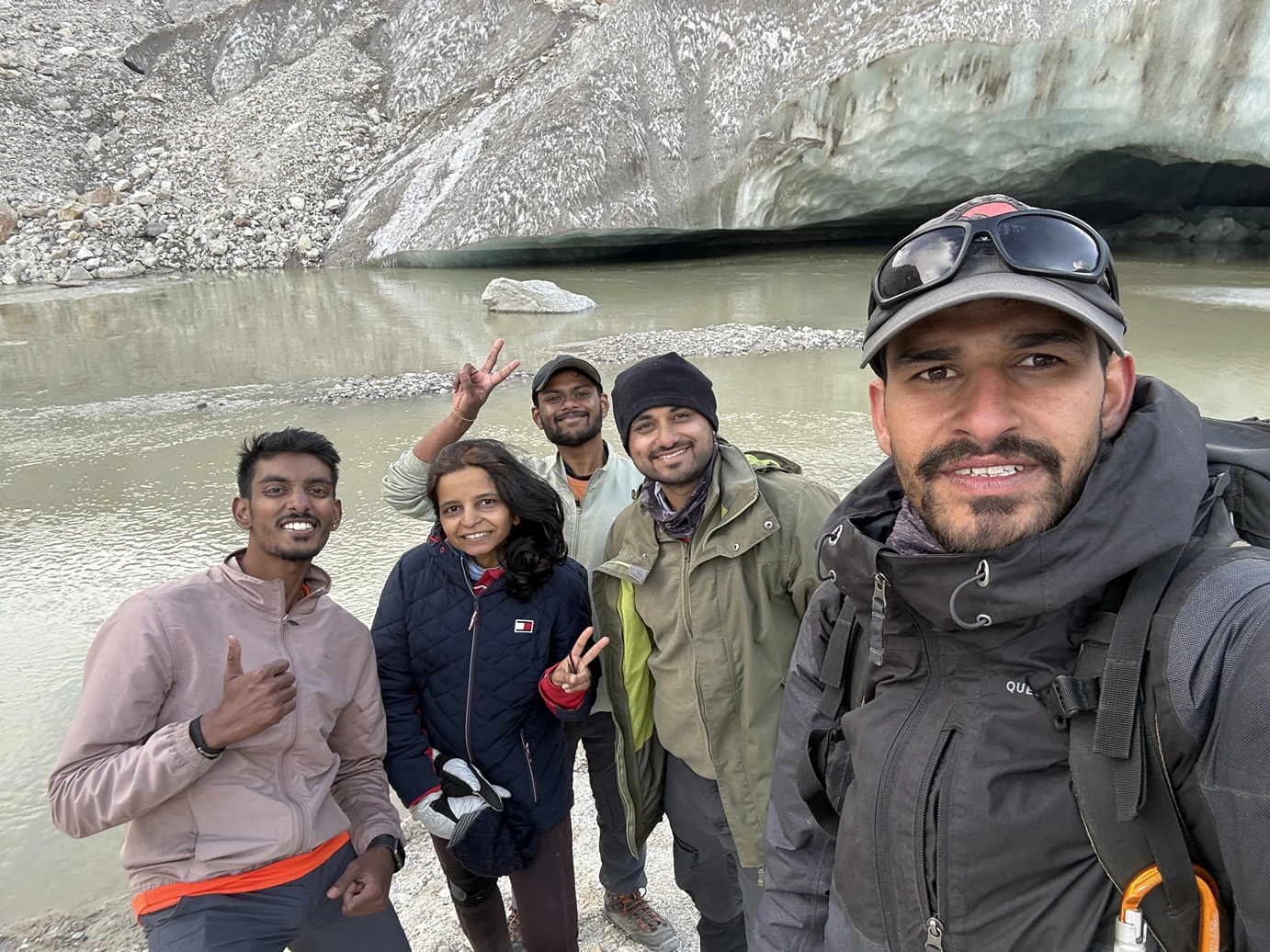
Imagine tracing the footsteps of King Bhagirath, whose legendary penance in the mountains was so profound that it convinced the mighty river goddess Ganga to descend to Earth. Yet, the river’s force threatened to shatter the planet, compelling Lord Shiva to cradle her fury in his matted locks, allowing her to flow forth gently from the ice. This act of divine intervention culminates at Gaumukh (the Cow’s Mouth), the dramatic snout of the Gangotri Glacier, which you will witness firsthand. This is a place where history, mythology, and geological science converge into a single, awe-inspiring sight.
The climax of the journey is the arrival at Tapovan (‘Forest of Penance’). After the demanding ascent, you step onto a vast, emerald meadow—a surreal, tranquil oasis suspended in the high mountains.
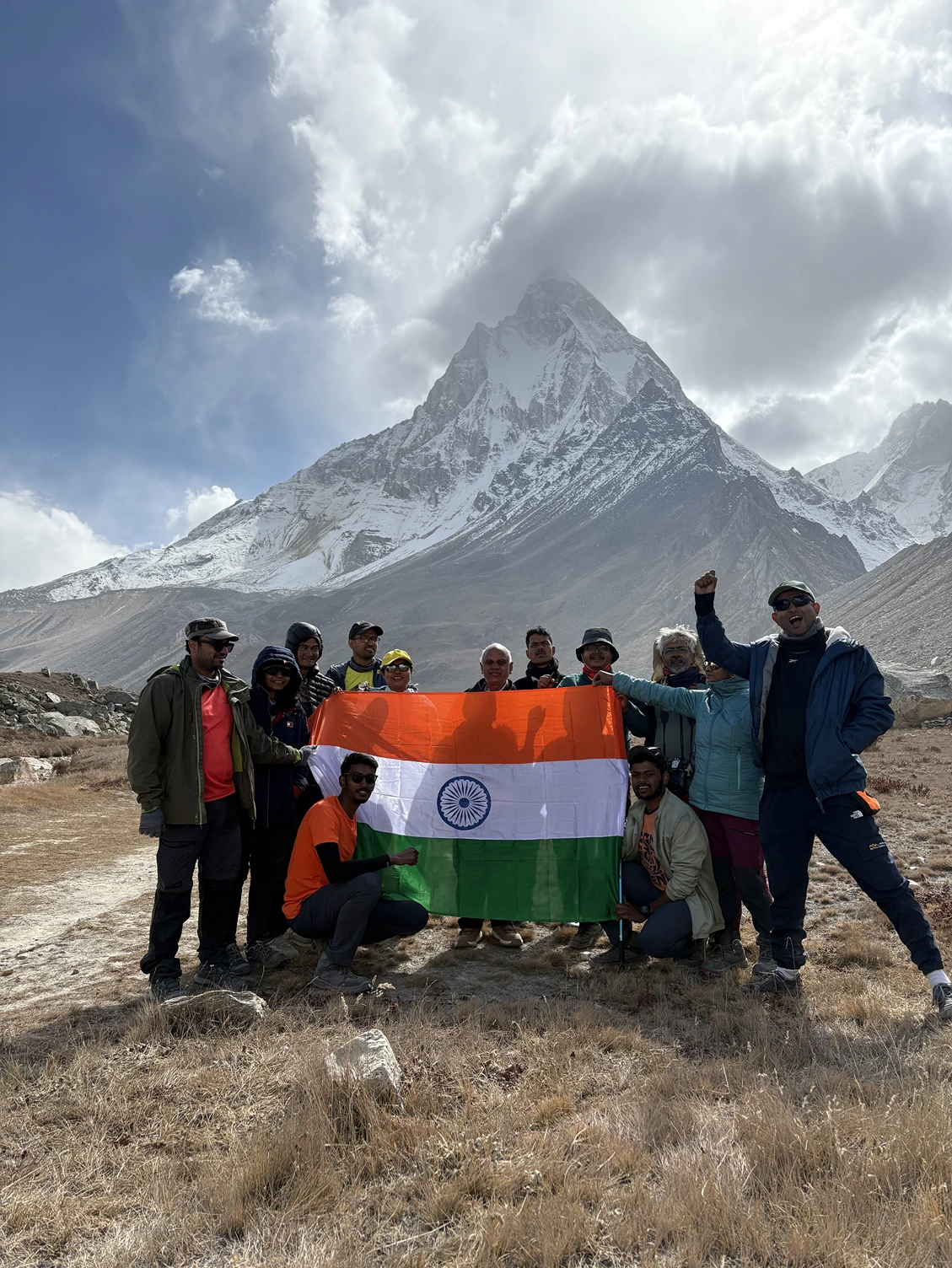
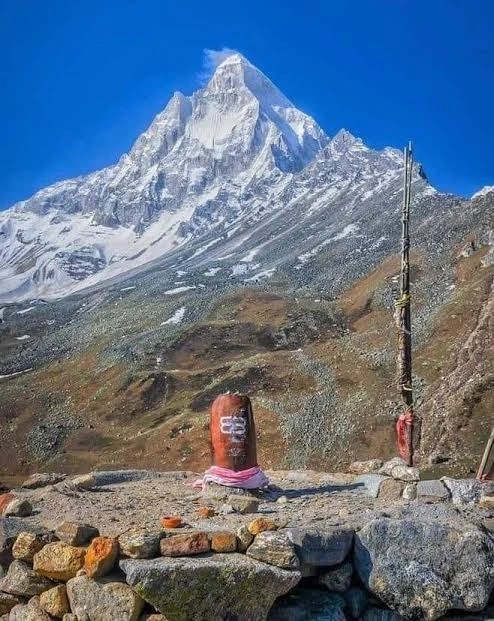
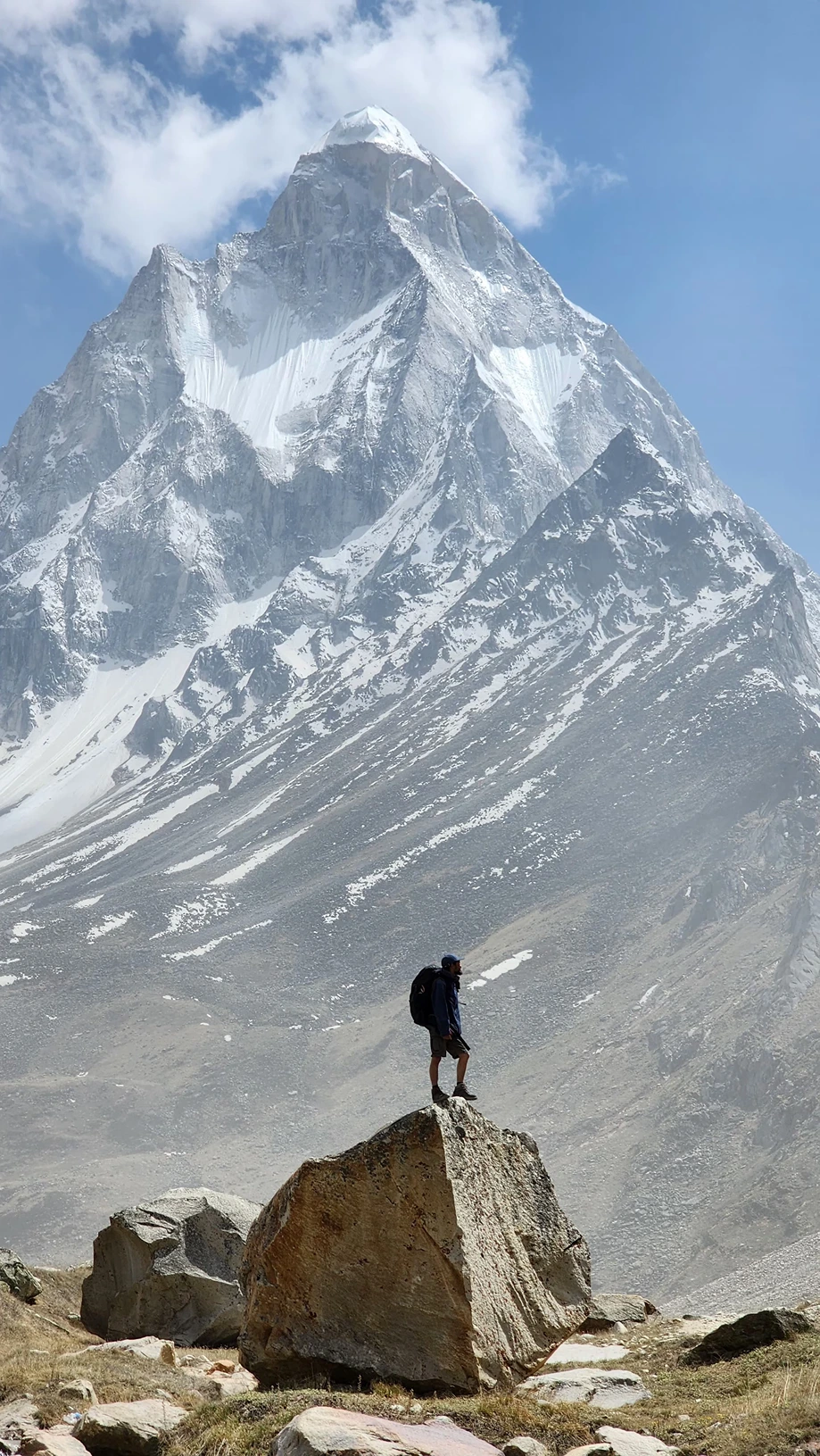
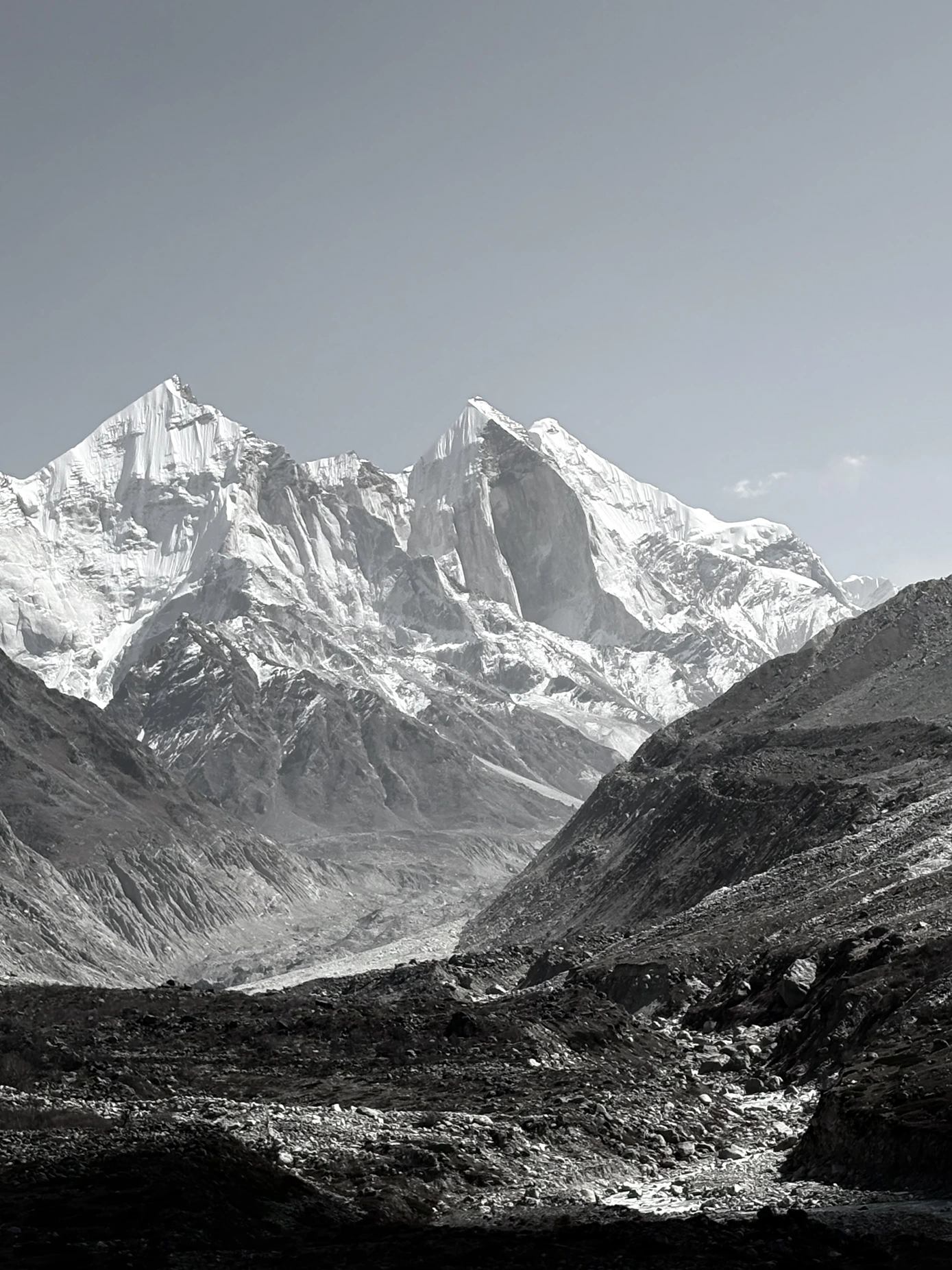
The reward for your effort is, arguably, the most staggering mountain view in the world. Dominating the sky is the majestic, perfectly-shaped spire of Mt. Shivling (21,466 ft), often called the ‘Matterhorn of the Himalayas’. It stands directly before you, flanked by the powerful granite massifs of Bhagirathi I, II, III, and Mt. Meru. This overwhelming vista is the payoff: a silence so deep and a beauty so profound it is said to instantly bestow the peace sought by the sages who retreated here.
The Gaumukh Tapovan is rated Moderate to Difficult, requiring preparation, but offering an experience that transcends a typical trek. It is a chance to stand at a historical and spiritual nexus, witness the raw power of a retreating glacier, and achieve a perspective on the world that few ever attain. This trek is the call of the mountains to your deeper self.
Highlights
Itinerary
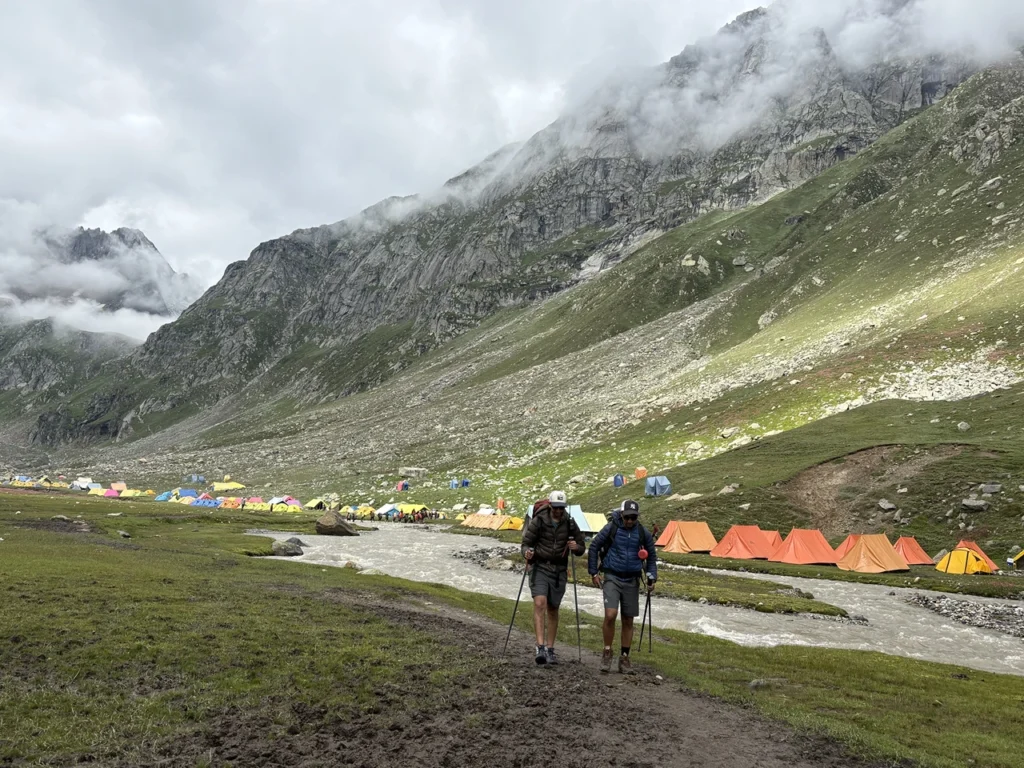
After securing the necessary permits at the Gangotri National Park check post, we embark on the first trekking day. The trail is well-defined and runs alongside the roaring Bhagirathi River. We pass through thick forests of Deodar and Pine, which give Chirbasa its name, meaning ‘Abode of Pines.’ The path is a gradual, comforting ascent, allowing us to find our natural trekking rhythm. We reach our campsite by the river, where the sound of the water and the sight of the Sudarshan Parbat begin to instill the feeling of peace that comes from being deep within the Himalayas.
Meals
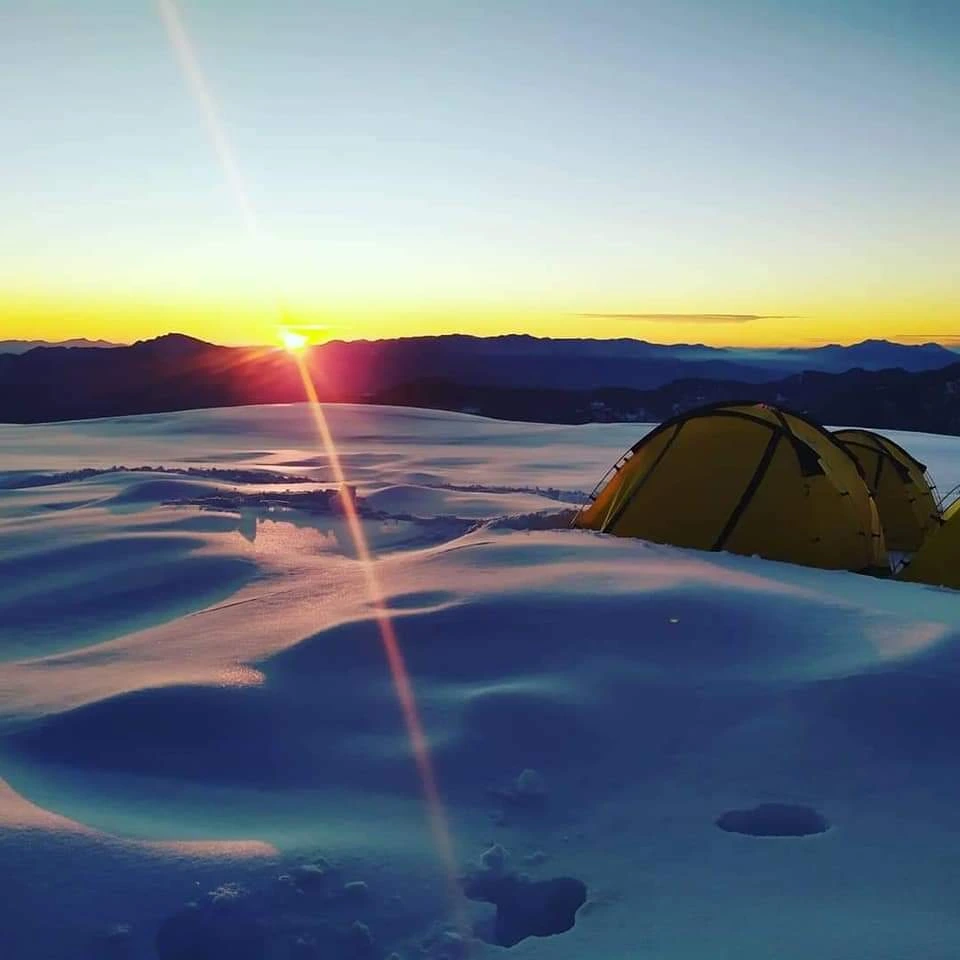
Today’s trek is relatively short in distance but marks a significant change in the landscape. We cross the tree line, leaving the pine forests behind for the stark, desolate, yet stunningly beautiful terrain of Bhojbasa, which means ‘Abode of Bhoj Patra’ (birch) trees. The Bhagirathi peaks, which have been a distant sight, now dominate the skyline, offering incredible views. We reach our campsite by lunchtime, leaving the afternoon free for critical acclimatization. We take a guided walk around the area to practice ‘climb high, sleep low,’ or simply sit and meditate, watching the setting sun cast a golden glow upon the majestic mountain range.
Meals
This is the most challenging and rewarding day, culminating at the soul of the trek. We first traverse the 5 km to Gaumukh, the legendary ‘Cow’s Mouth,’ where the Bhagirathi River dramatically emerges from the Gangotri Glacier. After absorbing the immense spiritual and geological presence of the glacier snout, we begin the steep, technical climb up the Gangotri moraine to Tapovan. This section is demanding, requiring careful foot placement over boulders and glacial debris. However, the effort is instantly rewarded by the arrival at Tapovan, a vast, emerald high-altitude meadow situated directly at the foot of the magnificent Mount Shivling and the Meru peak.
Meals
With the physical challenge of the ascent behind us, this day is set aside purely for rest, acclimatization, and spiritual engagement. The high altitude requires a slow pace, making exploration a mindful endeavor. We can spend the morning simply gazing at the unparalleled, close-up views of Shivling’s pristine pyramid, the Bhagirathi group, and Meru. Optionally, a short walk to the nearby Nil Tal or the Meru Base Camp offers different perspectives. Crucially, this is the day to practice the mindful and meditative aspect of our journey, finding a quiet spot in the meadows to truly disconnect and absorb the deep sense of peace that has drawn sages to this very spot for centuries.
Meals
We begin our descent, which is typically faster but requires focused attention to avoid straining the knees. The views on the way down offer a final, different perspective of the grand peaks. Depending on the group’s pace and energy, we can either descend to Bhojbasa for a comfortable night or push on to Chirbasa (∼14 km total from Tapovan) to shorten the final day. Regardless of the chosen stop, the descent is a time for quiet reflection on the spectacular experiences and personal growth gained at the higher camps.
Meals
The final day involves a comfortable descent through the familiar trail back to Gangotri. We complete the formalities at the check post and take a moment to reflect upon the spiritual journey as we reach the roadhead. After an early lunch, we board our vehicle for the long return drive back to Dehradun. The memory of the silent, snow-clad peaks remains a stark, contrasting presence as we re-enter the noise and speed of the lower regions, concluding the Himalayan odyssey.
Meals
Good to know
Inclusions
-
Accommodation : Stay in hotels/guest houses at the basecamp (e.g., Gangotri) and tents on a twin/triple-sharing basis during the trekking days.
-
Meals : All meals (Vegetarian: Breakfast, Lunch, Evening Snacks, Dinner) starting from dinner on Day 1 at the basecamp up to breakfast/lunch on the last day of the trek.
-
Permits & Fees : Forest permits, national park entry fees, and camping charges required for the trek.
-
Staff & Support : Services of an experienced Trek Leader, professional local Guide, Cook, and support staff.
-
Camping Equipment : High-quality camping equipment like Tents, Sleeping Bags, Sleeping Mattresses, and sometimes a Kitchen Tent/Dining Tent.
-
Safety & Medical : A comprehensive First Aid Kit, Oxygen Cylinder, and Oximeter are usually carried by the crew for emergencies.
-
Common Porterage : Charges for mules/porters to carry common equipment (tents, food, kitchen gear).
-
Transportation : Transportation from a major hub (like Dehradun/Rishikesh) to the basecamp (Gangotri) and back is often included in the “all-inclusive” price, or offered as a separate package add-on.
Exclusions
-
Personal Transport : Travel to and from your home city/state to the starting point (e.g., Dehradun/Rishikesh).
-
Personal Porterage : Charges for mules or porters to carry your personal backpack/luggage (this is an optional add-on service, typically charged per day).
-
Insurance : Personal travel and high-altitude trekking insurance are almost always excluded and mandatory for you to arrange.
-
Meals during Transit : Meals (Breakfast, Lunch, Dinner) consumed while driving from the hub (e.g., Dehradun) to the basecamp (Gangotri) and on the return journey.
-
Personal Expenses : Any personal costs like beverages, snacks, bottled water, laundry, telephone calls, tips/gratuities to the trek staff.
-
Gear Rentals : Renting personal trekking gear like trekking poles, trekking shoes, jackets, etc., if you don’t own them.
-
Unforeseen Costs : Any extra costs arising from unforeseen circumstances like road blockages, medical emergencies, unscheduled stay extensions, or evacuation charges.
-
GST : The Goods and Services Tax (GST), usually 5%, is often mentioned separately and added to the base trek cost.
Things to Carry
Must cover ears. Essential for retaining body heat.
Crucial for summit day to protect the nose and mouth from cold wind.
MANDATORY. Snow glare is intense and can cause snow blindness. Must be UV protected.
Thermal tops (full sleeve). Must be synthetic or Merino wool. NO COTTON.
Fleece jacket (thick). Your primary source of warmth.
Padded jacket (Polyfill/Down). Heavy, windproof, and water-resistant.
Thermal bottoms (leggings).
Quick-dry, synthetic trekking trousers. Avoid jeans/shorts.
High-ankle, sturdy, waterproof trekking boots with good grip.
3–4 pairs of thick woolen/synthetic trekking socks (for the day) and 2 pairs of dry woolen socks (for sleeping only).
1 pair of woolen/fleece inner gloves and 1 pair of heavy, waterproof outer gloves.
MANDATORY. Carry extra batteries.
Carry a 1-liter bottle and a thermos to keep water from freezing.
Essential for high-altitude UV protection.
Toothbrush, wet wipes, and any personal prescription drugs.
For carrying water, jacket, snacks, and personal items during the trek.
Sleeping Bag, Sleeping Mat, Tents, Crampons, Gaiters, and Trekking Poles (use optional).
How to reach
For the Gaumukh Tapovan trek, the base camp that you will start your hike from is Gangotri.
Gangotri is a major pilgrimage town located in the Uttarkashi district of Uttarakhand. Since you are in this region, the most common starting point for your road journey to Gangotri would likely be Dehradun (where you are now), Haridwar, or Rishikesh.
Given your current location, here are the directions and best ways to reach Gangotri from Dehradun:
Dehradun to Gangotri (The Basecamp)
The distance from Dehradun to Gangotri is approximately 254 km, and the journey takes about 8 to 10 hours by road. This is a beautiful but long drive through the mountains, and it is highly recommended to break the journey.
1. By Taxi/Private Car (Most Recommended)
This is the most comfortable and direct way to travel, offering the flexibility to stop and rest.
- iOptions: You can hire a private taxi or book a full-day cab/package from Dehradun. Given the winding roads, an experienced local driver is highly advisable.
- iRoute: The general route is Dehradun → Mussoorie → Chinyalisaur → Uttarkashi → Harsil → Gangotri.
- iCost & Time: A one-way private cab can range from ₹7,500 to ₹10,000+ depending on the vehicle type (Sedan/SUV) and season. The travel time is typically 8-10 hours.
- iPro-Tip: Many travelers break the journey in Uttarkashi (about 6-7 hours from Dehradun) for an overnight stay. This helps with acclimatization, reduces travel fatigue, and allows you to reach Gangotri refreshed for the trek permit formalities.
2. By Shared Taxi / Shared Jeep (Budget Option)
- iProcess: Direct shared taxis are less common. The more reliable option is to take a taxi or bus from Dehradun to Uttarkashi first.
- iUttarkashi to Gangotri: From Uttarkashi, you will find shared jeeps (often Maxx or Sumo vehicles) or local buses heading to Gangotri. These operate when the vehicle is full.
- iTime: This option is the longest, often taking 10-12 hours in total travel and wait time.
3. By Bus (The Most Economical Option)
- iDirect Bus: Direct bus services from Dehradun to Gangotri are generally not available.
Breaking the Journey: Your best bet is to take a government (UTC) or private bus from Dehradun’s ISBT to Uttarkashi. From Uttarkashi, you would then need to switch to a local bus or shared taxi for the final 3-4 hour journey to Gangotri.
How to prepare your body and mind for the trek
Your Mind & Body Compass
Gaumukh Tapovan is the perfect choice for a first-time wellness trekker, but a reasonable level of fitness is essential to ensure you enjoy the experience, especially given the rapid altitude gain.
Physical Conditioning (8 Weeks Prior):
- iCardiovascular Fitness: Commit to a daily routine of 4-5 kilometers of walking or jogging. Focus on building endurance to comfortably manage the steep sections.
- iStrength and Flexibility: Incorporate basic strength training (squats, planks) and gentle Himalayan-focused stretching to condition the muscles and joints for carrying a backpack.
Mental & Respiratory Conditioning:
- iMastering the Breath: Begin a routine of Pranayama (breathing exercises). Practices like Anulom Vilom (Alternate Nostril Breathing) are vital for improving lung capacity and ensuring a smooth, relaxed acclimatization at high altitude.
- iWeather Readiness: Be prepared for the transformative nature of Himalayan weather. While daytime can be manageable (10°C to 15°C), winter nights are intensely cold, dropping to -4°C or lower. Our high-quality gear is provided to support your journey safely through the cold.
Refund & Cancellation
We aim for clear and fair practices regarding cancellations. We know plans can change, and our policy is designed to balance flexibility for you with the operational needs of running a trek.
If Crux Himalaya Cancels Your Trek
-
If we are forced to cancel a trip for reasons beyond our control (such as natural disasters, route closures, or governmental mandates), you will receive a Trek Voucher. This voucher is valid for one year and can be applied toward the original trek or any other available trek.
-
If the cost of the new trek is higher, you must pay the difference. If the cost of the new trek is lower, we will refund the surplus amount.
-
If the cancellation is due to insufficient bookings (fewer than three participants), you will receive a full monetary refund.
If You Cancel Your Trek
| Cancellation Window | Refund | Notes |
|---|---|---|
| More than 30 days prior to the trek start date | 100% refund | Full refund of trek fee |
| Between 15 and 30 days prior to the trek start date | 50% refund | Balance forfeited |
| Within 1 to 15 days prior to the trek start date | No refund | Pre-booked logistics; refund not applicable |
30+ days before trek start
Full refund of trek fee
15–30 days before trek
Balance forfeited
1–15 days before trek
Refund not applicable
FAQs
The total trekking distance (round trip from Gangotri) is approximately 46 km. The typical duration is 6 to 8 days (ex-Dehradun/Gangotri).
The maximum altitude reached is Tapovan, at approximately 4,463 meters (14,640 feet).
The base camp is the holy town of Gangotri, located in the Uttarkashi district of Uttarakhand.
The trek is generally rated as Moderate to Difficult (Level 4 on some scales). Key challenges include high altitude, steep climbs (especially Gaumukh to Tapovan), and crossing the Gangotri Glacier.
The two main windows are May to mid-June (Summer) and mid-September to October (Autumn/Post-Monsoon). Avoid the peak monsoon (July-August) due to landslides and the deep winter (November-April) due to heavy snow and trail closures.
Yes. An entry permit from the Gangotri National Park forest department is mandatory, as the entire route lies within the park boundary. There is a limit on daily entries.
While the trail to Bhojbasa is straightforward, hiring a local, experienced guide is highly recommended, especially for the challenging crossing of the Gaumukh Glacier and the route up to Tapovan.
Strictly adhere to Leave No Trace principles. Gangotri National Park is a fragile ecosystem and the source of the Ganga. You must pack out all non-biodegradable waste, especially plastic.
Given the need for a permit/guide, the challenging terrain, and the limited rescue facilities beyond Gangotri, it is not advisable and often not permitted to trek solo, particularly to Tapovan.
Acute Mountain Sickness (AMS) is the primary concern, as the base camp (Gangotri) is already at a high altitude (3,100m). Proper acclimatization and a slow ascent are vital.
Start a fitness regime 8-10 weeks prior, focusing on cardiovascular stamina (jogging/running 5 km in 30-40 mins is a good benchmark), strength training, and stair climbing.
Water from mountain streams is generally clean, but you must carry and use water purification tablets, drops, or a filter bottle for safety, especially above Gangotri.
No advanced facilities. There is usually an SDRF/Forest camp at Bhojbasa with basic assistance. For serious emergencies, evacuation is required to Uttarkashi or Dehradun.
Mobile connectivity is limited/non-existent beyond Gangotri. Plan to be out of network for the duration of the trek.
No charging points after leaving Gangotri. A high-capacity power bank is essential for your headlamp, camera, and phone.
Campsites like Bhojbasa and Tapovan rely on dry-pit/Trekker’s style toilet tents. Carry your own toilet paper and hand sanitizer.
Yes, backpack offloading onto a mule or a porter is available, typically at the base camp or with your operator, for an extra fee. It’s recommended to carry only a light daypack if you offload.
- Pick Up: Gangotri
- Drop: Gangotri
- Location: Gangotri town
Send an enquiry
Category