Chadar Trek

Trek Fee
₹ 24,999 ₹26,999
Save ₹2,000 (7% Off)
  • Pick Up: Leh
  • Drop: Leh
  • Location: Leh Base Camp
Note: Pick-up & drop details will be reconfirmed on WhatsApp after booking.

Overview

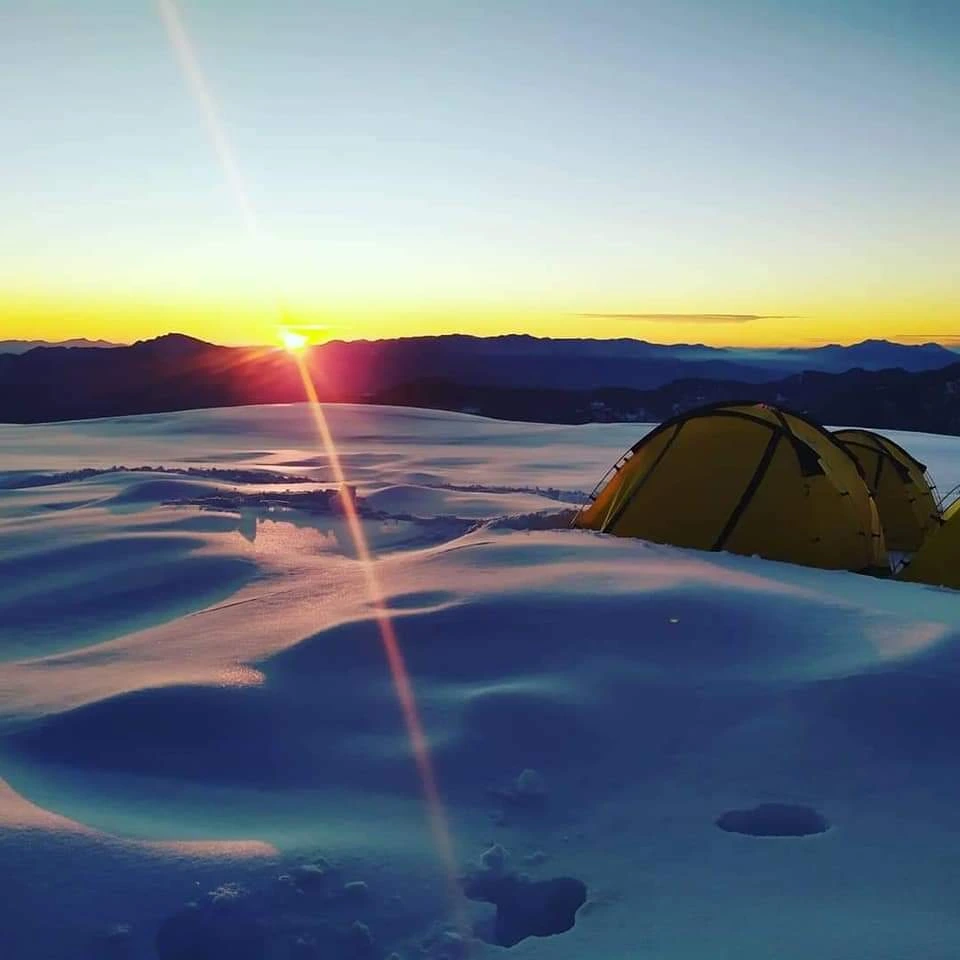
The Zanskar River, a lifeline that roars with glacial melt during the summer, undergoes a profound transformation in the deep winter months, becoming one of the most remarkable and challenging trekking paths on Earth. This is the Chadar Trek, a name derived from the Hindi word for “sheet” or “blanket,” describing the solid layer of ice that miraculously forms over the river, creating a temporary, glistening highway through the heart of the Ladakh Himalayas.

This is more than a walk; it is an expedition into a frozen, elemental landscape found nowhere else. You are transported into the bottom of the spectacular Zanskar Gorge, where colossal canyon walls soar hundreds of feet above, trapping the river in a realm of permanent shadow and sub-zero extremes. Here, the world is painted in crystalline blues and whites, where the air temperature can plummet below $-30^\circ\text{C}$ and time seems to stand still. Your path is the shimmering, unpredictable ice—sometimes thick and glassy, sometimes fragile and requiring careful navigation—a route dictated entirely by the frozen river’s transient mood.

Every step on the Chadar is a journey through a surreal, frozen cathedral. You will pass mesmerizing sights like the magnificent Nerak Waterfall, which is locked mid-cascade into a towering curtain of blue-green ice. The journey weaves past natural rock overhangs, historically used as shelters by the resilient local Zanskari people, offering a cultural glimpse into centuries of survival. The reward for braving the extreme cold and the challenging footing is the profound silence of a remote wilderness, where the only sound is the rhythmic crunch of your feet and the occasional crack of the river ice shifting beneath you.

The Chadar Trek is the ultimate test of resilience and the highest reward for the adventurous spirit. It is an exclusive, short-lived winter phenomenon that strips away the ordinary, demanding absolute focus and granting an awe-inspiring connection to nature’s most intense, pristine beauty. Step onto the frozen river and embark on a pilgrimage of survival that will redefine your limits.
Highlights

Duration 9D/8N
Difficulty Difficult
Altitude 3474 m
Batch Size 21 people
Base Camp Leh
Pick & Drop Leh – Leh

Itinerary

Day
1
Arrival in Leh (11,400 ft / 3,500 m) Meal
  • Activity: Arrive at Kushok Bakula Rimpochee Airport (IXL), one of the highest airports in the world.
  • Crucial Focus: Mandatory Acclimatization. Immediately transfer to your centrally heated guesthouse or hotel, as provided by Crux Himalaya. The sudden jump in altitude requires immediate rest. Avoid any exertion, keep yourself warm, and hydrate consistently.
  • Accommodation: Hotel/Guest House in Leh.

Meals

Breakfast
Lunch
Dinner
  • Activity: Continue rigorous acclimatization. A light walk to the local Leh market can be beneficial, but avoid climbing or going to higher altitudes. This is a day for a full gear check and briefing by our trek leader.
  • Crucial Focus: The day is essential to prepare your body for the extreme cold and altitude. Get all your gear sorted (especially gumboots and layers) and attend the mandatory trek briefing.
  • Accommodation: Hotel/Guest House in Leh.

Meals

Breakfast
Lunch
Dinner
  • Activity: Mandatory medical check-up at the Tourist Information Centre (TIC) as per government and ALTOA (All Ladakh Tour Operators Association) regulations. Only after passing the medical test will the necessary permits (ALTOA, Wildlife, Environmental Fee) be issued for your trek.
  • Crucial Focus: Obtaining a medical certificate of fitness is non-negotiable for continuing the trek. The rest of the day is for final preparations.
  • Accommodation: Hotel/Guest House in Leh.

Meals

Breakfast
Lunch
Dinner
  • Starting Altitude: 11,400 ft (3,500 m)
  • Ending Altitude: ~10,400 ft (3,170 m)
  • Activity: Early morning drive from Leh, passing the stunning confluence of the Zanskar and Indus rivers. The drive continues along the Zanskar gorge to the road-head (often near Bakula or a new road-head established by the administration). From there, you will take your first steps onto the Chadar (frozen river) and trek a short distance to the first camp at Shingra Koma or a similar site like Gyalpo.
  • Crucial Focus: Learning the “penguin shuffle” walking technique on the ice is vital. This first day on the Chadar is relatively short, focusing on practice and settling into the extreme cold of camping life.
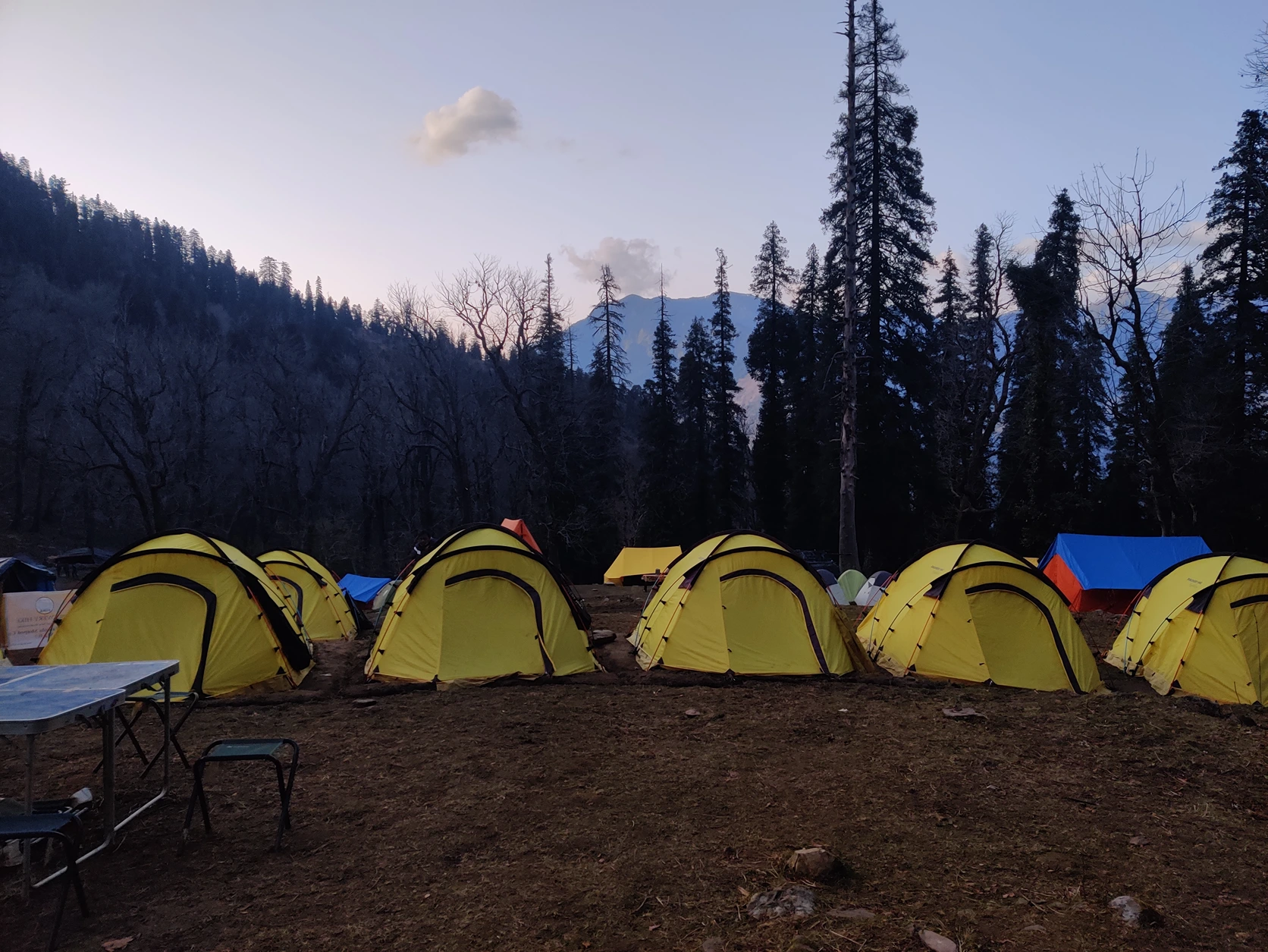
  • Accommodation: Camp/Tent Stay.

Meals

Breakfast
Lunch
Dinner
  • Starting Altitude: ~10,400 ft (3,170 m)
  • Ending Altitude: ~10,800 ft (3,300 m)
  • Activity: A long day of walking (approx. 14-15 km) deeper into the Zanskar gorge. The landscape changes dramatically, with towering canyon walls on both sides. You will navigate different types of ice—slippery black ice, uneven ice-slabs, and stretches of soft snow.
  • Crucial Focus: Observe the varied ice formations and keep pace with the group. Your destination, Tibb Cave, is a massive natural rock overhang often used by locals and trekkers for shelter.
  • Accommodation: Camp/Tent Stay near Tibb Cave.

Meals

Breakfast
Lunch
Dinner
  • Starting Altitude: ~10,800 ft (3,300 m)
  • Ending Altitude: ~11,100 ft (3,390 m)
  • Activity: This is the most anticipated day, culminating in the sighting of the massive Nerak Waterfall, which freezes into a spectacular wall of blue and white ice. You will trek a distance of about 12-13 km. The campsite is established a short distance from the waterfall, often near the small Zanskari village of Nerak.
  • Crucial Focus: Enjoy the views and take pictures. This is the turnaround point for the standard Chadar trek. Nerak will likely be the coldest campsite, with temperatures dropping to as low as -25 C or more at night.
  • Accommodation: Camp/Tent Stay at Nerak.

Meals

Breakfast
Lunch
Dinner
  • Starting Altitude: ~11,100 ft (3,390 m)
  • Ending Altitude: ~10,800 ft (3,300 m)
  • Activity: Begin the return journey, tracing your steps back along the Chadar. Although the route is the same, the ice formation might have completely changed overnight due to weather, offering a new trekking experience. The downhill gradient aids in quicker walking.
  • Crucial Focus: The return is generally faster but requires the same caution on the ice. Look out for the footprints of local wildlife like Ibex or even the elusive Snow Leopard.
  • Accommodation: Camp/Tent Stay at Tibb Cave.

Meals

Breakfast
Lunch
Dinner
  • Starting Altitude: ~10,800 ft (3,300 m)
  • Ending Altitude: 11,400 ft (3,500 m)
  • Activity: Complete the final stretch of walking on the frozen river to reach the road-head. From here, you will board the waiting vehicle for the long drive back to Leh.
  • Crucial Focus: The last moments on the Chadar are to be savored. Upon reaching Leh, you will check back into your comfortable, heated hotel/guesthouse. A celebratory dinner and sharing of trek experiences is a common ritual.
  • Accommodation: Hotel/Guest House in Leh.

Meals

Breakfast
Lunch
Dinner
  • Activity: Check out from the hotel and transfer to Leh Airport for your onward journey.
  • Crucial Focus: Ensure all flight times are respected. The trek is complete, leaving you with unforgettable memories of the frozen Zanskar.

Meals

Breakfast
Lunch
Dinner

Good to know

Inclusions

  • Accommodation : In Leh: Hotel/Guest House stays (usually on a twin/triple-sharing basis) for the initial acclimatization and final days.
    On Trek: Camping accommodation in high-quality tents (alpine tents) on a twin/triple-sharing basis.
  • Meals : On Trek: All meals (vegetarian) from the start of the trek to the finish (e.g., Day 4 breakfast to Day 8 lunch), which typically include breakfast, packed lunch, and dinner.
    In Leh: Usually only breakfast and dinner during the hotel/guest house stay.
  • Trek Logistics : Transportation from Leh to the road-head (trek starting point, e.g., Tilad Do/Shingra Koma) and back to Leh as per the itinerary.
  • Trekking Staff : Experienced and certified Trek Leaders, local guides, cooks, and support staff.
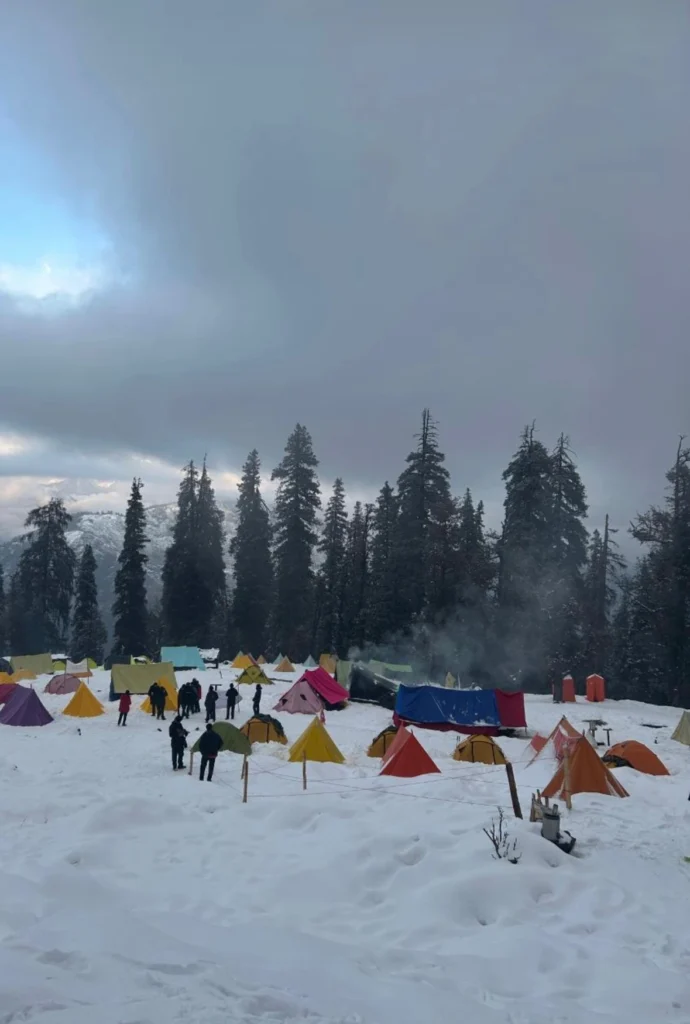
  • Camping Gear : Sleeping bags (rated for extreme cold), sleeping mats, kitchen tents, dining tents, and toilet tents.
  • Safety & Medical : Basic First-Aid Kit, medical support, and a portable oxygen cylinder.
  • Permits & Fees : This is the most variable item. Some operators include certain government/local fees (e.g., inner line permit, camping charges), while others list them as a mandatory exclusion (see below). Always check the fine print.
  • Common Porterage : Porters or mules for carrying common equipment like tents, cooking supplies, and rations.

Exclusions

  • Mandatory Fees :Compulsory Government/Local Fees:Wildlife/Environmental Fees</li><li>LAHDC (Ladakh Autonomous Hill Development Council) Fees</li><li>ALTOA (All Ladakh Tour Operators Association) Registration/NOC</li><li>Mandatory Medical Check-up Fee</li><li>Adventure Insurance Premium (often mandatory but not included)</li></ul>
  • Travel : Flights/Train/Bus fare to and from Leh (the base city).
  • Personal Porter : Personal Porter/Offloading Charges: The cost to hire a porter to carry your personal backpack/duffel bag (usually limited to 8-10 kg). This is an optional but highly recommended expense, typically paid directly to the porter. 
  • Personal Gear : Personal trekking gear like Gumboots (mandatory for the trek, often available for rent in Leh or can be purchased), trekking poles, warm clothing, water bottles, sunglasses, headlamps, etc.
  • Meals & Stay in Leh : Lunch and sometimes dinner during the initial acclimatization days in Leh (Days 1, 2, and the last day).
  • Miscellaneous : Personal expenses (e.g., laundry, phone calls, beverages, bottled water, snacks), camera fees, and tips for the trek staff (highly recommended).
  • Emergencies : Any costs arising from an early exit, itinerary changes due to bad weather/road blocks (Force Majeure), or emergency rescue/evacuation/hospitalization.

Things to Carry

I. Head & Face
Woolen Cap / Beanie

Must cover ears. Essential for retaining body heat.

Balaclava / Neck Gaiter

Crucial for summit day to protect the nose and mouth from cold wind.

UV-Protection Sunglasses

MANDATORY. Snow glare is intense and can cause snow blindness. Must be UV protected.

II. Upper Body
Base Layer (2–3)

Thermal tops (full sleeve). Must be synthetic or Merino wool. NO COTTON.

Mid Layer (2)

Fleece jacket (thick). Your primary source of warmth.

Outer/Shell Layer (1)

Padded jacket (Polyfill/Down). Heavy, windproof, and water-resistant.

III. Lower Body
Base Layer (1–2)

Thermal bottoms (leggings).

Trekking Pants (2)

Quick-dry, synthetic trekking trousers. Avoid jeans/shorts.

IV. Hands & Feet
Trekking Shoes (1 Pair)

High-ankle, sturdy, waterproof trekking boots with good grip.

Socks (5–6 Pairs)

3–4 pairs of thick woolen/synthetic trekking socks (for the day) and 2 pairs of dry woolen socks (for sleeping only).

Gloves (2 Pairs)

1 pair of woolen/fleece inner gloves and 1 pair of heavy, waterproof outer gloves.

V. Accessories
Headlamp

MANDATORY. Carry extra batteries.

Water Bottle / Thermos

Carry a 1-liter bottle and a thermos to keep water from freezing.

Sunscreen (SPF 40+) & Lip Balm

Essential for high-altitude UV protection.

Personal Toiletries & Medication

Toothbrush, wet wipes, and any personal prescription drugs.

Daypack (20–30L)

For carrying water, jacket, snacks, and personal items during the trek.

VI. Provided Gear
From Our Side

Sleeping Bag, Sleeping Mat, Tents, Crampons, Gaiters, and Trekking Poles (use optional).

How to reach

The administrative and primary base camp for the Chadar Trek is the town of Leh (at an altitude of about 11,400 feet). Due to the extreme cold and the trek taking place in winter (typically January and February), the overland road routes are mostly closed due to heavy snow.

Mode of Transport Route/Details Feasibility in Winter (Jan/Feb)
By Air (Recommended) Fly to Kushok Bakula Rimpochee Airport (IXL) in Leh. This is the most reliable way to reach Leh during the winter season. You can find direct flights from major cities like Delhi. Highly Recommended
By Road (Bus/Shared Taxi) The Srinagar-Leh Highway (NH 1) and Manali-Leh Highway are generally closed from November to May/early June due to heavy snowfall. Not Possible
By Train The nearest major railway stations are Jammu Tawi (JAT), Pathankot (PTK), Chandigarh (CDG), or Kalka (KLK). From the station, you would need to travel by bus or taxi, but as the roads to Leh are closed in winter, this option is generally not viable or practical. Not Possible/Practical in Winter


From Leh Airport to Leh City:

Once you arrive at Leh airport, you can take local taxis or buses that run regularly to the city center, where you will spend your mandatory acclimatization days.


How to prepare your body and mind for the trek

Your Mind & Body Compass

Chadar Trek is the perfect choice for a first-time wellness trekker, but a reasonable level of fitness is essential to ensure you enjoy the experience, especially given the rapid altitude gain.

Physical Conditioning (8 Weeks Prior):

  • i
    Cardiovascular Fitness: Commit to a daily routine of 4-5 kilometers of walking or jogging. Focus on building endurance to comfortably manage the steep sections.
  • i
    Strength and Flexibility: Incorporate basic strength training (squats, planks) and gentle Himalayan-focused stretching to condition the muscles and joints for carrying a backpack.

Mental & Respiratory Conditioning:

  • i
    Mastering the Breath: Begin a routine of Pranayama (breathing exercises). Practices like Anulom Vilom (Alternate Nostril Breathing) are vital for improving lung capacity and ensuring a smooth, relaxed acclimatization at high altitude.
  • i
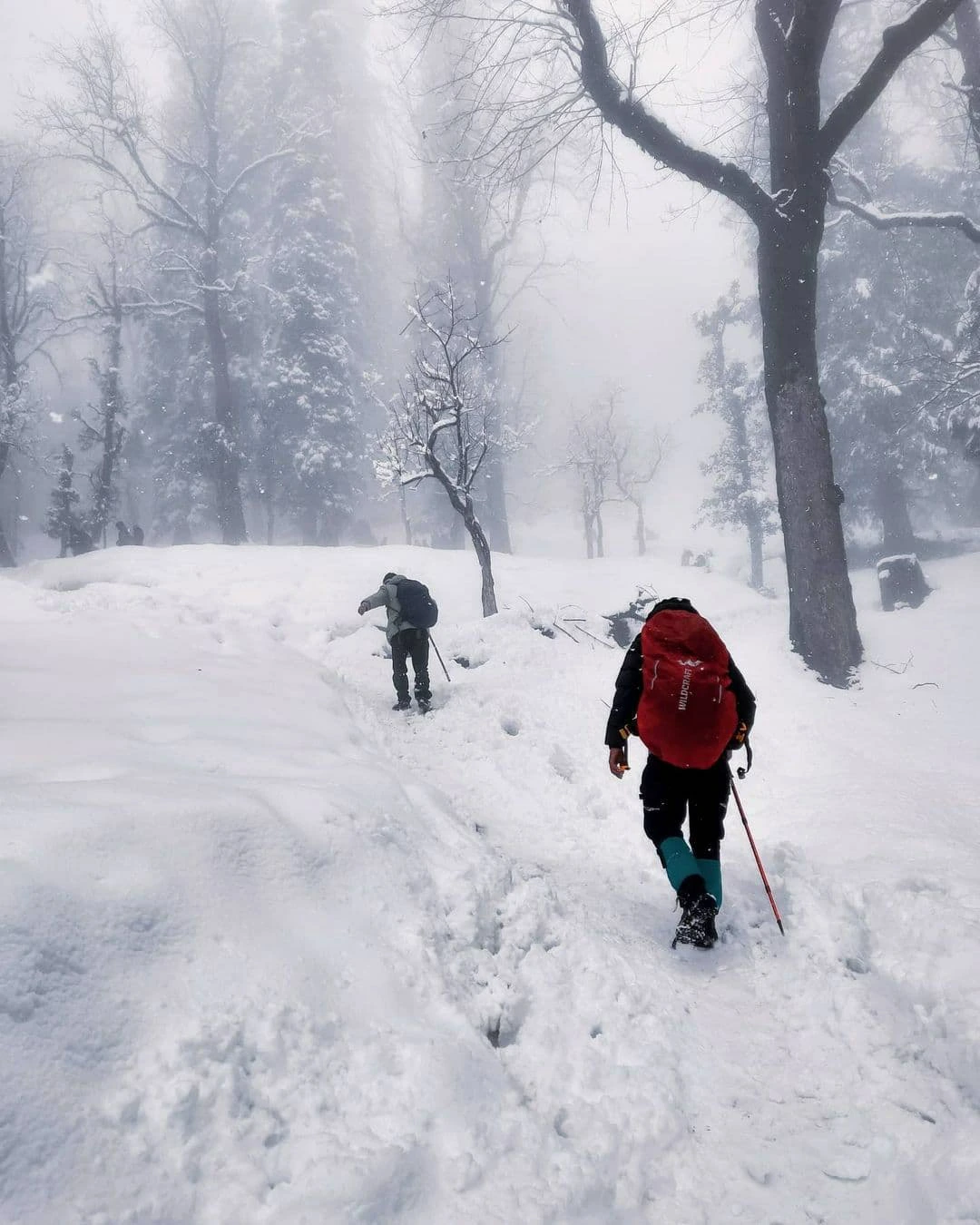
    Weather Readiness: Be prepared for the transformative nature of Himalayan weather. While daytime can be manageable (10°C to 15°C), winter nights are intensely cold, dropping to -4°C or lower. Our high-quality gear is provided to support your journey safely through the cold.

Refund & Cancellation

We aim for clear and fair practices regarding cancellations. We know plans can change, and our policy is designed to balance flexibility for you with the operational needs of running a trek.

If Crux Himalaya Cancels Your Trek

  • If we are forced to cancel a trip for reasons beyond our control (such as natural disasters, route closures, or governmental mandates), you will receive a Trek Voucher. This voucher is valid for one year and can be applied toward the original trek or any other available trek.

  • If the cost of the new trek is higher, you must pay the difference. If the cost of the new trek is lower, we will refund the surplus amount.

  • If the cancellation is due to insufficient bookings (fewer than three participants), you will receive a full monetary refund.

If You Cancel Your Trek

Cancellation Window Refund Notes
More than 30 days prior to the trek start date 100% refund Full refund of trek fee
Between 15 and 30 days prior to the trek start date 50% refund Balance forfeited
Within 1 to 15 days prior to the trek start date No refund Pre-booked logistics; refund not applicable

FAQs

Chadar is Hindi for “sheet” or “blanket.” The trek is named this because you walk on the thick, frozen sheet of ice that covers the Zanskar River during winter.

Yes, it is rated as Difficult. However, it’s not difficult due to altitude gain (the path is mostly flat) but due to the extreme cold, the need to walk carefully on unpredictable ice, and the remote camping conditions. It is a mental challenge as much as a physical one.

It is not recommended as a first trek, but it is doable if you have a good level of physical fitness and are mentally prepared for the extreme cold and harsh conditions. Prior experience with winter camping is a big advantage.

The total duration is typically 7-9 days (Leh to Leh). The actual walking distance on the ice is generally around 60-70 km, with trekkers covering 10–14 km per day.

January and February are the ideal months, as this is when the Zanskar River is frozen solid enough to form the “Chadar.”

It is extremely cold. Daytime temperatures can range from $-5^\circ\text{C}$ to $-15^\circ\text{C}$. Nighttime temperatures can plunge to $-20^\circ\text{C}$ to $-30^\circ\text{C}$ at the campsites.

The trek is inherently risky due to the unpredictable ice (which can crack or break) and the extreme cold. However, the risk is significantly minimized by going with experienced local guides who know the river conditions and having mandatory medical check-ups. Listen to your guide’s instructions at all times.

This is a serious risk. Trekkers are trained to walk carefully, but if you fall, your guides and local porters are highly experienced in immediate rescue and getting you warm/dry as quickly as possible to prevent hypothermia.

1. Layered Clothing: Thermals, fleece, and a high-quality windproof/waterproof down jacket. 2. Sleeping Bag: A quality sleeping bag rated for at least $-20^\circ\text{C}$ or lower. 3. Footwear: Heavy-duty, waterproof gum boots are often used for walking on the ice, along with good trekking shoes for the drive. 4. Accessories: Insulated water bottle/thermos, trekking pole, headlamp, and multi-layer gloves/socks.

You must fly to Leh and spend a minimum of 2-3 days acclimatizing before starting the trek. This is mandatory and non-negotiable to prevent Acute Mountain Sickness (AMS). You must also pass a mandatory medical test in Leh.

No. Mobile networks do not work once you leave Leh for the trek. Only BSNL/Airtel postpaid connections work in the Leh city area. Inform your family and friends about your itinerary before you start.

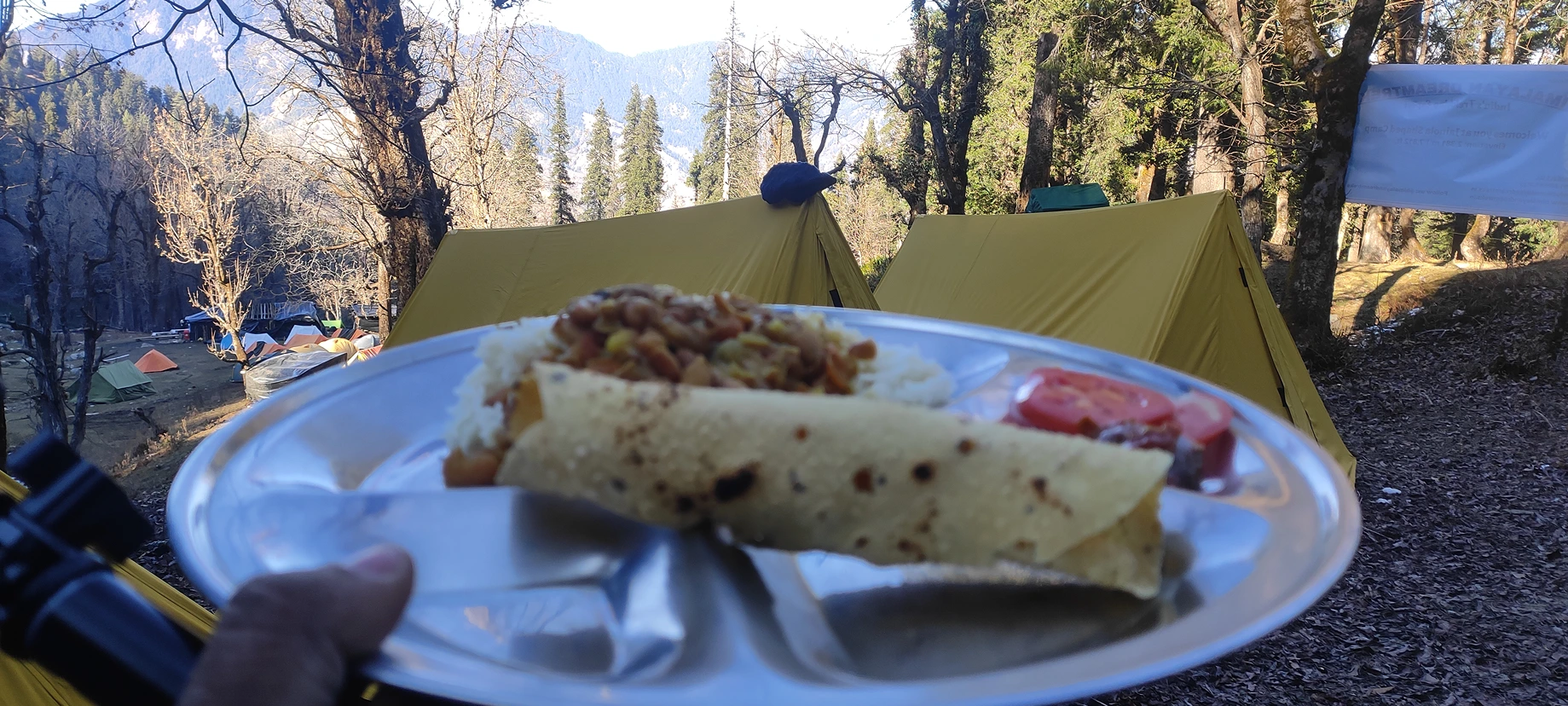
Typically, warm, nutritious vegetarian meals are provided, cooked fresh by the accompanying support staff. This includes things like rice, dal, chapati, vegetables, soup, and tea.

Trek Fee
₹ 24,999 ₹26,999
Save ₹2,000 (7% Off)
  • Pick Up: Leh
  • Drop: Leh
  • Location: Leh Base Camp
Note: Pick-up & drop details will be reconfirmed on WhatsApp after booking.