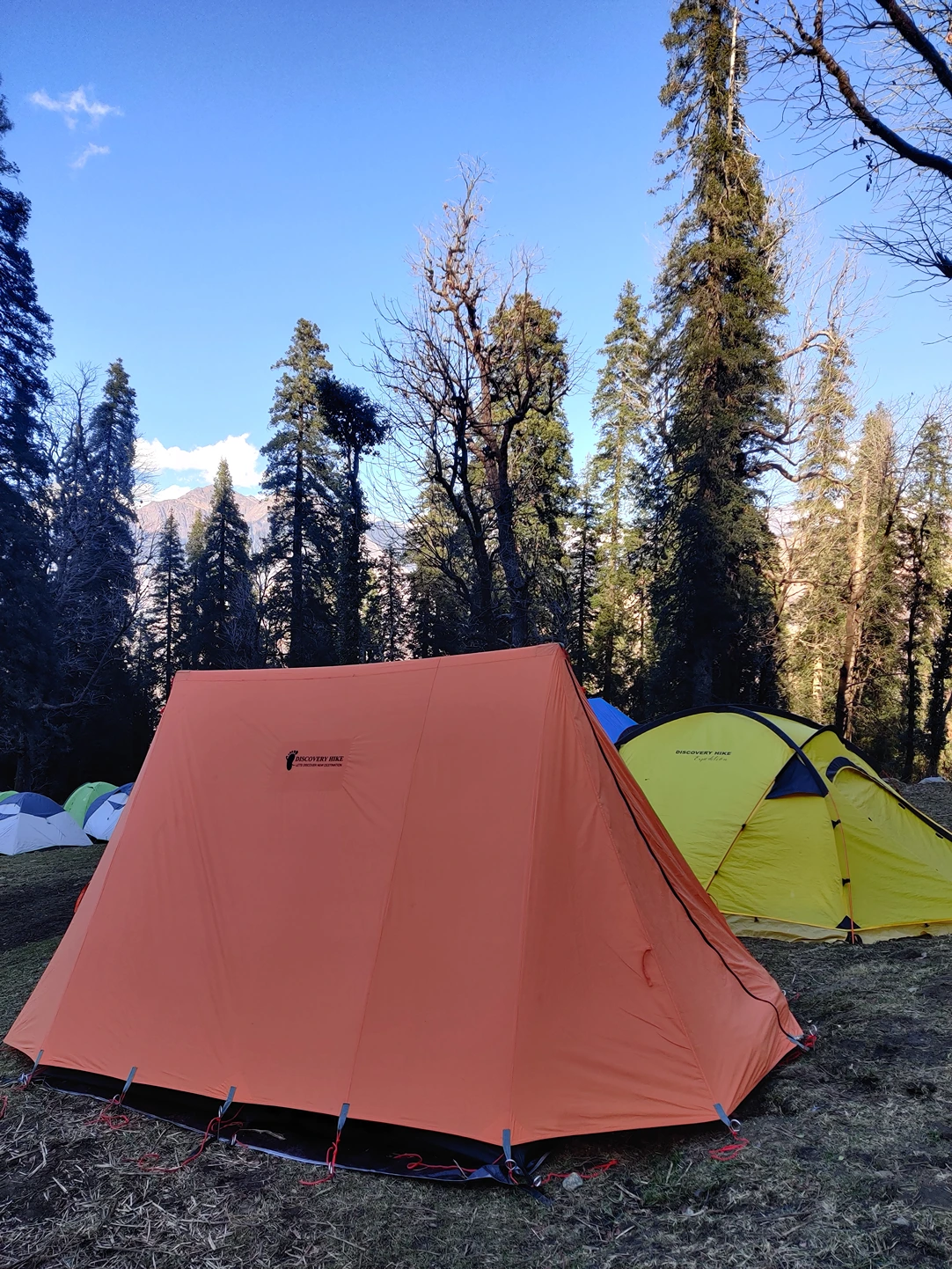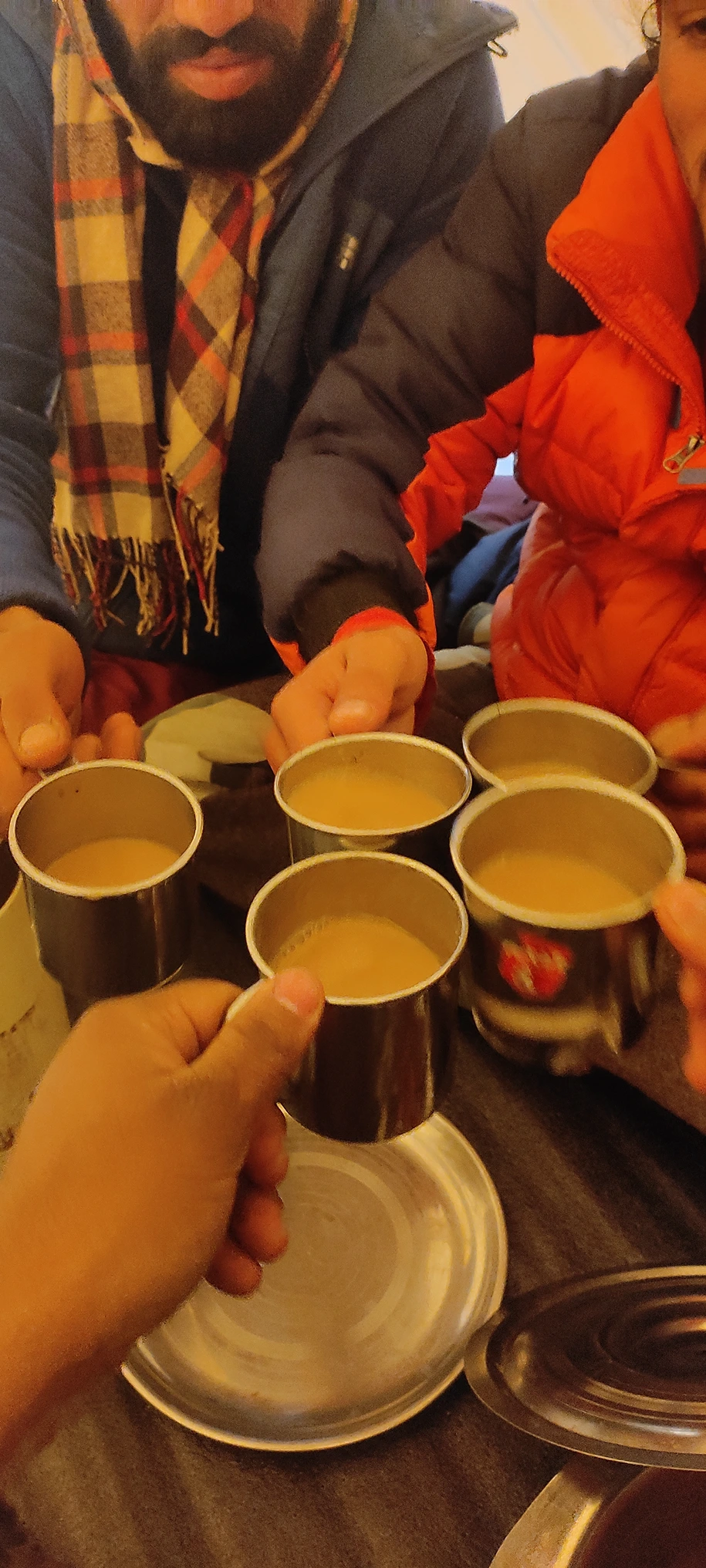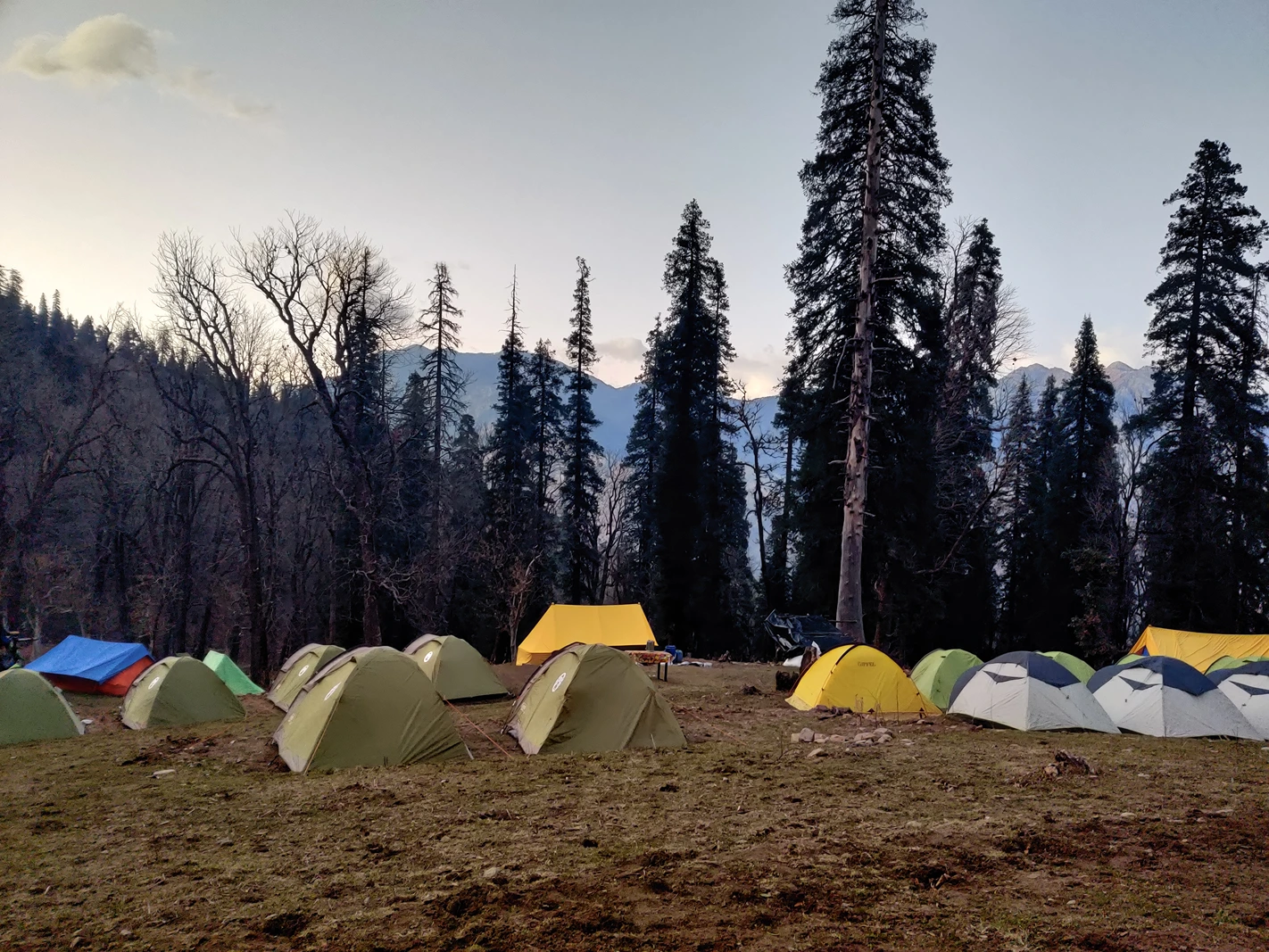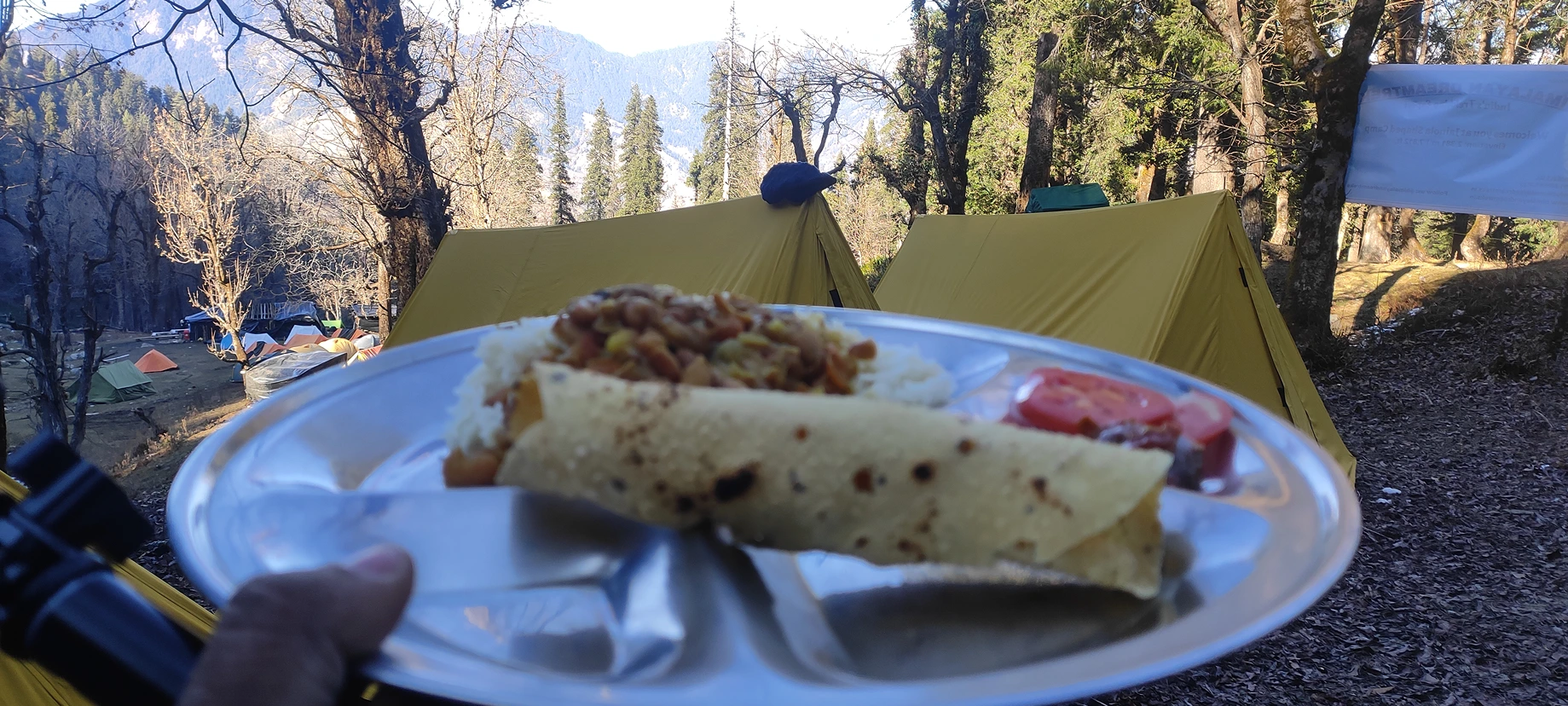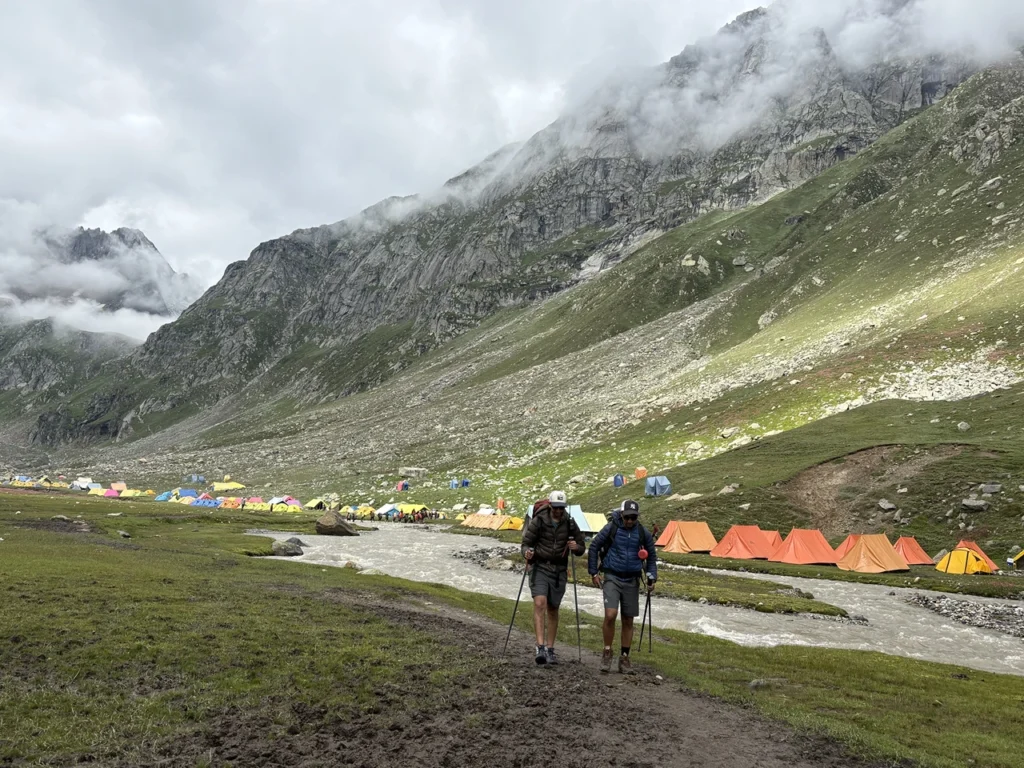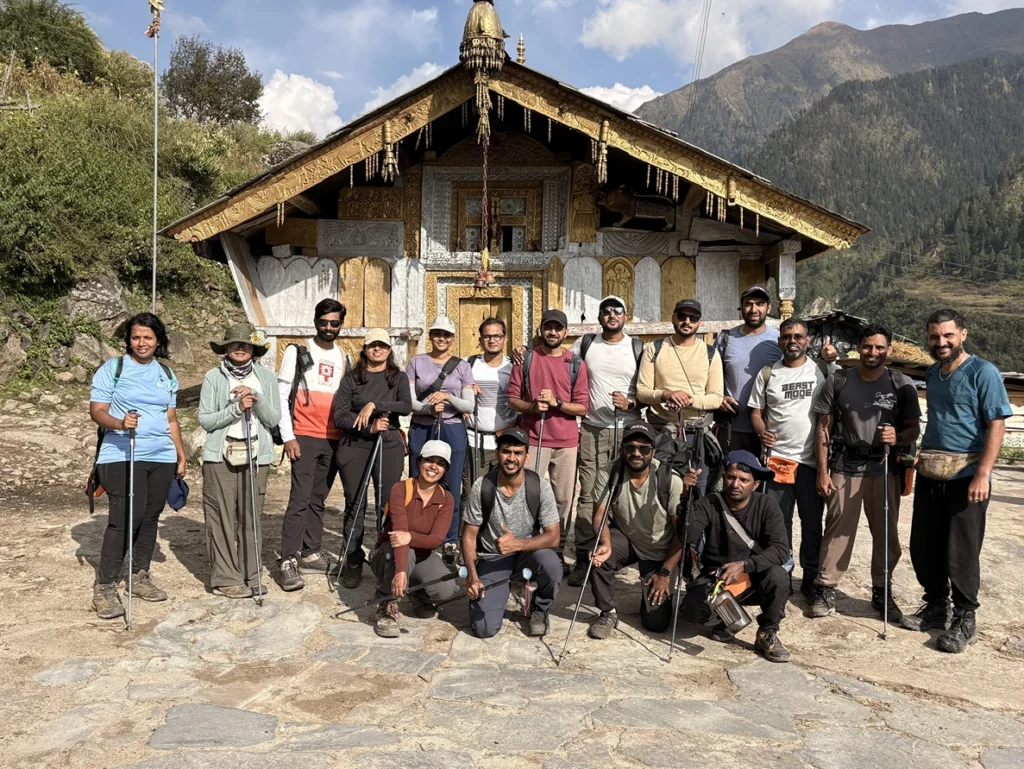
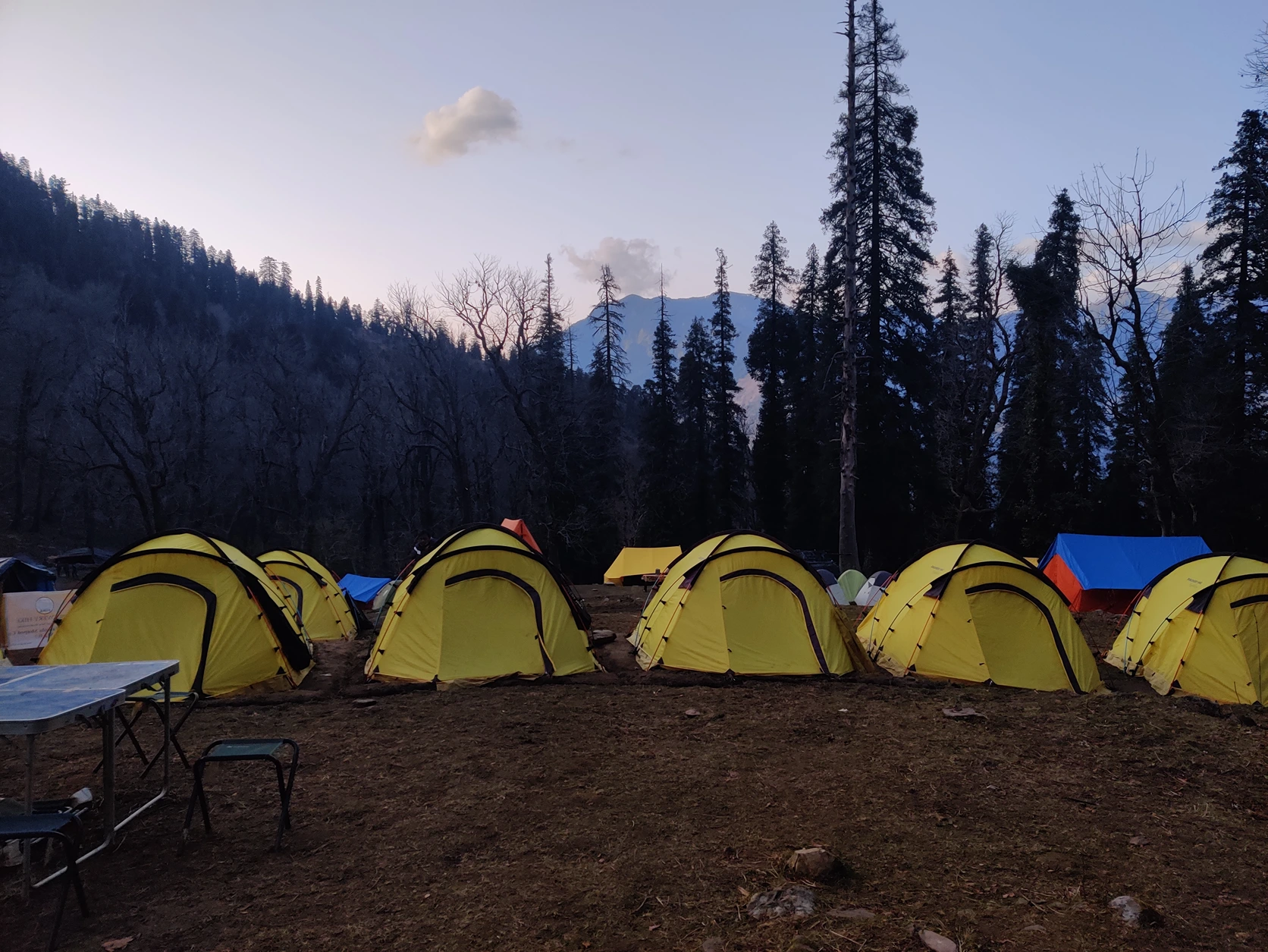
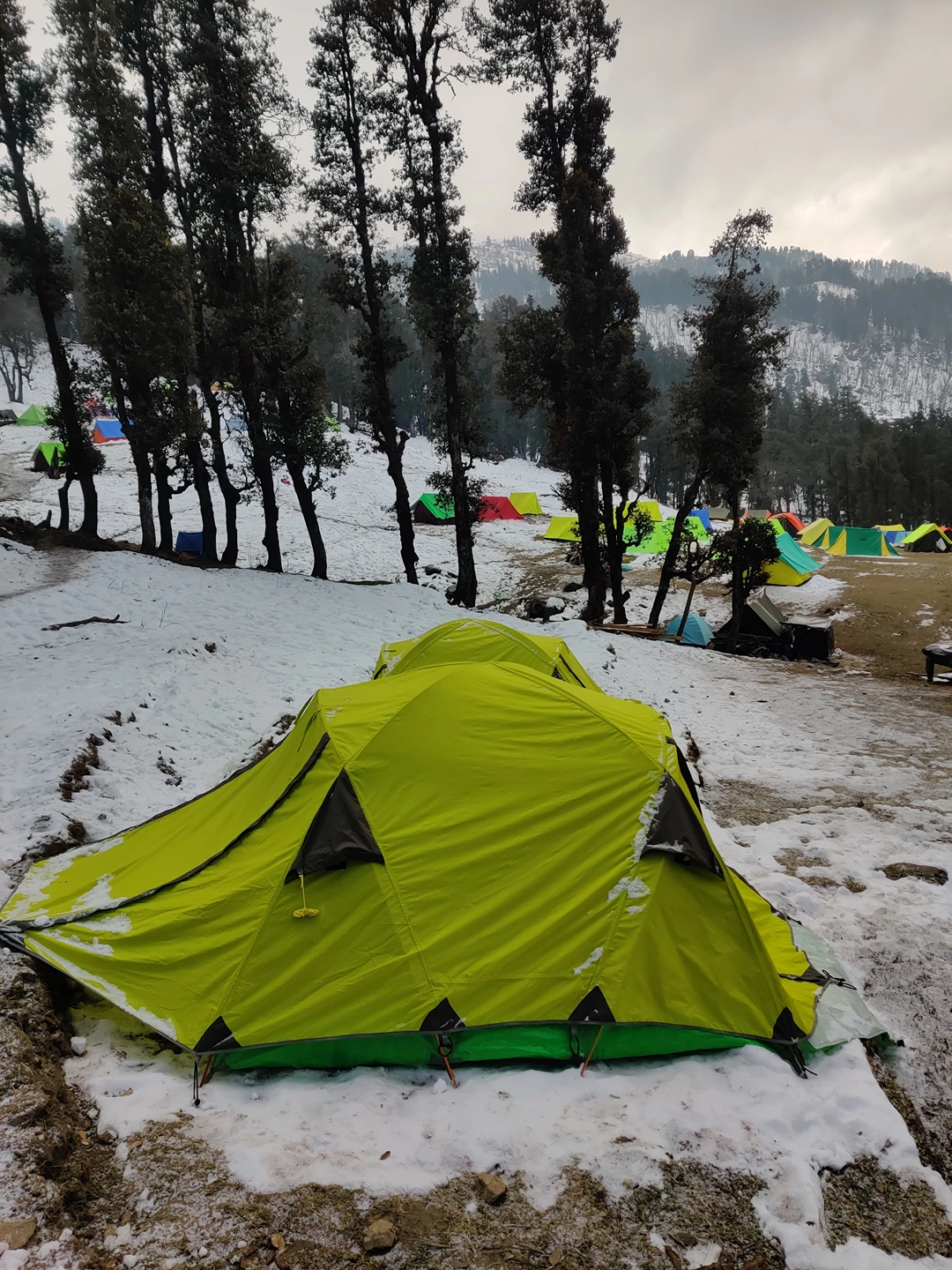
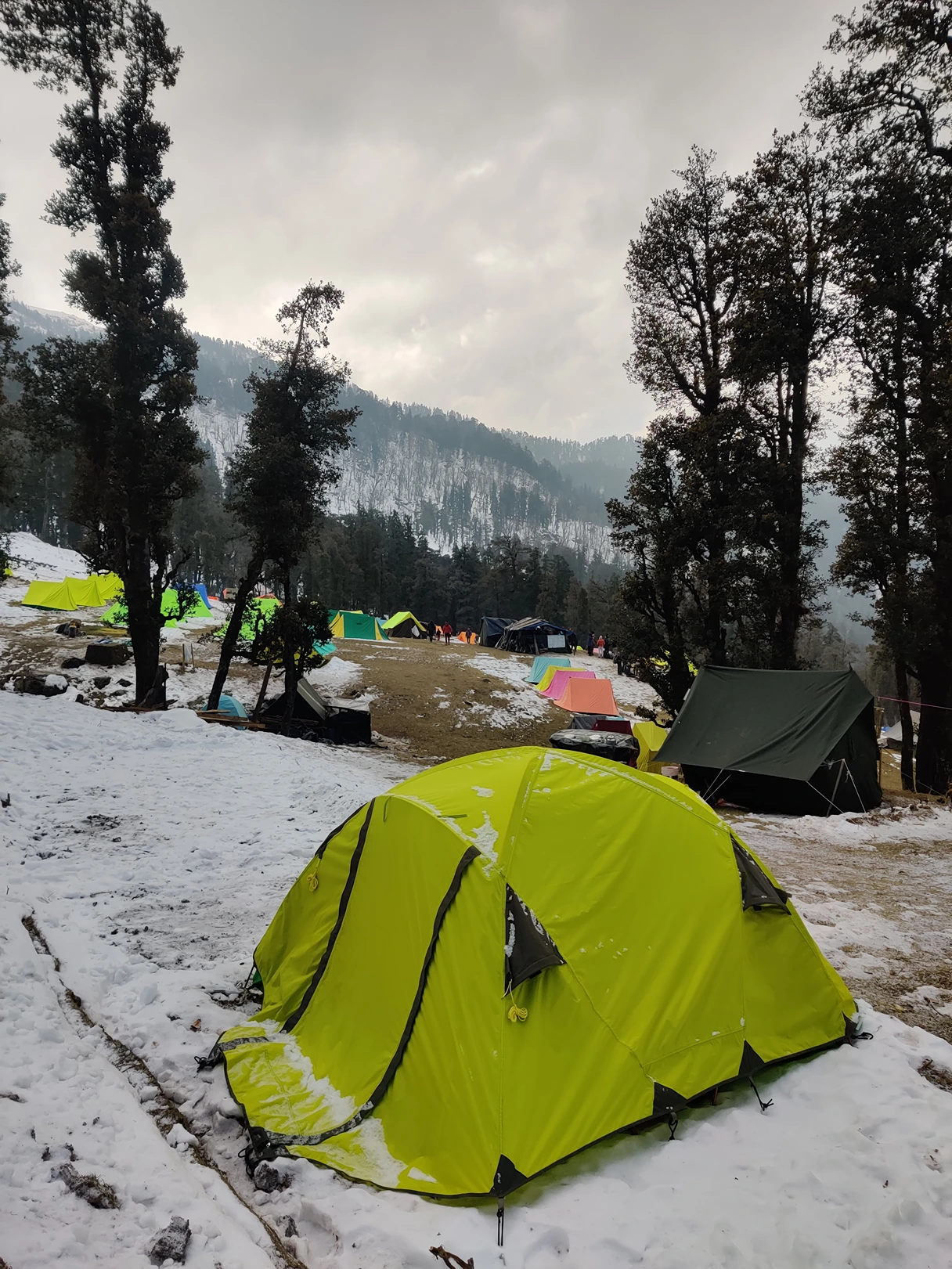
Your journey begins in Srinagar, the summer capital of Kashmir. You will meet your fellow trekkers and the support team at a designated point (often the Tourist Reception Centre). From there, it is a scenic drive of approximately 4 hours to the picturesque village of Aru, the starting point of the trek. The drive is a beautiful introduction to the Kashmir Valley, passing through the renowned saffron fields of Pampore and the pine-dotted hills leading up to Pahalgam. Aru is situated on the banks of the Lidder River, surrounded by meadows and mountains. Once you arrive, you will settle into your guesthouse or campsite, have an orientation session, and prepare your gear for the trek starting tomorrow.
Tarsar Marsar Trek
- Pick Up: Aru
- Drop: Aru
- Location: Aru Base Camp
Send an enquiry
Overview
Step Into the Valley of Infinite Beauty
When it comes to the Himalayas, the Kashmir Valley stands in a league of its own—breathtaking, poetic, and impossibly serene. It truly embodies the Persian couplet:
“If there is a paradise on earth, it is here, it is here, it is here.”
Among all the treks that capture this essence, the Tarsar Marsar Trek is perhaps the most authentic and intimate expression of Kashmir’s alpine magic.
Unlike the popular Kashmir Great Lakes (KGL) Trek, which showcases grandeur on a vast scale, Tarsar Marsar invites you into a quieter, more soulful experience—a living painting that changes color with every step.
The Soul of the Tarsar Marsar Trek
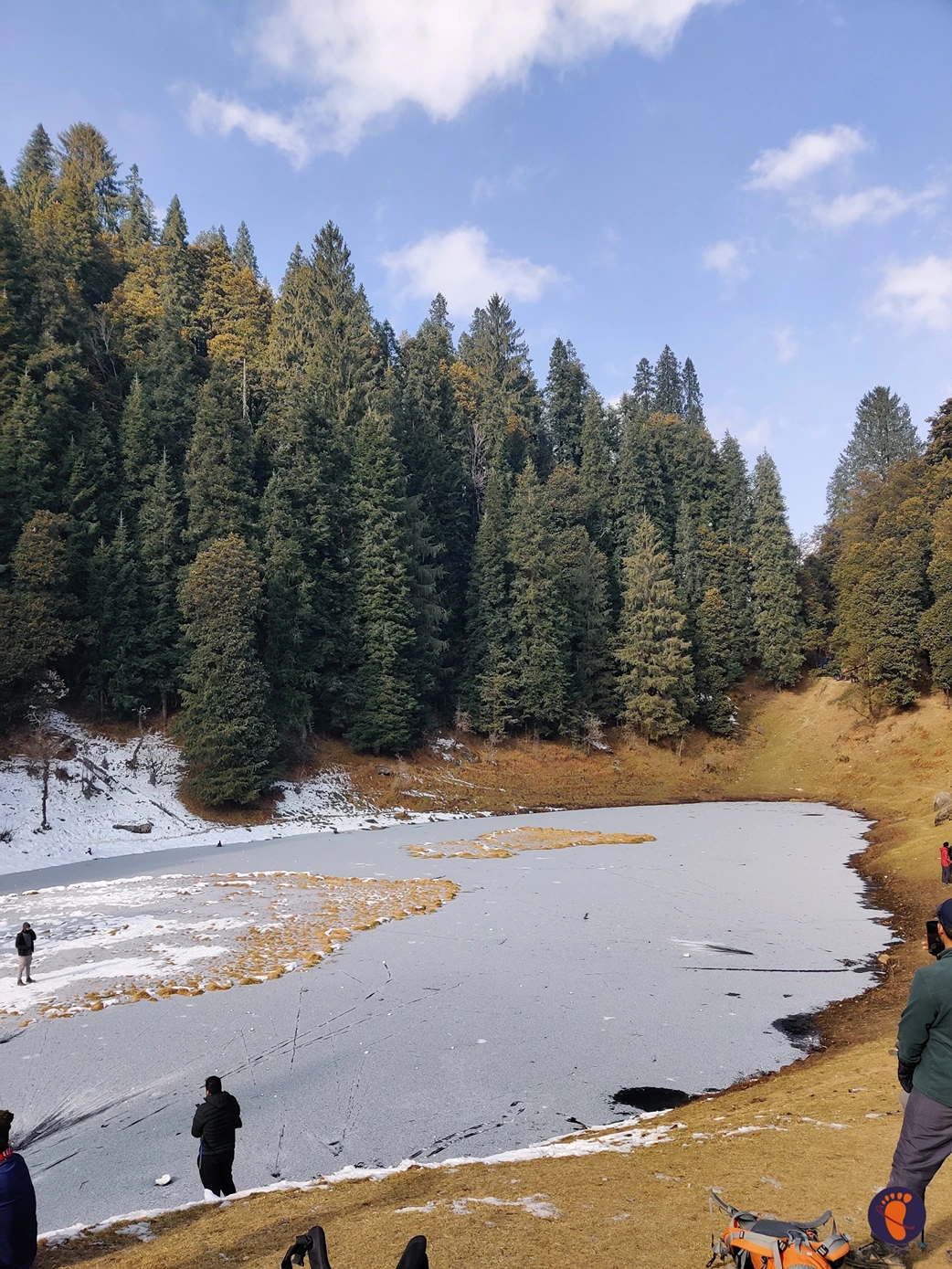
This seven-day journey leads you deep into the heart of Kashmir’s wilderness, unveiling a landscape untouched by time. The trek derives its name from the twin alpine lakes of Tarsar and Marsar, two shimmering jewels separated by a high mountain ridge.
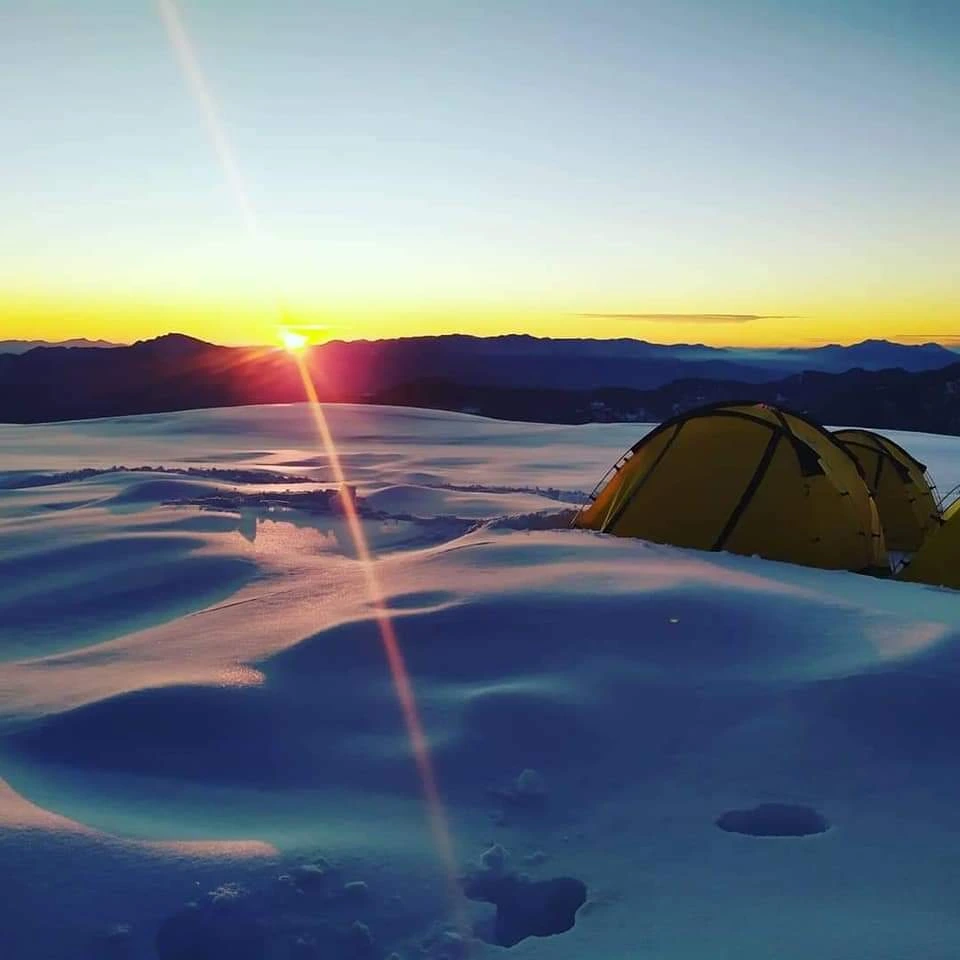
Here, you’ll camp beside the turquoise waters of Lake Tarsar, reflecting the snow-clad peaks above like a dream. As dawn breaks, the lake glows in shades of sapphire and gold, a sight that words can scarcely contain.
The trail meanders through pine-scented forests, velvet-like meadows, and bloom-filled valleys, ascending gently to reveal sweeping views of the Kolahi and Lidder peaks. Every bend feels like stepping into a new masterpiece—each moment serene, alive, and sacred.
A Perfect Balance of Serenity and Adventure
Rated as a moderate trek, Tarsar Marsar is ideal for both first-time trekkers and seasoned explorers looking for a less-crowded Himalayan experience. It offers immense scenic variety without the challenges of a high-altitude pass, making it one of the most rewarding treks in India.
Whether you’re seeking solitude, photography, or a mindful connection with nature, this trek delivers it all—wrapped in Kashmir’s signature stillness and grace.
Highlights
Itinerary
The first trekking day is a long, but rewarding, ascent. The trail gently climbs out of Aru village, quickly entering a beautiful, dense section of pine and maple forests. You’ll trace the course of the Lidder River as you make your way upstream. The path is well-defined, winding through grassy patches and clearings. After about 6 to 7 hours of trekking, the forest gives way to the expansive, velvety green meadows of Lidderwat (meaning ‘meeting of the streams’). This serene campsite, where the Tarsar Stream meets the Kolahoi Stream, will be your picturesque home for the night.
Meals
Day 3 is a shorter and more relaxing day, crucial for acclimatization. The trail remains mostly gentle, traversing the vast meadows that characterize the Kashmiri landscape. The highlight of the day is the continuous presence of small, clear streams and the sight of local Gujjar and Bakarwal shepherds with their flocks, adding a cultural element to the trek. After about 4 to 5 hours of walking, you will reach the beautiful camping ground of Shekwas, nestled amongst rolling green hills. Since you arrive early, you’ll have ample time to rest, explore the surroundings, and prepare for the gradual increase in altitude.
Meals
This is one of the most exciting days of the trek, as you finally reach the first of the twin lakes. The day begins with a steady ascent towards the ridge that separates the two valleys. The climb is not technically difficult, but it is steep in patches. From the ridge, you get your first magnificent glimpse of Tarsar Lake—an almond-shaped, turquoise-blue jewel surrounded by meadows and towering peaks. The sight is absolutely mesmerizing. You then descend to the lakeside, where your campsite is set up right on the shore of Tarsar. Camping beside this pristine glacial lake is the defining, tranquil experience of the entire journey.
Meals
Today involves a crossing of the Tarsar Pass (also known as the Tarsar Ridge), connecting Tarsar and Sundarsar. The day begins with a gentle walk along the Tarsar shore before a sustained, steep climb up the ridge. From the top, you get a final, stunning panoramic view of Tarsar. The trail then descends gradually into the next valley, leading you to the gorgeous, smaller lake of Sundarsar (meaning “beautiful lake”). This lake is slightly more secluded and equally stunning. You will camp by the Sundarsar Lake, preparing for the challenging ridge walk tomorrow.
Meals
This is arguably the longest and most crucial day, featuring the trek’s highest point and the glimpse of the hidden second lake. You ascend towards the Marsar Ridge, which provides a breathtaking vantage point to view Marsar Lake. Unlike Tarsar, Marsar is often kept hidden and is traditionally inaccessible, adding to its mystique. The climb is rewarded with an incredible perspective of the lake before you begin the long, steep descent towards the Aru Valley. You will cross streams and meadows on a continuous downhill path before reaching the camp at Homwas (or often an alternate valley camp), a final night of tranquility before the push to the base camp.
Meals
The last day of trekking is a long one, covering the final 13 km of descent back to Aru. The trail takes you through dense forest sections, following the path of the stream as it merges with the Lidder River. It’s a test of endurance, particularly on the knees due to the constant descent. After 6 to 7 hours, you’ll reach the welcoming sight of the Aru village. Here, you celebrate the completion of the trek and board the waiting vehicle for the final drive back to Srinagar. You are typically expected to reach Srinagar in the evening (around 6:30 PM to 7:30 PM), concluding your extraordinary adventure through the twin lakes of Kashmir.
Meals
Good to know
Inclusions
-
Accommodation : All accommodations from Day 1 (Aru Base Camp) to Day 6. This is usually in shared rooms/guesthouses at the base camp and high-quality, weatherproof tents (twin-sharing) during the trek.
-
Meals : Food from Day 1 dinner to Day 7 breakfast. This includes nutritious, hot, vegetarian meals (breakfast, packed lunch, and dinner) essential for sustaining you on the mountain.
-
Trekking Crew : Services of a qualified and experienced Trek Leader, Trek Guides, a Cook/Kitchen Staff, and Porters/Mules to carry all the communal gear and supplies (tents, food, kitchen equipment).
-
Trek Logistics : Tents (sleeping, kitchen, and dining tents), Sleeping Bags, and Mattresses.
-
Permits : All necessary trekking permits, including Forest and Wildlife permits (Inner Line Permits where applicable), are procured by the operator.
-
Safety & Medical : A well-stocked First-Aid Kit and basic medical supplies are carried by the trek leader, often including oxygen cylinders for emergencies.
Exclusions
-
Transportation : The cost of reaching Srinagar from your hometown (flights/trains) is always excluded.
Srinagar to Aru Base Camp : The shared taxi/transportation fee from the meeting point in Srinagar to the base camp at Aru (and back) is typically an Add-On service that must be booked and paid for separately.
-
Accommodation : Any hotel/houseboat stay required in Srinagar on Day 0 (arrival a day before the trek) and on the final day (Day 7 after the trek ends) is not included.
-
Personal Luggage : The fee for hiring a porter to carry your personal backpack is an Optional Add-On (often called “Offload” service) and is not included in the basic trek fee. You must carry your own daypack.
-
Insurance : Mandatory Trekking Insurance (covering high-altitude medical/evacuation) is an Add-On and is often compulsory for your safety, but its fee is separate.
-
Miscellaneous : A Goods and Services Tax (GST) of 5% (or as applicable) on the total trek fee is usually charged extra.
-
Personal Expenses : Cost of water bottles, snacks/energy bars bought on the way, phone charging (if available), tips for the crew, or any other personal purchases.
-
Emergency Costs : Any unforeseen expenses arising from weather delays, emergency evacuation (if not covered by your insurance), or early departure from the trek.
Things to Carry
Must cover ears. Essential for retaining body heat.
Crucial for summit day to protect the nose and mouth from cold wind.
MANDATORY. Snow glare is intense and can cause snow blindness. Must be UV protected.
Thermal tops (full sleeve). Must be synthetic or Merino wool. NO COTTON.
Fleece jacket (thick). Your primary source of warmth.
Padded jacket (Polyfill/Down). Heavy, windproof, and water-resistant.
Thermal bottoms (leggings).
Quick-dry, synthetic trekking trousers. Avoid jeans/shorts.
High-ankle, sturdy, waterproof trekking boots with good grip.
3–4 pairs of thick woolen/synthetic trekking socks (for the day) and 2 pairs of dry woolen socks (for sleeping only).
1 pair of woolen/fleece inner gloves and 1 pair of heavy, waterproof outer gloves.
MANDATORY. Carry extra batteries.
Carry a 1-liter bottle and a thermos to keep water from freezing.
Essential for high-altitude UV protection.
Toothbrush, wet wipes, and any personal prescription drugs.
For carrying water, jacket, snacks, and personal items during the trek.
Sleeping Bag, Sleeping Mat, Tents, Crampons, Gaiters, and Trekking Poles (use optional).
How to reach
| Mode of Transport | Details |
| By Air (Most Recommended) | The nearest major airport is Sheikh ul-Alam International Airport, Srinagar (SXR). It is well-connected with regular flights from major Indian cities like Delhi, Mumbai, and Bangalore. You should plan to arrive in Srinagar by noon on Day 1 of your trekking itinerary. |
| By Train | Srinagar does not have a functional railway station. The nearest major railway station is Jammu Tawi (JAT). From Jammu, you must take a taxi or bus to Srinagar, which is a long journey (approx. 7–10 hours) and should be planned for the day before your trek starts. |
| By Road | Srinagar is accessible by road (NH44), which connects it to Jammu and other cities. Various government and private buses and shared cabs operate on this route. |
Part 2: Srinagar to Aru Valley (The Base Camp)
The next step is the road journey from Srinagar to Aru Valley.
| Detail | Description |
| Destination | Aru Valley (approx. 7,950 ft / 2,424 m) |
| Distance | Approximately 100–110 km from Srinagar. |
| Travel Time | 3 to 4 hours, depending on traffic and road conditions. |
| Route | Srinagar to Anantnag to Pahalgam to Aru Valley (Aru is about 12 km ahead of Pahalgam). |
| Transportation Options | 1. Pre-Arranged Taxi (Recommended): Crux Himalaya arranges a shared taxi pick-up service from a designated point in Srinagar (often near Dal Lake or the Tourist Reception Center) directly to the Aru base camp. This is the most convenient option. 2. Private Taxi: You can hire a private taxi from the airport or city center directly to Aru Valley. 3. Shared/Public Transport: For a budget-friendly option, you can take a shared cab from Srinagar to Anantnag, then another to Pahalgam, and finally hire a local taxi or shared cab for the last 12 km stretch from Pahalgam to Aru. |
Important Note on Communication:
- iPrepaid SIM cards from outside Jammu & Kashmir generally do NOT work in the region. Ensure you have a Postpaid SIM card (BSNL, Jio, or Airtel are common) before your travel, as you will lose network connectivity shortly after leaving Pahalgam.
The last reliable ATM and mobile network coverage are typically found in Pahalgam. Complete any financial transactions and communication there.
How to prepare your body and mind for the trek
Your Mind & Body Compass
Tarsar Marsar Trek is the perfect choice for a first-time wellness trekker, but a reasonable level of fitness is essential to ensure you enjoy the experience, especially given the rapid altitude gain.
Physical Conditioning (8 Weeks Prior):
- iCardiovascular Fitness: Commit to a daily routine of 4-5 kilometers of walking or jogging. Focus on building endurance to comfortably manage the steep sections.
- iStrength and Flexibility: Incorporate basic strength training (squats, planks) and gentle Himalayan-focused stretching to condition the muscles and joints for carrying a backpack.
Mental & Respiratory Conditioning:
- iMastering the Breath: Begin a routine of Pranayama (breathing exercises). Practices like Anulom Vilom (Alternate Nostril Breathing) are vital for improving lung capacity and ensuring a smooth, relaxed acclimatization at high altitude.
- iWeather Readiness: Be prepared for the transformative nature of Himalayan weather. While daytime can be manageable (10°C to 15°C), winter nights are intensely cold, dropping to -4°C or lower. Our high-quality gear is provided to support your journey safely through the cold.
Refund & Cancellation
We aim for clear and fair practices regarding cancellations. We know plans can change, and our policy is designed to balance flexibility for you with the operational needs of running a trek.
If Crux Himalaya Cancels Your Trek
-
If we are forced to cancel a trip for reasons beyond our control (such as natural disasters, route closures, or governmental mandates), you will receive a Trek Voucher. This voucher is valid for one year and can be applied toward the original trek or any other available trek.
-
If the cost of the new trek is higher, you must pay the difference. If the cost of the new trek is lower, we will refund the surplus amount.
-
If the cancellation is due to insufficient bookings (fewer than three participants), you will receive a full monetary refund.
If You Cancel Your Trek
| Cancellation Window | Refund | Notes |
|---|---|---|
| More than 30 days prior to the trek start date | 100% refund | Full refund of trek fee |
| Between 15 and 30 days prior to the trek start date | 50% refund | Balance forfeited |
| Within 1 to 15 days prior to the trek start date | No refund | Pre-booked logistics; refund not applicable |
30+ days before trek start
Full refund of trek fee
15–30 days before trek
Balance forfeited
1–15 days before trek
Refund not applicable
FAQs
The ideal window for the Tarsar Marsar Trek is during the summer and monsoon months, specifically from late June to September.
- July & August are considered the peak season, as the Kashmir Valley is lush and green, with the most vibrant wildflowers. This is one of the few high-altitude treks that is safe and open during the monsoon, as the region receives less heavy rainfall than other parts of India.
- September offers clearer skies, cooler weather, and stunning autumn colors, though the meadows may be slightly less green.
The Tarsar Marsar Trek is classified as Moderate.
- Maximum Altitude: The highest point reached is the Marsar Ridge, at approximately 13,100 ft (4,000 m).
- Difficulty Factors: While the altitude is manageable, the difficulty comes from the daily trekking distance, which includes a few long days (up to 13 km) and some steep ascents and descents over the passes. Good physical fitness is essential.
The standard Tarsar Marsar itinerary runs for 7 Days / 6 Nights (from Srinagar to Srinagar). This typically includes 6 days of walking from the base camp at Aru and back.
Yes, the trek is considered safe for tourists and trekkers. The Tarsar Marsar trek route is located in the beautiful and peaceful Pahalgam district of South Kashmir, far from any areas of potential civil unrest. Local authorities and the trekking community ensure the safety of all groups. Trekking with a reputable local operator further ensures safety and adherence to local regulations.
Mobile connectivity is very limited on this trek:
- You will generally have connectivity (Jio, Airtel, BSNL) in Srinagar and up to Pahalgam.
- Beyond Pahalgam, and certainly once you start trekking from Aru village, the network coverage drops to zero.
- Prepaid SIM cards do not work in the Kashmir Valley; only postpaid connections function here. It is highly advised to inform your family/friends that you will be incommunicado for the duration of the 6-day trek.
Accommodation is primarily in campsites:
- Base Camp (Aru): The stay is usually in guesthouses or lodges (on Day 1).
- On the Trail: Accommodation is provided in alpine tents on a twin-sharing basis. All necessary camping equipment, including sleeping bags and mattresses, is provided by the trekking company.
You have two options regarding your personal luggage:
- Carry Your Own: You carry your main backpack (50-60L) with all your personal gear. This is great for building strength and saving money.
Offloading: You can hire a mule or porter (usually an Excluded item, paid separately) to carry your main pack. In this case, you only carry a small daypack (15-20L) containing essentials like water, snacks, a camera, and a rain jacket. Offloading is highly recommended for a more enjoyable trek experience.
- Pick Up: Aru
- Drop: Aru
- Location: Aru Base Camp