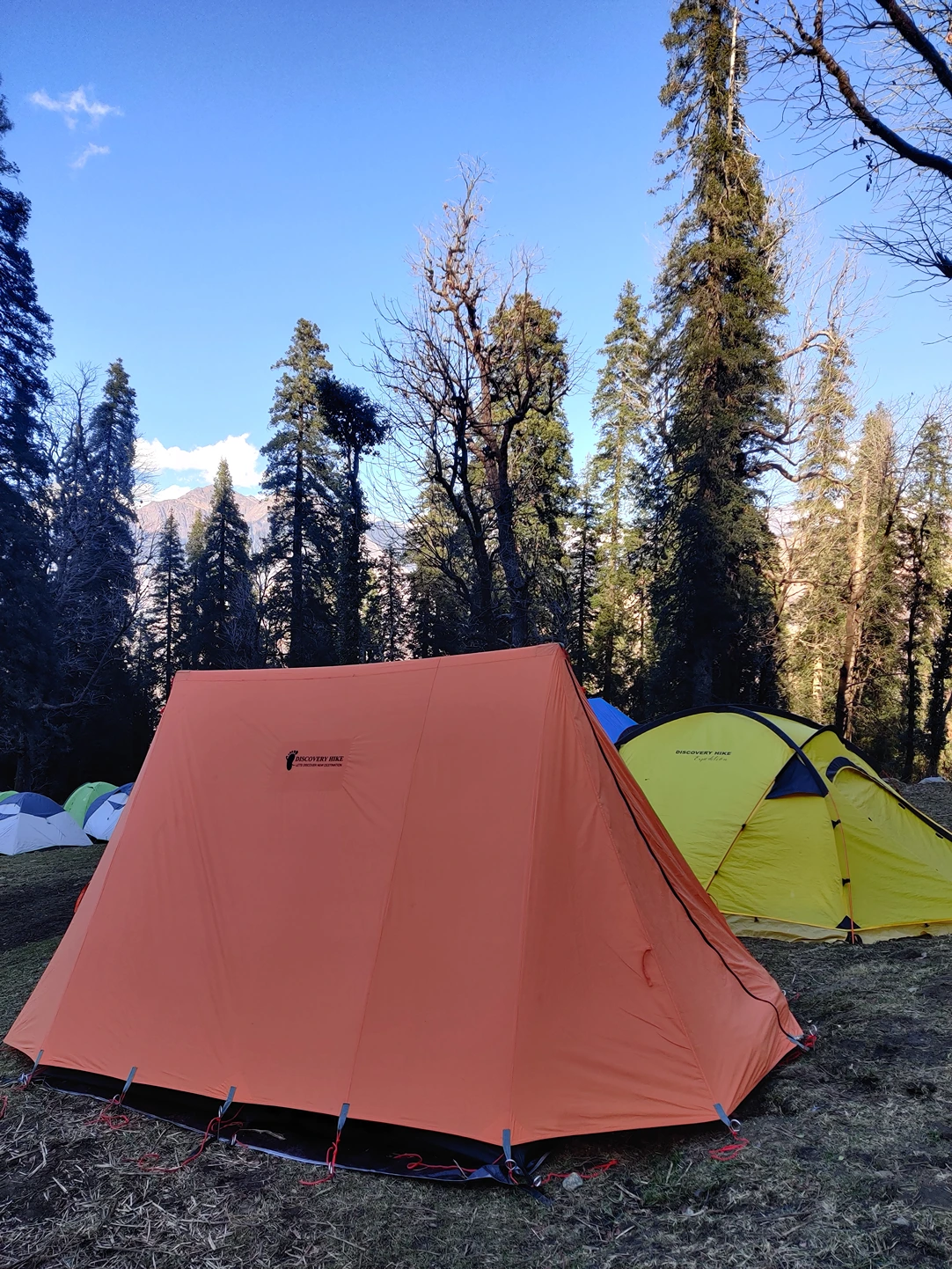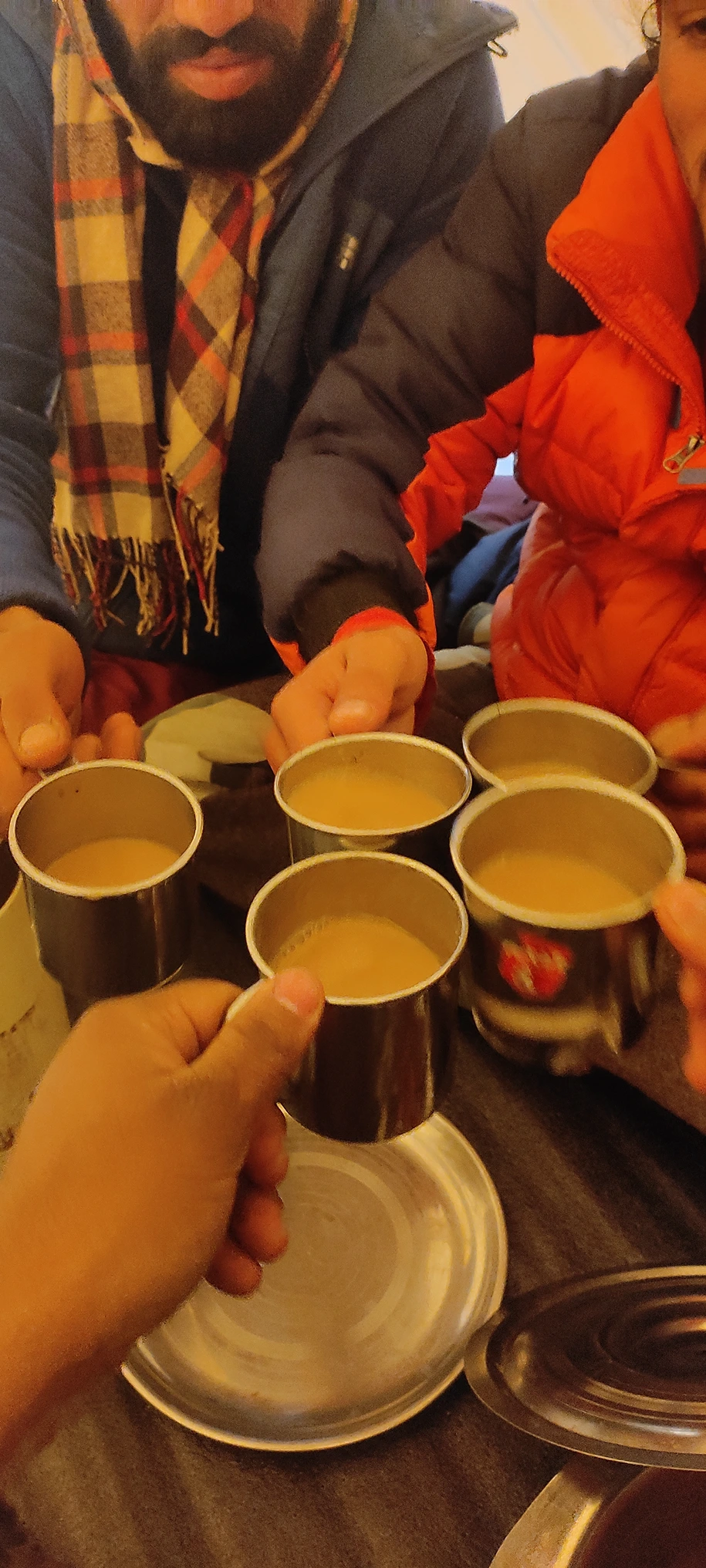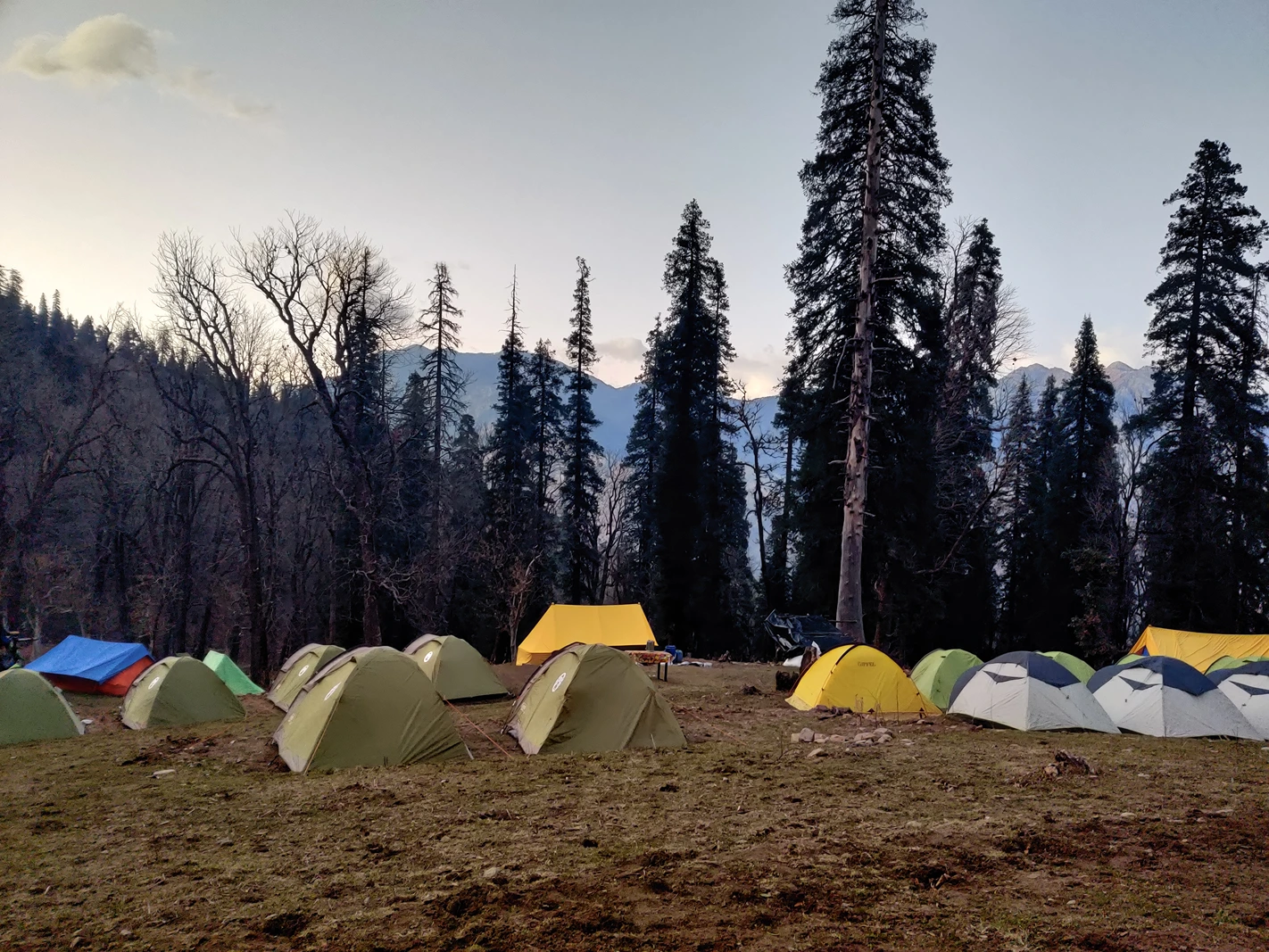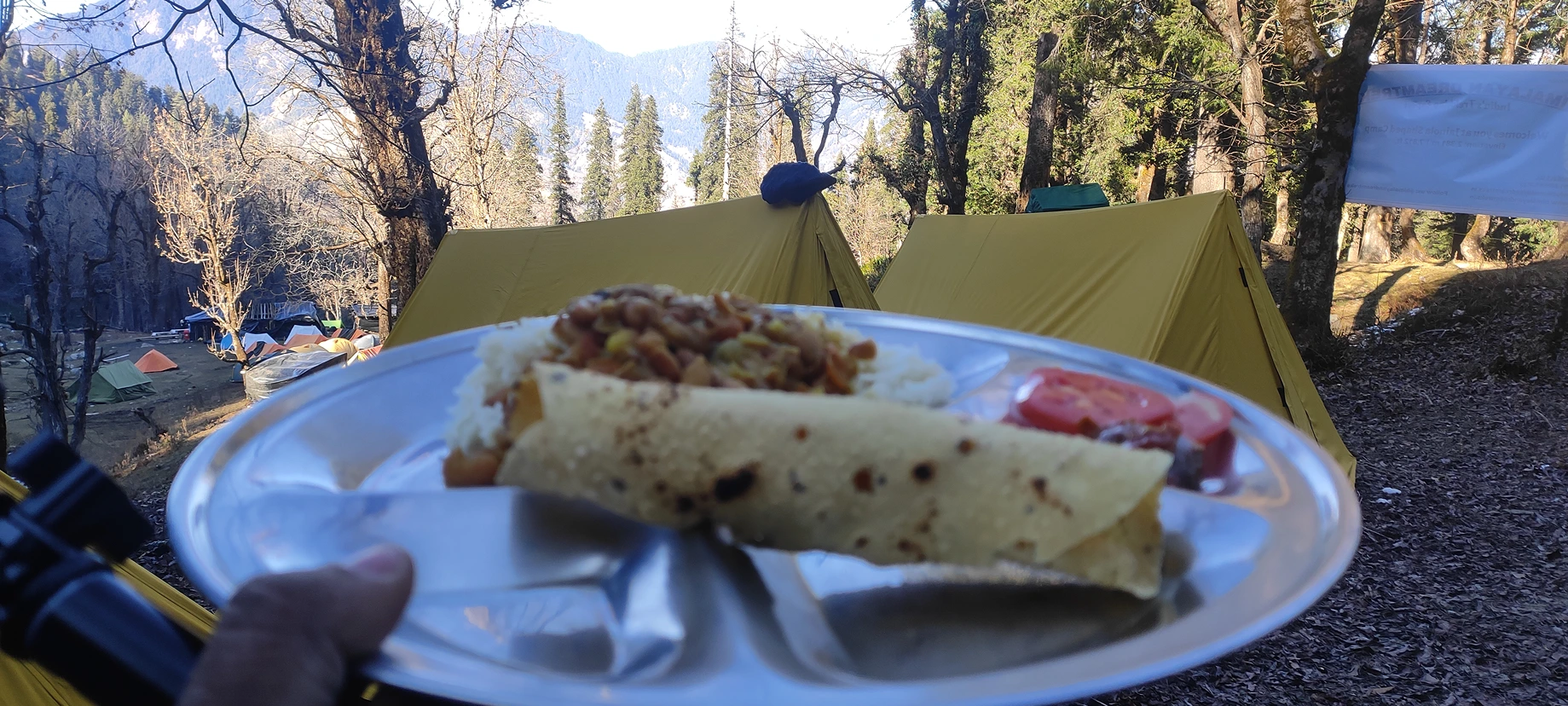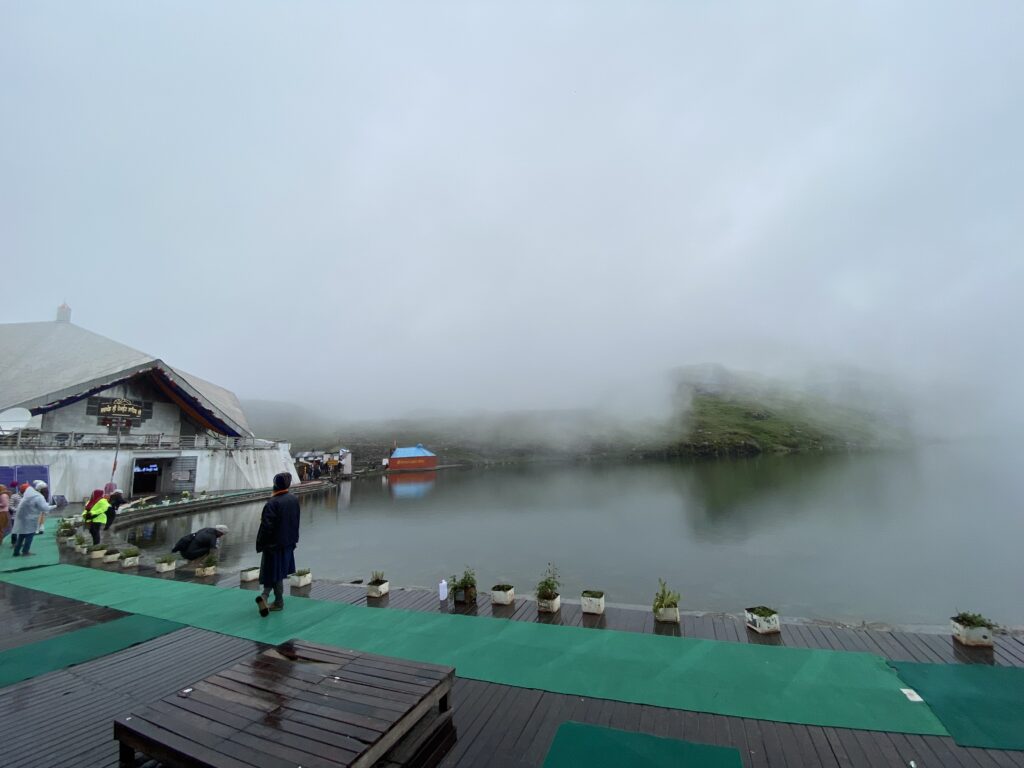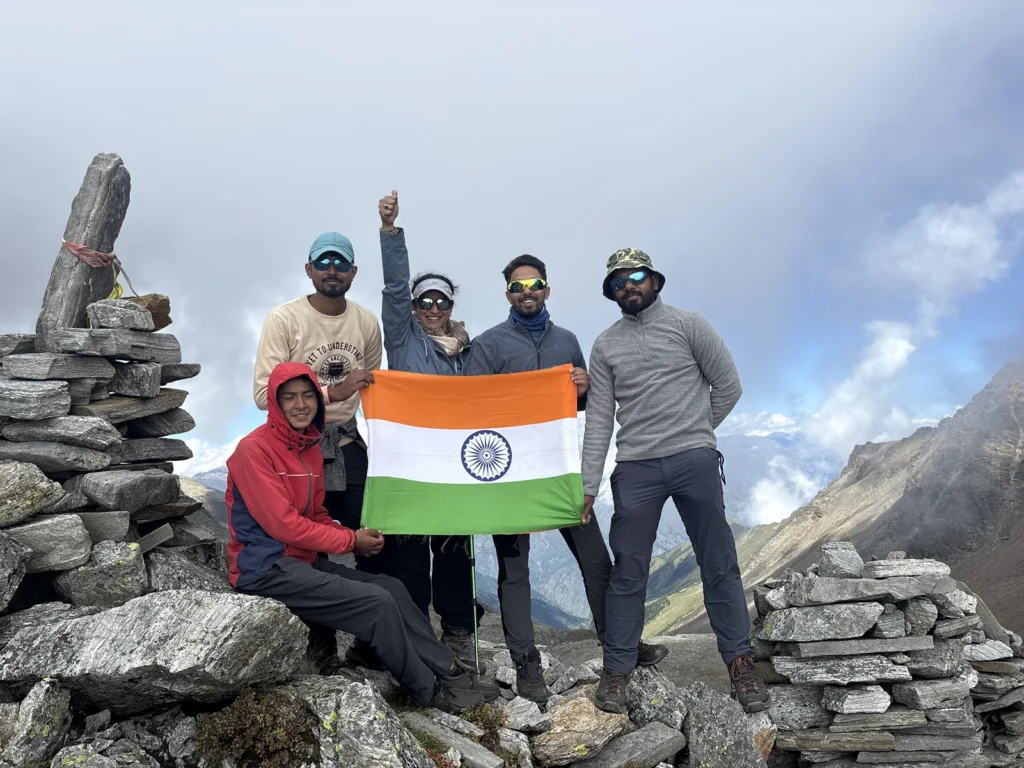
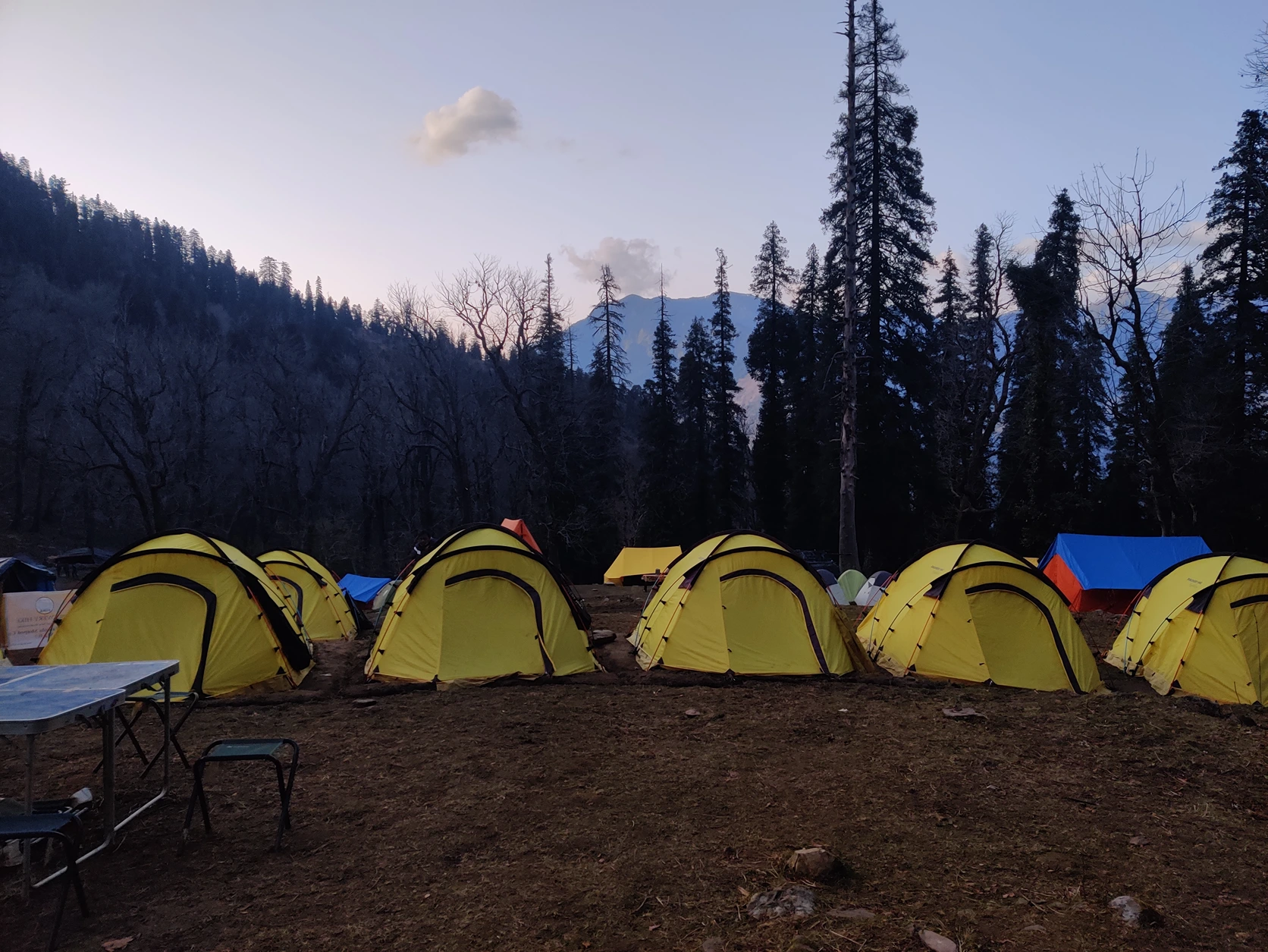
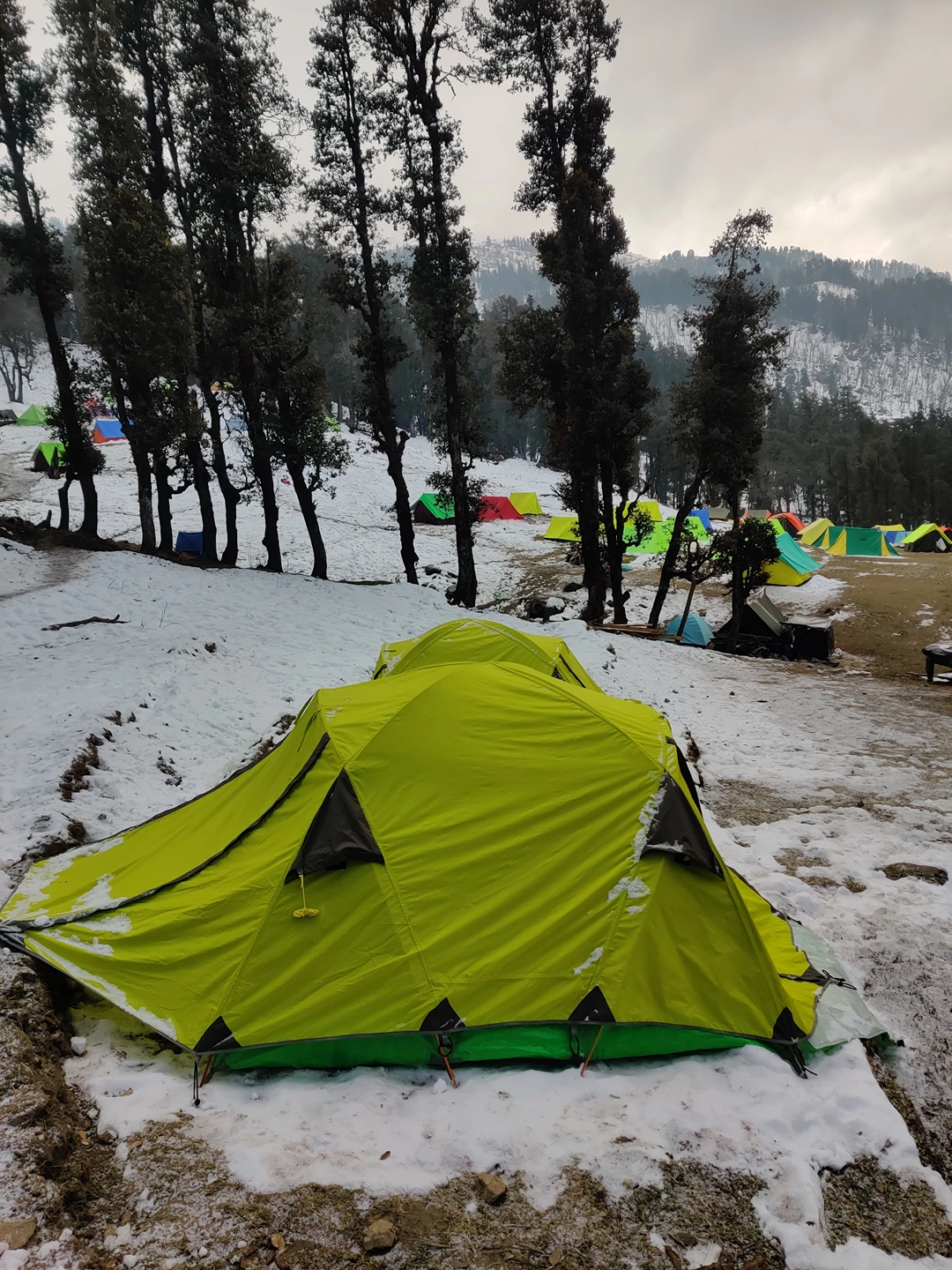
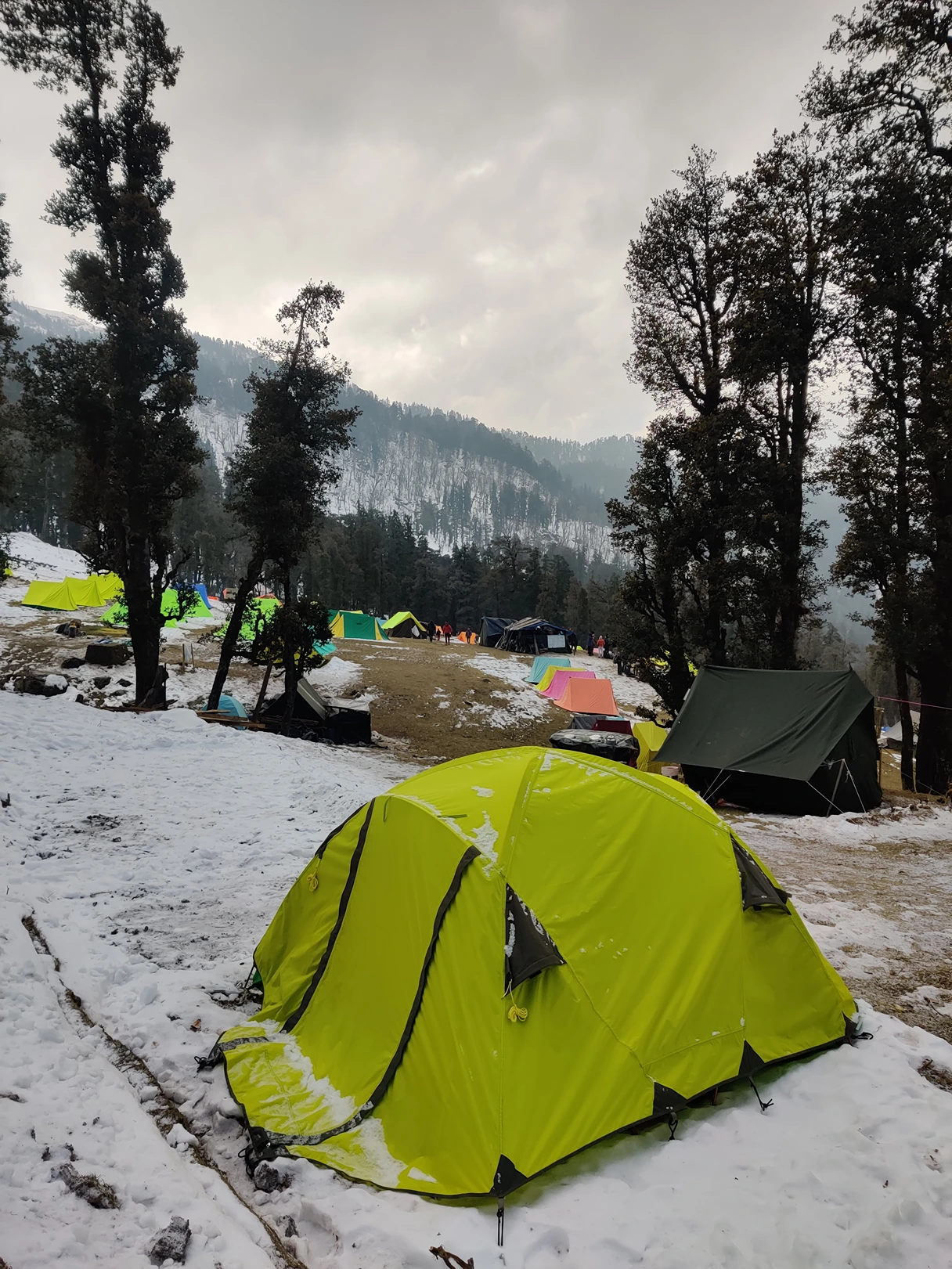
Your journey begins with a magnificent 130 km drive from Srinagar, taking you south towards the Pir Panjal range. This drive is an attraction in itself, traveling along the historic Mughal Road, which offers spectacular views of the rugged mountains and dense forests. You will pass through charming villages and check in at an army checkpoint, so ensure your original ID is handy. The destination is Chandimarh, the picturesque base village situated at approximately 5,985 ft. Upon arrival, you will check into a guesthouse or lodge, have your trek briefing, and prepare your gear for the ascent starting the next morning.
Pir Panjal Lakes Trek
- Pick Up: Chandimarh
- Drop: Chandimarh
- Location: Chandimarh Base Camp
Send an enquiry
Overview
Walk Through the Water Kingdom of the Himalayas
Hidden deep within the Himalayas, there lies a secret trail that few have dared to explore — the Pir Panjal Lakes Trek. Often overshadowed by its celebrated counterparts, this trail offers an adventure so pure, so untamed, that it redefines what a high-altitude Himalayan trek can be.
If trekking for you means escaping the crowds and immersing yourself in untouched wilderness, this is your trail. The Pir Panjal Lakes Trek isn’t about a single highlight — it’s a continuous revelation of nature’s artistry. Every day unfolds a new landscape: silent valleys, rolling meadows, and glacial basins shimmering under the Kashmir sky.
Why the Pir Panjal Lakes Trek Is Special
Unlike many popular treks that lead to one or two stunning lakes, this route takes you into a realm of water and wilderness — an awe-inspiring journey through the Pir Panjal Range in Kashmir, home to over ten pristine alpine lakes.
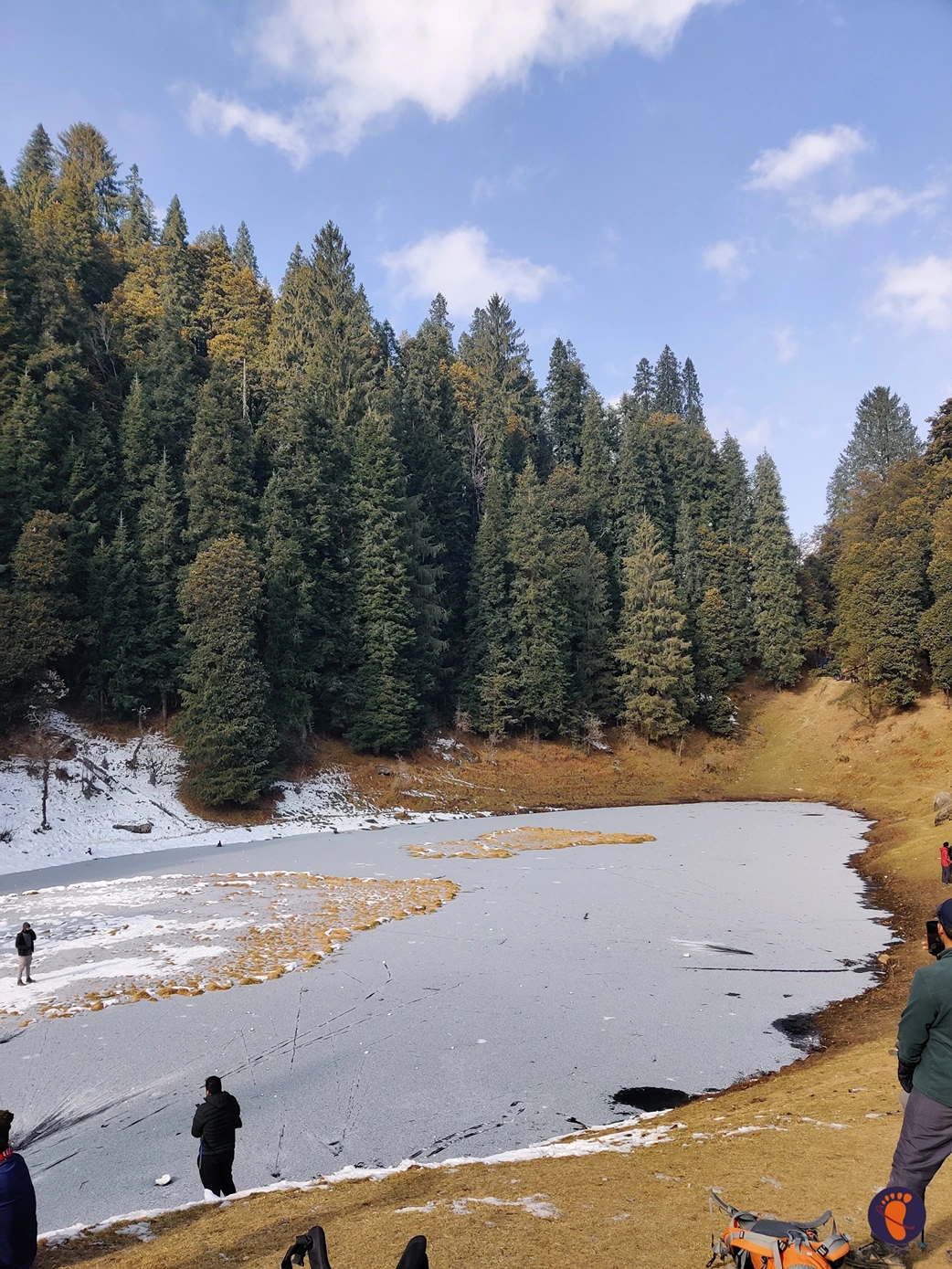
The trail crosses lush meadows used by local shepherds (Bakarwals) as their summer grazing grounds, offering a rare glimpse into the mountain life that thrives at the edge of the wild. As you ascend, the scenery becomes surreal — emerald pastures give way to icy lakes like Nandansar, Kalasar, Laksukhsar, and more, each glowing in unique shades of sapphire and turquoise.
Every step brings you closer to the soul of the Himalayas — untouched, sacred, and endlessly alive.
The Challenge and the Reward
The Pir Panjal Lakes Trek is graded Moderate to Difficult, designed for trekkers who crave both adventure and solitude. Over the course of a week, you’ll cross three major high mountain passes, navigate boulder-laden trails, and climb steep ridgelines that test your endurance and spirit.
But with every climb comes an unforgettable reward — panoramic views of Kashmir’s unending meadows, ancient pine forests, and glacial lakes reflecting the mighty Pir Panjal peaks. The trail demands commitment, yet it gives back in experiences that stay etched for a lifetime.
This is not a trek for the casual hiker — it’s a journey for those who seek depth over popularity, and immersion over comfort.
Highlights
Itinerary
The trekking officially begins today with a strenuous and sustained ascent. The trail immediately plunges into dense, vibrant green forests, characterized by towering pine and coniferous trees. This initial climb is steep, making it one of the most physically demanding days, as you gain significant altitude quickly. After about 7-8 hours of continuous climbing, the forest opens up to reveal the stunning meadows. You will pass by the tranquil Sukh Sar lake and set up camp in the beautiful expanse of Dhakyar Top at around 11,100 ft. This is a crucial day for acclimatization.
Meals
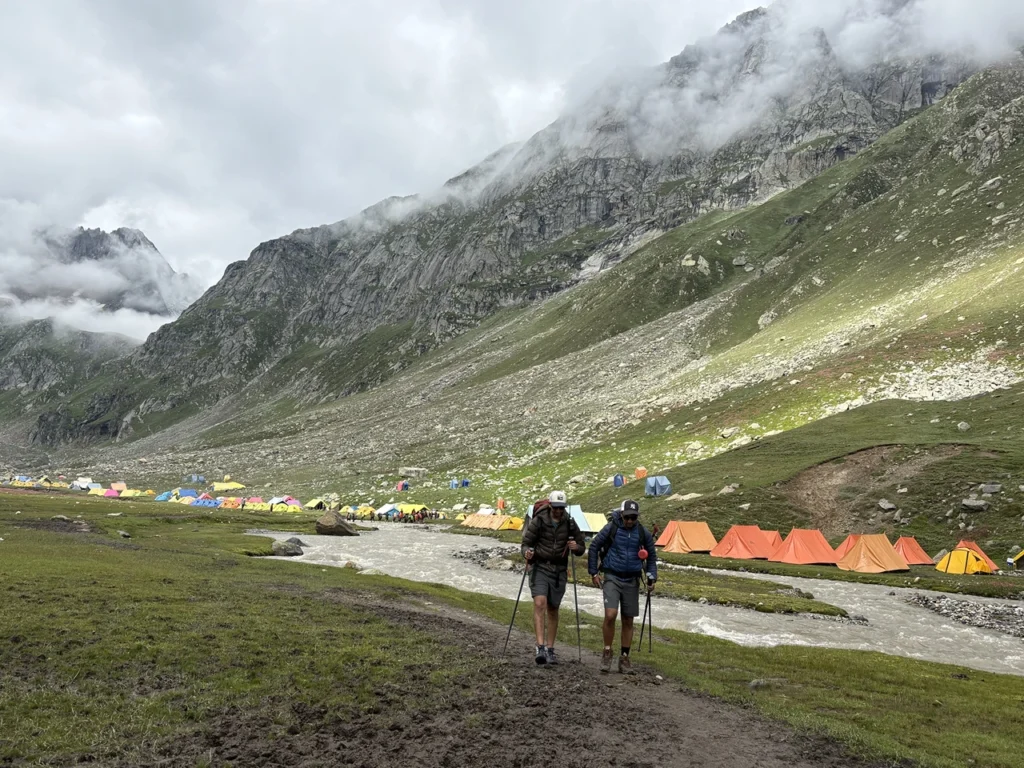
Today’s trek is comparatively easier, allowing you to settle into the rhythm of the mountain. You will traverse rolling green meadows that stretch as far as the eye can see, typical of the Pir Panjal Range. The trail offers continuous gentle climbs and descents, providing wonderful views of the shepherd settlements known as ‘Doks’. The highlight is visiting the small, serene Padyar Sar lake. After crossing a wide, open landscape, you will reach the campsite near Chamar Sar lake at 11,500 ft. You will camp beside this beautiful lake, enjoying the silence and the clear mountain air.
Meals
This is a pivotal and challenging day as you cross the first major high point: the Chamar Pass. The trail involves a steep climb from the Chamar Sar basin, leading you over rocky and sometimes snow-covered sections to the pass. Once over the top, you are rewarded with a dramatic perspective of the landscape. The descent is tricky, leading you directly toward one of the largest and most famous water bodies of the trek, Nandansar Lake, at approximately 12,700 ft. This massive, deep-blue lake is truly a sight to behold, and the campsite nearby offers breathtaking views of the surrounding peaks.
Meals
Day 5 is dedicated to exploring the magnificent cluster of lakes in the area. You will trek to and around several high-altitude tarns, including the beautiful Kalasar Lake and potentially others that dot the landscape, showcasing the sheer density of water bodies in this region. The trek continues over rolling terrain to the picturesque campsite near Kator Sar lake at 12,500 ft. This day is about soaking in the beauty, resting your body after the previous day’s pass crossing, and enjoying the secluded wilderness where the lakes are the undisputed stars.
Meals
The trek continues deeper into the range today, with more exploration and a significant descent. You will climb another ridge to catch a stunning glimpse of the famous, twin-peaked-looking lake, Laksukhsar. After descending from this viewpoint, the trail leads you through meadows and down into a wider basin, the Nandan Valley. This day has a longer walking distance (around 11 km) but is mostly downhill or traversing, eventually bringing you to a peaceful campsite nestled within the broad valley floor at 11,600 ft, preparing you for the final push out of the range.
Meals
The final morning involves the last major trek section: a 12 km path to the road head. You ascend the final pass of the journey, reaching Peer Ki Gali at 11,445 ft. From the pass, you can enjoy a final, sweeping view of the Pir Panjal mountains before beginning the steep descent down to the Mughal Road. Once you reach the road, you board your pre-arranged vehicles for the approximately 3−4 hour drive back to Srinagar. You are expected to reach Srinagar by early evening (around 8:00 PM), concluding the spectacular and challenging Pir Panjal Lakes Trek.
Meals
Good to know
Inclusions
-
Accommodation : 5 Nights in high-quality tented accommodation at campsites on a twin-sharing basis, and 1 Night in a guesthouse at the base camp (Day 1).
-
Meals : Cooked, vegetarian, and nutritious meals are provided from Dinner on Day 1 up to Lunch on Day 7. Meals are designed for high-altitude energy.
-
Safety & Medical : Comprehensive First Aid Box, Oxygen Cylinders, Stretchers, Oximeters, and even specialized equipment like Crampons and Gaiters (if snow is present).
-
Trek Crew : Services of an experienced Trek Leader, local Guides, a dedicated High Altitude Chef, Helpers, and other support staff.
-
Trek Logistics : Sleeping bags, Sleeping tents, Kitchen tent, Dining tent, Toilet tents. Also includes sleeping mattresses (foam mats) and all utensils.
-
Permits : All necessary Forest Permits and Camping Permission Fees required for the trek route are covered by the operator.
-
Porterage (Shared) : Mules and porters are provided to carry all the communal gear, kitchen equipment, ration, and supplies.
Exclusions
-
Taxes : The mandatory Goods and Services Tax (5% GST) on the trek cost is always excluded and charged extra.
-
Transportation : The shared jeep/transportation fee from the meeting point in Srinagar to Chandimarh (base camp) and the return drive from Peer Ki Gali to Srinagar is an Optional Add-on (approx. ₹ 2,400 extra, or $1,000$ to $1,200$ one way).
-
Accommodation (Extra) : Any meals or accommodation outside the trek itinerary, especially your overnight stay in Srinagar before Day 1 or after Day 7.
-
Personal Luggage : The cost to hire a mule or porter to carry your personal backpack (offloading). This is an Optional Add-on (e.g., approximately ₹ 2,550 for the entire duration if booked at the base camp, with a max bag weight of $10$ kg).
-
Personal Expenses : Any personal medical expenses, personal services (laundry, phone calls), mineral water, liquors, or still/video camera fees.
-
Travel to/from Srinagar : Your flight, bus, or train fare to and from the starting/ending city of Srinagar.
-
Insurance : Basic Trek Insurance is often mandatory but may be listed as an optional add-on that requires a separate fee (e.g., starting from ₹ 210).
-
Emergency : Any emergency evacuation charges not covered by personal insurance.
Things to Carry
Must cover ears. Essential for retaining body heat.
Crucial for summit day to protect the nose and mouth from cold wind.
MANDATORY. Snow glare is intense and can cause snow blindness. Must be UV protected.
Thermal tops (full sleeve). Must be synthetic or Merino wool. NO COTTON.
Fleece jacket (thick). Your primary source of warmth.
Padded jacket (Polyfill/Down). Heavy, windproof, and water-resistant.
Thermal bottoms (leggings).
Quick-dry, synthetic trekking trousers. Avoid jeans/shorts.
High-ankle, sturdy, waterproof trekking boots with good grip.
3–4 pairs of thick woolen/synthetic trekking socks (for the day) and 2 pairs of dry woolen socks (for sleeping only).
1 pair of woolen/fleece inner gloves and 1 pair of heavy, waterproof outer gloves.
MANDATORY. Carry extra batteries.
Carry a 1-liter bottle and a thermos to keep water from freezing.
Essential for high-altitude UV protection.
Toothbrush, wet wipes, and any personal prescription drugs.
For carrying water, jacket, snacks, and personal items during the trek.
Sleeping Bag, Sleeping Mat, Tents, Crampons, Gaiters, and Trekking Poles (use optional).
How to reach
The journey to the base camp at Chandimarh primarily starts from Srinagar.
1. Reaching Srinagar (The Main Hub)
- iBy Air: The easiest way is to fly to Sheikh ul-Alam International Airport (SXR) in Srinagar.
- iBy Train: The nearest major railway station is Jammu Tawi (JAT), which is about 290 km from Srinagar. From Jammu, you would need to take a taxi or bus to Srinagar first.
- iBy Road: Srinagar is well-connected by road, including National Highway 44 (NH 44), but the road journey from major distant cities is long.
2. Getting from Srinagar to Chandimarh (The Base Camp)
- iDistance and Time: Chandimarh is approximately 125-130 km from Srinagar. The drive takes around 4 to 5 hours.
- iRoute: The most common route is the scenic Mughal Road, which traverses the Pir Panjal range and offers breathtaking views, passing through areas like Shopian and Peer Ki Gali.
- iTransport Options:
- Shared Cab/Taxi: This is a common and economical option. You can usually find shared taxis from a central point in Srinagar, such as the TRC Taxi Stand (Tourism Reception Centre).
- iPrivate Taxi: For more comfort and convenience, you can hire a private taxi directly from Srinagar to Chandimarh. This is the most straightforward way.
- iTrekking Organizers’ Transport: If you are booking your trek through an organizer, they will almost always arrange the non-AC vehicle transport from a designated pick-up point in Srinagar directly to Chandimarh.
Note: Chandimarh is a small village and is sometimes referred to as being near Peer Ki Gali, the highest motorable pass on the Mughal Road. It’s recommended to have your identification documents ready, as there may be army checkpoints along the route.
How to prepare your body and mind for the trek
Your Mind & Body Compass
Pir Panjal Lakes is the perfect choice for a first-time wellness trekker, but a reasonable level of fitness is essential to ensure you enjoy the experience, especially given the rapid altitude gain.
Physical Conditioning (8 Weeks Prior):
- iCardiovascular Fitness: Commit to a daily routine of 4-5 kilometers of walking or jogging. Focus on building endurance to comfortably manage the steep sections.
- iStrength and Flexibility: Incorporate basic strength training (squats, planks) and gentle Himalayan-focused stretching to condition the muscles and joints for carrying a backpack.
Mental & Respiratory Conditioning:
- iMastering the Breath: Begin a routine of Pranayama (breathing exercises). Practices like Anulom Vilom (Alternate Nostril Breathing) are vital for improving lung capacity and ensuring a smooth, relaxed acclimatization at high altitude.
- iWeather Readiness: Be prepared for the transformative nature of Himalayan weather. While daytime can be manageable (10°C to 15°C), winter nights are intensely cold, dropping to -4°C or lower. Our high-quality gear is provided to support your journey safely through the cold.
Refund & Cancellation
We aim for clear and fair practices regarding cancellations. We know plans can change, and our policy is designed to balance flexibility for you with the operational needs of running a trek.
If Crux Himalaya Cancels Your Trek
-
If we are forced to cancel a trip for reasons beyond our control (such as natural disasters, route closures, or governmental mandates), you will receive a Trek Voucher. This voucher is valid for one year and can be applied toward the original trek or any other available trek.
-
If the cost of the new trek is higher, you must pay the difference. If the cost of the new trek is lower, we will refund the surplus amount.
-
If the cancellation is due to insufficient bookings (fewer than three participants), you will receive a full monetary refund.
If You Cancel Your Trek
| Cancellation Window | Refund | Notes |
|---|---|---|
| More than 30 days prior to the trek start date | 100% refund | Full refund of trek fee |
| Between 15 and 30 days prior to the trek start date | 50% refund | Balance forfeited |
| Within 1 to 15 days prior to the trek start date | No refund | Pre-booked logistics; refund not applicable |
30+ days before trek start
Full refund of trek fee
15–30 days before trek
Balance forfeited
1–15 days before trek
Refund not applicable
FAQs
The trek is best done during the summer and monsoon seasons, typically from July to mid-September.
- July and August are ideal for experiencing the peak lushness of the meadows and the abundance of wildflowers.
- September offers clearer weather, but it will be colder, and there might be an early sign of snow, particularly on the passes.
The trek is graded as Moderate to Difficult.
- It is generally not recommended for first-time trekkers unless they possess a very high level of fitness.
- The difficulty stems from significant altitude gain, several long days of trekking ($8-12$ km daily), and the negotiation of three mountain passes (including rocky sections and boulders). Excellent cardiovascular fitness is non-negotiable.
The highest point you will reach is around $13,335$ ft (approximately $4,065$ m), often near the major passes or ridges providing views of the lakes.
The main highlights are the vast number of high-altitude glacial lakes and sprawling meadows. You will encounter approximately 10 major and minor alpine lakes, including:
- Nandansar
- Kalasar
- Chamar Sar
- Laksukhsar
The trek also features massive, pristine meadows and the historic Mughal Road.
The trek usually starts from the base camp village of Chandimarh (after driving from Srinagar) and ends with a descent to the road head near Peer Ki Gali, followed by a drive back to Srinagar.
Yes, AMS is a concern due to the rapid ascent and the high altitude (over $13,000$ ft). It is mandatory to:
- Maintain a slow, steady pace throughout the trek.
- Stay properly hydrated (drink 4-5 liters of water daily).
- Inform your trek leader immediately if you feel any symptoms (headache, nausea, dizziness).
- Follow the itinerary strictly, as the planned day-to-day camps aid in acclimatization.
No, generally not. Mobile network coverage is non-existent once you leave the base camp area near Chandimarh. Connectivity resumes only after you complete the trek and reach the Peer Ki Gali road head. It is vital to use a postpaid SIM card in Kashmir, as prepaid cards are often restricted. Plan for a complete digital detox.
No. The trek fee typically includes all group camping equipment such as tents (twin-sharing), sleeping bags, and sleeping mattresses. You only need to carry your personal clothing and gear.
- Pick Up: Chandimarh
- Drop: Chandimarh
- Location: Chandimarh Base Camp
Send an enquiry
Category