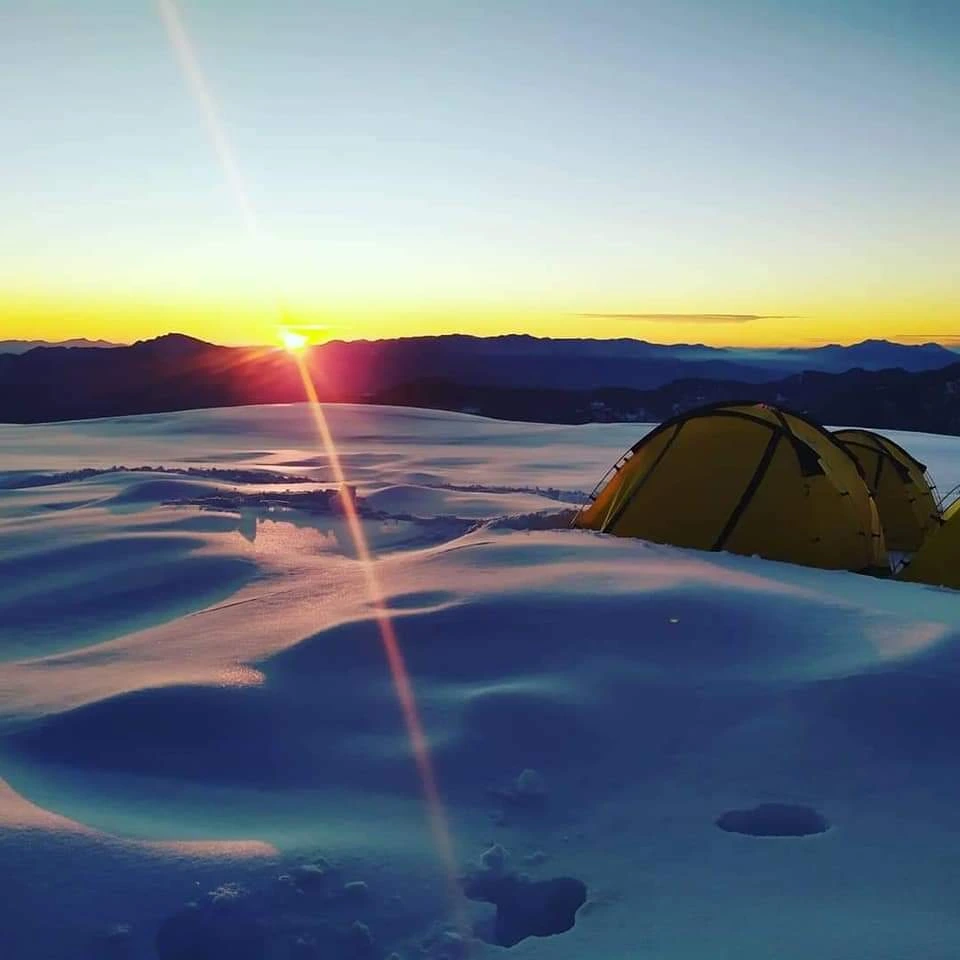
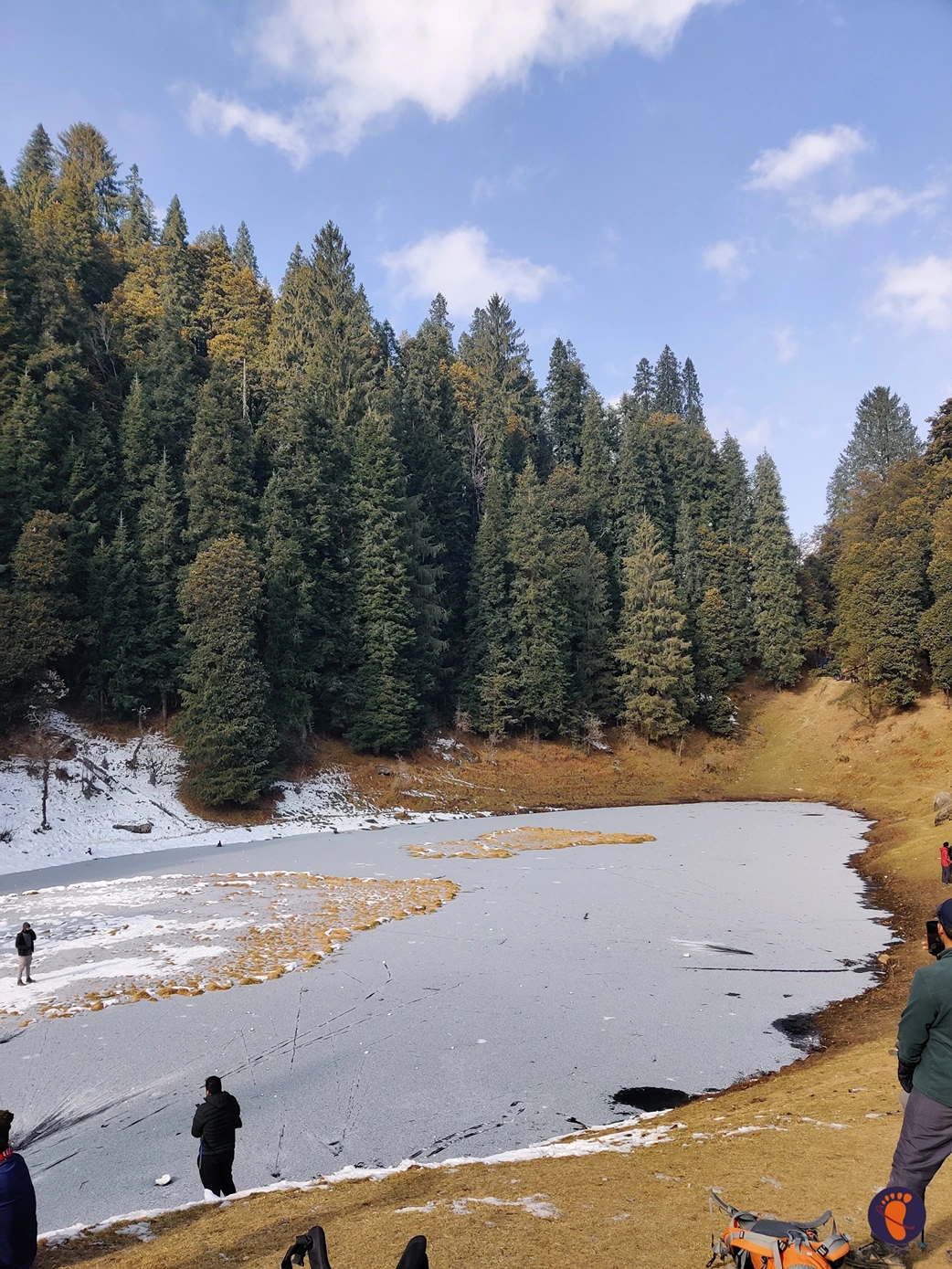
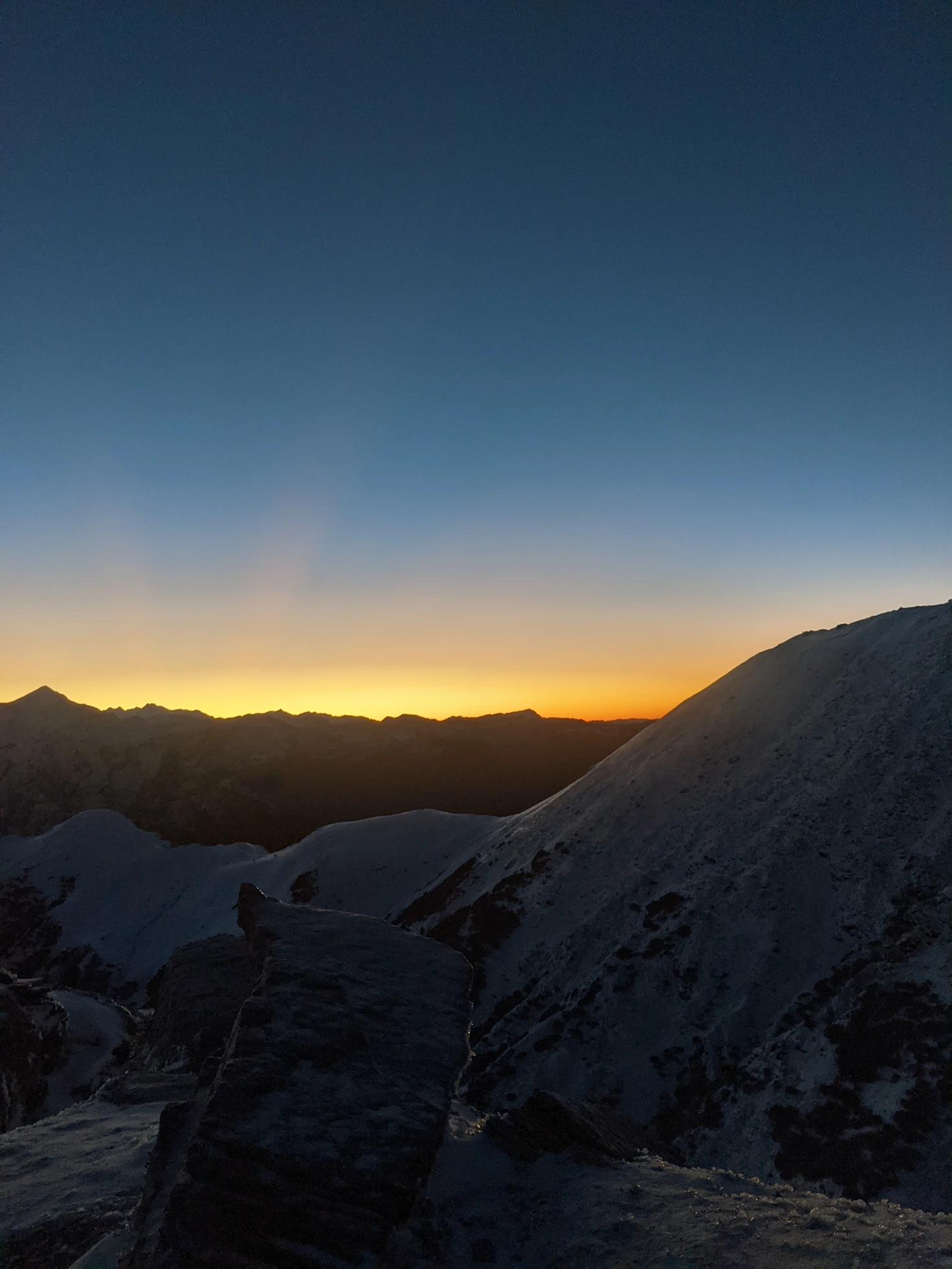
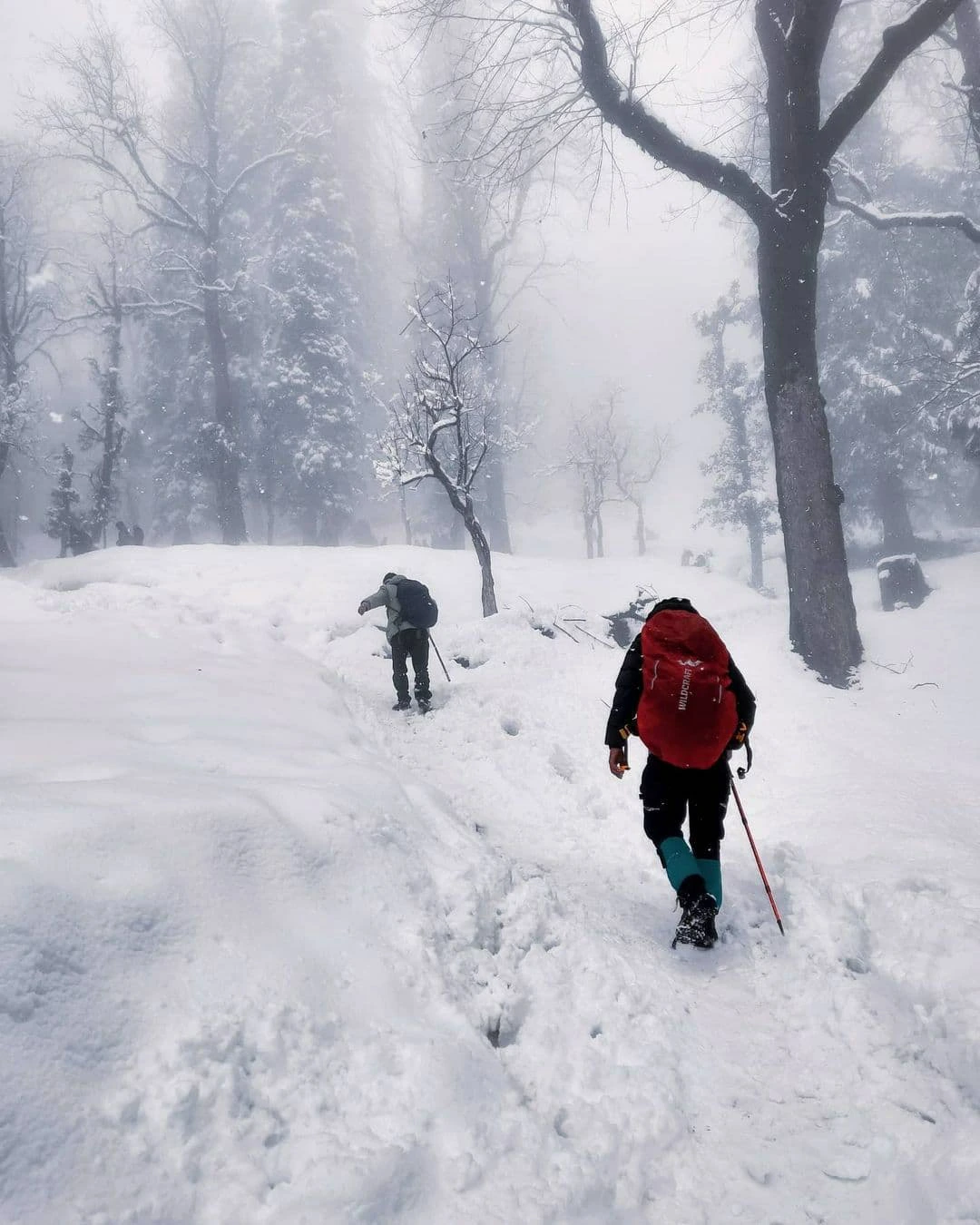
Pin Parvati Pass Trek

Trek Fee
₹ 34,999 ₹36,999
Save ₹2,000 (5% Off)
  • Pick Up: Manali
  • Drop: Manali
  • Location: ISBT
Note: Pick-up & drop details will be reconfirmed on WhatsApp after booking.

Overview

The Pin Parvati Pass is the embodiment of the Great Himalayan Divide. It is a nine-day expedition that demands reverence, expertise, and a total commitment of mind and body. This passage, first documented by Colonel B.D. Henderson in 1884, remains one of the most challenging and rewarding routes in the Indian Himalaya, crossing from the abundant cradle of the Parvati Valley into the high-altitude Tibetan desert of Spiti.

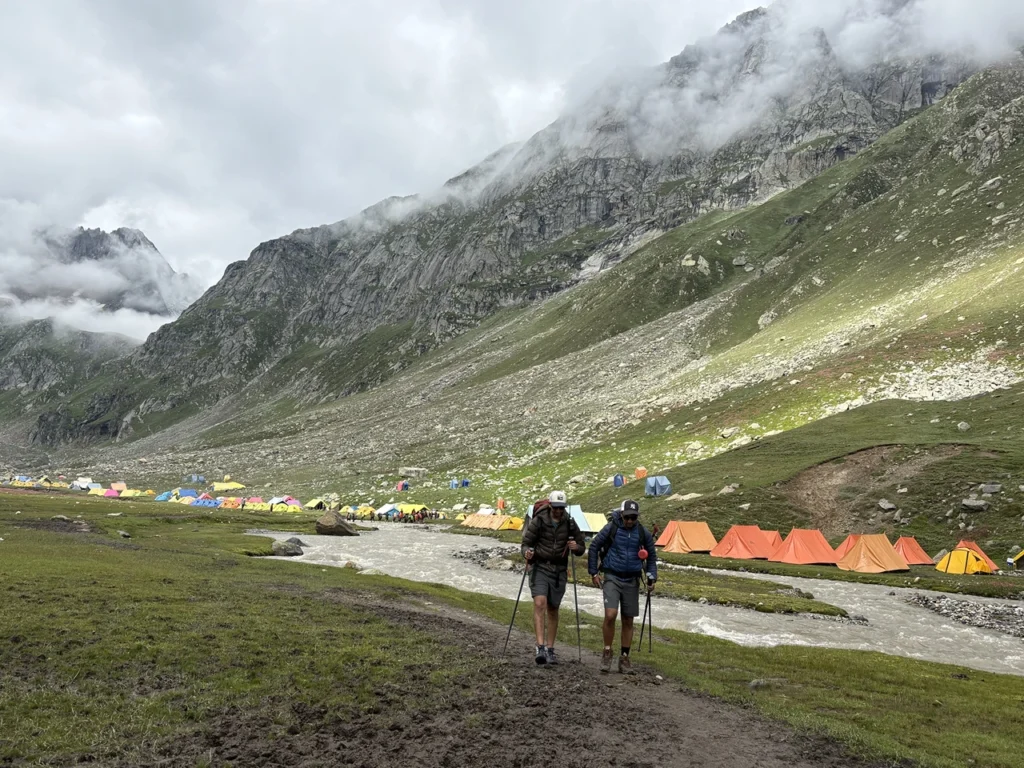
The journey begins in the Parvati Valley, an area steeped in Hindu mythology, believed to be the dwelling of the goddess Parvati, the consort of Shiva. The valley floor is a world of mythological abundance—the towering deodars and thick rhododendron forests speak to the goddess’s generous nature. Following the roaring, icy blue Parvati River, the trek ascends through increasingly wild landscapes, moving past the famous thermal springs of Kheerganga (believed to be Parvati’s bath) and into the vast, emerald meadows of Ode Thach. The geography here is a continuous battle between water and stone, a pristine, untamed Himalayan ecosystem where the sound of the river is a constant, powerful guide. As the trail steepens above 11,000 ft, the forests abruptly surrender to the alpine zone, revealing panoramic views of the colossal peaks of the Kullu and Parvati ranges. This side is defined by life, by sound, and by relentless, steep green growth.

The final approach to the Pass is where the mythology of the valley gives way to the immutable reality of the high mountains. Above the Mantalai Lake (the source of the Parvati River), the landscape transforms into a vast, confusing glacial moraine. The terrain here is highly technical, demanding careful route-finding, as the path often crosses shifting scree and hidden crevasses. The air thins dramatically, requiring focused, deliberate breathing. The final ascent to the Pass at 17,450 ft is a grueling, silent push over a permanent snowfield. Standing on the Pass is a moment of profound isolation—a colossal white sanctuary of ice that connects two worlds. It is the moment when the trekkers stand on the geological fault line, looking back at the wet, cloudy origin and forward to the arid destination.

The descent is a geological shock wave. Within a few hundred feet, the entire world changes. You exit the humid, life-filled Parvati system and step into the Pin Valley National Park. The transition is instant and absolute. The color palette shifts from emerald green and deep blue to stark reds, ochres, and siennas. The air is dry, the mountains are sculpted by wind rather than water, and the geology reveals soft, sedimentary rocks—ancient seabeds pushed skyward. This is the domain of the Pin River, a tributary of the Spiti River, where life clings fiercely to the high-altitude desert.

Culturally, the shift is equally powerful. You descend into a landscape dominated by Tibetan Buddhism. The isolated villages of Mud and Sagnam are instantly recognizable by their whitewashed monasteries (Gompas), prayer flags, and simple, hardy people. The mythology of Shiva and Parvati is replaced by the serene austerity of the monasteries and the wisdom of the Himalayas’ Buddhist heritage. Pin Parvati is, therefore, a spiritual and cultural education packaged within an extreme physical challenge.
Highlights

Duration 9D/8N
Difficulty Difficult
Altitude 5320 m
Batch Size 21 people
Base Camp Manali
Pick & Drop Barsheni – Barsheni

Itinerary

Day
1
Barsheni to Rudranath ( to ) - Entering the Parvati Sanctuary Meal

The journey begins with the initial road transfer deep into the famed Parvati Valley, ending at the remote road-head near Barsheni. After organizing gear, the expedition immediately commences with a steep, sustained ascent, moving quickly away from the remnants of civilization. The trail is dominated by the sound of the roaring Parvati River and the dense fragrance of towering cedar and pine forests. This day is a crucial introduction to the Kullu landscape—steep, humid, and full of water. The climb is physically demanding, designed to quickly build a baseline of cardiovascular effort. We set up camp at Rudranath, a beautiful, isolated clearing that allows the body to begin its first night of adaptation to altitude.

Meals

Breakfast
Lunch
Dinner

This day is spent trekking deeper into the heart of Parvati’s mythological domain. The trail often runs parallel to the powerful river, crossing numerous smaller tributaries and navigating through thick rhododendron and birch forests. The atmosphere here is one of vibrant life and humidity. We pass the trail leading to the renowned Kheerganga hot springs, a spiritual landmark, before continuing our journey. The objective is to maintain a steady, sustainable expedition pace, preserving energy for the higher camps. Tunda Bhuj, meaning “rhododendron,” is a vast, magical clearing where the dense forest breaks, offering our first truly expansive views of the Parvati peaks that define the upper reaches of the valley.

Meals

Breakfast
Lunch
Dinner

The trail continues to rise, opening up into expansive meadows (thach). A crucial logistical point of the day is the Parvati River crossing. Depending on water levels, this is done either via a permanent log bridge or, more dramatically, a thrilling cable trolley system installed by shepherds, which whisks trekkers safely over the icy, fast-flowing river. Once across, the trek enters the upper valley, where the mountains close in, and the vegetation begins to thin out. Thakur Kuan is a serene, isolated campsite, often marked by traditional shepherd settlements and stone shelters, offering clear, cold water and crisp air—a true entry point into the high alpine environment.

Meals

Breakfast
Lunch
Dinner

This is the day the expedition fully commits to the alpine zone, leaving the thick forests definitively behind. The climb is steady and marked by sweeping views back down the valley. Odi Thach is a massive, wind-swept meadow, often used by local shepherds for summer grazing. Camping here is the first real test of sustained cold and exposure, as there is little natural windbreak. The vast, open landscape encourages a feeling of profound isolation, and the sight of the snow line creeping lower on the surrounding peaks serves as a silent reminder of the proximity of the Pass. Acclimatization begins in earnest here, as the air noticeably thins.

Meals

Breakfast
Lunch
Dinner

The objective is the sacred Mantalai Lake, the mystical, high-altitude source of the mighty Parvati River. The trail is challenging, weaving through rocky terrain and extensive glacial moraine left behind by ancient ice flows. The lake itself is a still, blue body of water surrounded by peaks, a place of intense spiritual significance in Hindu mythology. We establish camp near the lake, securing our second consecutive night at high altitude. This is a crucial acclimatization stop before the final ascent; the cold is penetrating, and the environment is entirely rugged. We use the afternoon for a light conditioning hike to a nearby ridge, adhering to the principle of “climb high, sleep low.”

Meals

Breakfast
Lunch
Dinner

This is the final, demanding logistical day, positioning the team for the summit attempt. The trek moves entirely onto highly unstable glacial terrain, involving navigating boulder fields and crossing freezing meltwater streams that feed the Mantalai basin. Route finding becomes complex, and the effort required is immense. We gain significant altitude to reach the Pin Base Camp, often located in a desolate, rocky bowl or on a shelf of hard-packed earth. At , this is the coldest and most exposed camp of the expedition. The team prepares all technical gear (micro-spikes, ice axes, ropes) for the pre-dawn start, and the Trek Leader conducts a mandatory briefing on glacial movement and roping protocols.

Meals

Breakfast
Lunch
Dinner

The alarm sounds around , necessitating a start under the stars. This is a colossal – to -hour day. The ascent to the Pass is a grueling, -hour push over permanent snow and ice. Our team implements the mandatory roping protocol across the glaciated sections to mitigate the risk of hidden crevasses. The summit, at , is a white sanctuary of profound silence, offering a fleeting, majestic view of the Himalayan Divide. The descent is steep and technical, demanding careful movement over snow and rock before plunging into the Pin Valley National Park. The landscape instantly transforms to arid, exposed rock. We push hard until reaching a designated bivouac camp or a temporary site low enough () to maximize recovery.

Meals

Breakfast
Lunch
Dinner

The physical shock of the crossing gives way to the geological shock of the new environment. The descent is long, requiring careful navigation through the challenging, loose scree and rocky trails of the Spiti region. The color palette shifts from the Kullu green to the stark reds, ochres, and purples of the arid high-altitude desert. The powerful, icy blue Pin River replaces the Parvati as our constant companion. This day is dedicated to losing altitude and adapting to the cultural landscape—the occasional glimpse of a whitewashed gompa (monastery) confirms our entry into Buddhist Spiti. We camp at a low-lying ground near Wichkurung, enjoying a relatively milder night for recovery.

Meals

Breakfast
Lunch
Dinner

The final day is a gentle, rewarding walk that feels like a victory lap. The landscape is now unmistakably Spitian, characterized by dry, towering mountains, sparse vegetation, and traditional mud-and-stone architecture. We follow the Pin River toward Mud Village, the largest, most vibrant settlement in the upper Pin Valley. This easy morning trek allows trekkers to absorb the serenity and Buddhist culture of the region. Upon reaching Mud, the expedition concludes, and a pre-arranged vehicle transfer awaits to begin the long journey out of Spiti toward Kaza or Manali, closing the loop on this epic Himalayan traverse.

Meals

Breakfast
Lunch
Dinner

Good to know

Inclusions

  • Accommodation : All stays during the trek, including the first night in a homestay/guesthouse in Kalga and subsequent nights in high-quality alpine tents on a twin-sharing basis.
  • Meals : Nutritious meals for the entire trek duration (from dinner on Day 1 to breakfast on the final day). The menu includes vegetarian options, staple meals, and eggs.
  • Transport : Ground transportation from the designated meeting point in Manali to the trailhead (Barshaini) and from the exit point (on the Spiti side) back to Manali.
  • Trek Team & Safety : The services of a certified and experienced Trek Leader or mountaineer, a local guide, a professional cook, and a dedicated support team (including high-altitude porters).
  • Trekking Permits : All necessary forest entry fees, national park permits, and camping charges required for the trek route.
  • Camping & Equipment : High-quality tents, insulated sleeping bags (suitable for sub-zero temperatures), and insulating sleeping mattresses.
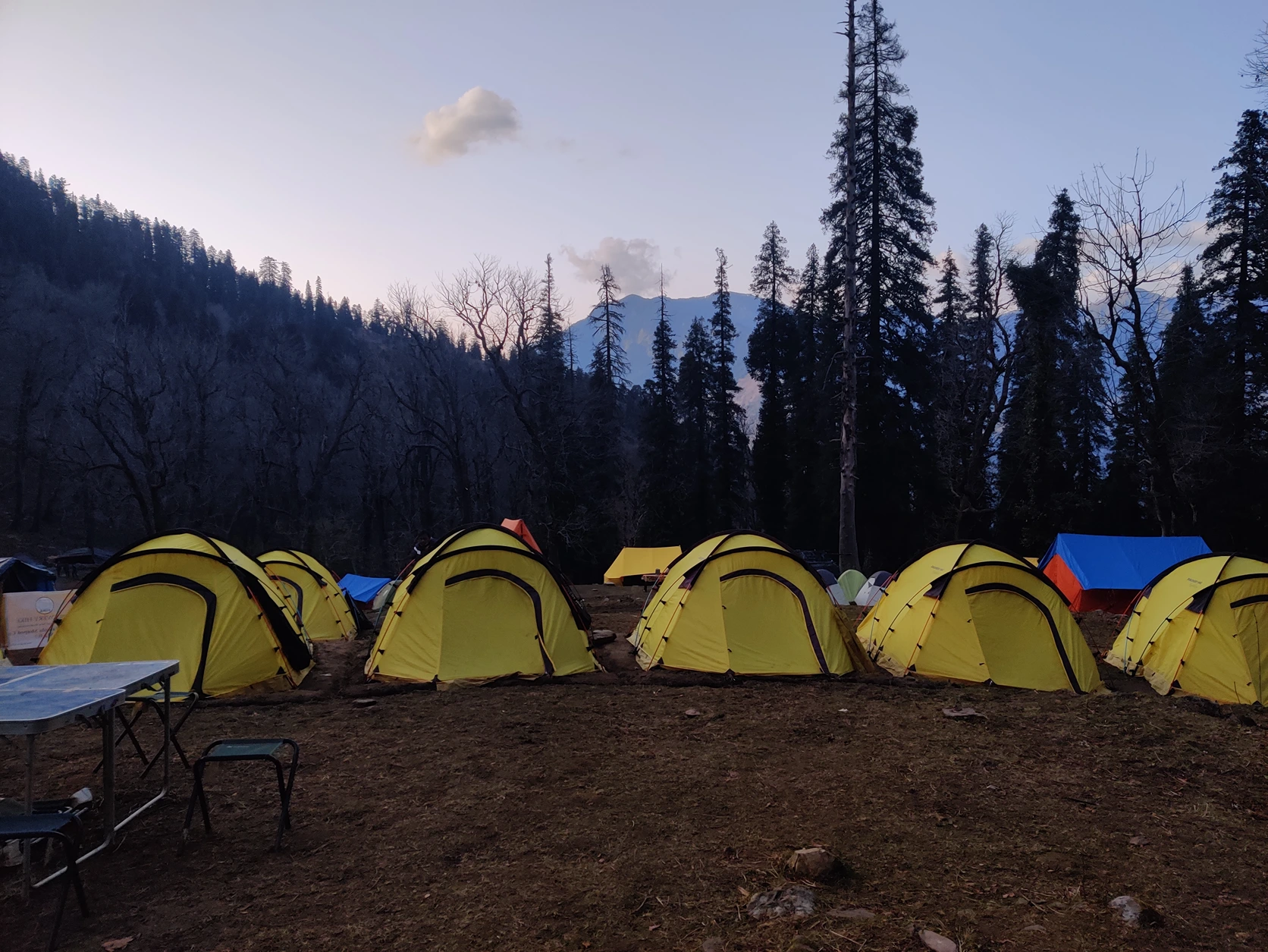
  • Emergency Support : A comprehensive group medical kit, a high-altitude emergency oxygen cylinder, and shared technical safety equipment (ropes, microspikes/crampons, if required by conditions).

Exclusions

  • Taxes & Levies : Any applicable Government Service Tax (GST) on the trek cost, usually 5%, and on any optional add-ons.
  • Backpack Offloading : Charges for hiring a porter or mule to carry your personal backpack (offloading service). Trekkers are expected to carry their own daypack and essential items.
  • Personal Insurance : Any kind of personal medical, travel, or accidental insurance. This is mandatory for a high-altitude trek.
  • Personal Trekking Gear : Rent or purchase of personal equipment such as trekking shoes, headlamps, trekking poles, jackets, sunglasses, and thermal wear.
  • Emergency Expenses : Any unforeseen expenses resulting from medical emergencies, road closures, natural disasters, early descent, or evacuation from the trail.
  • Travel to/from Base : Domestic or international airfare, train tickets, or bus fares for travel to and from Manali (the base camp).
  • Miscellaneous : Personal expenses such as tips to the staff, bottled water, snacks purchased on the trail, phone charging, beverages, or laundry.
  •  

Things to Carry

I. Head & Face
Woolen Cap / Beanie

Must cover ears. Essential for retaining body heat.

Balaclava / Neck Gaiter

Crucial for summit day to protect the nose and mouth from cold wind.

UV-Protection Sunglasses

MANDATORY. Snow glare is intense and can cause snow blindness. Must be UV protected.

II. Upper Body
Base Layer (2–3)

Thermal tops (full sleeve). Must be synthetic or Merino wool. NO COTTON.

Mid Layer (2)

Fleece jacket (thick). Your primary source of warmth.

Outer/Shell Layer (1)

Padded jacket (Polyfill/Down). Heavy, windproof, and water-resistant.

III. Lower Body
Base Layer (1–2)

Thermal bottoms (leggings).

Trekking Pants (2)

Quick-dry, synthetic trekking trousers. Avoid jeans/shorts.

IV. Hands & Feet
Trekking Shoes (1 Pair)

High-ankle, sturdy, waterproof trekking boots with good grip.

Socks (5–6 Pairs)

3–4 pairs of thick woolen/synthetic trekking socks (for the day) and 2 pairs of dry woolen socks (for sleeping only).

Gloves (2 Pairs)

1 pair of woolen/fleece inner gloves and 1 pair of heavy, waterproof outer gloves.

V. Accessories
Headlamp

MANDATORY. Carry extra batteries.

Water Bottle / Thermos

Carry a 1-liter bottle and a thermos to keep water from freezing.

Sunscreen (SPF 40+) & Lip Balm

Essential for high-altitude UV protection.

Personal Toiletries & Medication

Toothbrush, wet wipes, and any personal prescription drugs.

Daypack (20–30L)

For carrying water, jacket, snacks, and personal items during the trek.

VI. Provided Gear
From Our Side

Sleeping Bag, Sleeping Mat, Tents, Crampons, Gaiters, and Trekking Poles (use optional).

How to reach

The journey to the base camp at Chandimarh primarily starts from Srinagar.

1. Reaching Srinagar (The Main Hub)

  • i
    By Air: The easiest way is to fly to Sheikh ul-Alam International Airport (SXR) in Srinagar.
  • i
    By Train: The nearest major railway station is Jammu Tawi (JAT), which is about 290 km from Srinagar. From Jammu, you would need to take a taxi or bus to Srinagar first.
  • i
    By Road: Srinagar is well-connected by road, including National Highway 44 (NH 44), but the road journey from major distant cities is long.

2. Getting from Srinagar to Chandimarh (The Base Camp)

  • i
    Distance and Time: Chandimarh is approximately 125-130 km from Srinagar. The drive takes around 4 to 5 hours.
  • i
    Route: The most common route is the scenic Mughal Road, which traverses the Pir Panjal range and offers breathtaking views, passing through areas like Shopian and Peer Ki Gali.
  • i
    Transport Options:
    • Shared Cab/Taxi: This is a common and economical option. You can usually find shared taxis from a central point in Srinagar, such as the TRC Taxi Stand (Tourism Reception Centre).
  • i
    Private Taxi: For more comfort and convenience, you can hire a private taxi directly from Srinagar to Chandimarh. This is the most straightforward way.
  • i
    Trekking Organizers’ Transport: If you are booking your trek through an organizer, they will almost always arrange the non-AC vehicle transport from a designated pick-up point in Srinagar directly to Chandimarh.

Note: Chandimarh is a small village and is sometimes referred to as being near Peer Ki Gali, the highest motorable pass on the Mughal Road. It’s recommended to have your identification documents ready, as there may be army checkpoints along the route.

How to prepare your body and mind for the trek

Your Mind & Body Compass

Pir Panjal Lakes is the perfect choice for a first-time wellness trekker, but a reasonable level of fitness is essential to ensure you enjoy the experience, especially given the rapid altitude gain.

Physical Conditioning (8 Weeks Prior):

  • i
    Cardiovascular Fitness: Commit to a daily routine of 4-5 kilometers of walking or jogging. Focus on building endurance to comfortably manage the steep sections.
  • i
    Strength and Flexibility: Incorporate basic strength training (squats, planks) and gentle Himalayan-focused stretching to condition the muscles and joints for carrying a backpack.

Mental & Respiratory Conditioning:

  • i
    Mastering the Breath: Begin a routine of Pranayama (breathing exercises). Practices like Anulom Vilom (Alternate Nostril Breathing) are vital for improving lung capacity and ensuring a smooth, relaxed acclimatization at high altitude.
  • i
    Weather Readiness: Be prepared for the transformative nature of Himalayan weather. While daytime can be manageable (10°C to 15°C), winter nights are intensely cold, dropping to -4°C or lower. Our high-quality gear is provided to support your journey safely through the cold.

Refund & Cancellation

We aim for clear and fair practices regarding cancellations. We know plans can change, and our policy is designed to balance flexibility for you with the operational needs of running a trek.

If Crux Himalaya Cancels Your Trek

  • If we are forced to cancel a trip for reasons beyond our control (such as natural disasters, route closures, or governmental mandates), you will receive a Trek Voucher. This voucher is valid for one year and can be applied toward the original trek or any other available trek.

  • If the cost of the new trek is higher, you must pay the difference. If the cost of the new trek is lower, we will refund the surplus amount.

  • If the cancellation is due to insufficient bookings (fewer than three participants), you will receive a full monetary refund.

If You Cancel Your Trek

Cancellation Window Refund Notes
More than 30 days prior to the trek start date 100% refund Full refund of trek fee
Between 15 and 30 days prior to the trek start date 50% refund Balance forfeited
Within 1 to 15 days prior to the trek start date No refund Pre-booked logistics; refund not applicable

FAQs

It is a challenging, trans-Himalayan crossover trek connecting the lush green Parvati Valley in Kullu, Himachal Pradesh, with the barren, high-altitude desert landscape of Pin Valley in Spiti. It is one of India’s most demanding treks.

The maximum altitude reached is the Pin Parvati Pass itself, at 5,319 meters (approx. 17,450 feet).

The trek typically takes 10 to 12 days to complete, covering an approximate distance of 100 to 110 kilometers

The traditional route starts from Barsheni in Parvati Valley (near Kasol/Manali) and ends at Mudh Village or Kaza in Spiti Valley.

Crossing the challenging Pin Parvati Pass, the contrast between the lush Parvati Valley and the stark Spiti desert, the natural hot springs at Kheerganga, Mantalai Lake (source of the Parvati River), and the unique culture of Pin Valley.

It is graded as Difficult and is considered an expedition-style trek. It involves long trekking days, glacier crossings, steep ascents/descents, walking on moraine and scree, and challenging river crossings.

No. This trek is strictly recommended only for experienced high-altitude trekkers who have completed at least two or more high-altitude treks above 4,500 meters (14,700 feet).

Trekkers must have excellent physical fitness. You should be able to run 5 km in 30 minutes and be comfortable carrying a $10-15$ kg backpack for multiple days. Dedicated cardio and strength training for at least 6-8 weeks prior is essential.

While not a technical climb, experience walking on snow, ice, and rocky terrain is mandatory. On the Pass day, you will be roped up for safety to cross the glacier/snowfield, and basic knowledge of using a trekking pole, gaiters, and micro-spikes is required.

The best windows are: Mid-June to Mid-July and Mid-August to End-September.

Mid-June to Mid-July: More snow on the Pass, leading to more glacier walking and fewer stream crossings. Mid-August to End-September: Less snow on the Pass, but potentially more swollen streams/river crossings and a greener Parvati Valley.

Daytime temperatures can range from 12-20 C. Nighttime and high-altitude camp temperatures can drop to below freezing, from 4-6C.

It is generally not recommended. Heavy monsoon can cause landslides, washouts, and make river crossings extremely dangerous, especially in the Parvati Valley.

The trek is safe when undertaken with an experienced, professional trekking organization. The challenges are high, so adherence to your guide’s instructions, proper gear, and acclimatization are crucial for safety.

AMS is a serious risk due to the rapid gain in altitude and the Pass crossing. We include mandatory acclimatization days in the itinerary. You must inform your trek leader immediately if you feel any symptoms (headache, nausea, fatigue).

Yes. Trekking with a reputable organization ensures the safety and trustworthiness of the mountain team. Many solo female trekkers successfully complete this expedition. However, it is never advisable to attempt this trek completely solo without a support team.

Essential gear includes: High-ankle, waterproof trekking boots with excellent grip, multi-layered warm clothing (thermals, fleece, down jacket), a waterproof/windproof outer shell, gaiters, trekking poles, a high-quality sleeping bag (provided by us), headlamp, sunglasses, and a personal first-aid kit.

We provide porters/mules for the central/common baggage. You will only be required to carry a small daypack (10-15 litres) with your water bottle, packed lunch, jacket, and personal essentials.

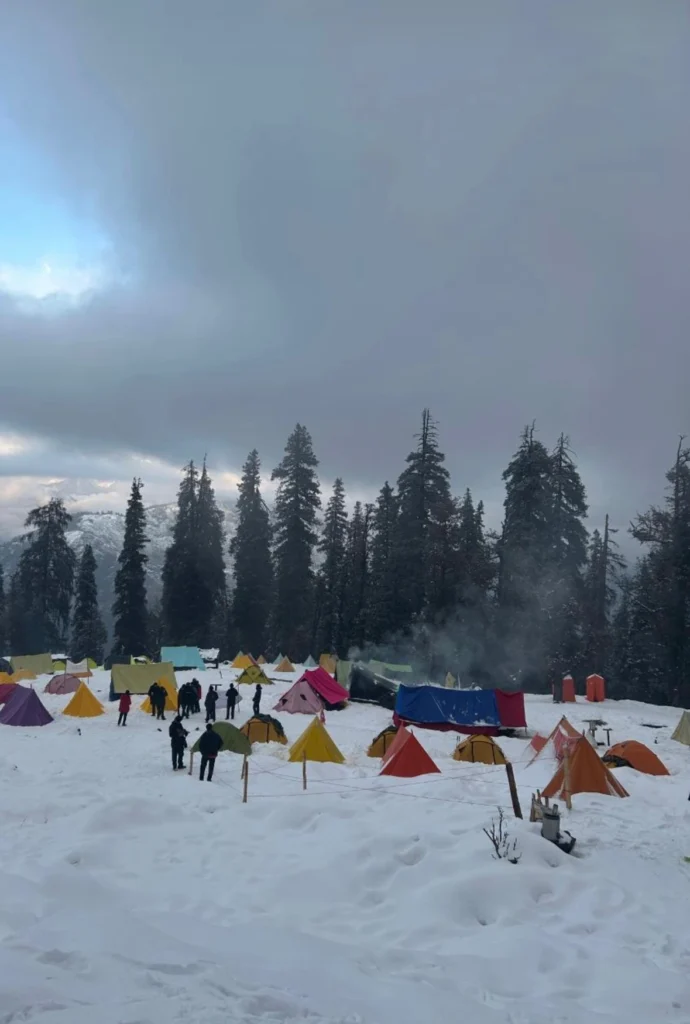
Accommodation is typically in twin-sharing tents at all campsites. Toilet facilities will be dry, makeshift toilet tents set up at each campsite. We advocate for proper disposal of waste and strictly follow Leave No Trace principles.

Trek Fee
₹ 34,999 ₹36,999
Save ₹2,000 (5% Off)
  • Pick Up: Manali
  • Drop: Manali
  • Location: ISBT
Note: Pick-up & drop details will be reconfirmed on WhatsApp after booking.