Hampta Pass Trek

Trek Fee
₹ 5,999 ₹7,999
Save ₹2,000 (25% Off)
  • Pick Up: Manali
  • Drop: Manali
  • Location: ISBT
Note: Pick-up & drop details will be reconfirmed on WhatsApp after booking.

Overview

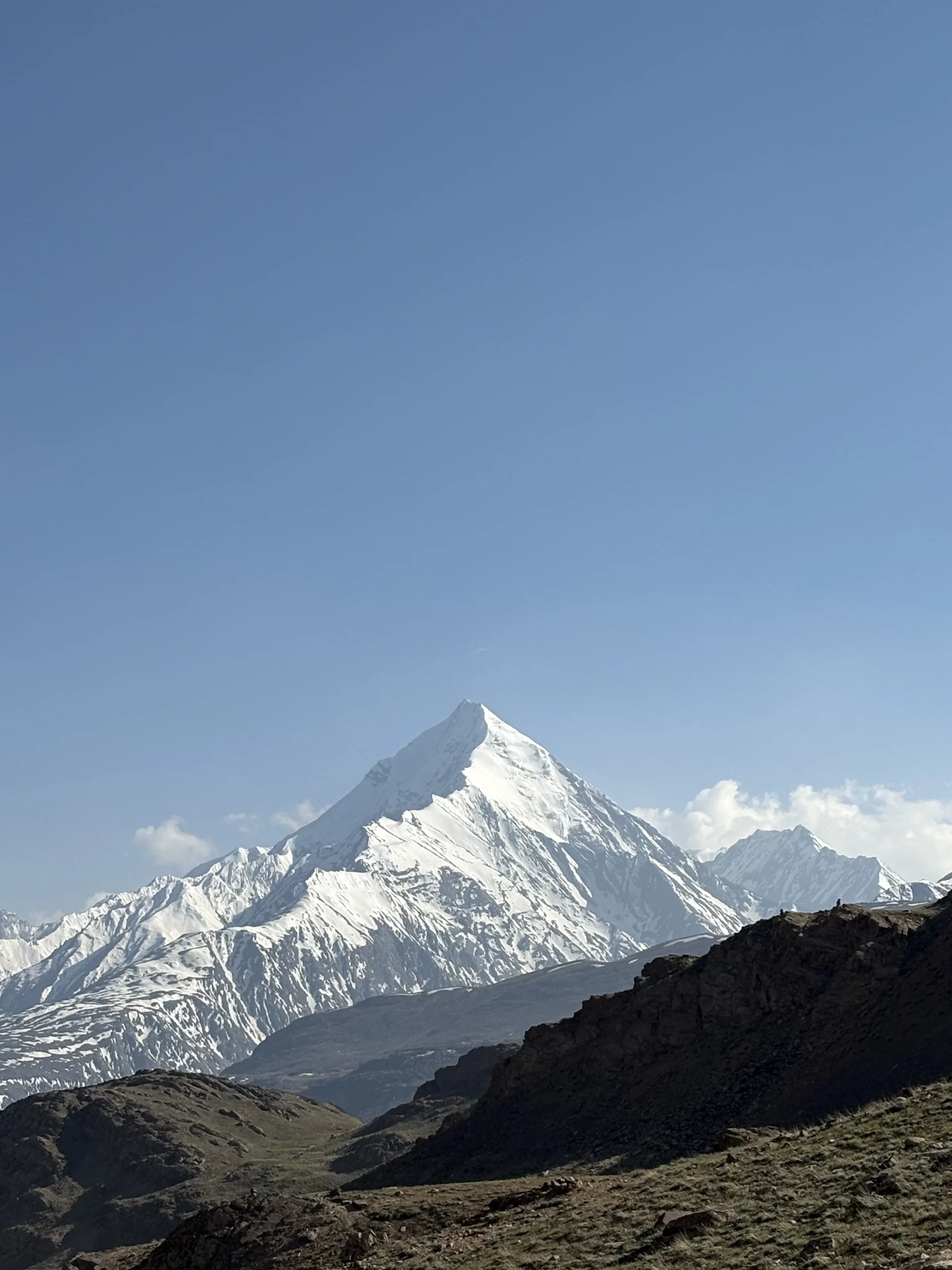
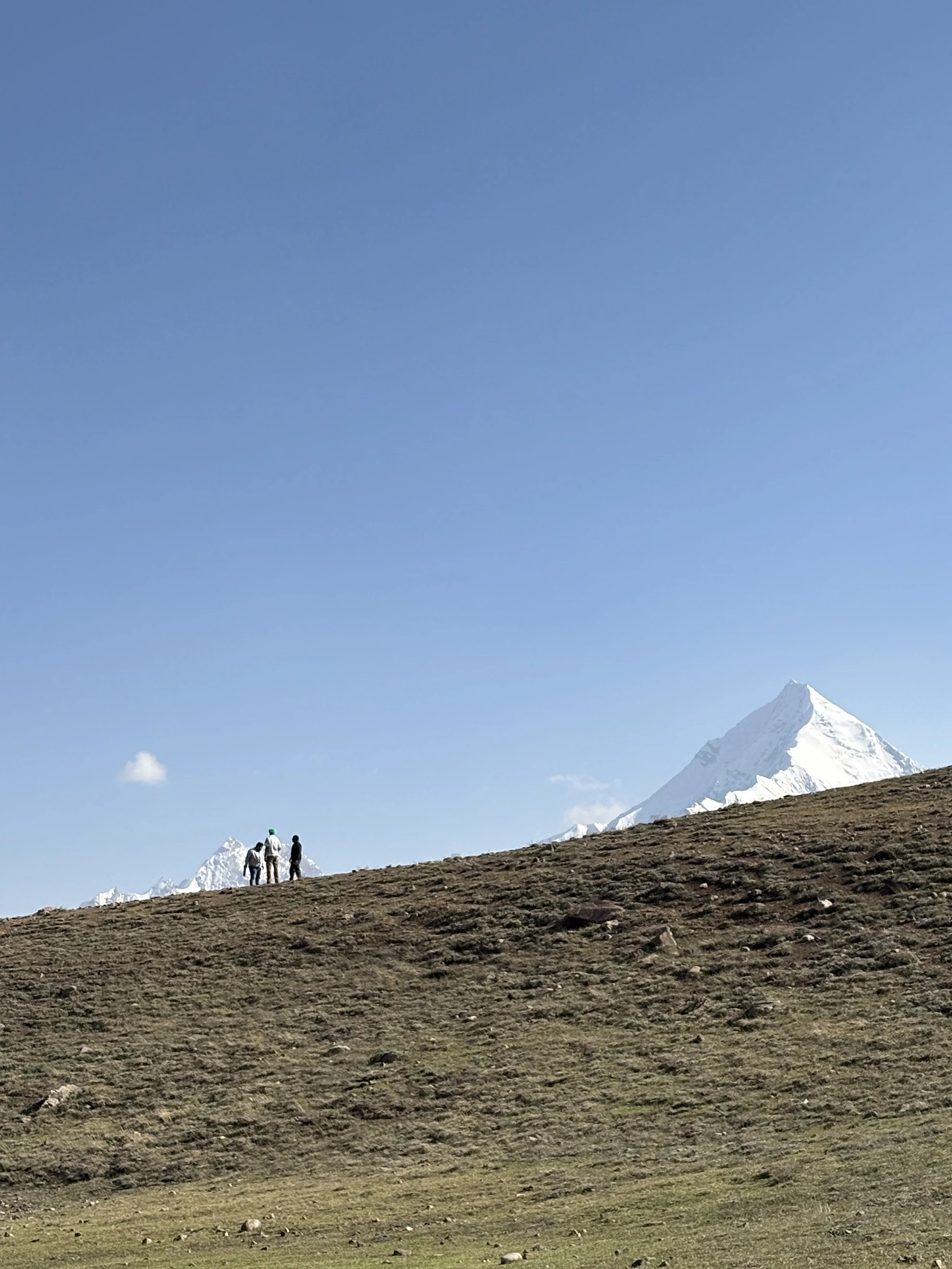
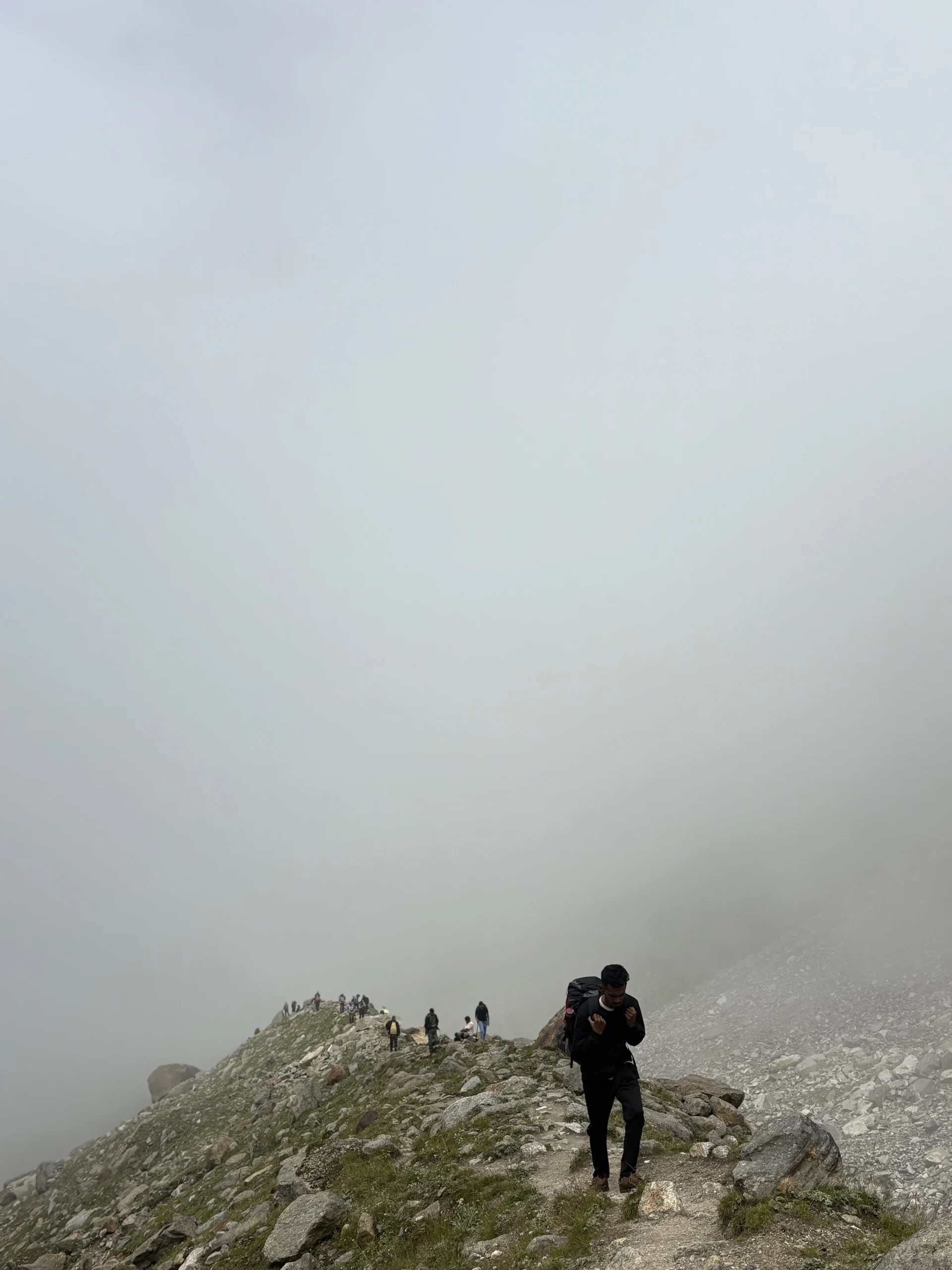
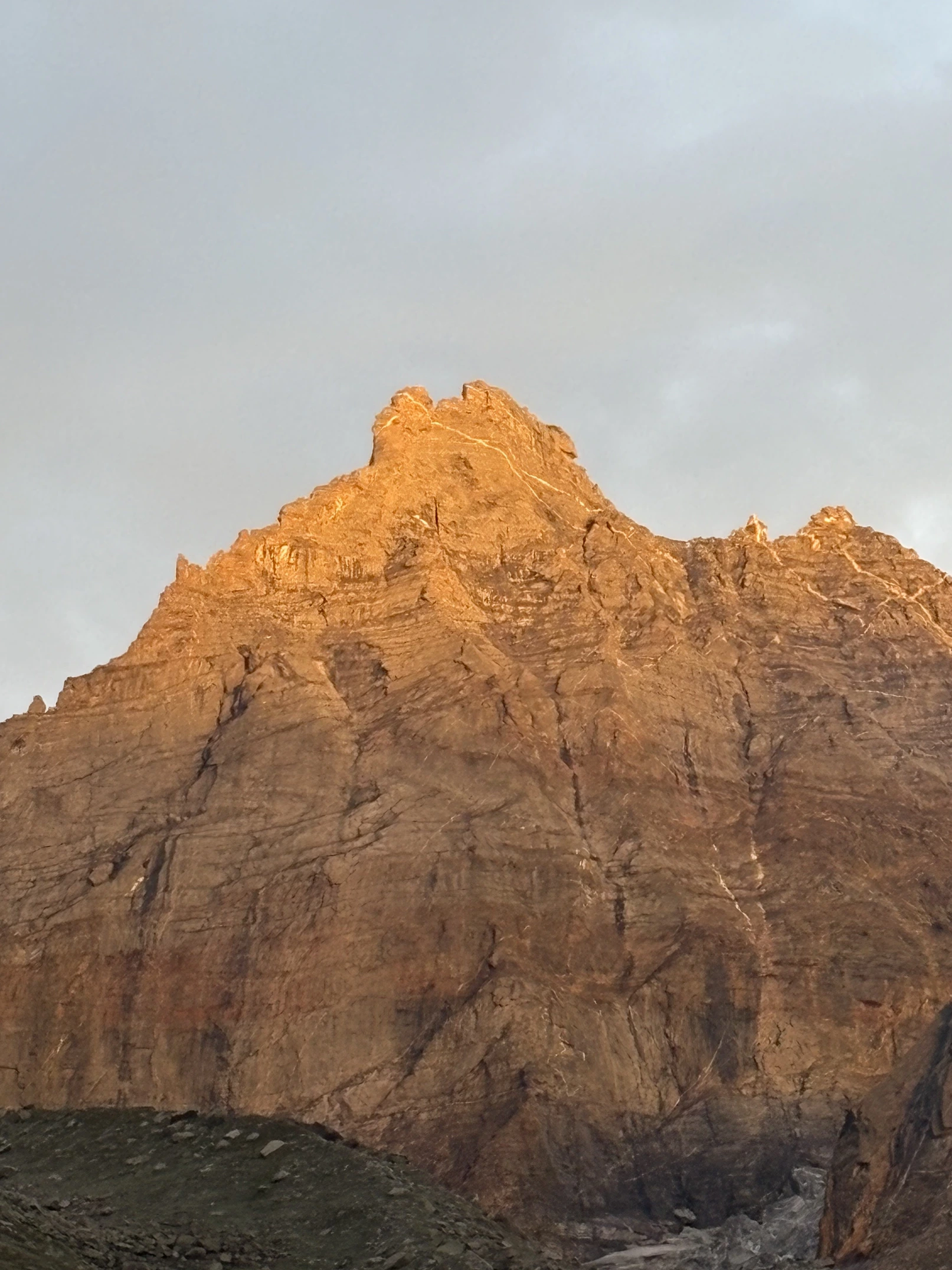
The Hampta Pass, standing resolute at an elevation of approximately in the Pir Panjal range of Himachal Pradesh, is far more than just a trekking route; it is a profound geographical and cultural odyssey. Named after the small hamlet of Hampta nestled below the magnificent mountains, this trek serves as a pivotal passage, a high-altitude seam connecting the lush, verdant valleys of Kullu to the stark, arid, stone-cold desert landscape of Lahaul. To walk the Hampta Pass is to witness the sheer, breathtaking duality of the Himalayan ecosystem.

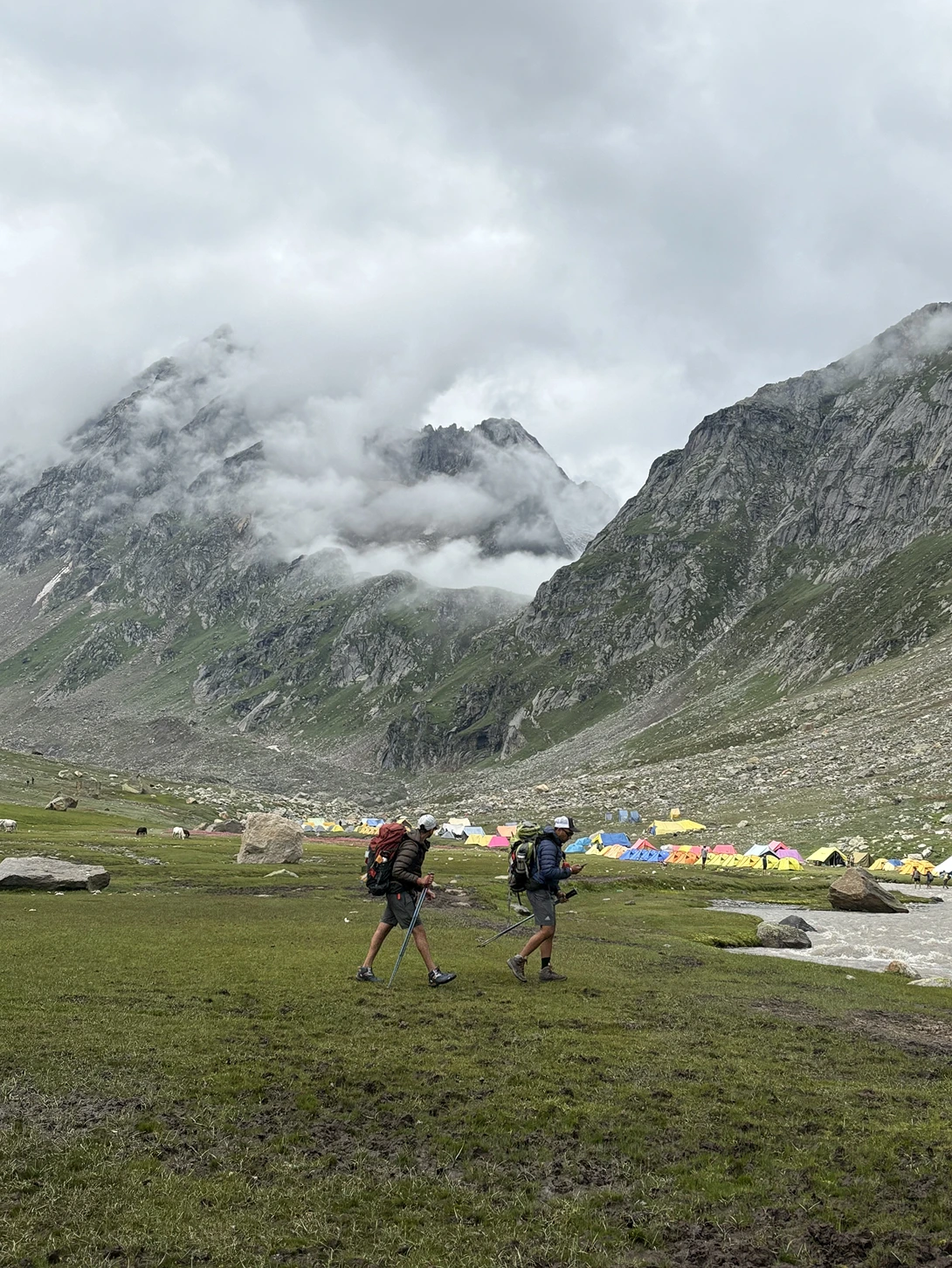
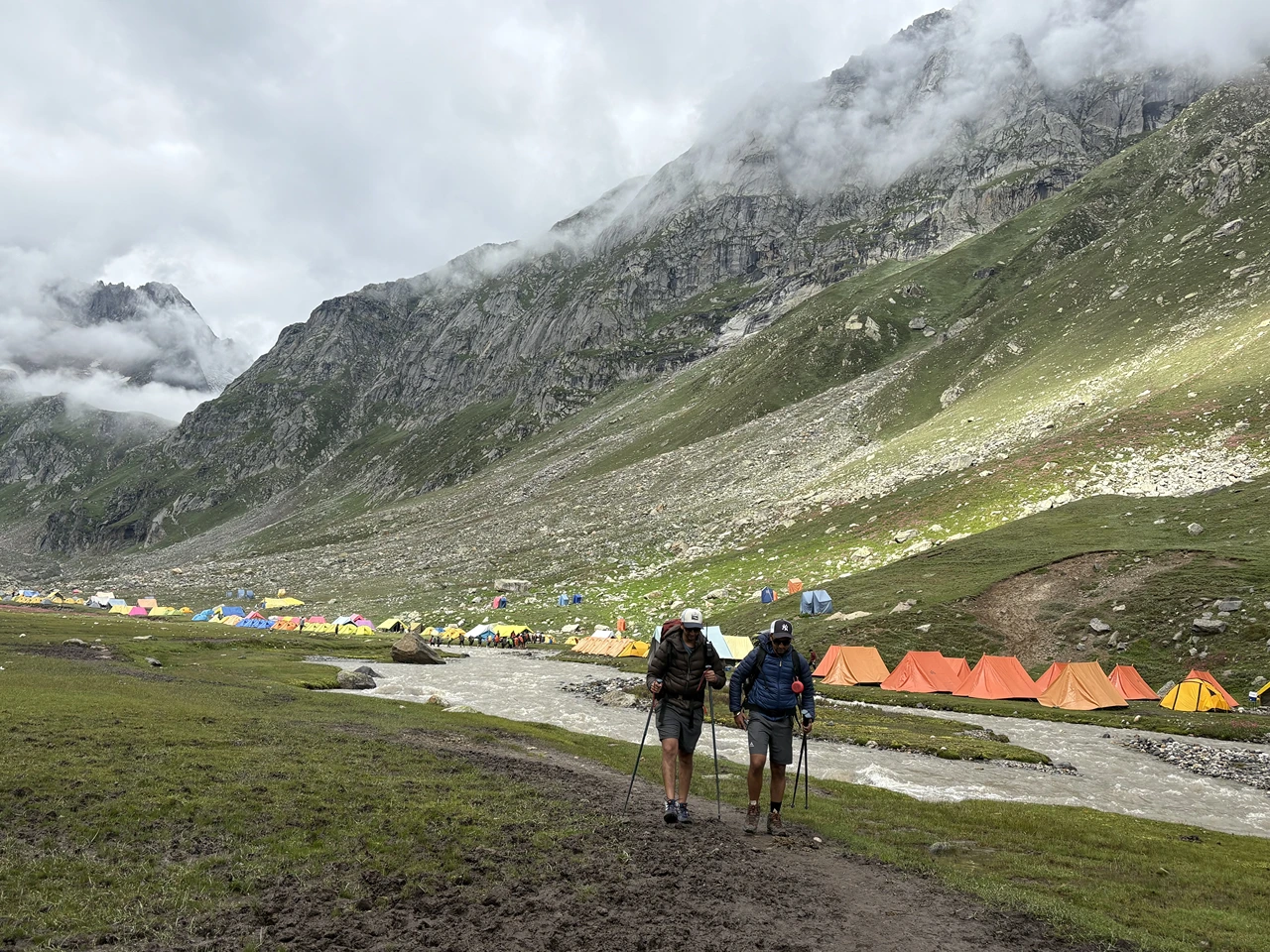
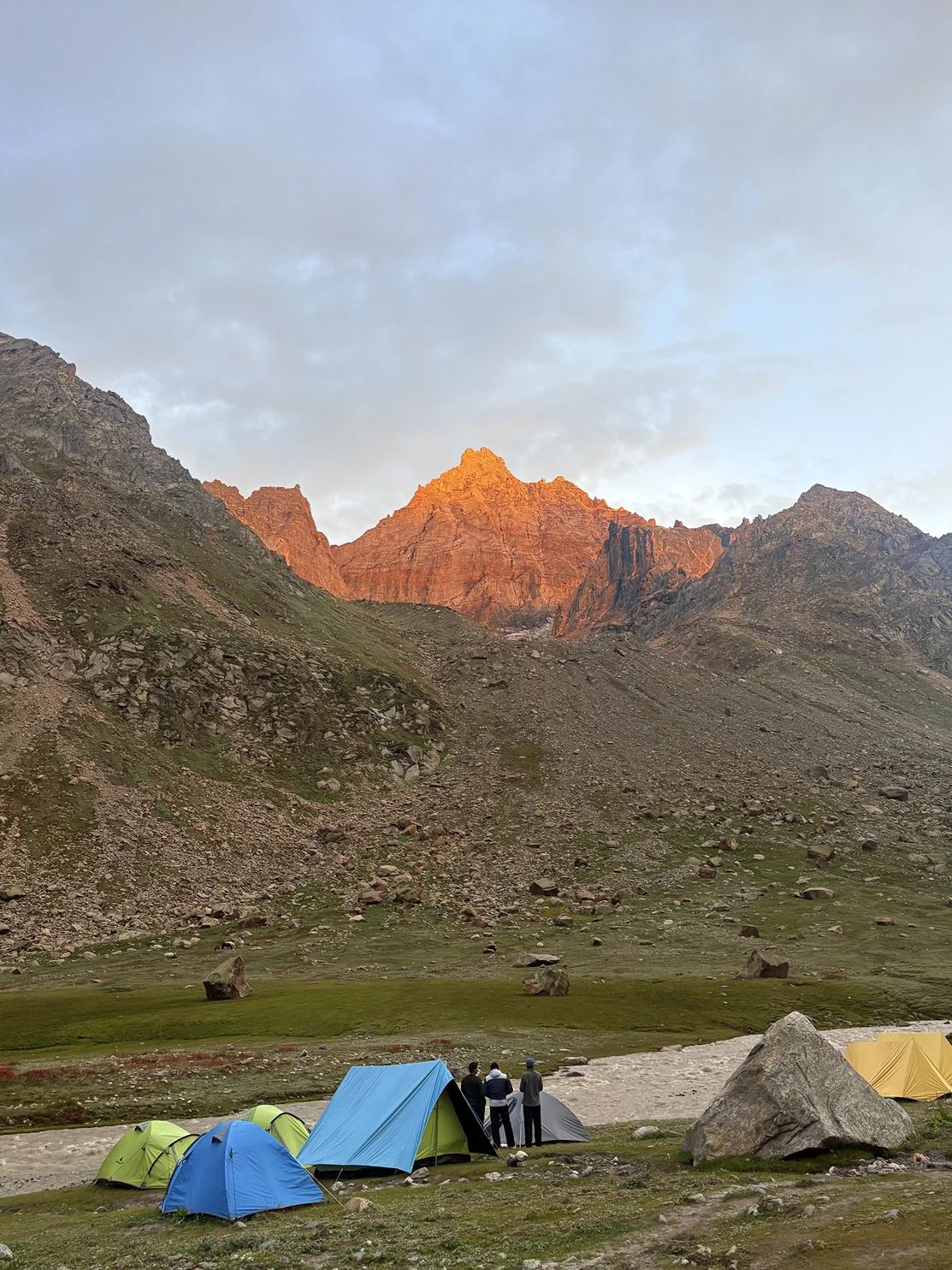
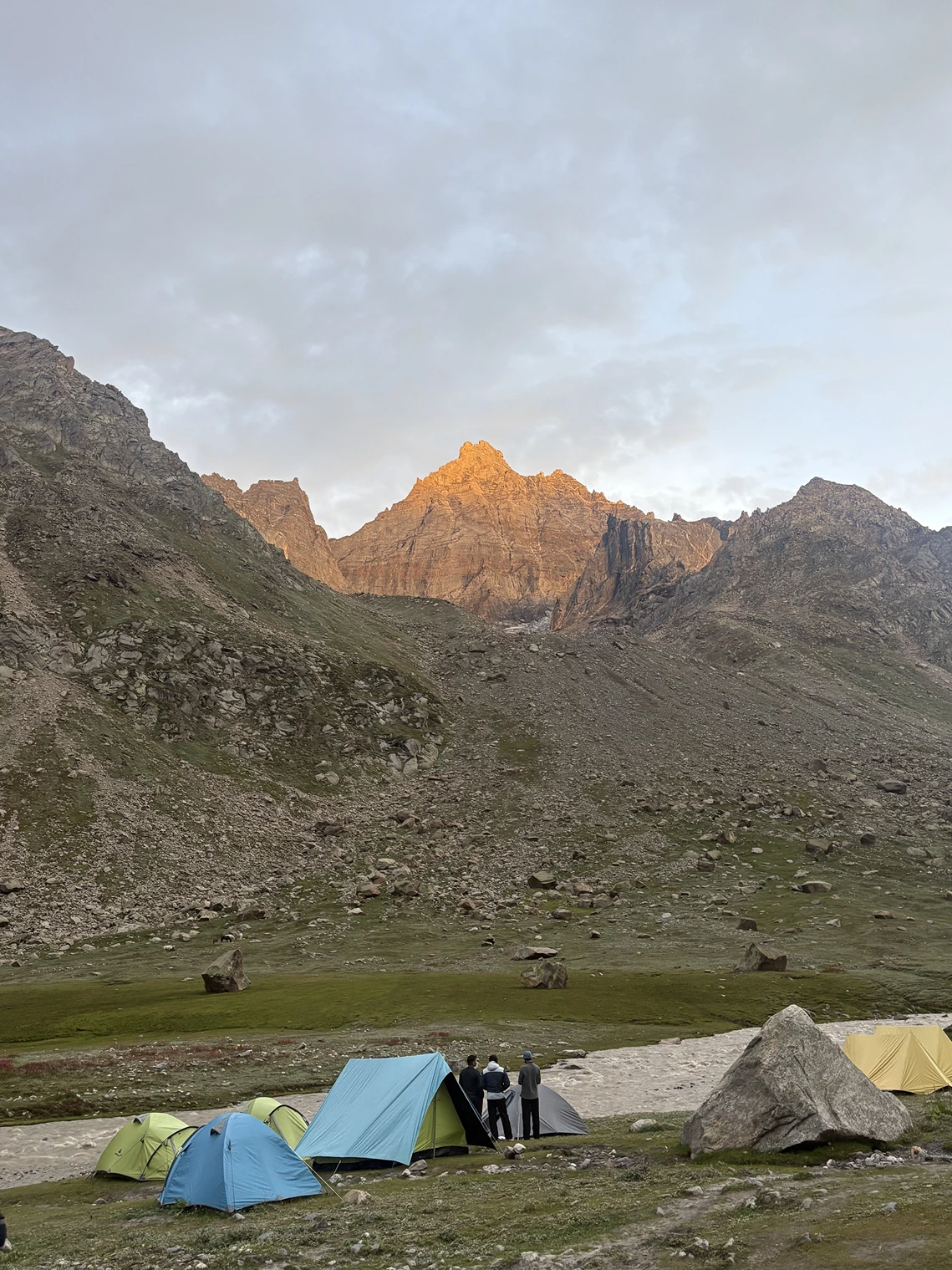
The journey begins in the comforting green embrace of the Kullu Valley. Here, the air is thick with the scent of pine and maple, and the terrain is softened by expansive, velvety meadows dotted with vibrant wildflowers. Trekkers follow the banks of the Rani Nallah, passing through charming campsites like Chika and Balu ka Ghera, which literally means “bed of sand,” surrounded by high alpine grass and thundering streams. This side of the pass is a riot of colour and life—a classic Himalayan dreamscape of waterfalls and forests that prepares the spirit, but perhaps not the eye, for the change that awaits.

The historical significance of Hampta Pass is deeply rooted in trade and migration. For centuries, this challenging route was the lifeline connecting the Kullu and Lahaul regions, used by local traders to exchange essential goods like wool, spices, and grains. Even today, the trail bears the footsteps of the resilient Gaddi shepherds who use the pass annually to move their flocks to the nutrient-rich, higher grazing lands of Lahaul during the summer months. This makes the trek a live historical corridor, connecting the modern adventurer to ancient nomadic traditions.

The true marvel, however, lies in the mythological resonance of the route. According to local folklore, the pass takes its name from Hampta Maharishi, a sage who once meditated in these silent, mighty mountains. Most compellingly, the final stretch of the journey—the extension to the mesmerizing Chandratal Lake (Moon Lake)—is steeped in the epic of the Mahabharata. It is believed that the Pandavas, on their quest for heaven (Swarga), traversed this very path. The route, often poetically referred to as the “staircase to heaven,” culminates at the sacred crescent-shaped lake, which Hindu mythology holds as the spot where Lord Indra descended in his chariot to take the eldest Pandava, Yudhisthira, to the celestial realms. This layer of divinity transforms the physical challenge of the climb into a spiritual pilgrimage, making the Hampta Pass a trek that nourishes both the body and the soul.

Highlights

Duration 5D/4N
Difficulty Moderate
Altitude 4270 m
Batch Size 21 people
Base Camp Jobra
Pick & Drop Manali – Manali

Itinerary

Day
1
Manali to Jobra to Chika — The Gentle Immersion Meal
  • Altitude Profile : Gain: ∼3,400 ft (Manali 6,700 ft→Chika 10,100 ft)
  • Pacing & Effort : ∼1.5 hour Drive, followed by ∼2 hours gentle trekking. Easy.
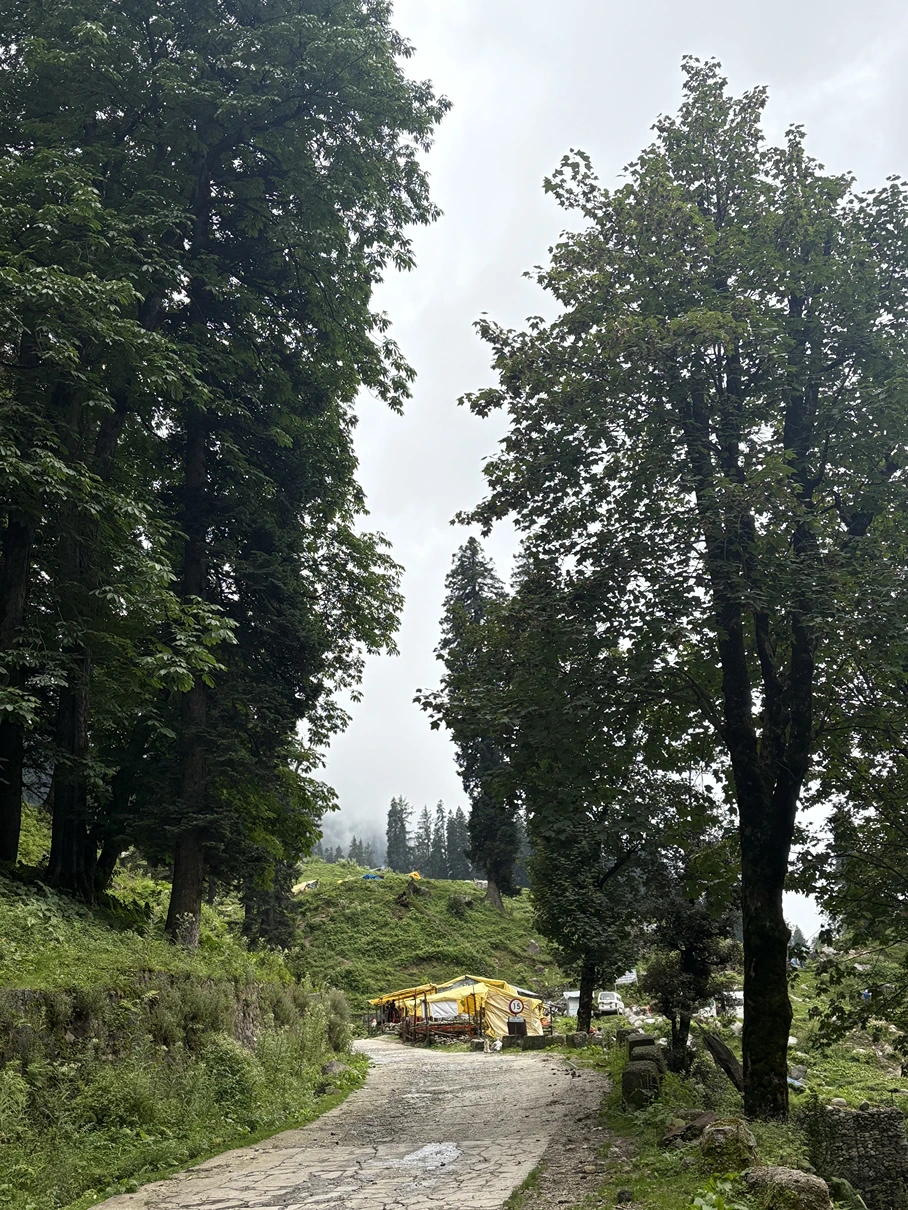
  • Trail Experience : The journey starts with a winding drive through Manali’s pine and deodar forests to Jobra. From Jobra, the trail is wide, clearly marked, and follows a ridge line above the Rani Nallah river. The path is soft underfoot, moving through birch groves and open meadows.
  • Camp Highlight : Chika is a broad, flat meadow campsite beside the glacial river. This low-effort first day ensures your lungs and body adapt to the initial altitude gain efficiently, which is crucial for preventing AMS.
  • Crux Wellness Focus : The Anchor Session. In the evening, we conduct a grounding practice focused on sensory awareness. We use the sounds of the river and the scent of the alpine air to intentionally shift the mind from the speed of city life to the slow, present moment of the mountains, setting a clear, calm intention for the coming days.

Meals

Breakfast
Lunch
Dinner
  • Altitude Profile : Gain: ∼900 ft (Chika 10,100 ft→Balu Ka Ghera 11,000 ft)
  • Pacing & Effort : ∼5 to 6 hours trekking. Moderate. The ascent is gradual but steady.
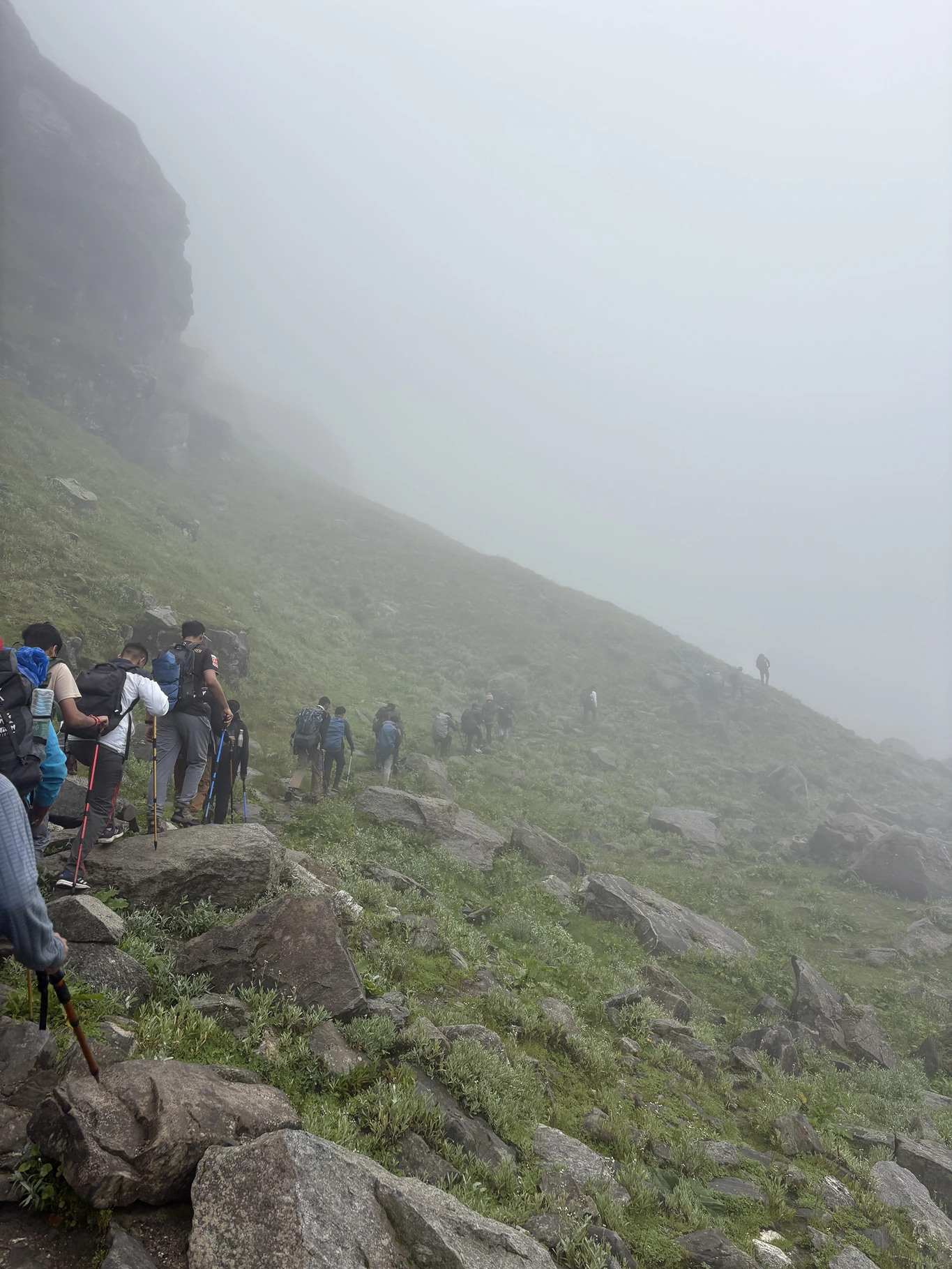
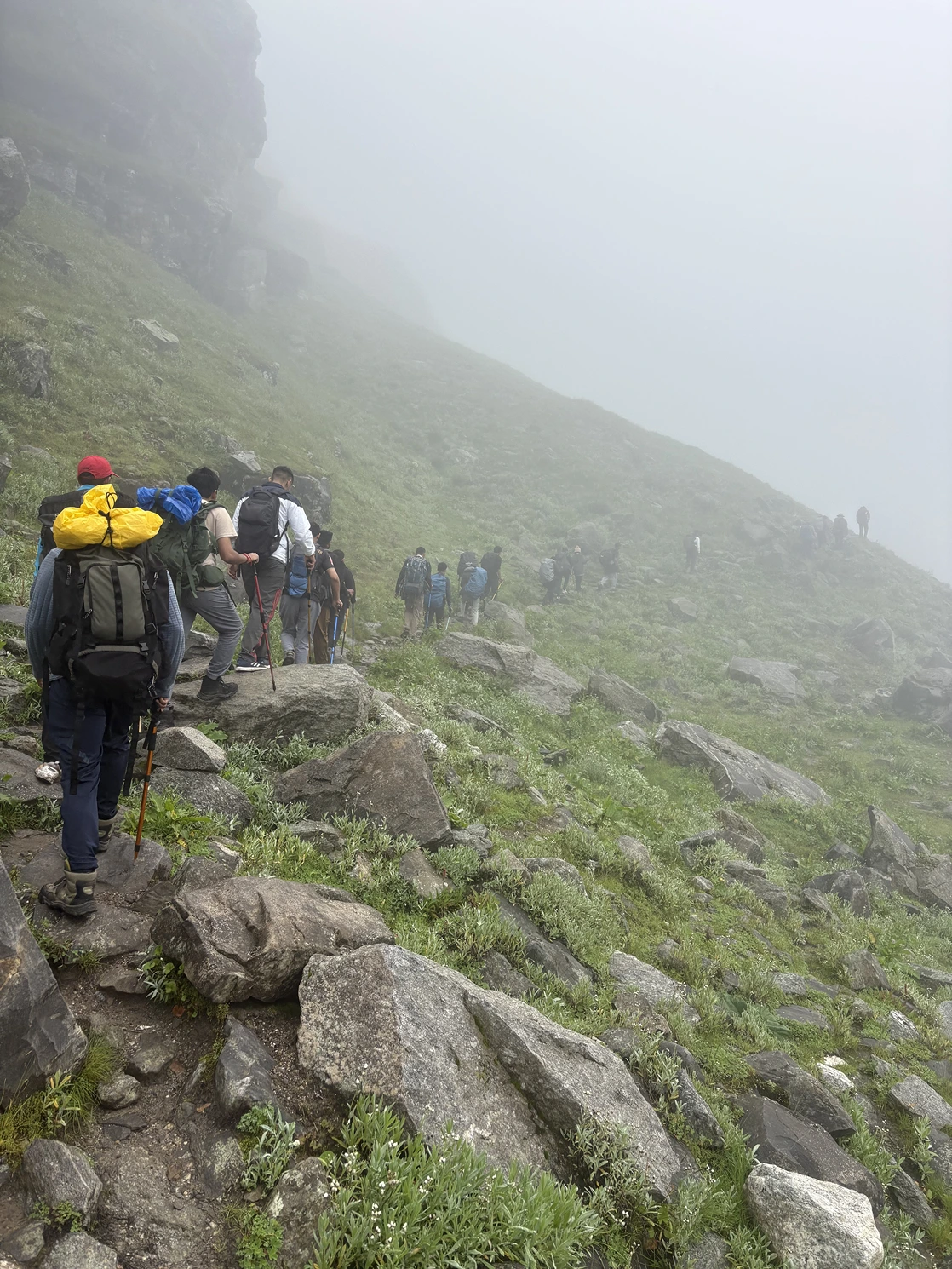
  • Trail Experience : The trail today alternates between vast stretches of green, high-altitude grasslands and boulder-strewn paths. As we ascend, the tree line vanishes, replaced by low-lying shrubs and rhododendron bushes. The views of the surrounding peaks become more dominant.
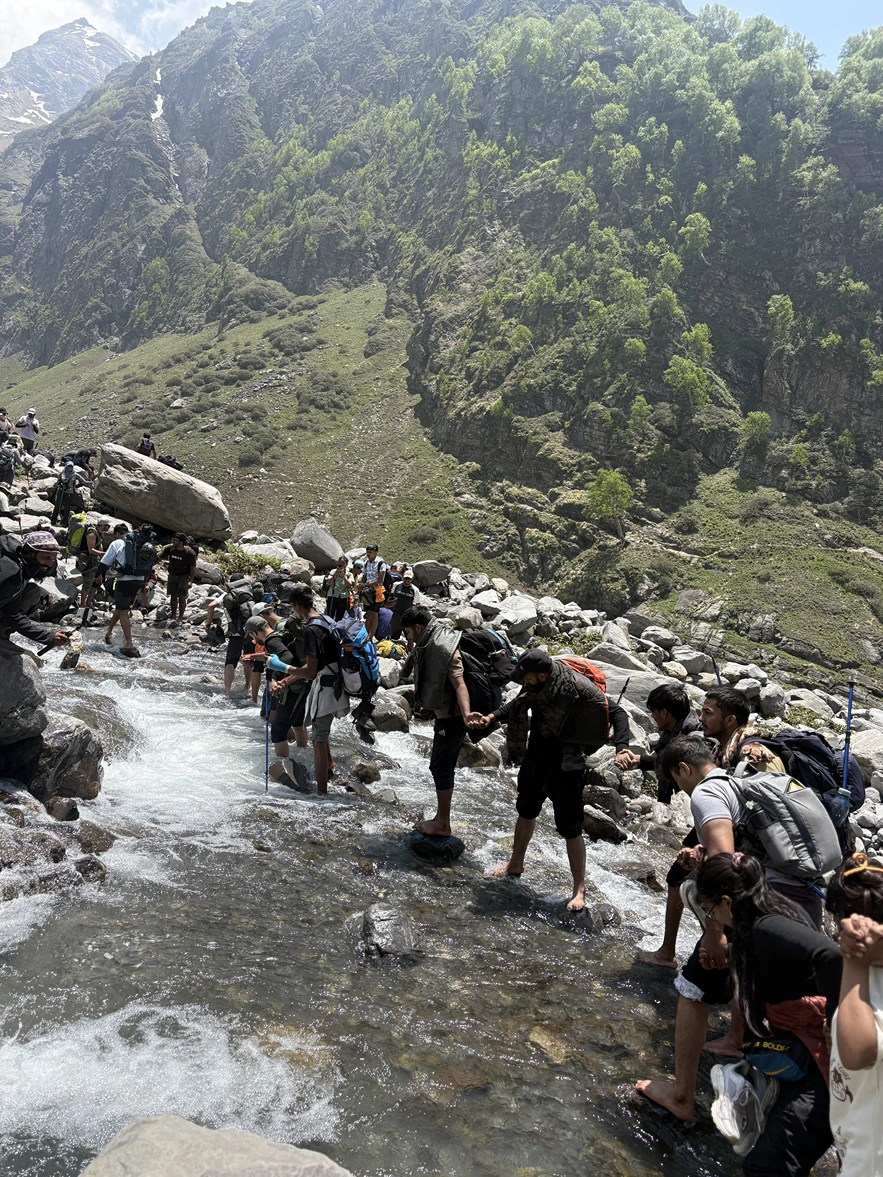
  • Key Challenge : The Water Crossing. About an hour before camp, you face the exhilarating, yet nerve-wracking, crossing of a major glacial tributary (Rani Nallah). The water is fast and icy cold. Our team forms a secure human chain and provides support, making this a true exercise in trust and quick footwork.
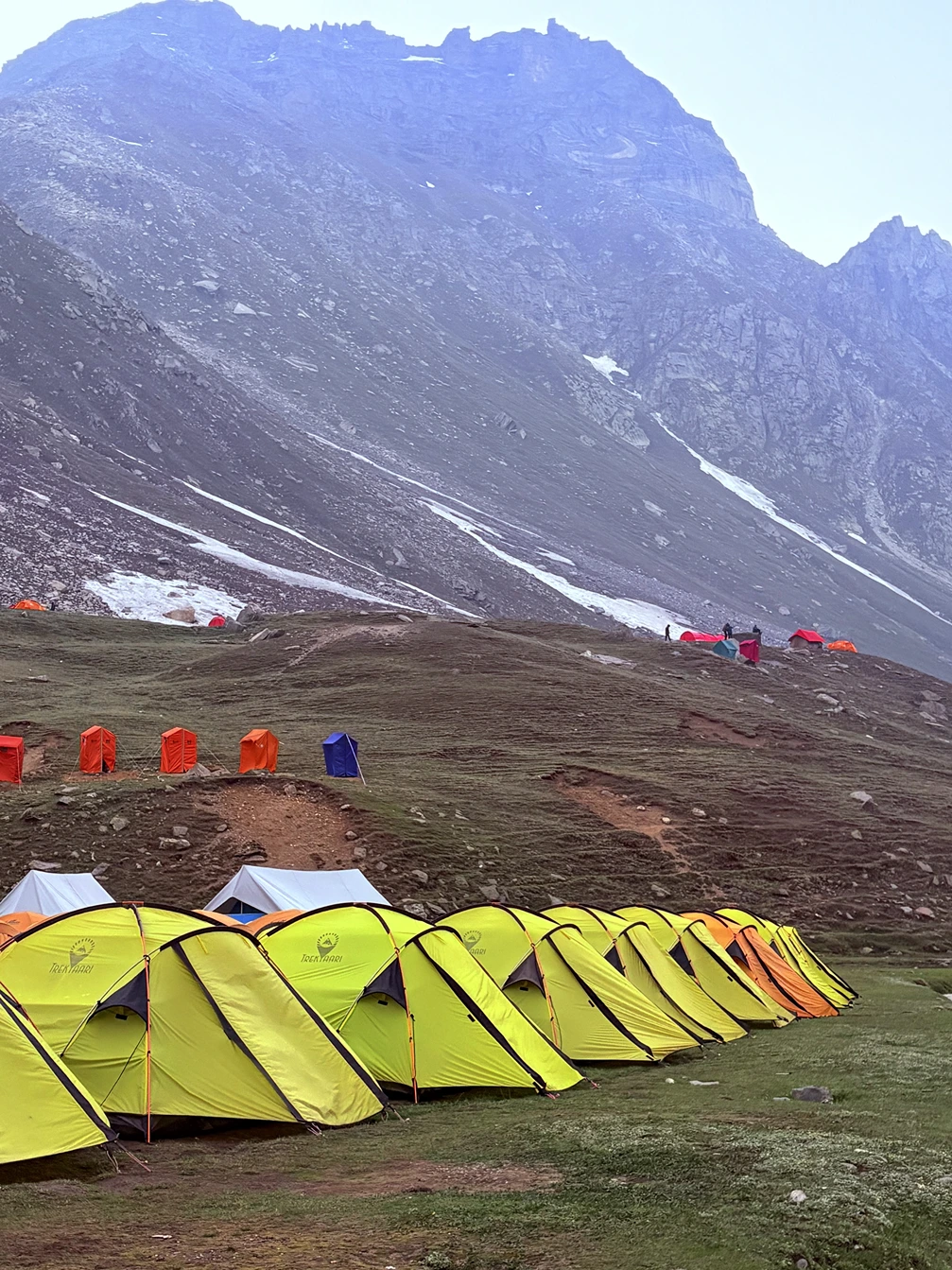
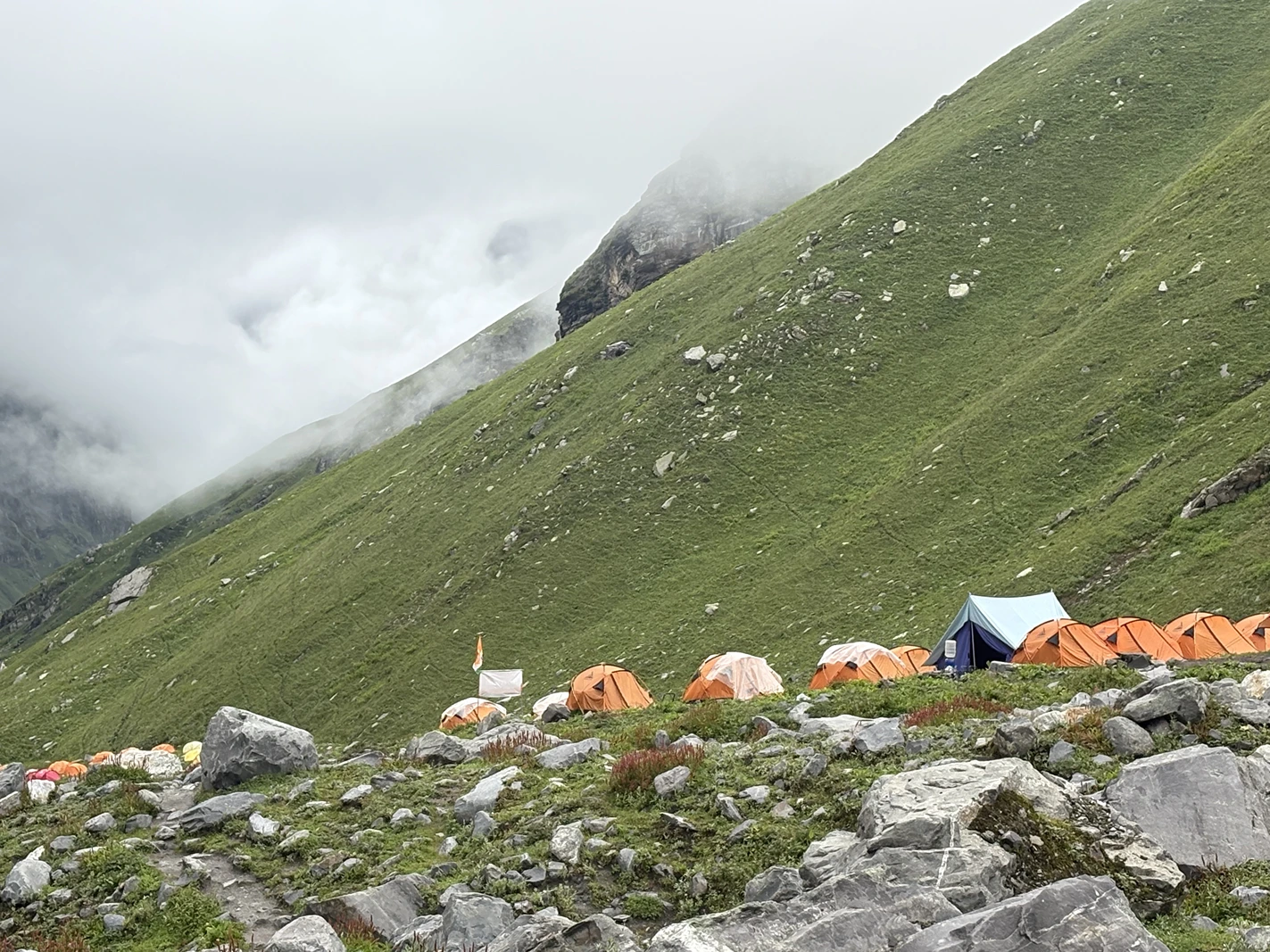
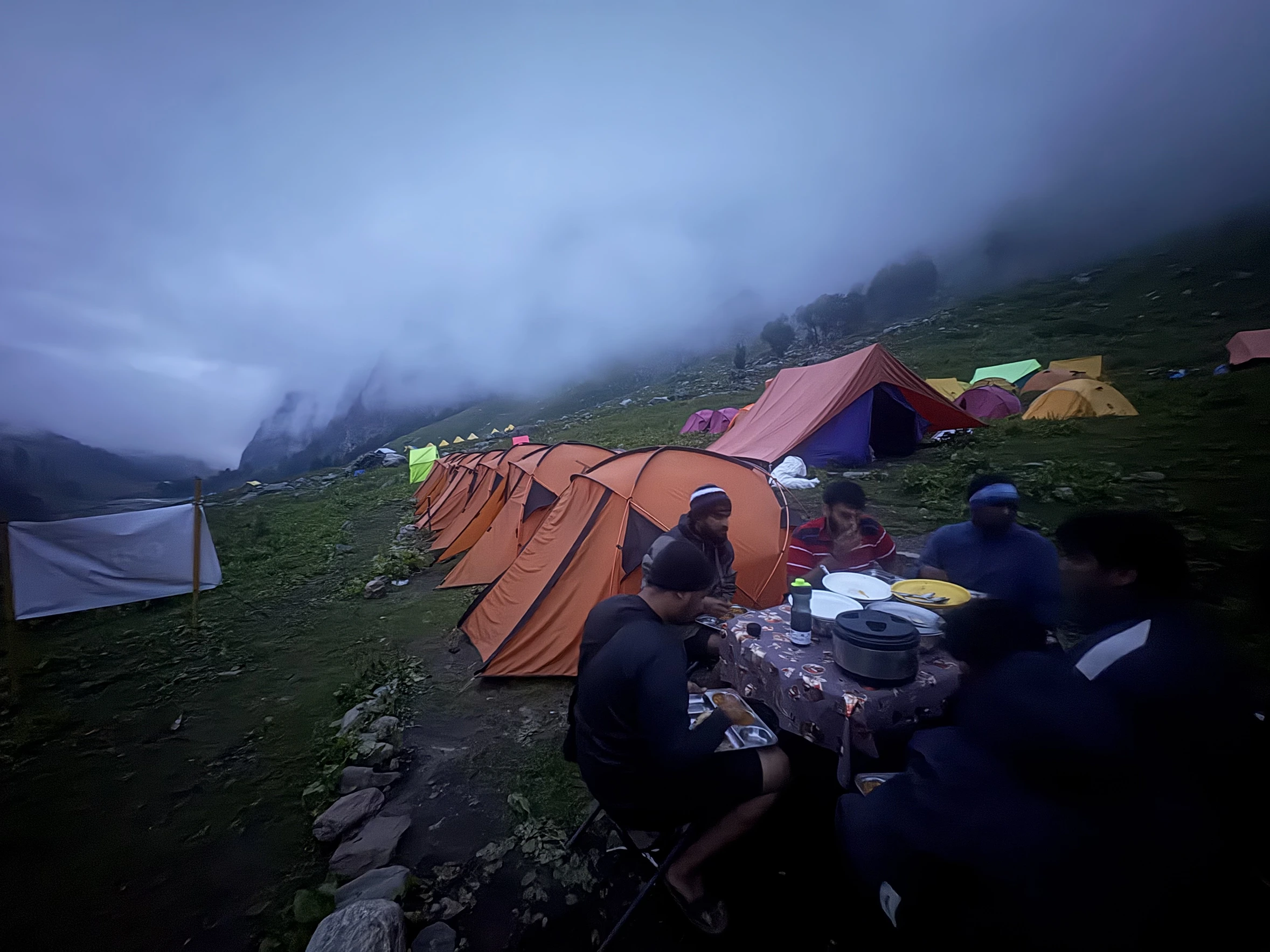
  • Camp Highlight : Balu Ka Ghera (literally ‘Bear’s Den’) is a huge, open high-altitude bowl, surrounded by snow-capped cliffs and patches of permanent snow. It feels truly remote and pristine, perfectly situated for the acclimatization necessary before the Pass.
  • Crux Wellness Focus : Managing Resistance. The evening session focuses on the physical shock of the water crossing. We discuss how to use deep, conscious breathing to calm the body’s ‘fight or flight’ response to cold and stress. This practice of accepting temporary discomfort is the mental preparation needed for the strenuous Pass day.

Meals

Breakfast
Lunch
Dinner
  • Altitude Profile : Crux Day: Gain 3,100 ft→Loss 1,200 ft (Pass 14,100 ft)
  • Pacing & Effort : ∼9 to 10 hours trekking. Strenuous. The longest and hardest day.
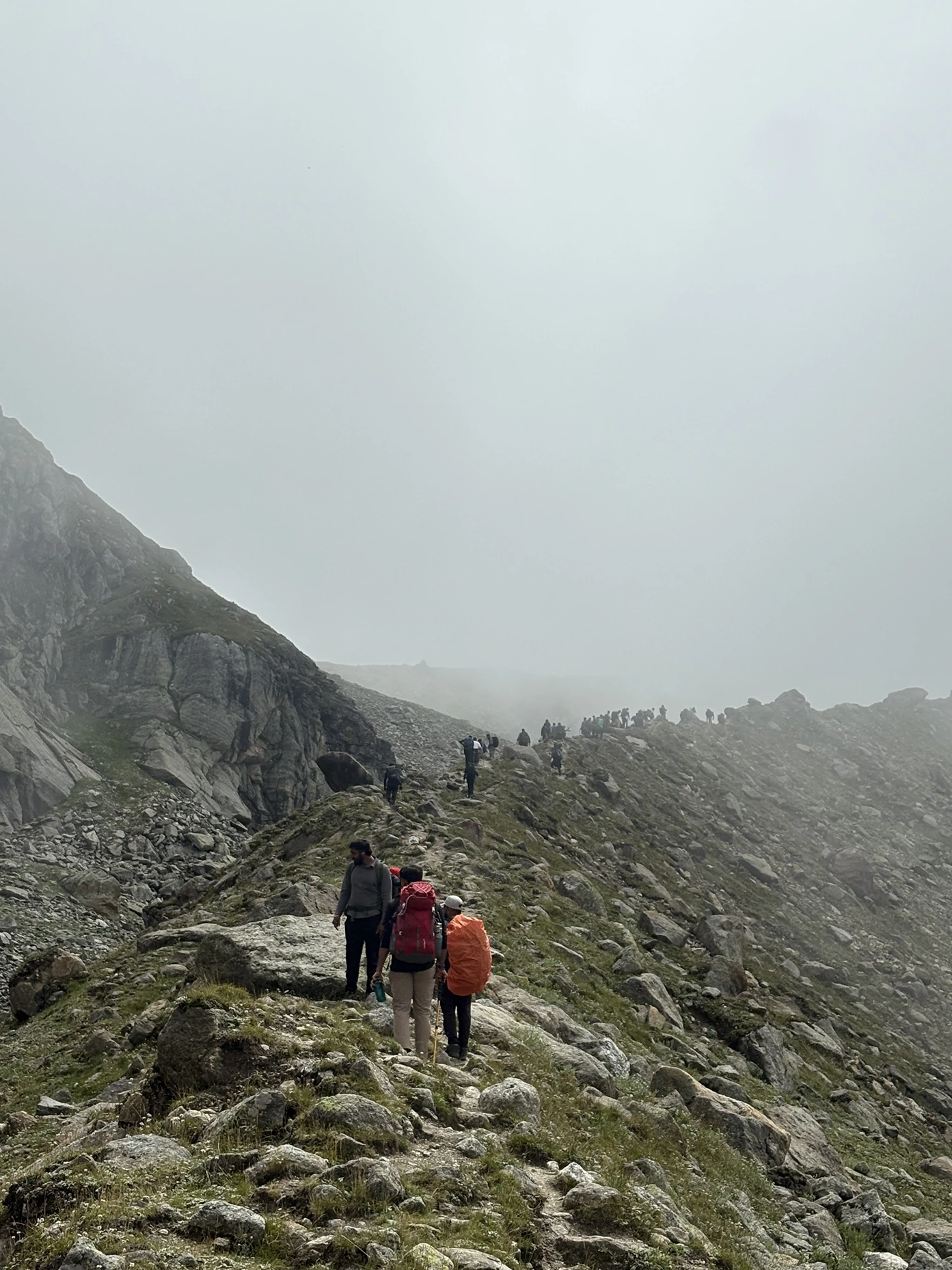
  • Ascent (Balu Ka Ghera to Pass): We start before dawn. The path is a relentless, steep ascent over glacial moraine and snowfields (where microspikes are often essential). This phase demands steady pacing, strong lung function, and mental toughness.
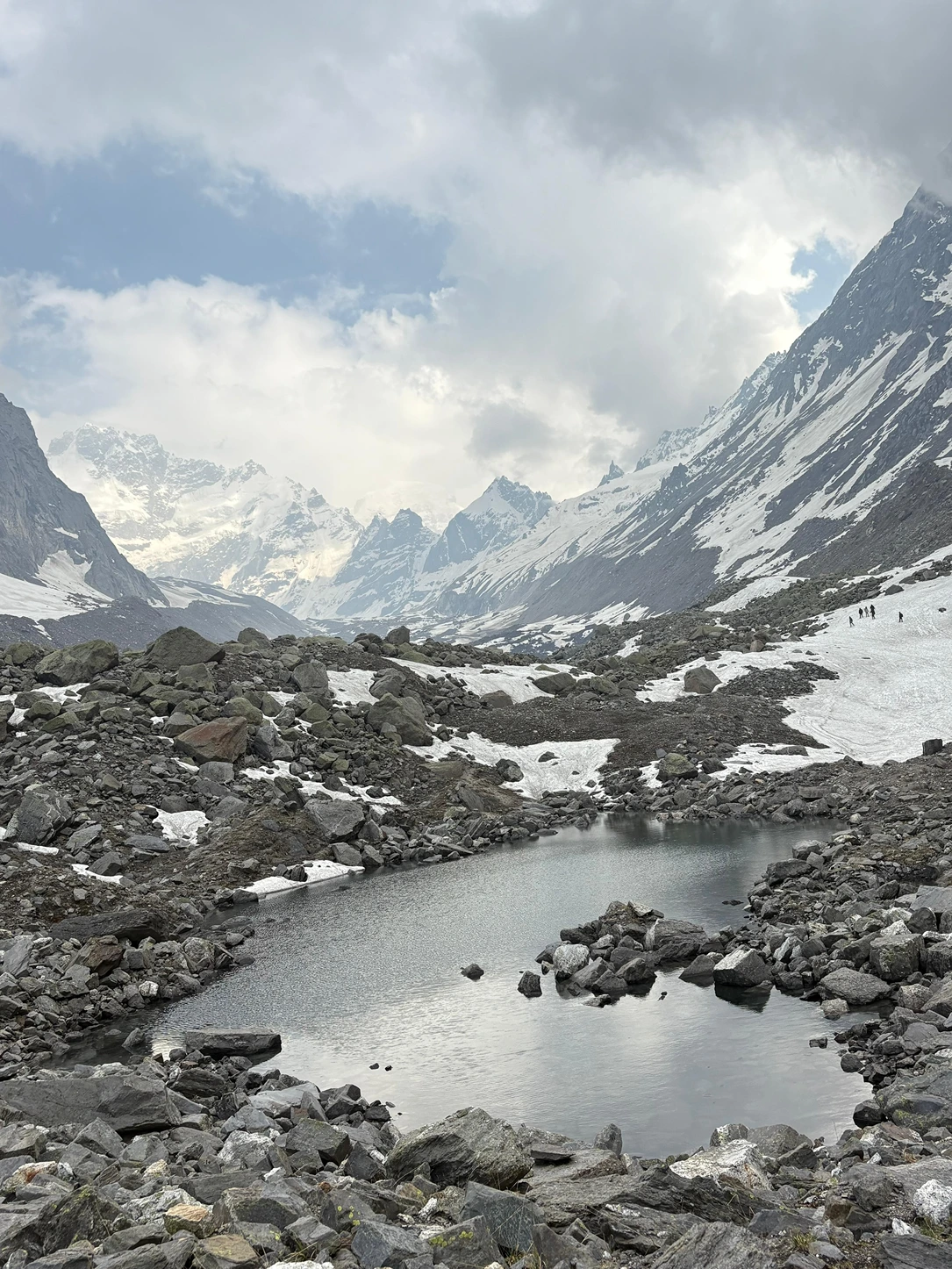
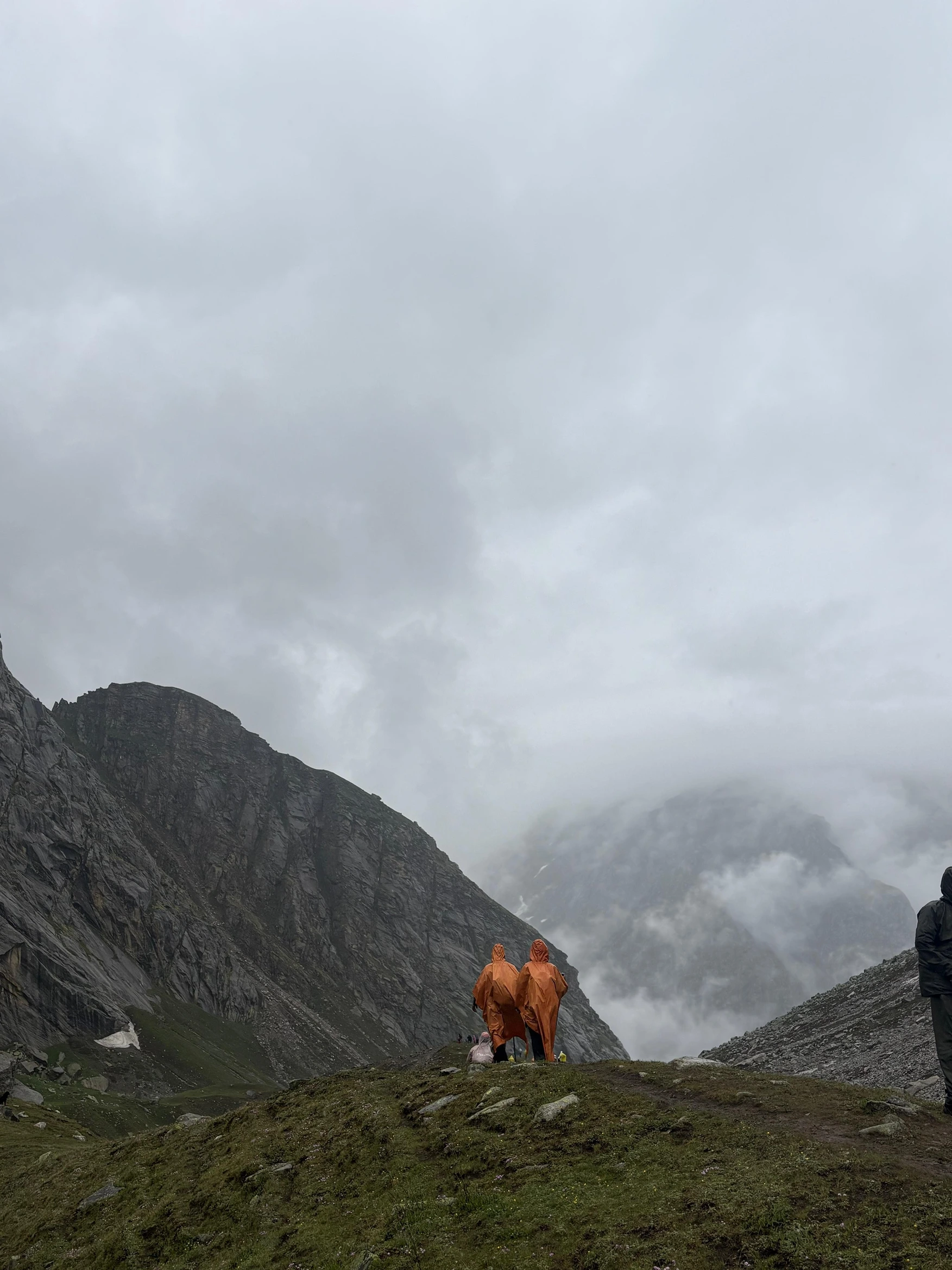
  • The Crux Crossover : Reaching the Hampta Pass at ∼14,100 ft is an intensely rewarding moment. Look back to see the emerald beauty of Kullu. Look forward to see the terrifying, naked brown and grey moonscape of Lahaul—the ultimate example of the Rain Shadow Effect.
  • Descent (Pass to Siagoru): The descent is steep, often involving a challenging drop over loose scree or soft snow patches. This requires intense focus on knee protection and footing. You arrive at Siagoru, a cold, windswept camp in the desolate Lahaul Valley.
  • Crux Wellness Focus : Integration of Triumph. This session is dedicated to savoring the feeling of accomplishment. We reflect on the physical and mental stamina required to complete the crux day, discussing how to bottle the feeling of self-efficacy gained on the mountain for use in challenging moments back home.

Meals

Breakfast
Lunch
Dinner
  • Altitude Loss : 12,900 ft to 11,000 ft
  • Distance : ∼7 km Trek, followed by ∼3 hour Drive. Easy to Moderate Descent.
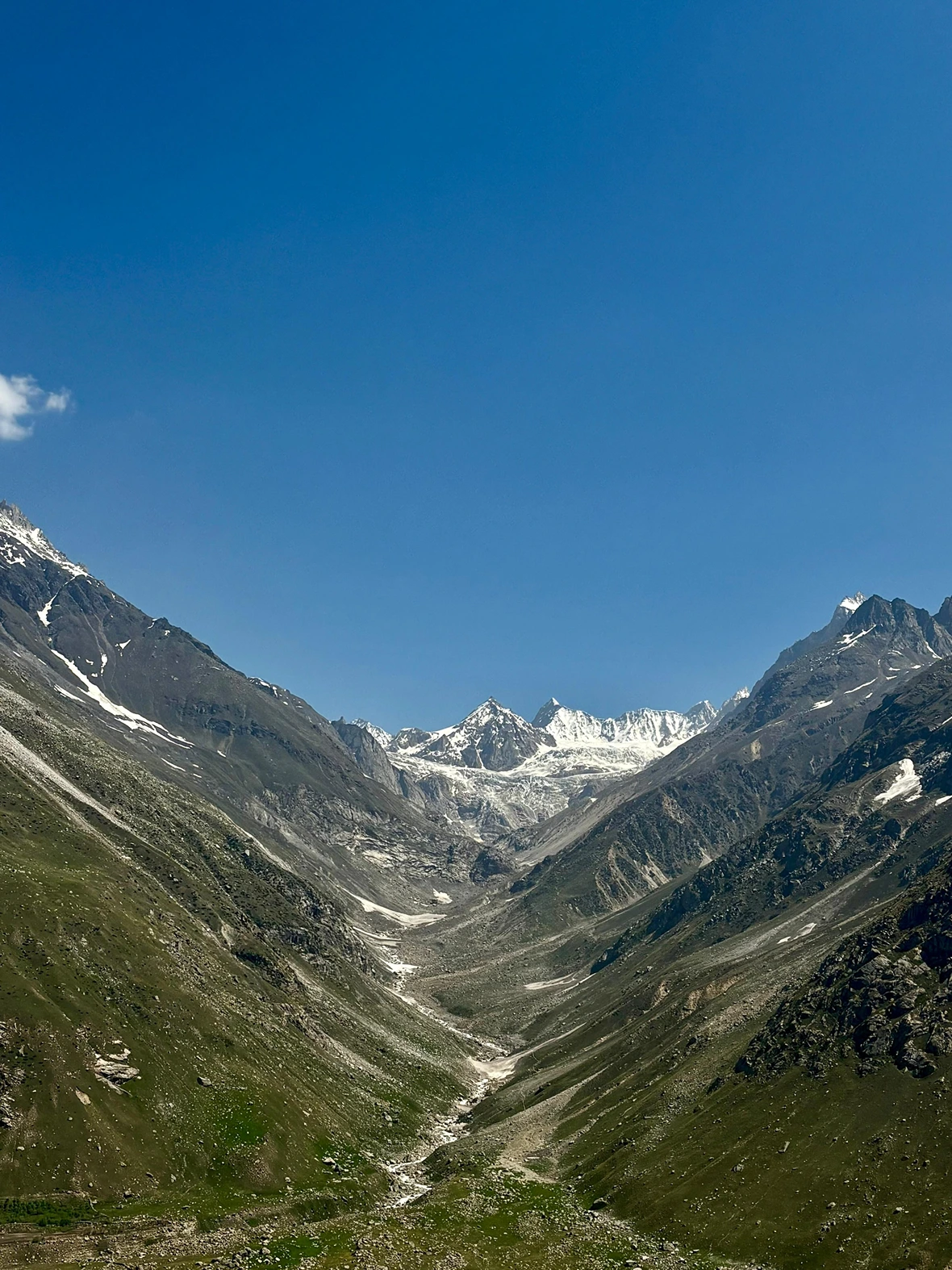
  • Trail Experience : The trek is now entirely through the dramatic Lahaul landscape. The path is relatively easy, tracing the course of the Chandra River. The raw, imposing geology of the sedimentary mountains is the main focus, showcasing stunning, quiet desolation.
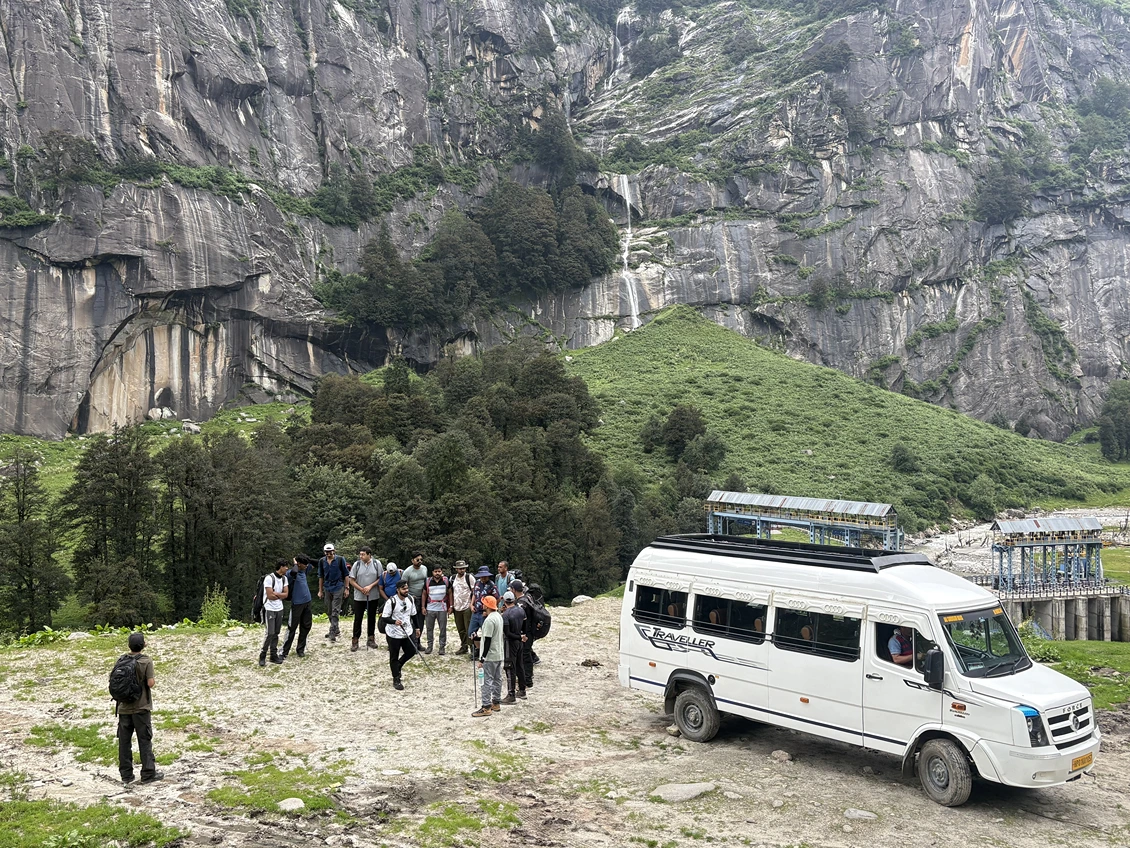
  • Logistics Shift : We reach Chatru, a roadside settlement where vehicles await. This marks the end of the trekking segment. From here, we take a breathtaking, bumpy drive along the Chandra river gorge road towards Chandratal.
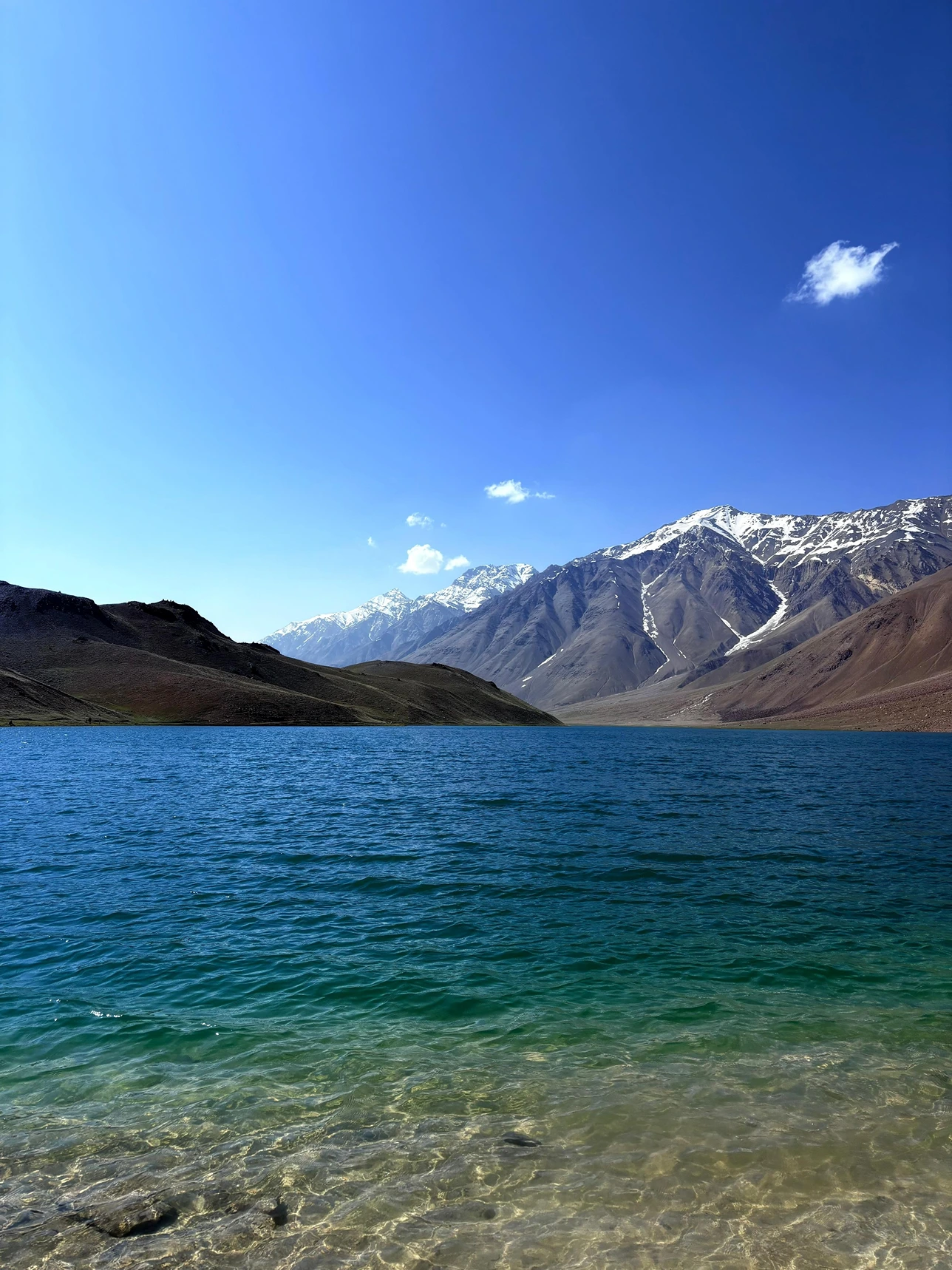
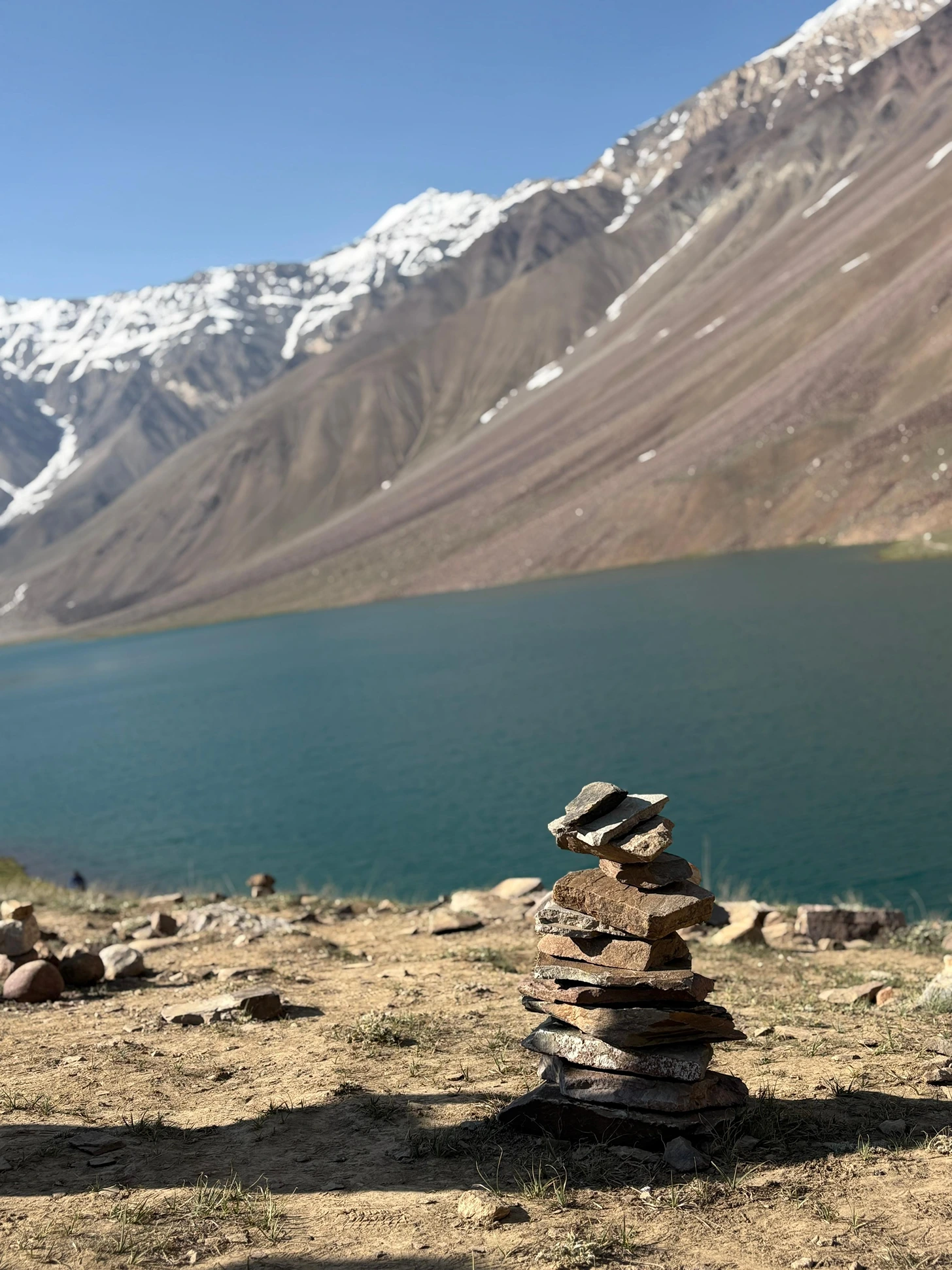
  • The Grand Finale : Chandratal (Moon Lake). Situated at ∼14,000 ft, this sacred, crescent-shaped lake is renowned for its constantly shifting shades of blue and emerald. Camping near the lake shore (at a designated camp 1 km away) offers a truly celestial experience under the clear, unpolluted Spiti sky.
  • Crux Wellness Focus : Deep Gratitude & Stillness. In the presence of the tranquil lake, we practice a final, profound moment of stillness. We reflect on the cyclical nature of the journey (effort and reward) and practice deep gratitude for the strength discovered within, providing closure to the emotional arc of the trek.

Meals

Breakfast
Lunch
Dinner
  • Altitude Loss : Descent 11,000 ft→6,700 ft
  • Journey : A long, scenic drive (∼6 to 8 hours) back to Manali.
  • Road Highlights : The drive takes you through the stunning, high-altitude landscape of Lahaul before entering the long Atal Tunnel, which whisks you back into the green Kullu Valley—a rapid and anticlimactic contrast to the slow, hard work of crossing the Hampta Pass.
  • Departure : We aim to reach Manali by late afternoon, concluding the expedition and allowing time for onward travel arrangements.

Meals

Breakfast
Lunch
Dinner
Good to know

Inclusions

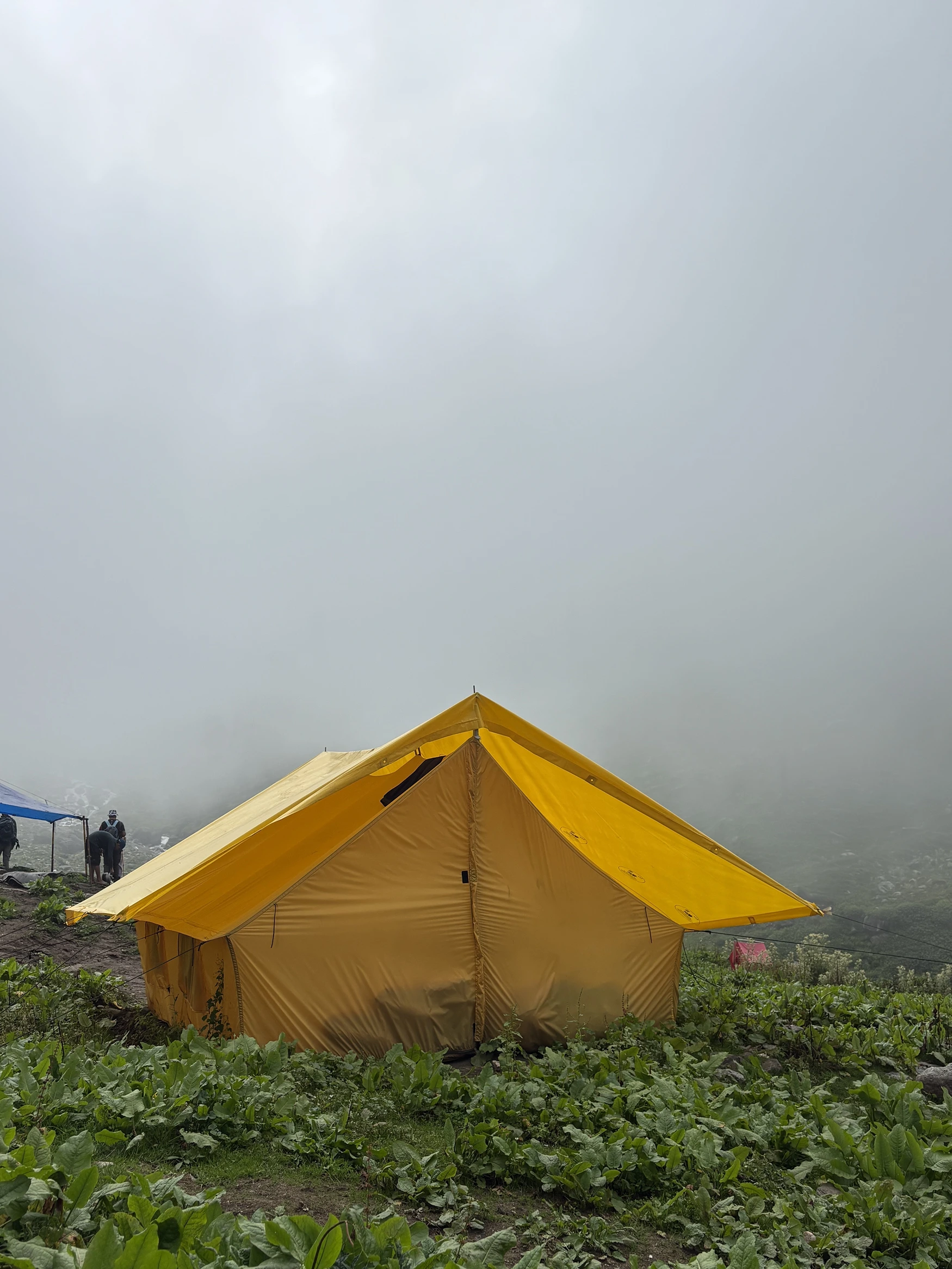
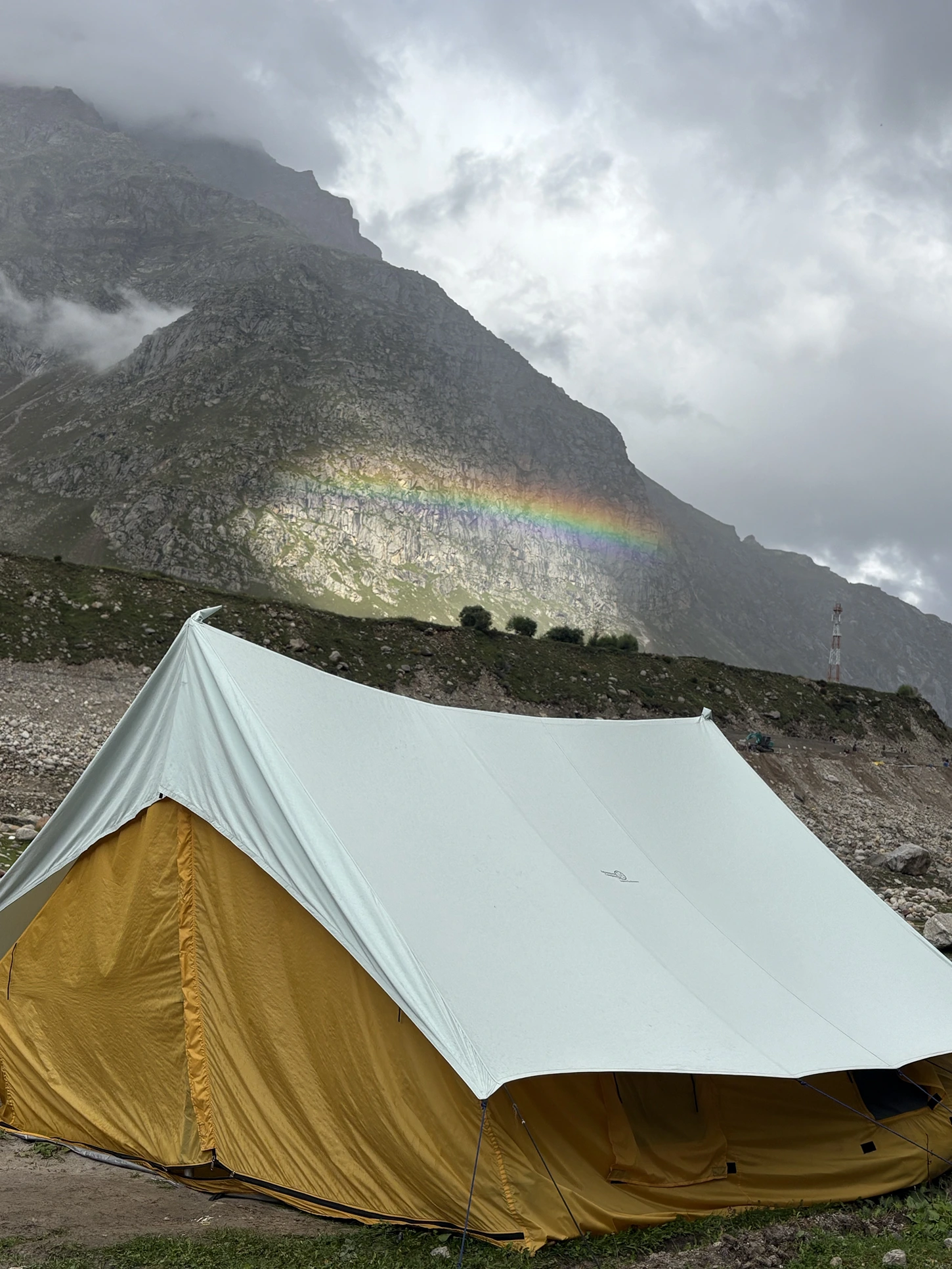
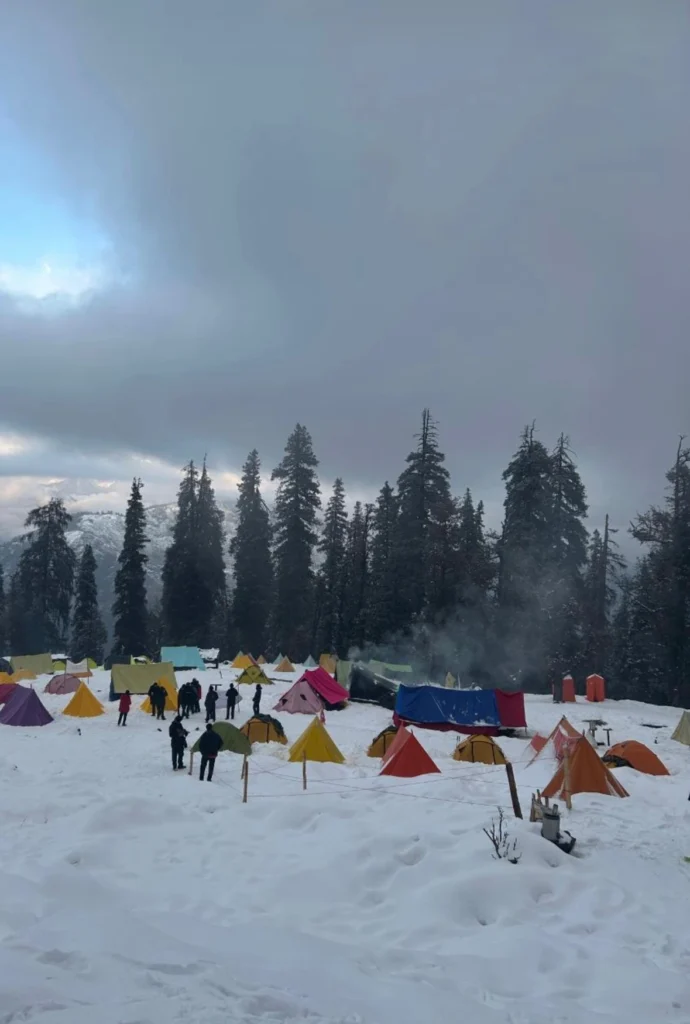
  • Accommodation : Stay in high-quality, weather-resistant Alpine or Dome Tents on a twin-sharing basis (2 people per tent). Includes foam/sleeping mats.
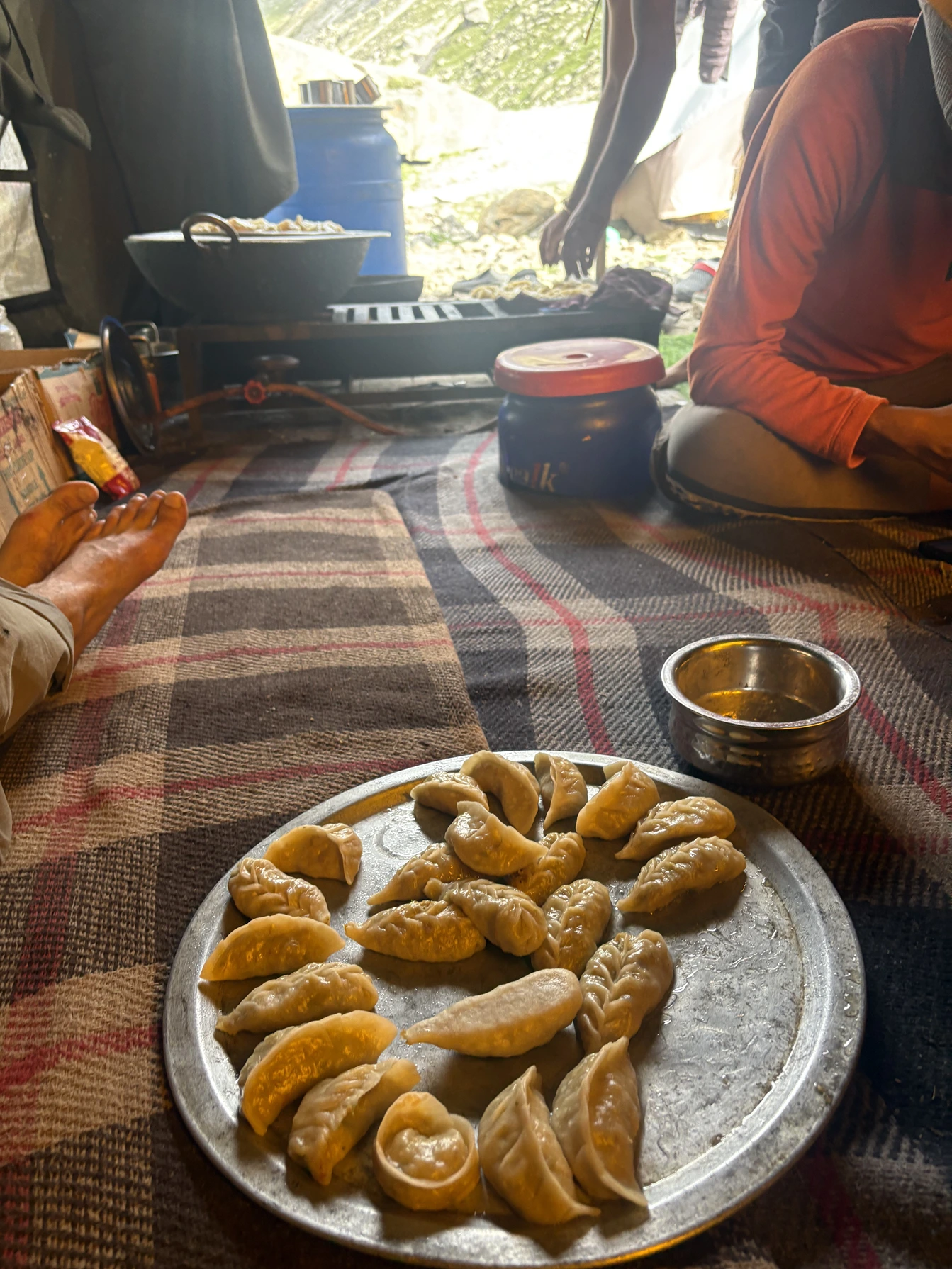
  • Meals : Starts with Lunch on Day 1 and ends with Breakfast on Day 5. Includes nutritious vegetarian meals (breakfast, packed lunch, evening tea, and dinner), with egg served at breakfast/dinner.
  • Safety & Staff : Certified Trek Leader (mountaineering qualified), local guide, professional cook, and support staff. Includes first aid, oxygen cylinders, and stretchers for emergency use.
  • Permits & Fees : All necessary forest entry fees, camping charges, and trekking permits required for the Hampta Pass route and the Chandratal visit are covered.
  • Transportation : Manali to Jobra (Day 1 drive), and Chatru/Chandratal to Manali (Day 5 drive). Includes the drive to and stay near Chandratal Lake.
  • Crux Special : Dedicated sessions focused on grounding, managing resistance, and integration, led by your Trek Leader.
  • Essential Gear : Use of Micro-spikes and Gaiters (if required due to snow conditions on the Pass). Use of sleeping bags.

Exclusions

  • Taxes : This is mandatory and added to your base fee (For example, ₹7,999+₹400 GST).
  • Travel Insurance : Highly recommended for medical evacuation and emergency coverage. This is typically purchased independently.
  • Personal Gear Rental : Trekking shoes, poles, layered clothing, rain ponchos, headlamps, etc., are personal items.
  • Off-Trek Meals : Any food/accommodation purchased in Manali before Day 1 lunch or after Day 5 breakfast.
  • Personal Expenses : Energy bars, chocolates, mineral water (if not using boiled camp water), and tips for the support staff.
  • Emergency Costs : Costs of emergency evacuation or unforeseen medical expenses beyond basic first aid, which are usually covered by your mandatory travel insurance.

Things to Carry

I. Head & Face
Woolen Cap / Beanie

Must cover ears. Essential for retaining body heat.

Balaclava / Neck Gaiter

Crucial for summit day to protect the nose and mouth from cold wind.

UV-Protection Sunglasses

MANDATORY. Snow glare is intense and can cause snow blindness. Must be UV protected.

II. Upper Body
Base Layer (2–3)

Thermal tops (full sleeve). Must be synthetic or Merino wool. NO COTTON.

Mid Layer (2)

Fleece jacket (thick). Your primary source of warmth.

Outer/Shell Layer (1)

Padded jacket (Polyfill/Down). Heavy, windproof, and water-resistant.

III. Lower Body
Base Layer (1–2)

Thermal bottoms (leggings).

Trekking Pants (2)

Quick-dry, synthetic trekking trousers. Avoid jeans/shorts.

IV. Hands & Feet
Trekking Shoes (1 Pair)

High-ankle, sturdy, waterproof trekking boots with good grip.

Socks (5–6 Pairs)

3–4 pairs of thick woolen/synthetic trekking socks (for the day) and 2 pairs of dry woolen socks (for sleeping only).

Gloves (2 Pairs)

1 pair of woolen/fleece inner gloves and 1 pair of heavy, waterproof outer gloves.

V. Accessories
Headlamp

MANDATORY. Carry extra batteries.

Water Bottle / Thermos

Carry a 1-liter bottle and a thermos to keep water from freezing.

Sunscreen (SPF 40+) & Lip Balm

Essential for high-altitude UV protection.

Personal Toiletries & Medication

Toothbrush, wet wipes, and any personal prescription drugs.

Daypack (20–30L)

For carrying water, jacket, snacks, and personal items during the trek.

VI. Provided Gear
From Our Side

Sleeping Bag, Sleeping Mat, Tents, Crampons, Gaiters, and Trekking Poles (use optional).

How to reach

The goal? Reaching Manali by 10:00 AM

The best options leverage overnight travel, ensuring you don’t lose a day to transit and arrive ready for the trail.

Option 1: The Recommended Method (Overnight Volvo Bus)

This is the most popular, economical, and often the most reliable way to reach Manali from major cities in North India.

Detail Description
Origin Cities Delhi (ISBT/RK Ashram) or Chandigarh.
Mode AC Sleeper or Semi-Sleeper Volvo/HRTC Bus.
Schedule Delhi to Manali takes ∼12 to 16 hours. You must board a bus that departs Delhi between 4:00 PM and 5:00 PM on Day 0 (the day before the trek starts).
Target Arrival Time Aim to arrive in Manali by 8:00 AM at the latest. This 2-hour buffer is essential for traffic delays, navigating to the meeting point, and having a final breakfast.
Crux Tip Book a reliable government (HRTC) or private Volvo. Avoid ordinary buses; the comfort difference on the long mountain roads is critical for arriving rested.

Option 2: The Fastest Method (Flight to Bhuntar Airport)

This option saves significant road time but is higher risk due to unpredictable mountain weather.

Detail Description
Nearest Airport Kullu Manali Airport, Bhuntar (KUU).
Schedule Book an early morning flight on Day 1 (e.g., landing before 8:00 AM).
Road Transfer From Bhuntar, you must hire a taxi to Manali (∼50 km,1.5 hours). Pre-booking this taxi is highly recommended.
Target Arrival Time Landing at 8:00 AM means you should reach the Manali meeting point by 9:30 AM or 10:00 AM.
Risk Assessment Bhuntar is notorious for weather-related flight delays or cancellations. If you choose this route, always have a backup bus ticket booked for the night before (Day 0) in case your flight is scrubbed.

Option 3: Via Rail (Connecting Through Chandigarh)

While no train goes directly to Manali, you can use the rail network to cover the first, flat segment of the journey efficiently.

Detail Description
Nearest Rail Head Chandigarh (CDG) or Kalka (KLK).
Connection Take a long-distance train to Chandigarh, arriving late afternoon or evening on Day 0.
Final Leg Board an overnight Volvo bus from Chandigarh to Manali (this leg takes ∼8 to 10 hours).
Crux Tip If using this route, buy a combination ticket (Train to Chandigarh + Volvo to Manali) and ensure the bus leaves Chandigarh no later than 10:00 PM on Day 0 to guarantee a morning arrival in Manali.

How to prepare your body and mind for the trek

Your Mind & Body Compass

Hampta Pass is the perfect choice for a first-time wellness trekker, but a reasonable level of fitness is essential to ensure you enjoy the experience, especially given the rapid altitude gain.

Physical Conditioning (8 Weeks Prior):

  • i
    Cardiovascular Fitness: Commit to a daily routine of 4-5 kilometers of walking or jogging. Focus on building endurance to comfortably manage the steep sections.
  • i
    Strength and Flexibility: Incorporate basic strength training (squats, planks) and gentle Himalayan-focused stretching to condition the muscles and joints for carrying a backpack.

Mental & Respiratory Conditioning:

  • i
    Mastering the Breath: Begin a routine of Pranayama (breathing exercises). Practices like Anulom Vilom (Alternate Nostril Breathing) are vital for improving lung capacity and ensuring a smooth, relaxed acclimatization at high altitude.
  • i
    Weather Readiness: Be prepared for the transformative nature of Himalayan weather. While daytime can be manageable (10°C to 15°C), winter nights are intensely cold, dropping to -4°C or lower. Our high-quality gear is provided to support your journey safely through the cold.

Refund & Cancellation

We aim for clear and fair practices regarding cancellations. We know plans can change, and our policy is designed to balance flexibility for you with the operational needs of running a trek.

If Crux Himalaya Cancels Your Trek

  • If we are forced to cancel a trip for reasons beyond our control (such as natural disasters, route closures, or governmental mandates), you will receive a Trek Voucher. This voucher is valid for one year and can be applied toward the original trek or any other available trek.

  • If the cost of the new trek is higher, you must pay the difference. If the cost of the new trek is lower, we will refund the surplus amount.

  • If the cancellation is due to insufficient bookings (fewer than three participants), you will receive a full monetary refund.

If You Cancel Your Trek

Cancellation Window Refund Notes
More than 30 days prior to the trek start date 100% refund Full refund of trek fee
Between 15 and 30 days prior to the trek start date 50% refund Balance forfeited
Within 1 to 15 days prior to the trek start date No refund Pre-booked logistics; refund not applicable

FAQs

The Hampta Pass trek is officially rated as Moderate. While it is suitable for beginners with good physical fitness, it includes challenging sections, notably:

  • A steep ascent on Pass Day () to 14,100 ft.
  • A long, steep descent over loose scree (rocks) after crossing the Pass.
  • A mandatory cold-water river crossing (Day 2).

You must be able to complete a 5 km run or brisk walk in under 40 minutes. Your training should focus on cardiovascular endurance and leg strength (squats, lunges, and stairs with a backpack) starting 4 to 6 weeks before the trek.

Yes, the drive and visit to the stunning Chandratal (Moon Lake) is included in the Core Crux Package, usually scheduled on Day 4. The transport drive time is highly dependent on road and weather conditions.

The highest point is the Hampta Pass at approximately 14,100 ft (4,300 m). The Chandratal Lake area is also at a high altitude of 13,940 ft (4,250 m).

Our safety protocol is built around prevention and detection:

  1. Slow Pacing: We enforce the consistent, slow Pahadi Pace for efficient oxygen use.
  2. Daily Checks: Mandatory SpO2 (oxygen saturation) and pulse checks are performed morning and evening by the Trek Leader.
  3. Emergency Gear: The team carries an oxygen cylinder, comprehensive medical kit, and a stretcher for immediate controlled descent if required.

The river crossing (Rani Nallah/Chandra River) is mandatory and involves icy, fast-flowing water. The staff provides a human chain and a safety rope for support. Trekkers should carry waterproof sandals or water shoes for the crossing and change immediately after.

The most reliable option is to take an overnight AC Volvo bus from Delhi or Chandigarh on the night before Day 1 (Day 0). You should aim to arrive in Manali by 8:00 AM to account for delays and traffic.

Accommodation is in high-quality, weather-resistant Alpine/Dome tents on a twin-sharing basis (2 people per tent). Food is nutritious, hot, and prepared freshly by our camp staff, consisting of vegetarian meals with eggs provided for breakfast and dinner.

No, it is an optional add-on (approx. ₹1,800+GST). However, it is highly recommended if you wish to fully focus on the trek and the Crux mental wellness sessions without the physical strain of carrying a large pack (maximum 10 kg limit).

These are 45-minute guided sessions led by your Trek Leader, integrated into the evenings or early mornings. They focus on psychological tools such as grounding, mindful trekking, and managing resistance to physical discomfort, ensuring the journey is as rewarding mentally as it is physically.

Trek Fee
₹ 5,999 ₹7,999
Save ₹2,000 (25% Off)
  • Pick Up: Manali
  • Drop: Manali
  • Location: ISBT
Note: Pick-up & drop details will be reconfirmed on WhatsApp after booking.