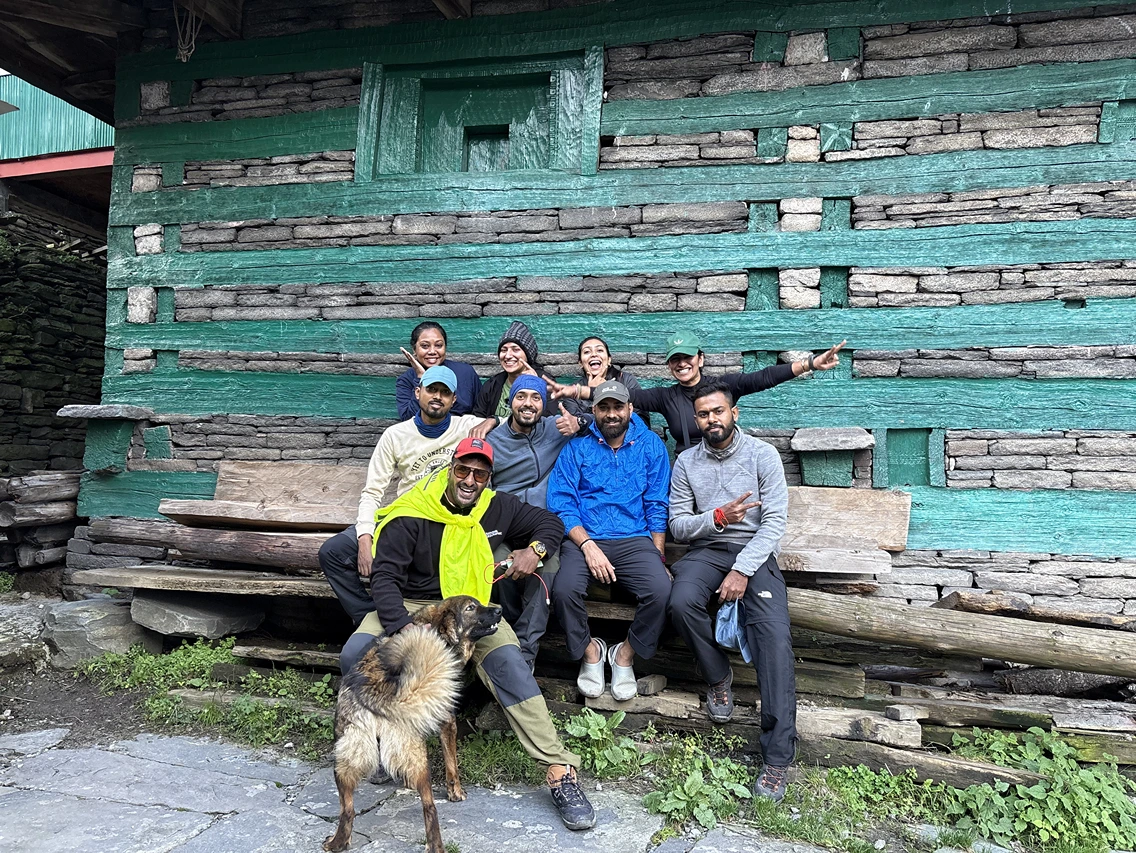
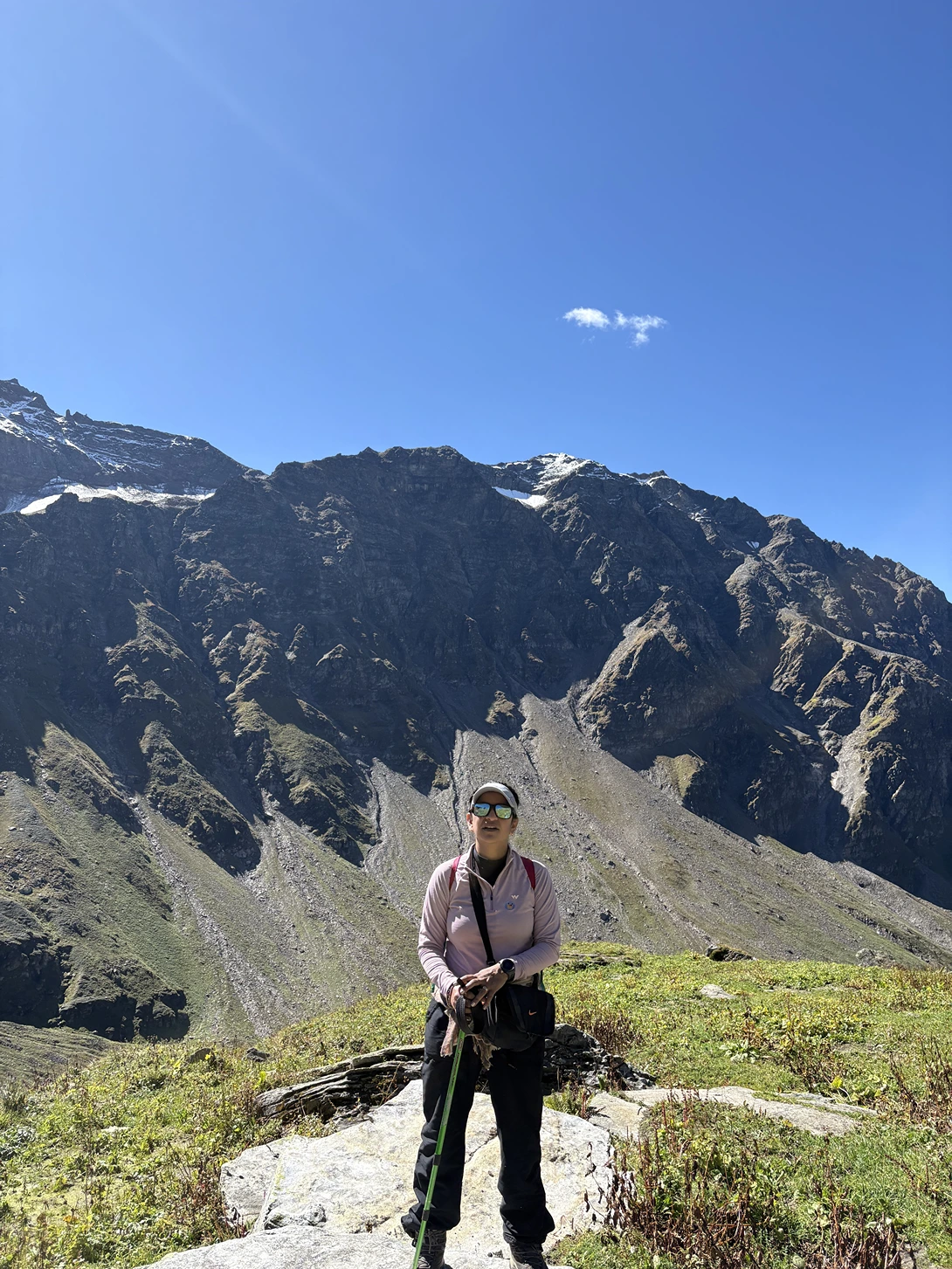
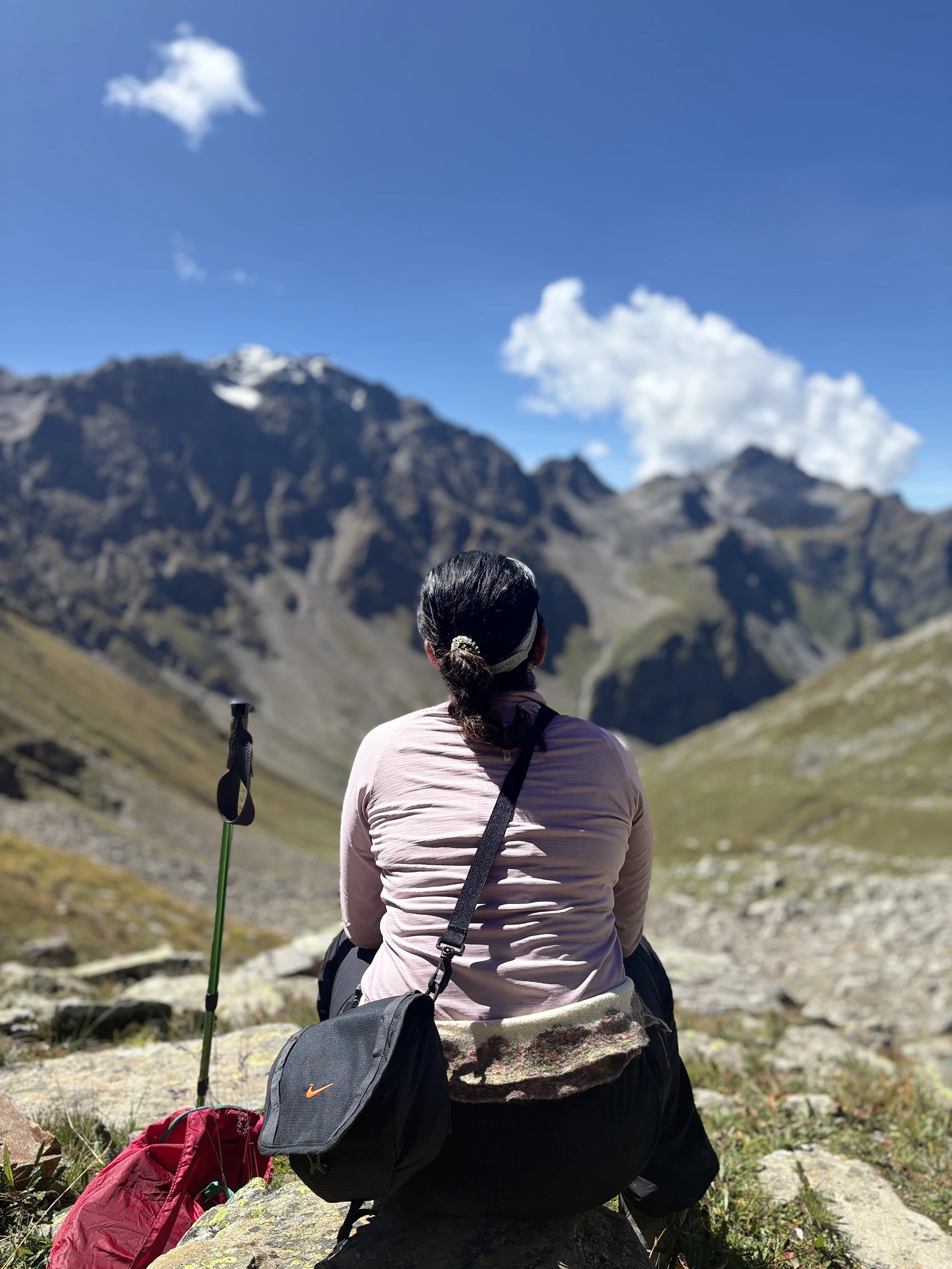
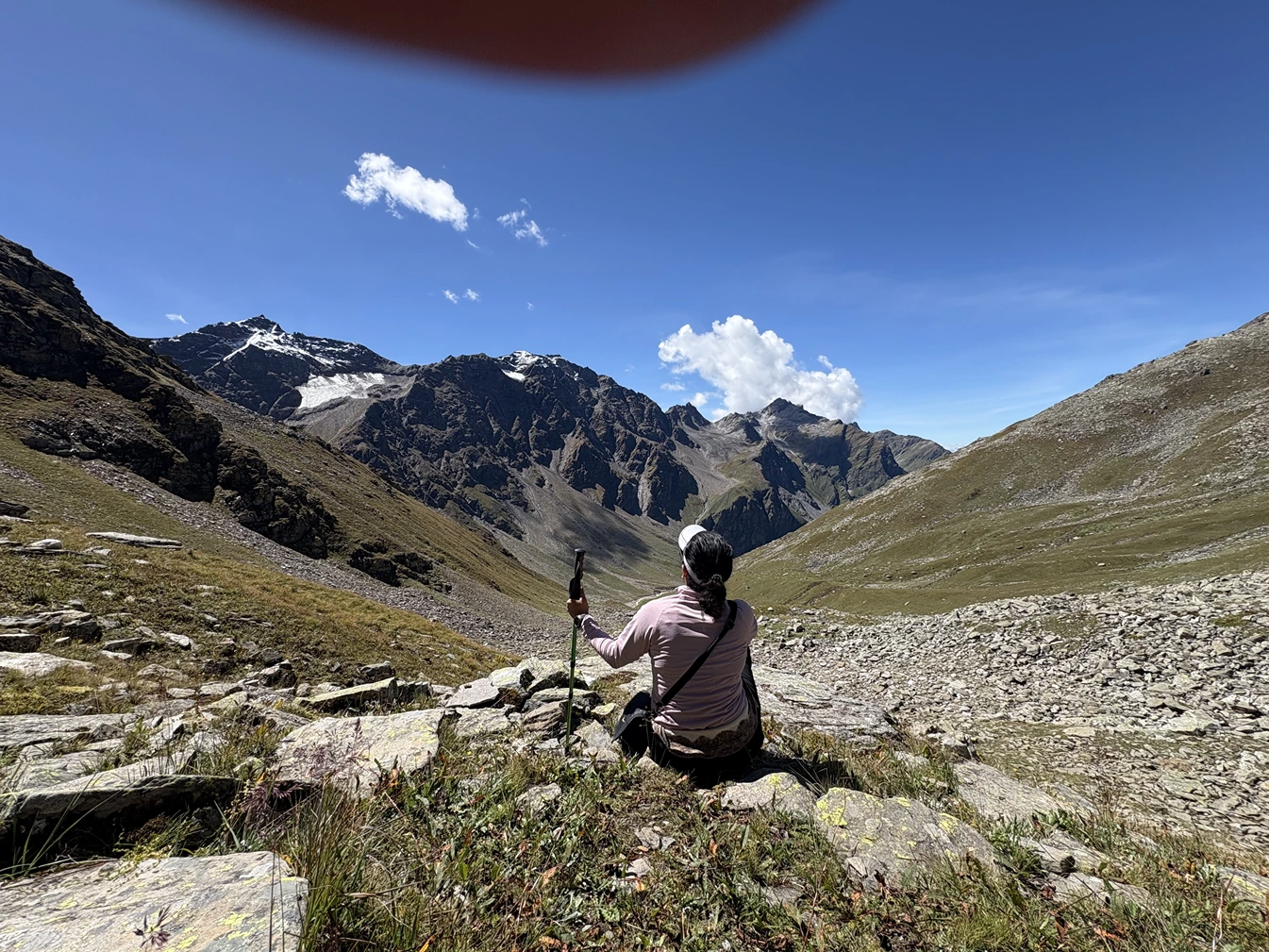
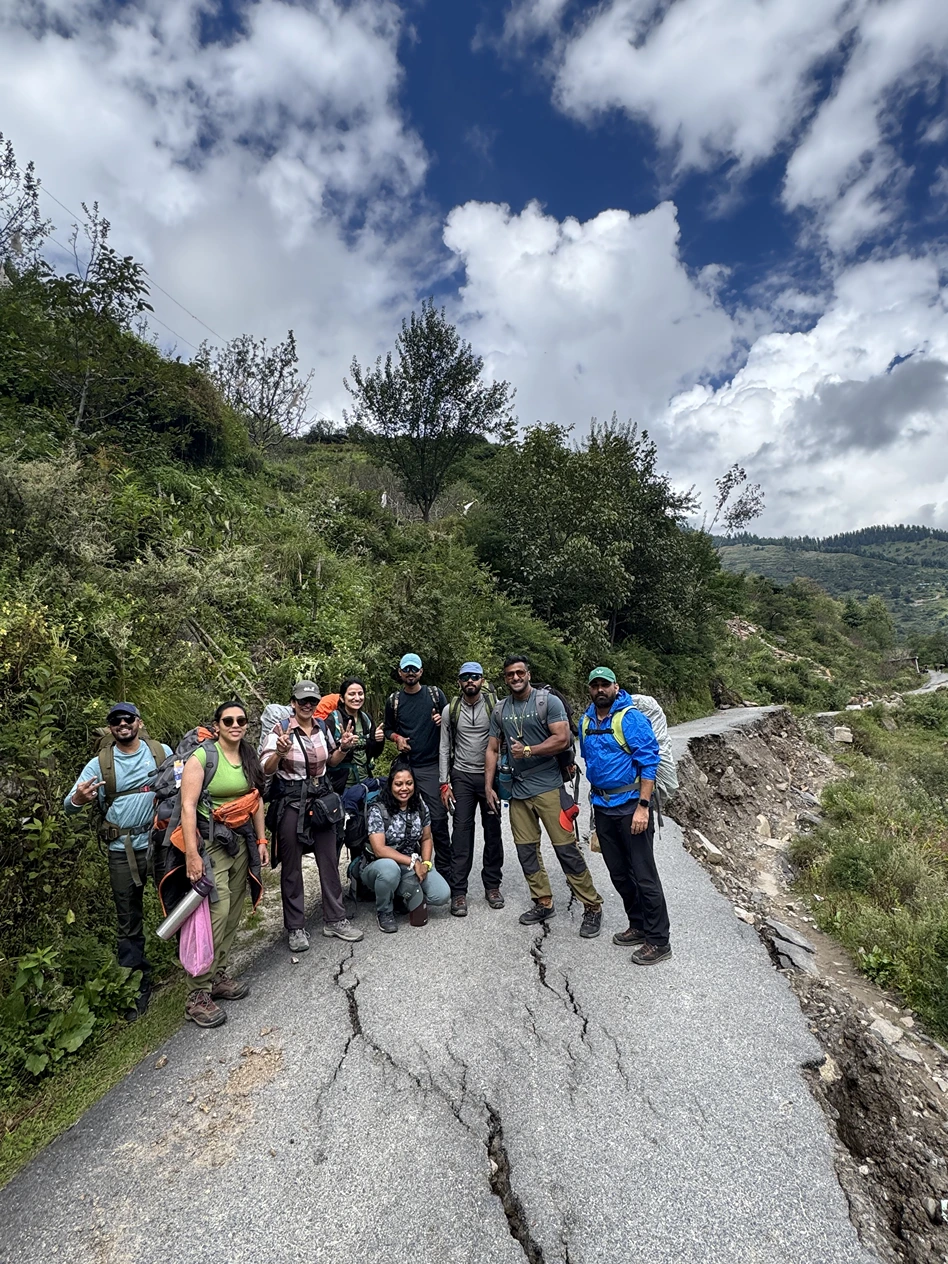
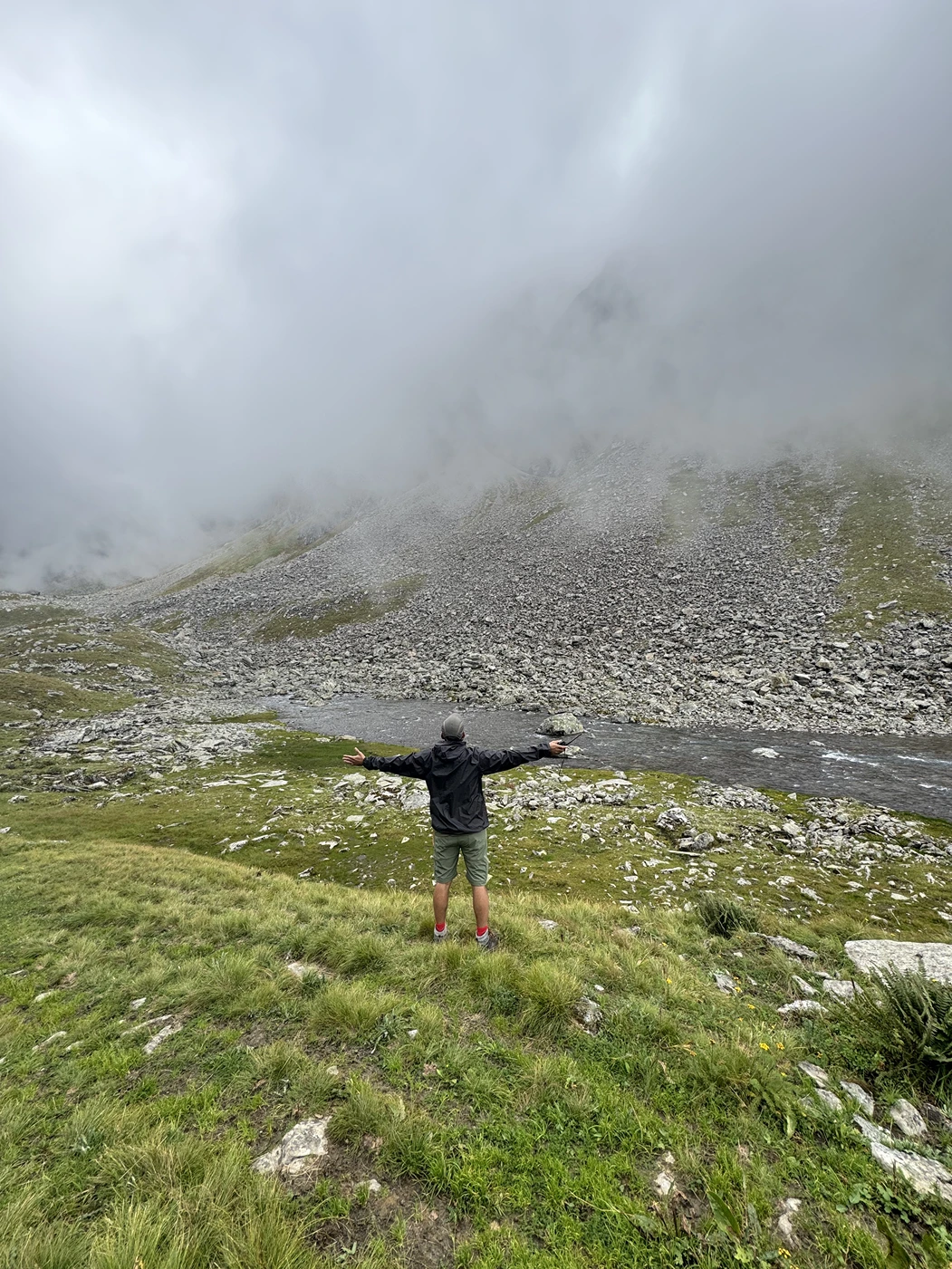
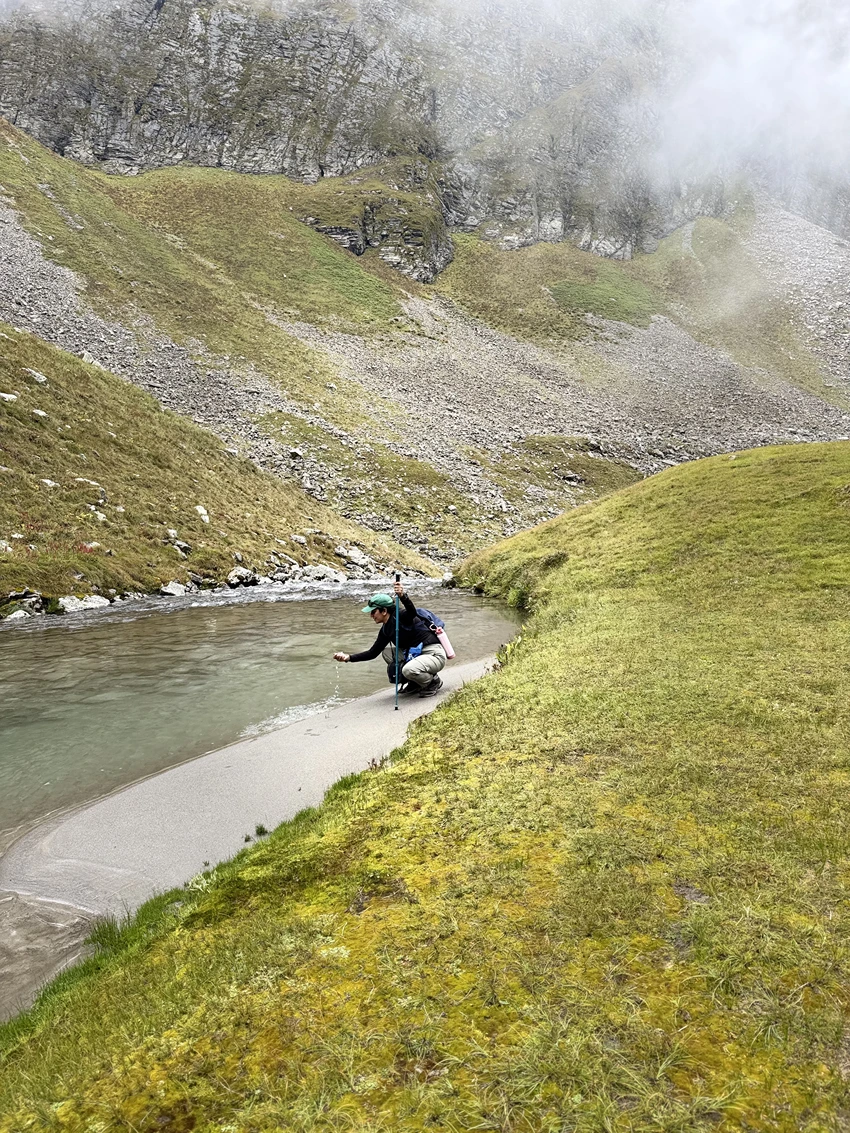
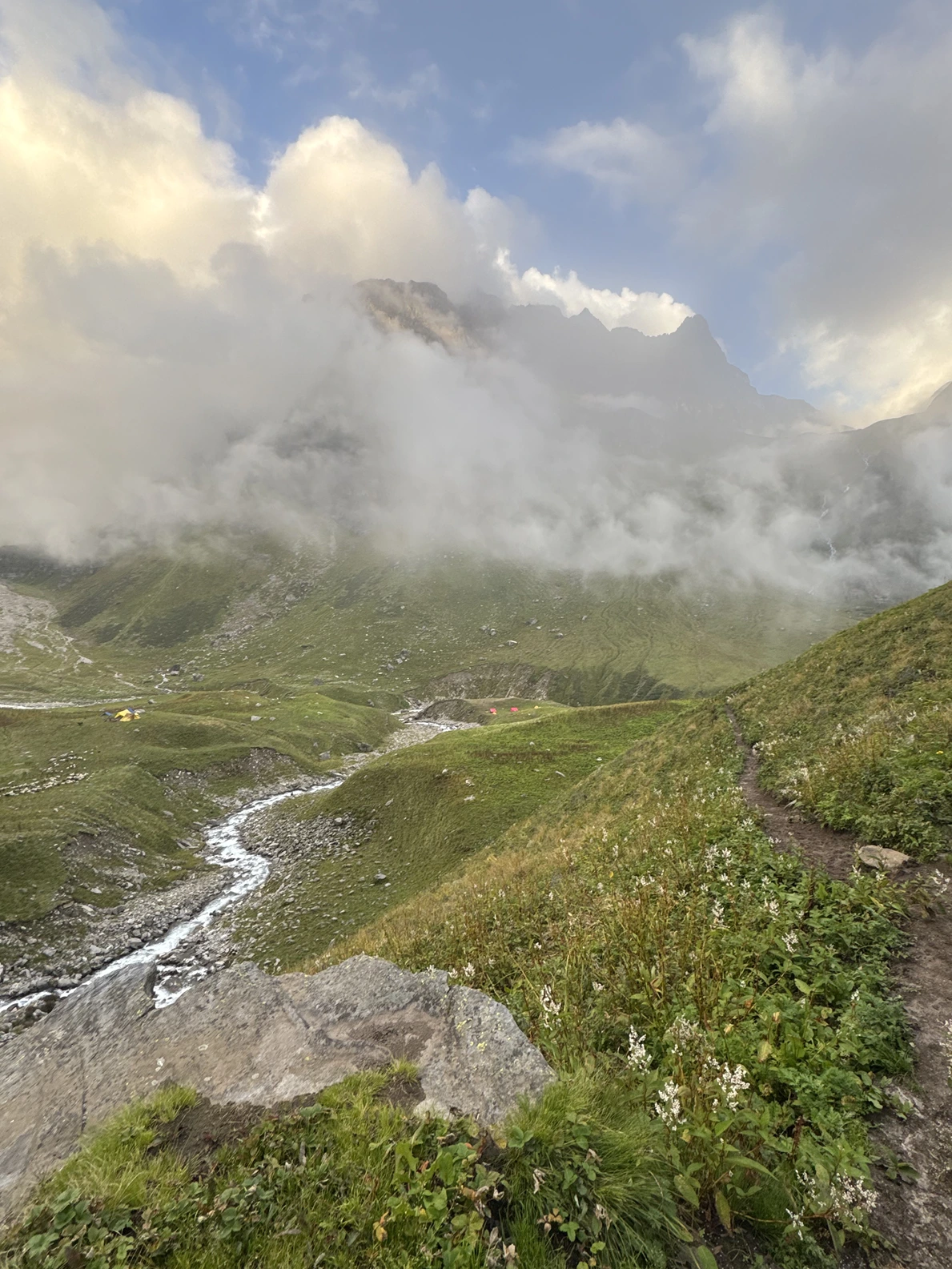
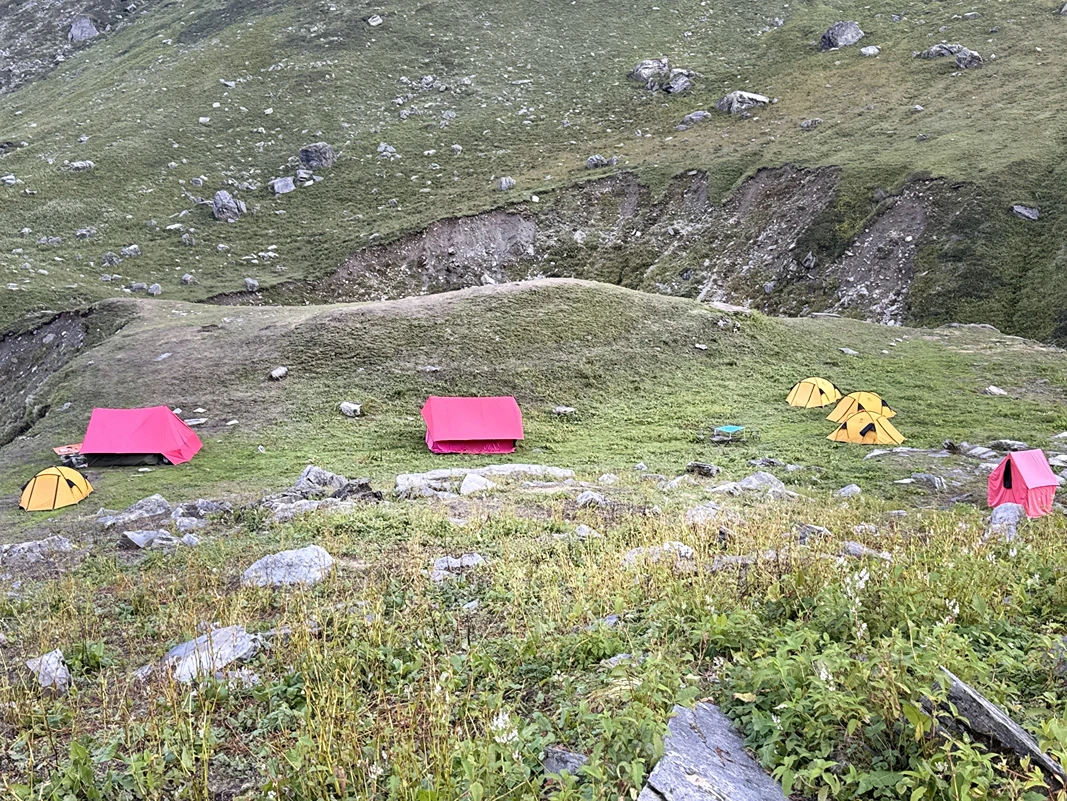
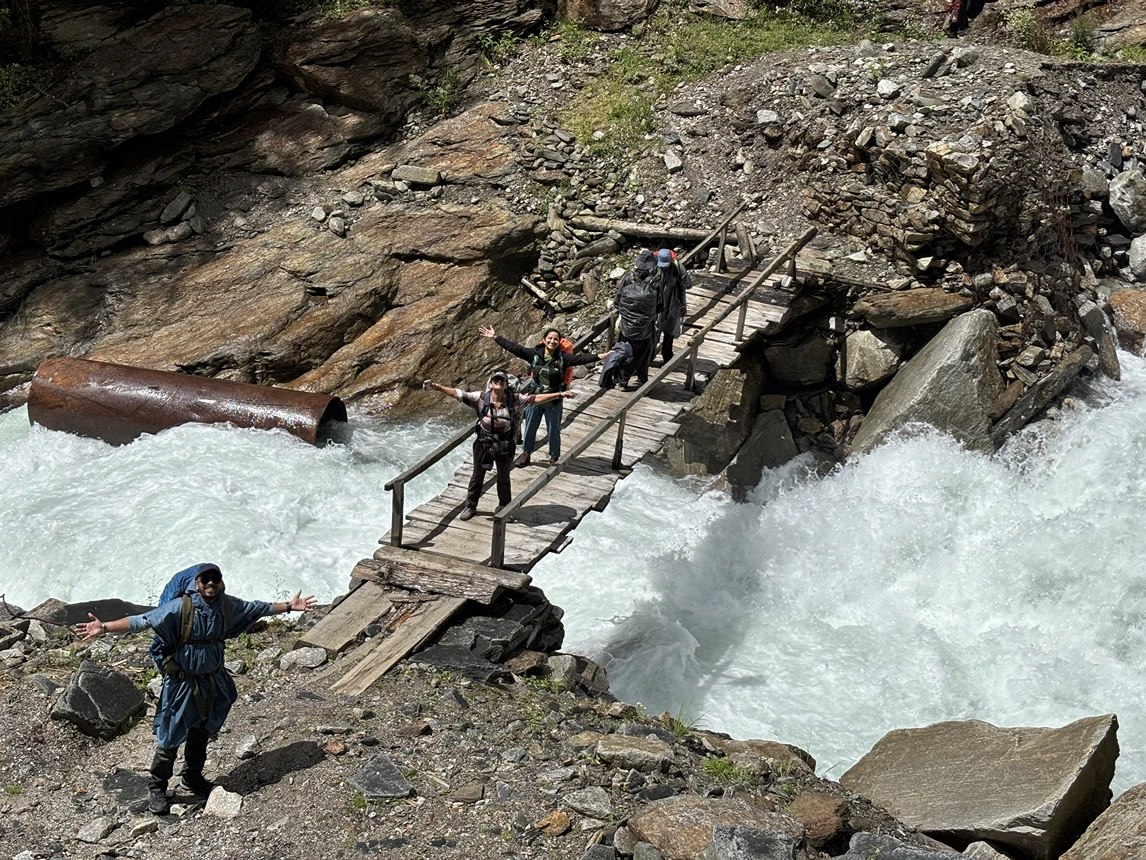
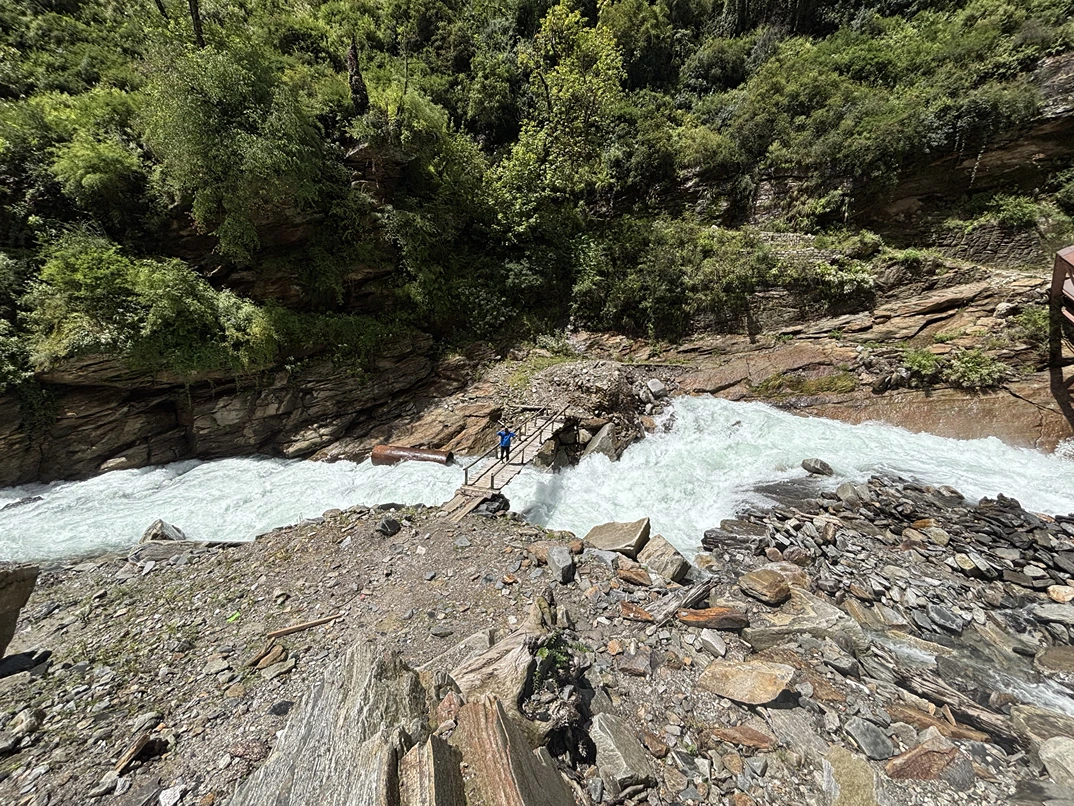
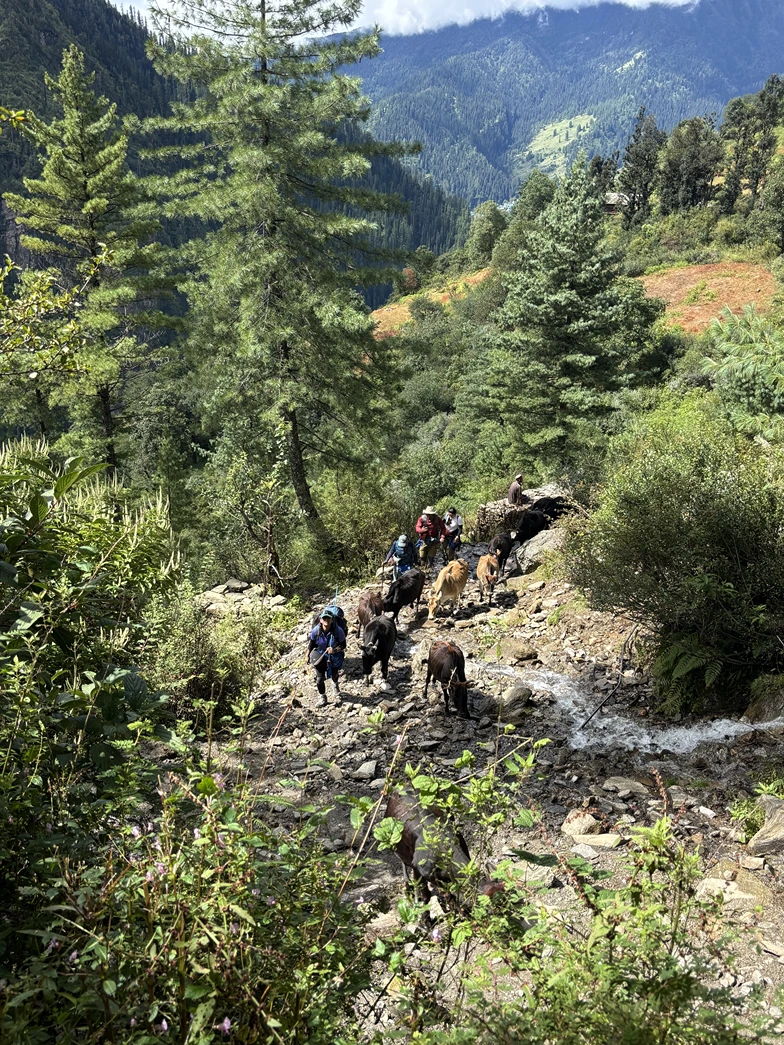
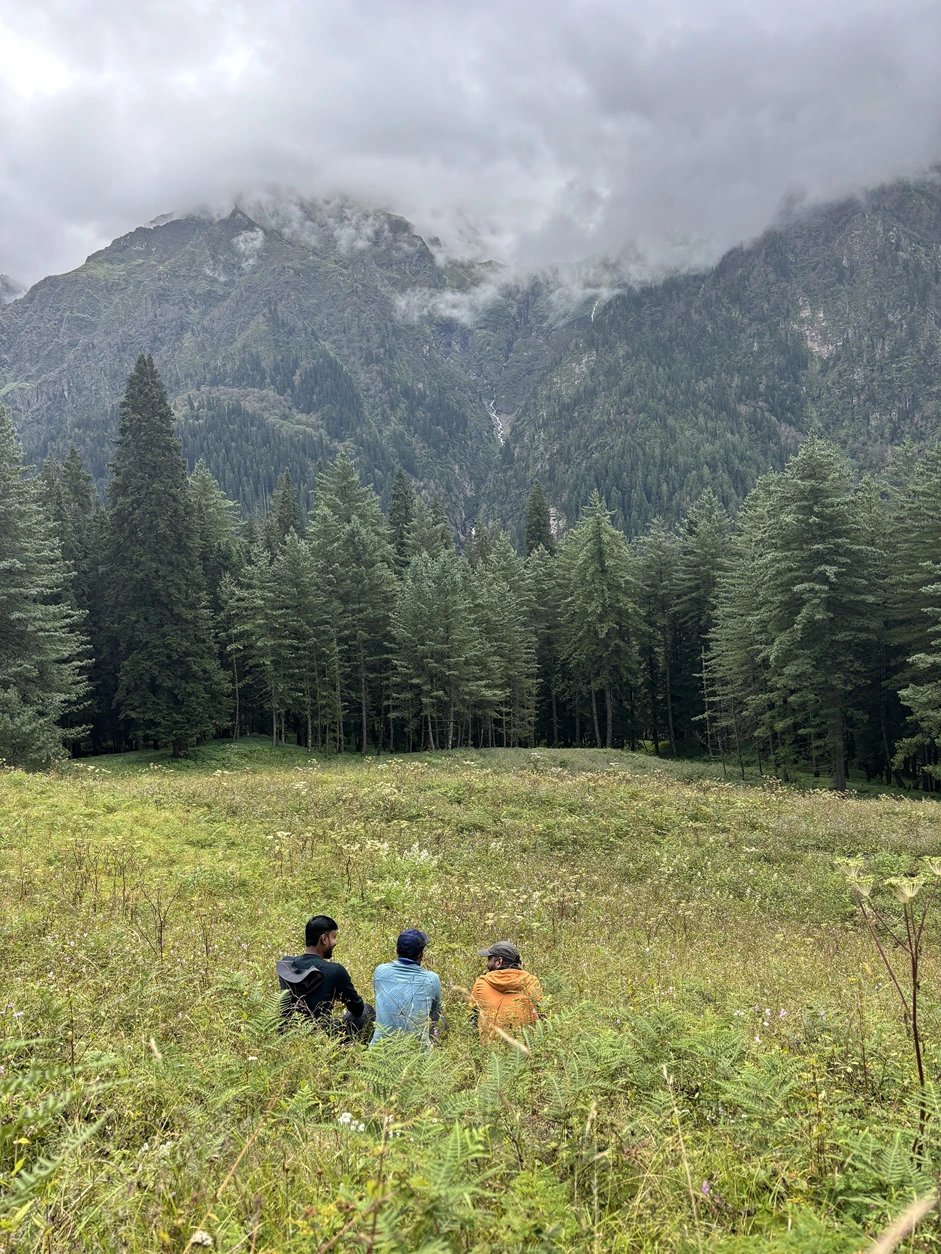
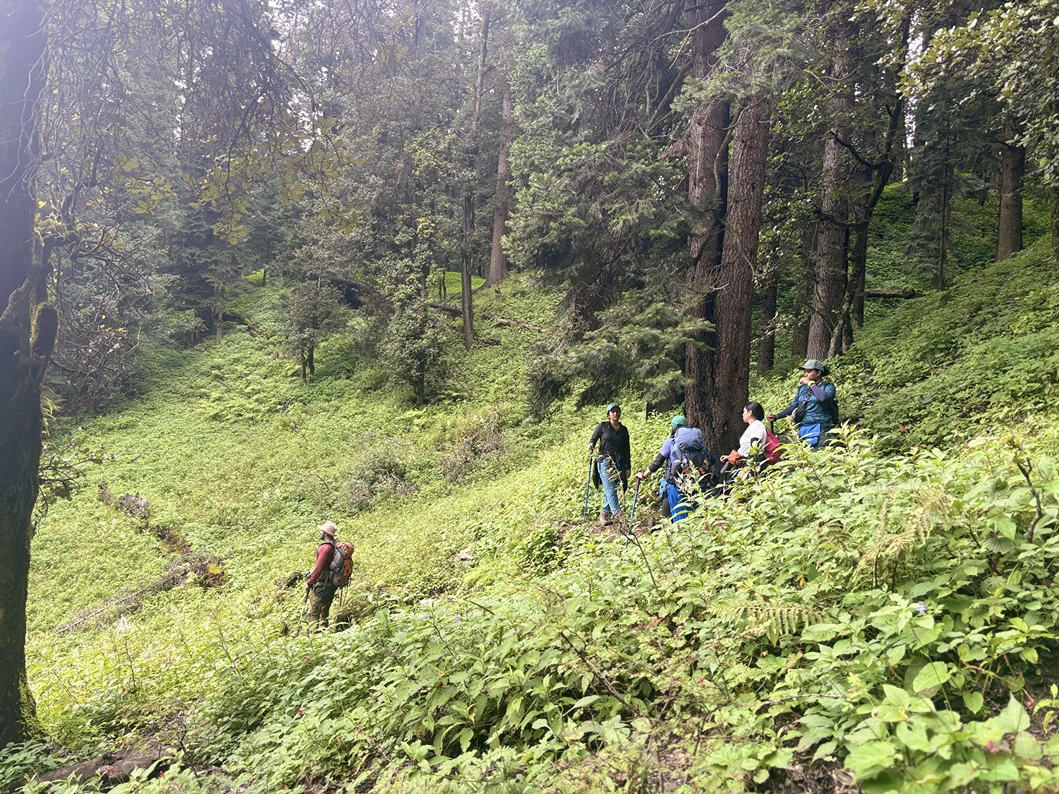
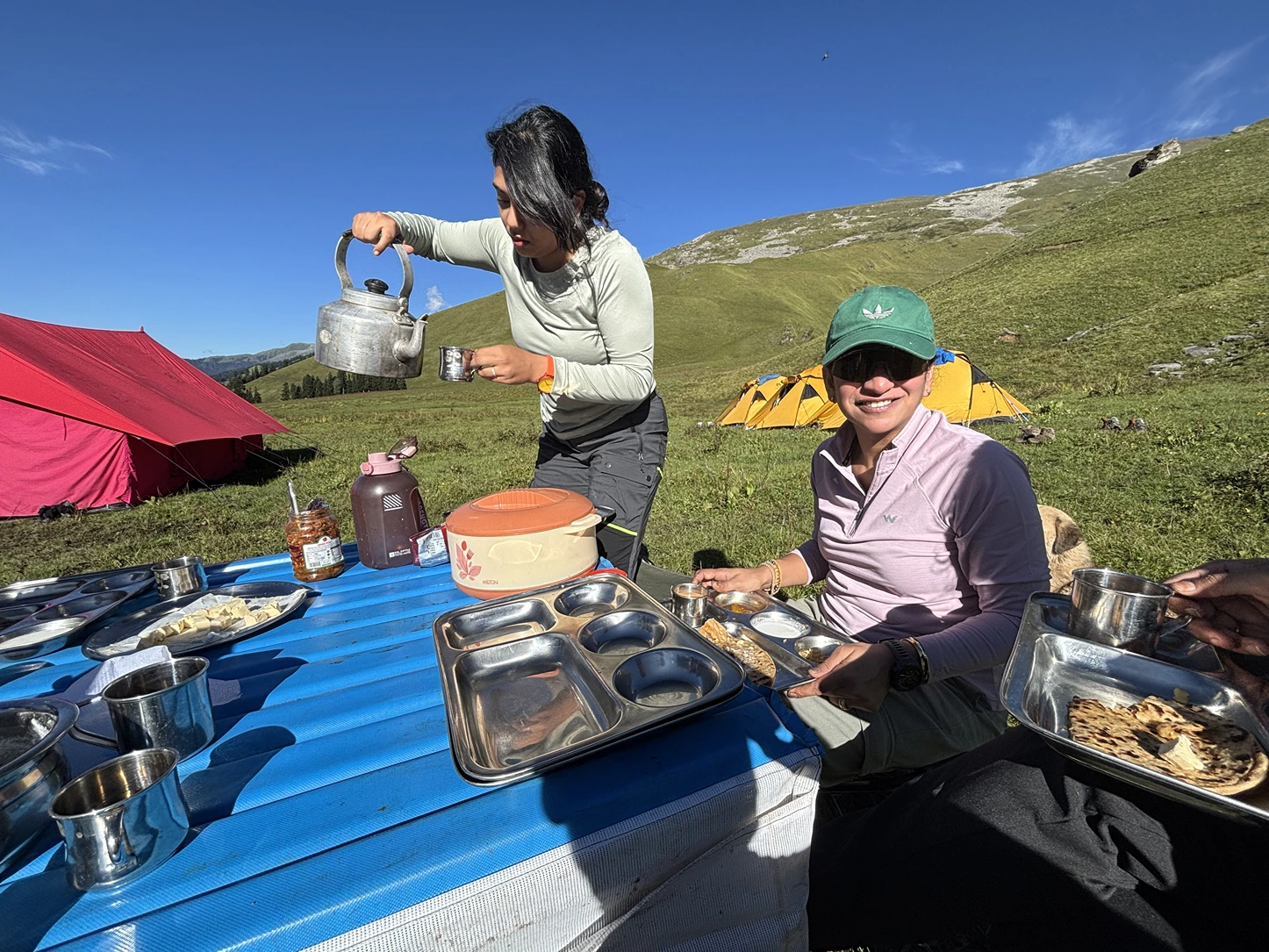
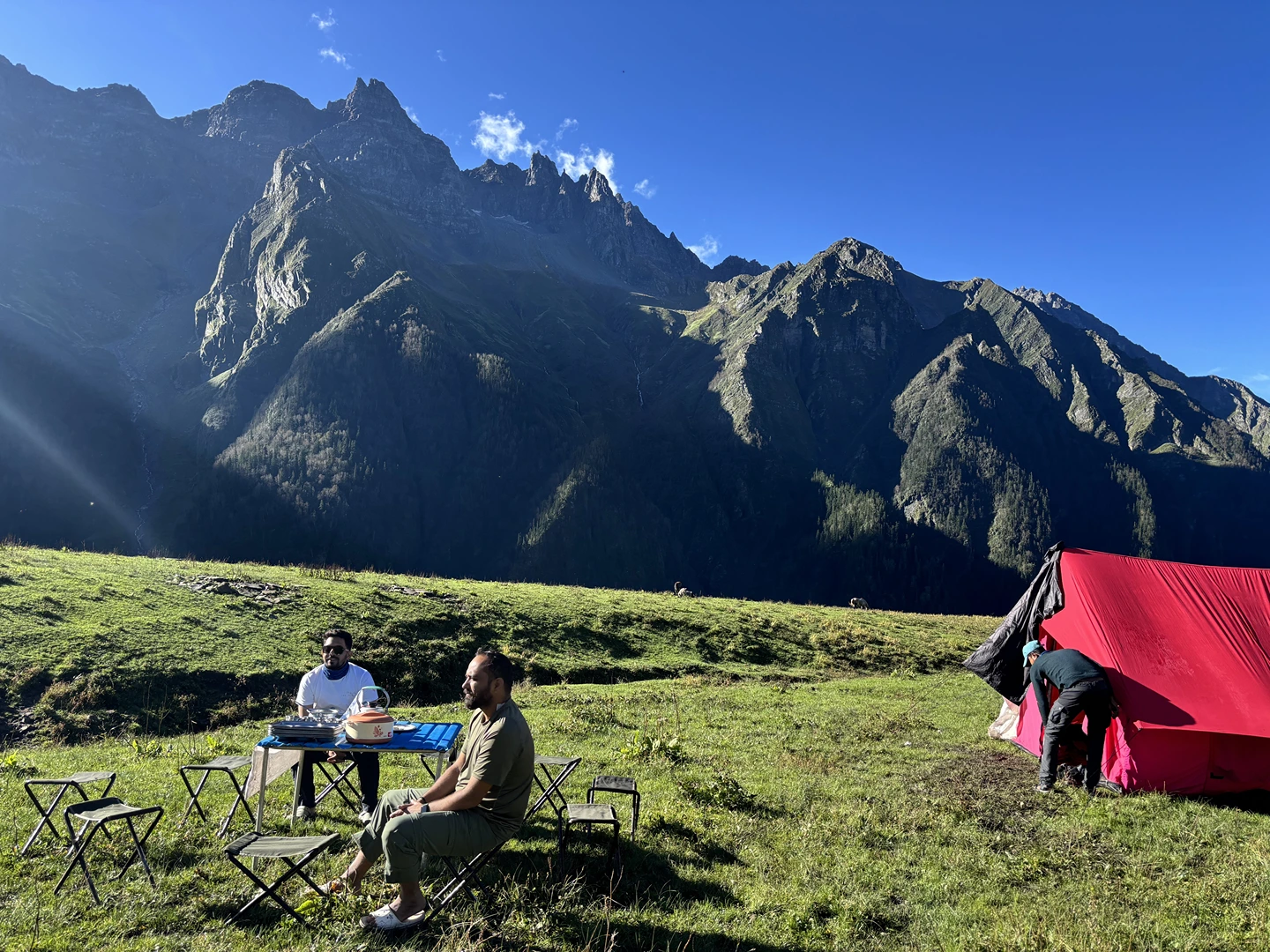
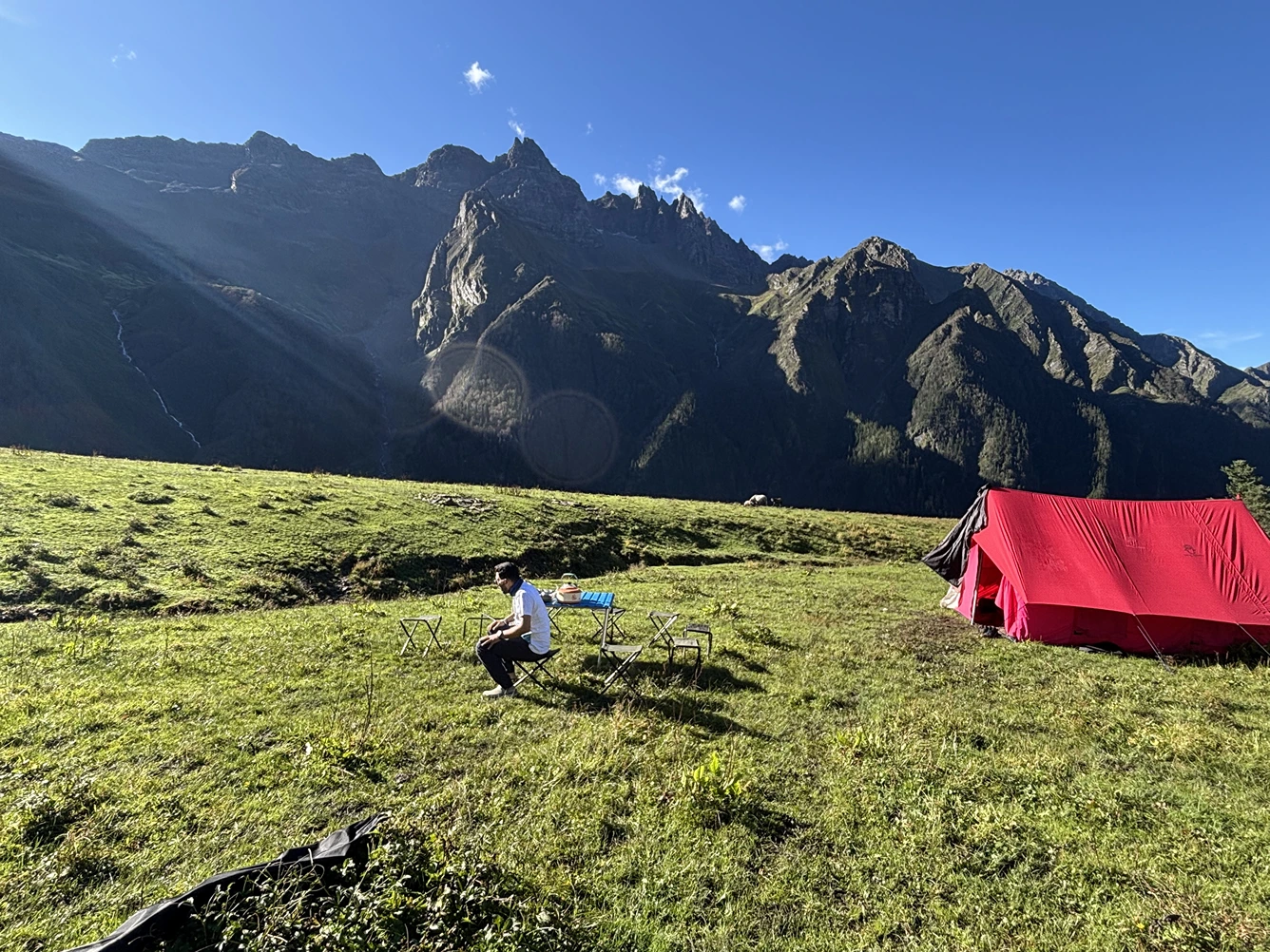
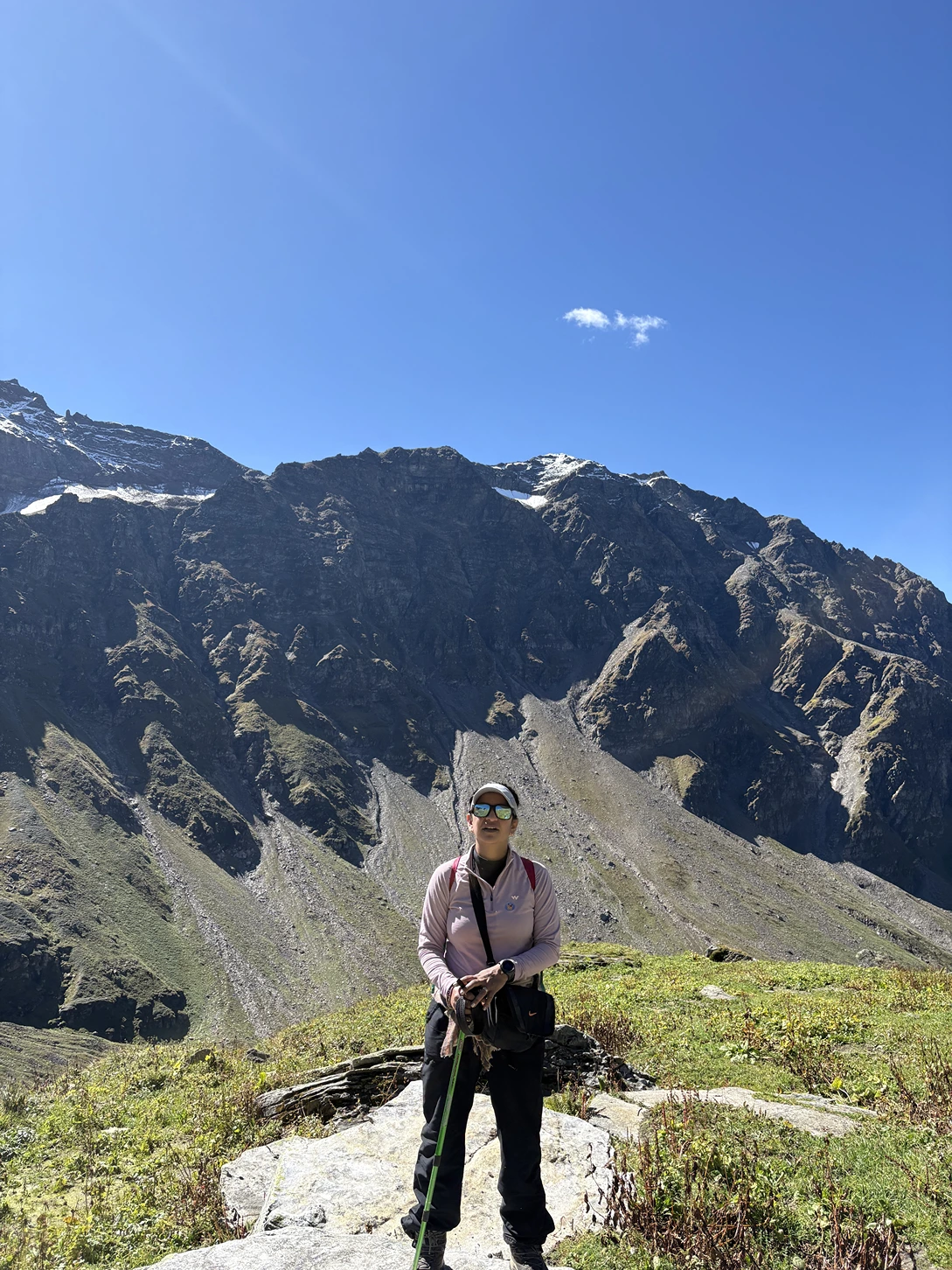
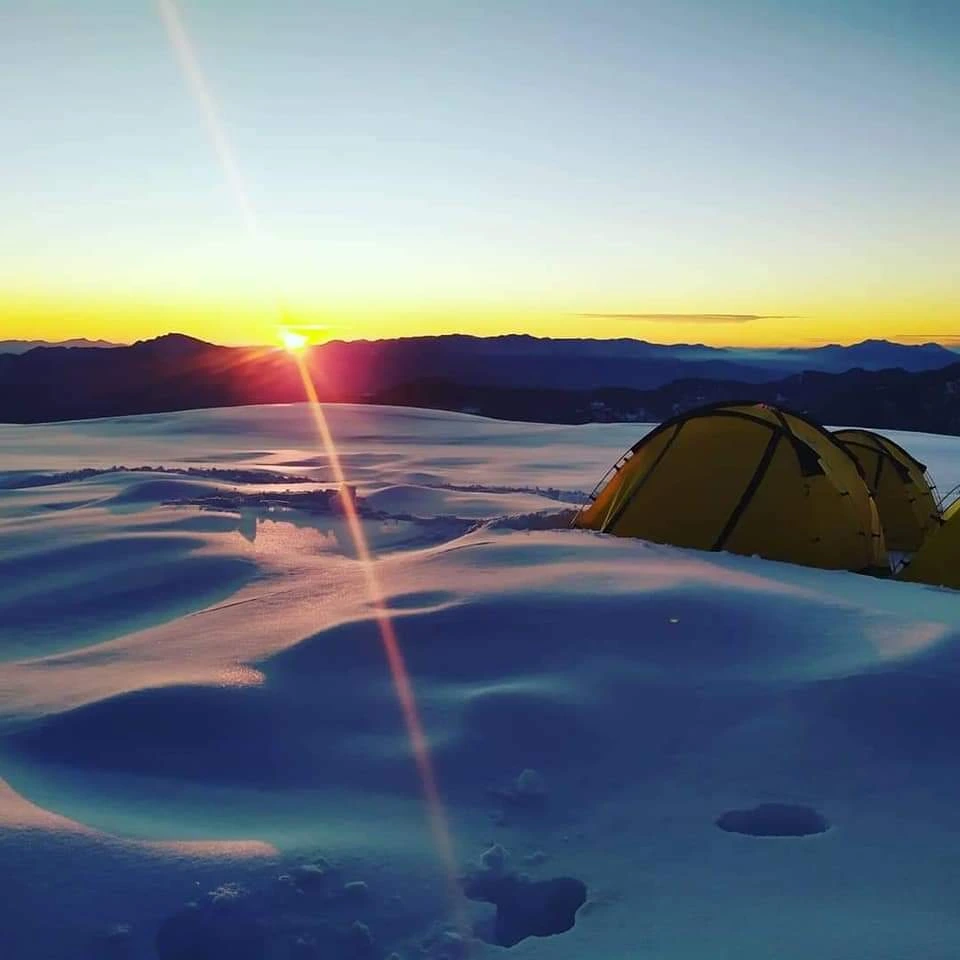
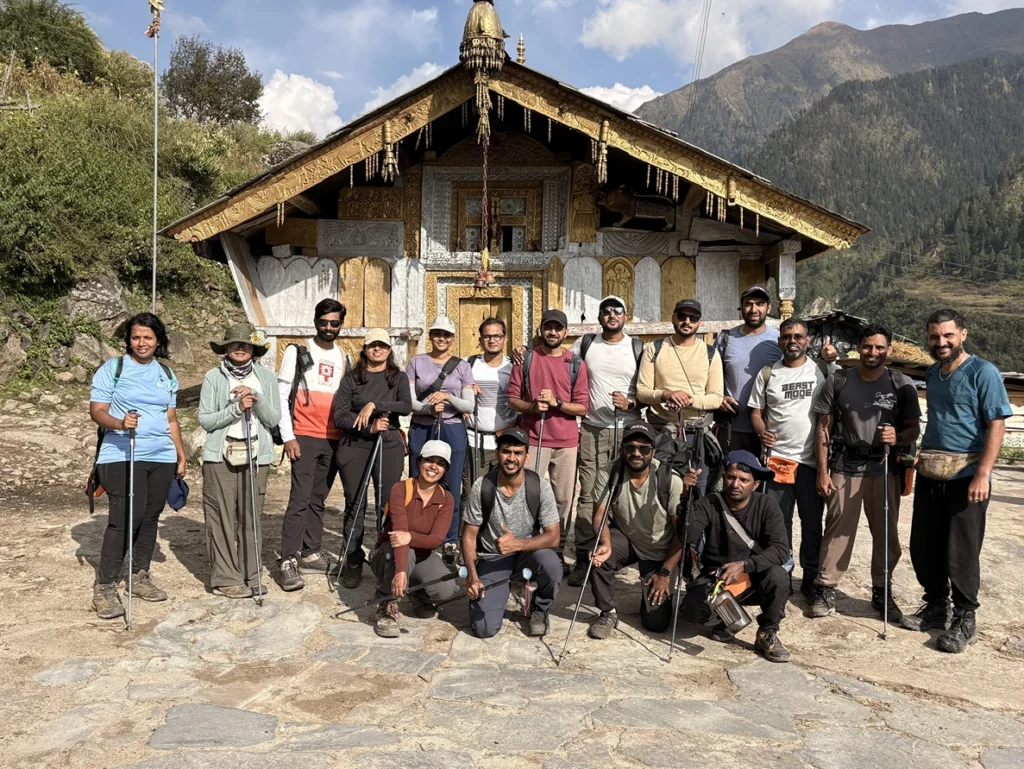
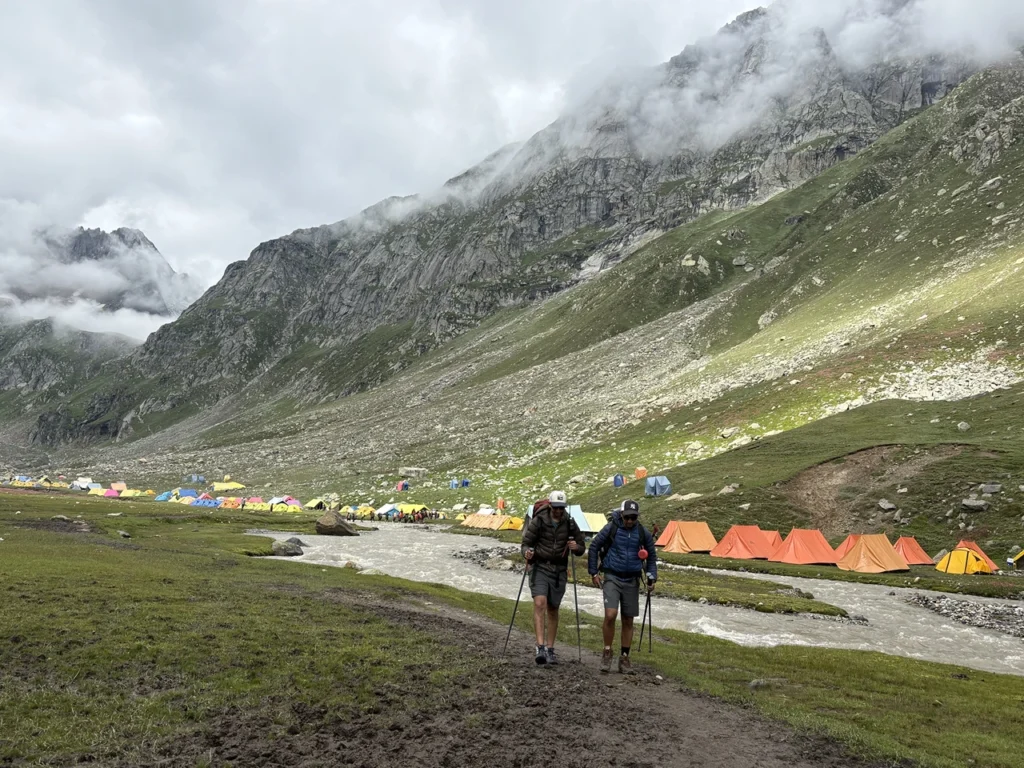
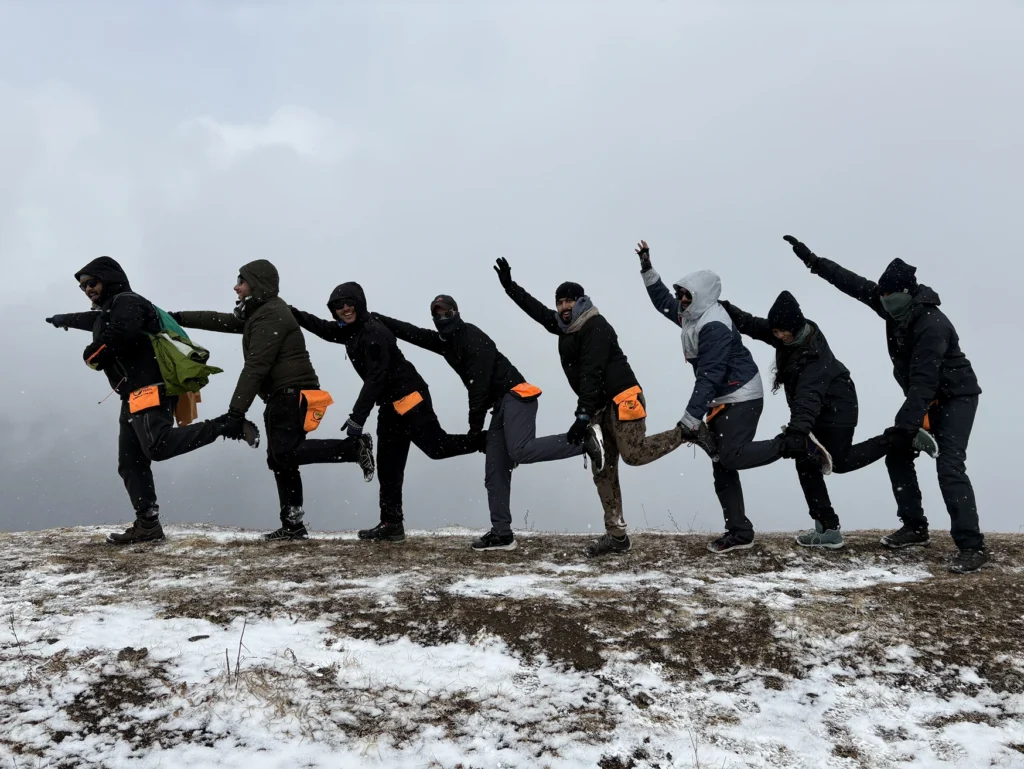
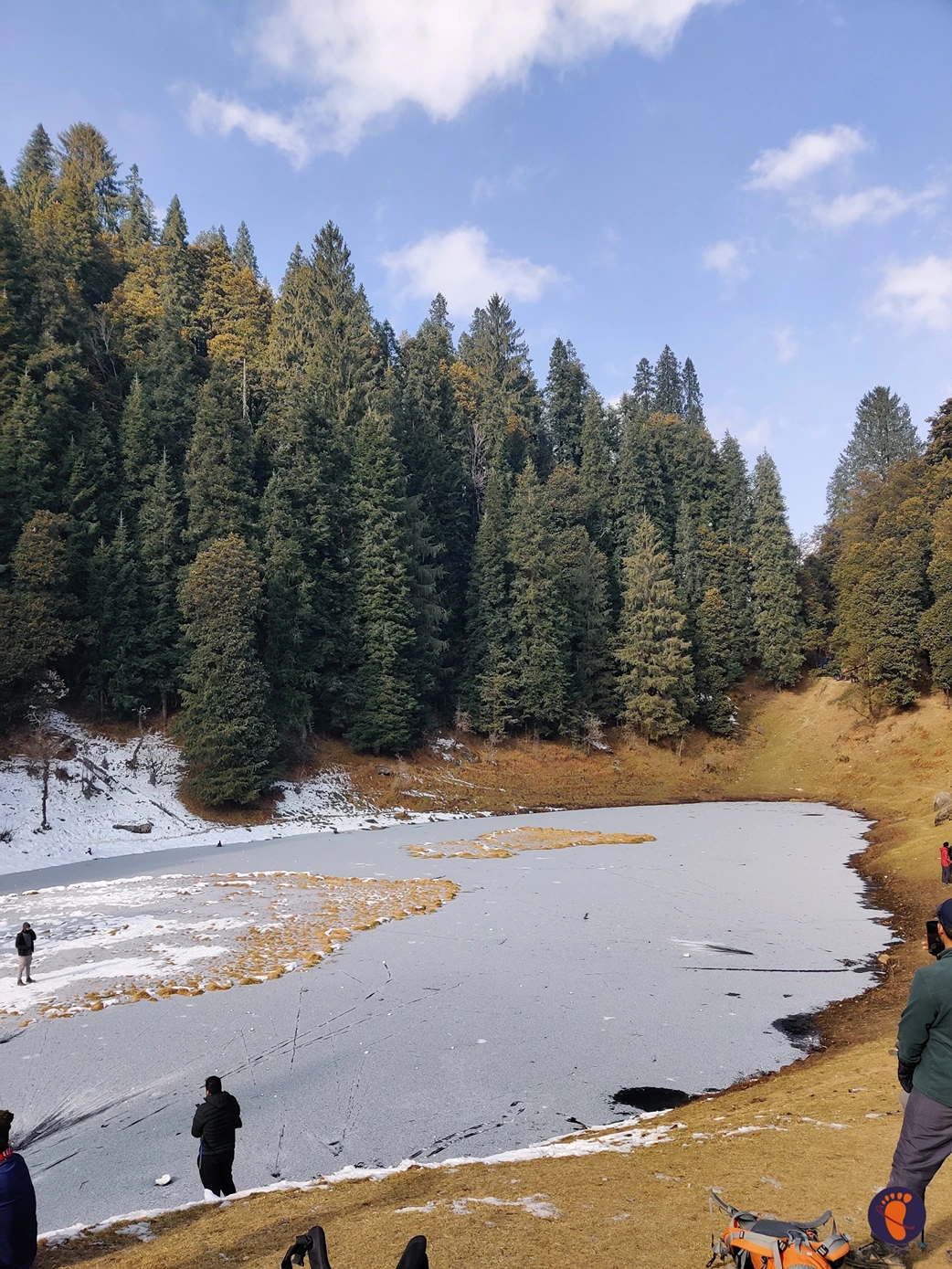
The journey begins early with a long, scenic to 12-hour drive from the meeting hub (Shimla or Dehradun) deep into the Pabbar Valley to the small, elevated village of Janglik (7,500 ft). After a late lunch, the trekking officially begins. This first section is designed to be strenuous—a steep, continuous ascent that tests your cardiovascular fitness immediately. You will climb through deep, dense pine and deodar forests, gaining approximately 3,500 ft of altitude. The reward for this initial effort is the spectacular Dayara Thach (11,000 ft). This massive, sweeping meadow, encircled by towering peaks, offers one of the most beautiful and expansive campsites in the Himalayas. Spending the night here above the tree line provides excellent, gentle acclimatization.
Buran Ghati Trek
- Pick Up: Janglik
- Drop: Janglik
- Location: Janglik
Send an enquiry
Overview
The Passage of Light and Shadow
The Buran Ghati trek is an odyssey of geological extremes, a single, definitive line drawn across the spine of the Greater Himalayas that separates two vastly different worlds. It is the trekker’s ultimate reward for endurance: a traverse that begins in the lush, abundant meadows of the Pabbar Valley and ends abruptly in the stark, semi-arid, monumental landscape of Kinnaur. To walk this route is to witness geography in conversation with itself, moving from a fertile green paradise to a silent, rocky kingdom in a matter of hours.
The journey begins in the dense, forested beauty of Himachal’s Pabbar Valley, where the air is thick with the scent of pine and rhododendron. Here, the landscape is defined by water, culminating at the sacred Chandranahan Lake, the pristine, glacial source of the Pabbar River. The trail winds through meadows of impossible scale, such as Dayara Thach—a sweeping, sun-drenched canvas that transitions from deep green in the summer to golden-yellow in the autumn. This is the nurturing side of the mountain, a fertile cradle preparing the trekker for what lies beyond.
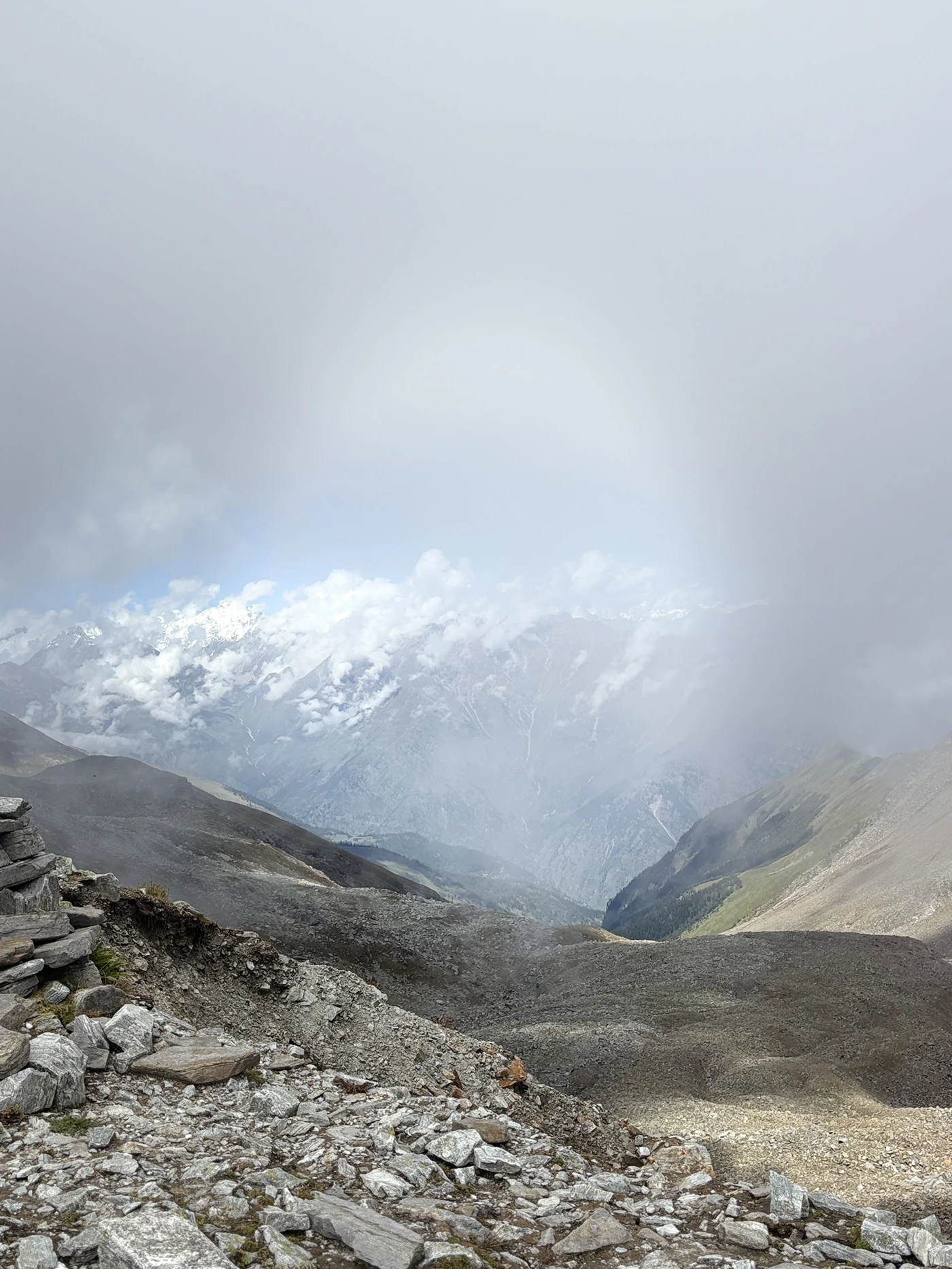
The narrative shifts dramatically on summit day. Climbing to the Buran Ghati Pass, the world becomes glacial, rocky, and exposed. Upon crossing the summit ridge, the view transforms instantly. The gradual slopes of the Pabbar side give way to the sheer, intimidating drop into Kinnaur. The air changes, the greenery vanishes, and you are plunged into the arid zone—a land of massive, dusty peaks and ancient rock formations, hinting at the vast, desolate Tibetan Plateau beyond.
The history of Buran Ghati is steeped in mythology that reinforces its status as a sacred threshold. The name is linked to Bura Dev, a powerful local deity, suggesting that the pass itself is guarded by a divine presence that dictates the weather and the safe passage of travelers. For centuries, this route served as a critical, high-altitude highway for the semi-nomadic Gaddis (shepherds) and ancient traders, moving goods between the upper Pabbar Valley and the remote villages of Kinnaur.
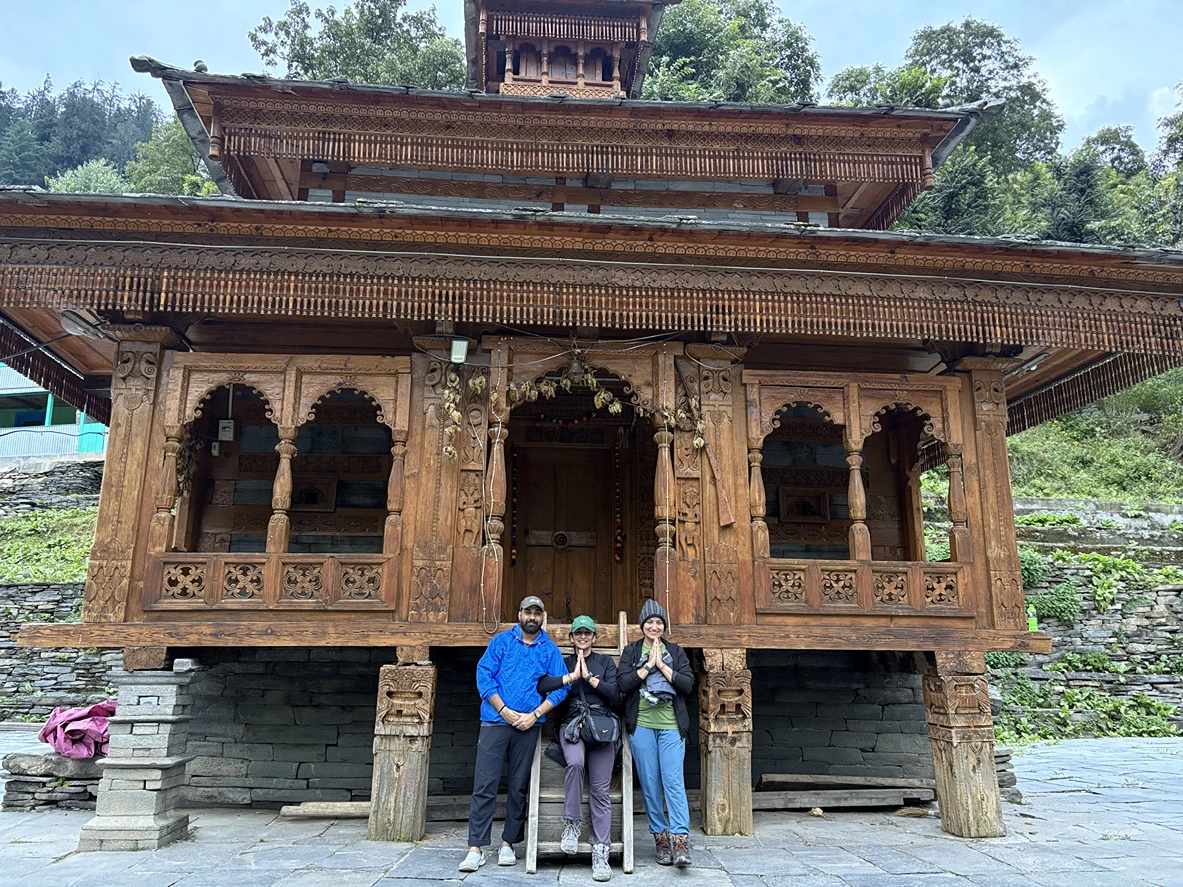
The villages that bookend this passage are treasures of living history. Janglik, the starting village, sits above the clouds, a pocket of Himachali culture. The finale, the village of Barua in Kinnaur, is known for its unique, multi-storied slate and wood architecture—a testament to a way of life perfectly adapted to the dry, cold climate. The entire traverse is less a hike and more a pilgrimage along an ancient, sacred boundary.
What truly hooks a reader is the pass crossing itself. Unlike many high-altitude walks, Buran Ghati demands a moment of courage. Reaching the narrow ridge at , the descent into Kinnaur is often a vertical wall of snow. This is the Plunge. Trekkers are secured with fixed ropes (or perform a thrilling long slide on snow, depending on conditions) to manage the sheer, drop. It is this moment—the technical execution of a dramatic escape from the ridge—that cements Buran Ghati’s reputation as one of the most fulfilling and technically demanding experiences in the Indian Himalayas.
Highlights
Itinerary
Today is one of the most pleasant days, focusing on enjoying the sheer scale of the high-altitude landscape. The 6-hour trek remains above the tree line, winding across the undulating, breathtaking expanse of Dayara Thach. The walk is mostly gradual, following the course of the Pabbar River. You will pass through several smaller, picturesque meadows, eventually arriving at Litham (11,500 ft). Litham sits at the junction of two valleys, one leading toward the Ghati (Pass) and the other leading up to the sacred lake. This campsite is strategically located, offering magnificent views of the snow-clad peaks and setting the stage for the vital acclimatization effort planned for the next day. The air is crisp, and the cold begins to settle in early.
Meals
This is a non-negotiable day dedicated to the “climb high, sleep low” principle, which is essential for tackling the 15,000 ft summit. After an early start, you will trek steeply for 2-3 hours to reach Chandranahan Lake (13,000 ft). This stunning, high-altitude glacial lake is the source of the Pabbar River and is held sacred by the locals. It is surrounded by barren, rocky slopes and often remains partially frozen even in summer. Spending time here allows your body to experience the altitude without the stress of carrying your full pack. After soaking in the pristine atmosphere, you will descend back to the comfort of Litham camp. This movement is the most crucial preparation for your lungs and blood chemistry before the final push.
Meals
Leaving the comparative shelter of Litham, the trek becomes significantly more strenuous and the terrain more austere. The 4-to-5-hour ascent takes you past Dunda to the Upper Camp (13,500 ft), which is the launchpad for the Buran Ghati summit. The trail involves traversing large boulder fields and gaining altitude steadily, with views dominated by the massive, unnamed peaks surrounding the pass. The camp itself is typically cold, exposed, and utilitarian, located high up in the mountains with no vegetation—a place of quiet determination. The Trek Leader will provide a detailed briefing this evening on the technical protocols for the fixed-rope descent, the required gear, and the 3:00 AM wake-up call for the final climb.
Meals
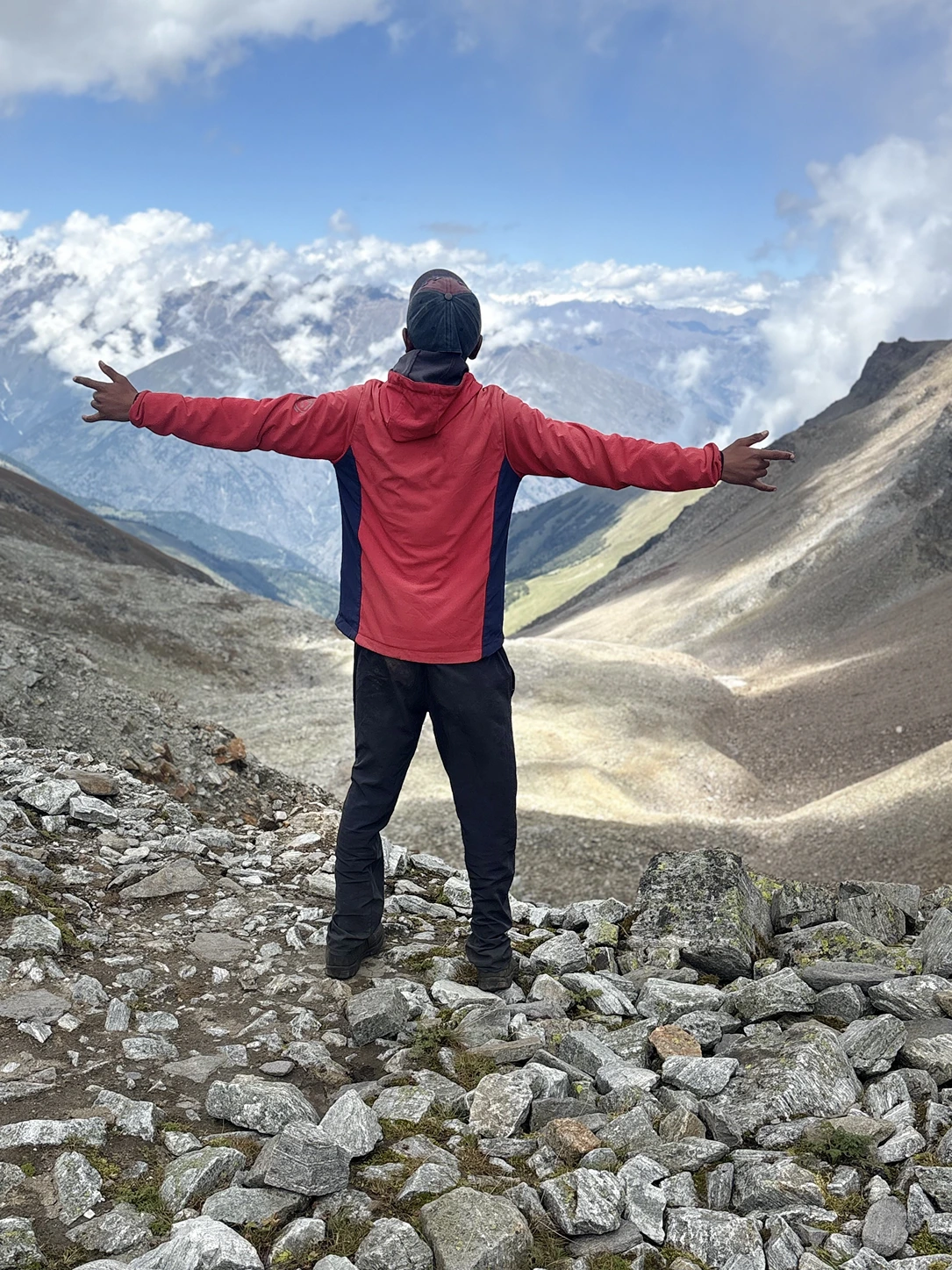
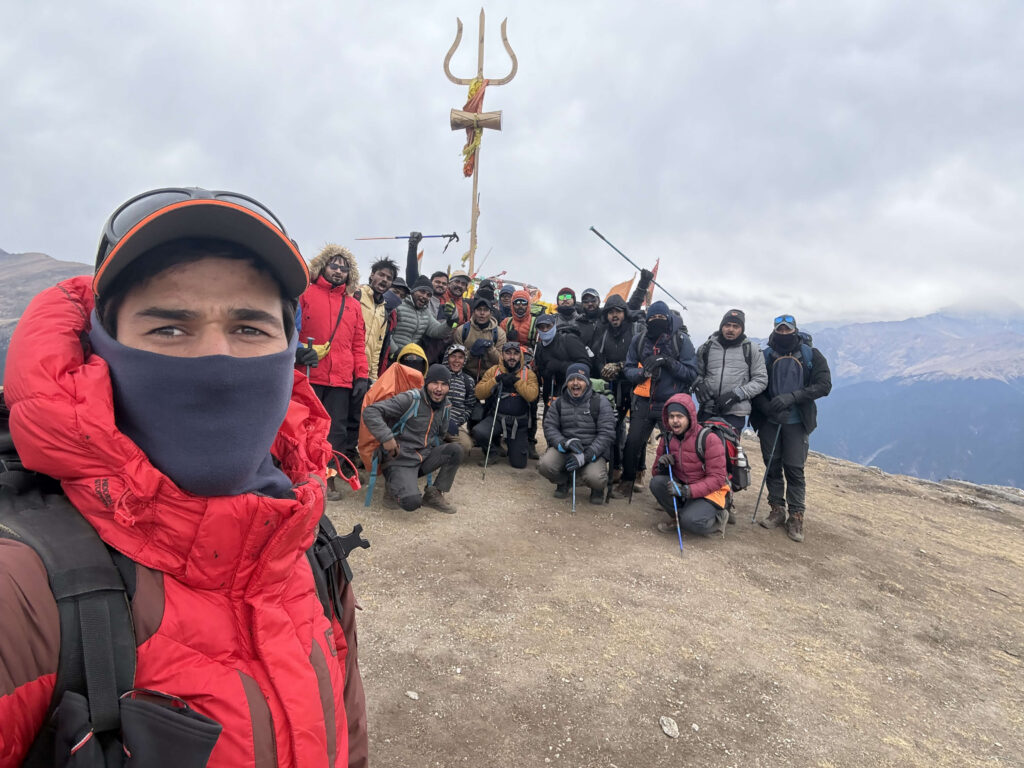
This is the longest, most physically, and technically demanding day—the moment you have trained for. The day begins before dawn (4:00 AM start) as you ascend the steep, rocky slopes leading to the pass ridge. The 3-to-4-hour climb is grueling, often done on snow. Reaching the narrow ridge of Buran Ghati (15,000 ft) offers one of the most dramatic views in the Himalayas: a clear, breathtaking view back into the green Pabbar Valley and an instantaneous, shocking view of the stark, rocky, arid landscape of Kinnaur on the other side.
The descent is the defining moment: the 15,000 ft Plunge. The Kinnaur side drops away almost vertically. Depending on snow conditions, our Trek Leaders will install fixed safety ropes down the 100-200 ft snow wall. You will descend using carefully coached rappelling or controlled sliding/glissading techniques, wearing your micro-spikes and using an ice axe for stability. Once off the wall, the long, careful descent continues down the glacier and into the River Camp (13,000 ft). This entire day is 10 to 12 hours of concentrated effort and technical focus.
Meals
After the high-stakes adrenaline of the pass, Day 6 is a massive, relentless descent—a true test of knee endurance. You begin in the cold, desolate high-altitude desert of Kinnaur, passing through dry, mountainous terrain. The trail eventually leads you down through stunning alpine and mixed forests. This 7-to-8-hour trek sees you shed over 6,000 ft of altitude. The landscape becomes warmer and more habitable as you descend into the Baspa Valley. The journey concludes upon reaching the traditional Barua Village (6,700 ft), known for its unique, multi-storied Kinnauri architecture. The smell of woodsmoke and the sight of cultivation provide immense relief after days in the barren mountains.
Meals
The final day involves a short, gentle walk through the fields and orchards of Barua to the road head. Here, the pre-arranged Crux vehicles will meet the group for the final, long drive out of the remote Kinnaur Valley towards the plains (typically Shimla or Chandigarh). The drive, though long, is scenic, running alongside the fierce Baspa and Sutlej Rivers, giving you time to reflect on your successful traverse of the mighty 15,000 ft Buran Ghati.
Meals
Good to know
Inclusions
-
Expert Leadership: Services of a Certified Trek Leader (WFR/AWFA certified) and specialized local Kinnaur/Pabbar guides.
-
Technical Safety Gear: Provision of all mandatory group safety equipment for the Pass crossing, including fixed ropes, snow anchors, and high-quality snow safety harnesses (if required).
-
High-Altitude Safety: Emergency oxygen cylinder, comprehensive first-aid kit, and daily and pulse rate monitoring at all high camps.
-
Accommodation (6 Nights): High-quality, twin-sharing tents, insulating sleeping mats, and rated sleeping bags.
-
Meals: All nutritional, vegetarian meals from Lunch on Day 1 to Breakfast on Day 7.
-
Internal Transport: Vehicle transfer from the meeting hub (e.g., Shimla) to Janglik (start) and from Barua (end) to the final dispersal point.
-
Permits: All necessary forest entry, camping fees, and inter-state permits.
Exclusions
-
Personal Travel: Airfare, train, or bus fare to reach the designated meeting hub (Shimla) and onward travel from the final dispersal point (e.g., Chandigarh/Delhi).
-
High-Altitude Insurance: Mandatory Personal Medical and Evacuation Insurance covering altitudes up to .
-
Personal Gear: Trekking boots, layered clothing, gloves, and headlamp (can be rented or purchased).
-
Off-Trek Meals/Snacks: Any food or beverages consumed during the road journeys or before Day 1/after Day 7.
Things to Carry
Must cover ears. Essential for retaining body heat.
Crucial for summit day to protect the nose and mouth from cold wind.
MANDATORY. Snow glare is intense and can cause snow blindness. Must be UV protected.
Thermal tops (full sleeve). Must be synthetic or Merino wool. NO COTTON.
Fleece jacket (thick). Your primary source of warmth.
Padded jacket (Polyfill/Down). Heavy, windproof, and water-resistant.
Thermal bottoms (leggings).
Quick-dry, synthetic trekking trousers. Avoid jeans/shorts.
High-ankle, sturdy, waterproof trekking boots with good grip.
3–4 pairs of thick woolen/synthetic trekking socks (for the day) and 2 pairs of dry woolen socks (for sleeping only).
1 pair of woolen/fleece inner gloves and 1 pair of heavy, waterproof outer gloves.
MANDATORY. Carry extra batteries.
Carry a 1-liter bottle and a thermos to keep water from freezing.
Essential for high-altitude UV protection.
Toothbrush, wet wipes, and any personal prescription drugs.
For carrying water, jacket, snacks, and personal items during the trek.
Sleeping Bag, Sleeping Mat, Tents, Crampons, Gaiters, and Trekking Poles (use optional).
How to reach
1. Stage 1: Independent Travel to the Gateway Hub (Shimla)
You are responsible for reaching the designated meeting city, Shimla, Himachal Pradesh, by the required time on Day 1 of your itinerary.
| Travel Goal | Detail | Crux Requirement |
| Meeting Point | Usually the Shimla Old Bus Stand or Victory Tunnel. | Arrive by 6:00 AM on Day 1. |
| Travel from Delhi | Board an overnight AC bus from Delhi (ISBT Kashmiri Gate) or Chandigarh on Day 0 (the day before the trek starts). | Aim for a bus that departs between 6:00 PM and 8:00 PM to guarantee early morning arrival. |
| Train/Air | The nearest major airport/railway is Chandigarh (CDG). From there, take a taxi or bus to Shimla overnight. | Ensure you factor in delays and book a flexible transfer for the early morning arrival. |
2. Stage 2: Mandatory Group Transfer to Janglik
The final journey to Janglik is long, difficult, and included in your trek fee. This 10- to 12-hour road journey is mandatory to do with the group to ensure the entire team arrives together.
- iMeeting the Team: The Crux team will meet the entire group at the designated Shimla meeting point (e.g., bus stand) at 6:00 AM on Day 1. Do not be late, as the vehicles cannot wait.
- iThe Route: The drive takes you deep into the heart of the Pabbar Valley, past towns like Theog and Rohru, following a winding, scenic, but slow mountain road.
- iJanglik Arrival: You will arrive at the remote road-head near Janglik (7,500 ft) late in the afternoon (around 4:00 PM).
- iImmediate Trekking: Upon arrival, you will have a quick snack and begin the initial steep climb to the first campsite at Dayara Thach (11,000 ft) as per the itinerary. The Day 1 trekking starts immediately after the long drive.
Logistical Summary
You must ensure that your independent travel gets you to the Shimla Hub on time. From there, Crux manages the 10-hour transfer to the remote Janglik trailhead.
How to prepare your body and mind for the trek
Your Mind & Body Compass
Buran Ghati is the perfect choice for a first-time wellness trekker, but a reasonable level of fitness is essential to ensure you enjoy the experience, especially given the rapid altitude gain.
Physical Conditioning (8 Weeks Prior):
- iCardiovascular Fitness: Commit to a daily routine of 4-5 kilometers of walking or jogging. Focus on building endurance to comfortably manage the steep sections.
- iStrength and Flexibility: Incorporate basic strength training (squats, planks) and gentle Himalayan-focused stretching to condition the muscles and joints for carrying a backpack.
Mental & Respiratory Conditioning:
- iMastering the Breath: Begin a routine of Pranayama (breathing exercises). Practices like Anulom Vilom (Alternate Nostril Breathing) are vital for improving lung capacity and ensuring a smooth, relaxed acclimatization at high altitude.
- iWeather Readiness: Be prepared for the transformative nature of Himalayan weather. While daytime can be manageable (10°C to 15°C), winter nights are intensely cold, dropping to -4°C or lower. Our high-quality gear is provided to support your journey safely through the cold.
Refund & Cancellation
We aim for clear and fair practices regarding cancellations. We know plans can change, and our policy is designed to balance flexibility for you with the operational needs of running a trek.
If Crux Himalaya Cancels Your Trek
-
If we are forced to cancel a trip for reasons beyond our control (such as natural disasters, route closures, or governmental mandates), you will receive a Trek Voucher. This voucher is valid for one year and can be applied toward the original trek or any other available trek.
-
If the cost of the new trek is higher, you must pay the difference. If the cost of the new trek is lower, we will refund the surplus amount.
-
If the cancellation is due to insufficient bookings (fewer than three participants), you will receive a full monetary refund.
If You Cancel Your Trek
| Cancellation Window | Refund | Notes |
|---|---|---|
| More than 30 days prior to the trek start date | 100% refund | Full refund of trek fee |
| Between 15 and 30 days prior to the trek start date | 50% refund | Balance forfeited |
| Within 1 to 15 days prior to the trek start date | No refund | Pre-booked logistics; refund not applicable |
30+ days before trek start
Full refund of trek fee
15–30 days before trek
Balance forfeited
1–15 days before trek
Refund not applicable
FAQs
The maximum altitude is () at the Pass summit. It is graded as Difficult/Challenging. The difficulty comes from the sustained effort over days and the technical nature of the Pass crossing itself.
Buran Ghati is famous for its steep, near-vertical descent on the Kinnaur side, often involving a snow wall of . We mitigate this risk by installing fixed safety ropes, making it a controlled, technical maneuver rather than a free climb. You are coached to use the line with specialized gear.
Prior high-altitude trekking experience (above ) is strongly recommended. This trek is not suitable for absolute beginners due to the height, the long duration, and the required technical focus on Summit Day.
The trek starts near Janglik Village in the Pabbar Valley (Himachal Pradesh) and ends at Barua Village in the remote Kinnaur Valley (Uttarakhand). It is a point-to-point traverse—you don’t return the same way.
The road journey from the meeting point in Shimla to Janglik is long, typically taking to hours. The trekking portion of Day 1 starts immediately upon arrival at Janglik in the late afternoon.
The trek is defined by the contrast: the Pabbar side (Janglik) is characterized by lush forests, wide green meadows (Dayara Thach), and abundant water. The Kinnaur side (Barua) is arid, stark, and defined by massive, rocky, towering mountains and traditional Himachali architecture. Crossing the Pass is a visual transformation.
Our itinerary includes a crucial acclimatization day at Litham (Day 3), where we hike up to the sacred Chandranahan Lake () and return to the lower camp. We also spend multiple consecutive nights above to ensure slow, steady acclimatization.
We enforce a -liter daily hydration minimum and conduct mandatory checks at all high-altitude camps. If a trekker shows signs of AMS, the Trek Leader will order immediate descent; this decision is final for your safety.
We carry an emergency oxygen cylinder and a portable stretcher. Since the trek is a traverse, we have pre-arranged vehicle access and contingency plans on both the Pabbar and Kinnaur sides for the fastest possible controlled descent and evacuation.
The primary seasons are Mid-May to Late June (for maximum snow and the spectacular fixed-rope descent) and Mid-September to Mid-October (for clearer weather and less deep, but potentially rockier, snow). July and August are generally avoided due to monsoon risks.
You absolutely need high-ankle, waterproof trekking boots, thick waterproof gloves, and gaiters. We provide the technical gear (micro-spikes, ice axe, safety ropes) required for the descent.
- Pick Up: Janglik
- Drop: Janglik
- Location: Janglik