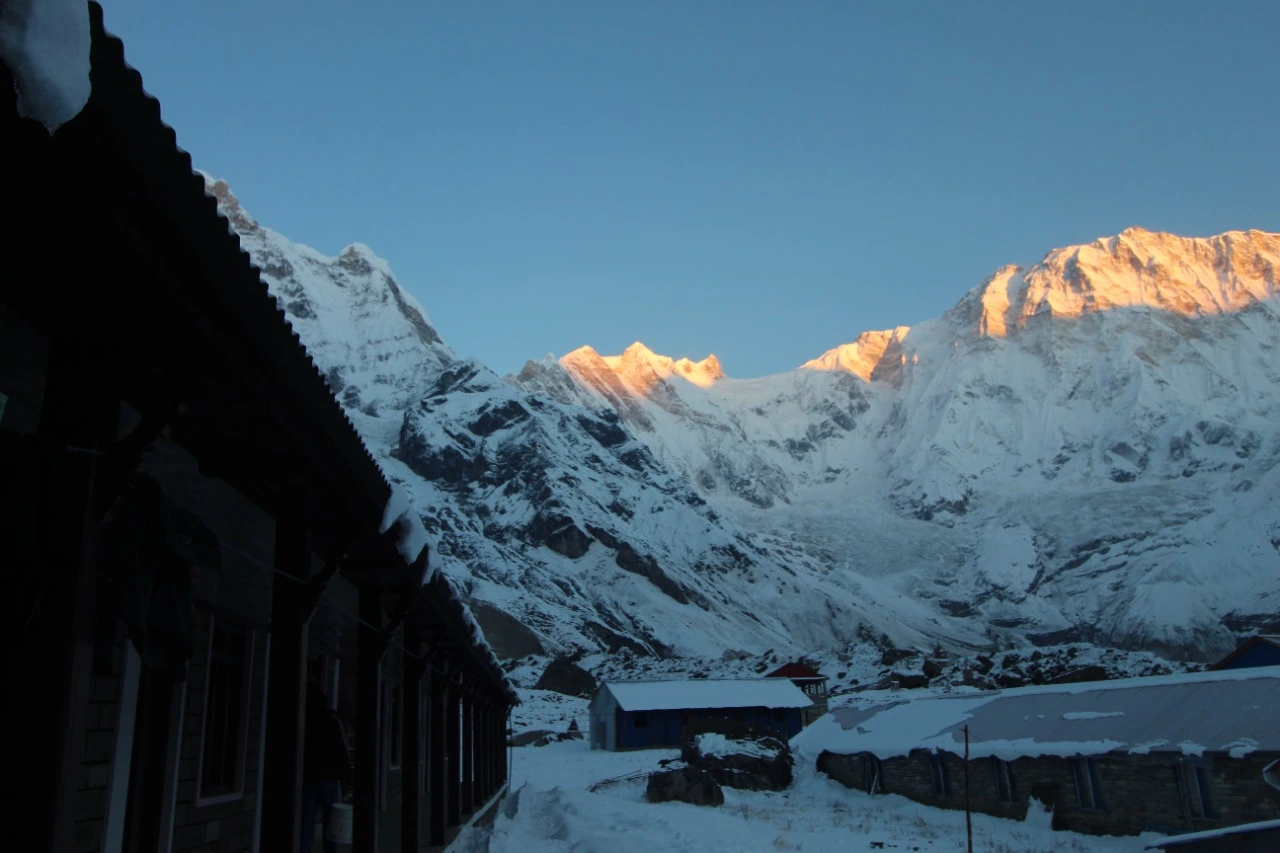
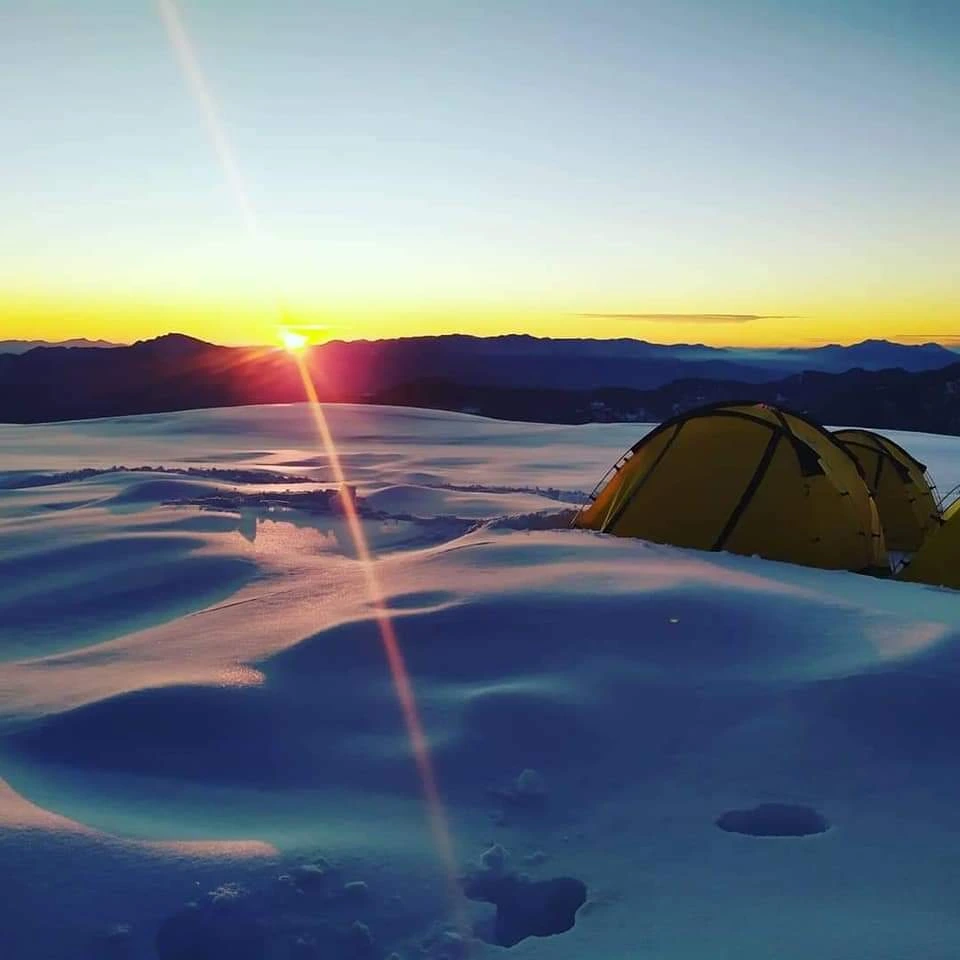
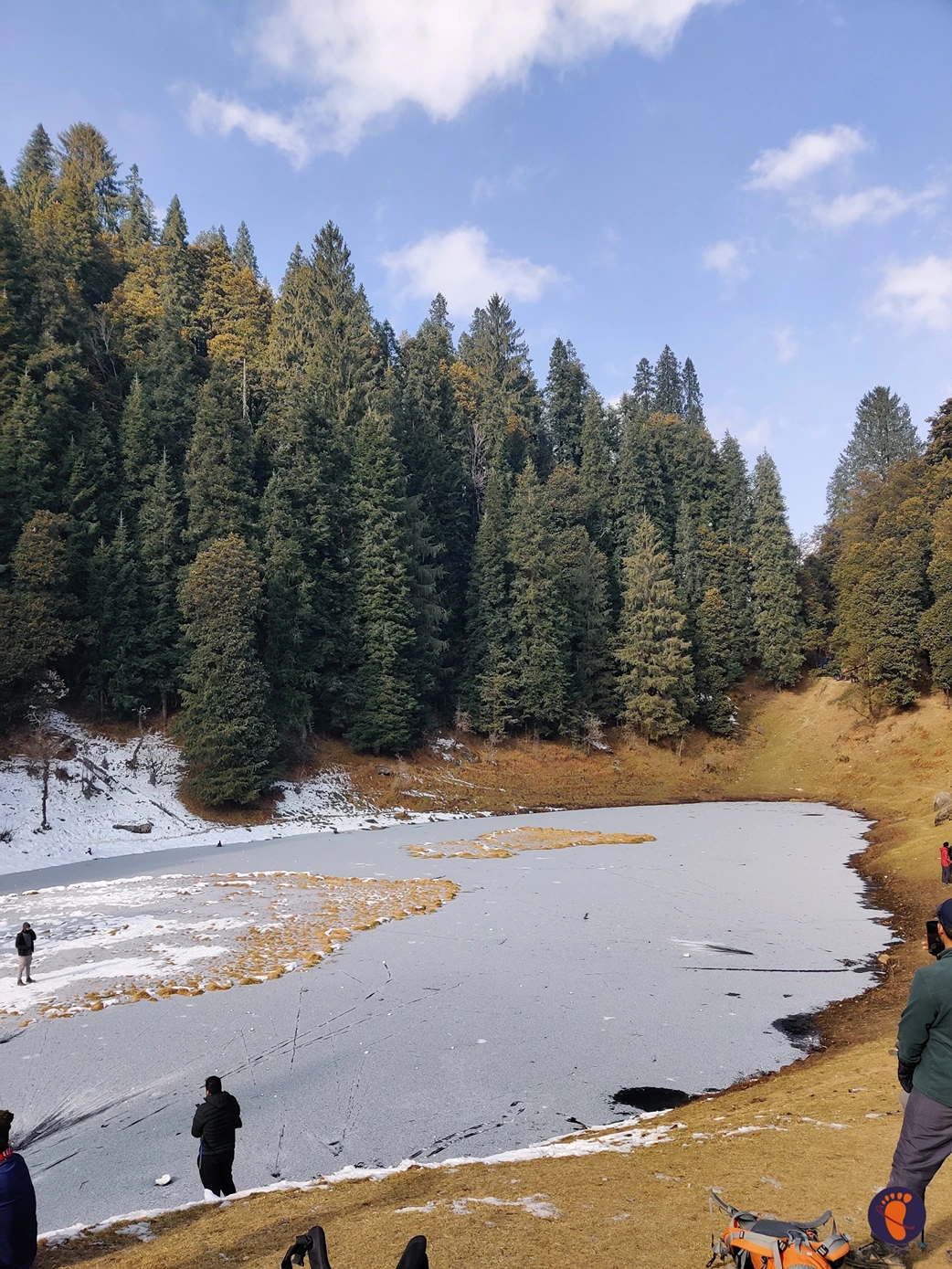
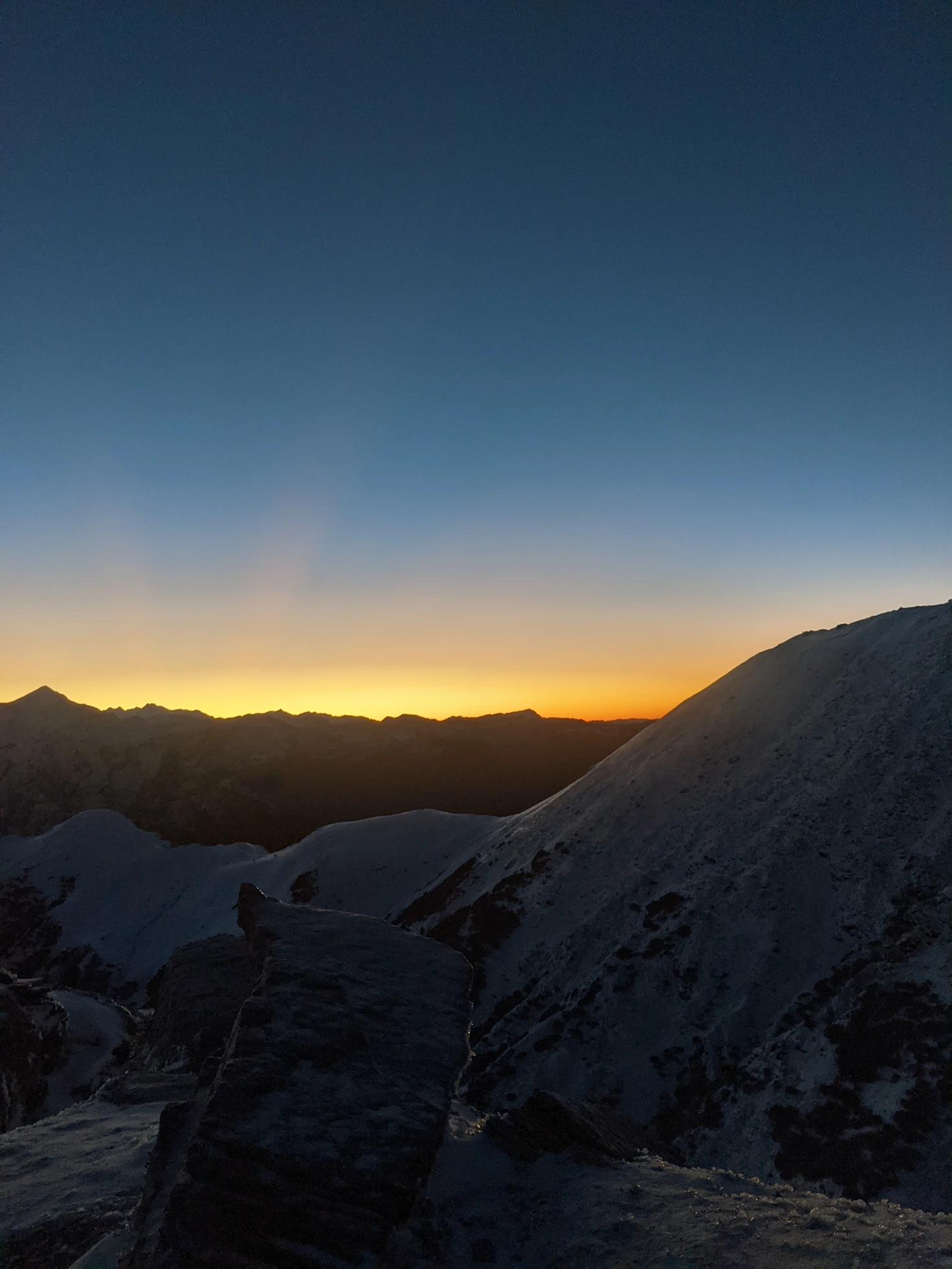
Your journey to a 6,000-meter peak begins with your arrival in Manali (approx. 6,730 ft). This initial day is dedicated to vital logistical and personal preparations. After checking into the hotel, the afternoon will be spent in an extensive briefing session with the expedition leader, reviewing the route, protocols for extreme cold, and emergency procedures. Most importantly, a thorough gear check will be conducted to ensure every climber has the appropriate clothing and equipment for the sub-zero temperatures and technical terrain ahead. The day ends with dinner and an early rest, crucial before the next day’s major transport effort.
Mount Yunam Peak Expedition
- Pick Up: Manali
- Drop: Manali
- Location: Manali
Send an enquiry
Overview
The Mount Yunam Peak Expedition marks the powerful transition from high-altitude trekking into the challenging realm of true Himalayan mountaineering. Towering at 6,111 meters (20,050 feet), this expedition is designed for climbers ready to push their limits—physically, mentally, and spiritually—while experiencing the unfiltered grandeur of the Lahaul region in Himachal Pradesh.
Mount Yunam, often described as the perfect first 6,000-meter peak, bridges the gap between adventure trekking and professional climbing. It demands endurance, skill, and determination, yet rewards you with an overwhelming sense of achievement as you stand above 20,000 feet, surrounded by the endless white wilderness of the Indian Himalayas.
This expedition is not for casual trekkers—it’s for those ready to test the edge of human endurance. While Yunam Peak is one of the more approachable 6,000-meter summits, it still demands a deep respect for altitude, climate, and technical precision. It’s the next big leap for trekkers who have conquered trails like Stok Kangri, Friendship Peak, or other high-altitude climbs and now seek something truly defining.
The journey begins in Manali, the adventure capital of Himachal Pradesh. From here, the expedition traverses through the Atal Tunnel or Rohtang Pass, entering the surreal landscapes of Lahaul—a land of striking contrasts where the Great Himalayan and Zanskar ranges converge. The air is thinner, the land barren yet majestic, and every mile takes you closer to the formidable Yunam Base Camp near Bharatpur or Jispa.
Highlights
Itinerary
Today involves a major transfer that shifts you dramatically from the green Kullu Valley to the desolate high-altitude desert of Lahaul. The scenic drive takes you through the new Atal Tunnel and past Keylong, eventually reaching the base camp village of Jispa or Darcha (approx. 10,500 ft). This high-altitude base location provides the first, critical step in acclimatization. The afternoon is reserved for a gentle, mandatory acclimatization walk around the village or along the Bhaga River. This simple activity helps the body adjust to the reduced oxygen levels without undue strain, preparing you for the coming days.
Meals
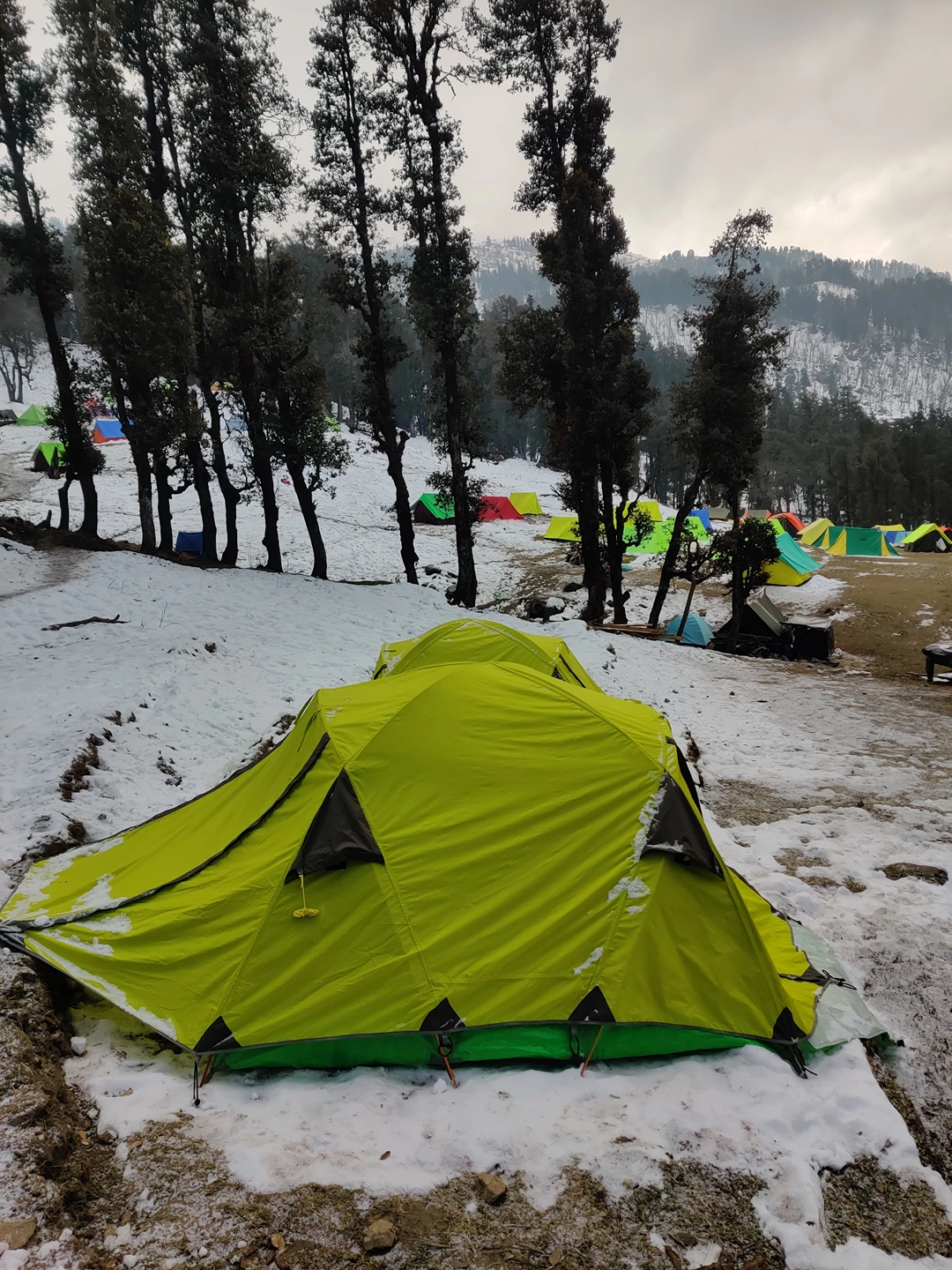
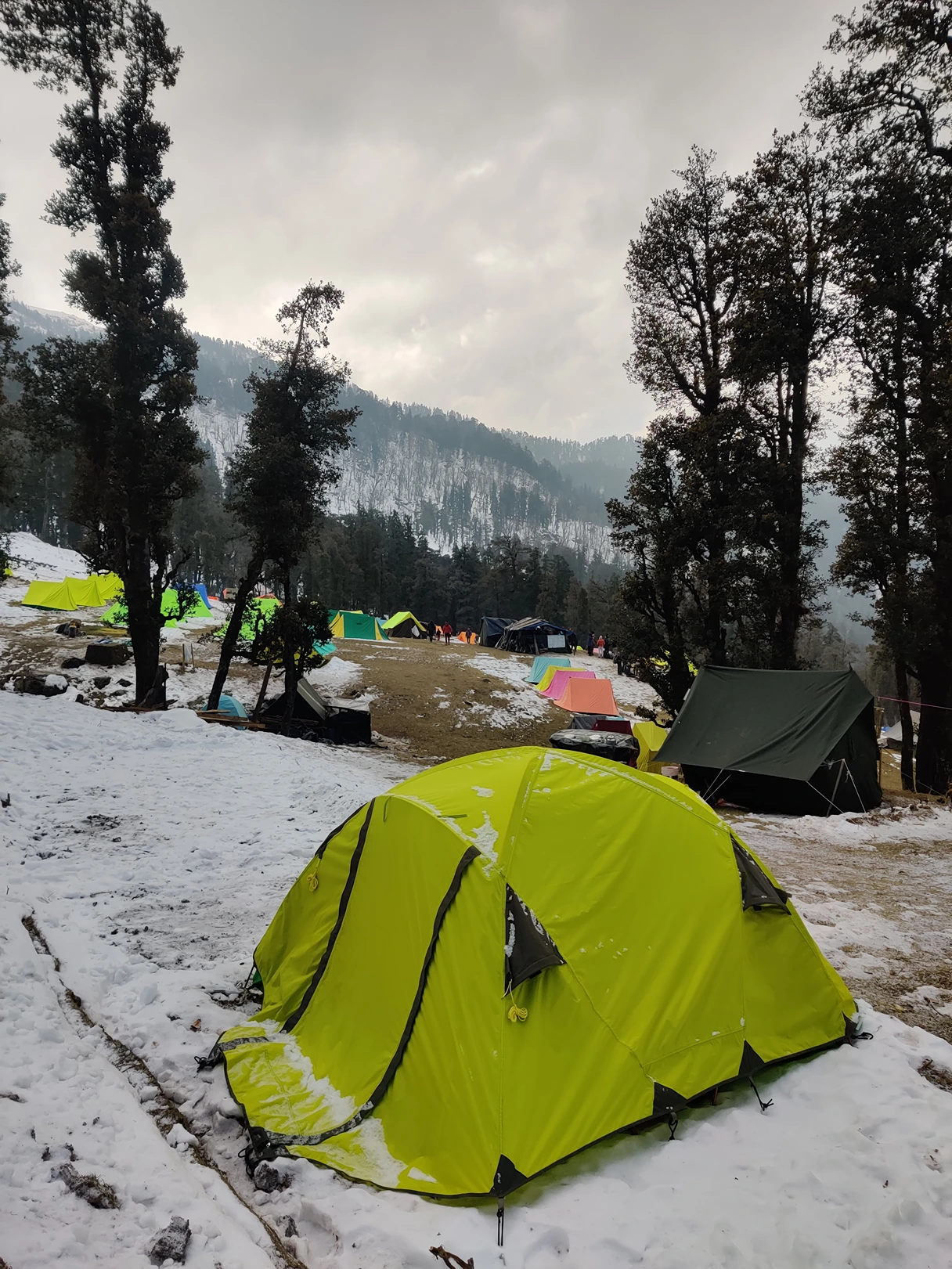
After a drive of approximately two hours from the base village, you will reach the trailhead near Zingzingbar. From here, the expedition begins on foot. The trek today is a steady ascent, taking you through the stark, magnificent landscape of the Lahaul region. The trail involves navigating a few small stream crossings before reaching the sprawling meadows that hold the Bharatpur Camp (approx. 13,900 ft). This camp serves as a critical midpoint, offering decent rest and a continued acclimatization buffer before the main base camp.
Meals
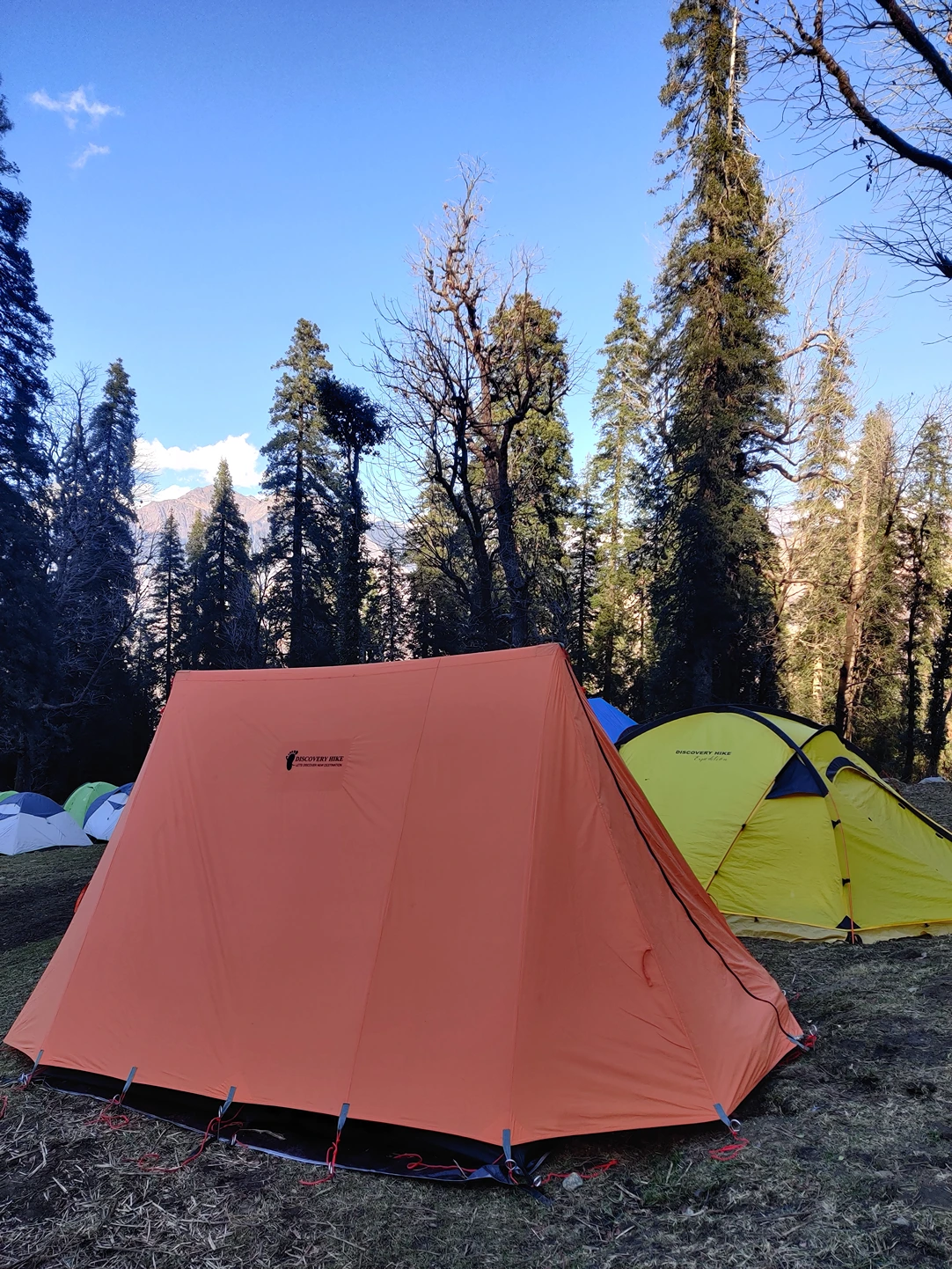
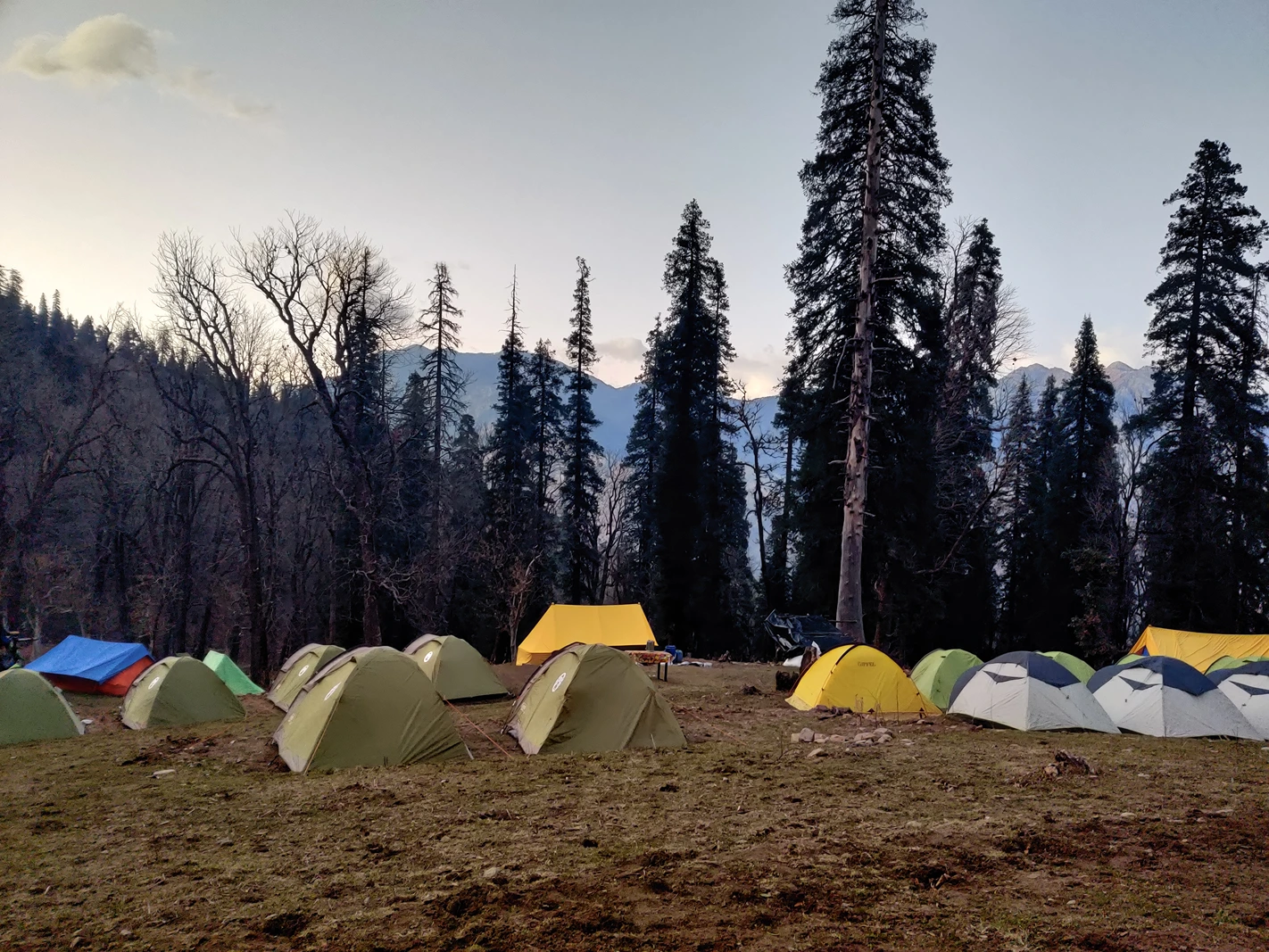
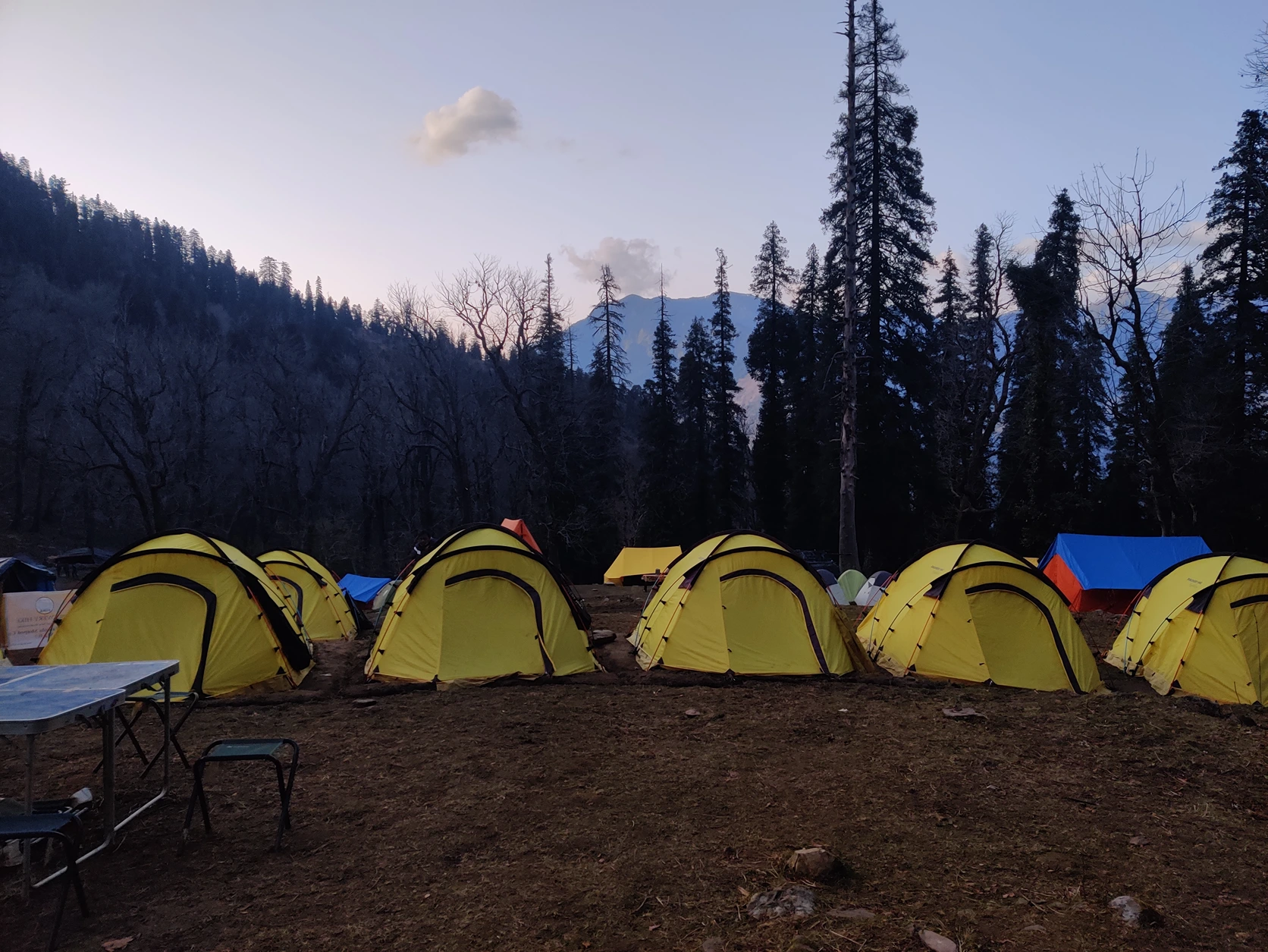
The goal today is to reach the heart of the expedition: the Base Camp (BC) of Yunam Peak (approx. 14,800 ft). The terrain becomes rockier, moving away from the valley floor and into the moraine zone. Though the altitude gain is manageable, the environment is noticeably harsher—colder and windier—demanding slow, deliberate movement. Upon arrival, the afternoon is spent resting, hydrating, and mentally settling into the high-altitude rhythm. The expedition team establishes the comprehensive BC setup, including the kitchen and medical tents, marking the point of serious commitment to the climb.
Meals
This is a dedicated Acclimatization and Skills Training Day. No further ascent is made. The climbing guides will use the snow patches near BC to conduct essential mountaineering training. This session covers critical skills for the summit push: the proper use of crampons on snow and ice, safe handling of the ice axe (including self-arrest techniques), and essential rope work. The rest of the day involves relaxation, checking personal gear, and preparing the small load that will be carried up to the Advance Base Camp (ABC) the following day.
Meals
Today is a challenging and defining move up the mountain to the Advance Base Camp (ABC) (approx. 16,500 ft). The trail ascends steeply through a combination of loose scree and persistent snow patches. This camp is strategically located higher on the ridge, providing spectacular views but also confronting climbers with the cold realities of life above the snowline. This camp will serve as the launch pad for the summit attempt, and proper preparation is key. The focus upon arrival is on establishing the camp quickly and maximizing hydration and rest.
Meals
The final move before the summit attempt takes place today, ascending to the Summit Camp (SC) (approx. 18,000 ft). This is a shorter but highly arduous climb, often involving traversing sections of the glacier, which may necessitate roping up. The SC is a demanding, high-altitude environment with constant cold and wind. Since the summit push starts in the middle of the night, the primary goal of the day is to rest, organize summit gear, have an exceptionally early and high-caloric dinner (around 5 PM), and attempt to sleep by 7 PM. This abbreviated rest period is vital for conserving energy for the long night ahead.
Meals
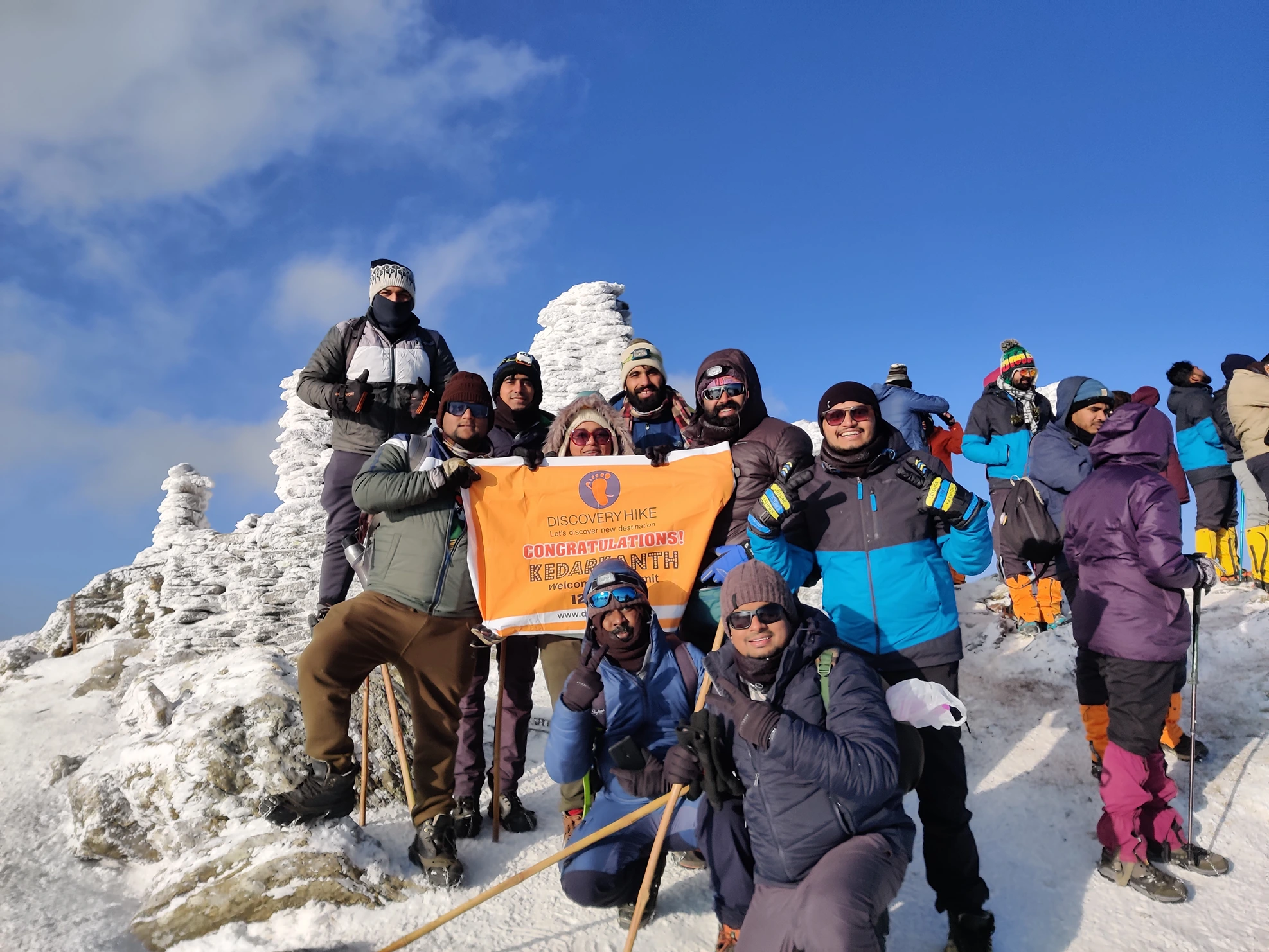
The most intense day of the expedition begins with an alpine start around midnight or 1 AM. Clad in full layers and using headlamps, the team starts the long, continuous ascent to the peak. The route involves climbing steep snow slopes, crossing the vast glacial plateau, and often using fixed ropes placed by the guides. After approximately 6 to 8 hours of relentless climbing, you will reach the magnificent Mount Yunam Summit (20,050 ft / 6,111 m). The panoramic views of the Lahaul and Zanskar ranges are the ultimate reward. Following a brief celebration and photo opportunity, the long, careful descent begins, returning the team to the relative safety and comfort of the ABC.
Meals
This day is held entirely as a crucial buffer against bad weather, heavy snowfall, route delays, or health issues within the team. If the summit was successful on Day 8, this day allows for a necessary extra rest and a relaxed descent from ABC to Base Camp (BC). If the summit was postponed, this is the contingency day to make the second attempt.
Meals
Assuming the summit was achieved, the expedition begins its final downward journey. You will break camp at ABC and descend swiftly through the moraine and rocky trails. The loss of altitude provides almost immediate relief, making the trek significantly easier. The long trek concludes back at the road head, where pre-arranged vehicles will transfer you to the guesthouse in Jispa or Darcha for a final night of relative comfort and a well-deserved celebratory dinner with the entire team.
Meals
Following a final breakfast and farewell to the support staff, you will take the long, scenic drive back to Manali. The journey retraces the route through the Lahaul valley and the Atal Tunnel, offering a final opportunity to reflect on the immense physical and mental accomplishment of climbing a 6,000-meter peak. Upon arrival in Manali in the late afternoon, the expedition officially concludes, and you will commence your onward journey home.
Meals
Good to know
Inclusions
-
Accommodation : Usually on a twin/triple-sharing basis.
Includes sleeping bags, high-altitude sleeping mats, kitchen tents, and designated toilet tents. -
Meals : Nutritious, high-caloric meals suitable for high-altitude climbing (vegetarian, often with eggs).
-
Transportation : Usually shared non-AC vehicles for the group.
-
Technical Gear : Often includes individual use of safety gear like harnesses, helmets, and mountaineering boots/crampons (if not specifically listed as excluded).
-
Staff & Support : Includes a specialist technical team to set up and manage the summit route.
Does not cover personal luggage (see Exclusions).
-
Permits & Fees : Foreign nationals usually have a separate, higher permit fee.
-
Safety : Guides are typically certified in wilderness first aid.
-
Exclusions
-
Personal Travel : Travel to/from Manali: Your transport to Manali (flights, trains, or buses) from your home location and your return journey.
-
Personal Gear Offloading : This is an optional Add-On service, usually charged per day or as a flat fee (often called the “Offload” charge).
-
Rental Equipment : Check with the operator for what is rentable vs. what you must purchase/bring.
-
Insurance : This must be purchased separately by the participant and must cover altitudes up to 6,111m.
-
Personal Expenses : All Personal Costs: Bottled water, packaged snacks, phone/camera charging, optional hot showers in the base town, and tips.
-
Foreign Nationals : Foreign IMF/Permit Fee: Non-Indian climbers often incur a significantly higher, mandatory permit fee.
-
Emergencies : Covered by your mandatory personal insurance, not the expedition fee.
-
Gratuities : Tipping is a traditional and highly appreciated way to recognize the efforts of the support staff.
-
Things to Carry
Must cover ears. Essential for retaining body heat.
Crucial for summit day to protect the nose and mouth from cold wind.
MANDATORY. Snow glare is intense and can cause snow blindness. Must be UV protected.
Thermal tops (full sleeve). Must be synthetic or Merino wool. NO COTTON.
Fleece jacket (thick). Your primary source of warmth.
Padded jacket (Polyfill/Down). Heavy, windproof, and water-resistant.
Thermal bottoms (leggings).
Quick-dry, synthetic trekking trousers. Avoid jeans/shorts.
High-ankle, sturdy, waterproof trekking boots with good grip.
3–4 pairs of thick woolen/synthetic trekking socks (for the day) and 2 pairs of dry woolen socks (for sleeping only).
1 pair of woolen/fleece inner gloves and 1 pair of heavy, waterproof outer gloves.
MANDATORY. Carry extra batteries.
Carry a 1-liter bottle and a thermos to keep water from freezing.
Essential for high-altitude UV protection.
Toothbrush, wet wipes, and any personal prescription drugs.
For carrying water, jacket, snacks, and personal items during the trek.
Sleeping Bag, Sleeping Mat, Tents, Crampons, Gaiters, and Trekking Poles (use optional).
How to reach
The journey has two main phases: reaching the staging town of Manali, and then traveling to the high-altitude base village.
Phase 1: Reaching Manali (The Staging Town)
Manali is the primary gateway for all high-altitude expeditions in this region. Since it is located in the mountains, it is not served by a major railway station, but it is well-connected by road and air.
✈️ By Air (Fastest Option)
- iDestination Airport: The nearest airport is Kullu-Manali Airport (KUU), located at Bhuntar, approximately 50 kilometers (31 miles) south of Manali.
- iFlights: Direct flights are available from major hubs like Delhi and Chandigarh.
- iTransfer to Manali: From Bhuntar Airport, you can hire a pre-paid taxi or a local cab to reach your hotel in Manali (about 1.5 to 2 hours drive).
🚌 By Road (Most Common Option)
- iDeparture: The most popular route is from New Delhi or Chandigarh.
- iMode: Take an overnight tourist bus (Volvo/Himsuta) to Manali. This is the most economical and common way to travel. The journey from Delhi takes approximately 12–14 hours.
- iBenefit: The buses are comfortable, and traveling overnight saves a day of travel time.
🚂 By Rail (Not Direct)
- iNearest Railheads: The closest major railway stations are Kalka (KLK) or Chandigarh (CDG).
- iTransfer to Manali: From Kalka or Chandigarh, you must then take a bus or hire a taxi for the remaining 8–10 hour road journey to Manali.
Phase 2: Reaching the Expedition Base Village (Jispa / Darcha)
The final push to the mountain’s foot is done with the expedition operator’s organized transport.
- iRoute: The road journey goes north from Manali, through the town of Keylong, and along the Manali-Leh Highway.
- iKey Passage: You will pass through the Atal Tunnel (Rohtang Tunnel), which significantly reduces the travel time and avoids the treacherous Rohtang Pass.
- iExpedition Base: We recommend you to opt for transportation arranged by Crux Himalaya of a shared private vehicle (like a Tempo Traveller or similar) to drive the entire team from Manali to the base village, which is usually Jispa (approx. 10,500 ft) or Darcha.
- iDuration: This drive takes approximately 6–8 hours from Manali.
In summary, your goal is to first travel to Manali, where you will meet your expedition team. The team will then transport you to the actual trek starting point near Jispa/Darcha.
How to prepare your body and mind for the trek
Your Mind & Body Compass
Mount Yunam is the perfect choice for a first-time wellness trekker, but a reasonable level of fitness is essential to ensure you enjoy the experience, especially given the rapid altitude gain.
Physical Conditioning (8 Weeks Prior):
- iCardiovascular Fitness: Commit to a daily routine of 4-5 kilometers of walking or jogging. Focus on building endurance to comfortably manage the steep sections.
- iStrength and Flexibility: Incorporate basic strength training (squats, planks) and gentle Himalayan-focused stretching to condition the muscles and joints for carrying a backpack.
Mental & Respiratory Conditioning:
- iMastering the Breath: Begin a routine of Pranayama (breathing exercises). Practices like Anulom Vilom (Alternate Nostril Breathing) are vital for improving lung capacity and ensuring a smooth, relaxed acclimatization at high altitude.
- iWeather Readiness: Be prepared for the transformative nature of Himalayan weather. While daytime can be manageable (10°C to 15°C), winter nights are intensely cold, dropping to -4°C or lower. Our high-quality gear is provided to support your journey safely through the cold.
Refund & Cancellation
We aim for clear and fair practices regarding cancellations. We know plans can change, and our policy is designed to balance flexibility for you with the operational needs of running a trek.
If Crux Himalaya Cancels Your Trek
-
If we are forced to cancel a trip for reasons beyond our control (such as natural disasters, route closures, or governmental mandates), you will receive a Trek Voucher. This voucher is valid for one year and can be applied toward the original trek or any other available trek.
-
If the cost of the new trek is higher, you must pay the difference. If the cost of the new trek is lower, we will refund the surplus amount.
-
If the cancellation is due to insufficient bookings (fewer than three participants), you will receive a full monetary refund.
If You Cancel Your Trek
| Cancellation Window | Refund | Notes |
|---|---|---|
| More than 30 days prior to the trek start date | 100% refund | Full refund of trek fee |
| Between 15 and 30 days prior to the trek start date | 50% refund | Balance forfeited |
| Within 1 to 15 days prior to the trek start date | No refund | Pre-booked logistics; refund not applicable |
30+ days before trek start
Full refund of trek fee
15–30 days before trek
Balance forfeited
1–15 days before trek
Refund not applicable
FAQs
It is rated as Difficult to Very Difficult and is considered a semi-technical mountaineering expedition, not a trek. The primary challenges are the extreme altitude of 6,111m(20050 ft), the steep, sustained climb on summit day, and the mandatory use of technical gear (crampons and ice axe) on glacial terrain.
While you don’t need to be an expert, prior high-altitude trekking experience (comfortably having completed treks to 17,000 ft., 5,200m) is mandatory. Yunam is often a training ground for aspiring mountaineers, and you must possess the fitness and discipline to learn and execute basic snow craft skills quickly.
Crossing the 6,000m line means the available oxygen is less than half that at sea level. This leads to significantly increased risk of AMS, slower recovery, and exponential fatigue, especially on the 10-12 hour summit push.
The most favorable window is from Late June/Early July to Mid-September. This period offers relatively stable weather, and while snow is present, the risk of heavy storms is typically lower than in the early summer or late autumn.
The extended duration is vital for acclimatization. The itinerary includes multiple days at Base Camp (BC) and Advance Base Camp (ABC) with minimal altitude gain, a dedicated training day, and crucially, at least one reserve/buffer day to account for bad weather or health-related delays.
On summit night (starting around 1 AM), temperatures at 5,500m to 6,111m can drop to between 15C and 20C (not including wind chill). High-quality down gear is non-negotiable.
No, it is minimal to non-existent once you leave the base villages of Jispa/Darcha. You should expect to be disconnected for 7-8 days. All emergency communication is handled by the expedition team via satellite phone.
AMS is a serious concern. Prevention relies on the slow, step-by-step itinerary, high hydration levels, and frequent monitoring (pulse oximeter checks). All climbers are strongly advised to consult a physician regarding the use of Diamox (Acetazolamide) as a prophylactic.
Yes, absolutely. You must secure a policy that explicitly covers mountain rescue, emergency evacuation (including helicopter services), and medical costs up to 6,500m. The expedition fee does not cover rescue costs.
The summit push is led by experienced, certified Mountain Guides who set the route, fix ropes where necessary, manage the team’s pace, and enforce the crucial turn-around time based on weather and team health.
Yes, but at an extra cost. The expedition fee covers porters for the group gear (tents, food, technical supplies). If you wish to offload your personal 60L backpack, you must pay an additional “offloading” fee, usually charged per bag for the entire trek. You are always responsible for your small daypack.
No. Given the extreme cold and the requirement for crampons, you must use specialized, insulated mountaineering boots (B2/B3 rated). Your operator will either provide these as part of the package or offer them for rental, but ensure they are properly fitted before the final ascent.
- Pick Up: Manali
- Drop: Manali
- Location: Manali