Black Peak Expedition

Trek Fee
₹ 69,999 ₹72,999
Save ₹3,000 (4% Off)
  • Pick Up: Sankari
  • Drop: Sankari
  • Location: Sankri Market
Note: Pick-up & drop details will be reconfirmed on WhatsApp after booking.

Overview

Step Beyond the Trails—Into the Realm of True Mountaineering

When trekking no longer feels like enough, and your heart begins to crave the challenge of a 6,000-meter Himalayan summit, it’s time to set your sights on the Black Peak Expedition—known locally as Kala Nag, meaning The Black Serpent.

Standing tall at 20,950 feet (6,387 meters), Black Peak is the highest summit of the Bandarpunch massif in Uttarkashi, Uttarakhand. This is not just a climb—it’s a rite of passage into the exhilarating world of technical high-altitude mountaineering.

Why the Black Peak Expedition Stands Apart

Located deep in the Garhwal Himalayas, the Black Peak commands both reverence and respect. Its name derives from the peak’s dark, serpent-like ridge that cuts across the skyline—beautiful, powerful, and formidable.

Unlike a trekking summit, Kala Nag demands skill, strategy, and stamina. It combines everything a mountaineer seeks—steep ascents, glacial traverses, and rope-assisted climbs—offering an authentic Himalayan expedition experience that pushes you to your limits while rewarding you with unmatched beauty.

Journey Through Diverse Himalayan Landscapes

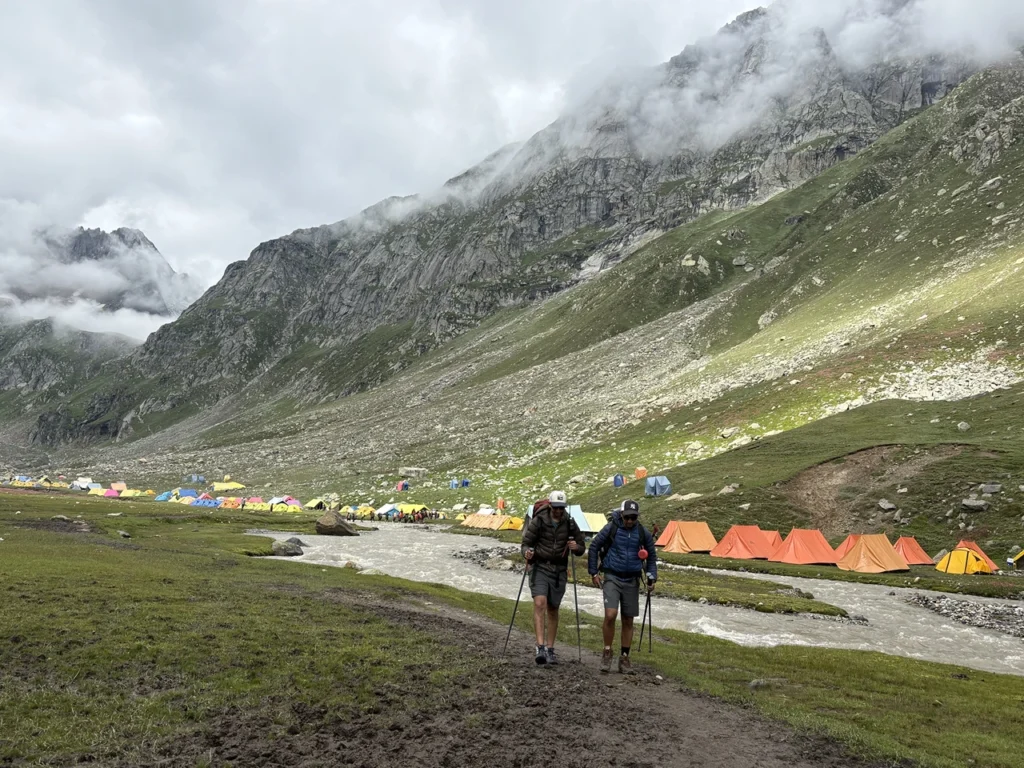
The expedition begins at Sankri, a serene mountain village and gateway to several legendary treks. From here, the route winds through oak and pine forests, past the alpine meadows of Kyarkoti, before transitioning into the snow-clad high-altitude zone.

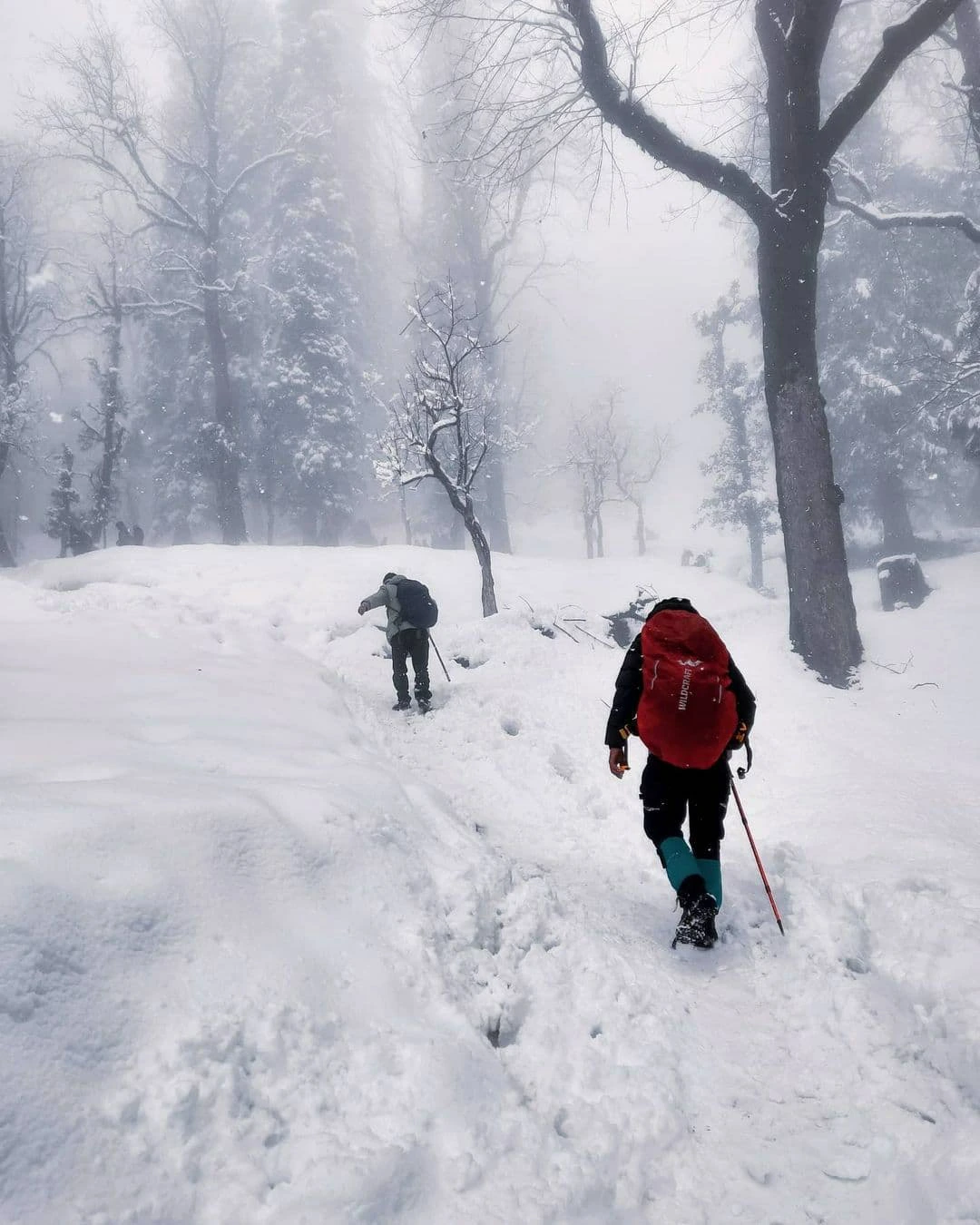
Over 9 to 10 days, the terrain changes dramatically—from soft trails and wildflower valleys to glacier fields, moraine ridges, and steep snow slopes. Each step higher demands focus and perseverance, as climbers use essential mountaineering gear like crampons, ice axes, harnesses, and fixed ropes to ascend safely toward the summit ridge.

At the Summit: A View Beyond Words

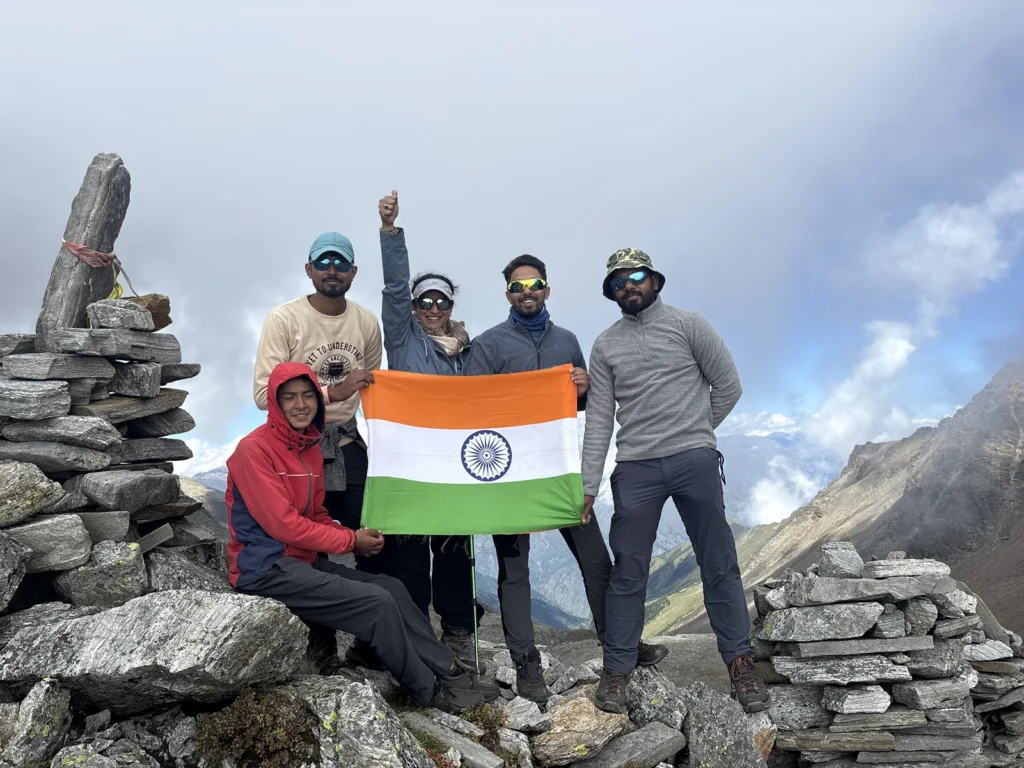
Reaching the summit of Black Peak is an extraordinary feat of endurance and willpower. From the top, the reward is spellbinding—a 360-degree Himalayan panorama showcasing the towering silhouettes of Swargarohini, Bandarpunch, Gangotri, and Yamunotri peaks.

The thin air, the shimmering horizon, and the immense silence together create a feeling that transcends words—a moment of triumph and transcendence known only to those who climb this high.
Highlights

Duration 16D/15N
Difficulty Difficult
Altitude 6387 m
Batch Size 21 people
Base Camp Sankari
Pick & Drop Dehradun – Dehradun

Itinerary

Day
1
The Approach Trek (Days 1–4) Meal

Day 1: Dehradun to Sankri (approx 6,400 ft / 1,950m). The expedition officially begins with a crucial 8-10 hour drive from Dehradun to the charming base village of Sankri. This scenic journey covers approximately 200 km, passing through the picturesque Tons River valley and providing initial views of the Garhwal Himalayas. Sankri serves as the administrative base for the Govind Pashu Vihar National Park, where the necessary permits and documentation are checked. The evening is spent in a guesthouse, often with a detailed briefing from the expedition leader.

Meals

Breakfast
Lunch
Dinner

Day 2: Sankri to Seema (approx 8,500 ft / 2,600m). After breakfast, the team drives a short distance (approx. 12 km) to the roadhead at Taluka. The trekking then begins, covering roughly 12 km to reach the campsite at Seema, situated on the right bank of the Supin River. The trail is marked by beautiful traditional wooden architecture, dense forests of chestnut and walnut, and gentle ascents, setting a pleasant pace for the first day of hiking.

Meals

Breakfast
Lunch
Dinner

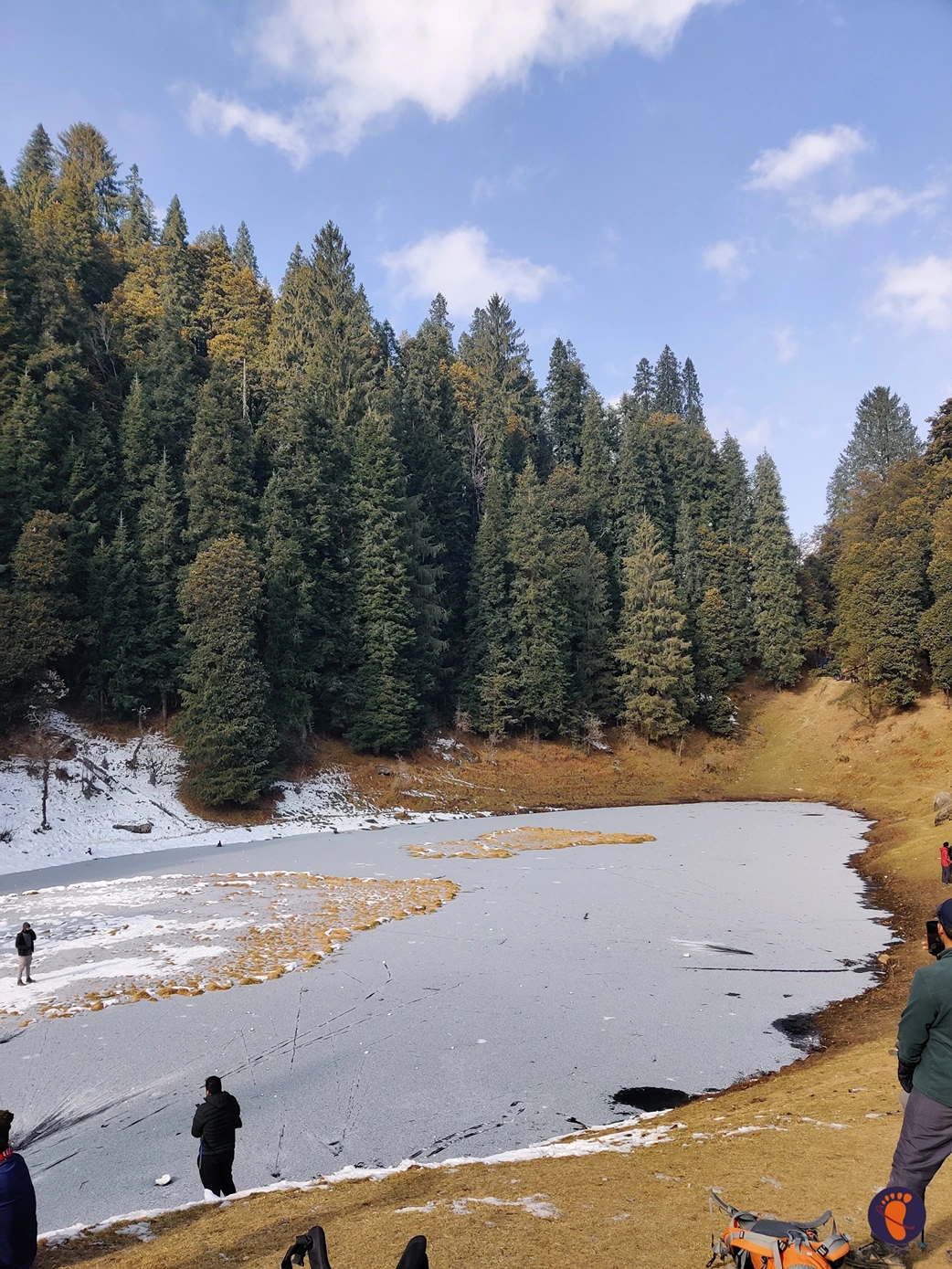
Day 3: Seema to Ruinsara Tal (approx 11,500 ft / 3,500m). Today is a longer trek of about 12 km that takes the team further up the valley. The trail leaves the riverbank, ascending through lush meadows (bugyals) and gradually opening up to spectacular mountain views. The destination is the revered Ruinsara Tal, a beautiful glacial lake situated in an alpine bowl, offering stunning, unobstructed perspectives of the Swargarohini and Bandarpunch ranges. This camp is critical for the team’s acclimatization.

Meals

Breakfast
Lunch
Dinner

Day 4: Ruinsara Tal to Kyarkoti (Base Camp) (approx 13,500 ft / 4,100m). The trek shifts from idyllic meadows to a rugged, high-altitude terrain. The 7 km journey is a sustained ascent over rocky moraine, boulder fields, and past frozen streams. The landscape transforms dramatically as the team nears the snout of the Bandarpunch Glacier. Kyarkoti is the designated Base Camp (BC) and sits surrounded by the massive glacial structure, offering the first imposing view of the Black Peak itself.

Meals

Breakfast
Lunch
Dinner

Day 5: Acclimatization and Technical Training at Base Camp. This is an essential rest day. The team uses the opportunity to acclimatize further and receive crucial hands-on training from the guides. The training focuses on rope work, using an ice axe for self-arrest, walking efficiently with crampons on snow and ice, and familiarizing the team with other technical gear required for the higher camps.

Meals

Breakfast
Lunch
Dinner

Day 6: Load Ferry to Advanced Base Camp (ABC) (approx 14,800 ft / 4,500m). The team makes a load ferry to the Advanced Base Camp (ABC). This involves carrying necessary supplies, food, and gear up the moraine ridge to the ABC site, leaving the load, and descending back to the comfort and safety of the Base Camp for the night. This rotation aids in the acclimatization process by exposing the body to higher altitudes temporarily.

Meals

Breakfast
Lunch
Dinner

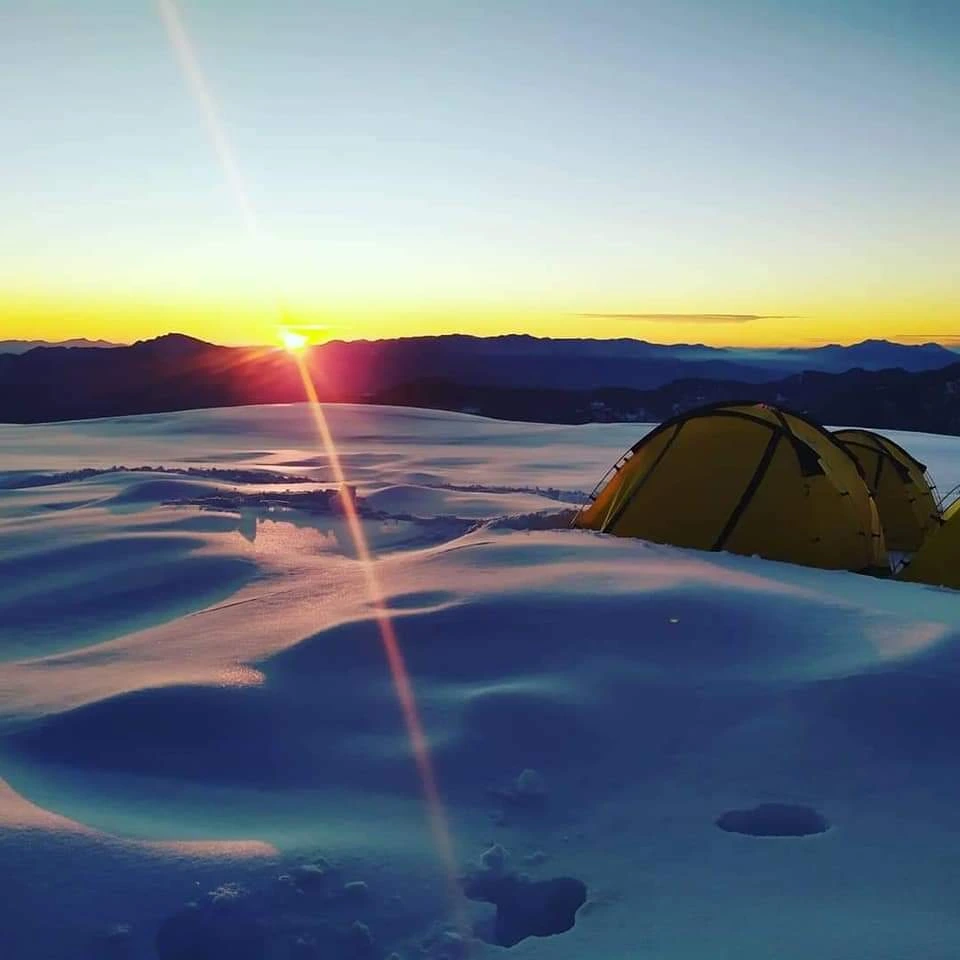
Day 7: Shift to Advanced Base Camp (ABC). Today, the team moves permanently to the ABC site. The camp is set up on a rocky platform or patch of snow, much closer to the technical climbing sections and directly beneath the impressive mass of Black Peak. The environment here is raw, windy, and significantly colder, marking the true start of the technical expedition phase.

Meals

Breakfast
Lunch
Dinner

Day 8: Shift to Camp 1 (approx 16,500 ft / 5,050m). The climb from ABC to Camp 1 is a major step up in technical difficulty, involving steep ascents over the glacier, navigating crevasses, and traversing snow and ice slopes. The route is often fixed with ropes by the climbing Sherpa/Guide team in advance. Camp 1 is established on a snowfield, offering a stunning, isolated campsite with clearer views of the major peaks.

Meals

Breakfast
Lunch
Dinner

Day 9: Shift to Summit Camp (Camp 2) (approx 18,000 ft / 5,500m). This is the final and highest camp before the summit attempt. The route is physically demanding and usually involves negotiating more open crevasses and steep snow slopes. The Summit Camp is strategically placed to minimize the summit day’s climbing time, offering a cold but necessary last night’s rest at extreme altitude.

Meals

Breakfast
Lunch
Dinner

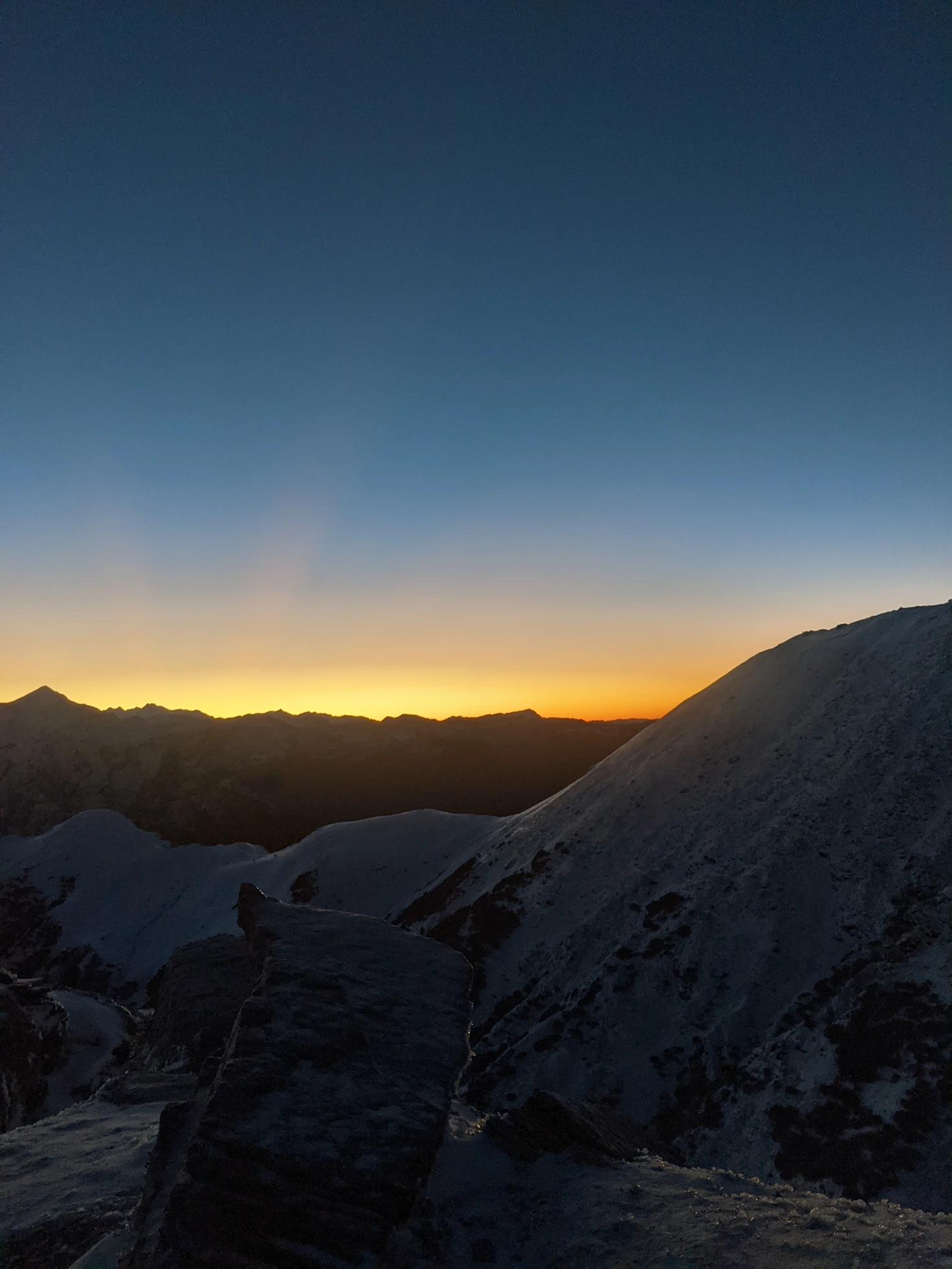
Day 10: Summit Attempt (approx 20,950 ft / 6,387m) and Descent to Camp 1. The Summit Day begins very early (typically 2:00 AM) to utilize the frozen snow conditions. The climb involves the most technically challenging section: an approximately 75 ft vertical ice wall with a steep gradient (70 degrees or more), where fixed ropes are mandatory. After a successful summit and a brief time for photos, the team begins the long, careful descent, aiming to reach Camp 1 or even Base Camp (BC) by evening.

Meals

Breakfast
Lunch
Dinner

Day 11: Reserve Day. This crucial day is reserved specifically to account for unexpected poor weather, high winds, or any delays encountered during the load ferries or the summit attempt. If the summit was achieved on Day 10, this day is used for a relaxed descent to the Base Camp.

Meals

Breakfast
Lunch
Dinner

Day 12: Camp 1 to Kyarkoti (Base Camp). The team packs up Camp 1 and descends safely back down the moraine and glacial path to the Base Camp. This is a day of relief and celebration, often marked by the Base Camp crew offering a small celebratory meal.

Meals

Breakfast
Lunch
Dinner

Day 13: Base Camp to Ruinsara Tal. Leaving the high-altitude camp behind, the team begins the long descent back toward the valley, retracing the steps back to the picturesque campsite at Ruinsara Tal.

Meals

Breakfast
Lunch
Dinner

Day 14: Ruinsara Tal to Seema. The descent continues, covering the distance back to the village checkpoint at Seema, enjoying the gentler slopes and the return to the familiar tree line.

Meals

Breakfast
Lunch
Dinner

Day 15: Seema to Sankri. The final day of trekking takes the team through the lower valley forests back to the roadhead at Taluka, followed by a short drive back to the main base at Sankri. The expedition concludes with a celebratory dinner and the distribution of summit or participation certificates.

Meals

Breakfast
Lunch
Dinner

Day 16: Sankri to Dehradun. The expedition ends with the return drive to Dehradun, completing the 8-9 hour journey by late evening.

Meals

Breakfast
Lunch
Dinner

Good to know

Inclusions

  • Transportation : Return transfer by shared vehicle (Tempo Traveller/Jeep) from the meeting point in Dehradun to the base village (Sankri/Taluka).
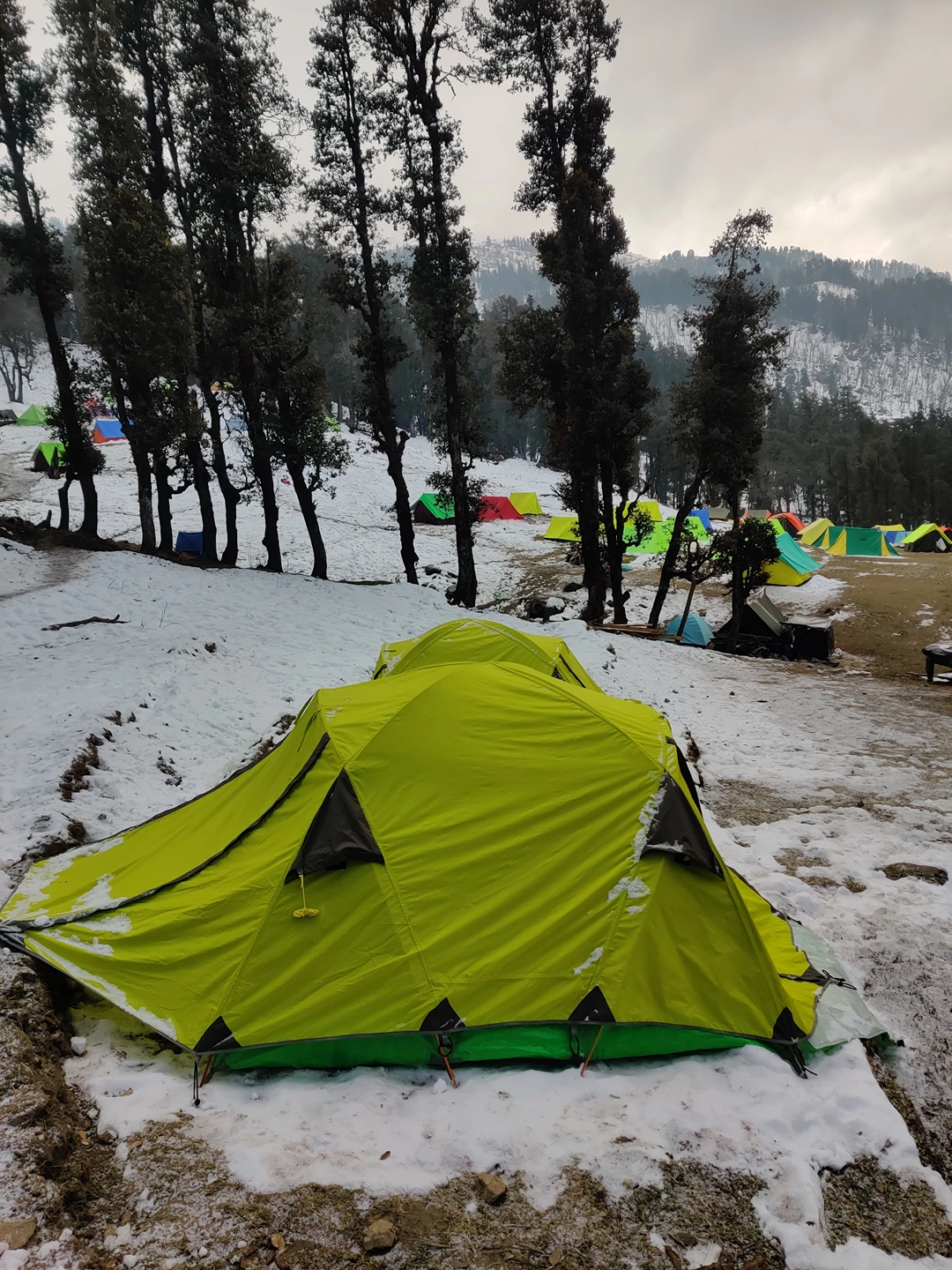
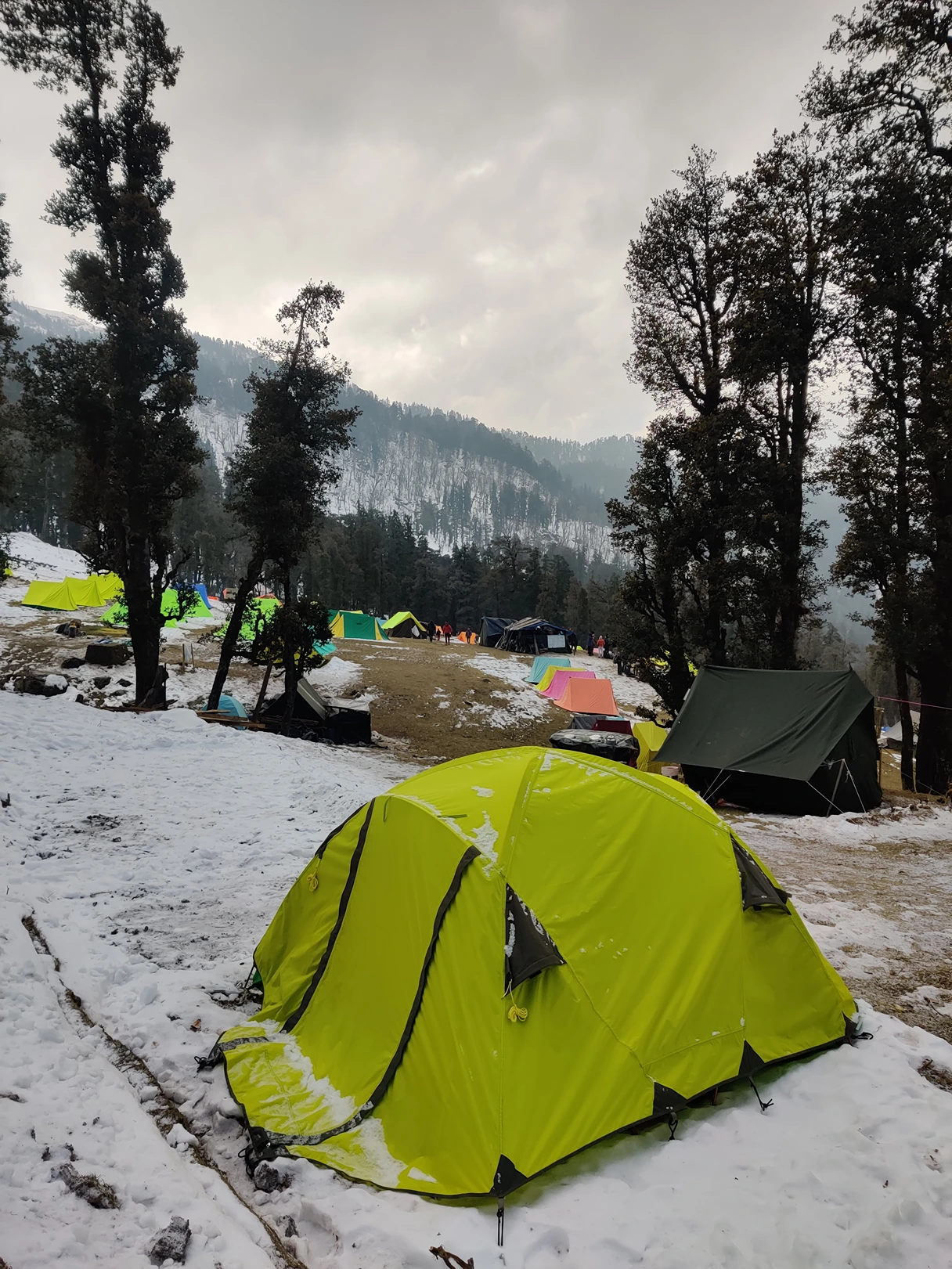
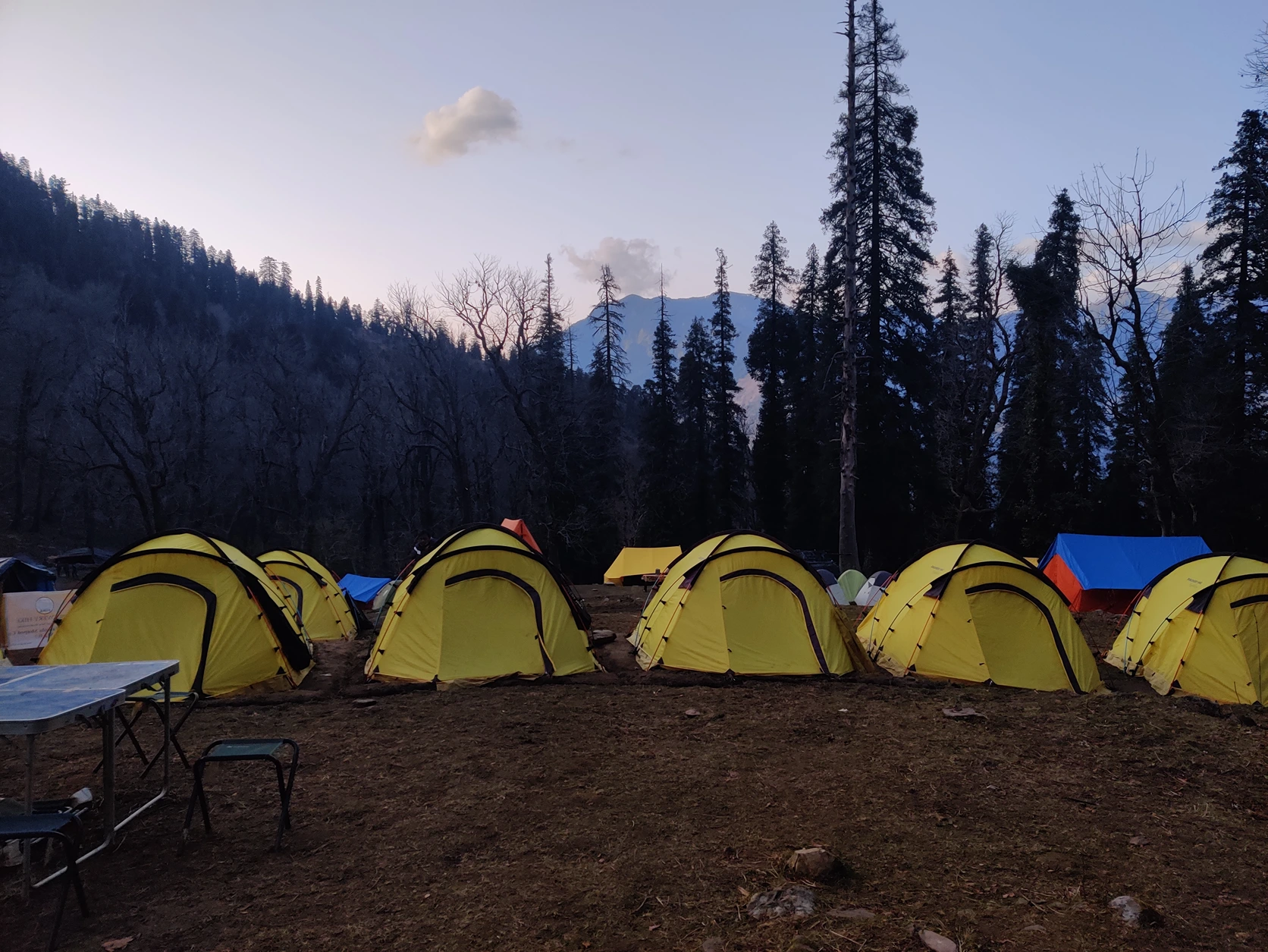
  • Accommodation : Guest House/Lodge stay in Sankri (Day 1 and the final night). High-Quality Alpine Tents (4-season rated) on a twin/triple-sharing basis throughout the mountain phase.
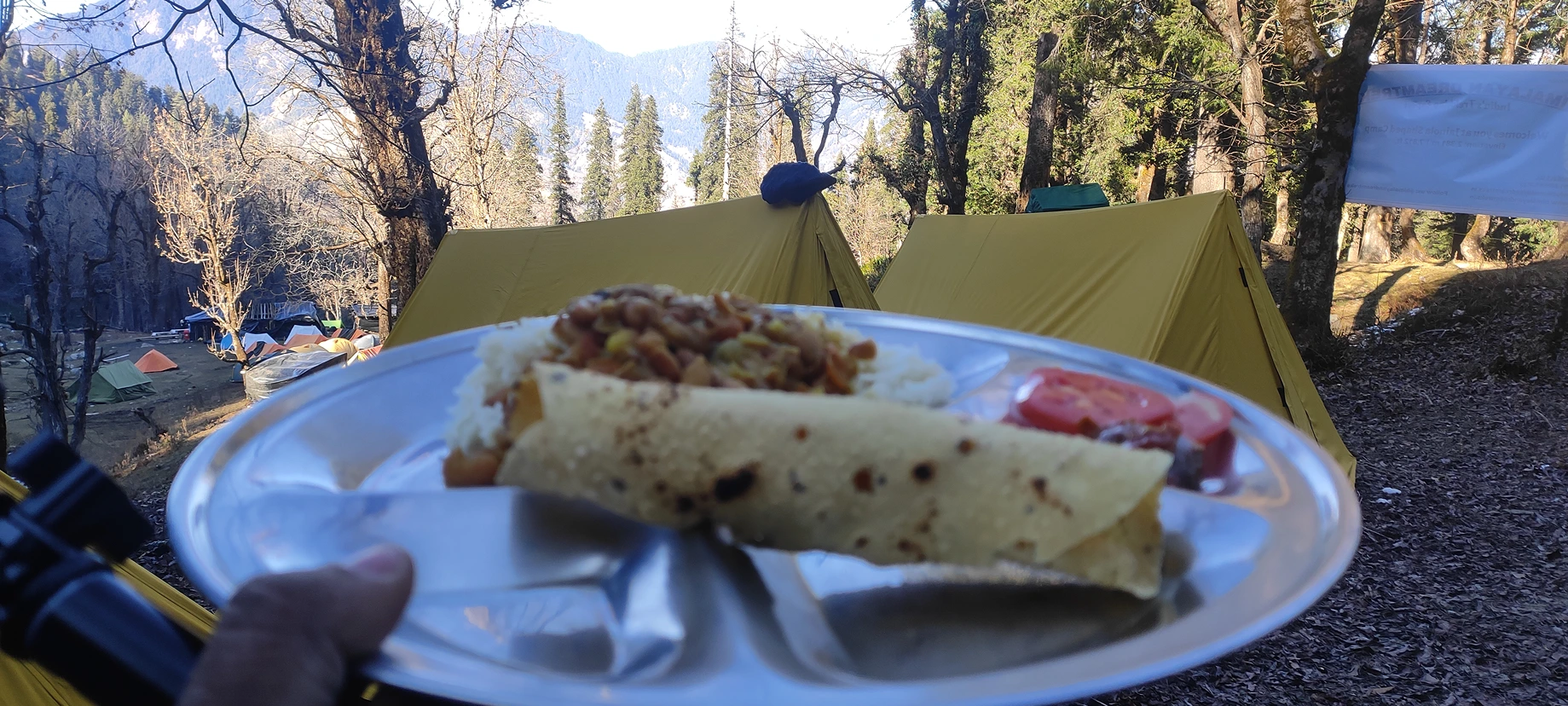
  • Meals : All nutritious, vegetarian meals are provided from Dinner on Day 1 to Breakfast on the final day. Includes breakfast, lunch, dinner, evening tea, and specialized high-altitude snacks/soups.
  • Permits & Fees : All necessary Forest Entry Fees, Wildlife Sanctuary Permits, and the IMF (Indian Mountaineering Foundation) Peak Booking Fee for Indian nationals.
  • Technical Gear (Shared) : Use of Ropes (Fixed & Climbing), Snow Stakes, Ice Pitons, Carabiners, and other communal safety gear required for the glaciated sections and the ice wall.
  • Trekking Gear (Personal) : Provision of Sleeping Bags (rated to −15∘C to −20∘C), Insulated Sleeping Mats/Pads, and often Crampons, Ice Axe, and Gaiters (for use on snow/ice).
  • Expert Crew : Services of a certified Expedition Leader (often IMF-approved), experienced High Altitude Guides, Technical Climbing Sherpa (crucial for setting ropes), and a Kitchen/Support Staff team.
  • Safety & Emergency : Comprehensive First Aid Kits, Emergency Oxygen Cylinders, Stretchers, and daily Pulse Oximeter monitoring. Walkie-talkies for base-to-camp communication are also included.
  • Porterage (Central) : Mules/Porters to carry all common supplies, tents, kitchen equipment, rations, and fuel between camps.
  •  

Exclusions

  •  
  • Taxes & Insurance : 5% GST is always applied extra on the total trek fee. Personal Travel/Medical Insurance is mandatory but not included.
  • Personal Portage : Cost to hire a mule/porter to carry your personal backpack. This is a significant optional cost (often ₹ 6,500 or more for the duration).
  • Mandatory LO Fee : IMF Peak Booking Fee and the expense for the mandatory Liaison Officer (LO) for foreign nationals is a substantial exclusion, charged separately (often $500 – $700+).
  • Personal Gear Rental : Mountaineering High-Ankle Boots (Scarpa/equivalent) suitable for crampons, Harness, Helmets, and specialist down suits are sometimes excluded and need to be rented or purchased.
  • Unforeseen Costs : Costs arising from unforeseen circumstances (bad weather, road blockage, political unrest) or expenses incurred if the expedition requires using more than the allocated Reserve Day.
  • Personal Expenses : Any meals, snacks, or beverages consumed during the road journey (Dehradun to Sankri), personal laundry, phone calls, tips, and personal medical expenses.
  • Travel to Dehradun : Your travel cost (airfare, train, bus) to and from the starting point in Dehradun.

Things to Carry

I. Head & Face
Woolen Cap / Beanie

Must cover ears. Essential for retaining body heat.

Balaclava / Neck Gaiter

Crucial for summit day to protect the nose and mouth from cold wind.

UV-Protection Sunglasses

MANDATORY. Snow glare is intense and can cause snow blindness. Must be UV protected.

II. Upper Body
Base Layer (2–3)

Thermal tops (full sleeve). Must be synthetic or Merino wool. NO COTTON.

Mid Layer (2)

Fleece jacket (thick). Your primary source of warmth.

Outer/Shell Layer (1)

Padded jacket (Polyfill/Down). Heavy, windproof, and water-resistant.

III. Lower Body
Base Layer (1–2)

Thermal bottoms (leggings).

Trekking Pants (2)

Quick-dry, synthetic trekking trousers. Avoid jeans/shorts.

IV. Hands & Feet
Trekking Shoes (1 Pair)

High-ankle, sturdy, waterproof trekking boots with good grip.

Socks (5–6 Pairs)

3–4 pairs of thick woolen/synthetic trekking socks (for the day) and 2 pairs of dry woolen socks (for sleeping only).

Gloves (2 Pairs)

1 pair of woolen/fleece inner gloves and 1 pair of heavy, waterproof outer gloves.

V. Accessories
Headlamp

MANDATORY. Carry extra batteries.

Water Bottle / Thermos

Carry a 1-liter bottle and a thermos to keep water from freezing.

Sunscreen (SPF 40+) & Lip Balm

Essential for high-altitude UV protection.

Personal Toiletries & Medication

Toothbrush, wet wipes, and any personal prescription drugs.

Daypack (20–30L)

For carrying water, jacket, snacks, and personal items during the trek.

VI. Provided Gear
From Our Side

Sleeping Bag, Sleeping Mat, Tents, Crampons, Gaiters, and Trekking Poles (use optional).

How to reach

Dehradun is very well-connected by air, train, and road. You should aim to arrive the day before your trek transport is scheduled, as the journey to Sankri starts early in the morning.

Mode of Transport Details
By Air Fly into Jolly Grant Airport (DED), which is about 25 km from the main city. From the airport, you can hire a prepaid taxi, an Ola/Uber, or use a shared airport shuttle to reach your hotel or the designated pick-up point in Dehradun.
By Train The Dehradun Railway Station (DDN) is an excellent option. It has frequent overnight trains from major cities like Delhi, Mumbai, and Kolkata. The station is close to the city center and the main transit points.
By Road (Bus) Overnight luxury and non-AC buses run regularly from Delhi’s Kashmiri Gate ISBT to Dehradun. This is the most economical way. The journey takes about 6–8 hours.


How to Reach Sankri (The Base Camp)

The village of Sankri is the final roadhead for the trek.

  • i
    Distance: Approximately 200–220 km from Dehradun.
  • i
    Time: The drive takes around 8 to 10 hours, depending on road conditions.

Since you are traveling with Crux Himalaya, your journey to the base camp will be straightforward:

  1. i
    Crux Himalaya Transport: Your tour operator will arrange a vehicle (usually a Tempo Traveller, Bolero, or Innova) to pick you up from a designated meeting point in Dehradun (often near the railway station or a central location) and take you directly to Sankri.
  2. i
    Route: The route is very scenic, passing through Mussoorie, Nainbagh, Purola, Mori, and finally to Sankri.

If you were traveling independently, You would need to take a local bus from the Dehradun Bus Station (to Mori or Sankri if available during the early hours of the day), or hire a shared taxi (Maxx/Bolero) from the transport hub near the railway station. Given the distance and time, using the pre-arranged transport from your trekking company is the most convenient option.

How to prepare your body and mind for the trek

Your Mind & Body Compass

Black Peak is the perfect choice for a first-time wellness trekker, but a reasonable level of fitness is essential to ensure you enjoy the experience, especially given the rapid altitude gain.

Physical Conditioning (8 Weeks Prior):

  • i
    Cardiovascular Fitness: Commit to a daily routine of 4-5 kilometers of walking or jogging. Focus on building endurance to comfortably manage the steep sections.
  • i
    Strength and Flexibility: Incorporate basic strength training (squats, planks) and gentle Himalayan-focused stretching to condition the muscles and joints for carrying a backpack.

Mental & Respiratory Conditioning:

  • i
    Mastering the Breath: Begin a routine of Pranayama (breathing exercises). Practices like Anulom Vilom (Alternate Nostril Breathing) are vital for improving lung capacity and ensuring a smooth, relaxed acclimatization at high altitude.
  • i
    Weather Readiness: Be prepared for the transformative nature of Himalayan weather. While daytime can be manageable (10°C to 15°C), winter nights are intensely cold, dropping to -4°C or lower. Our high-quality gear is provided to support your journey safely through the cold.

Refund & Cancellation

We aim for clear and fair practices regarding cancellations. We know plans can change, and our policy is designed to balance flexibility for you with the operational needs of running a trek.

If Crux Himalaya Cancels Your Trek

  • If we are forced to cancel a trip for reasons beyond our control (such as natural disasters, route closures, or governmental mandates), you will receive a Trek Voucher. This voucher is valid for one year and can be applied toward the original trek or any other available trek.

  • If the cost of the new trek is higher, you must pay the difference. If the cost of the new trek is lower, we will refund the surplus amount.

  • If the cancellation is due to insufficient bookings (fewer than three participants), you will receive a full monetary refund.

If You Cancel Your Trek

Cancellation Window Refund Notes
More than 30 days prior to the trek start date 100% refund Full refund of trek fee
Between 15 and 30 days prior to the trek start date 50% refund Balance forfeited
Within 1 to 15 days prior to the trek start date No refund Pre-booked logistics; refund not applicable

FAQs

High altitude is generally considered anything above 2,500 meters (8,000 feet). Treks above 3,500 meters are where the effects of low oxygen become significant.

A general term for illness caused by rapid exposure to low oxygen. Symptoms often resemble a bad hangover: headache, nausea, loss of appetite, and fatigue.

Slow and steady ascent is key. Follow the “climb high, sleep low” rule if possible, stay extremely hydrated (3-4 litres daily), eat complex carbohydrates, and avoid alcohol/smoking. Never rush.

Consult your doctor. The most common preventative medicine is Acetazolamide (Diamox), which can only be obtained with a prescription. Discuss potential side effects and dosage with a medical professional before your trip.

Inform your guide immediately. For mild AMS, rest and descent may be advised. For serious symptoms (severe headache, confusion, loss of coordination, persistent cough), immediate descent is the only cure and is a medical emergency.

You need a good level of cardiovascular fitness to walk 6-8 hours daily on steep and uneven terrain. You should be able to sustain moderate intensity exercise for at least 1-2 hours without a break.

Ideally, begin focused training (cardio, strength, hill work) 3 to 6 months before your expedition date. Consistency is more important than extreme effort right before the trip.

Hill training and climbing stairs with your loaded daypack. This directly simulates the physical demands and builds the specific muscle strength required for mountain ascents.

A guide is highly recommended for safety, navigation, and emergency protocols. Porters are optional, but they significantly lighten your load, allowing you to conserve energy and focus on acclimatization.

Use a three-layer system: Base (thermal, moisture-wicking), Mid (fleece/insulated for warmth), and Outer (waterproof and windproof shell). Do not wear cotton.

Highly recommended. They reduce the impact on your knees (especially on descents) by up to 30% and significantly improve stability and balance on difficult trails.

Charging facilities are often non-existent or unreliable on the higher sections of a trek, and may come at a high cost. A large power bank is essential for your phone and headlamp.

Carry a small, quick-dry towel, biodegradable soap, hand sanitizer, toilet paper, and plenty of wet wipes for personal hygiene.

Absolutely essential. Ensure your policy specifically covers high-altitude trekking up to your maximum elevation and includes provisions for emergency helicopter evacuation.

Trek Fee
₹ 69,999 ₹72,999
Save ₹3,000 (4% Off)
  • Pick Up: Sankari
  • Drop: Sankari
  • Location: Sankri Market
Note: Pick-up & drop details will be reconfirmed on WhatsApp after booking.