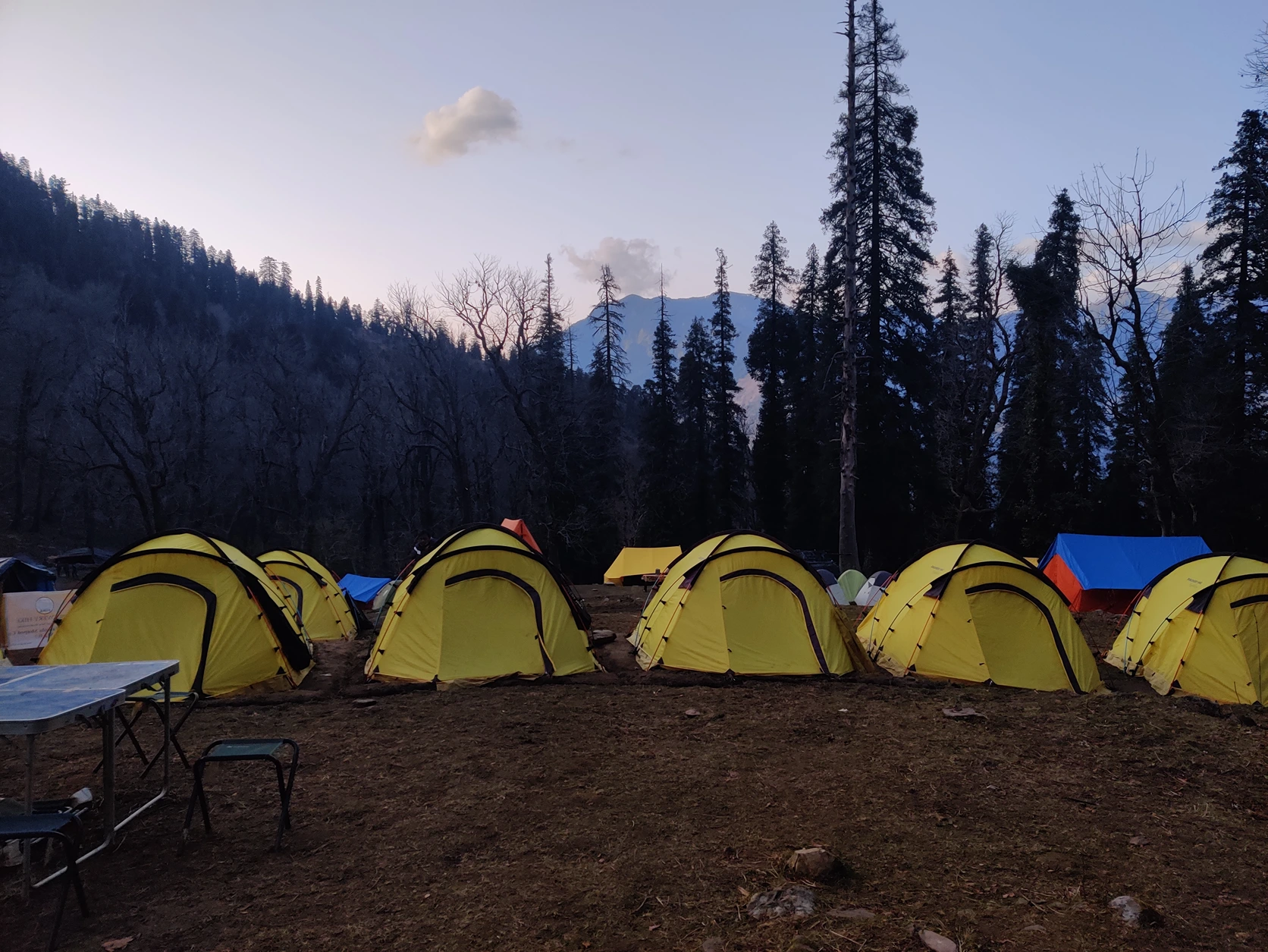
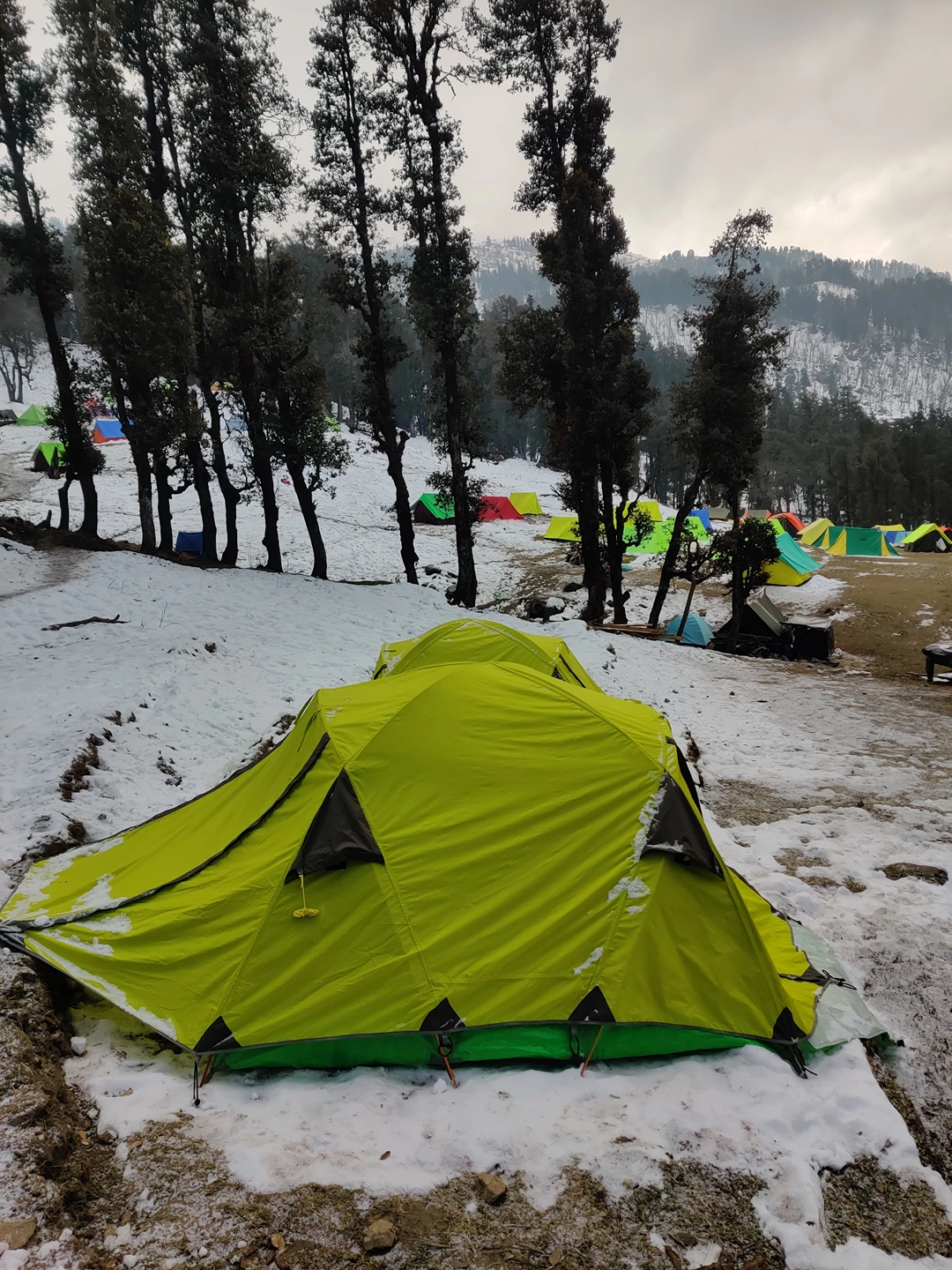
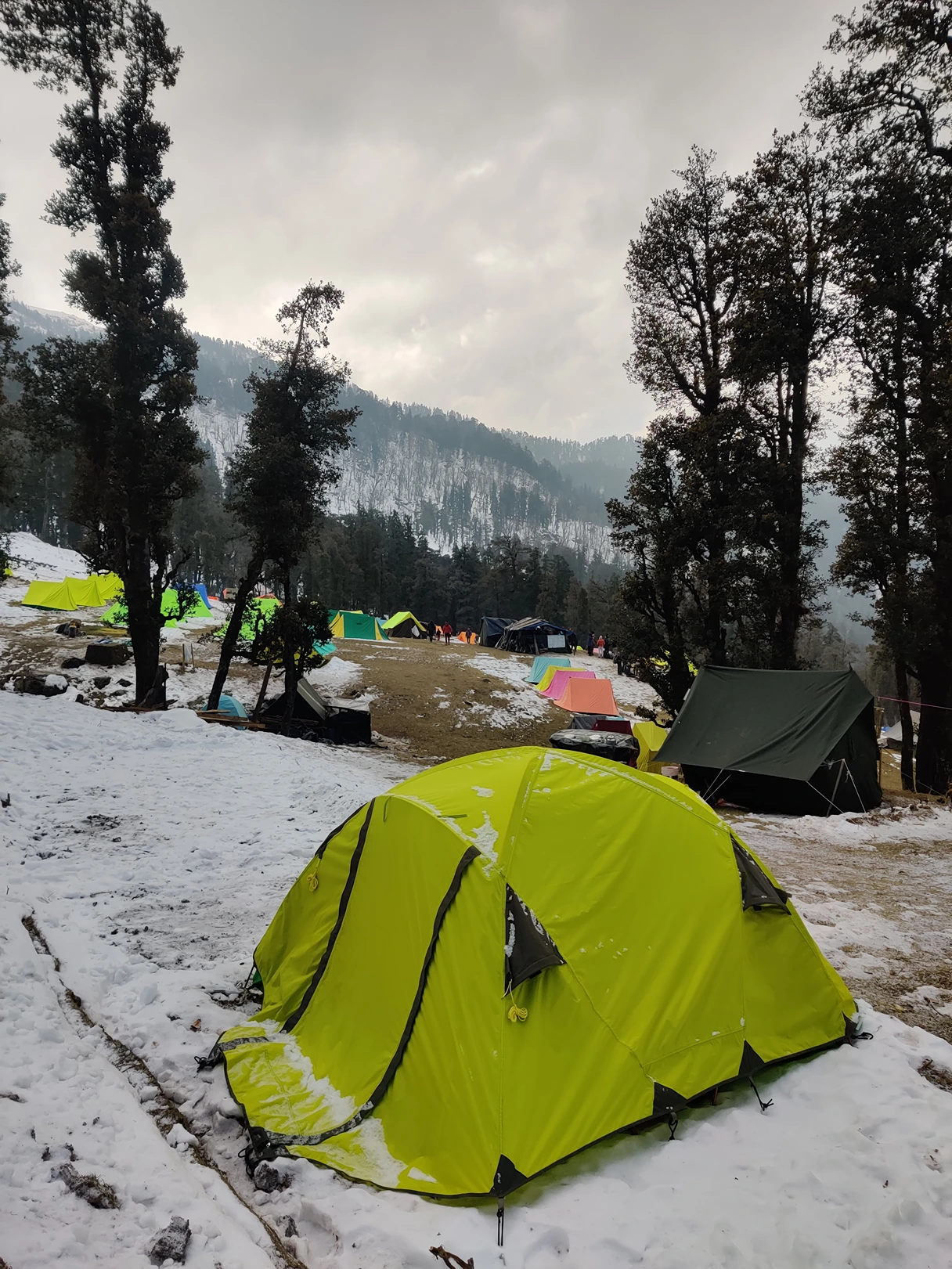
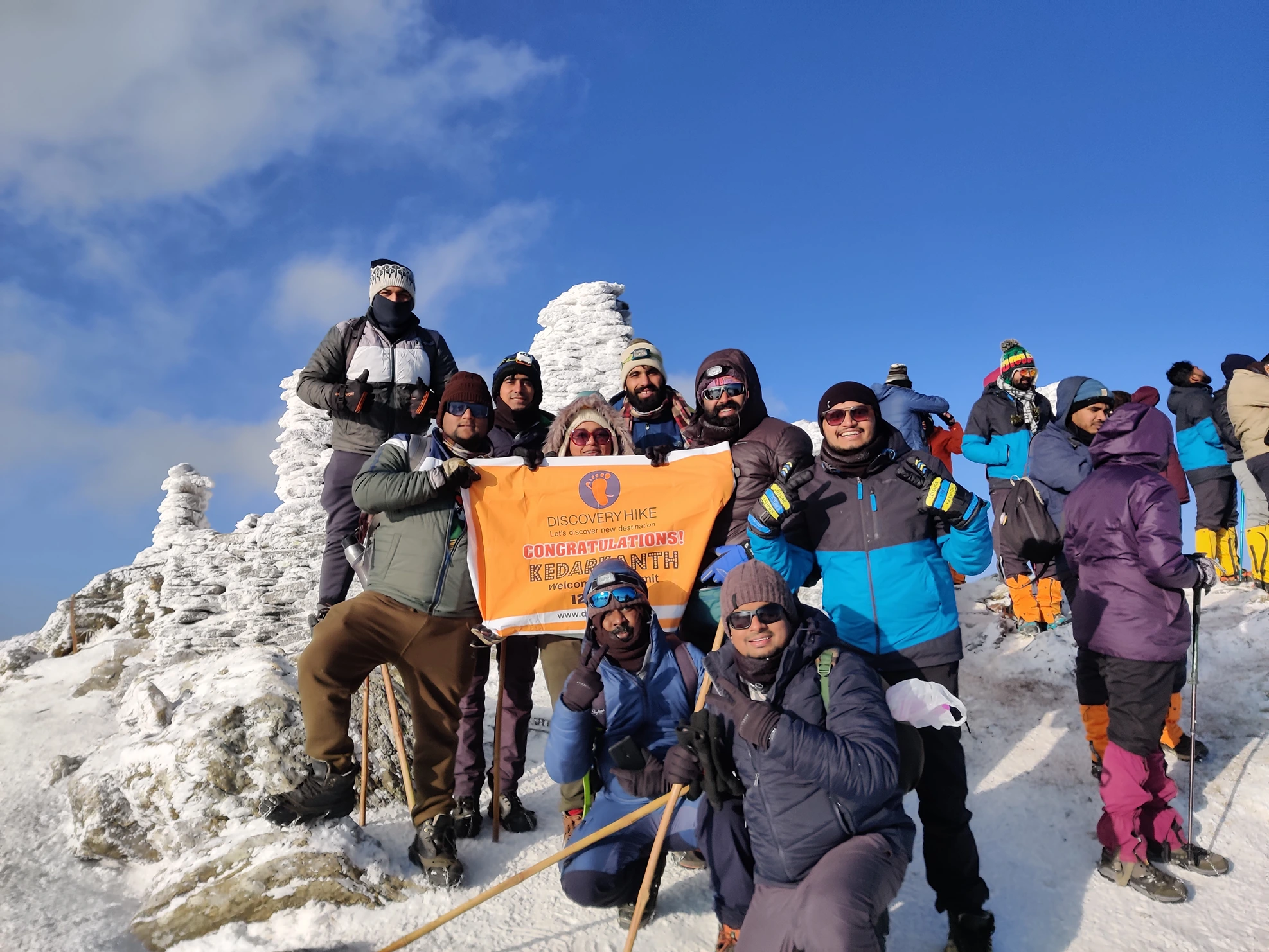
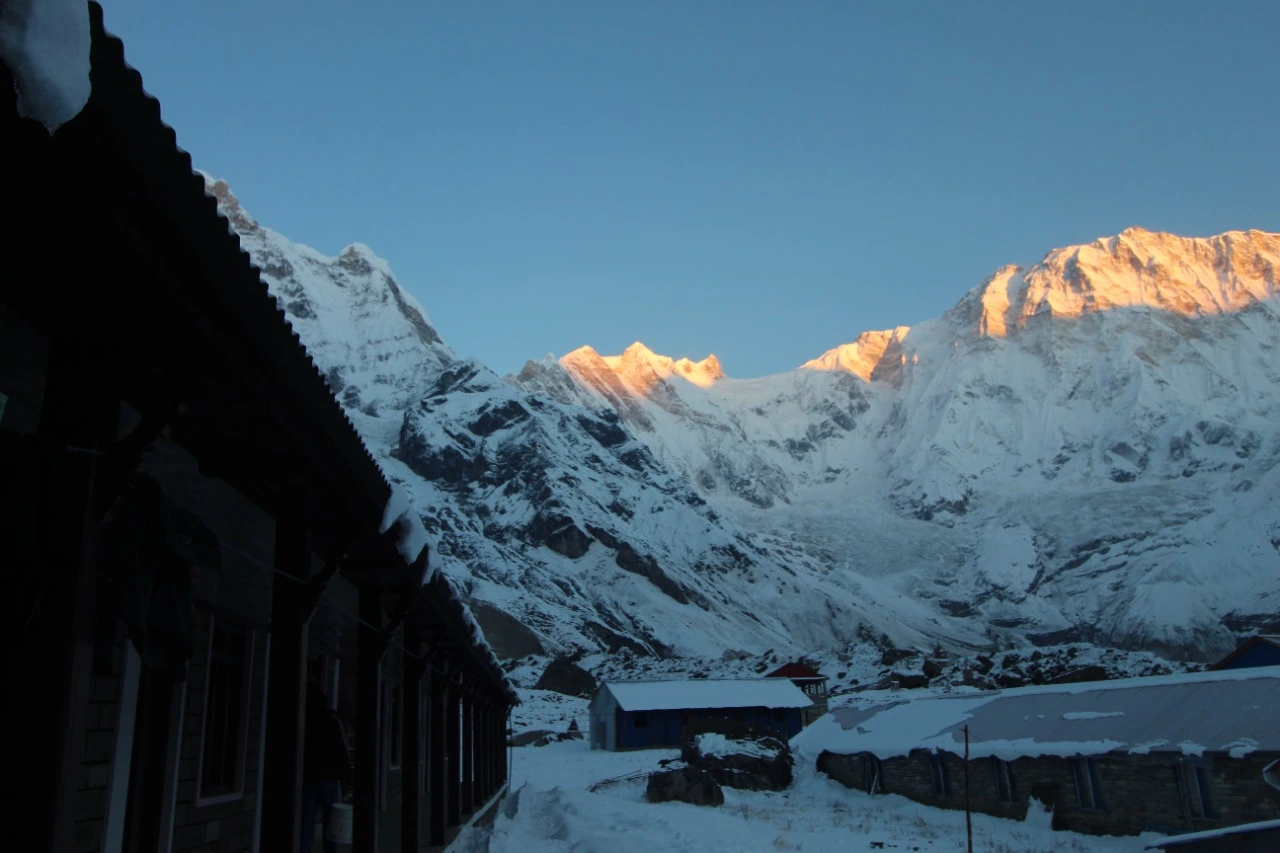
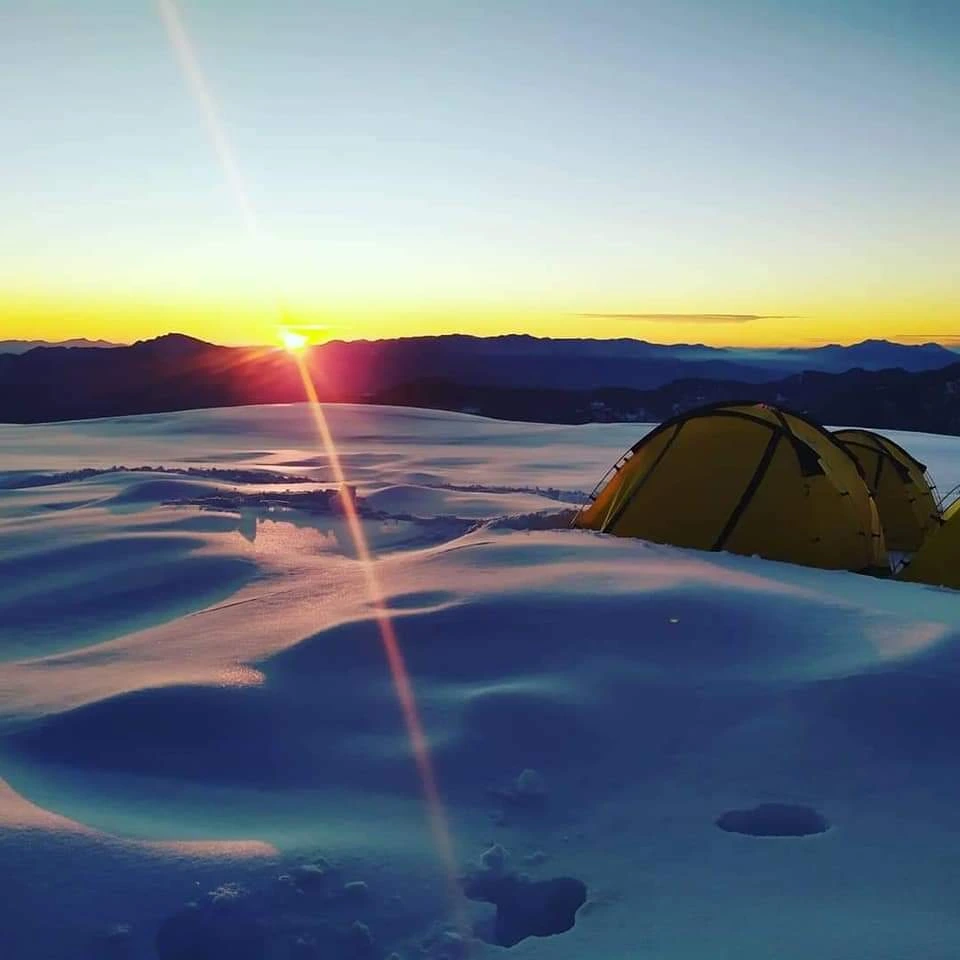
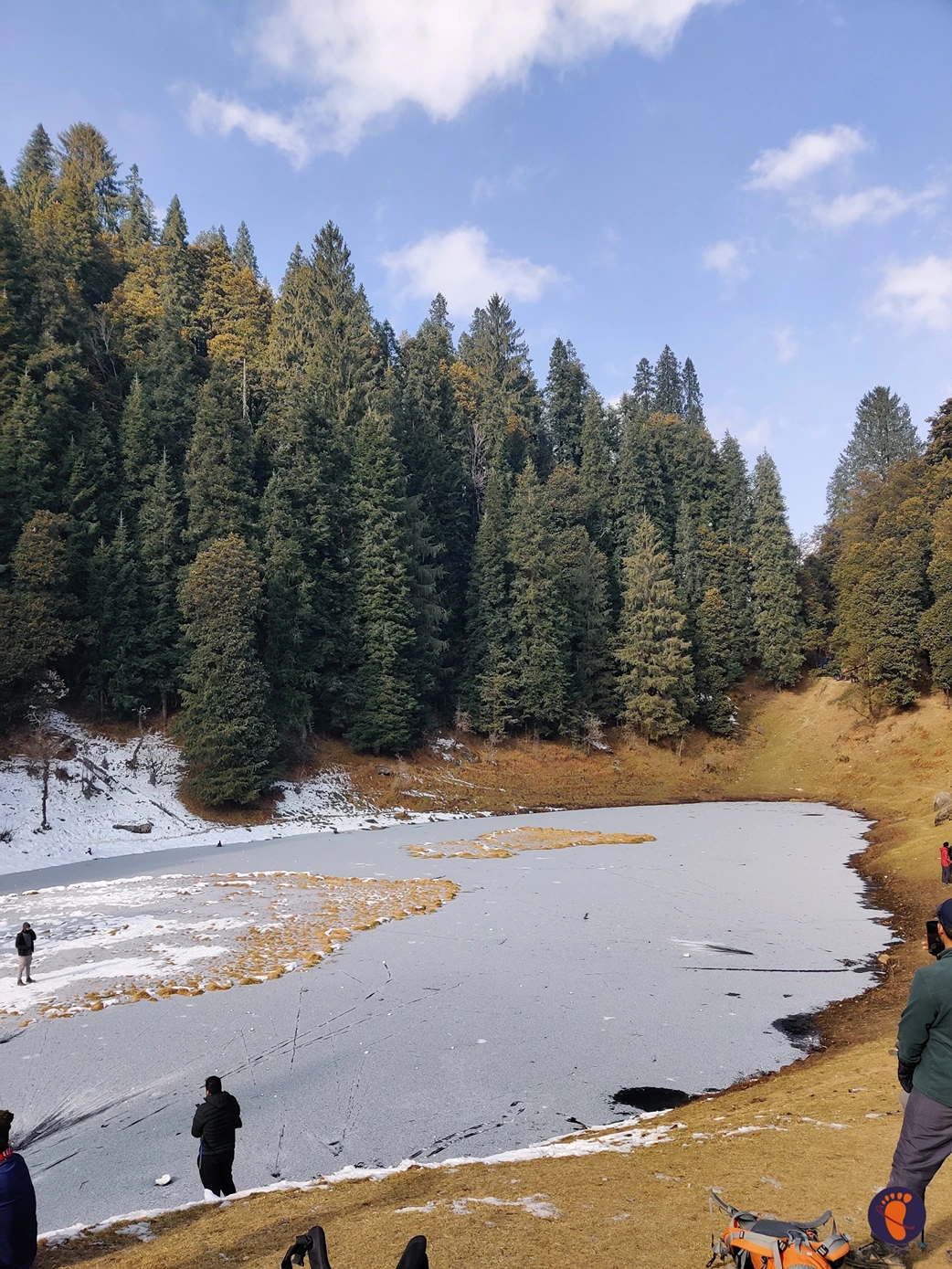
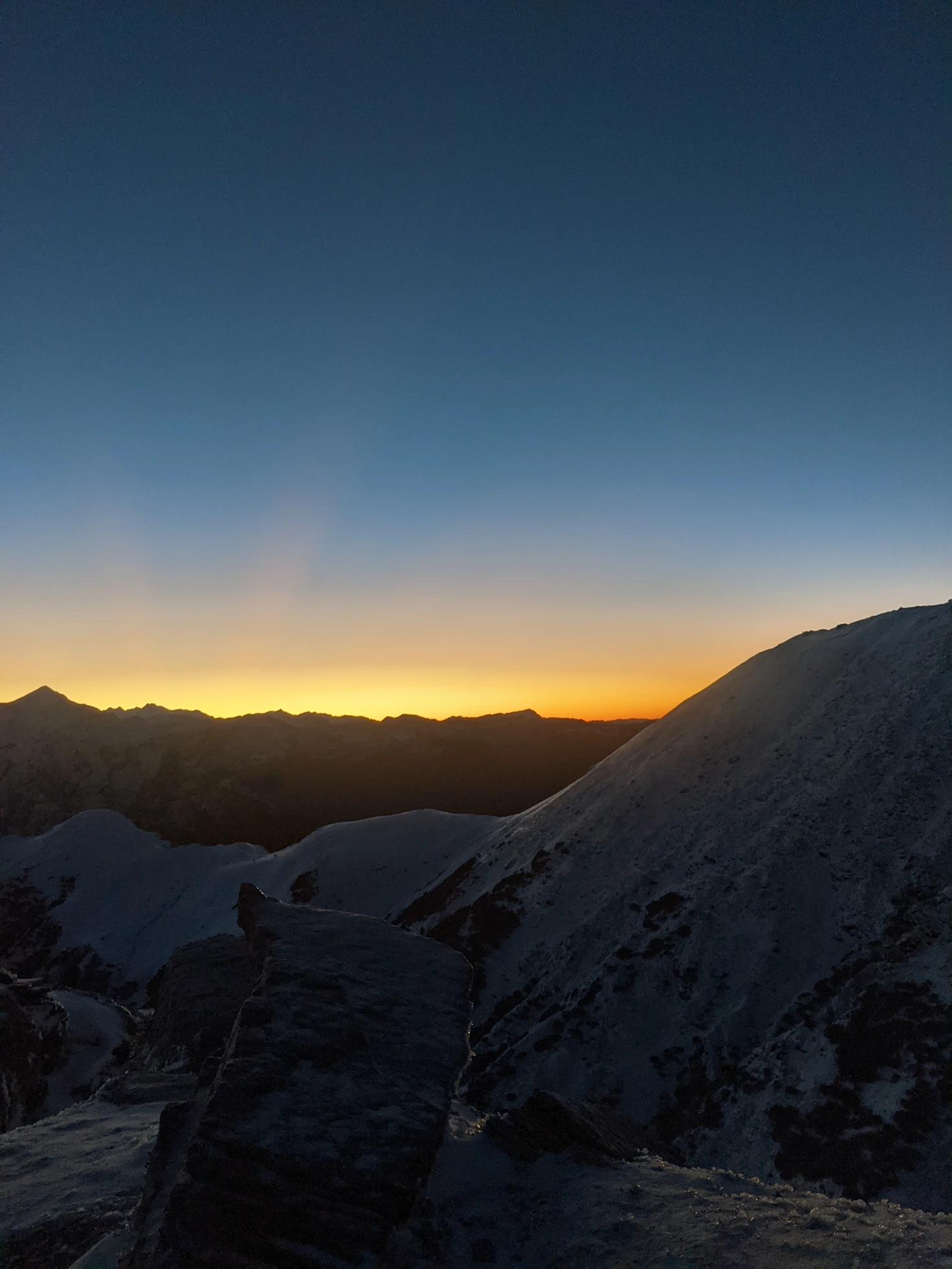
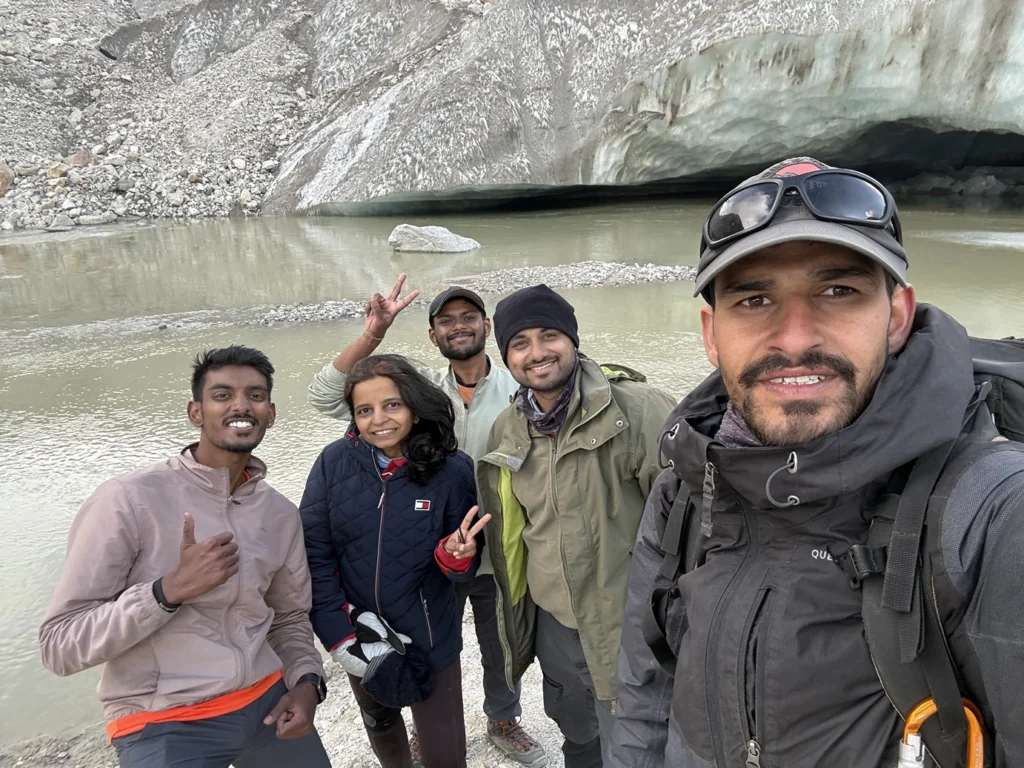
The Trek begins on Day 1 with the long, essential 8-9 hour drive from Dehradun, tracing the winding Bhagirathi River through the picturesque Garhwal region until you reach the holy town of Gangotri (10,200 ft). This drive serves as the first, crucial passive acclimatization step. Upon arrival, we settle into a comfortable guesthouse and immediately dive into the logistics: the Expedition Leader conducts the Mandatory Gear and Vitals Briefing, establishing the serious tone and safety protocols for the days ahead.
Auden’s Col Expedition
- Pick Up: Gangotri
- Drop: Gangotri
- Location: Gangotri Base Camp
Send an enquiry
Overview
The Trans-Himalayan Crossover
The Auden’s Col is not just another trek; it is more like an trek. It represents a profound physical and psychological examination, an act of passage across a geological chasm that divides two of the most sacred valleys in the Garhwal Himalayas: the Bhagirathi Valley and the Bhilangana Valley. This is where the world of mortals gives way to the realm of the titans.
Imagine standing on a knife-edge ridge at 18,012 feet (5,490 meters), a height where the air itself feels ancient and thin. This formidable pass, discovered by the British geologist John Bicknell Auden in 1935, is a high-altitude corridor of unparalleled danger and reward. It demands not just peak fitness, but the deep, quiet resolve of a mountaineer. Trekkers come here not to follow a trail, but to confront an untamed wilderness, standing face-to-face with giants like Swargarohini, Bandarpunch, and the colossal Gangotri peaks (I, II, and III).
What makes Auden’s Col truly legendary is the complexity of its terrain. The approach from Gangotri plunges you deep into the rough, boulder-strewn landscape of the Rudragaira Glacier, demanding calculated movement over unstable moraine. Yet, this is merely preparation for the main event: the descent onto the Khatling Glacier.
This is where the trek transforms. The Khatling is a massive, silent, flowing river of ice, notorious for its labyrinthine structure of both visible and hidden crevasses. For days, your world will shrink to the space immediately around your boots, where every step is deliberate and the safety of the entire team depends on adherence to the fixed rope protocols. You are no longer merely walking; you are traversing a heavily guarded fortress of ice and rock, requiring the compulsory use of harnesses, crampons, and ice axes.
The Auden’s Col trek offers a unique narrative arc. It begins in the spiritual epicenter of Gangotri, where the Bhagirathi River descends to earth, and concludes in the sacred valley that leads to Kedarnath (via Vasuki Tal and the Bhilangana River). This crossover binds two major pilgrimage sites, turning the physical endeavor of crossing 100 kilometers of the raw Himalaya into a profound act of self-discovery.
This is the ultimate test of endurance, where ten-hour days of technical negotiation are the norm, and the mind must be sharper than the mountain air. This trek is reserved for those who have mastered the high-altitude game—the seasoned adventurer seeking to forge their inner spirit on the hardest ice of the Garhwal. Step across the Auden’s Col, and you step across a threshold that changes your relationship with the mountains forever.
Highlights
Itinerary
Day 2 is a non-negotiable, full rest and acclimatization day in Gangotri. We maximize the value of this halt with an active acclimatization walk a few hundred feet up the nearby Kedartal trail, allowing the body to begin its subtle adaptation to the thinning air. The evening ritual involves the first official Crux Vitals Tracking checks (SpO2 and Pulse) to establish baseline parameters before the real ascent begins.
Meals
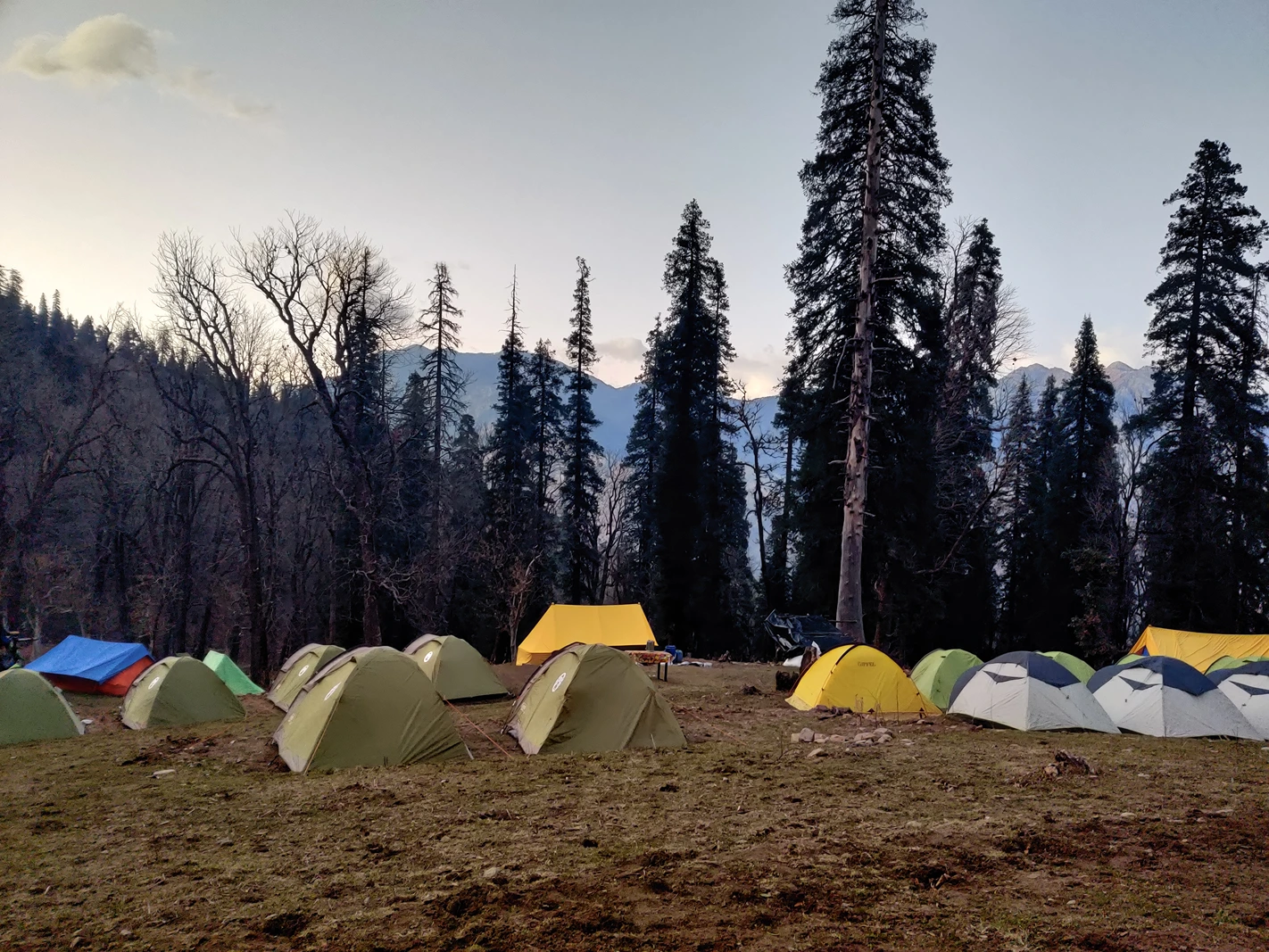
On Day 3, the trekking officially commences (8 km, 5-6 hours). We leave the main town and turn south, entering the beautiful Rudragaira Valley. The path is a gradual, welcome ascent through thick, fragrant forests of pine and birch, perfectly setting the slow, rhythmic pace required for high-altitude trekking. We establish our camp by the river at Nala Camp (12,300 ft).
Meals
Day 4 brings the first major challenge: a steep and strenuous 7-8 hour climb over 7 km to reach the high-alpine meadow of Rudugaira Base Camp (14,270 ft). The terrain shifts dramatically as the tree line is left behind, replaced by boulders and vast expanses of grass. This is where the views begin to open up, providing the first commanding perspectives of the peaks that define the area, and critically, a distant, tantalizing glimpse of Auden’s Col itself.
Meals
Day 5 is our second mandatory acclimatization day at Rudugaira BC. We adhere strictly to the “Climb High, Sleep Low” protocol, undertaking a 2-3 hour excursion to gain significant altitude before returning to the lower campsite for rest, priming the body’s red blood cell production. The afternoon is dedicated to a critical hands-on training session, where the team familiarizes itself with the ice axe, knots, and basic self-arrest techniques, moving from trekking to mountaineering readiness.
Meals
Finally, on Day 6, we make the final push into the high sanctuary. The 6-7 hour trek to Auden’s Col Base Camp (15,600 ft) is a relentless challenge over difficult glacial moraine and loose rock, requiring intense focus. We pass the Gangotri Base Camp area, with the Gangotri peaks towering over us. Setting camp in this stark, exposed, rocky arena marks the psychological shift; the evening is spent on the vital Pre-Summit Briefing, where rope teams are finalized and the minute-by-minute plan for the summit day is outlined.
Meals
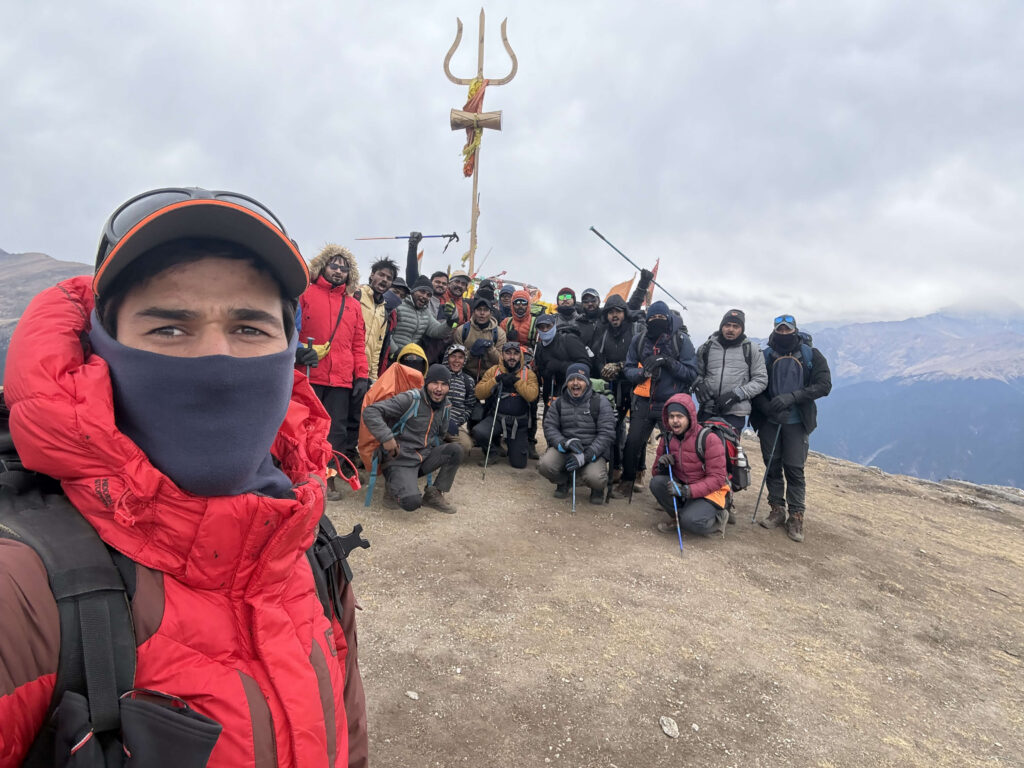
Day 7 is the climax: THE SUMMIT DAY (12 km, 10-12 hours). We rise in the pre-dawn darkness for the 3:00 AM start. The ascent to the Col (18,012 ft) is the steepest and most technical part of the entire trek, requiring the full mandatory deployment of fixed ropes, crampons, and ice axes to gain purchase on the snow and ice. Reaching the summit is a moment of profound triumph, rewarded with an uninterrupted, panoramic view of the vast Garhwal range, a spectacle worth every struggle. However, the success of the day depends on the descent. This is a highly technical, steep drop, often involving rappelling and immediately transitioning onto the legendary Khatling Glacier. The team is roped up and moves as a single, coordinated unit to reach the first high-altitude camp on the ice, Khatling Glacier Camp I.
Meals
Day 8 is the quintessential survival day—the traverse of the mighty Khatling Glacier (10 km, 7-8 hours). The landscape is a complex labyrinth of snow and ice, notorious for its network of open and hidden crevasses. Movement is slow, highly deliberate, and strictly roped-up for the entire duration, with guides constantly scouting the safest line. This day demands absolute concentration and trust in the entire team, making it a severe test of mental fortitude.
Meals
Finally, on Day 9, we begin the process of exiting the glacial world. The 5-6 hour trek to Waterfall Camp (14,000 ft) takes us over the terminal moraine and rocky debris, past the very snout of the glacier where the Bhilangana River is born. The slight drop in altitude and the shift from pure ice to rock provides the first psychological relief, allowing us to focus on immediate joint stabilization and recovery exercises.
Meals
Day 10 marks the welcome return to the beauty of the high alpine region. The 6-7 hour descent brings us into the sweeping, grassy expanses of the Chowki (12,470 ft) meadows. The walking is easier, the air is thicker, and the vast open views of the Bhilangana Valley offer a mental reset.
Meals
We continue this gentle descent on Day 11 to the serene, spiritual waters of Masar Tal (11,810 ft). This picturesque lake campsite is one of the most tranquil spots in the Himalayas, providing a much-needed reflective pause before the final push out of the wilderness.
Meals
The journey springs one final surprise on Day 12: a significant ascent over a high ridge is required to reach the fabled Vasuki Tal (14,200 ft). This 7−8 hour trek is a final burst of high-altitude effort, but the destination is worth the toil—Vasuki Tal, the source of the Vasuki Ganga, sits beneath a commanding view of the great Kedarnath Peak. This is the final wild camp.
Meals
Day 13 is the culmination: the 5-6 hour descent to the valley floor and the ancient, hallowed site of Kedarnath Temple (11,755 ft). The emotional moment of reaching the temple—the spiritual bookend to the journey begun in Gangotri—marks the successful conclusion of the Auden’s Col expedition and is celebrated with a well-deserved final dinner.
Meals
Day 14 involves the final 16 km walk down the main pilgrim trail to the roadhead at Gaurikund, followed by the long, reflective drive back to the hotel/guesthouse near Rishikesh or Rudraprayag, transitioning back to civilization.
Meals
The Trek concludes on Day 15 with the final transfer back to Dehradun for final departures.
Meals
Good to know
Inclusions
-
Accommodation (Guest House / Hotel in Gangotri, Rudraprayag, Dehradun)
-
trek-grade camping (Day 3 to Day 13, twin sharing tents)
-
All meals during the trek (Day 1 Dinner to Day 14 Breakfast)
-
Highly experienced Mountaineering Guide Team (WFR Certified)
-
All group technical equipment (Ropes, Anchors, Carabiners, Snow/Ice gear)
-
Permits, Forest Fees, and Gangotri National Park entry fees
-
Kitchen Staff, Porterage of Rations & Camping Equipment
Exclusions
-
Personal Porter / Mules for offloading (available at extra cost)
-
Personal trekking gear rental (boots, jacket, poles, etc.)
-
Any personal expenses (souvenirs, snacks, phone charging, etc.)
-
Travel or medical insurance, evacuation costs
-
Camera fees in the National Park
-
Meals during the Dehradun to Gangotri/Gaurikund to Dehradun drive
Things to Carry
Must cover ears. Essential for retaining body heat.
Crucial for summit day to protect the nose and mouth from cold wind.
MANDATORY. Snow glare is intense and can cause snow blindness. Must be UV protected.
Thermal tops (full sleeve). Must be synthetic or Merino wool. NO COTTON.
Fleece jacket (thick). Your primary source of warmth.
Padded jacket (Polyfill/Down). Heavy, windproof, and water-resistant.
Thermal bottoms (leggings).
Quick-dry, synthetic trekking trousers. Avoid jeans/shorts.
High-ankle, sturdy, waterproof trekking boots with good grip.
3–4 pairs of thick woolen/synthetic trekking socks (for the day) and 2 pairs of dry woolen socks (for sleeping only).
1 pair of woolen/fleece inner gloves and 1 pair of heavy, waterproof outer gloves.
MANDATORY. Carry extra batteries.
Carry a 1-liter bottle and a thermos to keep water from freezing.
Essential for high-altitude UV protection.
Toothbrush, wet wipes, and any personal prescription drugs.
For carrying water, jacket, snacks, and personal items during the trek.
Sleeping Bag, Sleeping Mat, Tents, Crampons, Gaiters, and Trekking Poles (use optional).
How to reach
How to prepare your body and mind for the trek
Your Mind & Body Compass
Auden Col is the perfect choice for a first-time wellness trekker, but a reasonable level of fitness is essential to ensure you enjoy the experience, especially given the rapid altitude gain.
Physical Conditioning (8 Weeks Prior):
- iCardiovascular Fitness: Commit to a daily routine of 4-5 kilometers of walking or jogging. Focus on building endurance to comfortably manage the steep sections.
- iStrength and Flexibility: Incorporate basic strength training (squats, planks) and gentle Himalayan-focused stretching to condition the muscles and joints for carrying a backpack.
Mental & Respiratory Conditioning:
- iMastering the Breath: Begin a routine of Pranayama (breathing exercises). Practices like Anulom Vilom (Alternate Nostril Breathing) are vital for improving lung capacity and ensuring a smooth, relaxed acclimatization at high altitude.
- iWeather Readiness: Be prepared for the transformative nature of Himalayan weather. While daytime can be manageable (10°C to 15°C), winter nights are intensely cold, dropping to -4°C or lower. Our high-quality gear is provided to support your journey safely through the cold.
Refund & Cancellation
We aim for clear and fair practices regarding cancellations. We know plans can change, and our policy is designed to balance flexibility for you with the operational needs of running a trek.
If Crux Himalaya Cancels Your Trek
-
If we are forced to cancel a trip for reasons beyond our control (such as natural disasters, route closures, or governmental mandates), you will receive a Trek Voucher. This voucher is valid for one year and can be applied toward the original trek or any other available trek.
-
If the cost of the new trek is higher, you must pay the difference. If the cost of the new trek is lower, we will refund the surplus amount.
-
If the cancellation is due to insufficient bookings (fewer than three participants), you will receive a full monetary refund.
If You Cancel Your Trek
| Cancellation Window | Refund | Notes |
|---|---|---|
| More than 30 days prior to the trek start date | 100% refund | Full refund of trek fee |
| Between 15 and 30 days prior to the trek start date | 50% refund | Balance forfeited |
| Within 1 to 15 days prior to the trek start date | No refund | Pre-booked logistics; refund not applicable |
30+ days before trek start
Full refund of trek fee
15–30 days before trek
Balance forfeited
1–15 days before trek
Refund not applicable
FAQs
It involves sustained, high-altitude trekking above 14,000 ft, a technical pass crossing at 18,012 ft, and several days traversing the heavily crevassed Khatling Glacier, requiring advanced technical gear and skills.
Absolutely not. It is strictly reserved for trekkers with significant high-altitude experience and mountaineering proficiency.
Yes, the Khatling Glacier is known for both open and hidden crevasses. The entire team must be roped up and follow the expert guides’ paths precisely to mitigate risk.
June (when snow is hard, making travel safer) and September (after the monsoon, when snow bridges are often firmer and crevasses are more visible). Avoid the full monsoon (July/August).
No. Much of the route (especially on the glacier and moraine) is unmarked and changes seasonally. This is why experienced guides and navigation skills are non-negotiable.
The last reliable ATM and mobile network coverage are available in Uttarkashi. After Gangotri, there is virtually no network connectivity for the duration of the trek until the Gaurikund area
The single biggest non-crevasse risk is the steep, loose scree and rockfall potential on the descent from the Auden’s Col down onto the Khatling side.
- Risk: The angle is often over 60 degrees, and the material is highly unstable. A minor slip can trigger a larger slide.
- Management: Our protocol involves establishing fixed ropes not just for ascent, but for the majority of the descent, turning it into a controlled rappelling or down-climbing scenario. Only essential personnel are allowed in the fall line at any time, with strict adherence to staggered movement to prevent dislodging rocks onto teammates below.
Crossing the Col (18,012 ft) is a commitment; retreat from the Auden’s side is often just as difficult as continuing to the Khatling side once a certain point is passed.
- Decision Protocol: Our Expedition Leader carries a SAT phone for guaranteed weather updates and must make the Go/No-Go decision at Auden’s Col Base Camp based on the most current forecast and ground conditions.
- Contingency: Our 15-Day Itinerary includes two dedicated contingency days (which may be used as acclimatization halts or to wait out a sudden weather window). If a sudden white-out or storm hits during the crossing, the team will seek immediate, temporary shelter on the lee side and be prepared to set up an emergency high camp, but the primary focus is a rapid, controlled descent past the high-risk zones.
On the summit day (Day 7), we employ a “climb high, sleep low” strategy that is challenging but optimal for survival at this altitude.
- Auden’s Col Summit: 18,012 ft (5,490 m)
- Khatling Glacier Camp I (Night of Day 7): 16,730 ft (5,100 m)
This results in a total descent of over 1,282 feet after the climb. This drop in sleeping altitude significantly lowers the risk of severe AMS compared to sleeping at or near the summit height, which is a key safety measure for this expedition.
Due to the extreme remoteness, the initial response relies entirely on the certified field team.
- Initial Response: The WFR-certified Guide will stabilize the patient. We carry a comprehensive medical kit, including supplemental Oxygen Cylinders and Gamow Bags (portable hyperbaric chambers) for immediate, temporary treatment of severe AMS or HACE/HAPE at the high camps.
- Evacuation: Since this is a technical zone with no motorable access for over ten days, all initial evacuation is by stretcher (improvised or expedition-grade) to a lower altitude camp (e.g., Rudugaira BC or Chowki). Simultaneously, the Expedition Leader uses the SAT phone to coordinate a potential helicopter rescue with the nearest appropriate agency, though this remains an expensive and weather-dependent option.
Yes, but this transforms the expedition into a true mountaineering undertaking, increasing the duration and difficulty substantially.
- Expedition: The Auden’s Col and Mayali Pass Crossover Expedition links the two passes, often totaling 15-18 days.
- Difficulty: It adds significant technical complexity, multiple days on glaciers, and requires even more conservative acclimatization and planning. This option is only suitable for professional mountaineers or trekkers who have successfully completed multiple technical high-altitude passes previously. Our standard 15-day itinerary focuses solely on the Auden’s Col Crossover.
- Pick Up: Gangotri
- Drop: Gangotri
- Location: Gangotri Base Camp