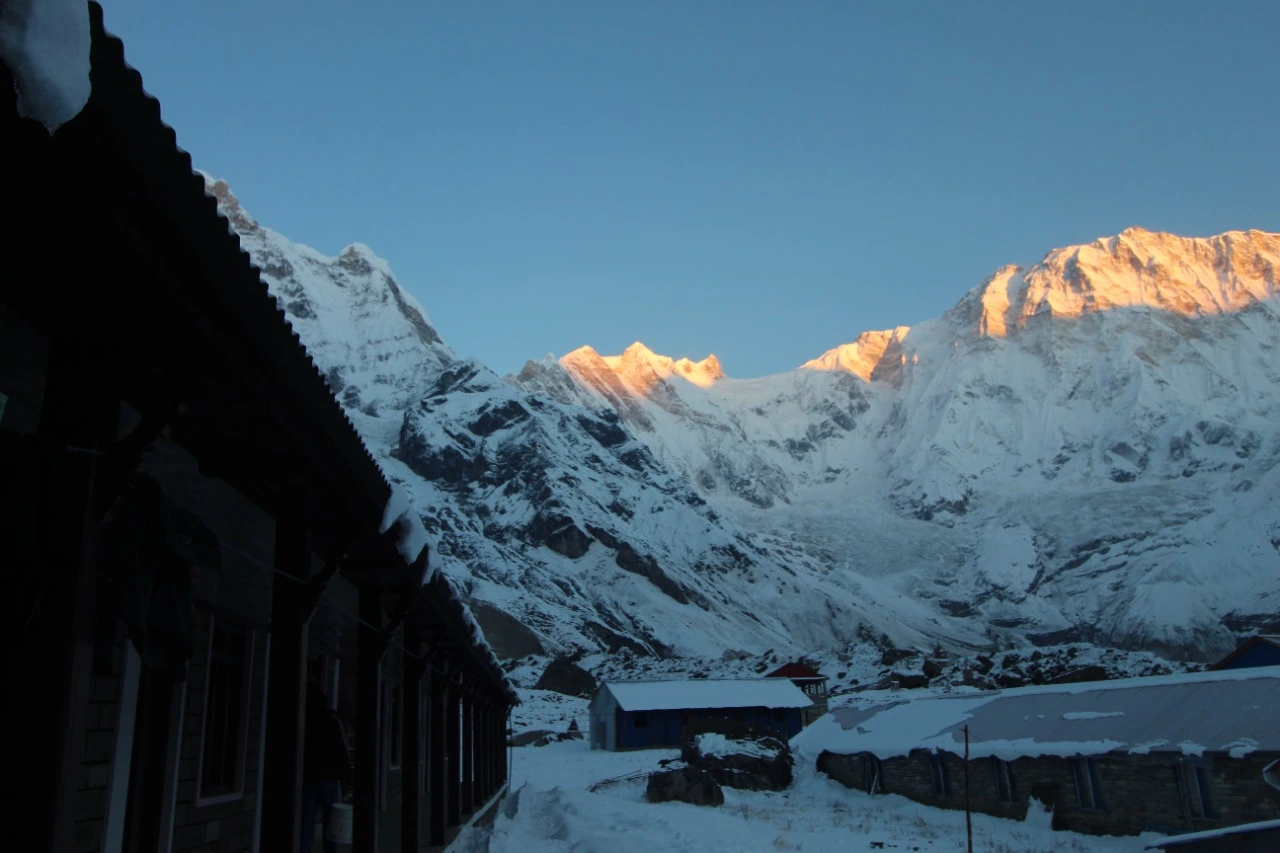
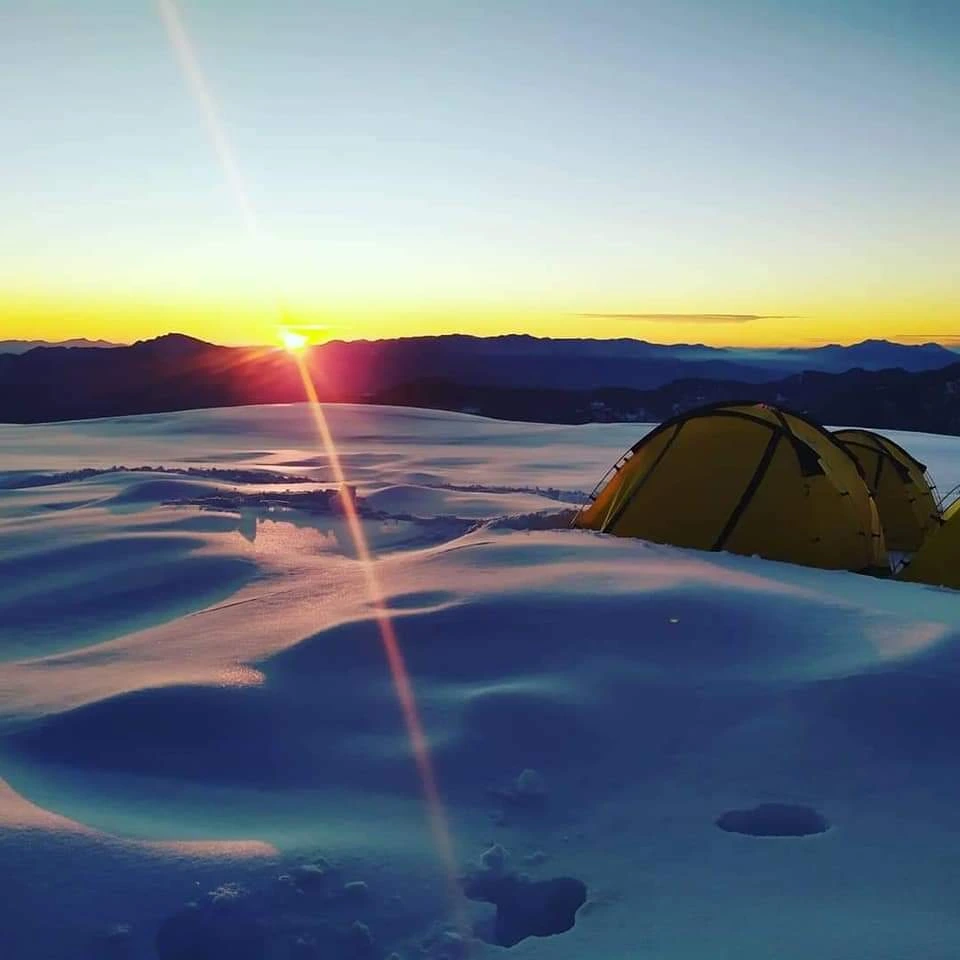
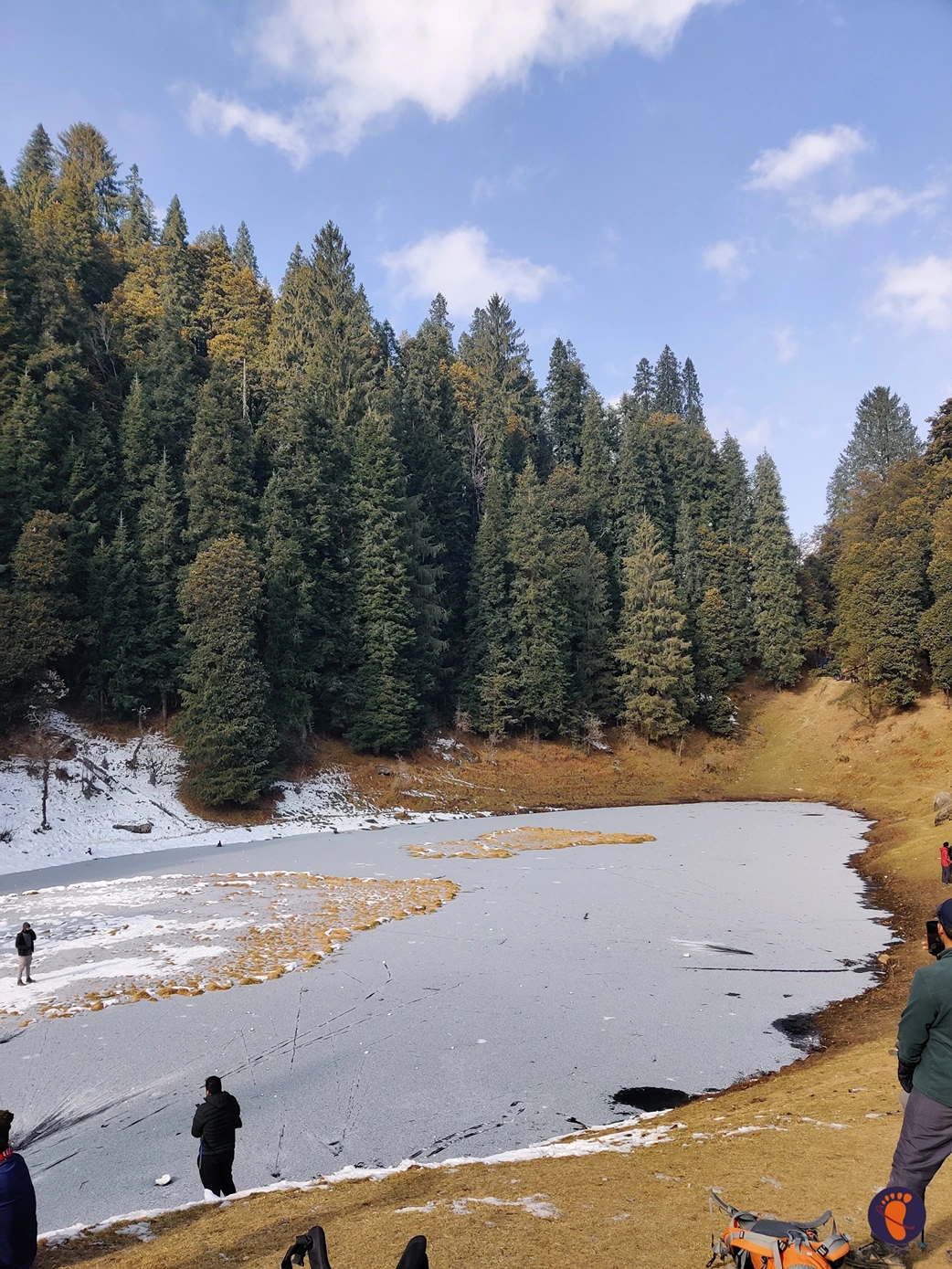
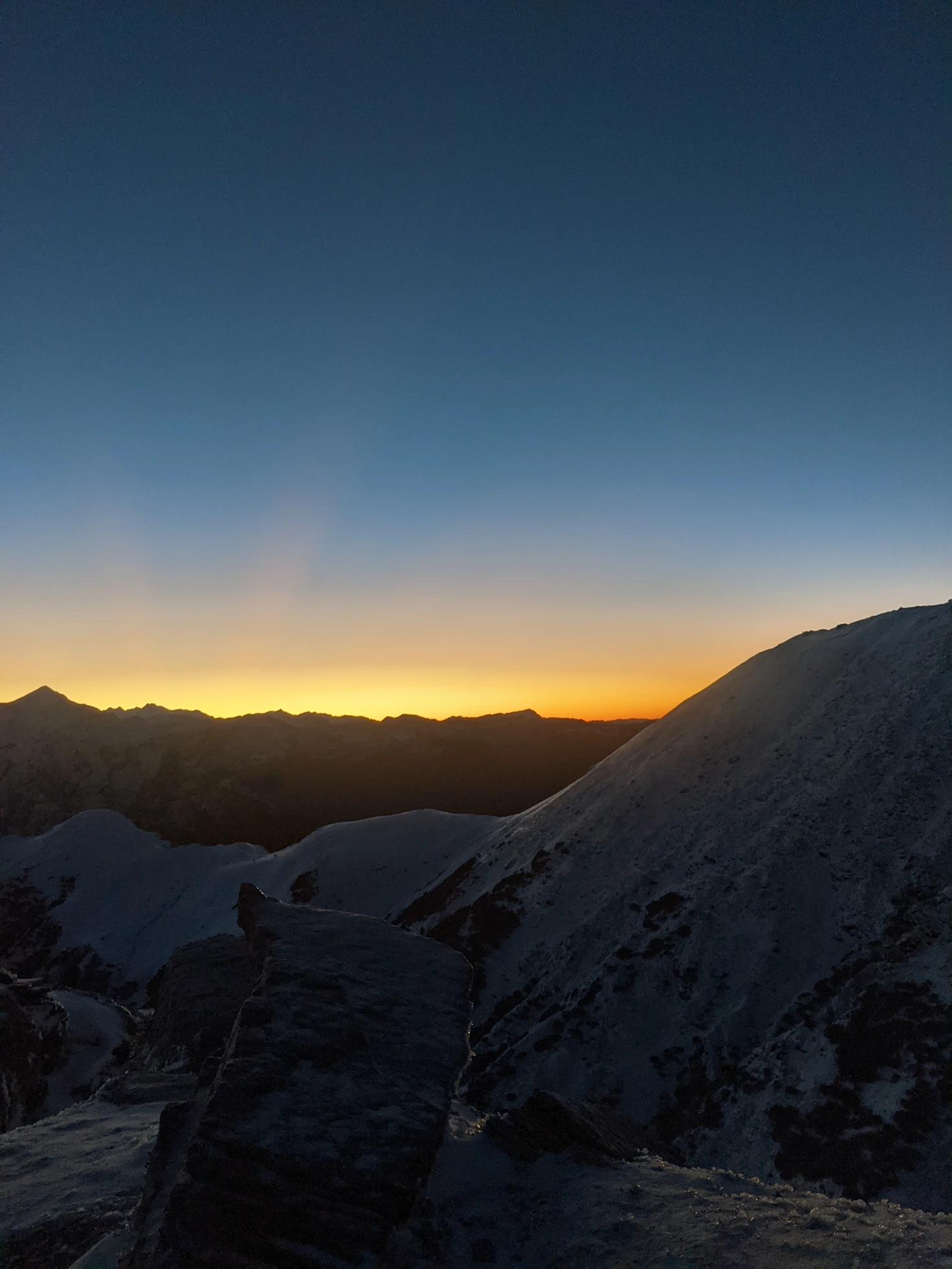
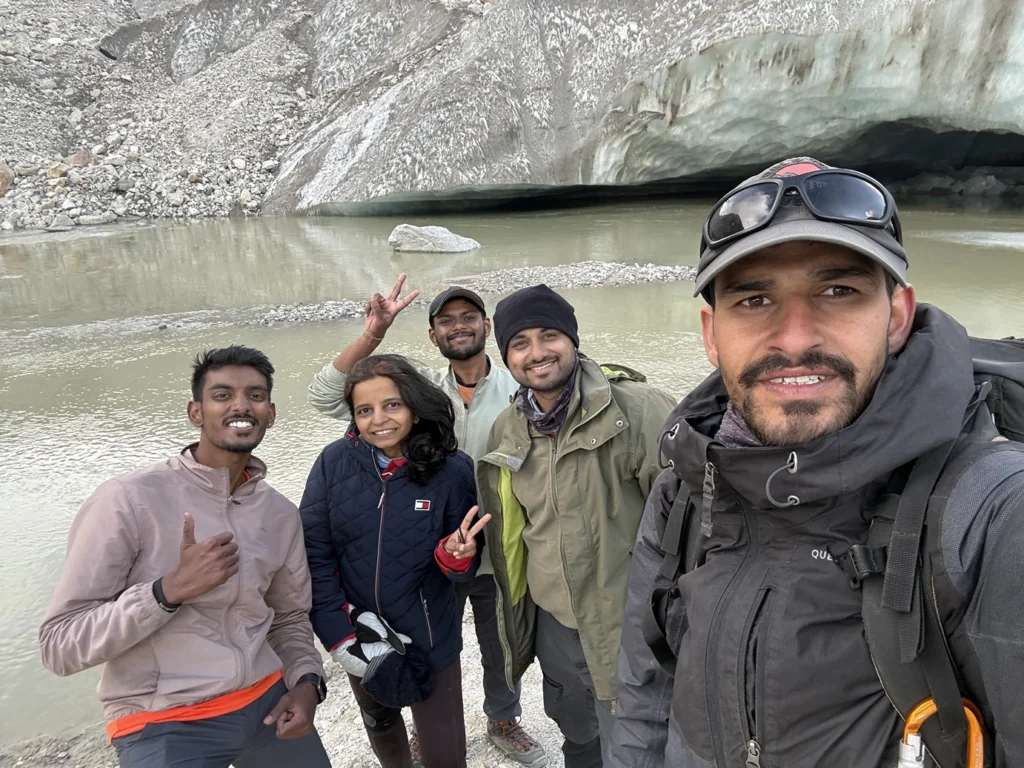
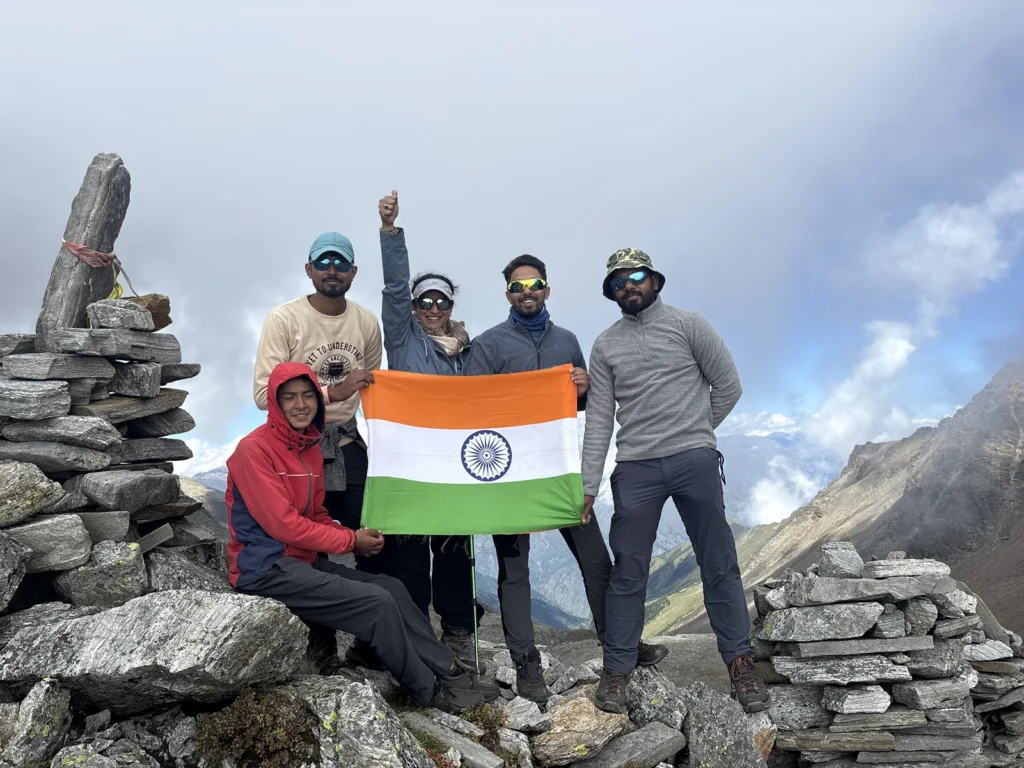
The journey begins with an early start from Haridwar or Dehradun, embarking on a long, scenic 10–11 hour drive to Joshimath. This drive is a captivating introduction to the Garhwal Himalayas, following the sacred rivers like the Alaknanda and witnessing the holy confluences, such as Devprayag. The elevation gain is significant, but gradual, ensuring a steady, though tiring, acclimatization process. Upon arrival in Joshimath, the evening is spent checking into a hotel, having dinner, and resting, which is essential after the long drive and before the next jump in altitude.
Swargarohini Trek Expedition
- Pick Up: Sankari
- Drop: Sankari
- Location: Sankri Market
Send an enquiry
Overview
The Swargarohini Trek Expedition is more than an adventure—it is a journey through mythology, spirituality, and self-discovery. Nestled in the heart of the Garhwal Himalayas in the Chamoli district of Uttarakhand, this expedition leads trekkers toward the legendary Swargarohini mountain range, a stunning cluster of four snow-capped peaks that shimmer like a celestial staircase to the heavens.
The name Swargarohini translates to “The Way to Heaven” or “Ascent to Heaven,” symbolizing both a physical and spiritual passage. For centuries, sages, travelers, and mountaineers have revered this route as one of the most sacred treks in the Indian Himalayas—where faith, nature, and mythology converge.
Mythological Significance: The Path of the Pandavas
The legend of Swargarohini is deeply rooted in the epic Mahabharata.
According to Hindu mythology, this is the very path taken by the Pandavas on their final journey toward heaven. As the story goes, after ruling the earth, the five brothers and their wife Draupadi renounced their kingdom and embarked on this divine ascent. One by one, they succumbed to the trials of the mountains—except Yudhishthira, the eldest, who completed the journey in his human form, accompanied only by a loyal dog.
This profound tale of faith and endurance gives the Swargarohini Trek a unique place among spiritual treks in India—a pilgrimage that allows trekkers to walk in the footsteps of heroes, guided by myth, faith, and the raw beauty of the Himalayas.
The Swargarohini Expedition unfolds over 13 days and 12 nights, covering some of the most pristine and spiritually charged landscapes in Uttarakhand. Rated as a moderate to challenging trek, it demands good fitness, resilience, and respect for the high-altitude conditions.
At its highest point, trekkers reach an elevation of approximately 15,100 feet (4,600 meters). The journey begins in the sacred town of Badrinath, one of the Char Dham pilgrimage sites, and gradually ascends through an otherworldly terrain of alpine meadows, glacial moraines, and boulder fields.
Along the way, trekkers encounter some of the region’s most awe-inspiring landmarks:
- iVasudhara Falls – A 400-ft cascading waterfall believed to wash away sins and sorrows.
- iSatopanth Lake – A serene, triangular lake surrounded by myth and divinity, said to be the bathing site of the Hindu Trinity—Brahma, Vishnu, and Mahesh (Shiva).
- iChaukhamba, Balakun, and Neelkanth Peaks – Iconic Himalayan giants that dominate the horizon, adding grandeur to every step of the expedition.
As you near the Swargarohini massif, the landscape transforms into a realm of silence and reverence—an environment that feels suspended between earth and sky.

Highlights
Itinerary
A short, two to three-hour drive from Joshimath brings the team to the revered pilgrimage town of Badrinath. This entire day is designated for rest and mandatory acclimatization. Trekkers are encouraged to take light walks around the town and visit the famous Badrinath Temple, which is crucial for preparing the body for the strenuous high-altitude trekking days ahead. Proper rest ensures safety and a higher chance of success on the upper sections of the trail.
Meals
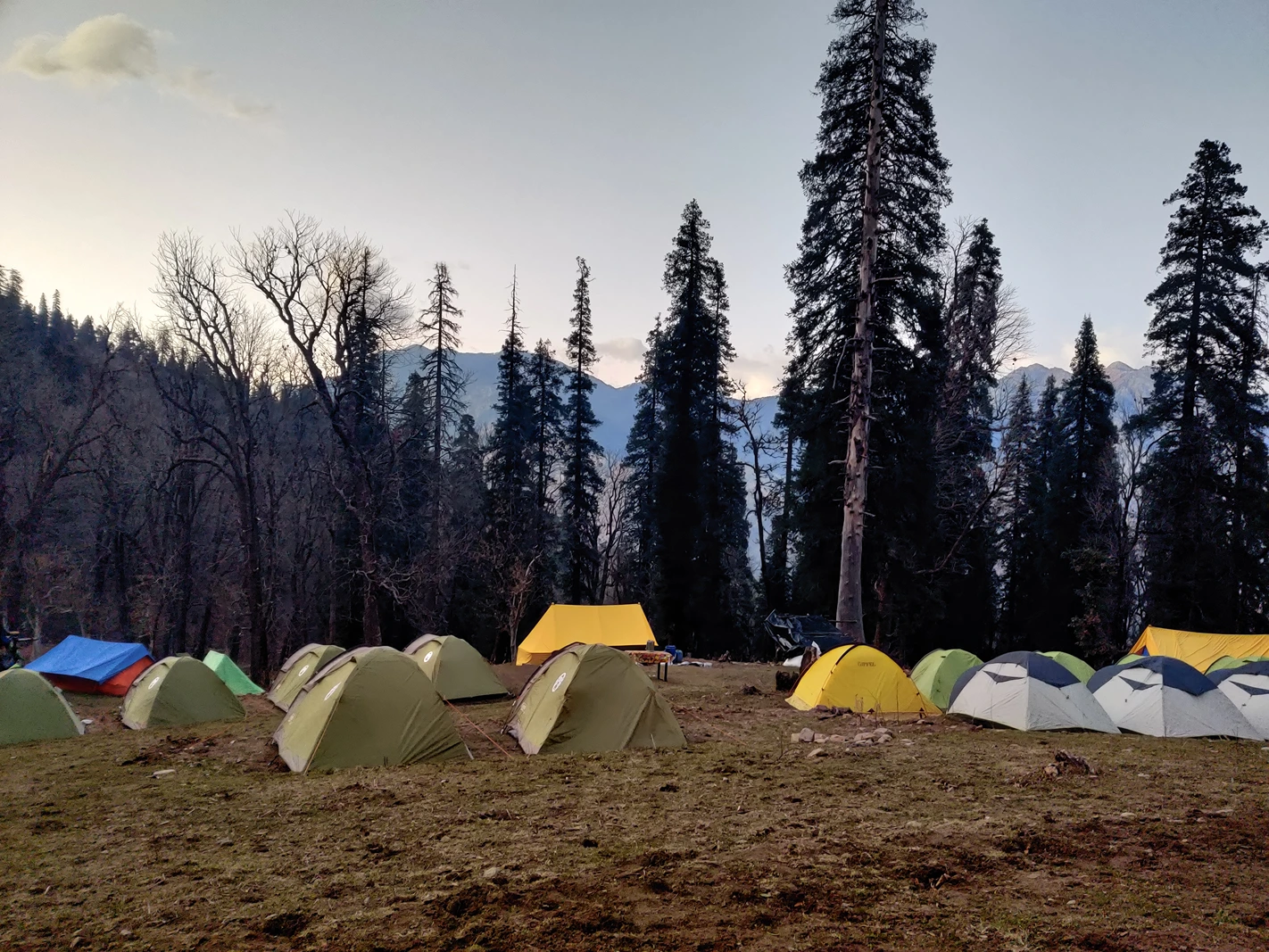
The trekking officially commences today. After breakfast, a short drive takes you to the last Indian village of Mana. From Mana, the trail begins with a gradual but steady ascent. Trekkers soon catch sight of the spectacular Vasudhara Falls on the opposite side of the Alaknanda River. The path continues through Somtoli meadows and a boulder-strewn zone, eventually leading to the beautiful campsite of Laxmivan, named for the surrounding dense birch (Bhojpatra) forests. This 8 km trek takes approximately 4-5 hours, concluding the first day of camping in the alpine zone.
Meals
The trek today is a challenging 5-6 hour ascent as the trail gets steeper and involves navigating through scree and boulder fields. The key milestone is reaching Sahastradhara (‘Thousand Waterfalls’). After climbing up the valley, the effort is instantly rewarded with the first truly magnificent, sweeping views of the mighty Chaukhamba peaks, Balakun, and the prominent Neelkanth summit. Trekkers cross a small stream and proceed onto a leveled field before a final steep climb to the peaceful campsite of Chakratirth.
Meals
An early start is necessary to tackle today’s demanding section. The route involves climbing to the highest point of the ridge and then trekking along the edge of the glacier, navigating moraines, scree, and difficult terrain. Trekkers will soon be greeted by the serene, triangular-shaped Satopanth Tal (lake), a holy site surrounded by towering peaks. After enjoying the divine views of Neelkanth and Chaukhamba, the camp is pitched near the lake for an overnight stay at this sacred altitude.
Meals
Continuing the climb, the destination for the day is Chandrakund. The trail narrows significantly, running precariously between rocky terrain and the crevassed Satopanth Glacier, requiring careful and focused movement. Along the way, trekkers may spot stone dwellings built by permanently residing sadhus. Chandrakund itself is a small, quiet lake, a short distance from the next high camp, and serves as a vital staging point for the push towards the higher points.
Meals
Today’s trek is short in distance but exceptionally challenging, traversing difficult moraine and boulder zones. An early start is essential to move safely across the rugged, high-altitude landscape. The reward for this arduous climb is the unparalleled, clear view of the entire Chaukhamba group of peaks and Kuber Parvat, which dominate the horizon. Upon reaching Suryakund, camp is set up, marking the last point before the final objective.
Meals
This is a critical day for safety and summit success. A full day is dedicated to resting and fully acclimatizing at the high elevation of Suryakund. Trekkers are encouraged to take short, slow hikes to a slightly higher point to “climb high and sleep low,” further aiding acclimatization, but otherwise conserve energy for the push to the Base Camp.
Meals
The ultimate goal of the expedition. The trek from Suryakund to the Swargarohini Base Camp is a steep, difficult, 6-7 hour climb across crevassed, icy terrain and a boulder field, demanding the use of technical gear depending on conditions. The spectacular, close-up views of the Swargarohini peaks and surrounding giants from this high vantage point are the culmination of the entire trek. After spending time at the viewpoint, the team treks back to the lower camp, often to Suryakund or Satopanth Tal, for the night.
Meals
The descent begins. Day 10 involves retracing the steps from the high camp back to the beautiful Satopanth Tal, a relatively long 7-8 hour trek. The following day, Day 11, is another long descent, following the familiar trail back to the sanctuary of Laxmivan, passing Chakratirth. While descending is faster than ascending, careful footing is required on the steep, loose sections, and the day is physically demanding.
Meals
On Day 12, the last trekking leg is completed, as the team descends from Laxmivan back to the roadhead at Mana village, a journey of about 4-5 hours. From Mana, a short drive returns the trekkers to Badrinath, where they check into a hotel and can enjoy a final, comfortable evening, perhaps visiting the temple. Finally, Day 13 marks the end of the expedition, with a long, 10-12 hour drive back to Haridwar or Dehradun, concluding the epic journey.
Meals
Good to know
Inclusions
-
Logistics and Transportation: The fee typically includes all scheduled transportation between the initial pick-up point and the final drop-off point, such as from Dehradun/Haridwar to Joshimath/Badrinath and back. It covers all internal transfers within the expedition itinerary, including the drive to and from the roadhead (e.g., Mana village). Furthermore, the cost encompasses the deployment of mules or porters to carry the central camping equipment and technical supplies, ensuring the trekkers only carry their personal day packs.
-
Accommodation and Equipment: Accommodation is included from the first night through the final night of the scheduled itinerary. This generally comprises hotel or guest house stays at the base camps (e.g., Joshimath, Badrinath) on a twin or triple-sharing basis, and high-quality, all-weather tents during the trekking days. Essential camping equipment provided includes sleeping bags, sleeping mattresses, dining tents, kitchen tents, and toilet tents. Technical gear such as ropes, fixed gear, and common safety equipment used by the team are also covered.
-
Team, Safety, and Permits: The fee secures the services of an experienced team, which is vital for a challenging high-altitude route. This team consists of a certified professional Trek Leader, local high-altitude guides, an experienced cook, and a support staff team. Safety is prioritized with the inclusion of a comprehensive first-aid kit, emergency oxygen cylinders, an oximeter, and a stretcher for medical support. Additionally, all required governmental and forest permits, as well as necessary entry fees for Indian nationals, are managed and covered by the expedition operator.
-
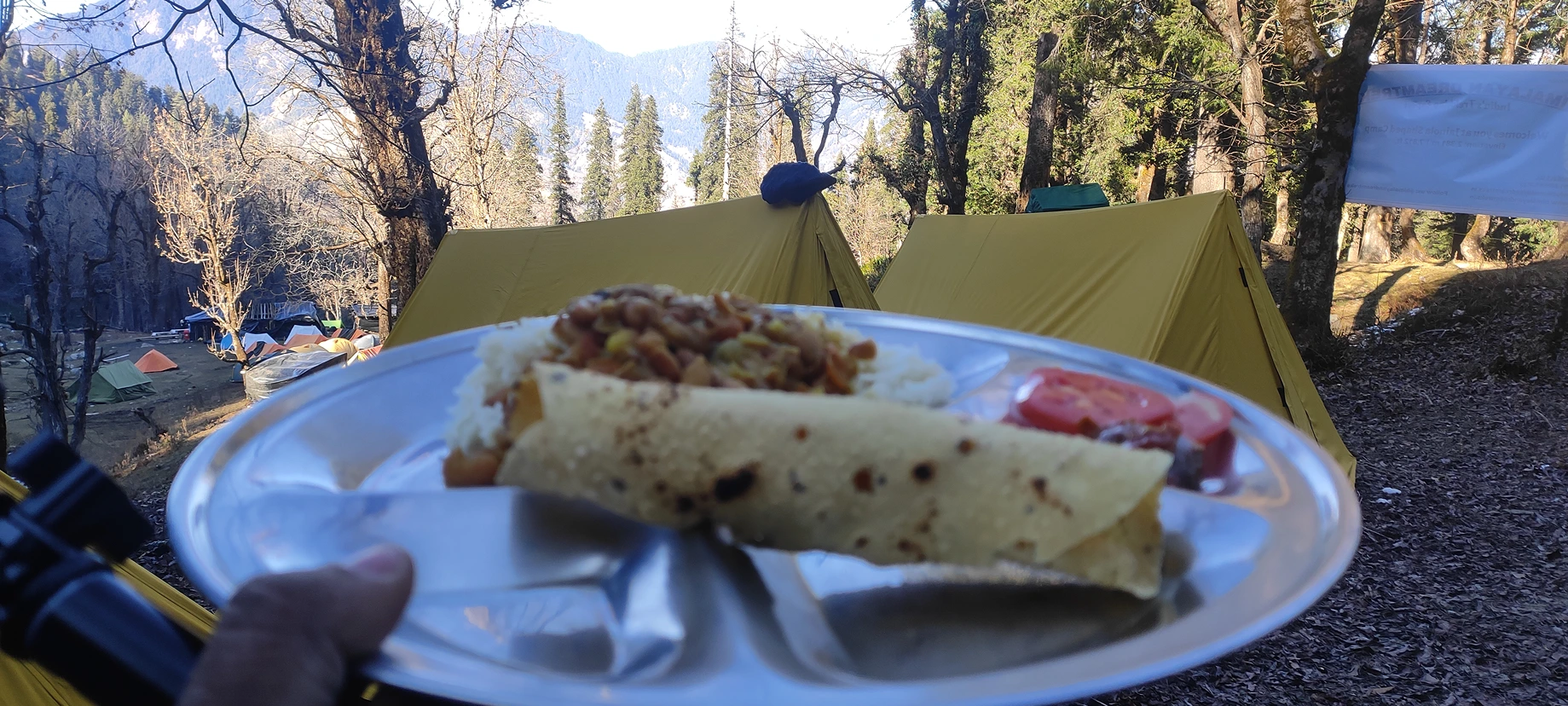
Meals and Subsistence: All meals are provided throughout the duration of the trek, starting from the dinner on Day 1 at the first base camp until the breakfast or brunch on the final day. Due to the cultural and environmental norms of the region, the meals provided are typically vegetarian, formulated to be high in carbohydrates to sustain energy at altitude. This includes breakfast, lunch, dinner, and evening snacks with hot beverages.
Exclusions
-
Personal Expenses and Services: This is the broadest exclusion category and covers any costs of a personal nature. Examples include charges for personal toiletries, laundry, telephone calls, mineral water, soft drinks, or any snacks consumed outside the planned expedition menu. Any kind of tips or gratuities given to the trekking crew, guides, porters, or drivers are also excluded and are at the discretion of the trekker.
-
Gear and Insurance: The cost does not cover personal trekking gear, which includes but is not limited to, trekking poles, personal sleeping bags (if a trekker prefers their own), headlamps, personal medical kits, or specialized high-altitude boots and clothing. Furthermore, comprehensive travel or medical insurance, including coverage for emergency medical evacuation or accident coverage, is strictly excluded and must be arranged independently by the participant prior to the trek.
-
Optional Services and Contingencies: The fee does not account for certain optional amenities, such as the offloading of the participant’s personal backpack (beyond the central luggage), which incurs an extra daily charge. It also excludes any costs arising from itinerary changes due to unforeseen circumstances, such as road closures, landslides, severe weather, or acts of nature. Any unscheduled extra days of stay, early returns, or costs associated with delays are borne by the participant.
Things to Carry
Must cover ears. Essential for retaining body heat.
Crucial for summit day to protect the nose and mouth from cold wind.
MANDATORY. Snow glare is intense and can cause snow blindness. Must be UV protected.
Thermal tops (full sleeve). Must be synthetic or Merino wool. NO COTTON.
Fleece jacket (thick). Your primary source of warmth.
Padded jacket (Polyfill/Down). Heavy, windproof, and water-resistant.
Thermal bottoms (leggings).
Quick-dry, synthetic trekking trousers. Avoid jeans/shorts.
High-ankle, sturdy, waterproof trekking boots with good grip.
3–4 pairs of thick woolen/synthetic trekking socks (for the day) and 2 pairs of dry woolen socks (for sleeping only).
1 pair of woolen/fleece inner gloves and 1 pair of heavy, waterproof outer gloves.
MANDATORY. Carry extra batteries.
Carry a 1-liter bottle and a thermos to keep water from freezing.
Essential for high-altitude UV protection.
Toothbrush, wet wipes, and any personal prescription drugs.
For carrying water, jacket, snacks, and personal items during the trek.
Sleeping Bag, Sleeping Mat, Tents, Crampons, Gaiters, and Trekking Poles (use optional).
How to reach
- i
Reaching the Starting Hub (Rishikesh/Haridwar/Dehradun)
- iBy Air: The nearest airport is Jolly Grant Airport (DED) in Dehradun.
- iBy Train: The nearest major railway stations are Haridwar (HW) or Rishikesh (RKSH).
- iBy Road: Rishikesh and Haridwar are well-connected by road to major cities like Delhi.
- i
Reaching the Trailhead (Mana Village)
The journey from the plains to the mountains is typically broken into two long days of driving:
| Stage | From | To | Distance & Time (Approx.) | Notes |
| Day 1 | Rishikesh/Haridwar | Joshimath | 250-290 km, 10-11 hours | A long drive along the Alaknanda, Mandakini, and Ganga rivers. Joshimath is a major town and an overnight halt. |
| Day 2 | Joshimath | Badrinath | 48 km, 2-3 hours | Drive to the holy town of Badrinath, which is the nearest town to the trailhead. |
| Day 3 (Start of Trek) | Badrinath | Mana Village | 3 km, 30 min drive/walk | Mana is the last inhabited village in India before the Indo-Tibetan border. This is where the trek officially begins. |
How to prepare your body and mind for the trek
Your Mind & Body Compass
Swargrohini is the perfect choice for a first-time wellness trekker, but a reasonable level of fitness is essential to ensure you enjoy the experience, especially given the rapid altitude gain.
Physical Conditioning (8 Weeks Prior):
- iCardiovascular Fitness: Commit to a daily routine of 4-5 kilometers of walking or jogging. Focus on building endurance to comfortably manage the steep sections.
- iStrength and Flexibility: Incorporate basic strength training (squats, planks) and gentle Himalayan-focused stretching to condition the muscles and joints for carrying a backpack.
Mental & Respiratory Conditioning:
- iMastering the Breath: Begin a routine of Pranayama (breathing exercises). Practices like Anulom Vilom (Alternate Nostril Breathing) are vital for improving lung capacity and ensuring a smooth, relaxed acclimatization at high altitude.
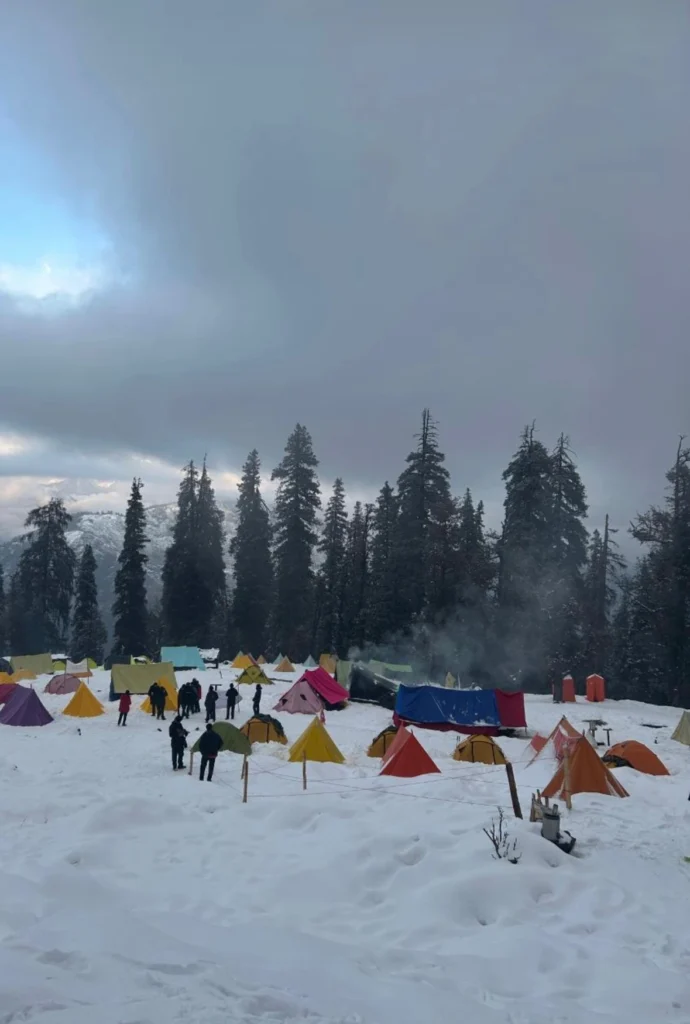
- iWeather Readiness: Be prepared for the transformative nature of Himalayan weather. While daytime can be manageable (10°C to 15°C), winter nights are intensely cold, dropping to -4°C or lower. Our high-quality gear is provided to support your journey safely through the cold.
Refund & Cancellation
We aim for clear and fair practices regarding cancellations. We know plans can change, and our policy is designed to balance flexibility for you with the operational needs of running a trek.
If Crux Himalaya Cancels Your Trek
-
If we are forced to cancel a trip for reasons beyond our control (such as natural disasters, route closures, or governmental mandates), you will receive a Trek Voucher. This voucher is valid for one year and can be applied toward the original trek or any other available trek.
-
If the cost of the new trek is higher, you must pay the difference. If the cost of the new trek is lower, we will refund the surplus amount.
-
If the cancellation is due to insufficient bookings (fewer than three participants), you will receive a full monetary refund.
If You Cancel Your Trek
| Cancellation Window | Refund | Notes |
|---|---|---|
| More than 30 days prior to the trek start date | 100% refund | Full refund of trek fee |
| Between 15 and 30 days prior to the trek start date | 50% refund | Balance forfeited |
| Within 1 to 15 days prior to the trek start date | No refund | Pre-booked logistics; refund not applicable |
30+ days before trek start
Full refund of trek fee
15–30 days before trek
Balance forfeited
1–15 days before trek
Refund not applicable
FAQs
It is a challenging, high-altitude trek/expedition in the Garhwal Himalayas of Uttarakhand, India. It leads toward the base of the sacred Swargarohini Peak (6,252 m / 20,510 ft), believed in Hindu mythology to be the only route to heaven a mortal could take. The trek often incorporates a visit to the holy Satopanth Tal lake.
The full expedition (often to the Swargarohini Glacier) typically lasts 10 to 13 days, depending on the exact itinerary and the number of acclimatization days included.
For the popular trekking route (Parikrama/Satopanth), the maximum altitude is around 4,600 meters (15,100 ft) near Satopanth Tal. The true base camp/glacier exploration can go up to 5,500 meters (18,000 ft).
The most common starting point for the trek is Mana Village, which is a short drive from Badrinath (Chamoli district). Another less common route starts from Sankri/Taluka (Uttarkashi district).
No. This is considered a Difficult/Challenging grade trek. It involves long trekking days, high altitude, and technically demanding sections like walking on moraine and snow/glaciers. Prior high-altitude trekking experience is highly recommended.
The primary challenges are the high altitude (risk of AMS), extreme cold (especially at night), and navigating the challenging terrain, which includes boulders, scree, and glacier crossings.
Yes, prior experience on at least one or two difficult high-altitude treks (e.g., above 4,000 m) is essential. You should be comfortable with multi-day camping and walking long distances.
You must have a high level of cardiovascular endurance. A good benchmark is the ability to run 5 km in 30 minutes or comfortably trek for 8 to 10 hours daily with a light backpack on hilly terrain.
Yes, all responsible itineraries include dedicated acclimatization days (usually near Suryakund or a high-altitude camp) to allow your body to adjust to the high altitude.
Yes. The Swargarohini region is remote and requires special permits (often through Govind Wildlife Sanctuary). A local guide is essential for navigation, safety, and adherence to regulations. Porters/mules are typically hired to carry the main load.
There are two main windows: Summer (May to June) and Post-Monsoon (September to October). The monsoon season (July and August) is avoided due to heavy rain, landslides, and poor trail conditions.
During the day, temperatures can range from 10-20 C at lower camps. At night and at the higher camps, temperatures can drop significantly, often falling to 0 C or below (-5 to -10 C in May/October).
A 3-layer clothing system (thermals, fleece/down, waterproof shell), high-quality, waterproof, and well-worn trekking boots, a warm sleeping bag (rated to at least -10C ), high-UV protection sunglasses (Category 3 or 4), and a headlamp.
Mobile network coverage is generally non-existent beyond Badrinath/Mana village. There is no electricity in the camps. It is essential to carry power banks for charging essential electronics like your headlamp and camera.
- Pick Up: Sankari
- Drop: Sankari
- Location: Sankri Market