The expedition begins with your arrival in Leh, Ladakh (3,500m / 11,483ft) (Day 1). This high-altitude desert city serves as the crucial staging ground. The first 48 hours are dedicated entirely to passive and active acclimatization in Leh.
Day 2 involves gentle walks to local sites like Shanti Stupa or Leh Palace, ensuring the body adjusts to the oxygen depletion before moving higher.
On Day 3, the team undertakes the significant road journey from Leh to Kargil (2,676m). This long drive, though descending in altitude, serves to position the team closer to the massif while providing a temporary respite from the highest altitude. Day 4 involves the final drive from Kargil along the picturesque Suru Valley, which offers the first awe-inspiring views of the mighty Nun-Kun peaks, to the road head at Shafat Nala (3,800m, where the last comfortable guesthouse or initial campsite is established.
Mount Kun Expedition
- Pick Up: Ladakh
- Drop: Ladakh
- Location: Ladakh
Send an enquiry
Overview
The Mount Kun Expedition is more than a climb—it’s a defining step into the rare air of high-altitude mountaineering. Towering at 7,077 meters (23,218 feet), Mount Kun stands tall in the Zanskar Range of the Ladakh region, forming the majestic Nun-Kun massif alongside its higher twin, Mount Nun (7,135m).
Separated by a breathtaking 4 km snow plateau, these two peaks dominate the skyline of the Suru Valley and offer a mountaineering experience that blends technical mastery, mental endurance, and Himalayan spirituality.
Unlike many Himalayan climbs that demand long approaches and complicated logistics, Mount Kun provides a rare balance of accessibility and technical challenge, making it one of the most coveted 7,000m expeditions in India.
Why the Mount Kun Expedition Matters
Climbing Mount Kun marks a powerful milestone in any mountaineer’s journey.
It’s a bridge between 6,000m summits and 8,000m expeditions, testing climbers on every front—physical conditioning, altitude adaptation, and mental tenacity.
At over 7,000 meters, oxygen levels drop drastically, forcing the body to perform under immense stress. The Mount Kun climb challenges endurance while sharpening technical precision—making it an essential preparation for legendary peaks like Everest, Lhotse, or Manaslu.
Highlights
Itinerary
The trek proper begins on Day 5 with the approach march from the road head to Mount Kun Base Camp (BC) (4,540 m / 14,900 ft). This trek crosses moraine and loose scree, marking the transition into true expedition territory. BC will be the operational hub for the next two weeks.
Day 6 is a dedicated rest and training day. This is crucial for acclimatization, allowing the body to adapt to the 4,500 m altitude. Guides will conduct a detailed review of mountaineering skills, including roping up, crevasse rescue techniques, and the use of technical gear (crampons, ice axe) which will be immediately applied on the mountain. A traditional puja or blessing ceremony is often performed to seek safe passage on the mountain.
Day 7 involves a mandatory Load Ferry to Camp I (5,300m). Climbers carry a portion of their gear (food, fuel, tents) up to the next camp and immediately return to the relative comfort of BC. This “climb high, sleep low” strategy is the cornerstone of safe high-altitude progression.
Meals
The core climbing phase begins on Day 8 as the team moves and occupies Camp I (C1) (5,300m), a position often located on the edge of the vast glacial system. Day 9 is a combination of rest at C1 and, weather permitting, a brief load ferry or route-setting reconnaissance toward Camp II.
Day 10 is technically the most challenging day of the climb, involving the ascent to Camp II (C2) (6,100 m / 20,000 ft). This section often includes the crux of the climb: navigating a highly crevassed zone and ascending a steep ice/mixed ground section, which requires fixed ropes to be established by the Sherpa team.
Day 11 involves necessary rest and recovery at C2, followed by the final load ferry and route reconnaissance toward the Summit Camp. Day 12 sees the final major move, ascending to the exposed and extremely cold Summit Camp (C3) (6,300m / 20,670 ft). The focus here is entirely on hydration, early dinner, and maximum rest for the early-morning summit push.
Meals
Day 13 is the target Summit Day. The team wakes shortly after midnight for the alpine start, beginning the long, demanding ascent to the top of Mount Kun (7,077m). The climb involves sustained effort on steep, icy slopes and a long ridge traverse. After reaching the summit and spending a brief, well-earned moment at the peak, the team executes the long, draining descent back to C3 or C2.
Days 14, 15, and 16 are reserved as essential buffer days. In high-altitude mountaineering, the weather window is often unpredictable; these days are crucial for safety, providing flexibility in case of storms, high winds, or if the team needs an extra rotation for acclimatization before the final push.
Meals
The expedition rapidly reverses its course starting on Day 17, executing a long, controlled descent from the high camps back to the relative safety of Base Camp. Day 18 sees the final pack-up of Base Camp and the celebratory trek out to the road head at Shafat Nala. The team meets the transport vehicles and drives to Kargil (2,676m) on Day 19, where the group stays in a hotel for the first time in over two weeks, enjoying the comfort and a final team dinner.
Day 20 is the long drive back to Leh (3,500m), allowing for final reflection and souvenir shopping.
Day 21 marks the official conclusion of the Mount Kun Expedition as climbers transfer to the airport for their onward journeys.
Meals
Good to know
Inclusions
-
IMF Royalty and Peak Booking: Mandatory fees paid to the Indian Mountaineering Foundation (IMF) for the permit to climb Mount Kun.
-
Inner Line/National Park Permits: Necessary permits for entry and camping in restricted areas of Ladakh/Zanskar.
-
Liaison Officer (LO): The mandatory fee for the Government-appointed Liaison Officer (LO) who accompanies the expedition.
-
Airport Transfers: Transfers between Leh Airport and the hotel on arrival and departure days.
-
Road Transport: All necessary road travel within the itinerary (e.g., Leh to Kargil, Kargil to Shafat Nala, and return).
-
Porterage/Mules: Transportation of all group gear (tents, kitchen supplies, technical ropes, food, fuel) and a standard allowance of personal luggage (usually 15-20 kg per member) from the road head to Base Camp and back.
-
Hotels/Guesthouses: Accommodation in Leh and Kargil (usually on a twin-sharing basis) during the arrival/acclimatization and exit phases.
-
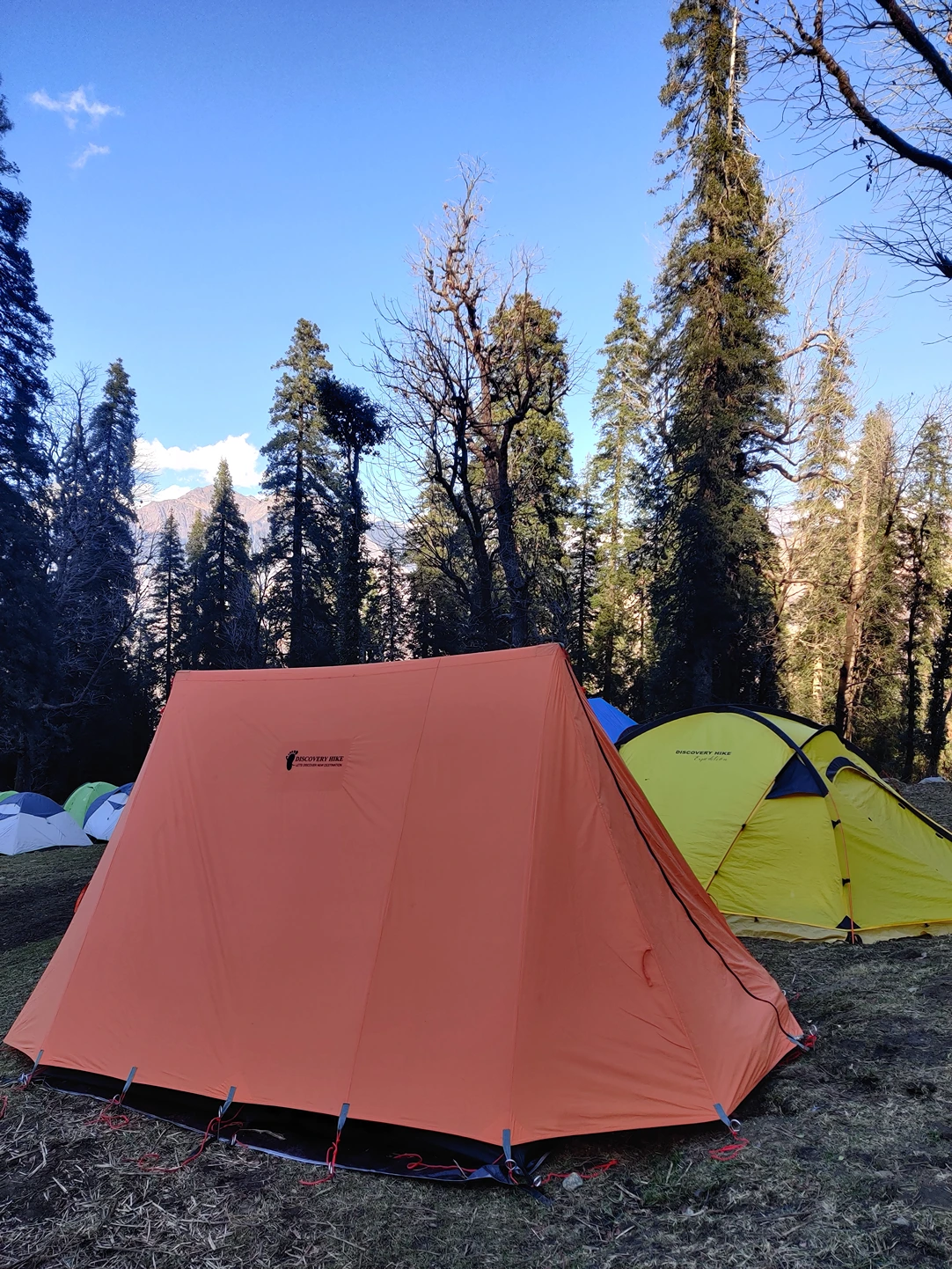
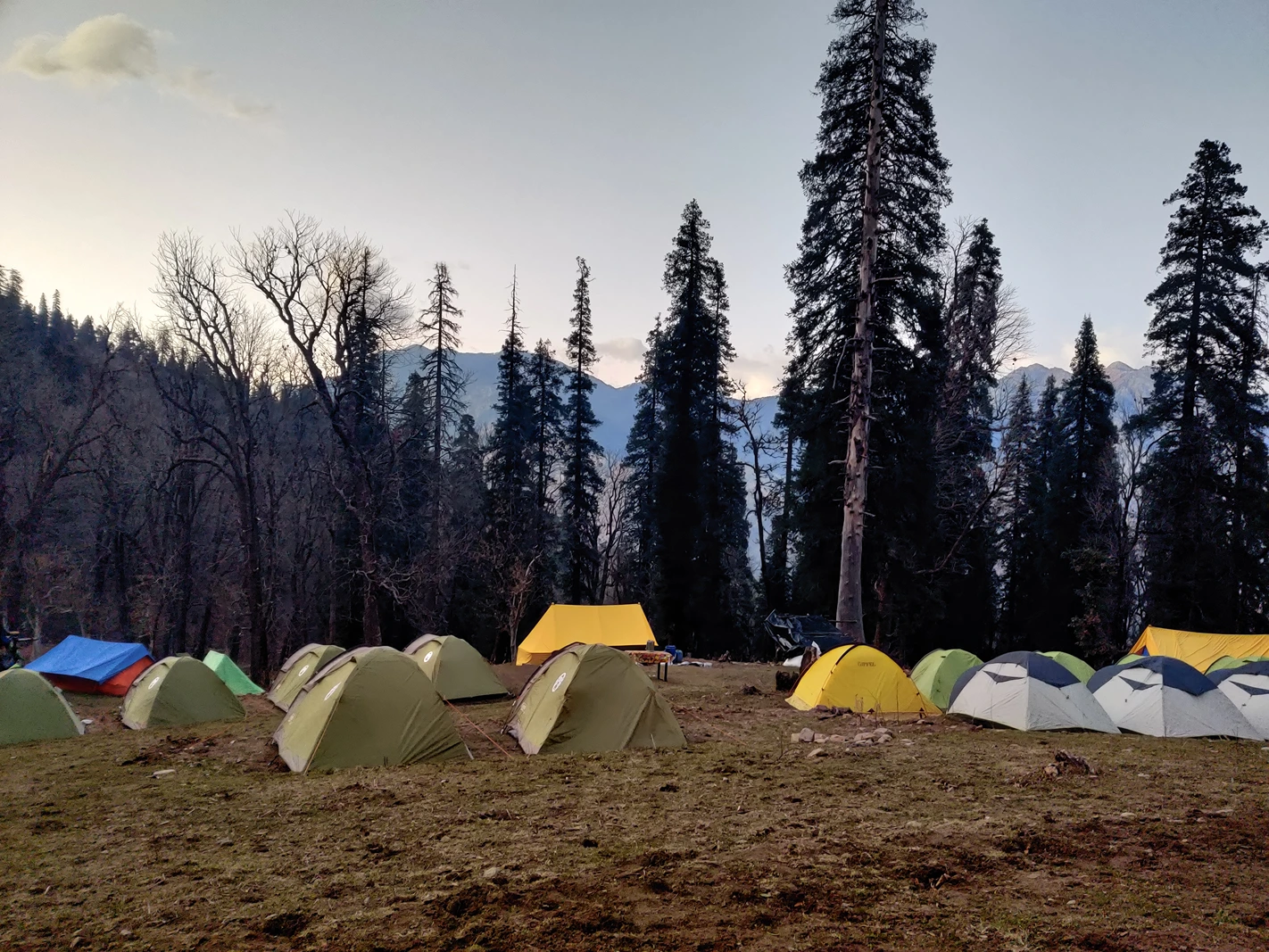
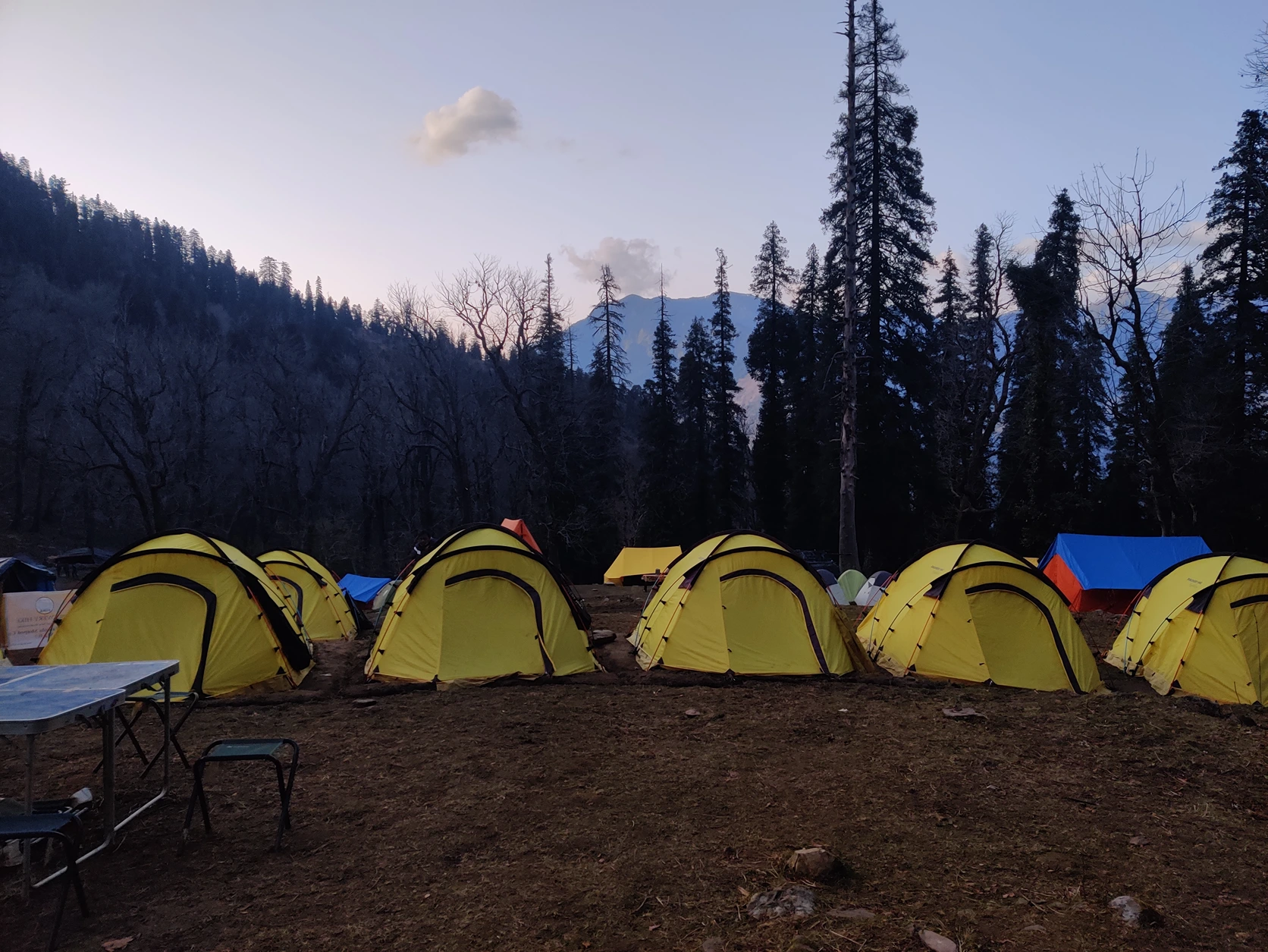
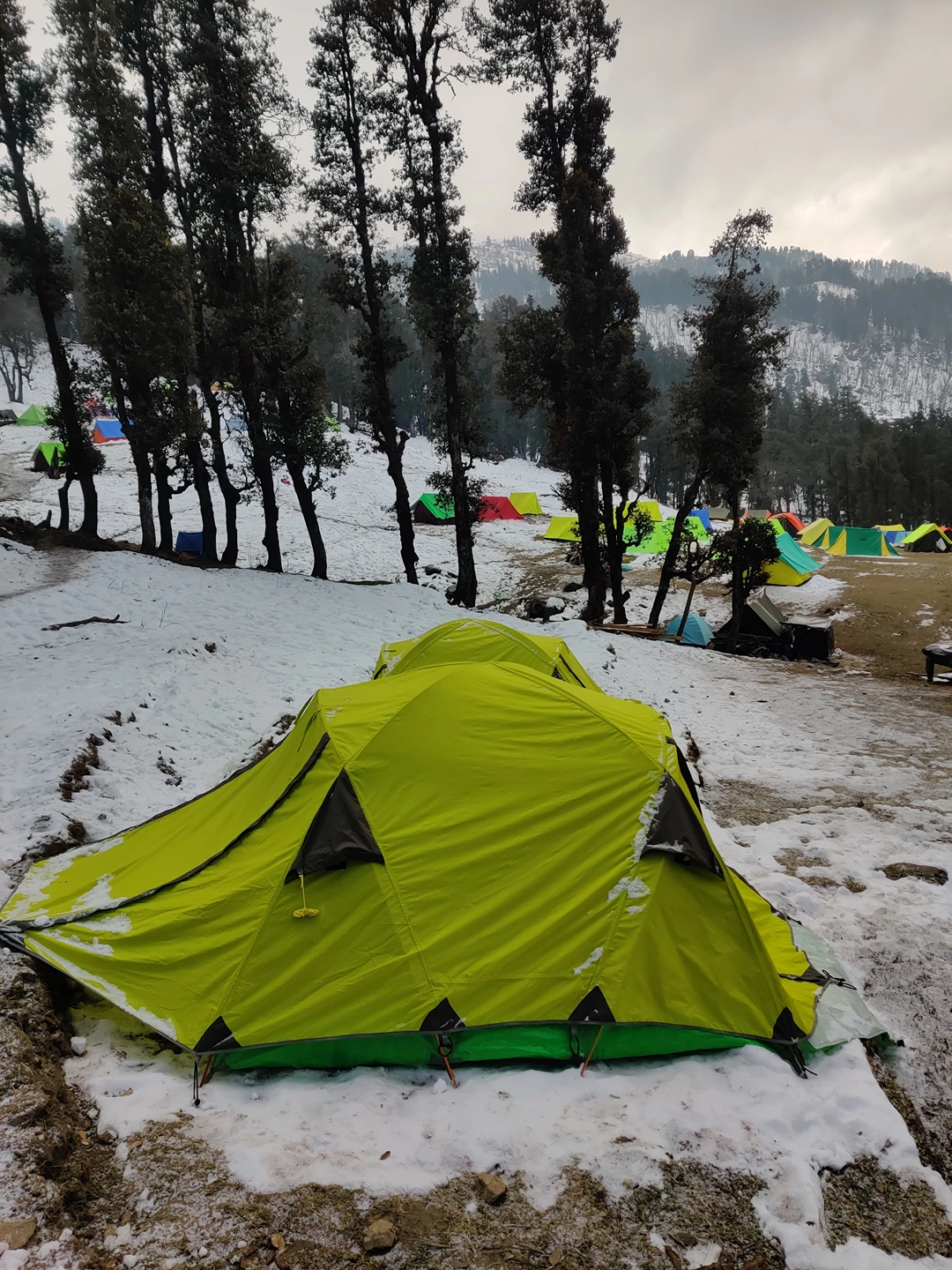
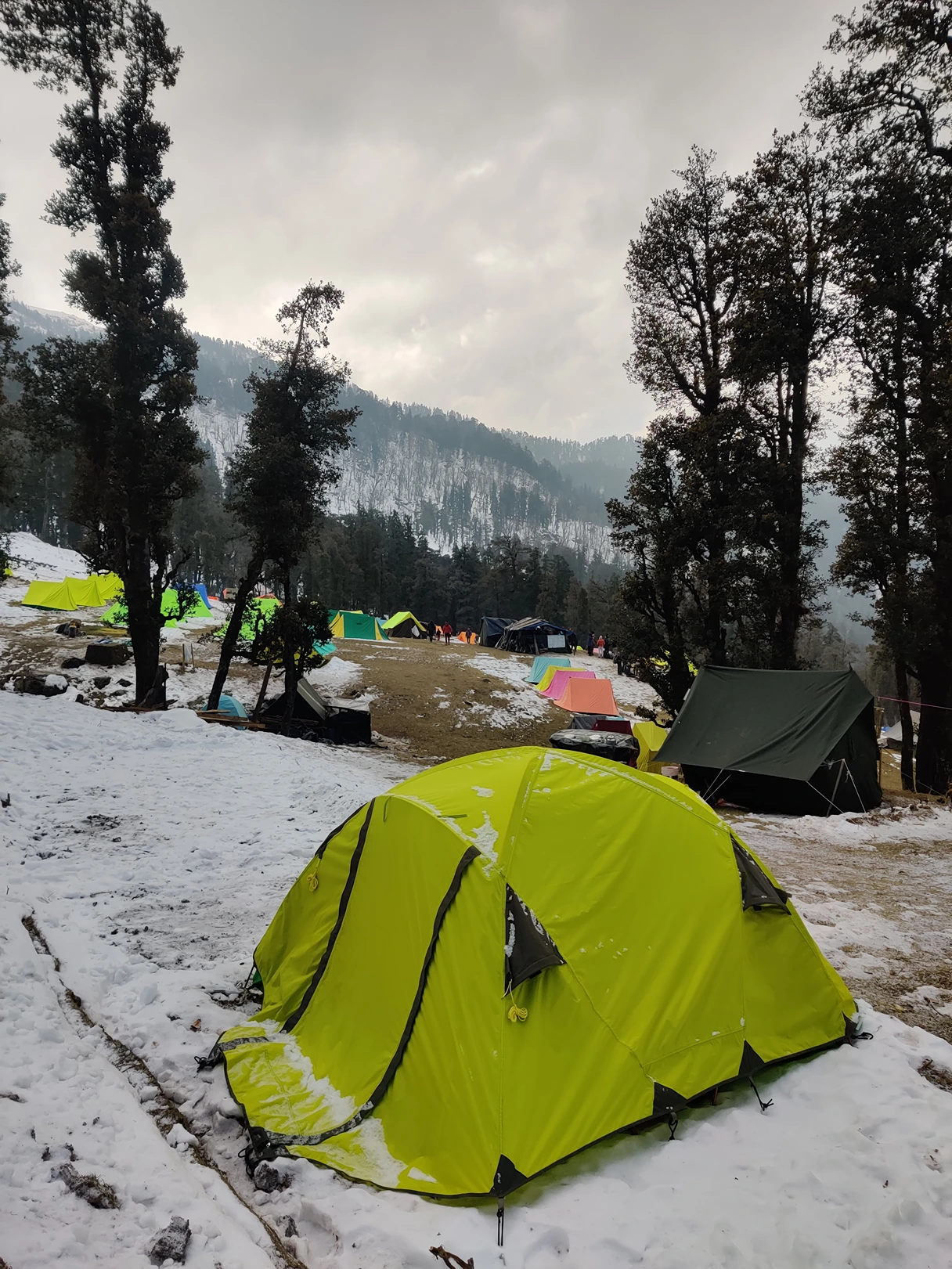
Camping: High-quality, 3 / 4 seasons expedition-style tents on a twin-sharing basis throughout the trek and at all high camps.
-
Meals: All meals from Day 1 dinner to the final day breakfast. This includes prepared meals during the road journey, full board meals at Base Camp, and specialized High-Altitude Food (HAF) for all high camps.
-
Experienced Expedition Staff: Wages, insurance, and gear for the Expedition Leader, Certified High-Altitude Guides, Cook, and Support Staff/Sherpas.
-
High-Altitude Safety Gear: Group medical kit, basic first aid, emergency oxygen cylinders (for medical use only), and a Portable Altitude Chamber (PAC bag) at Base Camp/Camps I and II.
-
Fixed Ropes & Climbing Hardware: Provision of all necessary static and dynamic ropes, snow bars, and ice screws required for fixing the route above Camp I.
-
Kitchen/Dining Tents: Group tents, tables, and necessary kitchen equipment at Base Camp and Advance Base Camp (ABC).
Exclusions
-
Flights: International and Domestic flights (to/from Delhi and to/from Leh).
-
Visa/Passport Fees: Any costs associated with travel documentation.
-
Personal Climbing Gear: Technical equipment such as climbing boots (B2/B3), crampons, ice axe, harness, helmet, ascenders, and descenders (unless explicitly rented from the operator).
-
Personal Clothing: All layered clothing, down suit (optional but recommended for 7,000m), gloves, sleeping bag, and sleeping mat.
-
Rescue Insurance: Personal, mandatory travel and high-altitude rescue insurance that covers medical emergencies and helicopter evacuation up to at least 7,200m.
-
Personal Medication: Prescribed medications (like Diamox) and personal first aid items.
-
Snacks and Beverages: Personal trail snacks, energy bars, bottled water, or alcoholic drinks.
-
Tips/Gratuities: Discretionary tips for the Liaison Officer, Sherpas, Guides, and Support Staff upon successful completion of the expedition (this is customary).
-
Extra Load Carrying: Fees for porters/mules if you exceed the stipulated personal luggage limit (offloading charges).
-
Early Exit/Rescue Costs: Any extra expenses incurred due to early departure from the trek (due to injury, illness, or personal reasons).
Things to Carry
Must cover ears. Essential for retaining body heat.
Crucial for summit day to protect the nose and mouth from cold wind.
MANDATORY. Snow glare is intense and can cause snow blindness. Must be UV protected.
Thermal tops (full sleeve). Must be synthetic or Merino wool. NO COTTON.
Fleece jacket (thick). Your primary source of warmth.
Padded jacket (Polyfill/Down). Heavy, windproof, and water-resistant.
Thermal bottoms (leggings).
Quick-dry, synthetic trekking trousers. Avoid jeans/shorts.
High-ankle, sturdy, waterproof trekking boots with good grip.
3–4 pairs of thick woolen/synthetic trekking socks (for the day) and 2 pairs of dry woolen socks (for sleeping only).
1 pair of woolen/fleece inner gloves and 1 pair of heavy, waterproof outer gloves.
MANDATORY. Carry extra batteries.
Carry a 1-liter bottle and a thermos to keep water from freezing.
Essential for high-altitude UV protection.
Toothbrush, wet wipes, and any personal prescription drugs.
For carrying water, jacket, snacks, and personal items during the trek.
Sleeping Bag, Sleeping Mat, Tents, Crampons, Gaiters, and Trekking Poles (use optional).
How to reach
The CRux Himalaya journey begins in Dehradun, Uttarakhand, the capital city that serves as the primary gateway to the Garhwal Himalayas. Sankri, our tranquil base village, is located approximately 210 km away.
Here is a simple guide on how to reach Dehradun, and your final steps to Sankri:
Step 1: Arriving in Dehradun
Your travel to Dehradun is easy and well-connected from all major Indian cities via road, rail, or air.
| Mode of Travel | Destination Details |
|---|---|
| By Air (Airplane) | Jolly Grant Airport (DED), Dehradun (Jolly Grant Airport – Dehradun). The airport is about an hour’s drive from the city center. |
| By Rail (Train) | Dehradun Railway Station (Dehradun Train Station). This station has excellent connectivity, especially with overnight trains from Delhi. |
| By Bus | ISBT Dehradun (ISBT Dehradun). If you prefer long-distance public transport, the Inter-State Bus Terminal is another option. |
Step 2: The Final Leg to Sankri (Dehradun to Sankri)
The drive from Dehradun to Sankri is approximately 10–11 hours and is a stunning journey in itself, winding through the Yamuna and Tons River valleys and offering your first magnificent views of the mountains.
Our Recommended Option: CRux Himalaya Transport Service
For a seamless, relaxed start to your wellness retreat, we highly recommend utilizing our pre-arranged transport service:
- iConvenience: We provide comfortable, dedicated vehicles (usually SUVs or Tempo Travellers) from a central meeting point in Dehradun directly to Sankri.
- iEase: This option eliminates the hassle of negotiating local transport and ensures you arrive with the rest of your trekking group, ready to relax.
- iTiming: Our vehicle typically departs early in the morning (around 6:00 AM – 7:00 AM) to ensure we reach Sankri before sunset, allowing for proper rest and our evening grounding session.
Alternative Option: Local/Public Transport
If you prefer to arrange your own travel:
- iLocal Buses: Uttarakhand Roadways operates 2–3 buses daily from Dehradun’s main bus terminal to Sankri. These buses typically depart very early in the morning (between 5:30 AM and 7:30 AM). Note that travel by public bus is a much longer and less predictable journey.
- iShared Taxis: Shared private taxis (often Maxx or Sumo vehicles) are available near the railway station and bus stand, but you may have to wait until the vehicle is full.
We take pride in providing a high-quality, safe, and comfortable experience that allows you to focus purely on your trekking and wellness journey. Our package is designed to be comprehensive, ensuring you have everything you need on the mountain.
How to prepare your body and mind for the trek
Your Mind & Body Compass
Mount Kun is the perfect choice for a first-time wellness trekker, but a reasonable level of fitness is essential to ensure you enjoy the experience, especially given the rapid altitude gain.
Physical Conditioning (8 Weeks Prior):
- iCardiovascular Fitness: Commit to a daily routine of 4-5 kilometers of walking or jogging. Focus on building endurance to comfortably manage the steep sections.
- iStrength and Flexibility: Incorporate basic strength training (squats, planks) and gentle Himalayan-focused stretching to condition the muscles and joints for carrying a backpack.
Mental & Respiratory Conditioning:
- iMastering the Breath: Begin a routine of Pranayama (breathing exercises). Practices like Anulom Vilom (Alternate Nostril Breathing) are vital for improving lung capacity and ensuring a smooth, relaxed acclimatization at high altitude.
- iWeather Readiness: Be prepared for the transformative nature of Himalayan weather. While daytime can be manageable (10°C to 15°C), winter nights are intensely cold, dropping to -4°C or lower. Our high-quality gear is provided to support your journey safely through the cold.
Refund & Cancellation
We aim for clear and fair practices regarding cancellations. We know plans can change, and our policy is designed to balance flexibility for you with the operational needs of running a trek.
If Crux Himalaya Cancels Your Trek
-
If we are forced to cancel a trip for reasons beyond our control (such as natural disasters, route closures, or governmental mandates), you will receive a Trek Voucher. This voucher is valid for one year and can be applied toward the original trek or any other available trek.
-
If the cost of the new trek is higher, you must pay the difference. If the cost of the new trek is lower, we will refund the surplus amount.
-
If the cancellation is due to insufficient bookings (fewer than three participants), you will receive a full monetary refund.
If You Cancel Your Trek
| Cancellation Window | Refund | Notes |
|---|---|---|
| More than 30 days prior to the trek start date | 100% refund | Full refund of trek fee |
| Between 15 and 30 days prior to the trek start date | 50% refund | Balance forfeited |
| Within 1 to 15 days prior to the trek start date | No refund | Pre-booked logistics; refund not applicable |
30+ days before trek start
Full refund of trek fee
15–30 days before trek
Balance forfeited
1–15 days before trek
Refund not applicable
FAQs
Mount Kun is significantly more challenging. While Yunam is semi-technical, Kun is a full-scale mountaineering expedition. The difficulty stems from:
- Extreme Altitude: Sustained effort above 6,000m.
- Ice/Snow Walls: The route between Camp I and Camp II often involves steep ice/mixed climbing (45∘−55∘ pitches) requiring expert use of fixed ropes, jumar, and front-pointing with crampons.
- Glacier Risk: Extensive travel across the heavily crevassed Kangriz Glacier.
While not always a strict requirement for a guided expedition, it is highly recommended to have completed at least one Advanced Mountaineering Course (AMC) or possess equivalent experience, including prior ascents of at least one 6,000m technical peak. You must be completely comfortable with technical rope work and self-arrest.
The high camps are essential for a safe and successful summit:
- Acclimatization: Allows for gradual altitude progression (“climb high, sleep low”).
- Logistics: Breaks the route into manageable segments for carrying food, fuel, and oxygen.
- Summit Positioning: C3 (6,300m) is the necessary staging point for the long, 10-15 hour summit push.
The summit push from Camp III is exceptionally long and demanding, typically taking 10 to 15 hours round trip, often beginning around 1:00 AM. This time estimate is heavily dependent on snow conditions, weather, and the individual climber’s pace.
The risk is substantial. AMS, High Altitude Cerebral Edema (HACE), and High Altitude Pulmonary Edema (HAPE) are serious concerns at this height. The only effective mitigation is the slow, conservative itinerary, constant hydration, and close monitoring by guides. Prophylactic medication (like Diamox) is strongly advised under medical guidance.
Yes. Emergency medical oxygen bottles, a comprehensive medical kit, and a Portable Altitude Chamber (PAC bag) are standard equipment carried by the guiding team and stationed at Base Camp and high camps for medical emergencies only.
Given the technical nature of Kun, a strong ratio is critical. Reputable operators typically maintain a ratio of 1:3 or better (e.g., one climbing Sherpa/guide for every three clients) above Camp I to ensure effective fixed-rope work and safety on summit day.
The itinerary includes several reserve/buffer days (usually 3-4 days) specifically to account for poor weather, high winds, or unexpected delays. Safety is paramount; if the weather window is missed, the team will retreat, as forcing a summit attempt in bad conditions is dangerously risky.
While some 7,000m expeditions mandate a full down suit, for Kun, a high-fill-power (800+) expedition-grade down jacket paired with insulated down trousers (or a very high-quality outer shell/synthetic insulation system) is generally sufficient for the summit push, provided the conditions are not severely windy.
Load-ferrying is the process of carrying tents, food, and gear from a lower camp to a higher camp to establish it, and then retreating to the lower camp to sleep. This is a critical part of acclimatization. Client participation in load-ferrying their personal gear and rotation kits is typically expected and non-negotiable on a non-fully-supported expedition.
The expedition adheres to a strict “Leave No Trace” policy. All human waste and garbage are properly managed, bagged, and carried down from high camps to be disposed of responsibly at lower altitudes or in accordance with local regulations.
- Pick Up: Ladakh
- Drop: Ladakh
- Location: Ladakh