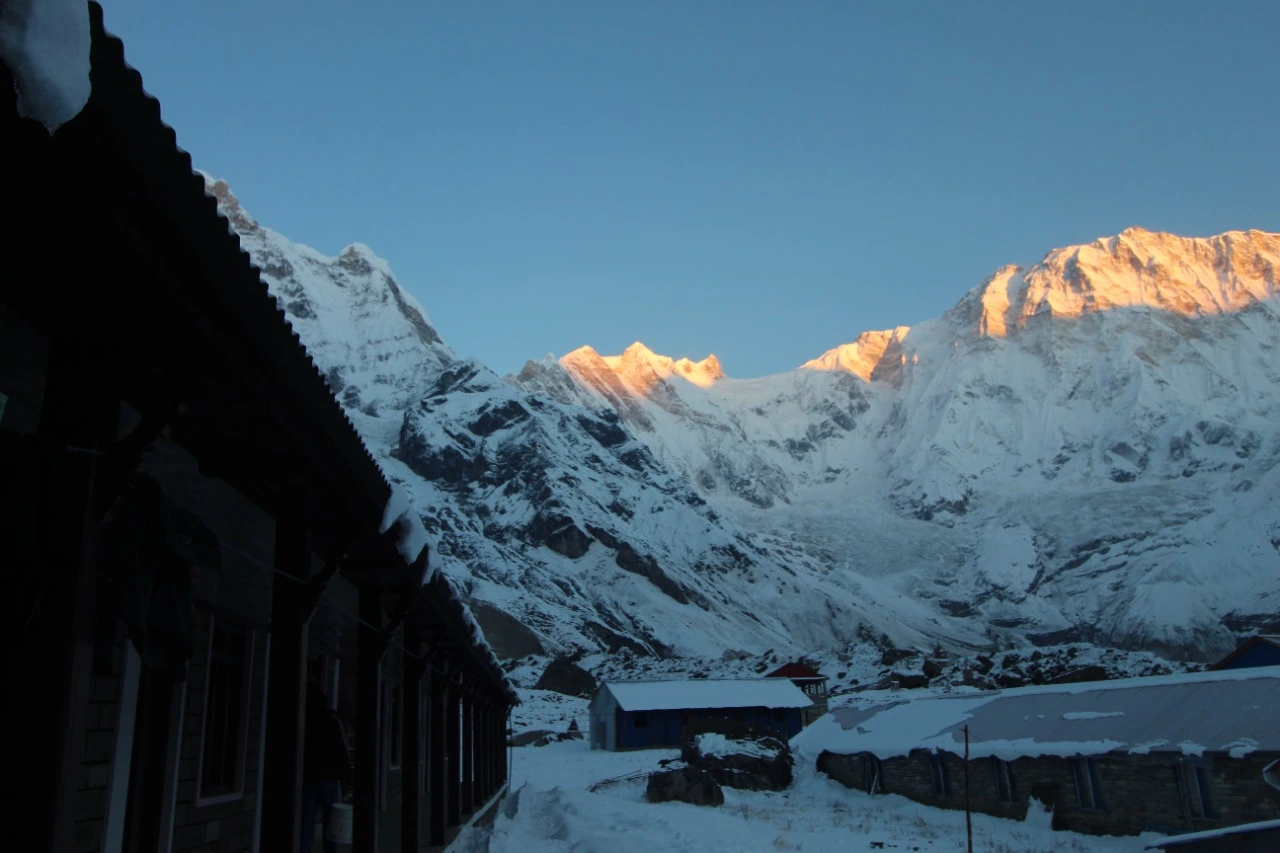
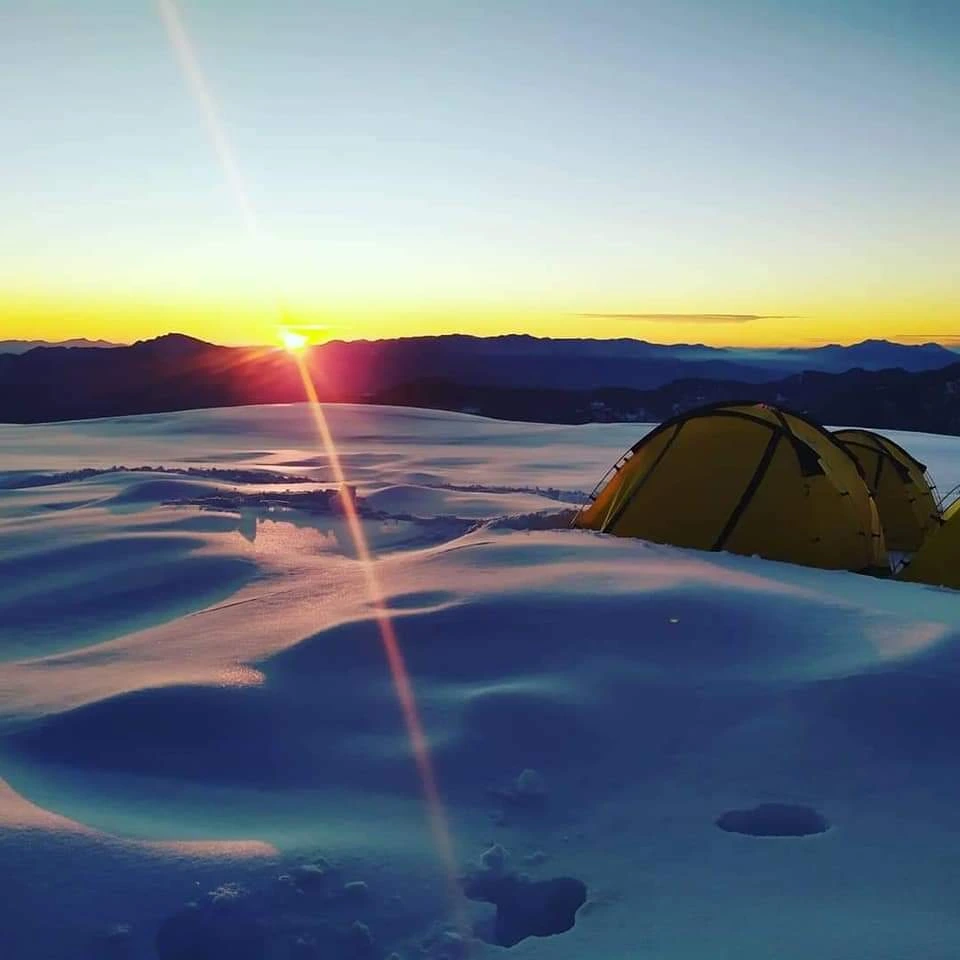
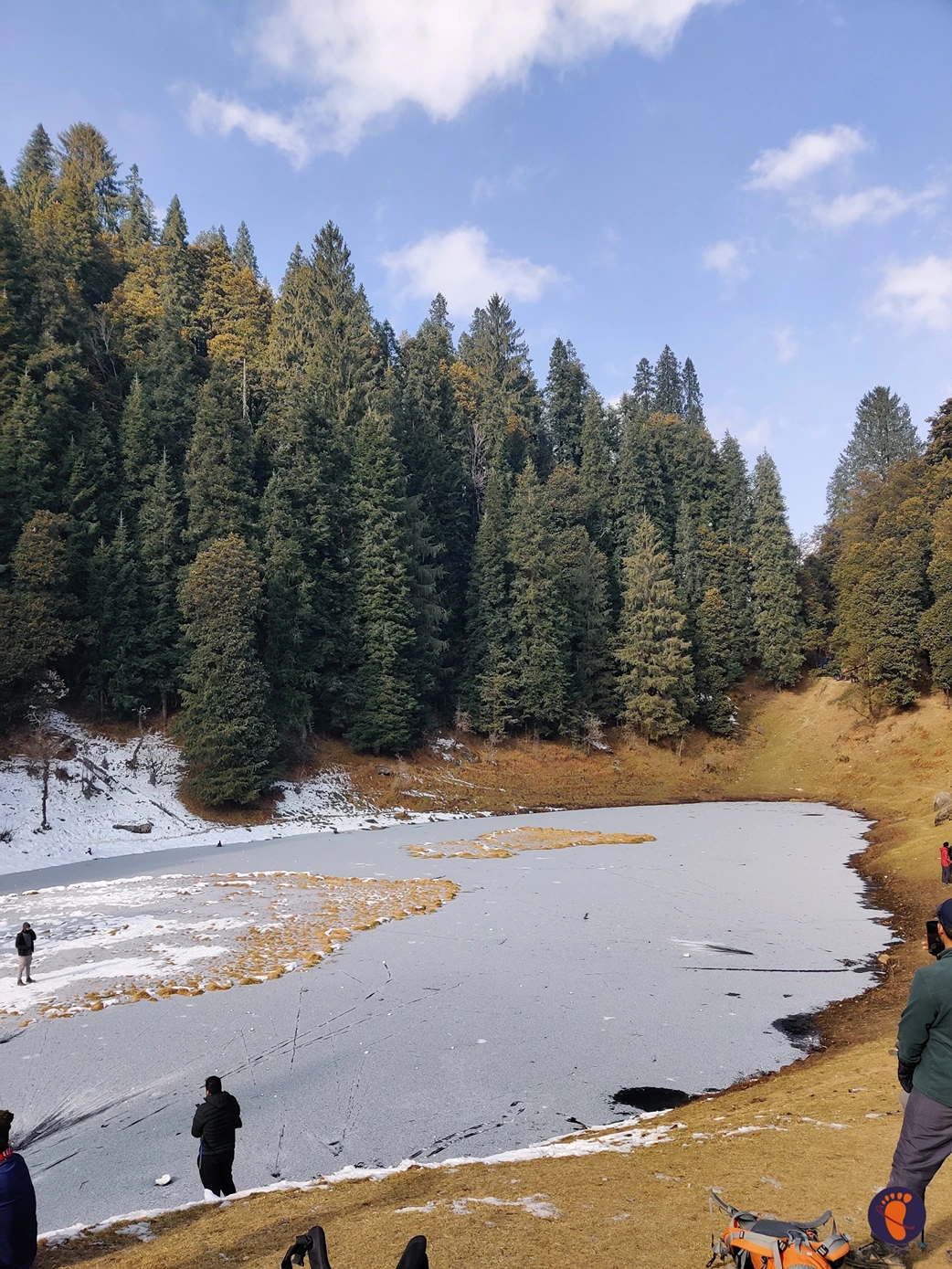
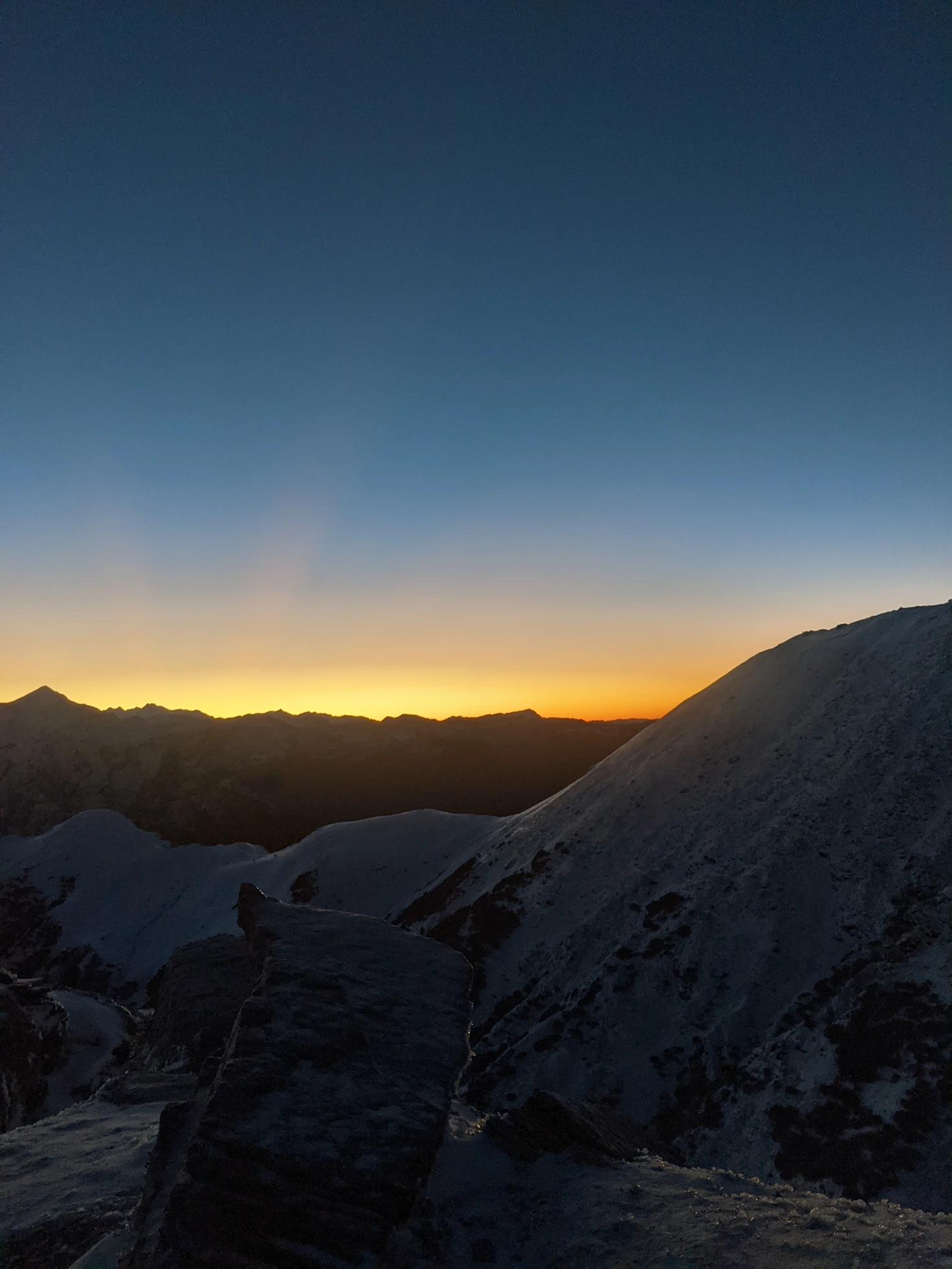
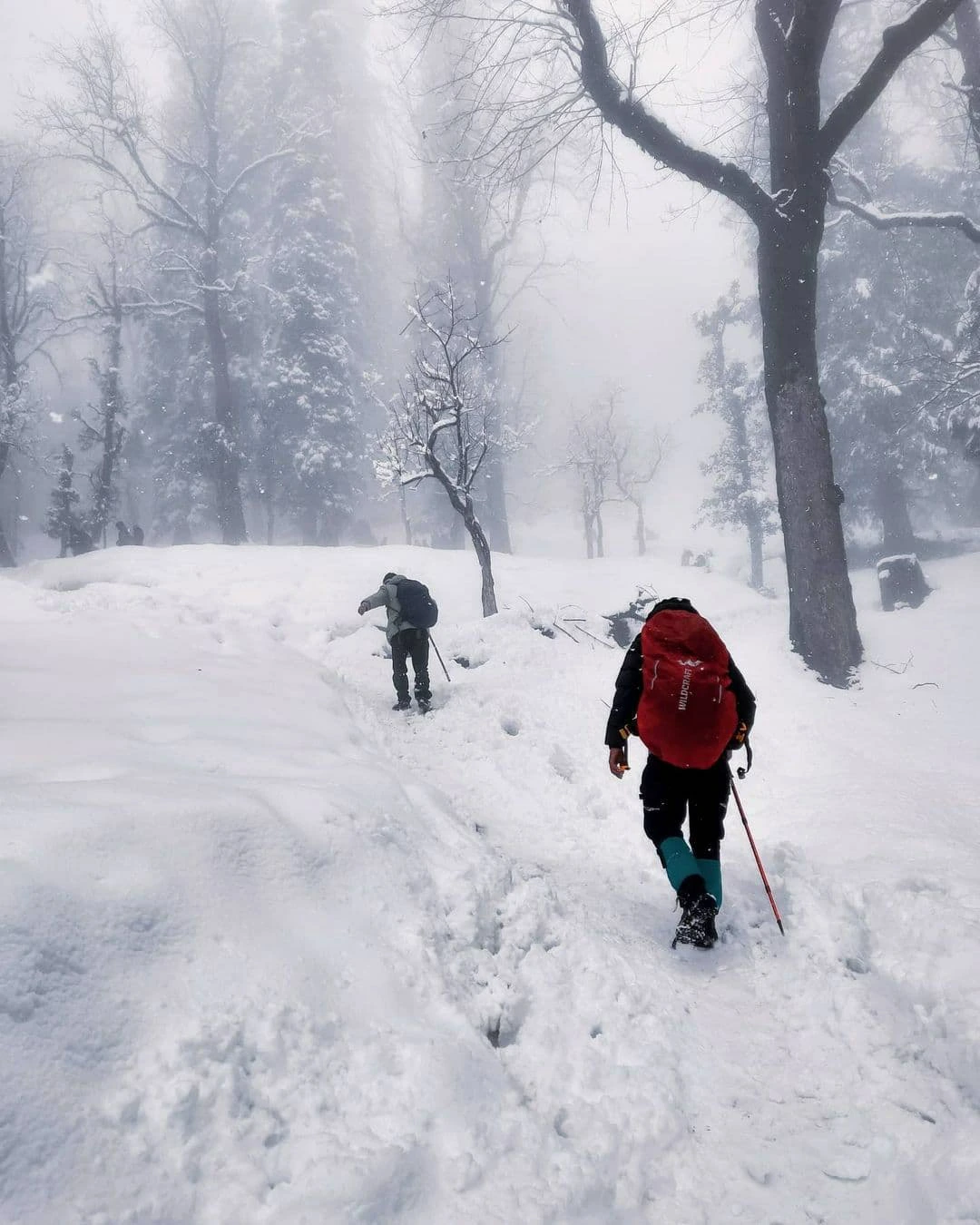
Your expedition officially begins with your arrival in Manali (approx. 6,550 ft), the vibrant hub nestled in the Kullu Valley. After checking into your hotel, the first order of business is proper acclimatization. The afternoon is dedicated to a mandatory briefing session where you will meet your climbing guide and team, review the route, and have a thorough gear check to ensure you are ready for the technical demands of the climb. To aid acclimatization, you’ll take a short sightseeing walk to local spots like the Hadimba Devi Temple or Vashisht Kund, keeping your body active but not strenuous. This evening is crucial for resting, hydrating, and mentally preparing for the ascent ahead.
Friendship Peak Expedition
- Pick Up: Manali
- Drop: Manali
- Location: Manali
Send an enquiry
Overview
The Friendship Peak Expedition is more than just a high-altitude trek — it’s a test of endurance, resilience, and spirit. Nestled deep in the Pir Panjal Range of the Himachal Himalayas, this 17,346 ft (5,287 m) peak stands as a gateway for trekkers aspiring to become true mountaineers.
Set against the backdrop of Manali’s pristine valleys and towering peaks, the expedition perfectly blends natural beauty with technical challenge. The journey begins amidst pine-scented forests and alpine meadows before ascending through rocky moraines and snowfields into the pure white expanse of the upper mountains.
Unlike popular trails that offer comfort and predictability, Friendship Peak demands focus, strength, and teamwork. Rated as a Difficult expedition, it requires climbers to use essential mountaineering gear — crampons, ice axes, harnesses, and ropes — while learning the art of glacier navigation and high-altitude acclimatization.
The most unforgettable part of the journey is the midnight summit push — a thrilling ascent under a blanket of stars. Guided by moonlight and headlamps, climbers navigate the icy slopes through the night, reaching the summit just as the first rays of dawn kiss the Himalayan horizon. From this vantage point, the world unfolds below you: the Deo Tibba, Indrasan, Shitidhar, and Hanuman Tibba peaks blaze in golden light — a sight that etches itself permanently into memory.
Beyond the physical challenge, the Friendship Peak Expedition is an emotional and spiritual journey. It teaches patience, teamwork, and humility in the face of nature’s vastness. Every step is a reminder that mountains aren’t conquered — they’re earned, one breath at a time.
Whether you’re an experienced trekker aiming for your first 5,000+ meter summit or an adventurer seeking the next level of Himalayan exploration, Friendship Peak offers the perfect mix of challenge, beauty, and self-discovery.
Highlights
Itinerary
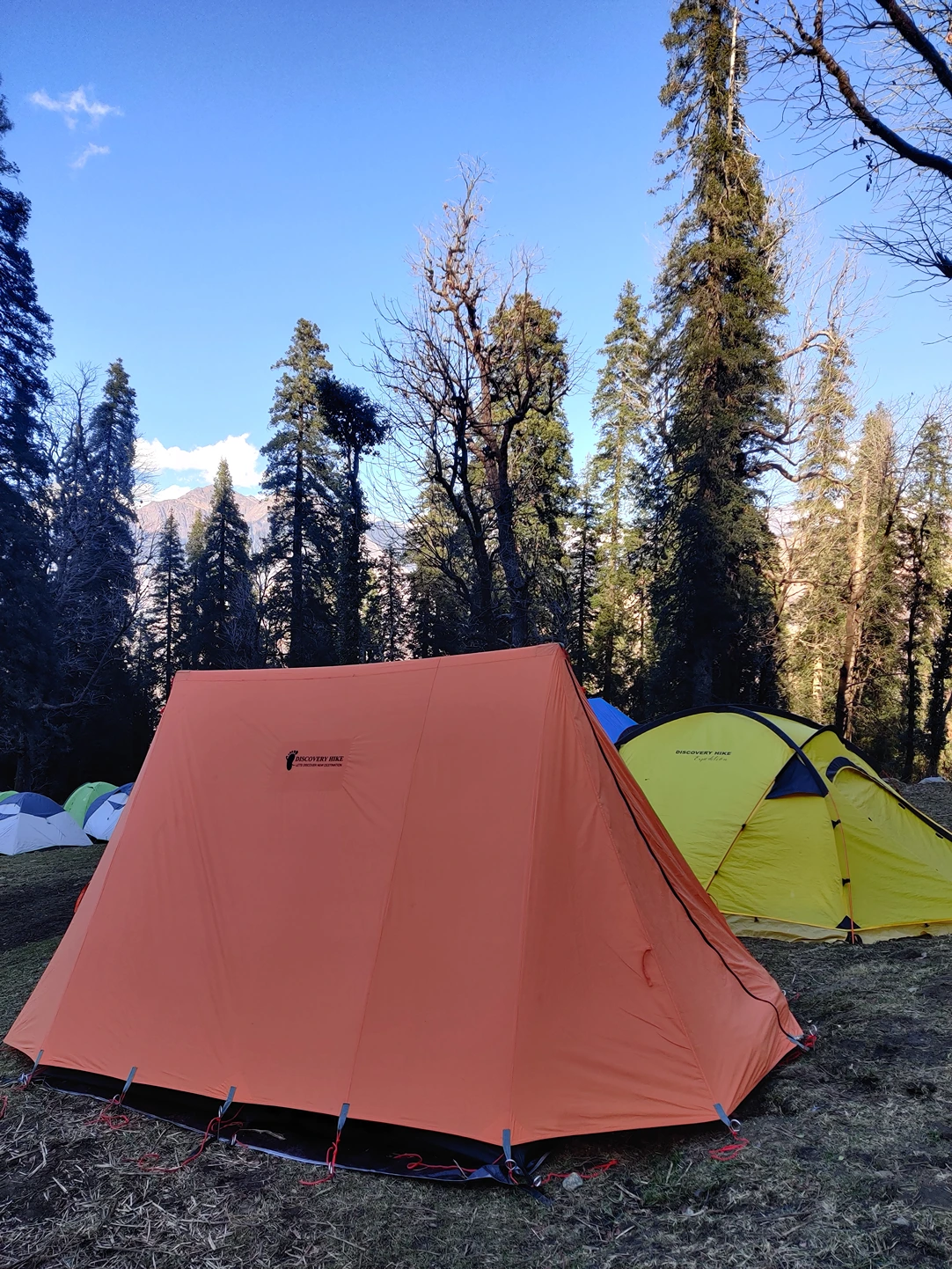
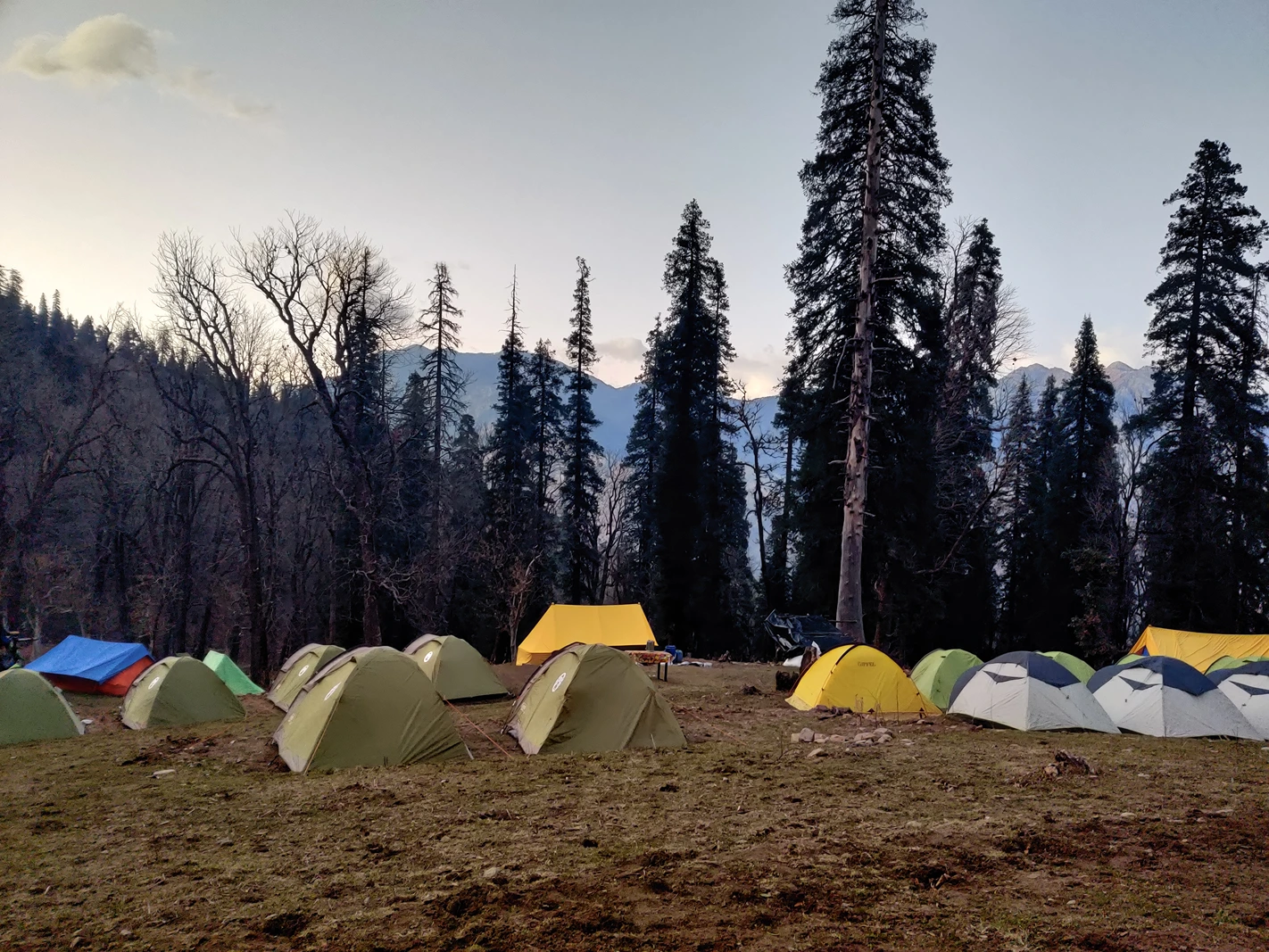
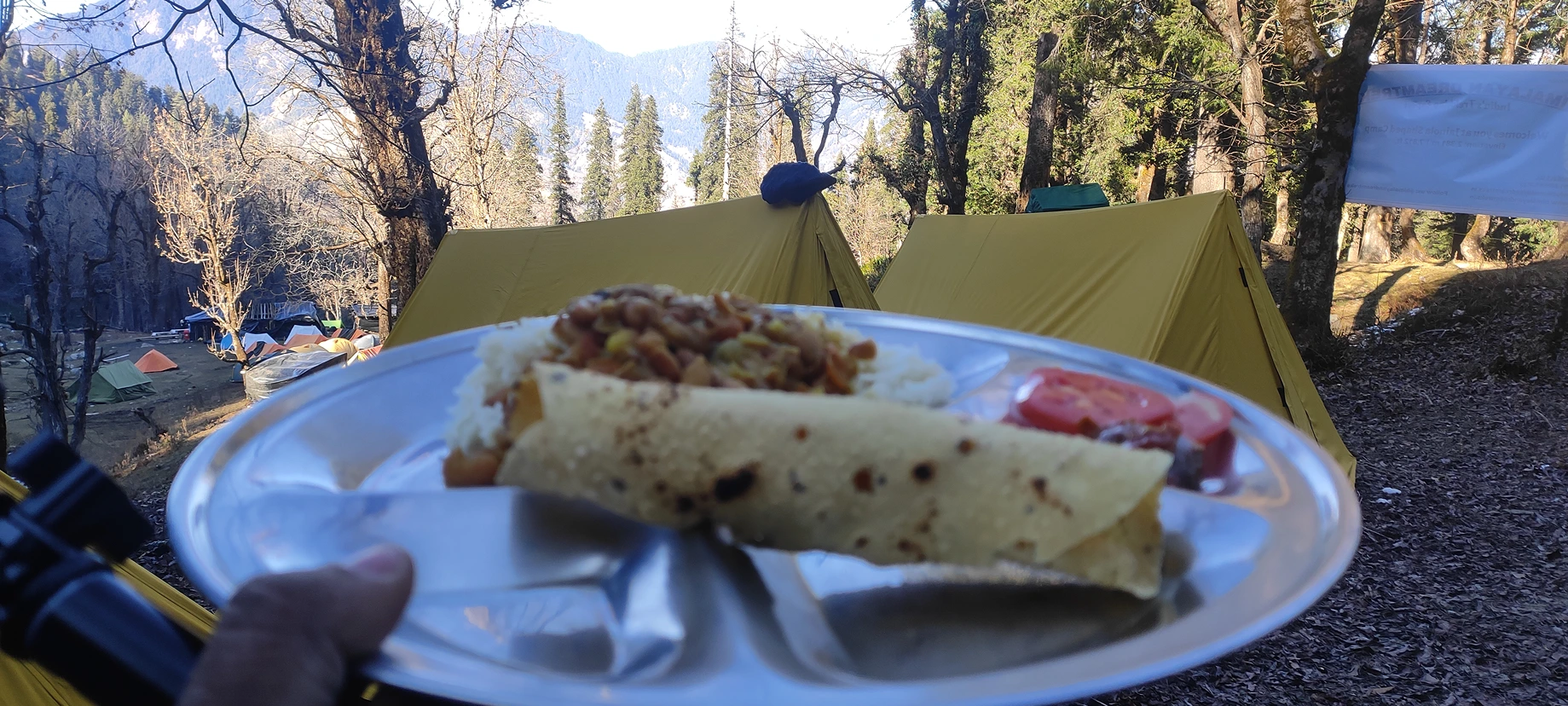
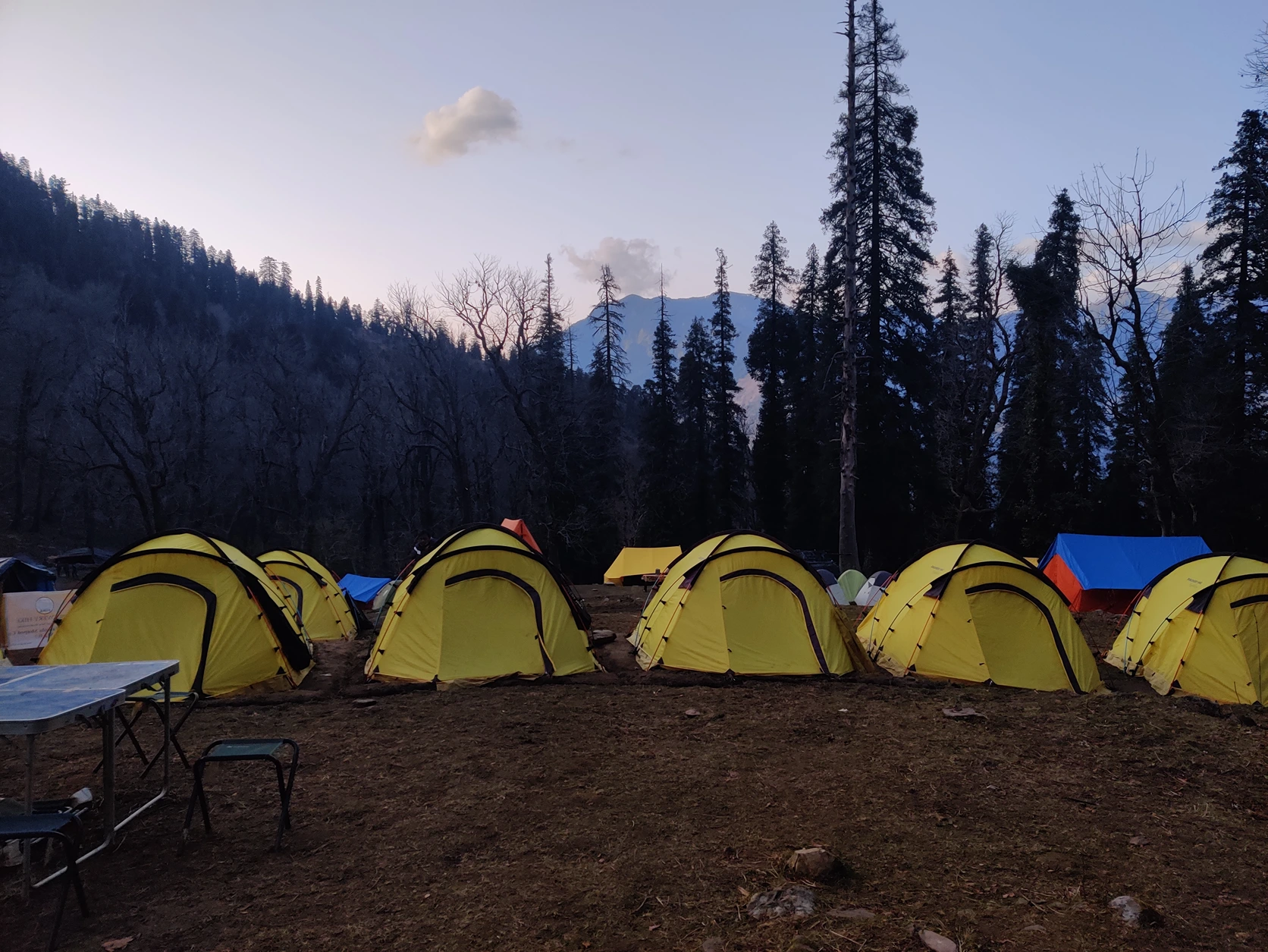
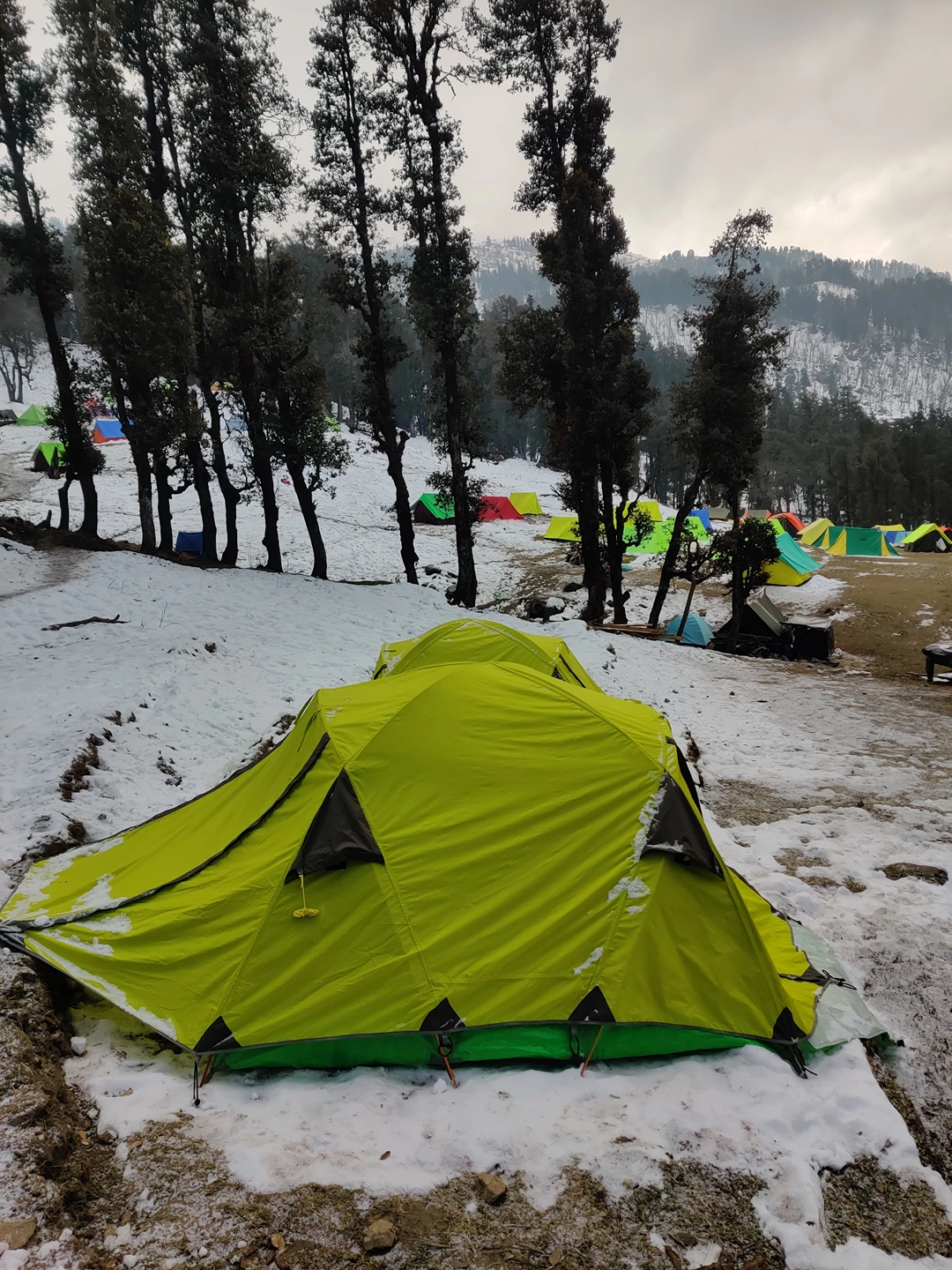
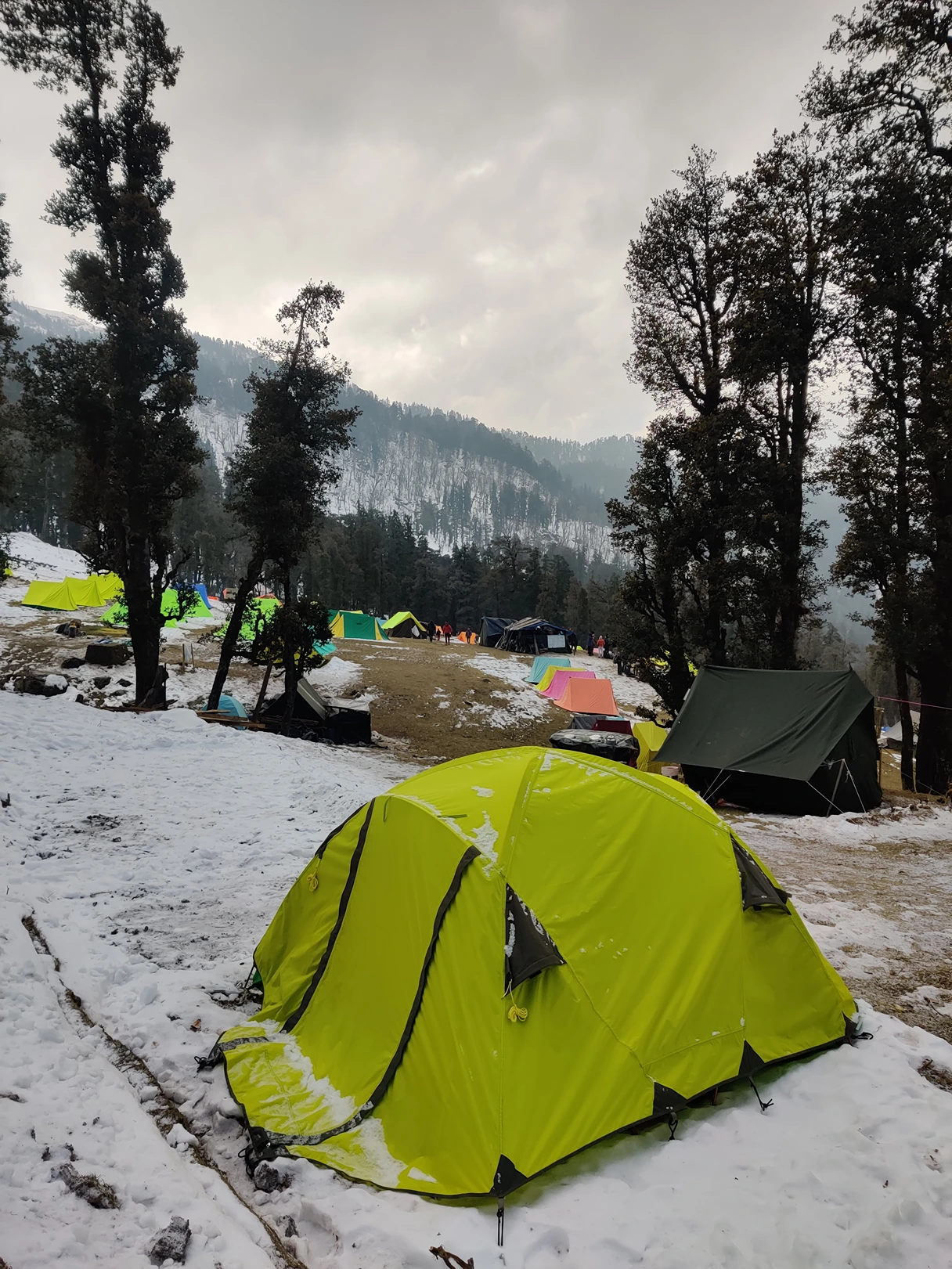
The real trekking starts today. After an early breakfast, you will take a short but scenic drive (approx. 1.5 hours) from Manali to Dhundi (approx. 9,350 ft), which marks the road’s end and the official trailhead. From Dhundi, the trek is a gentle, gradual ascent of about 5 km, following the banks of the mighty Beas River. You’ll pass through a beautiful landscape of coniferous forests of pine and oak, eventually opening up into lush green meadows. The destination for the day is Bakkarthach (approx. 10,800 ft), a sprawling meadow that serves as the first comfortable campsite. You will pitch tents and spend the afternoon soaking in the clean mountain air, focusing on hydration, and enjoying a hearty meal cooked by the support staff.
Meals
This is a steady ascending day, leading you deeper into the Solang Valley. The terrain begins to change, gradually leaving the tree line behind. The trail is a mix of grassy slopes and rocky paths, continuously gaining altitude. Your destination is the strategically located Lady Leg Camp (approx. 12,500 ft), named for its distinctive shape on the mountainside. The significant altitude gain today is essential for effective acclimatization. Upon arrival, the team will focus on settling in and utilizing the afternoon for basic snow craft practice (if snow is present at this altitude), preparing you for the more technical days to come.
Meals
Today is physically demanding as you move to the high-altitude camp. The ascent to the Advance Base Camp (ABC) (approx. 14,500 ft) is challenging, involving navigating moraine, loose scree, and sometimes patches of residual snow. This higher camp is situated near the glacial region, offering raw, spectacular views of the surrounding peaks. Once the tents are secure, the afternoon is dedicated entirely to technical training. You will be introduced to or practice using the technical mountaineering equipment—crampons, ice axes, and rope techniques—under the strict supervision of your guide. An early, nutritious dinner and a briefing for the midnight climb are followed by an attempt to rest, as the crucial summit push begins in the middle of the night.
Meals
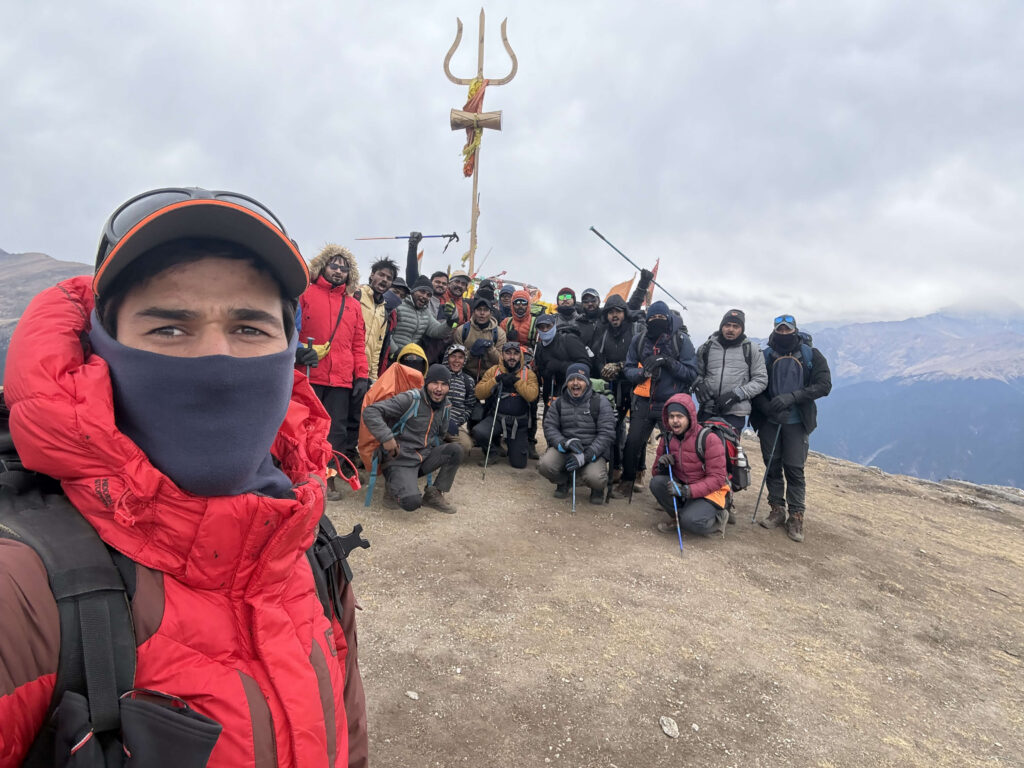
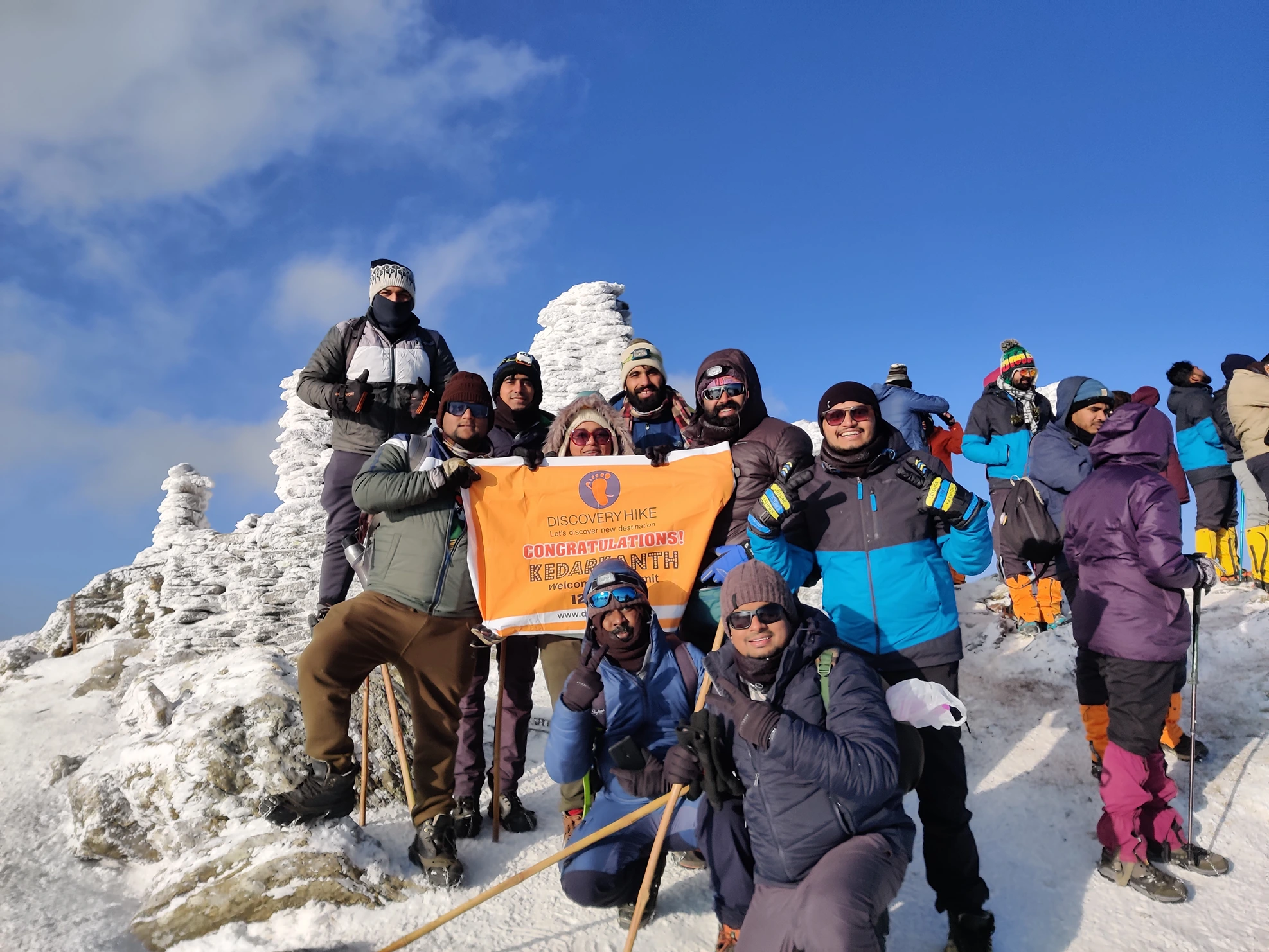
The most challenging and rewarding day begins with an alpine start, typically around midnight or 1 AM. Clad in your warmest layers and headlamps lighting the way, you begin the arduous climb towards the summit. The ascent involves moving up steep, icy slopes, navigating crevasses, and being roped up in sections where technical support is needed. The goal is to reach the Friendship Peak Summit (17,346 ft) just as the sun rises, rewarding your efforts with a celestial view of Himalayan giants like Deo Tibba and Indrasan bathed in golden light. After capturing the moments and savoring the achievement, the long and cautious descent begins. You will return to the ABC (or sometimes to Lady Leg Camp) by the late afternoon, utterly exhausted but with a profound sense of accomplishment.
Meals
With the summit successfully conquered, the focus shifts entirely to the descent. This is a crucial day for recovering from the summit effort. You will pack up the ABC and retrace your steps, making a continuous descent over varied terrain. While descending is physically easier than ascending, it requires concentration to avoid slips on loose ground and scree. The long walk down brings you back to the familiar, relatively lower altitude and comfort of the Bakkarthach Camp (approx. 10,800 ft). The evening will be a celebratory one, marking the completion of the most difficult parts of the expedition.
Meals
The final day of the expedition is a straightforward walk back. You will trek from Bakkarthach to Dhundi, covering the same 5 km trail but in a much shorter time. Upon reaching Dhundi, the pre-arranged vehicle will be waiting to transport you back to the bustling energy of Manali. You are expected to arrive in Manali by the early afternoon, giving you enough time to de-brief, change, and collect any luggage stored in the base city. From Manali, you will commence your onward journey home, carrying the memory of standing atop Friendship Peak.
Meals
Good to know
Inclusions
-
Accommodation : In-Base City Stay: 1 night stay in Manali (Day 1) on a twin/triple-sharing basis.
On-Trek Stay: High-quality tents (usually twin/triple sharing) at all campsites. -
Meals : Base to Base: All meals from Day 1 Dinner in Manali to the final Day 7 Breakfast (or as per the itinerary).
-
Transportation : Base City to Trailhead: All required transfers from Manali to the trek starting point (Dhundi) and back to Manali.
-
Technical Gear : Essential Climbing Equipment: Crampons, ice axes, ropes, snow gaiters, and climbing helmets.
-
Staff & Support : Expert Team: Certified Mountaineering Guide/Leader, experienced Cook, Helpers, and Support Staff.
Porters/Mules: Charges for carrying all camping equipment, kitchen supplies, and necessary technical gear. -
Permits & Fees : Permissions: All necessary trekking permits, Forest/Wildlife Sanctuary entry fees, and camping charges for Indian nationals.
-
Safety : Medical Kit: A comprehensive first aid kit is carried by the team.
Exclusions
-
Personal Transport : Travel to/from Manali: Your journey to Manali (the base city) from your home city and the return journey.
-
Personal Gear : Personal Clothing/Equipment: Trekking shoes, warm layers, gloves, sunglasses, headlamps, trekking poles, daypack, etc.
-
Porter Charges : Offloading Personal Backpack: Fee to hire a porter/mule to carry your personal backpack (the “Offload” charge).
-
Personal Expenses : All Personal Costs: Bottled water, snacks/chocolates/energy bars, phone charging, extra hot water, and any personal shopping.
-
Insurance : Expedition/Travel Insurance: Cost of mandatory personal travel, rescue, and medical insurance.
-
Foreign Nationals : Foreign Trek Permit Fee: Mandatory special fee (e.g., the IMF fee) for non-Indian citizens.
-
Emergencies : Emergency Evacuation/Rescue Costs: Any cost arising from an emergency situation (e.g., helicopter rescue, hospitalization).
-
Gratuities : Tips/Gratuities: Tips for the Guide, Cook, and Support Staff.
Things to Carry
Must cover ears. Essential for retaining body heat.
Crucial for summit day to protect the nose and mouth from cold wind.
MANDATORY. Snow glare is intense and can cause snow blindness. Must be UV protected.
Thermal tops (full sleeve). Must be synthetic or Merino wool. NO COTTON.
Fleece jacket (thick). Your primary source of warmth.
Padded jacket (Polyfill/Down). Heavy, windproof, and water-resistant.
Thermal bottoms (leggings).
Quick-dry, synthetic trekking trousers. Avoid jeans/shorts.
High-ankle, sturdy, waterproof trekking boots with good grip.
3–4 pairs of thick woolen/synthetic trekking socks (for the day) and 2 pairs of dry woolen socks (for sleeping only).
1 pair of woolen/fleece inner gloves and 1 pair of heavy, waterproof outer gloves.
MANDATORY. Carry extra batteries.
Carry a 1-liter bottle and a thermos to keep water from freezing.
Essential for high-altitude UV protection.
Toothbrush, wet wipes, and any personal prescription drugs.
For carrying water, jacket, snacks, and personal items during the trek.
Sleeping Bag, Sleeping Mat, Tents, Crampons, Gaiters, and Trekking Poles (use optional).
How to reach
1. By Air (Fastest Option)
The nearest airport to Manali is Bhuntar Airport (KUU), also known as Kullu-Manali Airport, which is about 50 to 52 km away from Manali town.
- iStep 1: Fly to Bhuntar (KUU): Direct flights are available primarily from Delhi and Chandigarh, but they can be infrequent, subject to weather conditions, and often more expensive due to the airport’s location in a narrow valley.
- iStep 2: Bhuntar to Manali: From the airport, you can hire a pre-paid taxi or a local cab. The drive takes approximately 1.5 to 2 hours.
2. By Rail (No Direct Train)
Manali does not have its own railway station. The three nearest major railheads are:
- iJoginder Nagar Railway Station (JDNX): The nearest narrow-gauge railway station, about 145 km away.
- iChandigarh Railway Station (CDG): The most common and convenient broad-gauge station for long-distance trains, about 300 km away.
- iKalka Railway Station (KLK): Another popular option, about 280 km away.
- iStep 1: Train to Chandigarh/Kalka: Book an overnight or day train to either Chandigarh or Kalka.
- iStep 2: Rail to Manali: From Chandigarh or Kalka, you must take a bus or hire a taxi for the road journey to Manali, which takes 8 to 10 hours.
3. By Road (Most Common Option)
Traveling by road is the most popular way to reach Manali, especially from Northern Indian cities, offering a cost-effective and direct route.
From Delhi to Manali
- iOvernight Volvo/HRTC Bus: This is the preferred method for most travelers. Numerous private operators and the Himachal Road Transport Corporation (HRTC) run comfortable, semi-sleeper (Volvo) buses.
- Duration: The journey typically takes 12 to 14 hours.
- iTip: Book a bus departing in the late afternoon/evening so you can travel overnight and arrive in Manali the next morning, allowing for a full day of rest and acclimatization before the expedition briefing.
From Chandigarh to Manali
- iBus/Taxi: After arriving in Chandigarh via train or flight, frequent buses (both ordinary and Volvo) and taxis are available.
- Duration: The road journey takes approximately 8 to 10 hours.
How to prepare your body and mind for the trek
Your Mind & Body Compass
Friendship Peak is the perfect choice for a first-time wellness trekker, but a reasonable level of fitness is essential to ensure you enjoy the experience, especially given the rapid altitude gain.
Physical Conditioning (8 Weeks Prior):
- iCardiovascular Fitness: Commit to a daily routine of 4-5 kilometers of walking or jogging. Focus on building endurance to comfortably manage the steep sections.
- iStrength and Flexibility: Incorporate basic strength training (squats, planks) and gentle Himalayan-focused stretching to condition the muscles and joints for carrying a backpack.
Mental & Respiratory Conditioning:
- iMastering the Breath: Begin a routine of Pranayama (breathing exercises). Practices like Anulom Vilom (Alternate Nostril Breathing) are vital for improving lung capacity and ensuring a smooth, relaxed acclimatization at high altitude.
- iWeather Readiness: Be prepared for the transformative nature of Himalayan weather. While daytime can be manageable (10°C to 15°C), winter nights are intensely cold, dropping to -4°C or lower. Our high-quality gear is provided to support your journey safely through the cold.
Refund & Cancellation
We aim for clear and fair practices regarding cancellations. We know plans can change, and our policy is designed to balance flexibility for you with the operational needs of running a trek.
If Crux Himalaya Cancels Your Trek
-
If we are forced to cancel a trip for reasons beyond our control (such as natural disasters, route closures, or governmental mandates), you will receive a Trek Voucher. This voucher is valid for one year and can be applied toward the original trek or any other available trek.
-
If the cost of the new trek is higher, you must pay the difference. If the cost of the new trek is lower, we will refund the surplus amount.
-
If the cancellation is due to insufficient bookings (fewer than three participants), you will receive a full monetary refund.
If You Cancel Your Trek
| Cancellation Window | Refund | Notes |
|---|---|---|
| More than 30 days prior to the trek start date | 100% refund | Full refund of trek fee |
| Between 15 and 30 days prior to the trek start date | 50% refund | Balance forfeited |
| Within 1 to 15 days prior to the trek start date | No refund | Pre-booked logistics; refund not applicable |
30+ days before trek start
Full refund of trek fee
15–30 days before trek
Balance forfeited
1–15 days before trek
Refund not applicable
FAQs
It is officially graded as Difficult (or Moderate-Difficult). It is significantly harder than a standard high-altitude trek. While it is often recommended as a great peak for beginners in mountaineering, it is not suitable for absolute first-time trekkers. The climb involves steep ascents, navigating moraine, crossing glaciers, and requires the mandatory use of technical equipment like crampons and ice axes for the summit push.
Prior mountaineering experience is highly beneficial but not strictly mandatory for this peak. However, you absolutely must have prior high-altitude trekking experience (at least to 14,000–15,000 ft) and a very high level of fitness. Basic training in using the technical gear is provided during the expedition, usually at Lady Leg or Advance Base Camp.
Q: What is the success ratio for the summit attempt? A: The success ratio is generally good for physically fit individuals, often quoted around 70%, but it depends heavily on two main factors:
- Weather conditions on the summit night.
- The trekker’s acclimatization and ability to handle the extreme cold and fatigue of the midnight push.
The climb is primarily done in two windows:
- Pre-Monsoon (May to June): Characterized by abundant snow, which makes the climb easier on the snow slopes but can make the initial days slushy. The views are spectacular.
- Post-Monsoon (September to Mid-October): The weather is generally more stable with clear skies, offering the best panoramic views. There will be less snow, which can sometimes expose challenging rocky moraine.
The standard itinerary is 7 days (Manali to Manali), with a longer 8 or 9-day itinerary often including an extra buffer day for the summit attempt, which is highly recommended due to the unpredictable weather.
Mobile network (primarily BSNL/Jio) is available in Manali and sometimes at the trailhead (Dhundi/Solang Valley). However, you will lose connectivity very soon after starting the trek (usually by Day 2) and will be out of network for the majority of the expedition. Guides carry satellite phones for emergencies.
The primary risks are:
- Altitude Mountain Sickness (AMS): Due to the rapid altitude gain to 17,346 ft. Proper acclimatization days are built into the itinerary to mitigate this risk.
- Extreme Cold: Especially during the midnight summit push, where temperatures can drop significantly. Adequate high-quality layering and insulated boots/mittens are essential.
- Falls/Slips: On icy, steep, or moraine-laden terrain, necessitating the use of technical gear and high caution.
Yes, climbing permits are required for Friendship Peak. The Indian Mountaineering Foundation (IMF) or local forest department permits are mandatory. If you book with an expedition operator, they will generally handle the entire permit process.
It is highly discouraged and often not permitted by authorities due to the technical and remote nature of the climb. It is strongly recommended to join a reputable guided group for safety, logistical support, and permit compliance.
Typically, the expedition fee includes the cost of porters/mules to carry group gear (tents, food, technical equipment). However, carrying your personal backpack (5-7 kg) is your responsibility. You will need to pay an additional offloading fee if you wish to hire a porter to carry your personal luggage.
Most reputable expedition organizers include the rent/use of mandatory technical gear like crampons, ice axes, climbing harnesses, and ropes in the expedition cost. You are generally responsible for bringing or renting your personal trekking clothes and boots.
- Pick Up: Manali
- Drop: Manali
- Location: Manali
Send an enquiry
Category