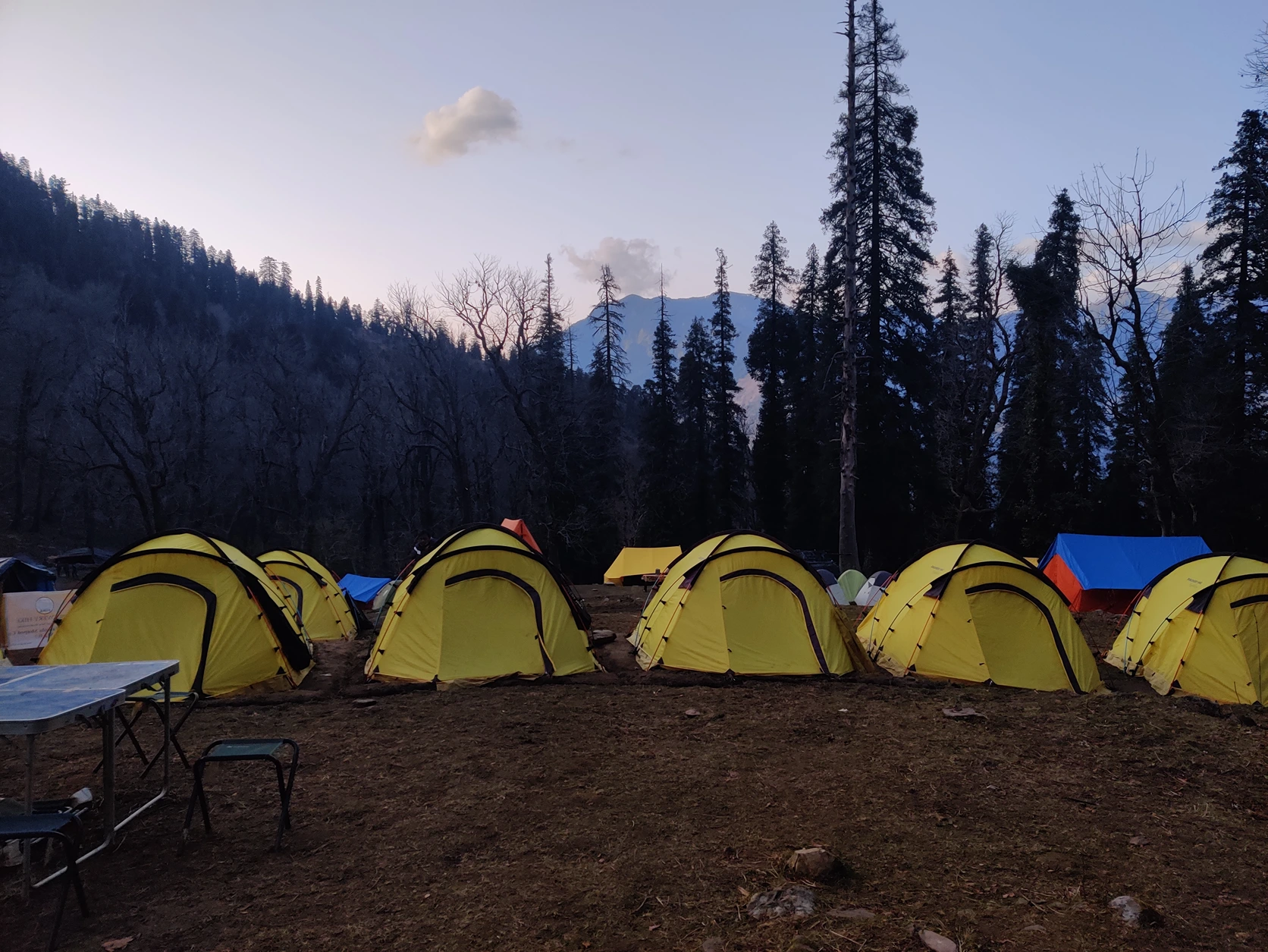
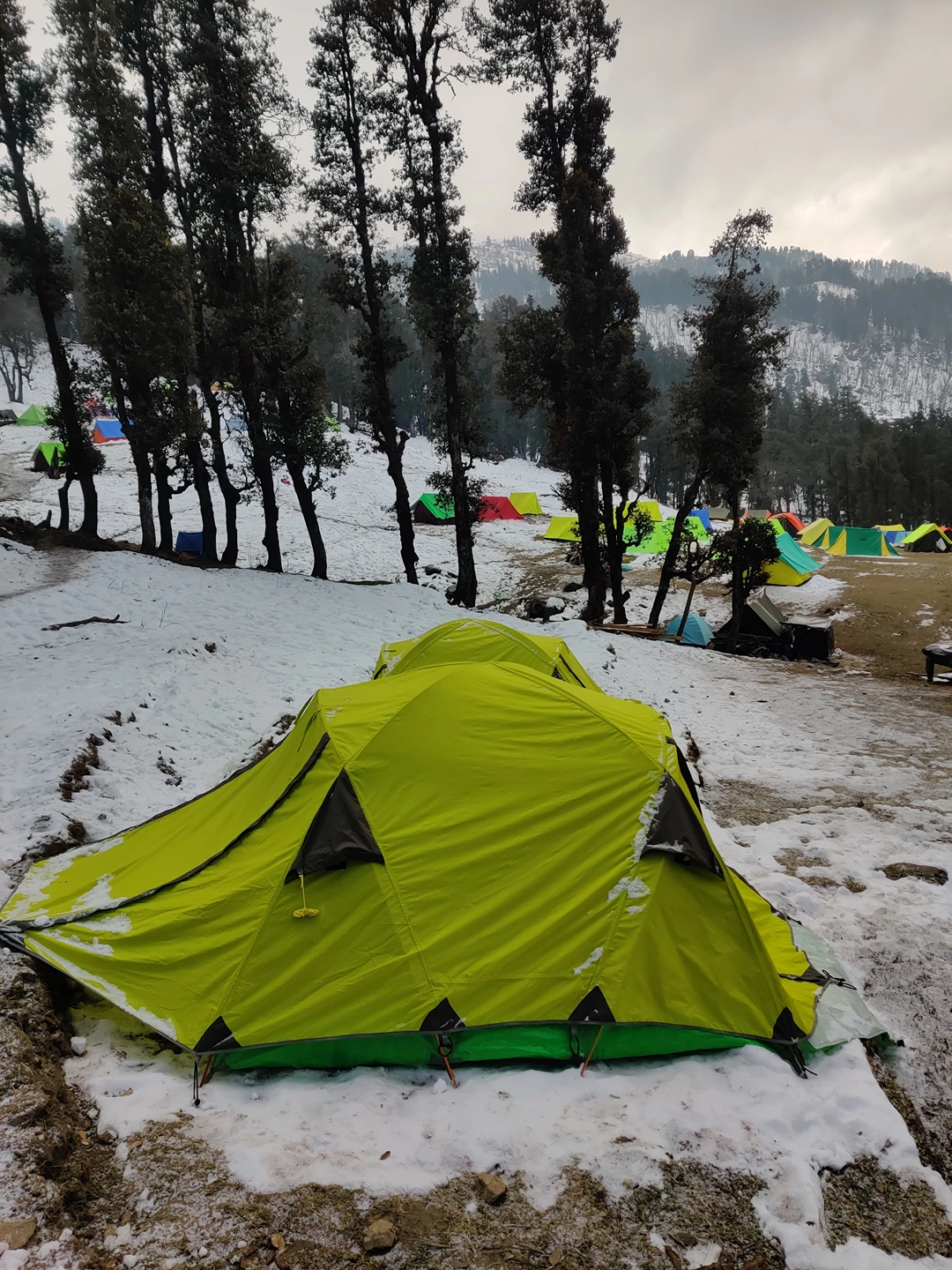
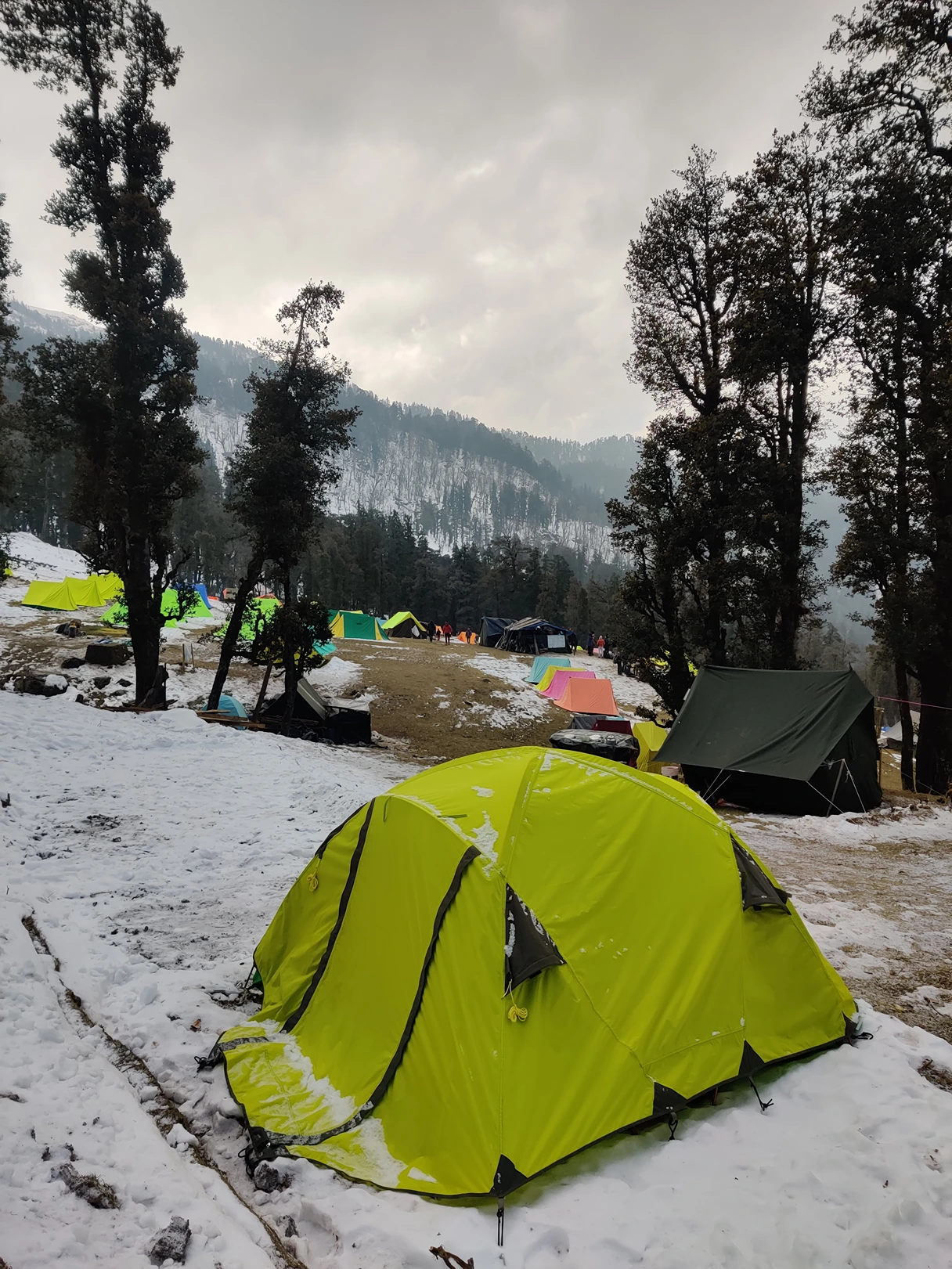
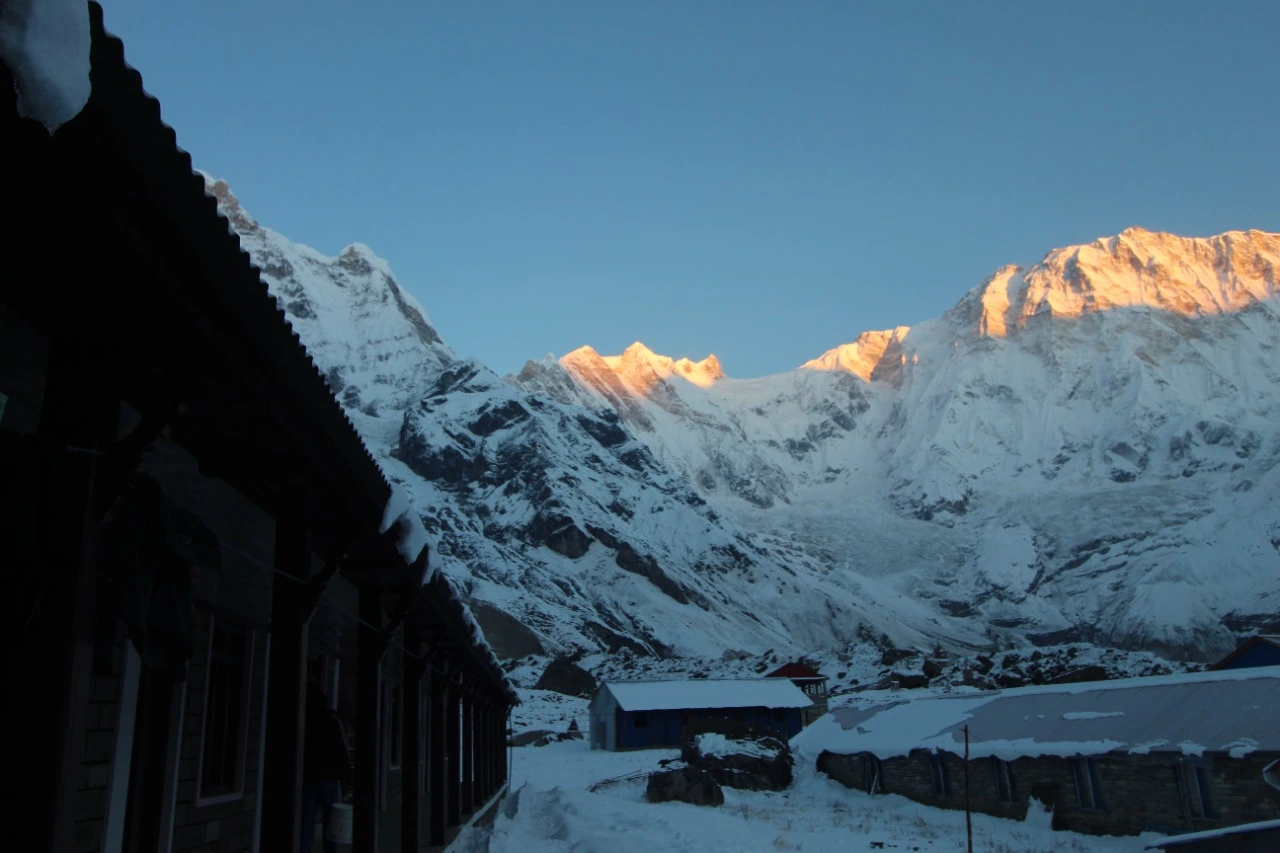
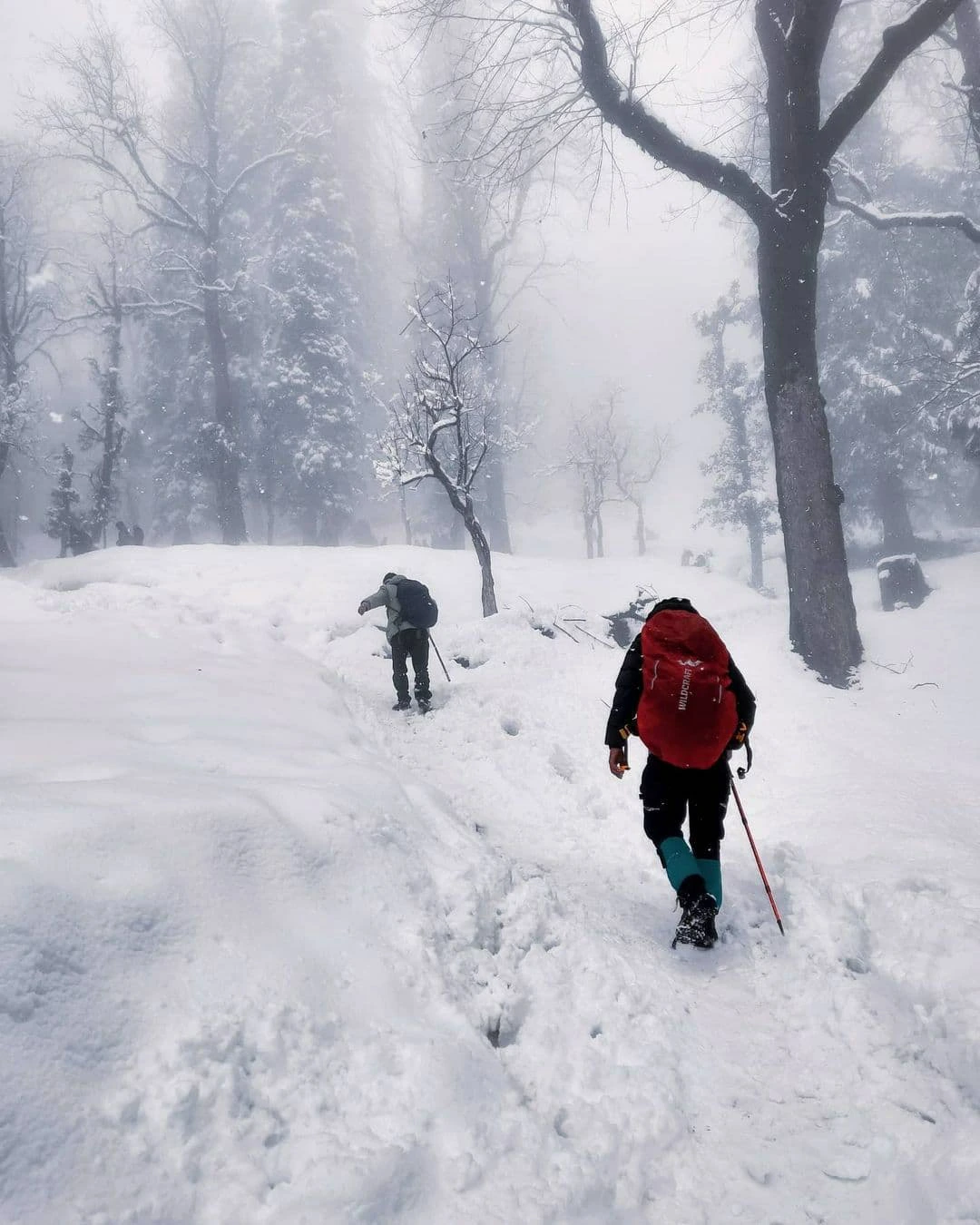
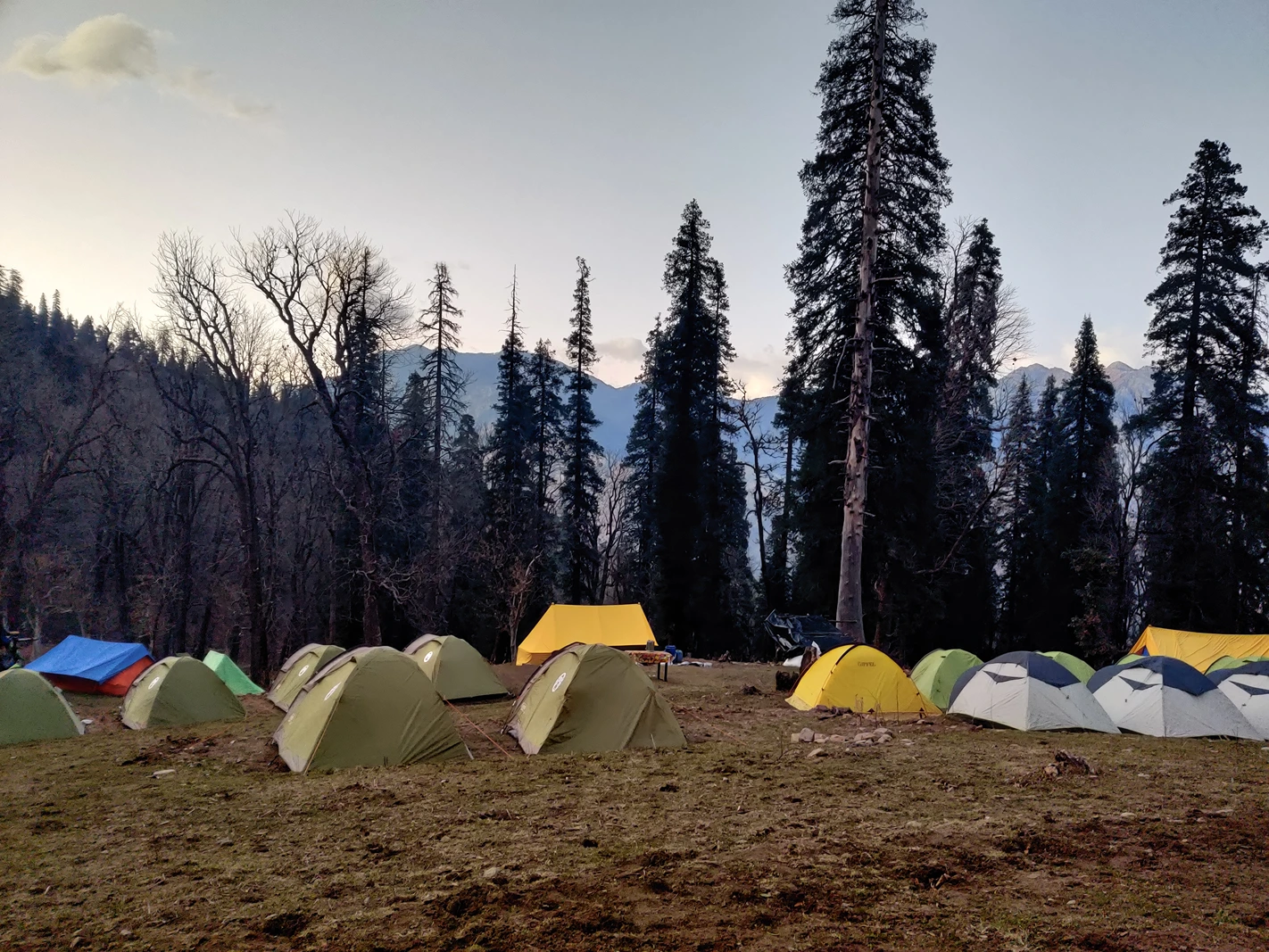
The journey begins in the vibrant atmosphere of Kasol (5,100 ft) before the official trek starts. After meeting the team, we embark on the first leg: an approximately 9 km trail taking 4 to 5 hours. Initially, the path is an easy walk alongside the Grahan Nallah (stream), but it gradually climbs through thick, quiet pine and oak forests. This first day is designed for immersion; you will ascend to the traditional village of Grahan at 7,700 ft, a secluded location where modern life seems distant. Our Crux focus for the evening is Grounding Techniques, helping you shed external distractions and settle your mind fully into the rhythm of the mountain.
Sar Pass Trek
- Pick Up: Kasol
- Drop: Kasol
- Location: ISBT
Send an enquiry
Overview
The Sar Pass trek, nestled deep within the verdant Parvati Valley of Himachal Pradesh, is not merely a high-altitude traverse; it is an expedition defined by dramatic, almost instantaneous, shifts in landscape. While its sibling treks might boast stark, arid beauty, Sar Pass offers a vibrant, almost psychedelic immersion, transforming from lush, oak-laden forests into pure, unforgiving snowfields in just a few days. It is a journey that hooks the soul with the promise of deep forest serenity and challenges the spirit with a dramatic, snowy climax.
The journey begins in the lower reaches of Parvati, where the air hums with the scent of pine and cannabis, and the atmosphere is steeped in local folklore. The initial days wind through the ancient village of Grahan, a living testament to Himalayan isolation and traditional architecture, and ascend through dense forests that feel perpetually veiled in a cool, emerald shade. This green phase is a study in natural abundance, a gentle, nurturing prelude before the ascent to the harsh, exposed alpine country. As the tree line retreats, the landscape opens into sweeping meadows—grasslands of astonishing scale that rival those found in Kashmir, such as Ratnapani and Nagaru. These meadows, blanketed in wildflowers during the pre-monsoon season, are the pastoral heart of the trek, serving historically as vital grazing pastures for local shepherds.
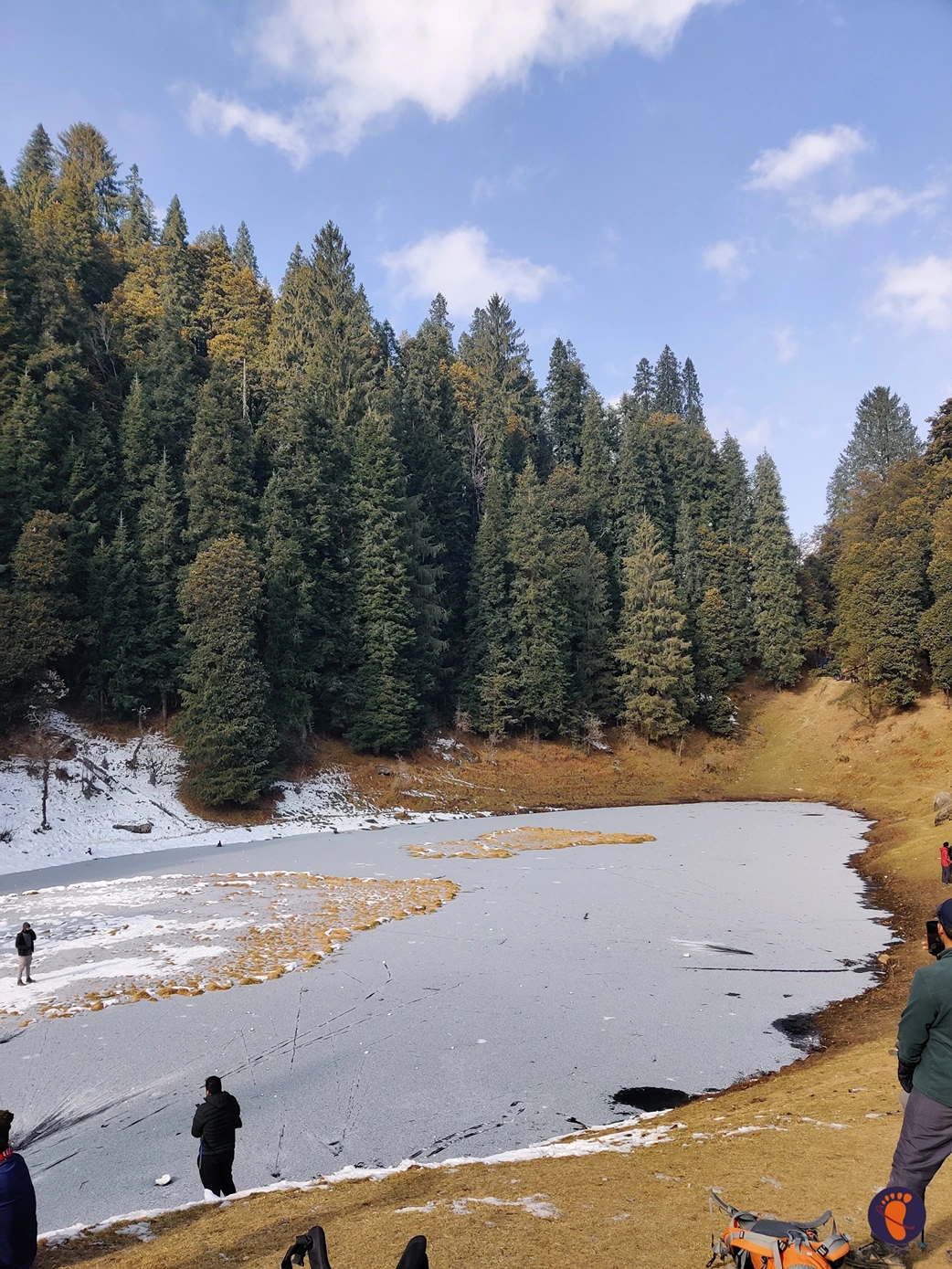
The true significance and drama of the trek are revealed at its zenith: the Sar itself. In the local dialect, Sar means ‘lake,’ and the pass takes its name from the small, high-altitude frozen water body that must be traversed en route to the summit. Perched at approximately (4,200 m), the pass offers a panoramic, dizzying view of the lofty peaks of the Tosh Valley and beyond. Mythology permeates this region, as the entire valley is believed to be the meditative abode of Lord Shiva and his consort, Parvati. The powerful, almost electric energy that surrounds the hot springs of Manikaran and the sacred trails leading to Kheerganga is palpable, even at this altitude. The crossing of the Sar, therefore, is not just a physical feat; it represents a psychological passage, demanding a purification and focus worthy of the mythical landscape it bisects.
What truly sets Sar Pass apart is the unique, exhilarating descent. Rather than navigating a rocky trail, trekkers often encounter a long, steep, snow-fed chute immediately after the summit. Trekkers famously slide down this natural ice slide—a moment of pure, unadulterated release that instantly rewards the strenuous climb. This exhilarating moment of swift transition mirrors the trek’s cultural history: for centuries, this path was used by local inhabitants, particularly the migratory Gaddi shepherds, who required fast, efficient means of crossing the range to reach seasonal grazing lands, demonstrating a profound, practical harmony between human needs and the mountainous terrain.
The Sar Pass trek, concluding near the vibrant backpacking hub of Kasol, is ultimately a metaphor for holistic transformation. It demands physical rigour in the climb, rewards the senses with stunning meadows, links the traveler to the ancient mythology of Shiva and Parvati, and grants a singular moment of euphoria on the descent. It is a passage that leaves the hiker not merely tired, but fundamentally refreshed, having crossed through a land where divinity and earth meet in spectacular, snowy contrast.
Highlights
Itinerary
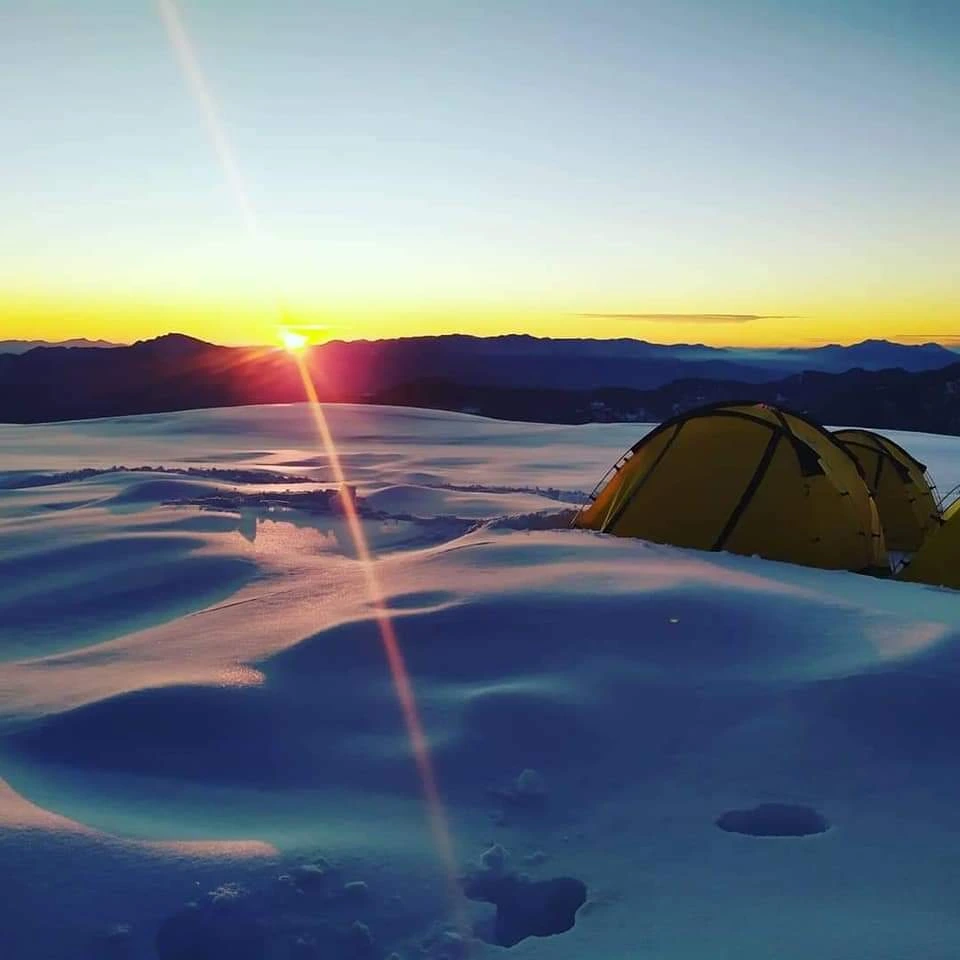
Leaving Grahan (7,700 ft), we begin a 5 to 6 hour trek covering roughly 7 km. This day is characterized by a steep, steady climb that takes us through the remaining dense forests. As the elevation increases, you will witness the landscape transform, marking the transition from the tree line into the alpine zone. We pass through the scenic meadow of Min Thach before finally descending gently into the expansive, beautiful campsite of Ratnapani at 10,500 ft. This is your first night camping in a vast, open meadow. The Crux focus today is establishing the Pahadi Pace—a slow, consistent, and efficient rhythm that ensures you conserve energy for the critical days ahead.
Meals
Day 3 is your primary acclimatization test, involving a 5 to 6 hour, 8 km climb. We start the day easily in Ratnapani (10,500 ft), but the trail soon steepens into a relentless, continuous ascent. You will be fully above the trees, exposed to the elements, as we push towards the ridge. The goal is the stunning but stark campsite of Nagaru at 12,500 ft. This camp is known for being extremely cold and exposed, but offers unforgettable, sweeping panoramic views of the Tosh Valley and the surrounding high Himalayan peaks. The mental focus for the evening is vital: Managing Resistance. We practice techniques to mentally prepare for the 13,800 ft climb tomorrow by confronting and accepting the physical discomfort of the altitude and the cold.
Meals
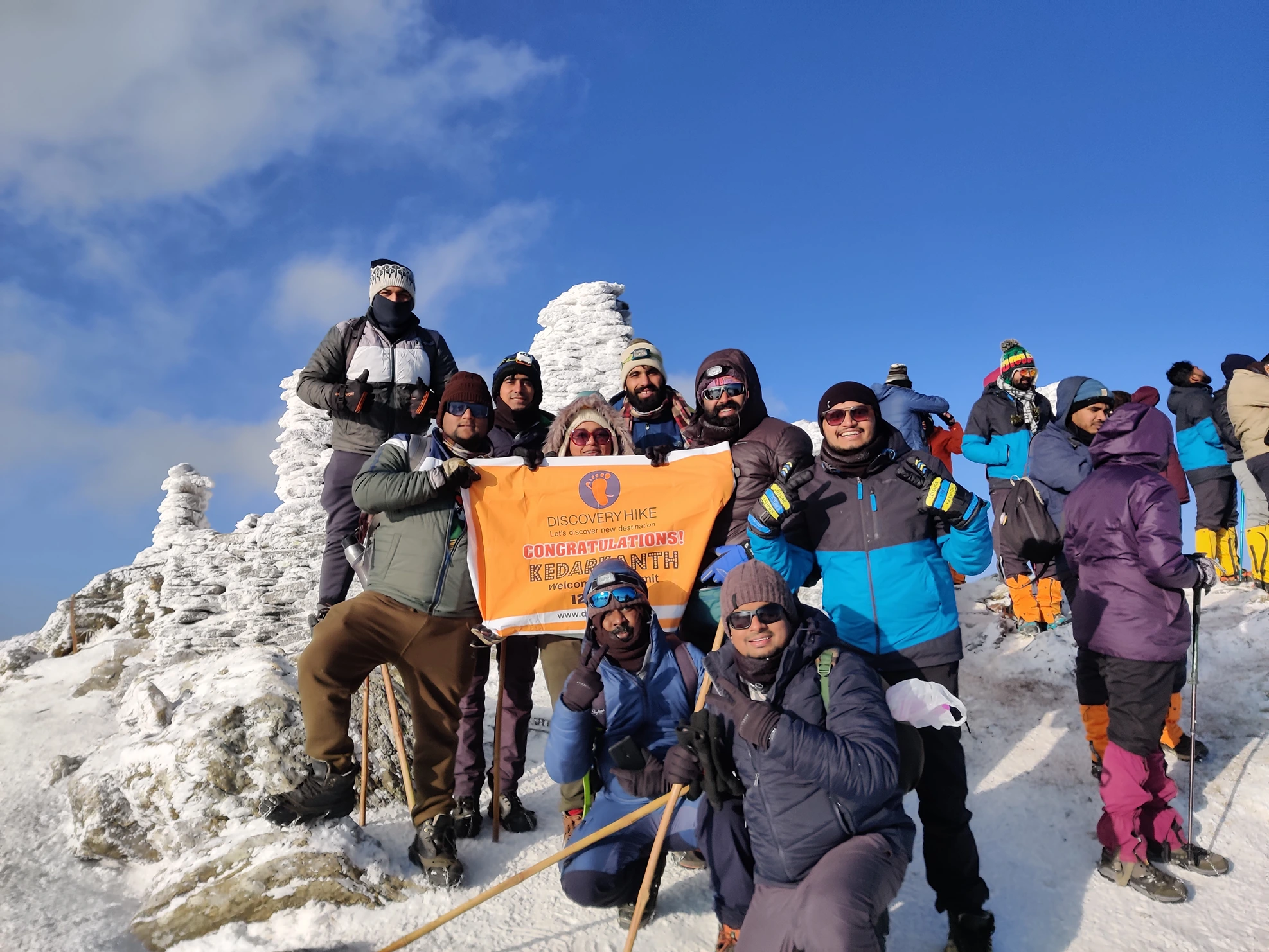
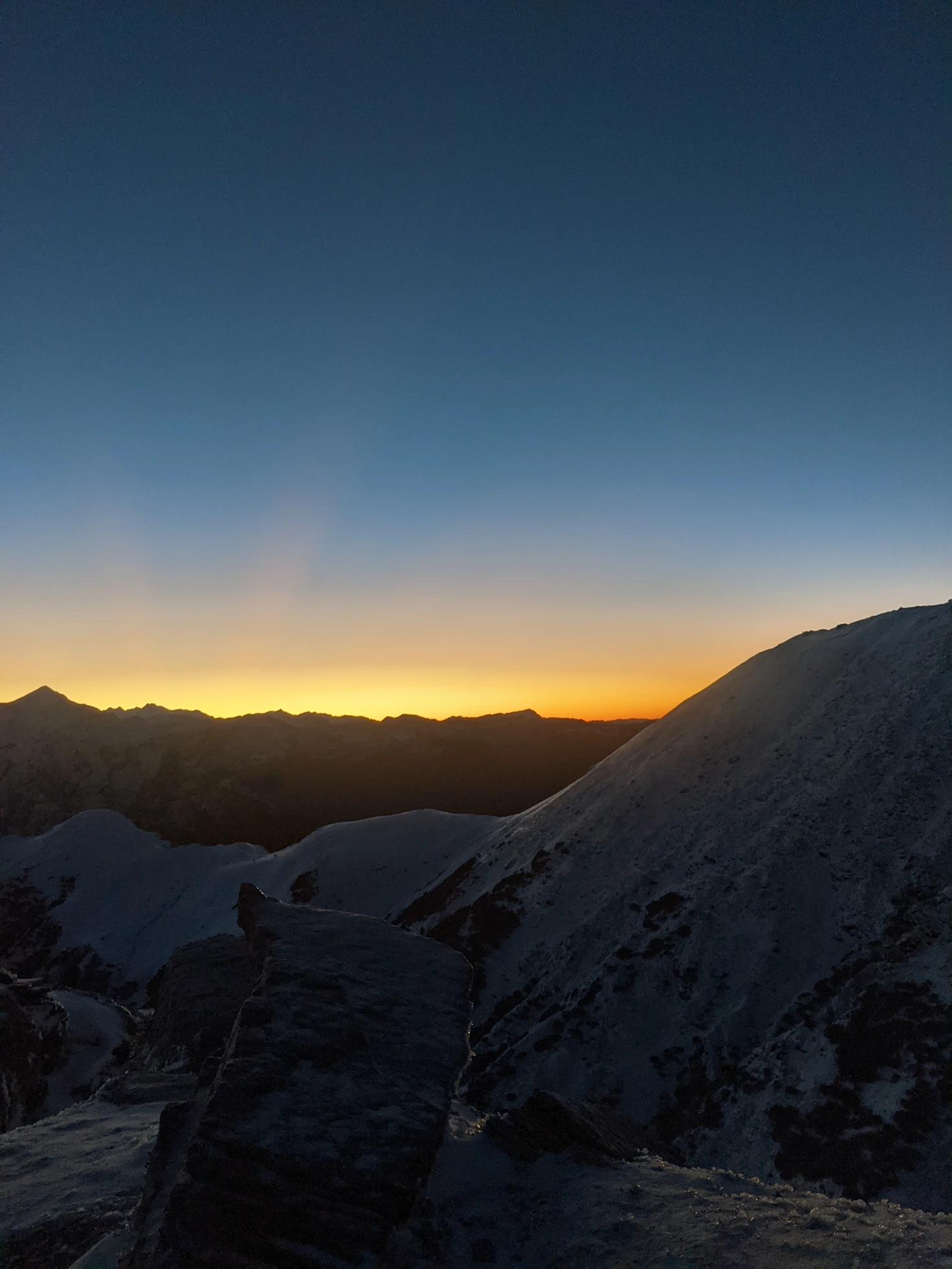
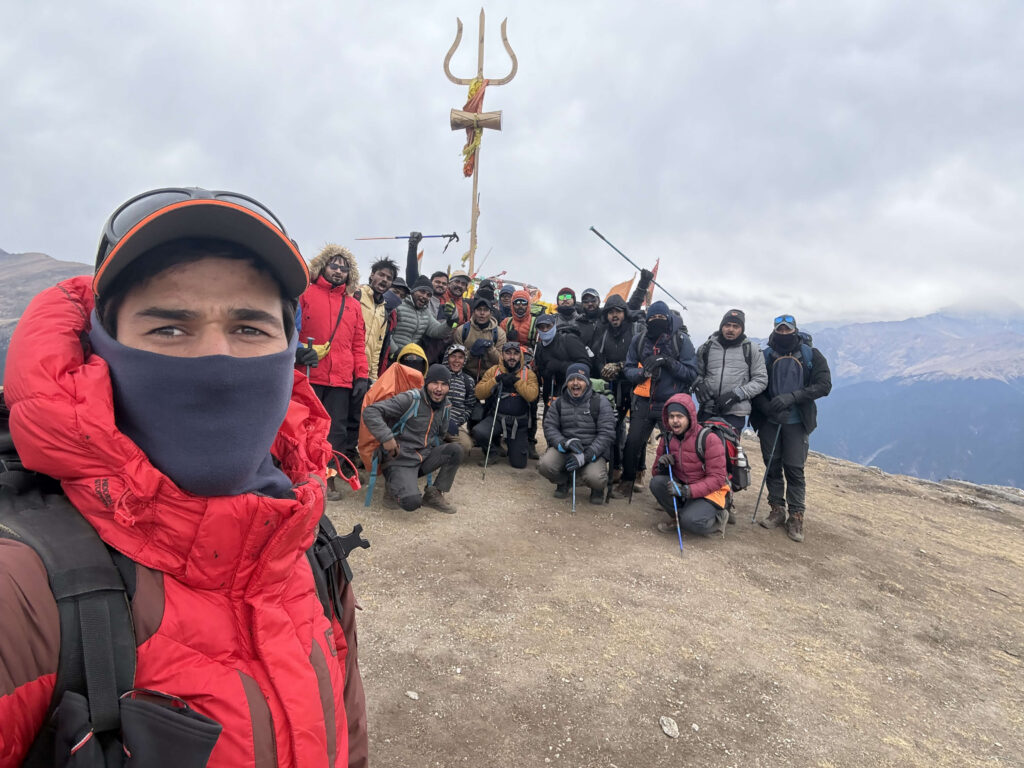
This is the longest, toughest, and most rewarding day of the trek. We start before dawn (∼4:00 AM) to cover the 14 km distance, which can take 8 to 10 hours. The climb from Nagaru is steep and often covered in snow, demanding high mental and physical resilience. This focused effort leads us to the small, high-altitude frozen lake—the Sar—and finally, the Sar Pass Summit at 13,800 ft. The hard-earned reward is immediate: the famous Snow Chute Descent. Trekkers are guided one-by-one to safely slide down a smooth, steep slope, a moment of pure, exhilarating release. After the slide, a long, continuous descent leads us to the idyllic, grassy campsite of Biskeri Thach at 11,000 ft. The Crux focus transitions from Peak Performance during the ascent to processing the day’s achievement and Release in the evening.
Meals
The final day involves a sustained descent from Biskeri Thach (11,000 ft), covering approximately 10 km in 4 to 5 hours. The trail is predominantly downhill, winding through dense rhododendron and pine forests and past picturesque terraced farmland. This section can be hard on the knees, emphasizing the importance of trekking poles and mindful foot placement. We reach the road-head at Barshaini (7,500 ft), where transport will be waiting to take the group back to Kasol. The group dispersal in Kasol typically happens between 2:00 PM and 4:00 PM. Our final mental session focuses on Integration, discussing how to carry the focus, resilience, and clarity discovered on the mountain back into your daily life.
Meals
Good to know
Inclusions
-
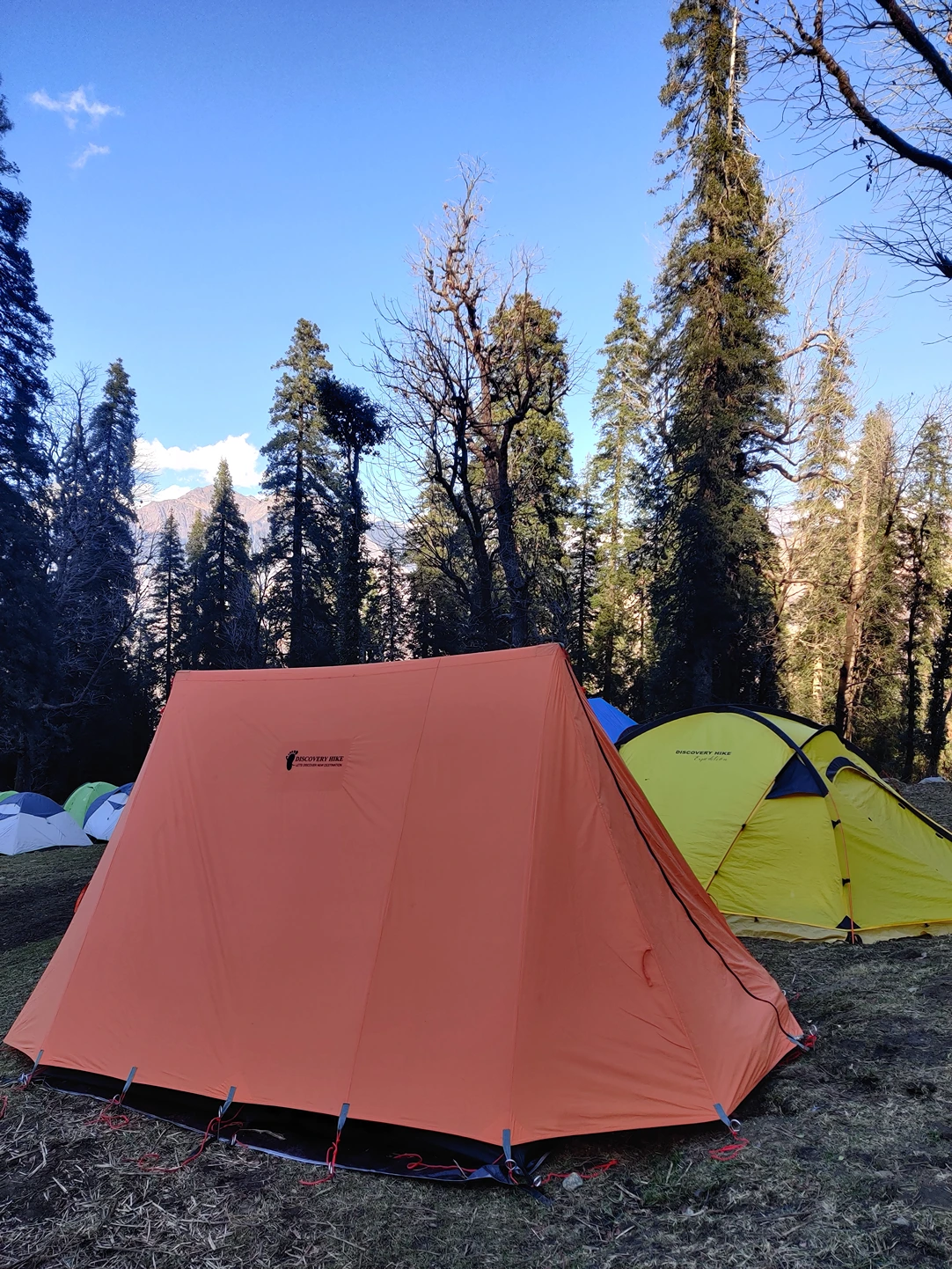
Accommodation (4 Nights): Stay in high-quality, spacious twin-sharing tents (2 people per tent) at all campsites.
-
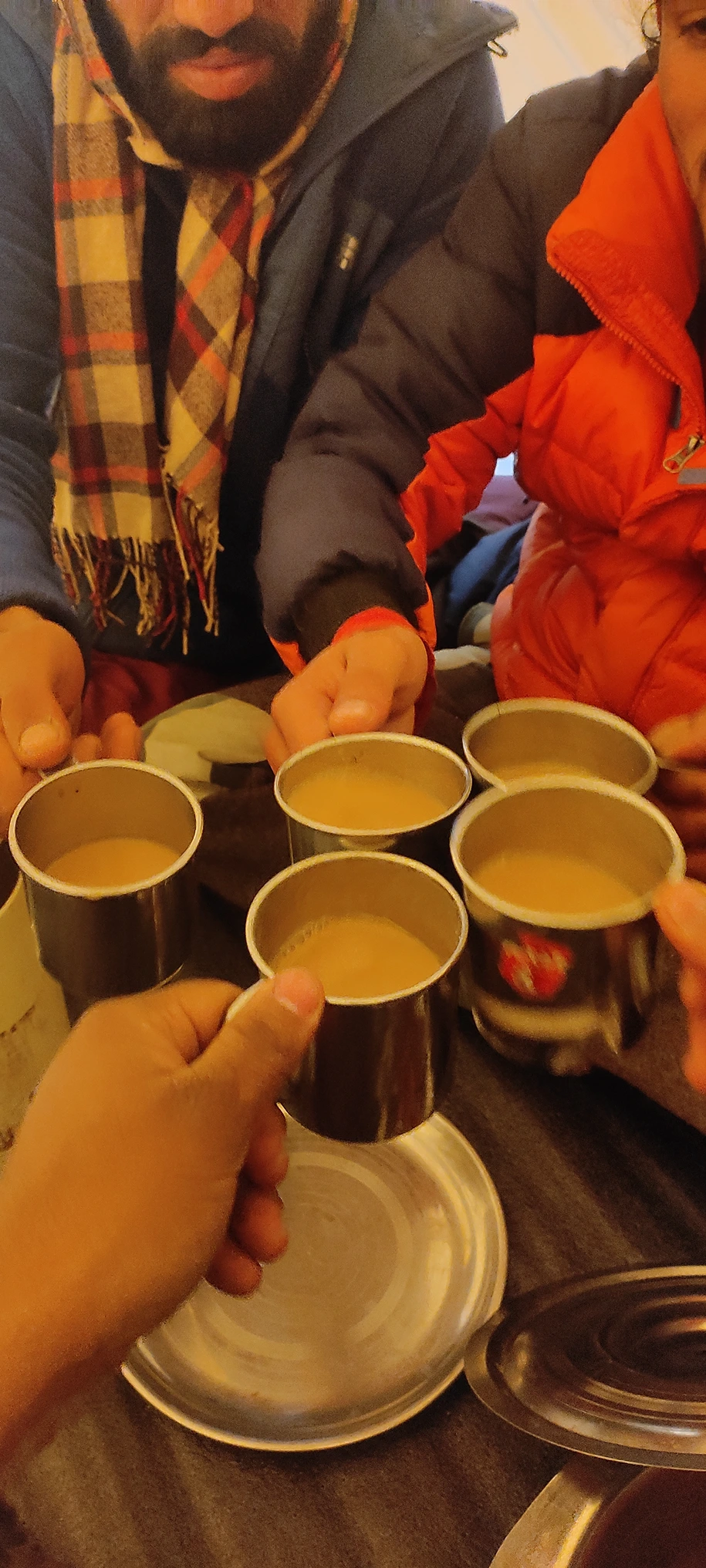
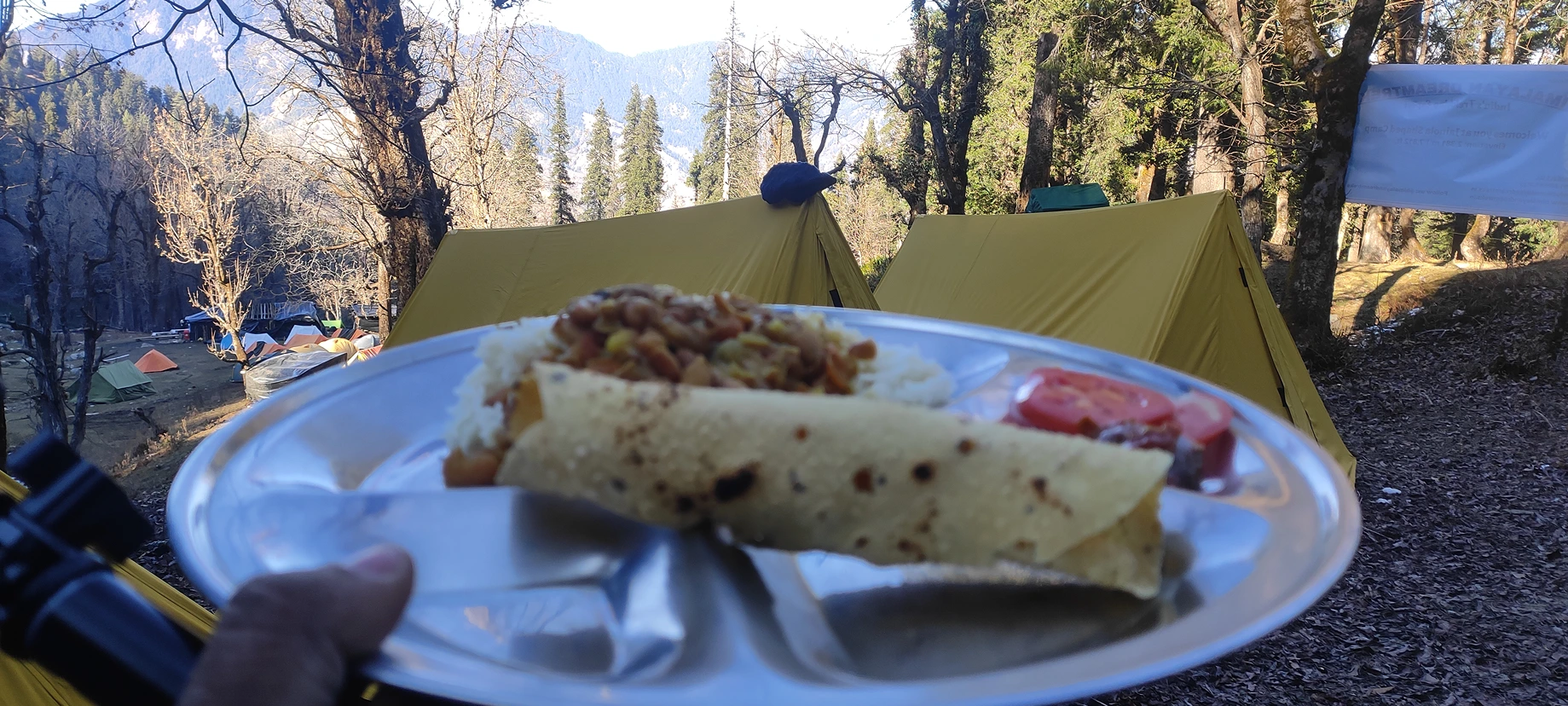
Meals: All meals from Lunch on Day 1 to Breakfast on Day 5. Includes nutritious, freshly prepared vegetarian food (with eggs).
-
Permits & Fees: All necessary forest entry permits, trekking fees, and camping charges for the Parvati Valley route.
-
Staff & Safety: Certified Trek Leader (trained in first aid), local Pahadi guide, cook, and support staff.
-
Emergency Gear: Access to a comprehensive medical kit, emergency oxygen cylinder, and stretchers.
-
Monitoring: Mandatory daily (oxygen saturation) and pulse checks conducted by the Trek Leader.
-
Internal Transport: All road transfers from Kasol to the trailhead and from the exit point (Barshaini) back to Kasol.
-
Crux Wellness: Integration of Mental Wellness Sessions (Grounding, Managing Resistance) led by the Trek Leader.
-
Camping Gear: Use of high-quality Sleeping Bags and sleeping mats.
Exclusions
-
Travel to/from Kasol: Cost of buses, flights, or taxis to reach the Kasol Basecamp on Day 1 and depart on Day 5.
-
High-Altitude Insurance: Cost of purchasing independent travel/medical insurance, which is highly recommended for high-altitude evacuation coverage.
-
Personal Gear: Trekking shoes, poles (unless rented), clothing layers, headlamp, and personal backpacks.
-
Off-Trek Meals: Any food, accommodation, or personal expenses incurred in Kasol before the trek begins or after the group disperses.
-
Tipping: Tips/Gratuities for the local support staff (cooks, porters) at your discretion.
Things to Carry
Must cover ears. Essential for retaining body heat.
Crucial for summit day to protect the nose and mouth from cold wind.
MANDATORY. Snow glare is intense and can cause snow blindness. Must be UV protected.
Thermal tops (full sleeve). Must be synthetic or Merino wool. NO COTTON.
Fleece jacket (thick). Your primary source of warmth.
Padded jacket (Polyfill/Down). Heavy, windproof, and water-resistant.
Thermal bottoms (leggings).
Quick-dry, synthetic trekking trousers. Avoid jeans/shorts.
High-ankle, sturdy, waterproof trekking boots with good grip.
3–4 pairs of thick woolen/synthetic trekking socks (for the day) and 2 pairs of dry woolen socks (for sleeping only).
1 pair of woolen/fleece inner gloves and 1 pair of heavy, waterproof outer gloves.
MANDATORY. Carry extra batteries.
Carry a 1-liter bottle and a thermos to keep water from freezing.
Essential for high-altitude UV protection.
Toothbrush, wet wipes, and any personal prescription drugs.
For carrying water, jacket, snacks, and personal items during the trek.
Sleeping Bag, Sleeping Mat, Tents, Crampons, Gaiters, and Trekking Poles (use optional).
How to reach
Reaching Kasol: The Mandatory Basecamp (Day 1 Arrival)
Kasol is the official starting point for all Crux trekkers. You must report here between 9:00 AM and 10:00 AM on Day 1 to complete check-in, meet the team, and prepare for the final drive to the trailhead.
A. The Best Option: Overnight AC Volvo Bus
This is the most reliable and recommended method, ensuring you are rested and on time.
- iOrigin: Board a high-quality AC Volvo or HRTC Bus from Delhi or Chandigarh on Day 0 (the day before the trek starts).
- iTiming: To guarantee a 9:00 AM arrival in Kasol, book a bus that departs Delhi between 3:00 PM and 5:00 PM on Day 0.
- iDestination: Most major buses stop at Bhuntar (∼30 km from Kasol). A few buses now extend to Kasol.
- iBhuntar to Kasol: If you arrive in Bhuntar (7:00 AM arrival is ideal), immediately hire a local taxi or take a local bus. The drive takes approximately 45 to 60 minutes.
B. The Fastest Option: Flight to Bhuntar (KUU)
This is the quickest way to cover the distance but carries the highest risk.
- iAirport: Fly into Kullu Manali Airport, Bhuntar (KUU).
- iTiming: Book the earliest flight on the morning of Day 1, aiming to land by 8:00 AM at the latest.
- iRoad Transfer: Hire a pre-booked taxi from Bhuntar to Kasol. The 45-minute drive is stunning but often congested in the morning.
- iRisk: Flights to Bhuntar are frequently delayed or cancelled due to fog and mountain weather. If choosing this, always have an overnight bus backup plan in place.
Reaching Grahan Village: The Trek Start (Day 1 Afternoon)
Grahan (7,700 ft) is not a road-head and cannot be reached by taxi or public transport. It is the destination of your Day 1 trekking.
- iKasol → Trailhead Drive: After the group meeting and briefing in Kasol, our internal transport will take the entire group together. This short drive takes you to a point slightly beyond Kasol where the trekking path to Grahan begins.
- iTrailhead → Grahan Trek: This is your first official walk. It is an ascent of ∼9 km that takes 4 to 5 hours.
- iGrahan Village: This traditional village is where you will set up your first camp for the night. Since it is remote, there is typically no mobile network here.
How to prepare your body and mind for the trek
Your Mind & Body Compass
Sar Pass Trek is the perfect choice for a first-time wellness trekker, but a reasonable level of fitness is essential to ensure you enjoy the experience, especially given the rapid altitude gain.
Physical Conditioning (8 Weeks Prior):
- iCardiovascular Fitness: Commit to a daily routine of 4-5 kilometers of walking or jogging. Focus on building endurance to comfortably manage the steep sections.
- iStrength and Flexibility: Incorporate basic strength training (squats, planks) and gentle Himalayan-focused stretching to condition the muscles and joints for carrying a backpack.
Mental & Respiratory Conditioning:
- iMastering the Breath: Begin a routine of Pranayama (breathing exercises). Practices like Anulom Vilom (Alternate Nostril Breathing) are vital for improving lung capacity and ensuring a smooth, relaxed acclimatization at high altitude.
- iWeather Readiness: Be prepared for the transformative nature of Himalayan weather. While daytime can be manageable (10°C to 15°C), winter nights are intensely cold, dropping to -4°C or lower. Our high-quality gear is provided to support your journey safely through the cold.
Refund & Cancellation
We aim for clear and fair practices regarding cancellations. We know plans can change, and our policy is designed to balance flexibility for you with the operational needs of running a trek.
If Crux Himalaya Cancels Your Trek
-
If we are forced to cancel a trip for reasons beyond our control (such as natural disasters, route closures, or governmental mandates), you will receive a Trek Voucher. This voucher is valid for one year and can be applied toward the original trek or any other available trek.
-
If the cost of the new trek is higher, you must pay the difference. If the cost of the new trek is lower, we will refund the surplus amount.
-
If the cancellation is due to insufficient bookings (fewer than three participants), you will receive a full monetary refund.
If You Cancel Your Trek
| Cancellation Window | Refund | Notes |
|---|---|---|
| More than 30 days prior to the trek start date | 100% refund | Full refund of trek fee |
| Between 15 and 30 days prior to the trek start date | 50% refund | Balance forfeited |
| Within 1 to 15 days prior to the trek start date | No refund | Pre-booked logistics; refund not applicable |
30+ days before trek start
Full refund of trek fee
15–30 days before trek
Balance forfeited
1–15 days before trek
Refund not applicable
FAQs
Sar Pass is rated Moderate. It is suitable for fit beginners and enthusiasts. While the trail starts gently, the ascent to Nagaru and the Pass crossing requires excellent cardiovascular fitness and stamina. Our commitment is that you must be able to jog/run in under minutes consistently before joining.
No. While the Pass crossing involves significant snow (especially May-June), you do not need prior experience. Your Trek Leader is certified to guide you, and necessary equipment like gaiters and micro-spikes (if needed) are provided.
We manage AMS through prevention and monitoring:
- Acclimatization: Our itinerary is designed with slow, gradual altitude gain (especially before Day 4).
- Daily Vitals: We conduct mandatory daily (oxygen saturation) and pulse checks.
- Emergency Response: We carry an emergency oxygen cylinder, medical kit, and have protocols for immediate controlled descent if symptoms worsen.
Yes, it is managed with strict protocols. Your Trek Leader assesses the chute daily, and every trekker is coached on the correct technique (position, braking) and is sent down one person at a time under supervision. It is exhilarating, but safety is paramount.
The mandatory meeting point is Kasol. You must report by 10:00 AM on Day 1. This allows time for documentation and the drive to the trailhead.
The most reliable method is to take an overnight AC Volvo bus from Delhi or Chandigarh on Day 0, arriving in Bhuntar/Kasol early on Day 1. Flights to Bhuntar (KUU) are faster but unreliable due to weather.
We usually reach Kasol from Barshaini by to . You should book your departure from Kasol/Bhuntar for after 6:00 PM to account for mountain delays.
- May to Mid-June: Best for the full snow experience and guaranteeing the long snow slide. The Pass is fully snow-covered.
- Mid-September to Mid-October: Ideal for clear skies, crisp mountain air, and excellent views. There will be less or no snow on the Pass.
Network is available in Kasol and usually up to Grahan Village on Day 1. After Grahan, you should expect no mobile network until you return to Barshaini on Day 5. This is the perfect time for a digital detox!
No. All meals are provided (Lunch Day 1 to Breakfast Day 5). Our staff provides clean, boiled drinking water at every campsite. You only need to carry a -liter water bottle capacity.
Yes. Essential gear like Trekking Poles and the recommended Backpack Offloading service are available as add-ons during booking.
- Pick Up: Kasol
- Drop: Kasol
- Location: ISBT
Send an enquiry
Category