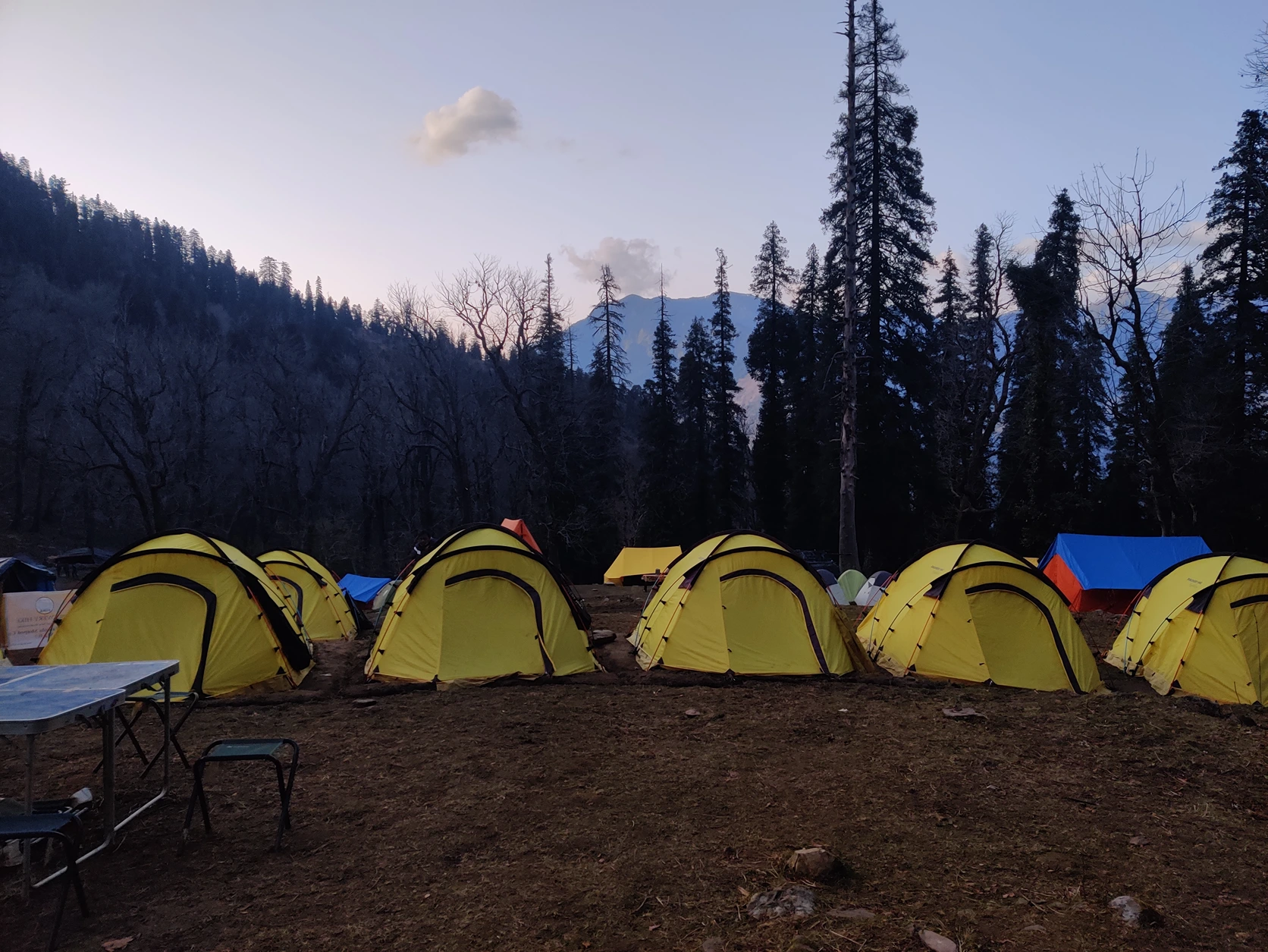
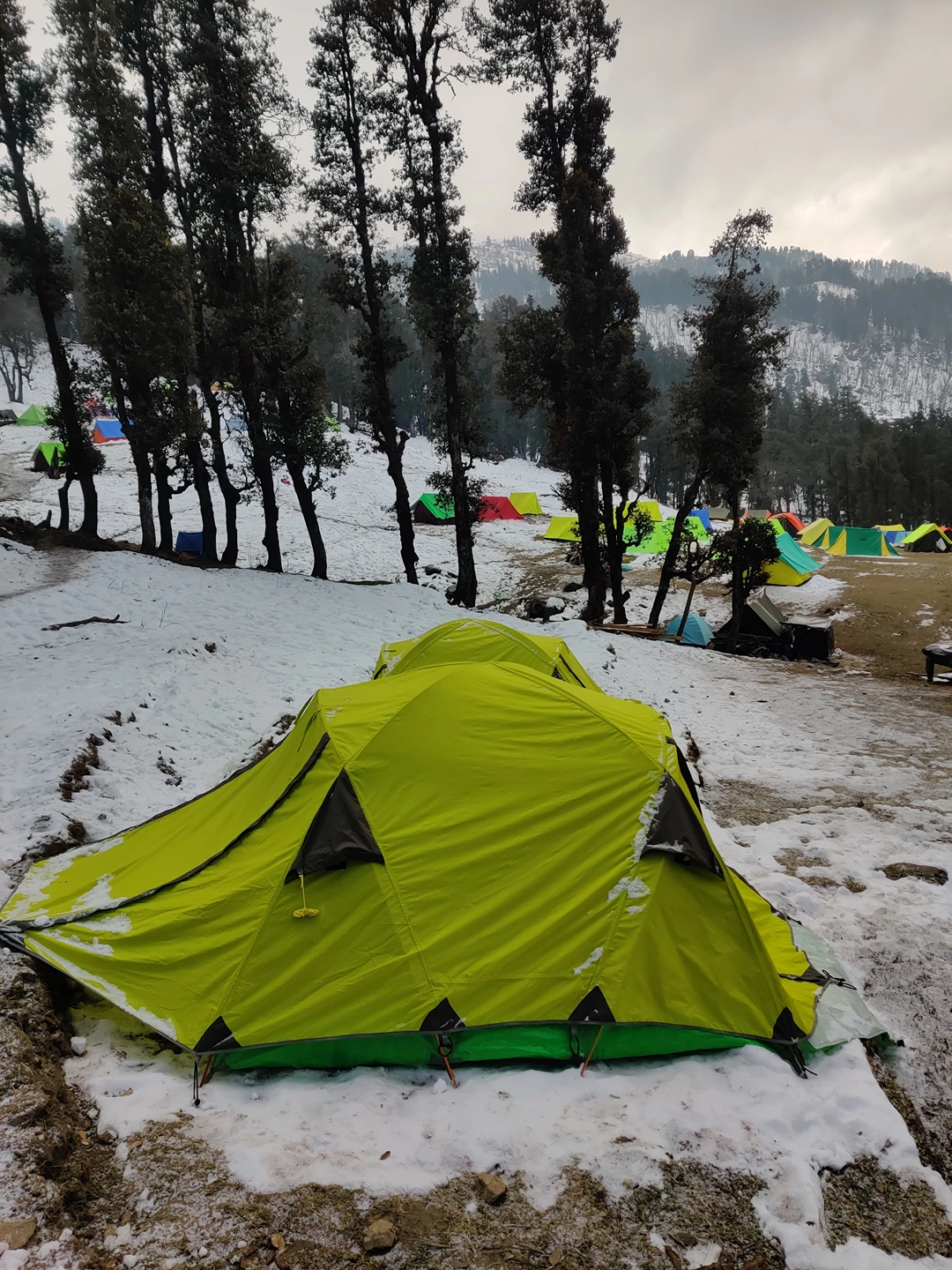
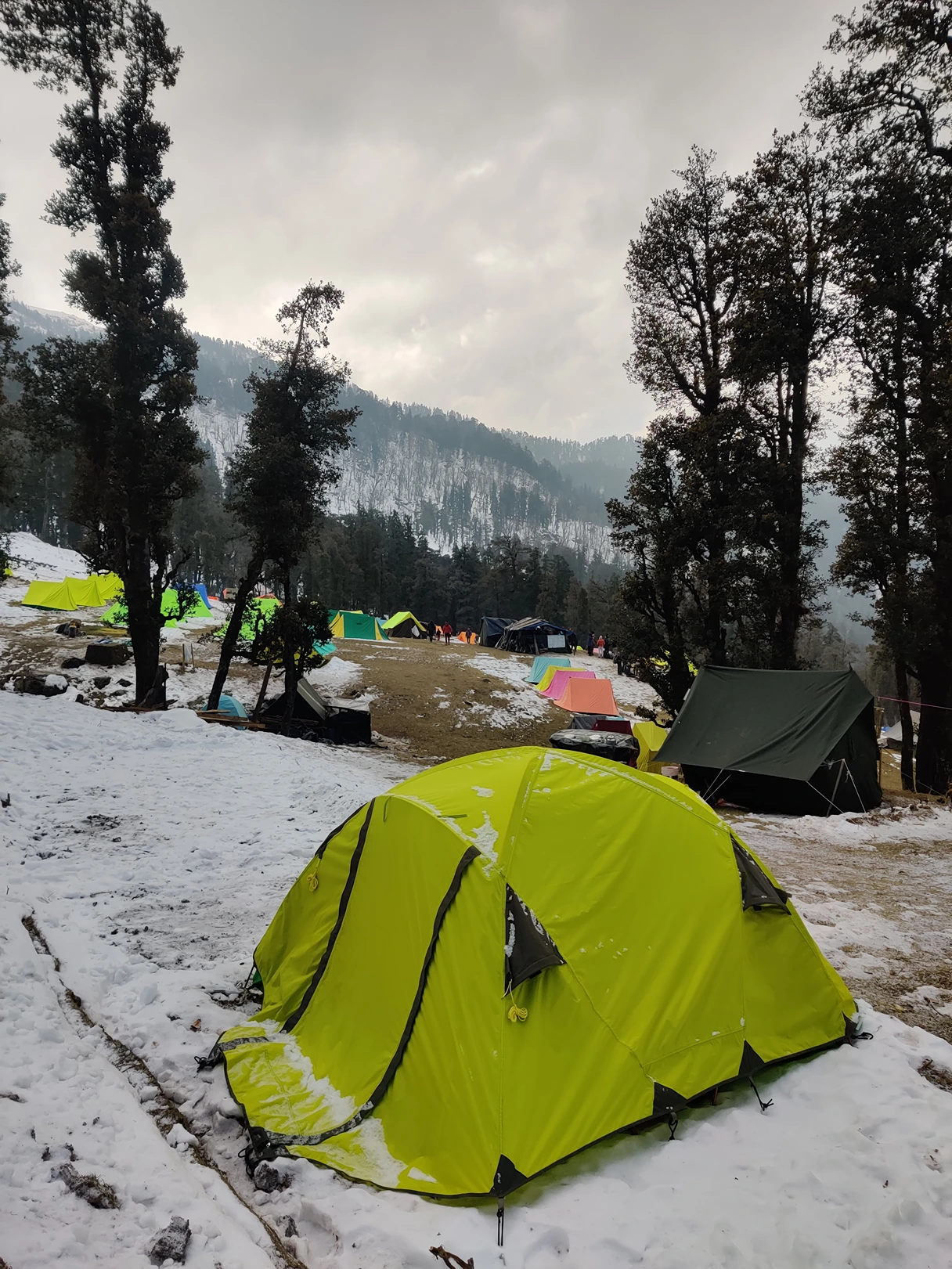
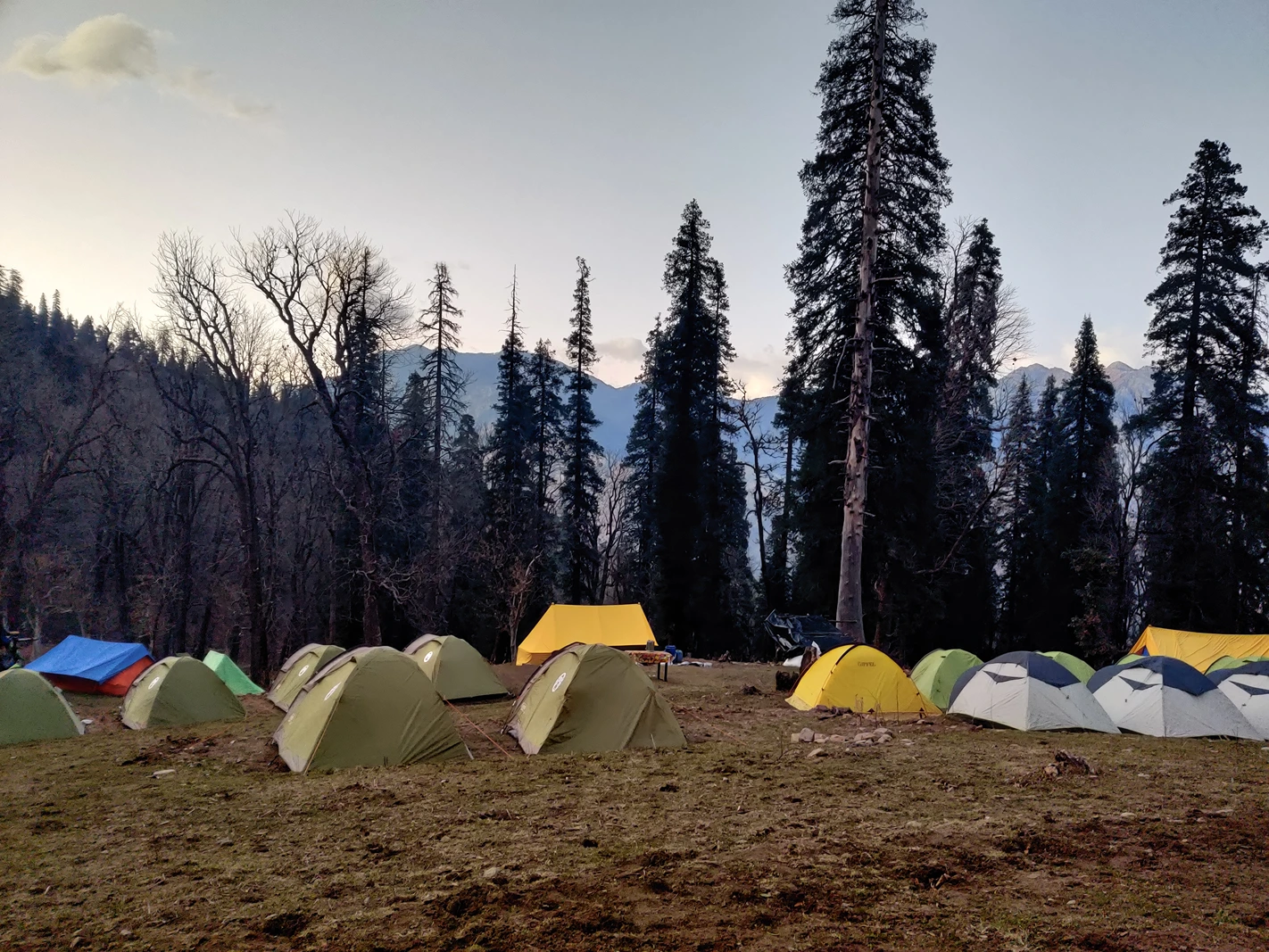
The journey begins at the road-head village of Dhaula () in Himachal Pradesh. After meeting the Crux team and completing the final checks, we begin a relatively easy, gradual descent and walk that serves as the perfect warm-up. This 11 km walk takes around 6 hours and immediately introduces you to your constant companion: the Rupin River. The trail is well-defined, winding through terraced fields and simple local settlements. The goal today is not altitude but rhythm; we establish the Crux Pace, ensuring you are settled and acclimatized for the days ahead. We set up camp near Sewa or Gosangu (6,300 ft), enjoying the last glimpses of accessible road-side life before entering true wilderness.
Rupin Pass Trek
- Pick Up: Jiskun
- Drop: Jiskun
- Location: Jiskun Base Camp
Send an enquiry
Overview
The Rupin Pass is more than a trail; it is an ancient dividing line, a physical and spiritual threshold that separates the dramatic, verdant valleys of Himachal Pradesh from the stark, rugged magnificence of Uttarakhand. Unlike shorter treks, Rupin is a sustained narrative, a geological symphony played out over seven days, concluding in a single, awe-inspiring crescendo at . To traverse this pass is not merely to hike, but to undertake a quantum leap between ecosystems, cultures, and self-perception.
The primary allure of Rupin is its geography—a masterpiece of duality. The trek begins in the soft, green bosom of the Dhaula region in Himachal, where the air is thick with the scent of pine and rhododendron. The path initially follows the Rupin River itself, a roaring, untamed force that guides the traveler upward.
This journey is defined by a continuous climb alongside the river, leading to the trek’s most iconic feature: the Three-Stage Waterfall Ascent. Here, the Rupin gushes down a massive rock face, and the trail—a marvel of ancient engineering—climbs alongside, crossing and recrossing the water. The shift in perspective from looking up at the waterfall to looking down from its crest is a powerful metaphor for the climber’s own ascent.
The ascent culminates in the massive, U-shaped glacial valley that cradles the final climb. This high-altitude bowl is often dominated by a vast, shifting snowfield, forcing trekkers to face the immense Rupin Pass Snow Wall. Once across the pass, the world changes instantly. The lushness of Himachal is replaced by the raw, dry, lunar landscape of the Sangla side in Kinnaur, Uttarakhand—a stark, almost brutal beauty that signifies entry into a new state, a new world.
The Rupin Pass is not merely a tourist route; it is an ancient lifeline. For centuries, this pass served as a crucial trading and shepherd route, connecting the lower settlements of Garhwal (Uttarakhand) with the upper villages of Kinnaur (Himachal). Every stone step, every hand-carved ledge, carries the echo of nomadic Gaddi shepherds moving their flocks, and traders transporting goods across the formidable Himalayas. This human history gives the trail a sense of purpose and endurance.
While a centralized mythology is absent, the landscape itself is woven with local reverence. The isolated, gravity-defying settlement of Jhaka Village, often called the “Hanging Village,” is a mystical sight. Perched impossibly on the edge of a cliff face, the village appears to be clinging to the mountain, surviving through sheer faith and tradition. This village serves as a symbol of human resilience in the face of colossal nature, an inspiration for the passage that lies ahead.
The Rupin Pass is designed to break down the traveler and rebuild them stronger. The slow, relentless gain of altitude, the continuous sound of the gushing Rupin, the surreal sight of the hanging village, and finally, the exhaustion and triumph of cresting the snow wall—all converge into a profound experience. It is a walk through two states, two cultures, and two distinct selves: the one that began the journey and the one that stands transformed by the high-altitude silence and the crushing scale of the Great Divide.
Highlights
Itinerary
Day 2 is when the real ascent begins. Starting from Sewa (6,300 ft), we cover approximately 9 km over 6 to 7 hours. The trail initially involves steep sections, taking us through deep pine and fir forests and across the state border into the quiet wilderness of the upper regions. The highlight of the day is the arrival at Jhaka Village (8,700 ft). This village is a sight of pure Himalayan ingenuity, appearing to cling impossibly to the cliff face, earning it the nickname “The Hanging Village.” Camping here allows us to absorb the unique culture of this remote outpost. Our mental focus shifts to Deep Breathing and Acclimatization, preparing the body for the significant oxygen loss awaiting us.
Meals
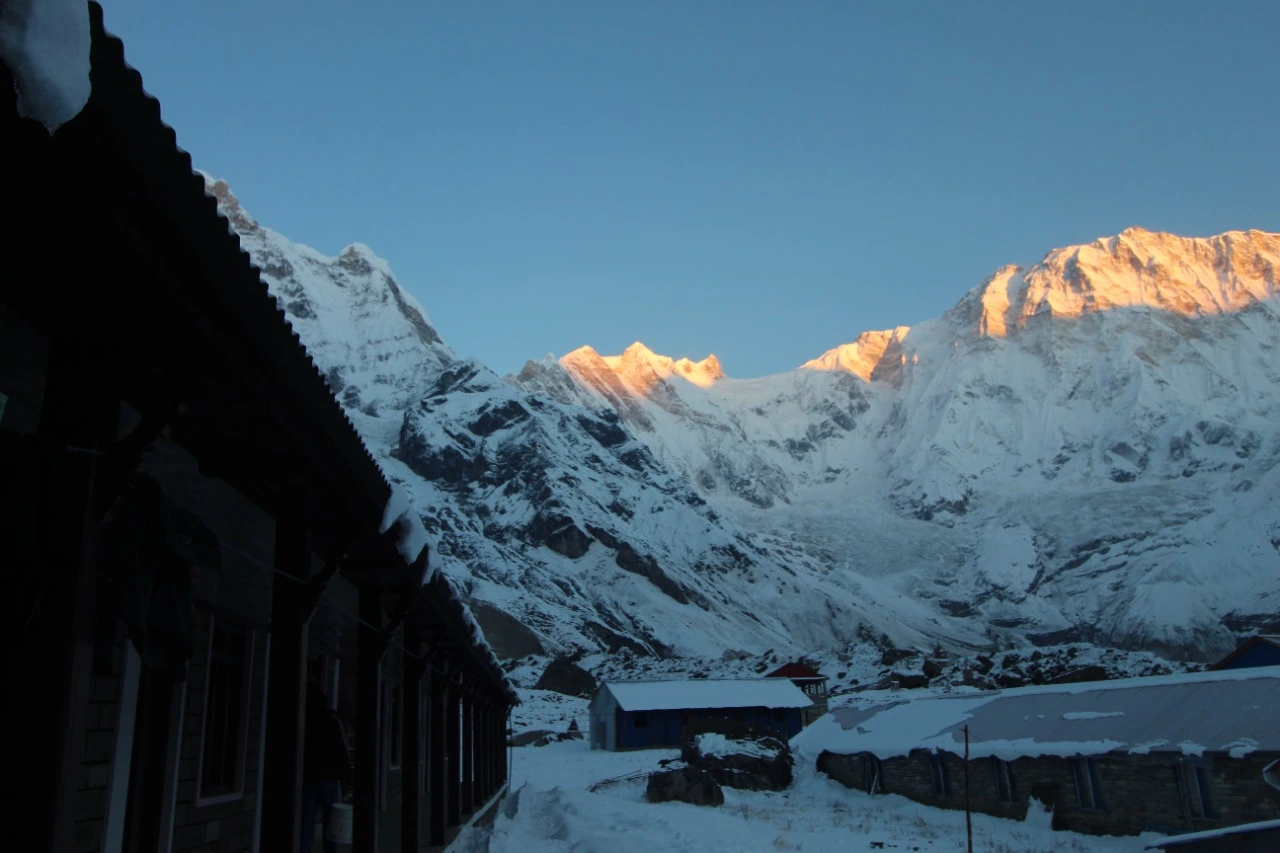
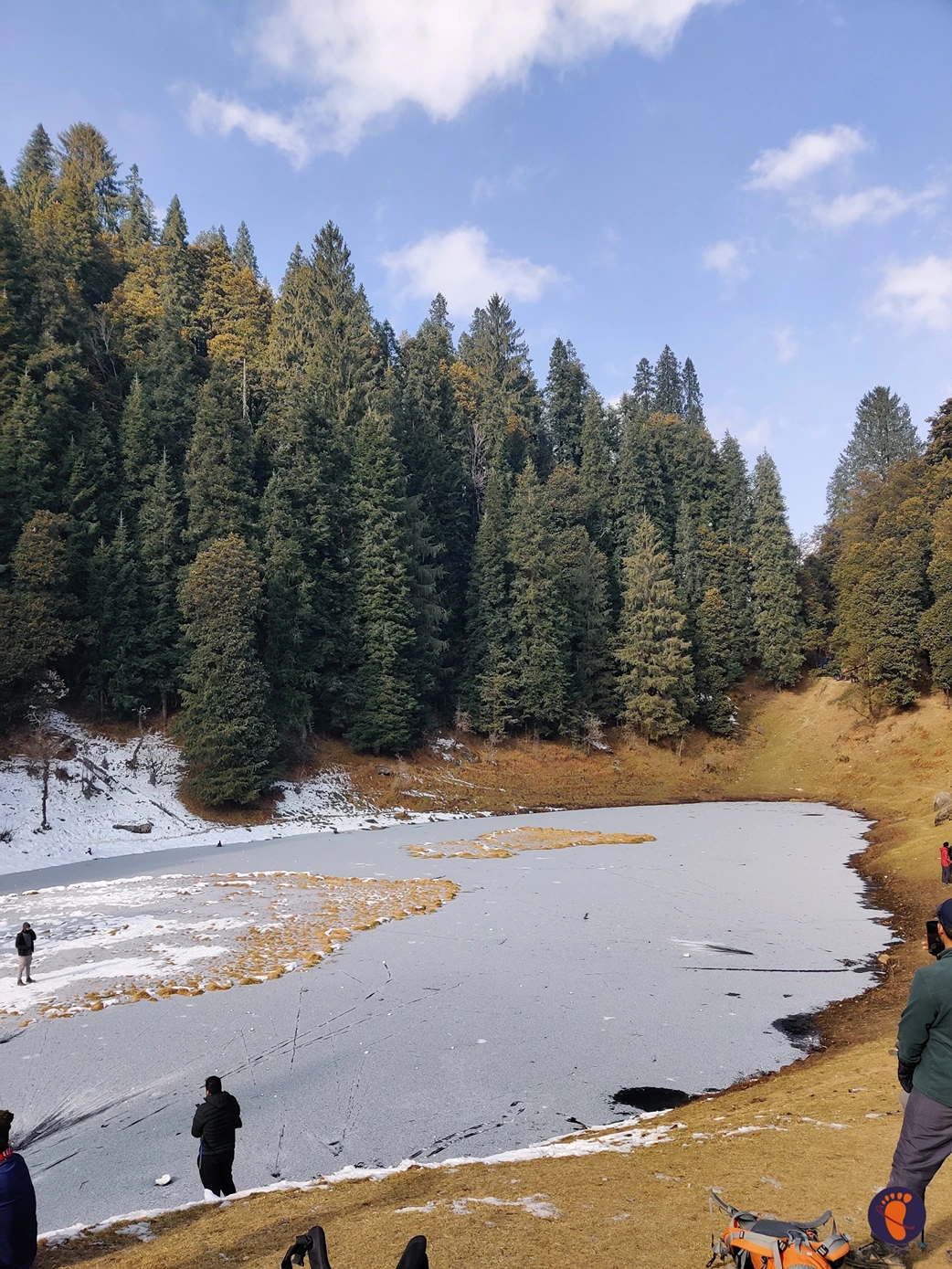
Leaving the last signs of permanent habitation behind at Jhaka (8,700 ft), we embark on a 7 km climb that takes 5 to 6 hours. This is a day of profound visual transition. We move rapidly out of the thick forests and past the tree line, entering the vast, rolling meadows of the alpine zone. The trail is marked by beautiful rhododendron bushes and clear views of distant snow peaks. We establish camp at Saruwas Thach (11,800 ft), a large, scenic meadow that offers the first taste of true high-altitude isolation. The cold intensifies here, making the evening session on Managing Resistance—accepting the discomfort of the cold and fatigue—crucial for mental preparation.
Meals
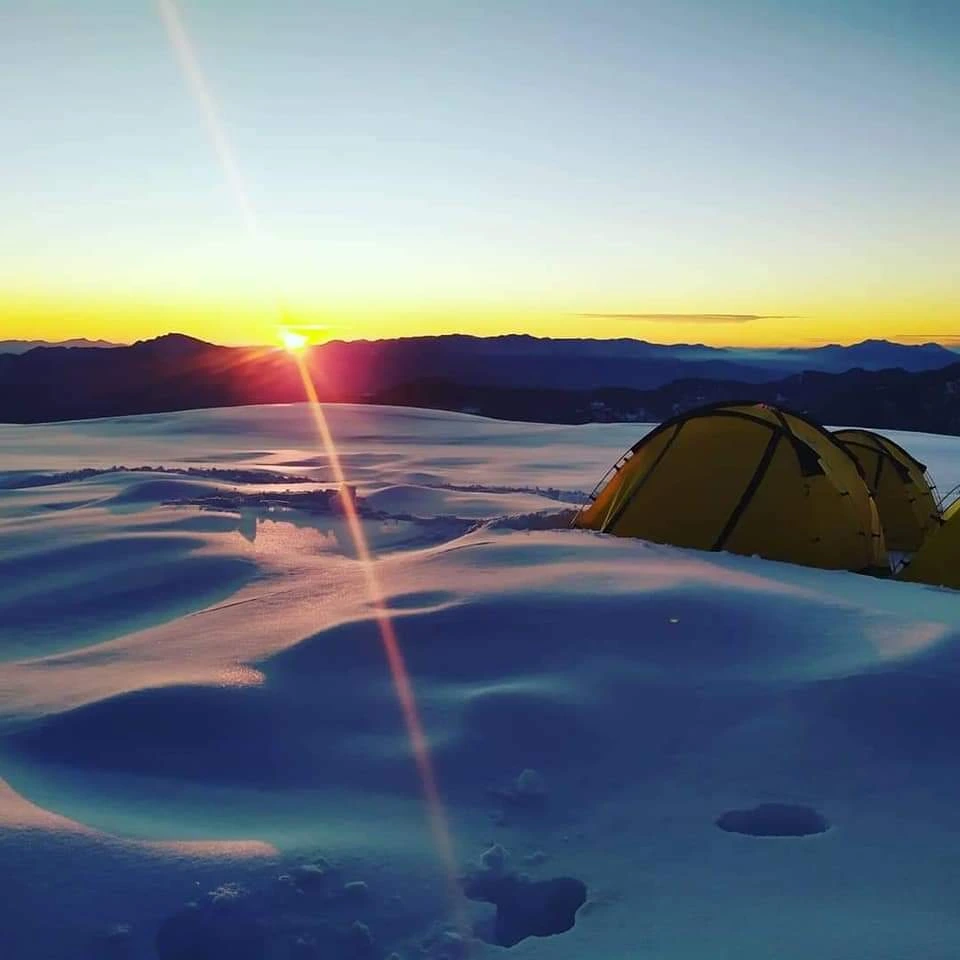
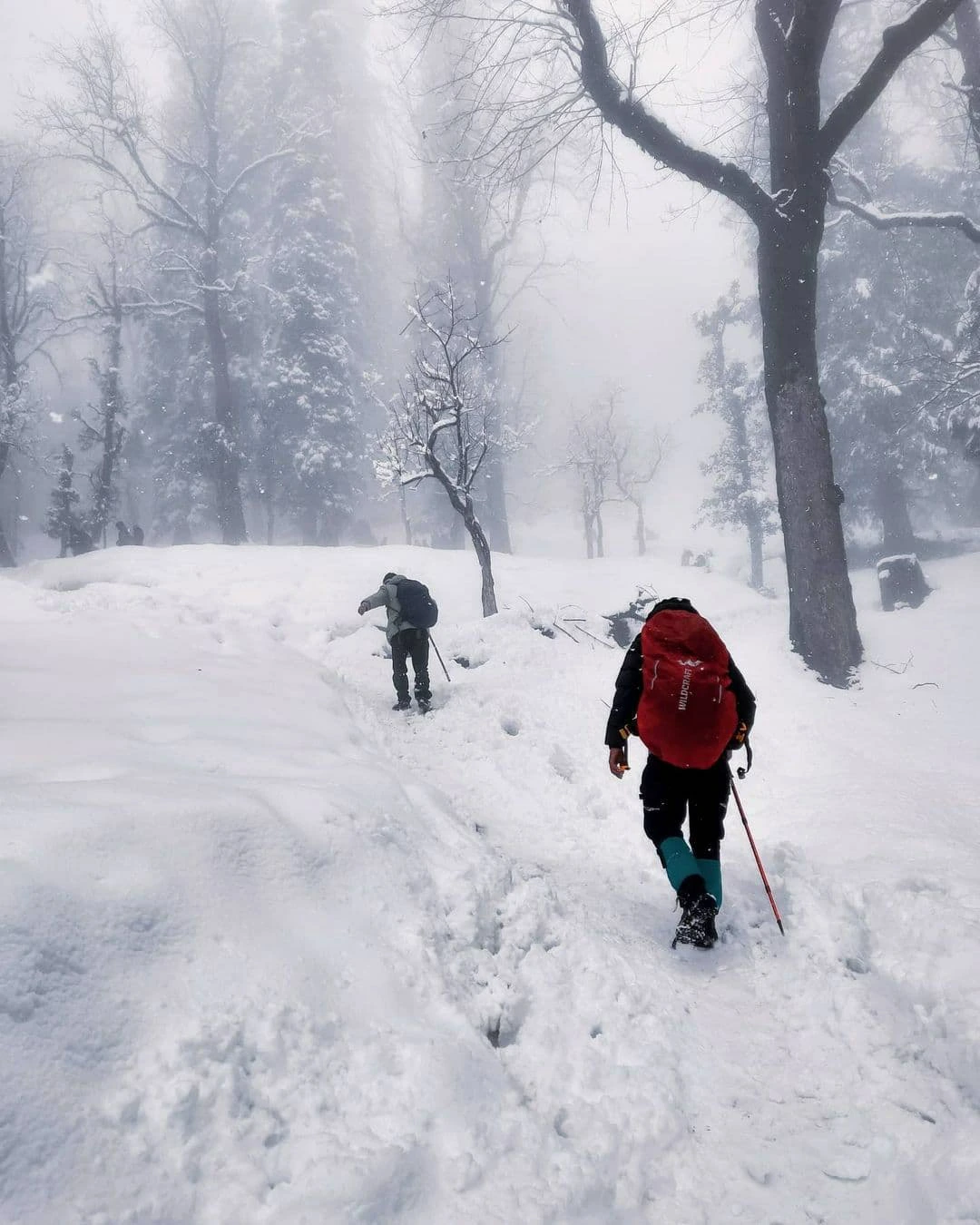
This is the most visually spectacular and technically demanding day before the Pass. We climb 6 km over 6 to 7 hours, ascending from Saruwas (11,800 ft). The trail leads us to the foot of the magnificent Three-Stage Waterfall, the undisputed signature of the Rupin Pass. The path here is a marvelous feat of ancient engineering, carved into the rock face directly alongside the massive waterfall. We cross the Rupin River on icy bridges and climb alongside its powerful descent, often traversing snowy patches. We camp directly in the high-altitude bowl at Upper Waterfall Camp (13,120 ft), placing us immediately below the massive Rupin Pass snow wall. This is a critical acclimatization night; the camp is exposed and very cold.
Meals
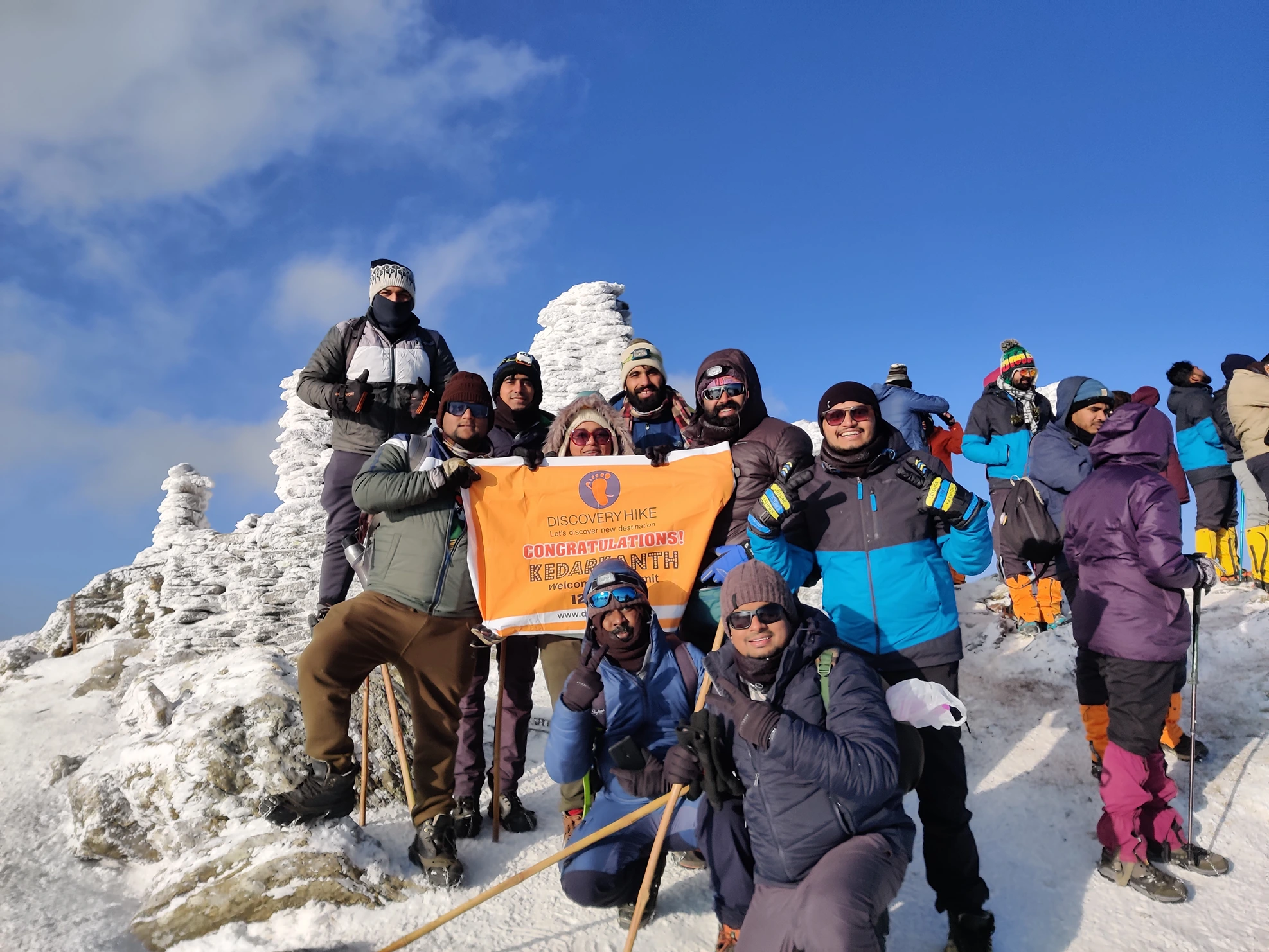
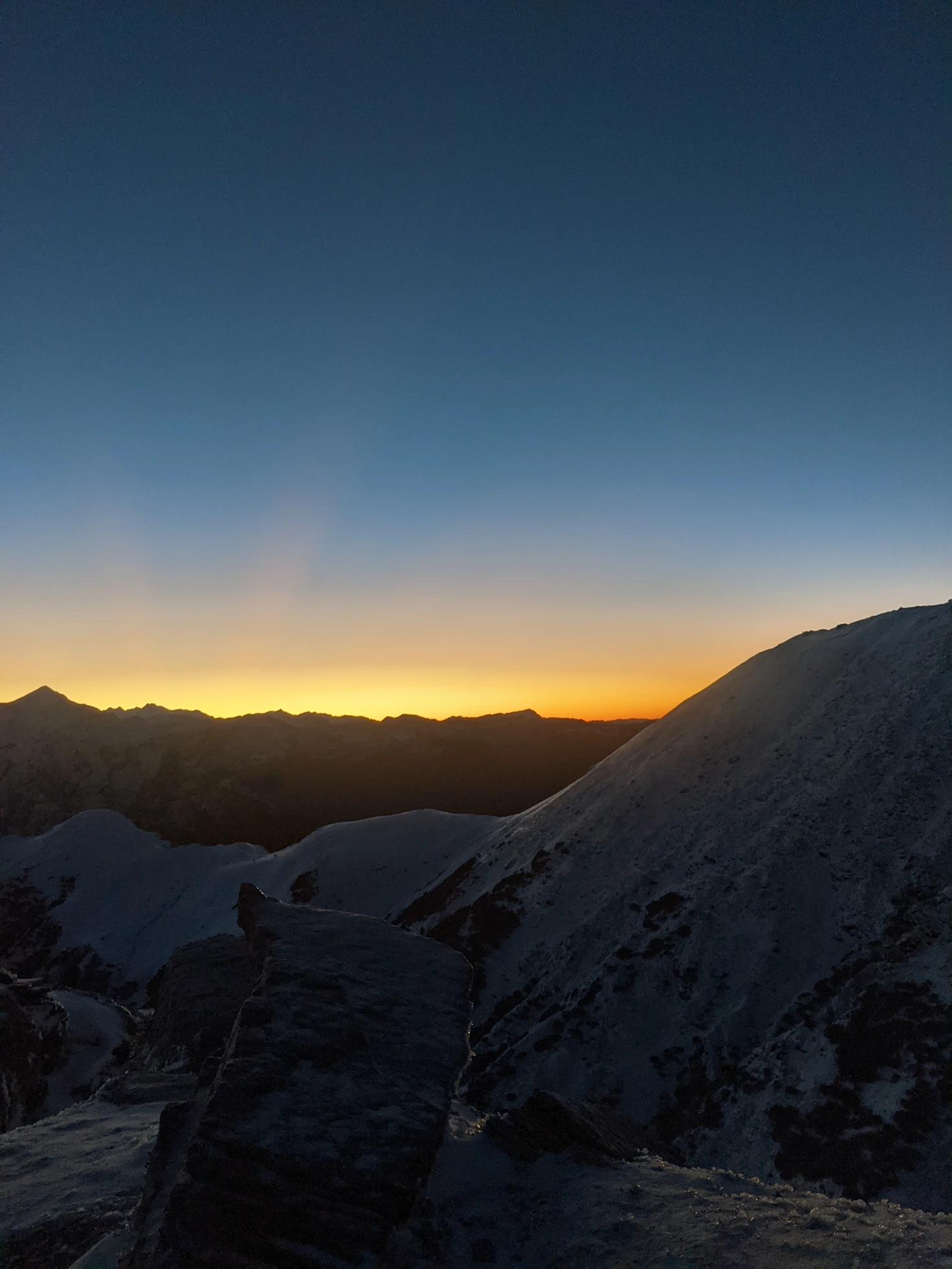
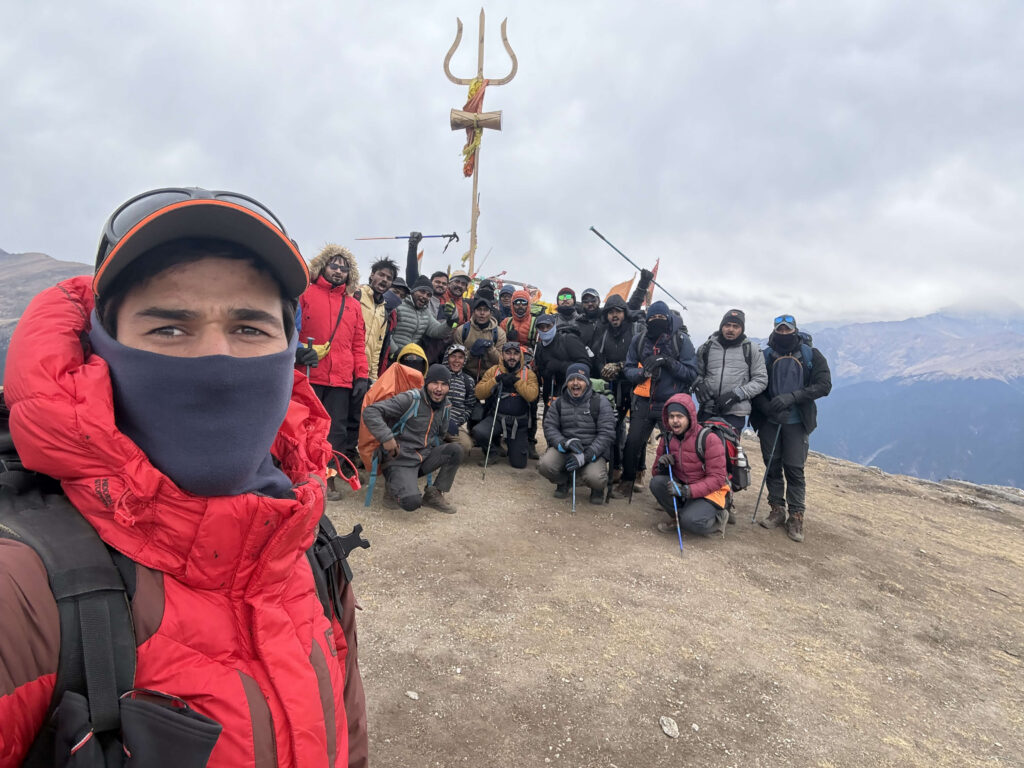
This is the climax of the trek—the longest, toughest day, covering 10 km in up to 10 hours. We begin before dawn (∼4:00 AM) from Upper Waterfall Camp (13,120 ft). The initial ascent is steep, leading directly onto the formidable Rupin Pass Snow Wall. Your Trek Leader guides the entire group using necessary equipment (ice axe, ropes if required) to navigate the challenging climb to the summit at 15,250 ft. The triumph at the Pass is immense, offering unparalleled views and marking the geographical and cultural divide between Himachal and Uttarakhand (Kinnaur). The descent is immediate and challenging, leading through boulder fields and then onto snow slopes before we reach the contrasting landscape of Ronti Gad (13,300 ft), our camp for the night, now firmly in the arid zone of Uttarakhand.
Meals
Having conquered the highest point, Day 6 is about steady descent and absorbing the new environment. We descend 10 km over 5 to 6 hours from Ronti Gad (13,300 ft). The landscape changes dramatically from the lush green meadows of the Rupin side to the stark, arid, and majestic terrain of Kinnaur. The air is dry, and the mountains appear massive and rocky. The trail is generally easy downhill, leading us to the beautiful, expansive meadow campsite of Sangla Kanda (11,000 ft), where the views of the distant Kinnaur Kailash range are breathtaking. This night is designated for Integration, reflecting on the challenge overcome and the shift in perspective.
Meals
The final 8 km descent takes 4 to 5 hours and is a beautiful walk down into the traditional Baspa Valley. We pass through apple orchards, small villages, and fields, a sign that civilization is rapidly approaching. The trail ends at the bustling town of Sangla (8,700 ft), the road head, where the 7-day journey concludes. From Sangla, pre-arranged vehicles are available to drive the group out, usually towards Shimla or Chandigarh. Trekkers are usually dispersed in Sangla/Buses arranged from Sangla by 1:00 PM.
Meals
Good to know
Inclusions
-
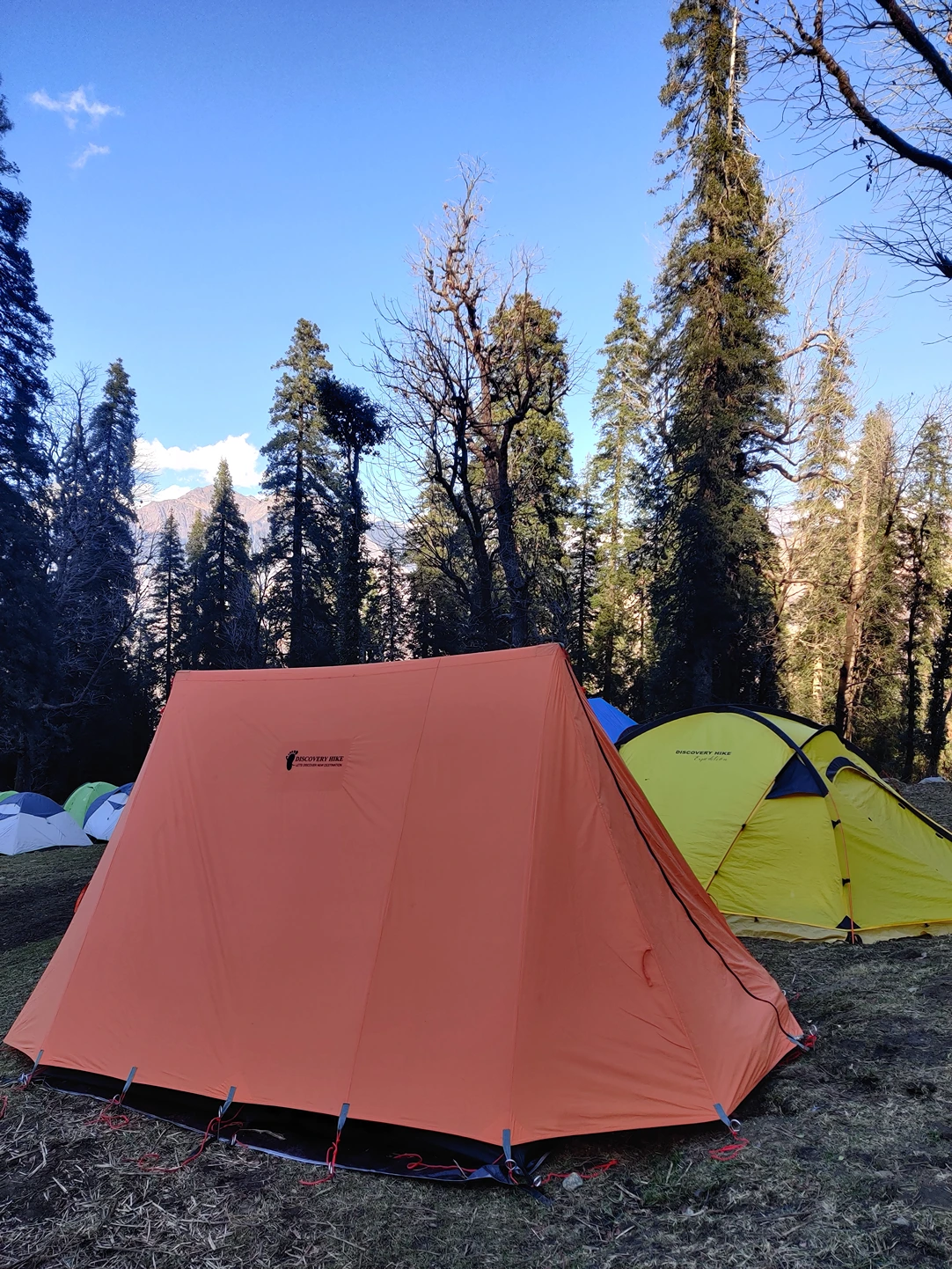
Accommodation (6 Nights): Clean, spacious, twin-sharing tents with high-quality -5∘C rated sleeping bags and insulating mats.
-
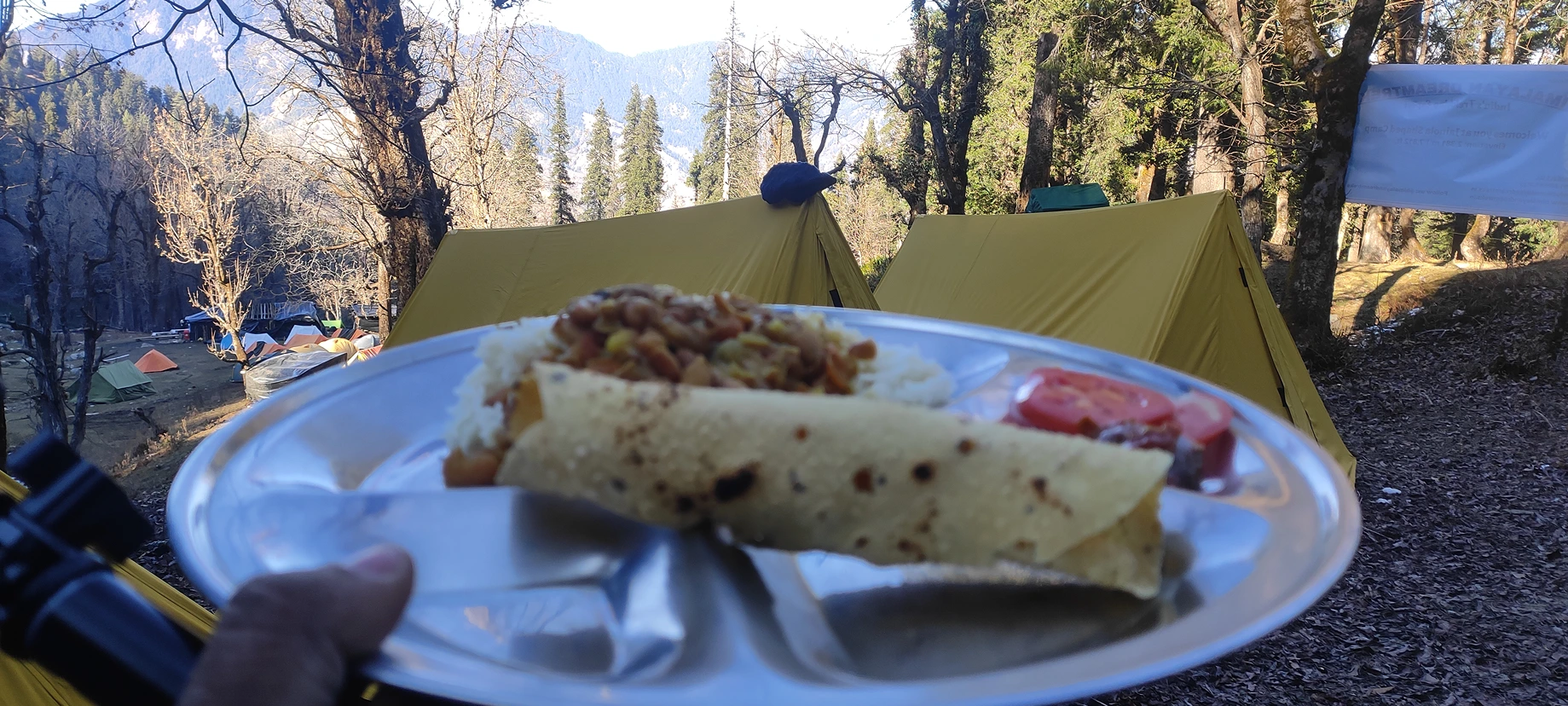
Meals: All meals from Lunch on Day 1 to Breakfast on Day 7 (hygienic, nutritious vegetarian meals designed for high altitude).
-
Expert Staff: Certified Trek Leader, local Kinnauri/Garhwali guides, cook, and support staff.
-
Safety Gear: Emergency oxygen cylinder, high-altitude medical kit, and mandatory group snow gear (ropes, specialized gear for the Leader).
-
Monitoring: Daily SpO2 and pulse rate checks at high camps.
-
Internal Transport: Vehicle transfer from the meeting hub (Shimla/Dehradun) to Dhaula (start) and from Sangla (end) to the nearest major road connection point.
-
Permits: All necessary forest, camping, and government permits for both Himachal Pradesh and Uttarakhand.
Exclusions
-
Personal Travel: Airfare, train, or bus tickets to reach your designated hub (Shimla or Dehradun) and onward travel from the dispersal point (Sangla).
-
Trek Insurance: Mandatory High-altitude medical and evacuation insurance. Must be purchased independently and provide coverage up to 16,000 ft.
-
Personal Gear: Your personal clothing layers, trekking boots, headlamp, etc. (Can be rented, but should be budgeted for).
-
Off-Trek Meals: Any food purchased before the Day 1 organized transport or after the Day 7 dispersal in Sangla.
Things to Carry
Must cover ears. Essential for retaining body heat.
Crucial for summit day to protect the nose and mouth from cold wind.
MANDATORY. Snow glare is intense and can cause snow blindness. Must be UV protected.
Thermal tops (full sleeve). Must be synthetic or Merino wool. NO COTTON.
Fleece jacket (thick). Your primary source of warmth.
Padded jacket (Polyfill/Down). Heavy, windproof, and water-resistant.
Thermal bottoms (leggings).
Quick-dry, synthetic trekking trousers. Avoid jeans/shorts.
High-ankle, sturdy, waterproof trekking boots with good grip.
3–4 pairs of thick woolen/synthetic trekking socks (for the day) and 2 pairs of dry woolen socks (for sleeping only).
1 pair of woolen/fleece inner gloves and 1 pair of heavy, waterproof outer gloves.
MANDATORY. Carry extra batteries.
Carry a 1-liter bottle and a thermos to keep water from freezing.
Essential for high-altitude UV protection.
Toothbrush, wet wipes, and any personal prescription drugs.
For carrying water, jacket, snacks, and personal items during the trek.
Sleeping Bag, Sleeping Mat, Tents, Crampons, Gaiters, and Trekking Poles (use optional).
How to reach
The final stretch to the trailhead is a long, 10-to-12-hour drive. Therefore, you must arrive at the designated meeting point in Shimla (HP) by 6:00 AM on Day 1.
Shimla (For Ease of Access to Dhaula)
Shimla is often the preferred hub for trekkers traveling to the Himachal starting point (Dhaula/Jiskun) due to better bus connectivity.
- iBus/Taxi: Most participants take an overnight AC bus from Delhi (ISBT Kashmiri Gate) or Chandigarh.
- Timing: Board the bus on Day 0 (the day before the trek starts) that departs between 6:00 PM and 8:00 PM.
- iArrival: The bus typically arrives in Shimla by 5:00 AM to 6:00 AM on Day 1.
2. Reaching the Basecamp: Dhaula and Jiskun
Jiskun and Dhaula are remote, often used interchangeably by local villagers as the final road-head. Dhaula (5,500 ft) is generally considered the official starting point. You cannot reach this point independently and on time.
- iThe Crux Plan: The final, long-distance transport from the hub (Shimla/Dehradun) to Dhaula/Jiskun is included in your trek fee.
- Meeting Point: You will be instructed to meet the Crux team at a specific, designated location in Shimla (usually the Victory Tunnel or a major bus stand) or Dehradun by 6:00 AM on Day 1.
- iThe Drive: The team will transport the entire group together in pre-arranged MUVs (like Force Traveller or Innova). This is a mandatory group journey that takes 10 to 12 hours.
- iTrek Start Time: You will arrive at the Dhaula/Jiskun basecamp late in the afternoon on Day 1, where the team will immediately serve lunch/snacks and prepare for the short trek to the first campsite (Sewa/Gosangu).
Crux Logistics Summary
| Destination | Transportation | Responsibility |
| Delhi → Shimla/Dehradun | Overnight Bus/Train | Your responsibility. (Must arrive by 6 AM Day 1) |
| Shimla → Dhaula/Jiskun | Pre-arranged Taxi/MUV (10-12 hrs) | Crux’s responsibility. (Included in the package) |
Make sure your independent travel is booked well in advance, aiming for the earliest possible arrival in your chosen hub so you don’t miss the mandatory transfer to the Dhaula/Jiskun trailhead.
How to prepare your body and mind for the trek
Your Mind & Body Compass
Rupin Pass is the perfect choice for a first-time wellness trekker, but a reasonable level of fitness is essential to ensure you enjoy the experience, especially given the rapid altitude gain.
Physical Conditioning (8 Weeks Prior):
- iCardiovascular Fitness: Commit to a daily routine of 4-5 kilometers of walking or jogging. Focus on building endurance to comfortably manage the steep sections.
- iStrength and Flexibility: Incorporate basic strength training (squats, planks) and gentle Himalayan-focused stretching to condition the muscles and joints for carrying a backpack.
Mental & Respiratory Conditioning:
- iMastering the Breath: Begin a routine of Pranayama (breathing exercises). Practices like Anulom Vilom (Alternate Nostril Breathing) are vital for improving lung capacity and ensuring a smooth, relaxed acclimatization at high altitude.
- iWeather Readiness: Be prepared for the transformative nature of Himalayan weather. While daytime can be manageable (10°C to 15°C), winter nights are intensely cold, dropping to -4°C or lower. Our high-quality gear is provided to support your journey safely through the cold.
Refund & Cancellation
We aim for clear and fair practices regarding cancellations. We know plans can change, and our policy is designed to balance flexibility for you with the operational needs of running a trek.
If Crux Himalaya Cancels Your Trek
-
If we are forced to cancel a trip for reasons beyond our control (such as natural disasters, route closures, or governmental mandates), you will receive a Trek Voucher. This voucher is valid for one year and can be applied toward the original trek or any other available trek.
-
If the cost of the new trek is higher, you must pay the difference. If the cost of the new trek is lower, we will refund the surplus amount.
-
If the cancellation is due to insufficient bookings (fewer than three participants), you will receive a full monetary refund.
If You Cancel Your Trek
| Cancellation Window | Refund | Notes |
|---|---|---|
| More than 30 days prior to the trek start date | 100% refund | Full refund of trek fee |
| Between 15 and 30 days prior to the trek start date | 50% refund | Balance forfeited |
| Within 1 to 15 days prior to the trek start date | No refund | Pre-booked logistics; refund not applicable |
30+ days before trek start
Full refund of trek fee
15–30 days before trek
Balance forfeited
1–15 days before trek
Refund not applicable
FAQs
The Rupin Pass is rated Difficult/Challenging. It is generally not recommended for first-time trekkers due to the sustained 7-day effort, the altitude, and the technical snow/rock involved in the final ascent. Participants require a high level of cardiovascular fitness and strong mental resilience.
The risk is significant due to the high altitude and rapid gain on Days 4 and 5. We counteract this with:
- A gradual initial pace.
- Mandatory daily SpO2 and pulse checks.
- Controlled descent is the primary response for severe symptoms, strictly enforced by the Trek Leader.
Yes. You must be able to run 5 km in under 40 minutes and practice weekly weighted hill training (8-10 kg pack) for at least one month prior to departure.
This is a true traverse:
- Start: Dhaula/Jiskun in Himachal Pradesh.
- End: Sangla in Kinnaur, Uttarakhand.
- Logistics: You must reach a hub (Shimla/Dehradun) independently. The 10-12 hour drive from the hub to Dhaula and the drive out from Sangla are included in the base fee.
- May – Mid-June: For maximum snow, thrilling views, and a technically challenging pass crossing.
- Mid-September – Mid-October: For clear skies, excellent views of the Kinnaur mountains, and colder, but generally less challenging, snow conditions on the pass.
No. You will have intermittent network access in Dhaula/Sewa on Day 1. Beyond Jhaka Village (Day 2), you will be in a digital blackout until you reach Sangla on Day 7.
Yes. We provide the mandatory technical gear for the group (ropes, ice axes). Trekkers are required to carry and use:
- Gaiters: To keep snow out of your boots.
- Waterproof Gloves: Essential for Pass Day.
- Strong, High-Ankle, Waterproof Boots: Non-negotiable for protection and stability.
We provide high-calorie, easily digestible vegetarian food (often including eggs) tailored for high-altitude trekking, which includes breakfast, packed lunch, and dinner.
Water is sourced directly from the Rupin River and mountain streams. We strongly advise using a Lifestraw/Purifying Drops/Tabs to supplement the boiling done by our staff, especially above the tree line.
- Pick Up: Jiskun
- Drop: Jiskun
- Location: Jiskun Base Camp
Send an enquiry
Category