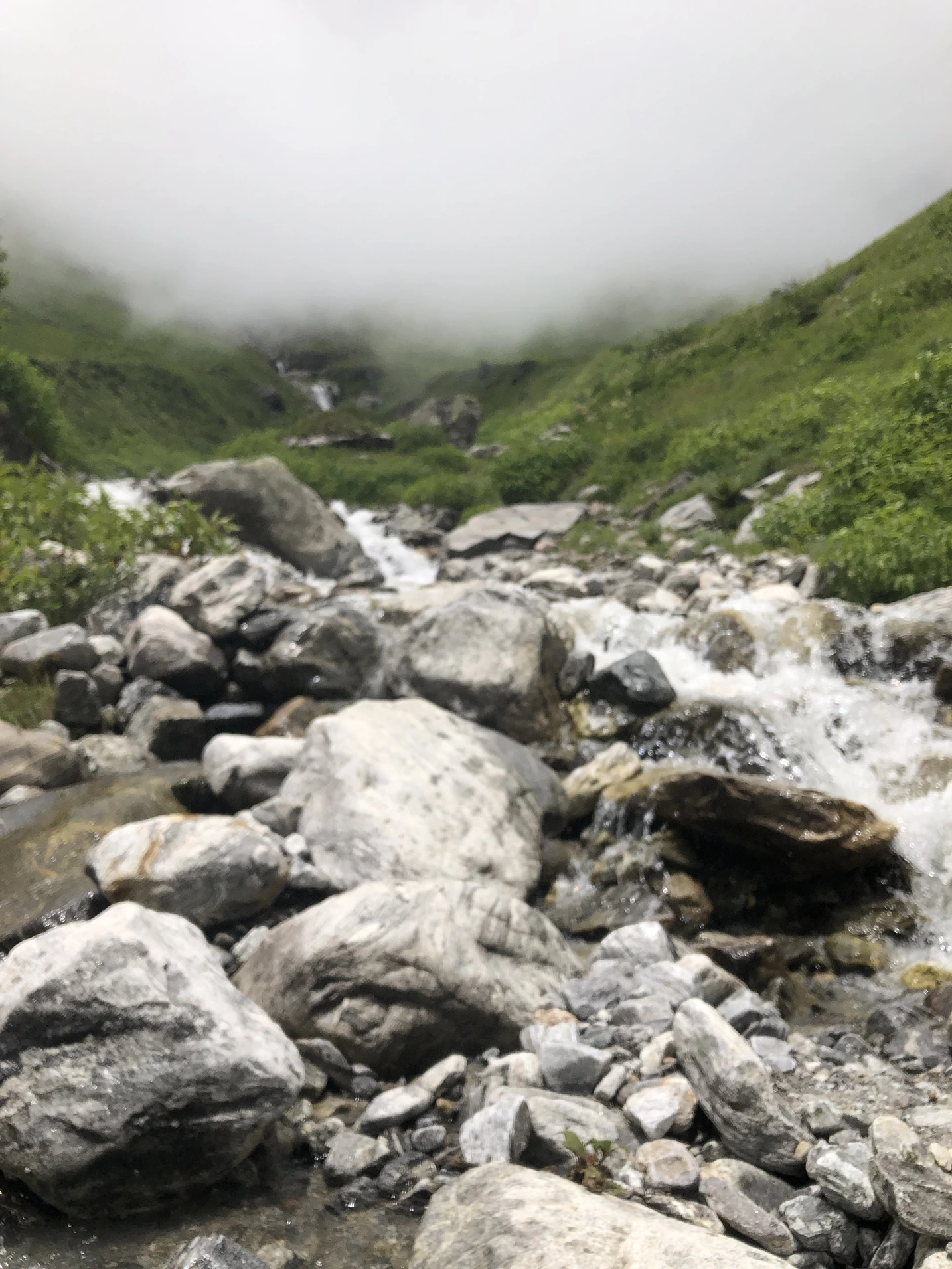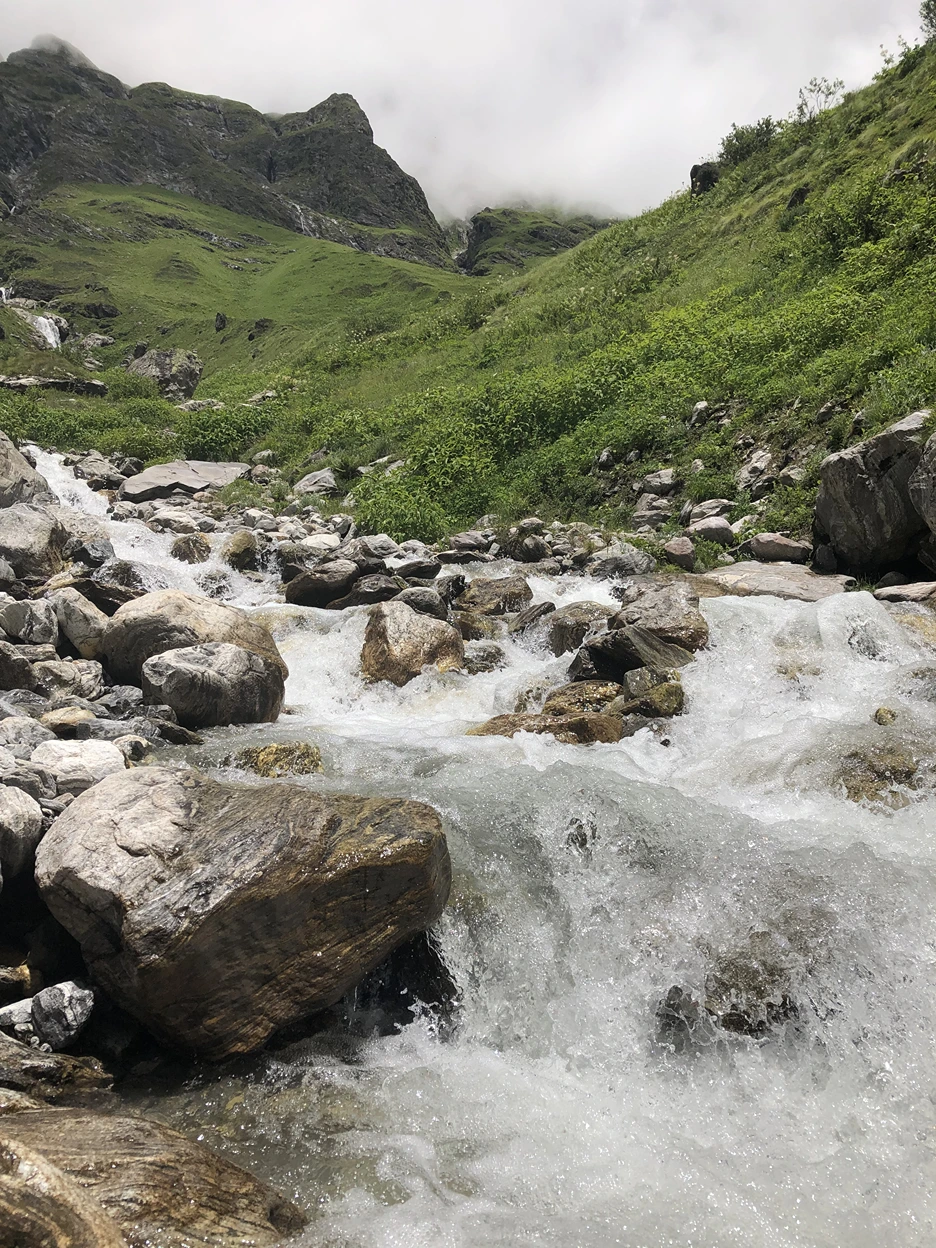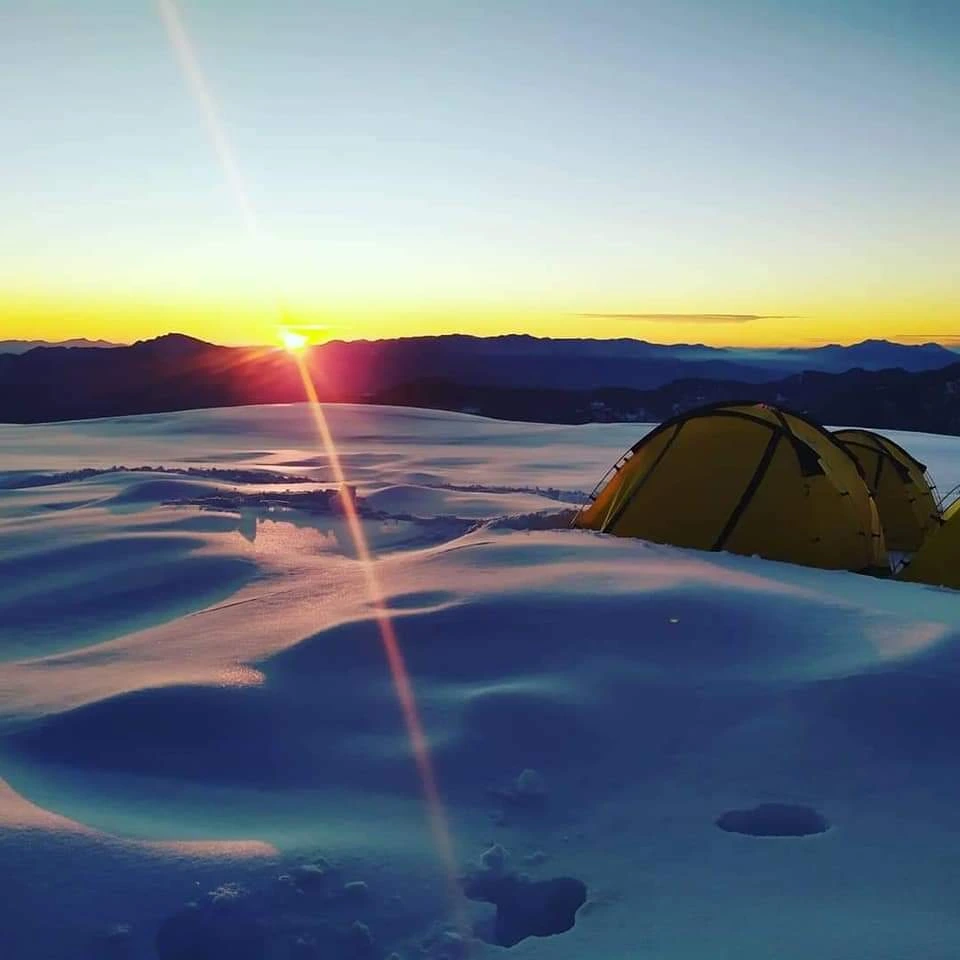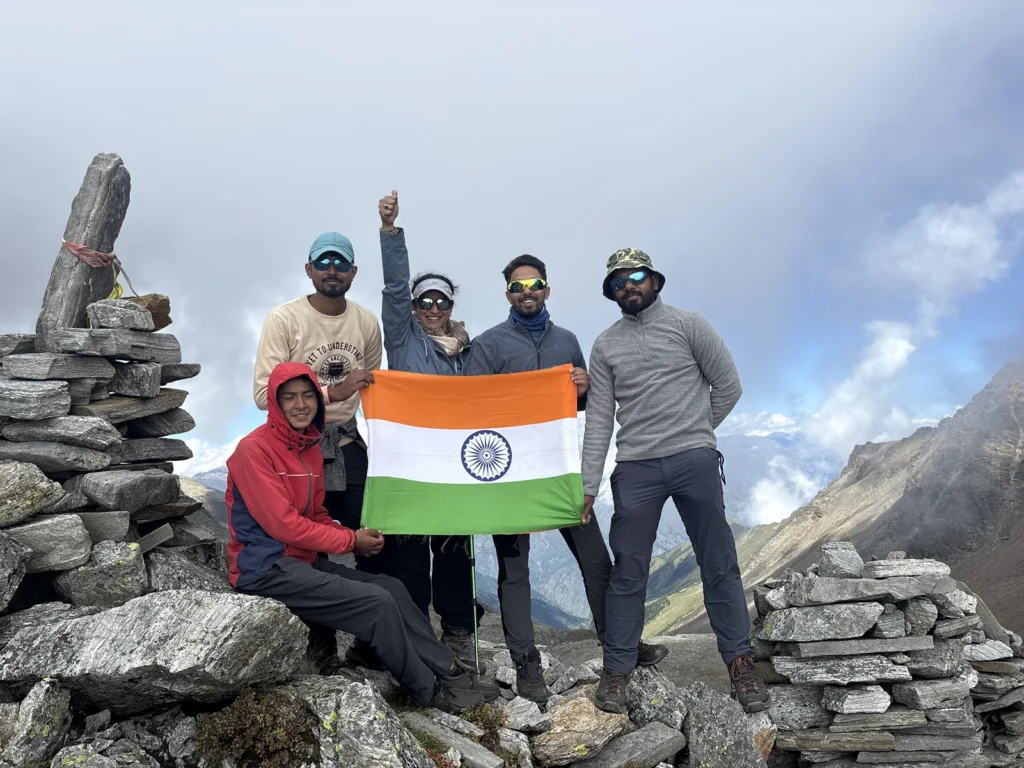
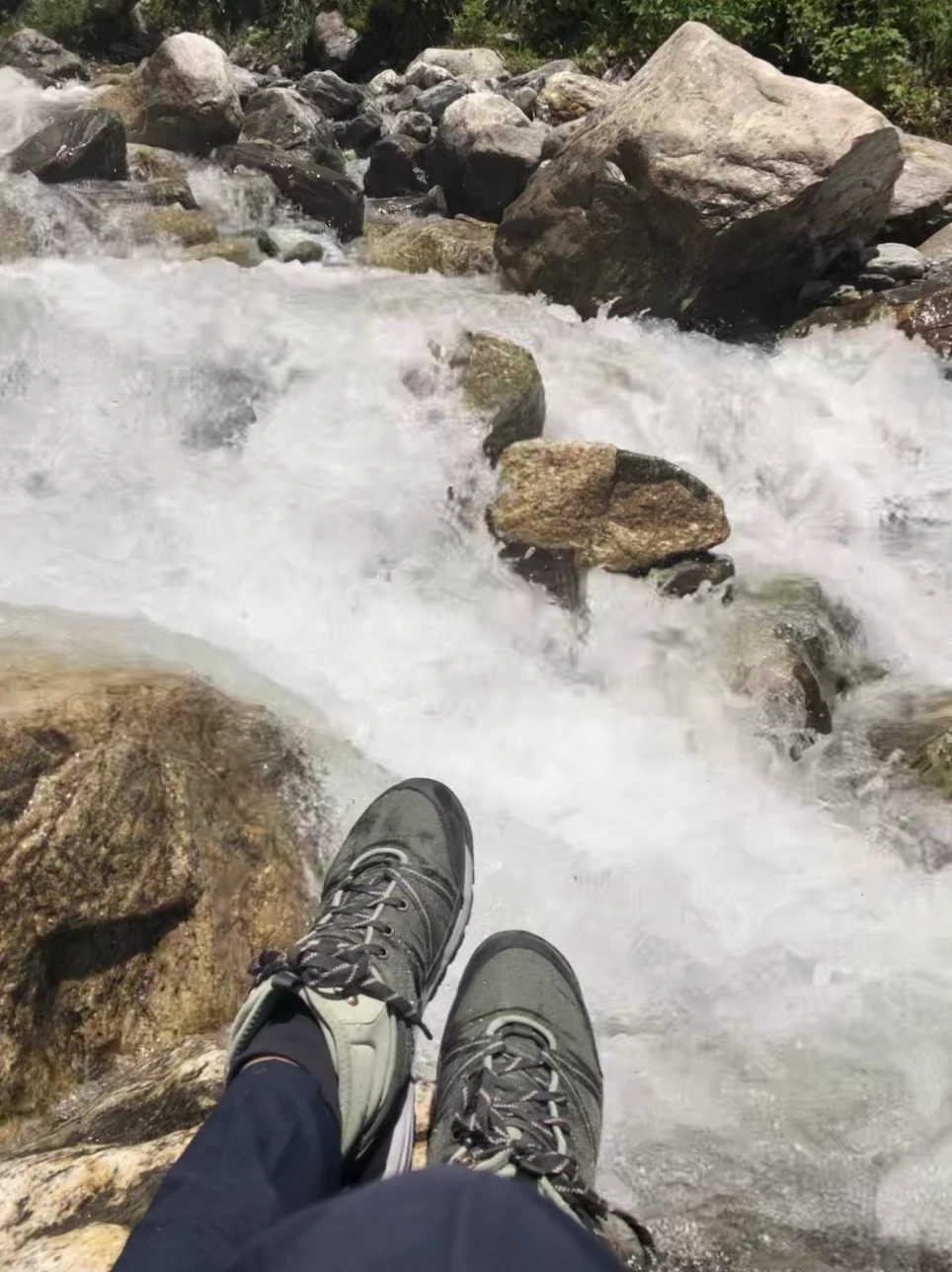
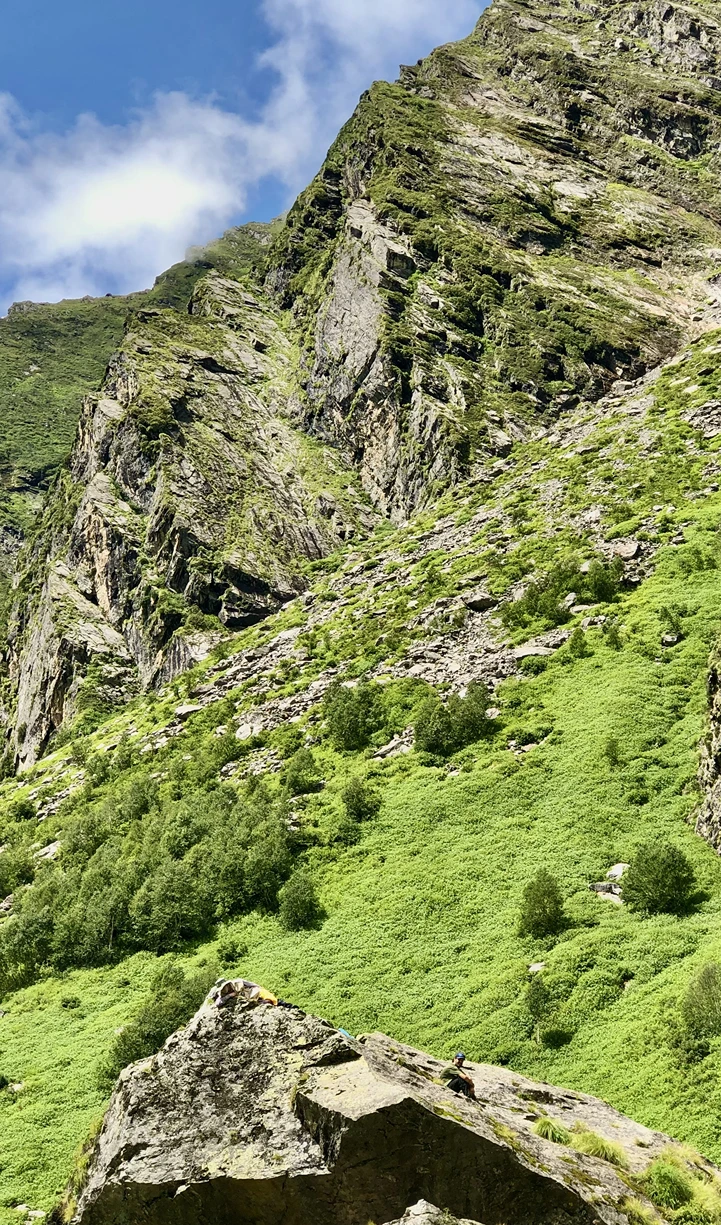
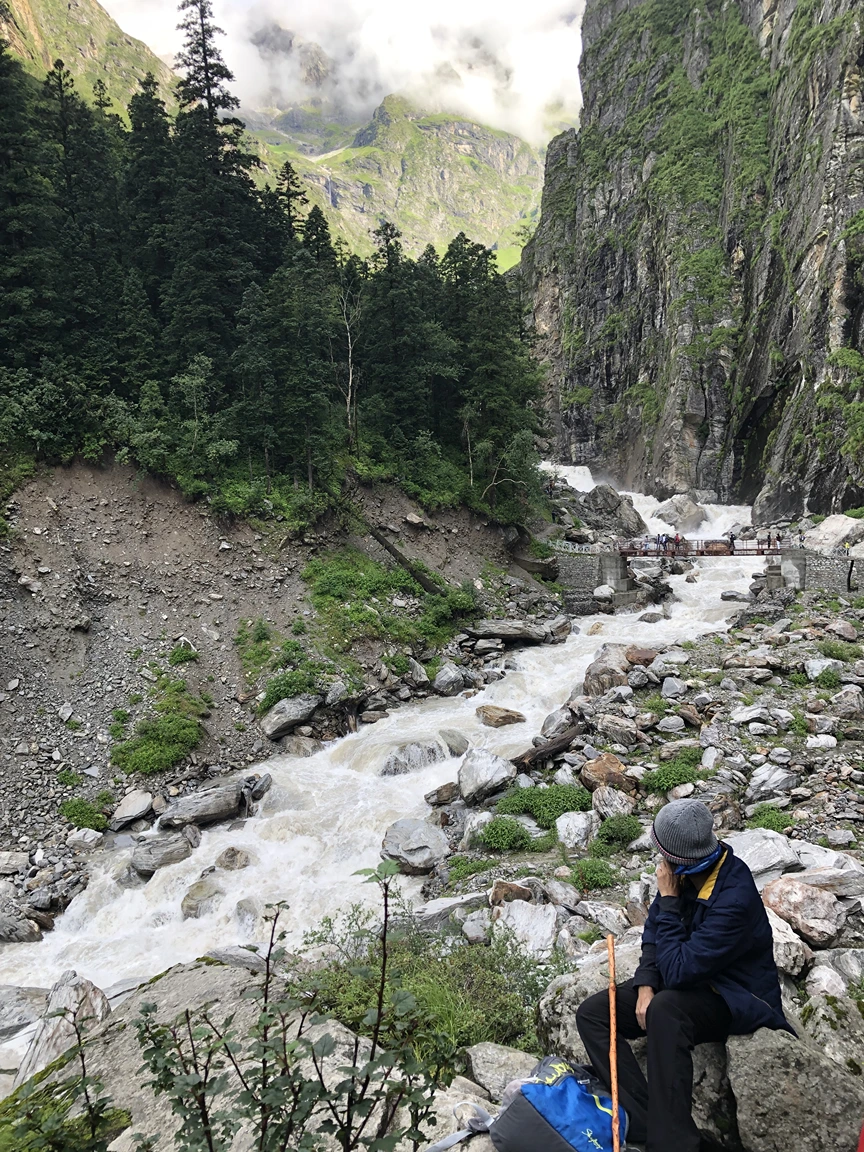
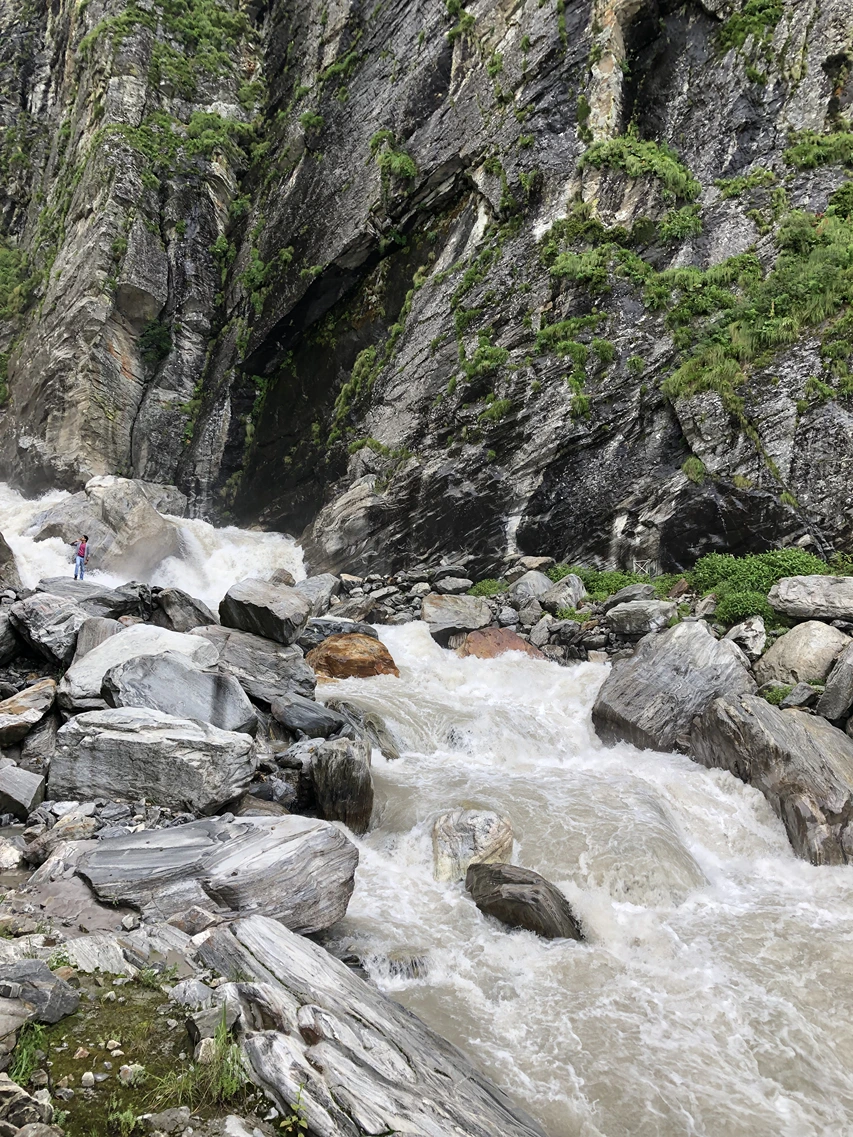
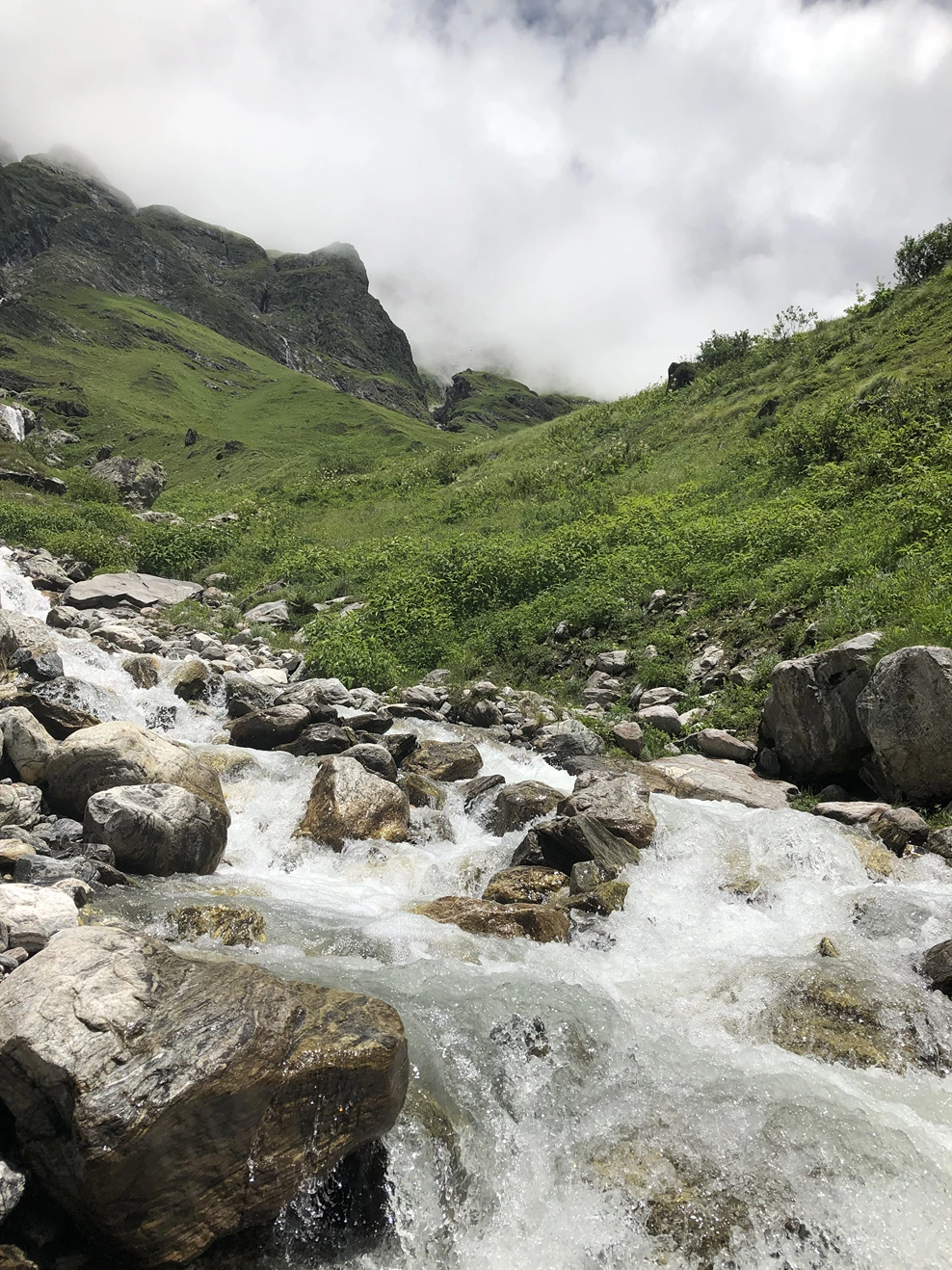
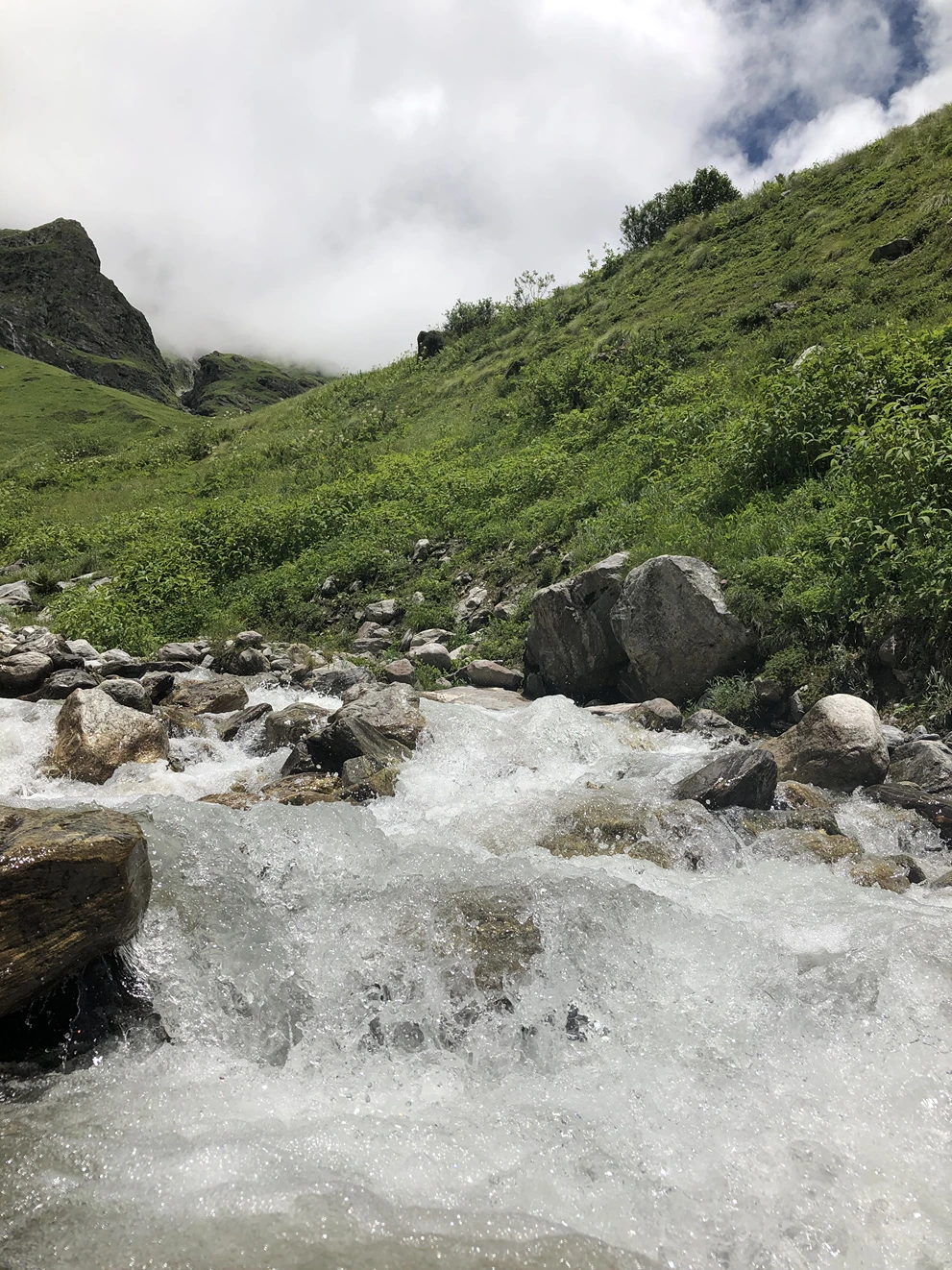
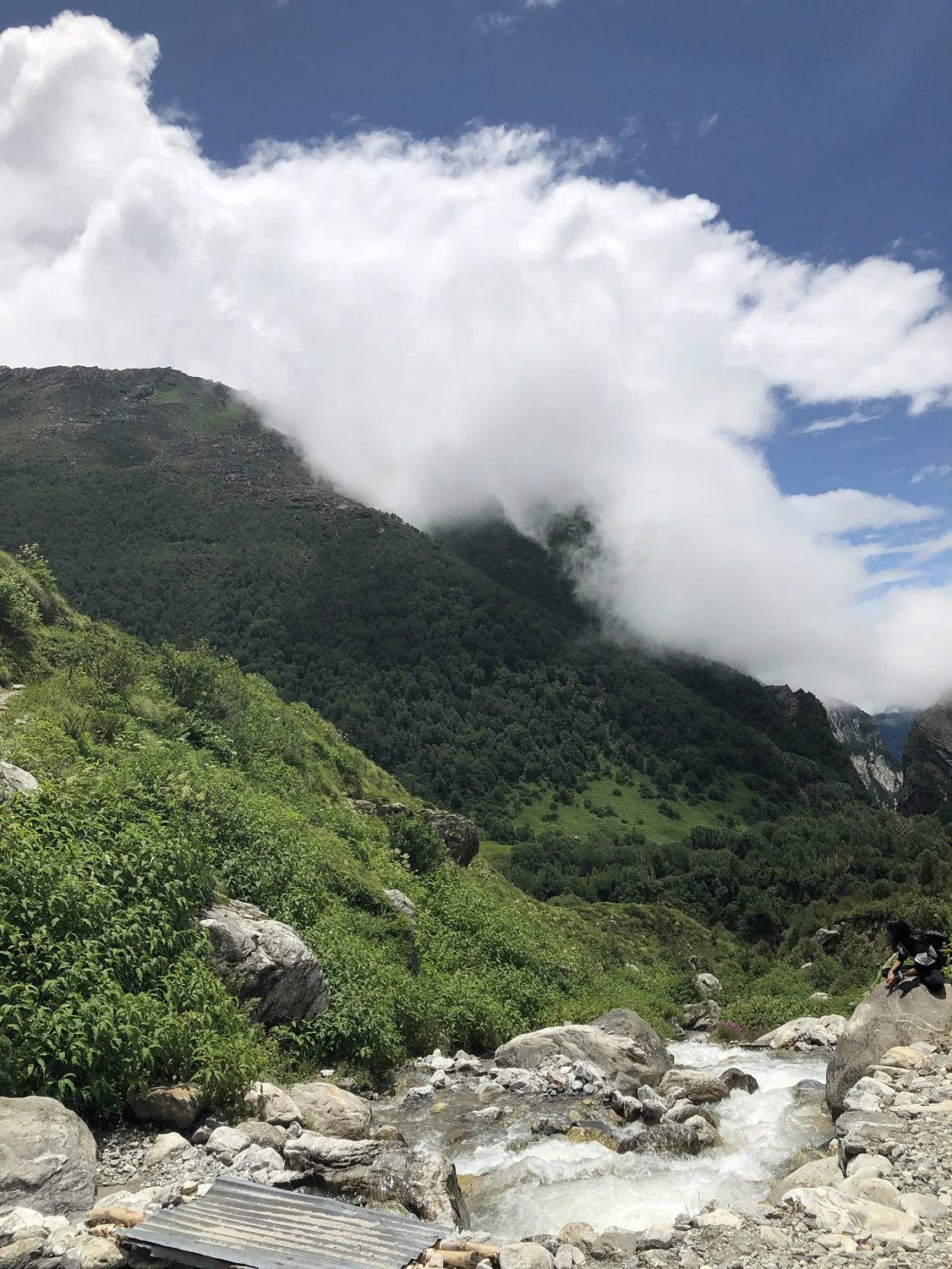
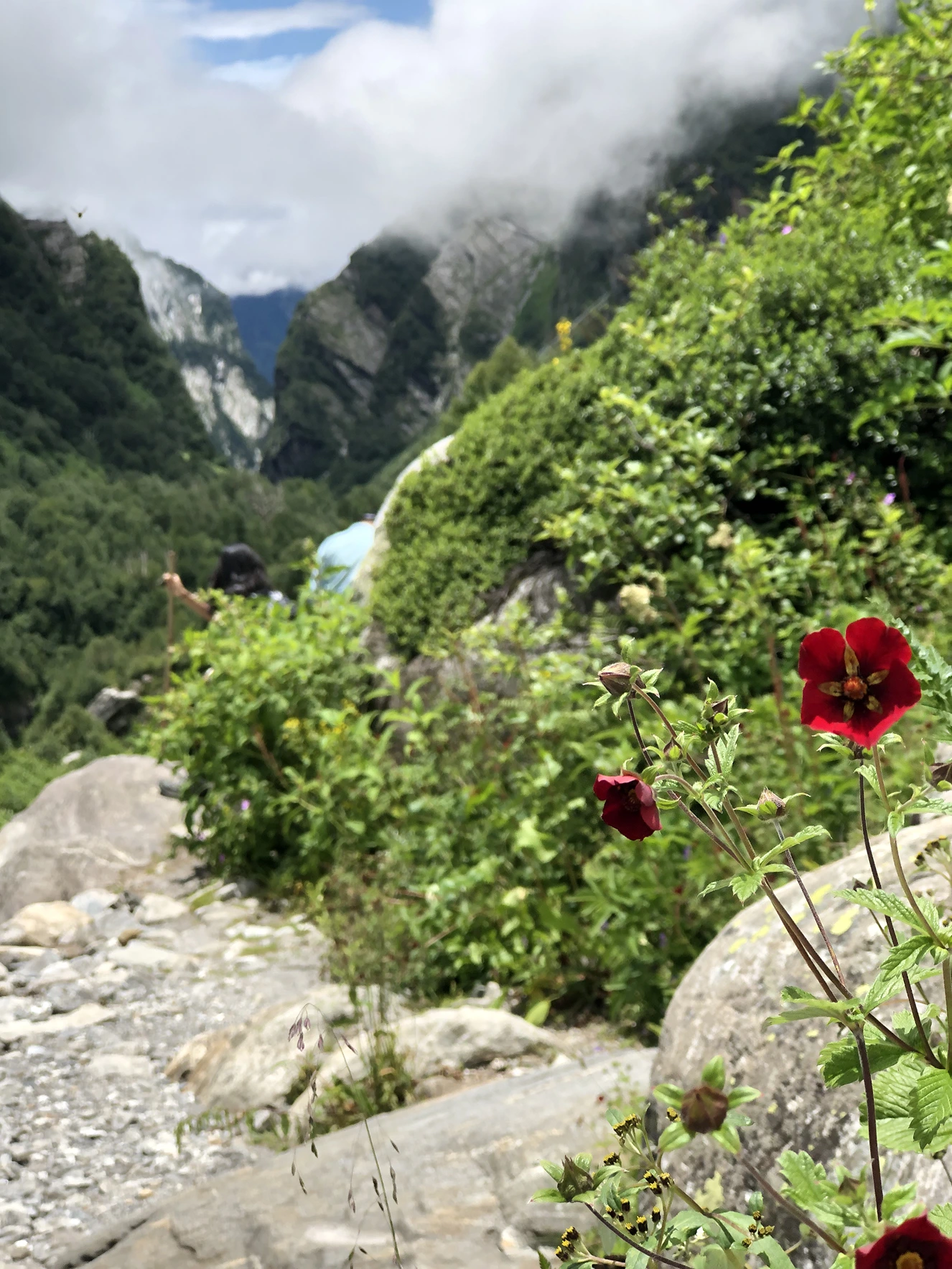
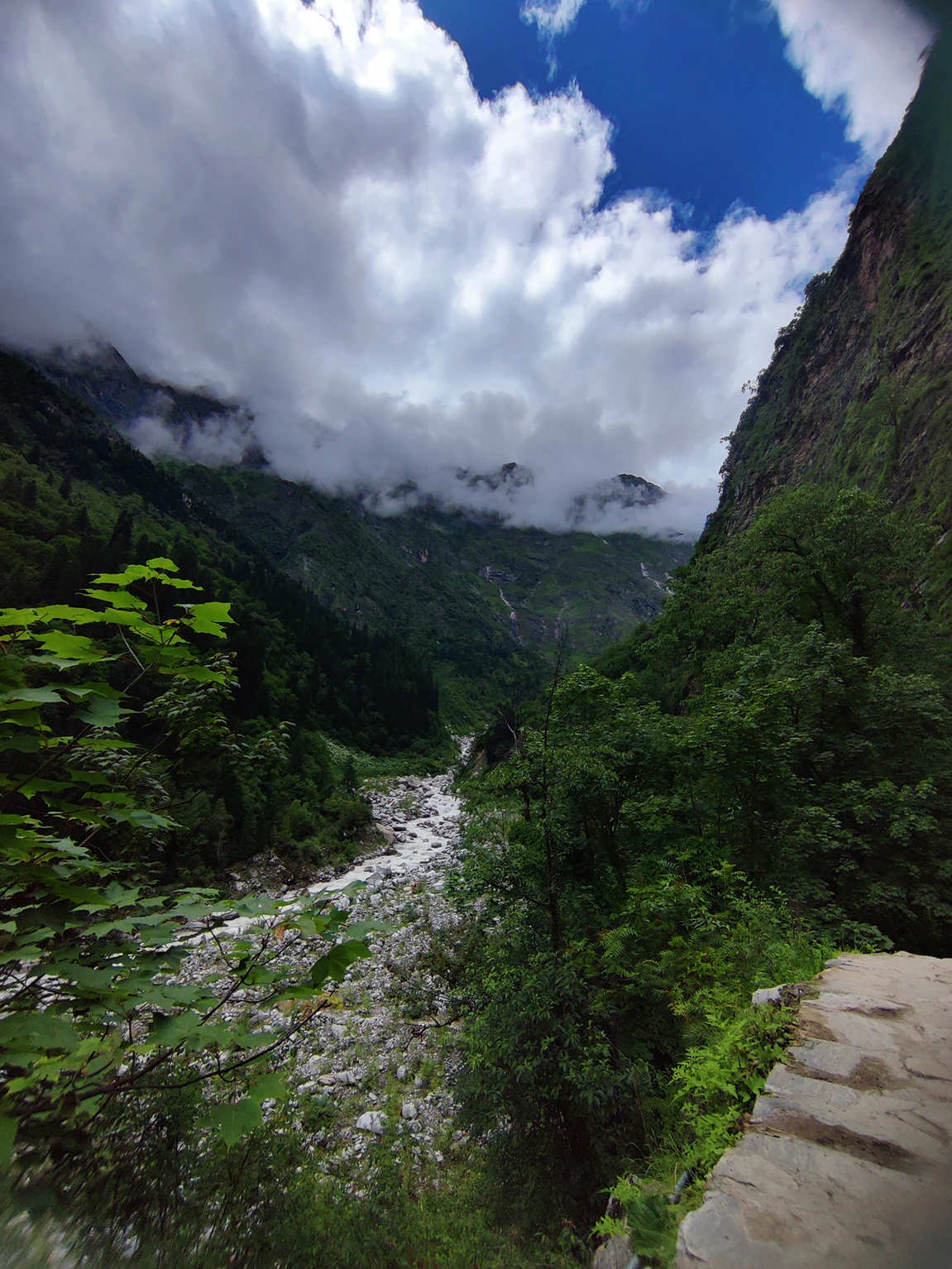
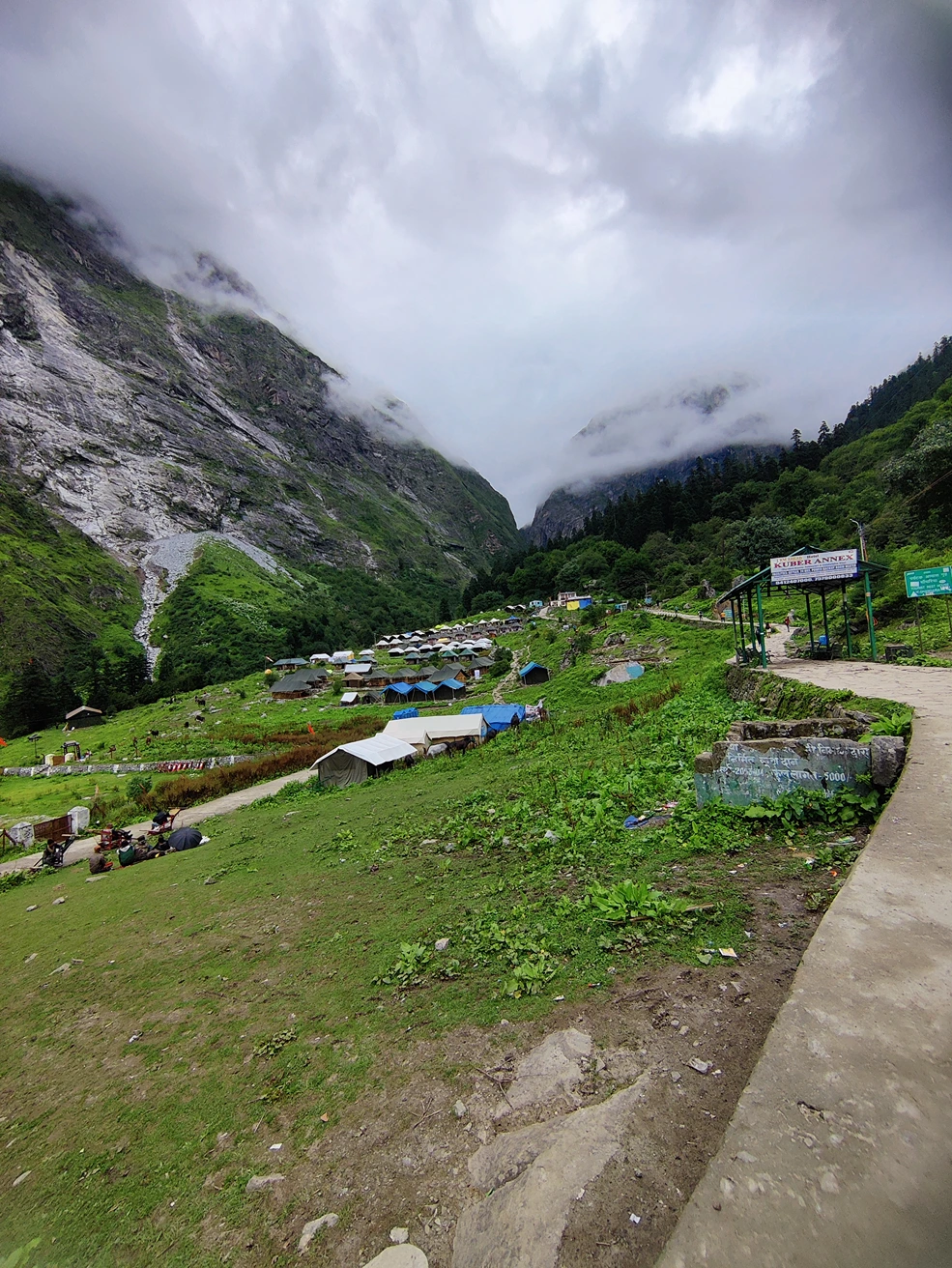
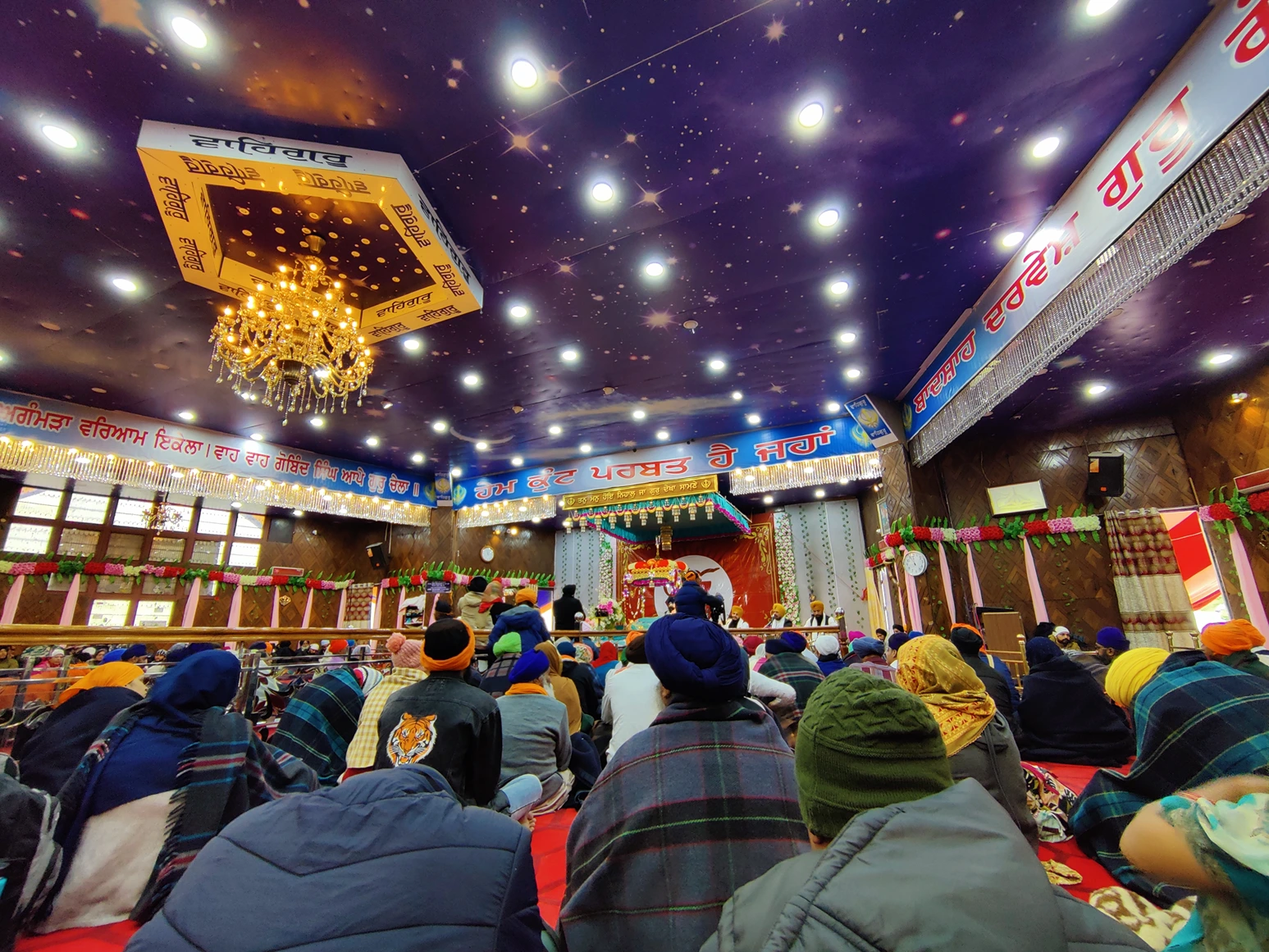
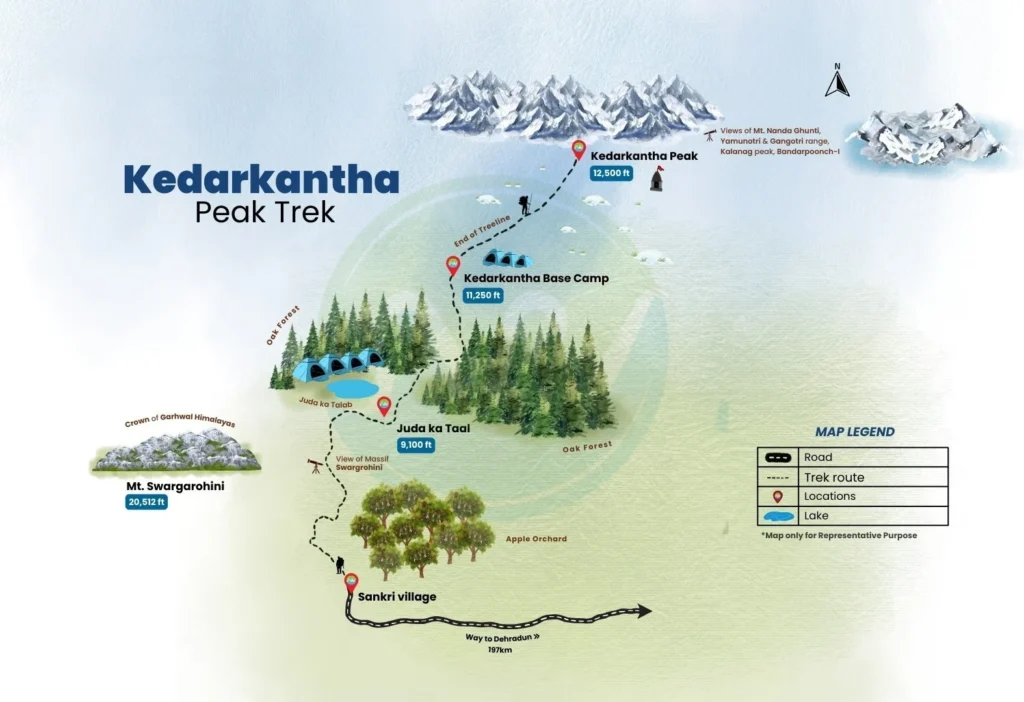
The expedition begins with a critical, full-day drive from the major transport hubs (Rishikesh or Dehradun) deep into the Garhwal Himalayas to the base camp, Govindghat (6,300 ft). This essential 10–11 hour journey traces the Alaknanda River, passing through sacred confluences, and serves as your vital first stage of passive acclimatization. Govindghat is the historic starting point for both the Valley of Flowers and the Hemkund Sahib pilgrimage. Upon arrival, the Expedition Leader conducts a comprehensive briefing, preparing the team for the trekking logistics and the unique, restricted environment of the UNESCO World Heritage Site we enter tomorrow.
Valley of Flowers Trek
- Pick Up: Govindghat
- Drop: Govindghat
- Location: Govindghat
Send an enquiry
Overview
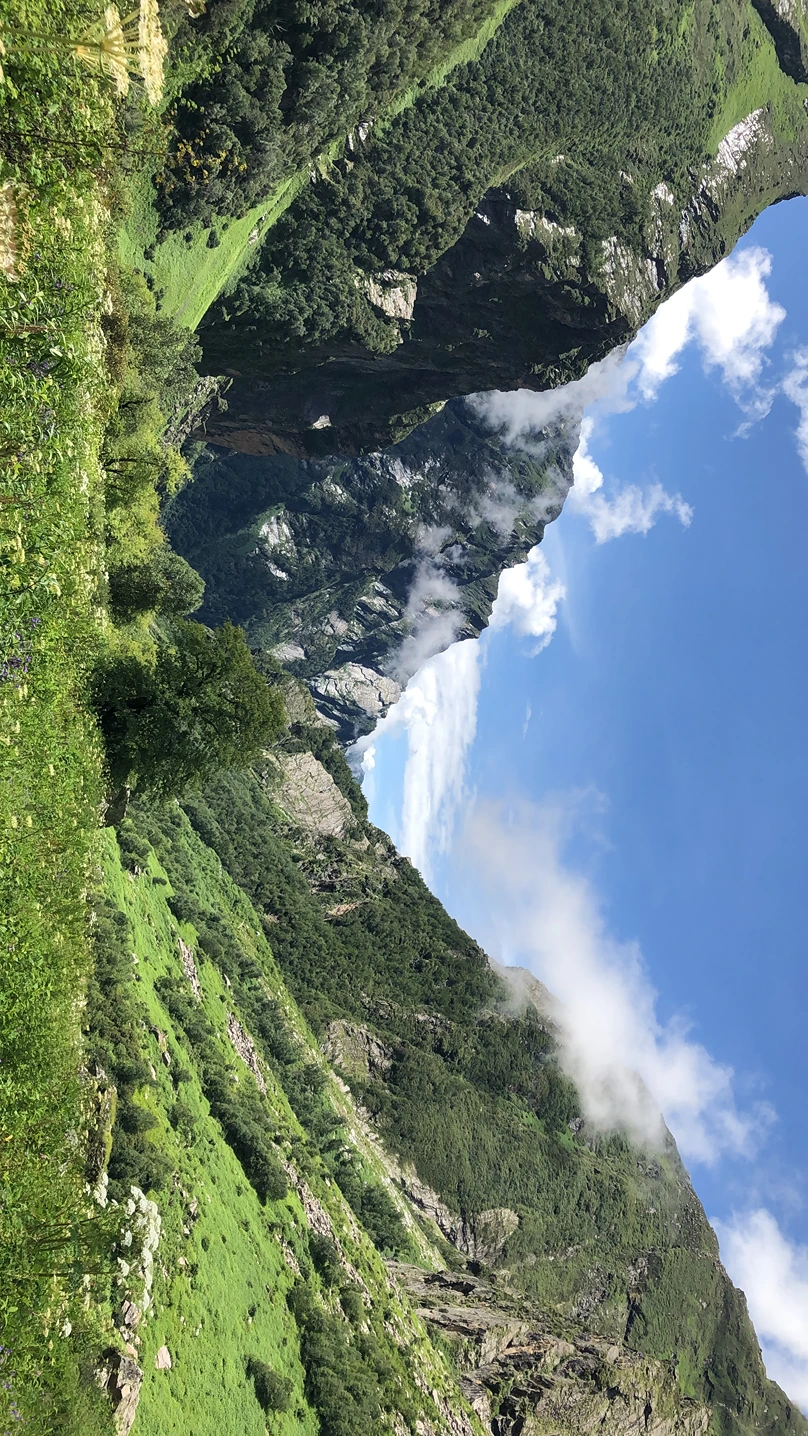
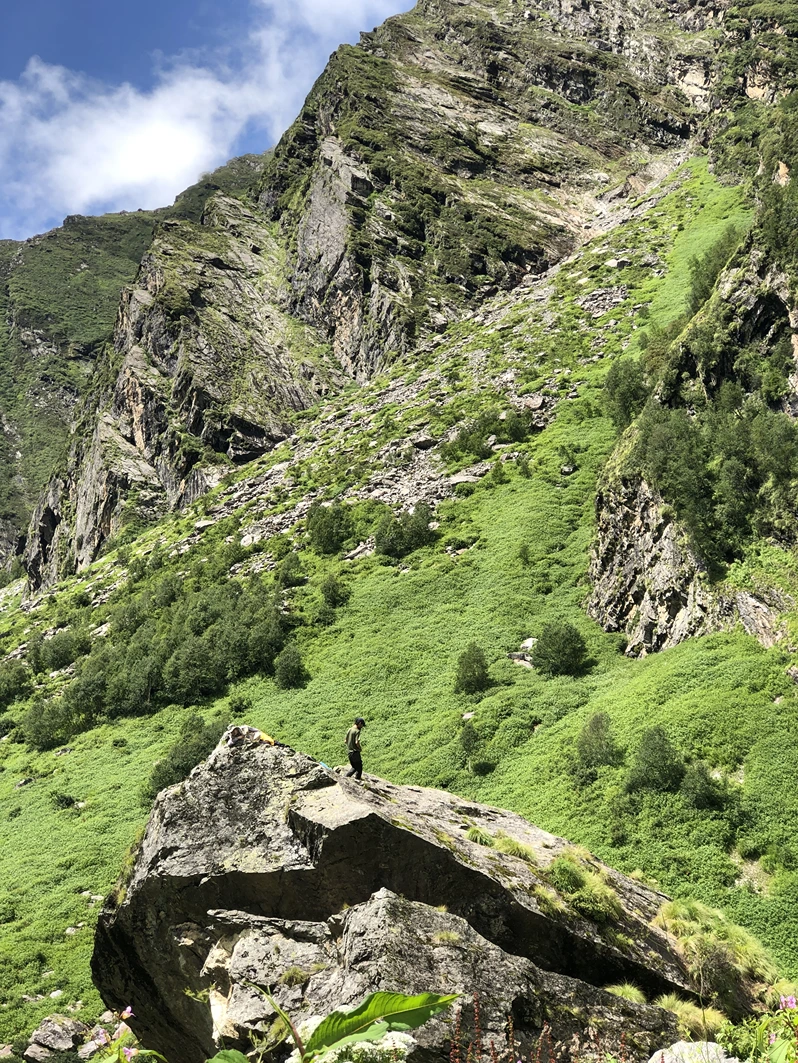
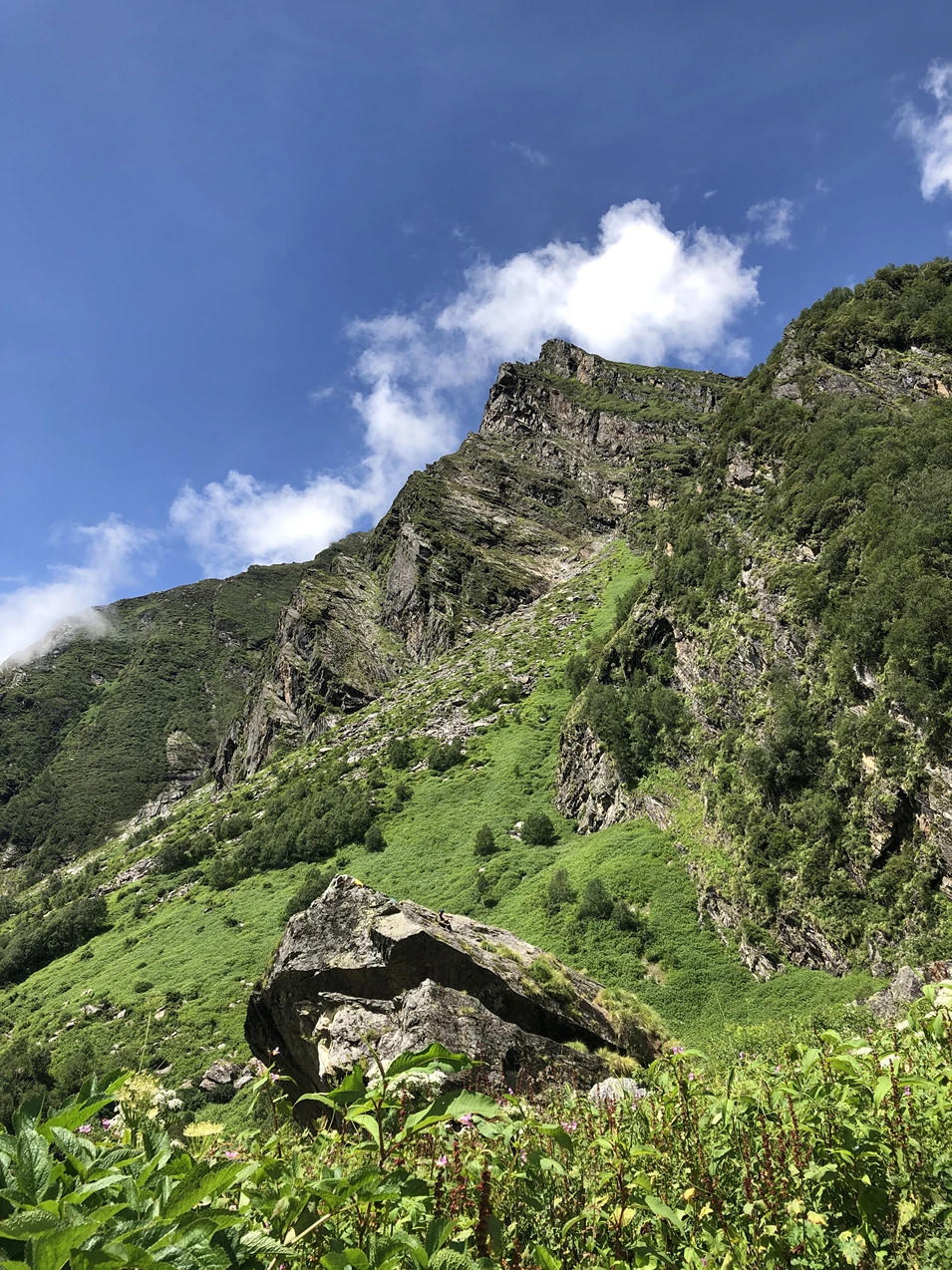
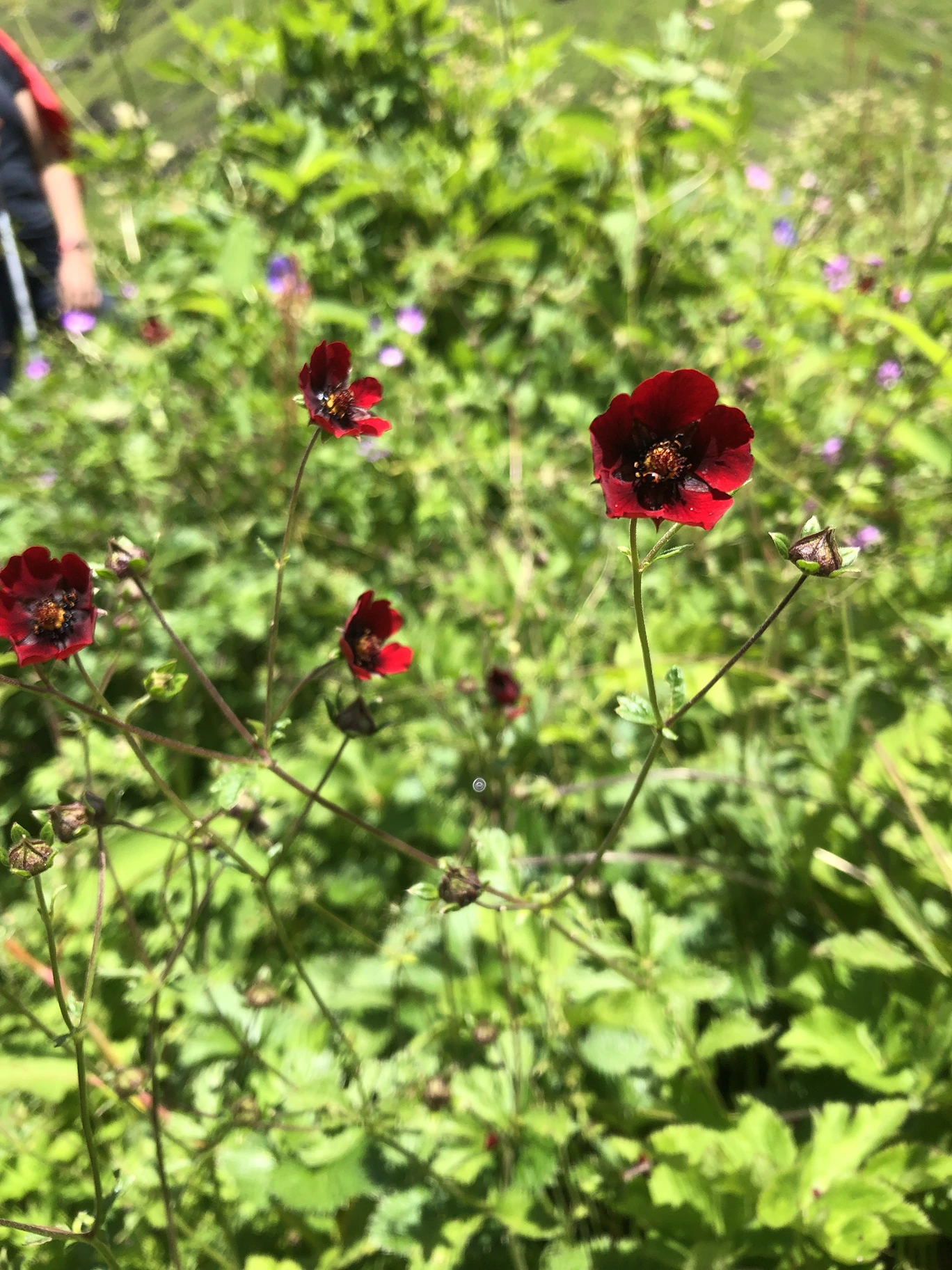
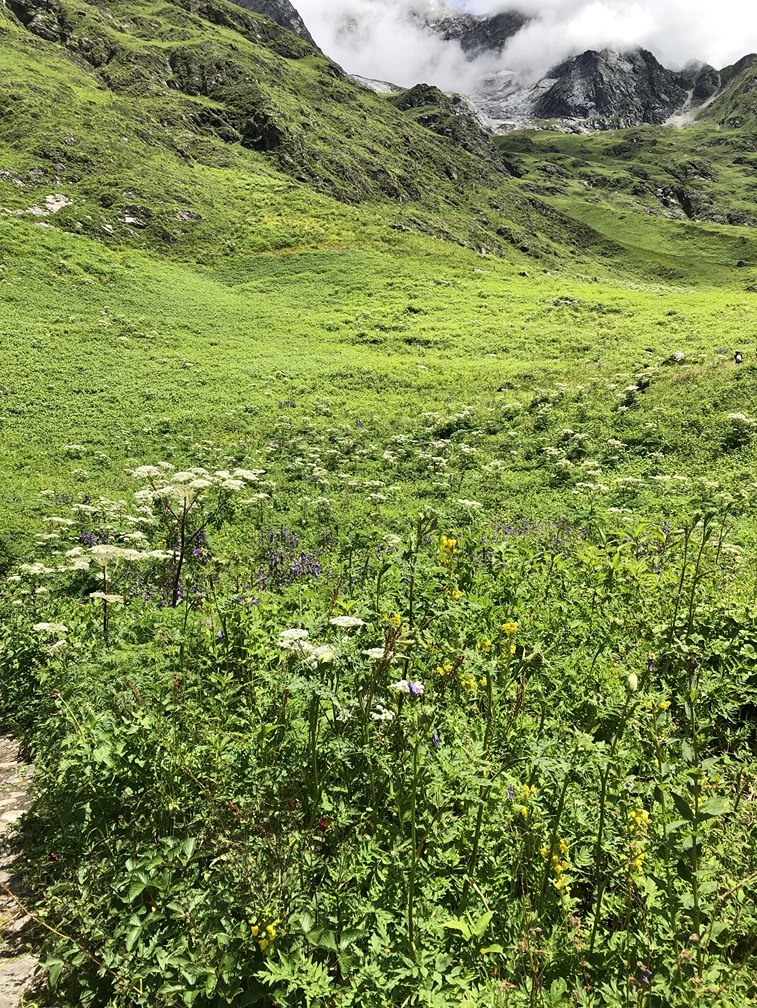
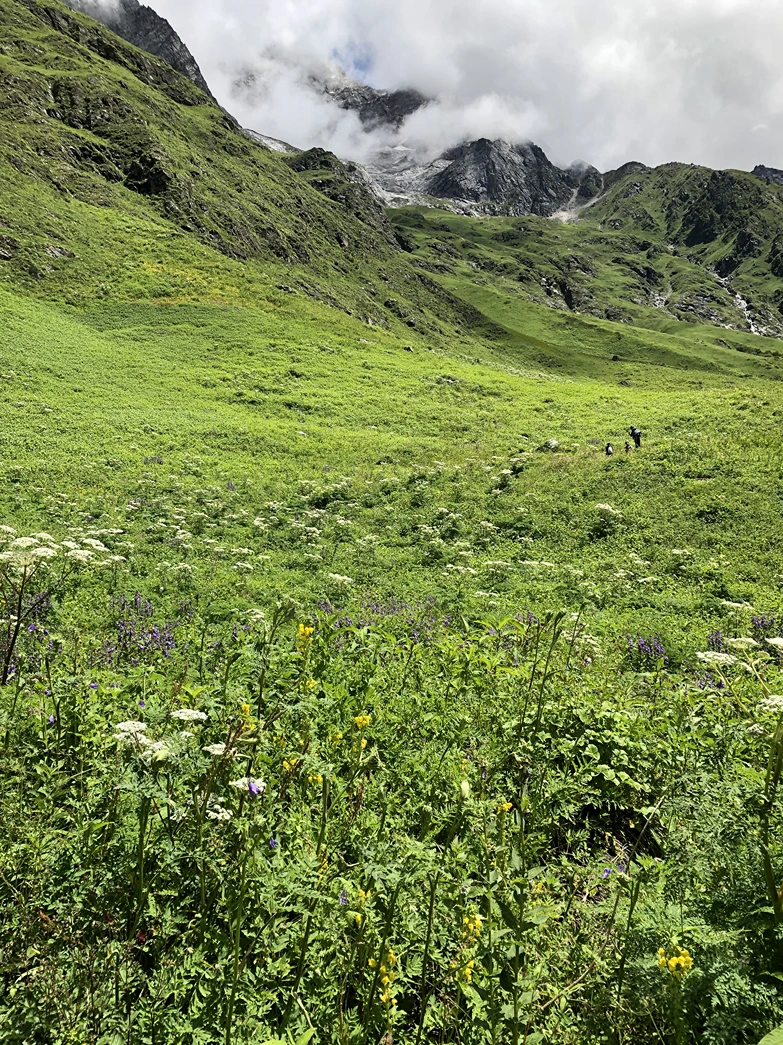
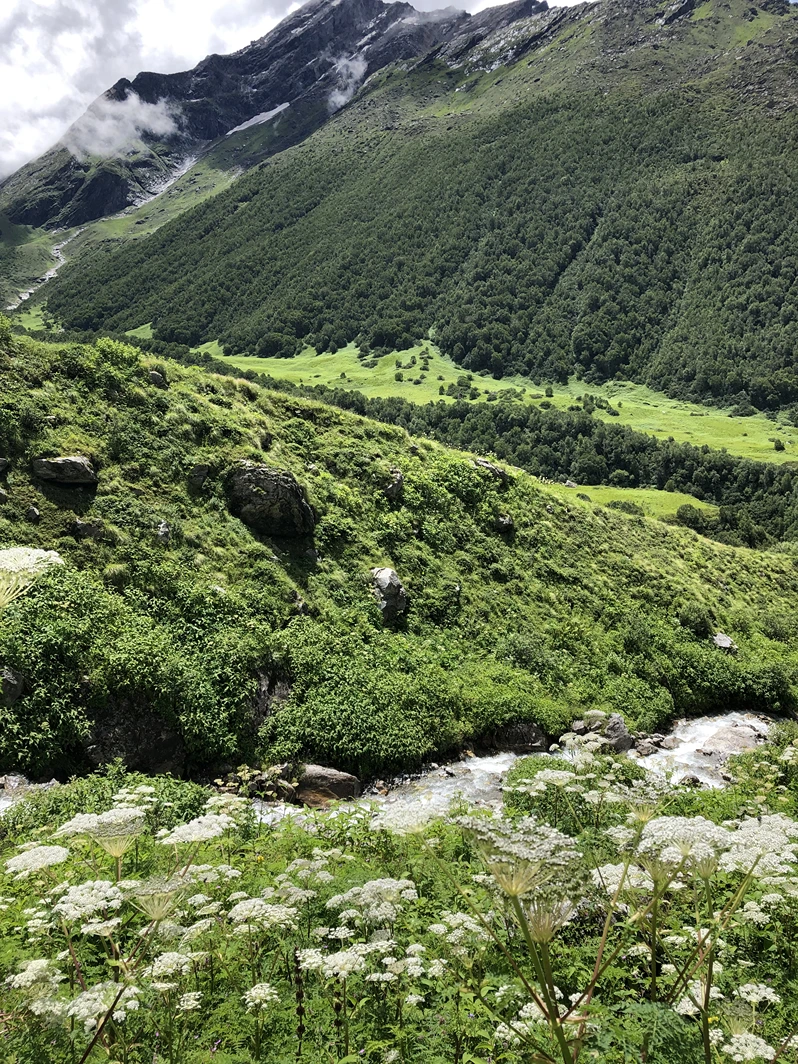
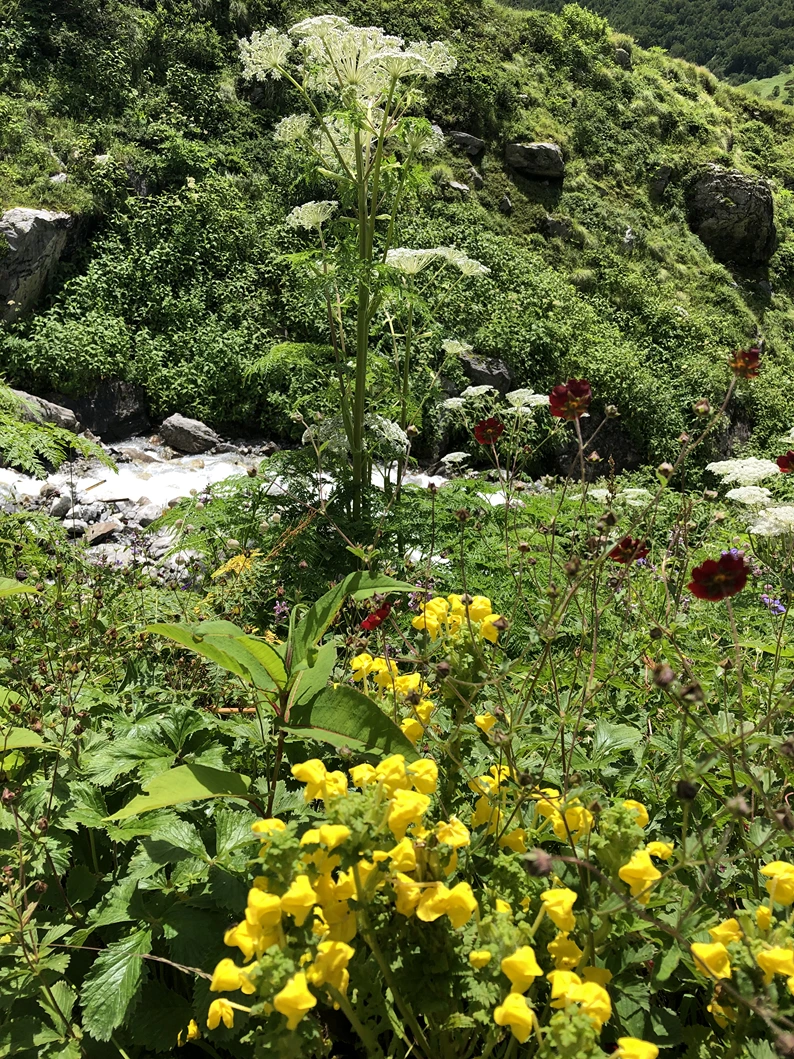
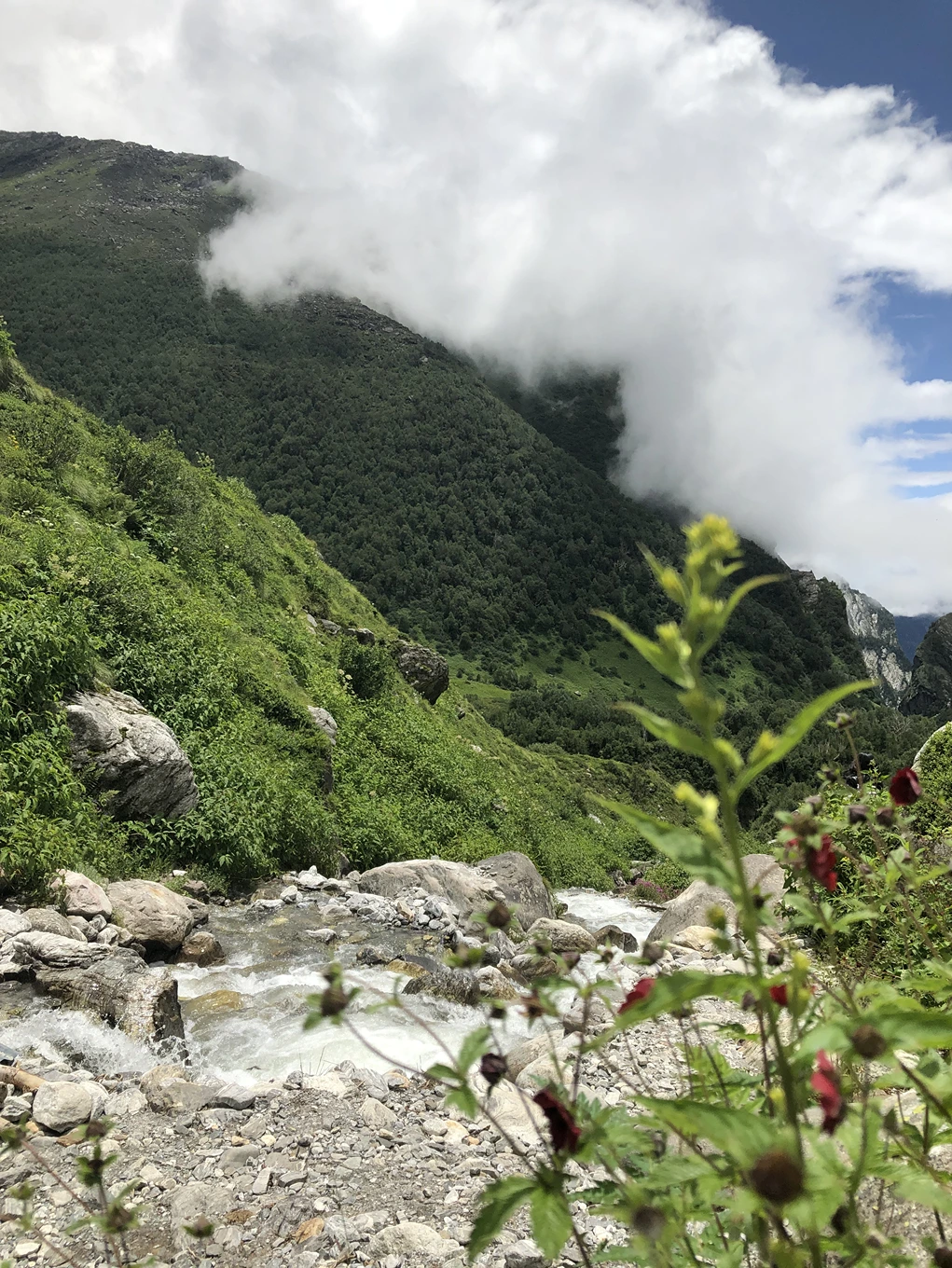
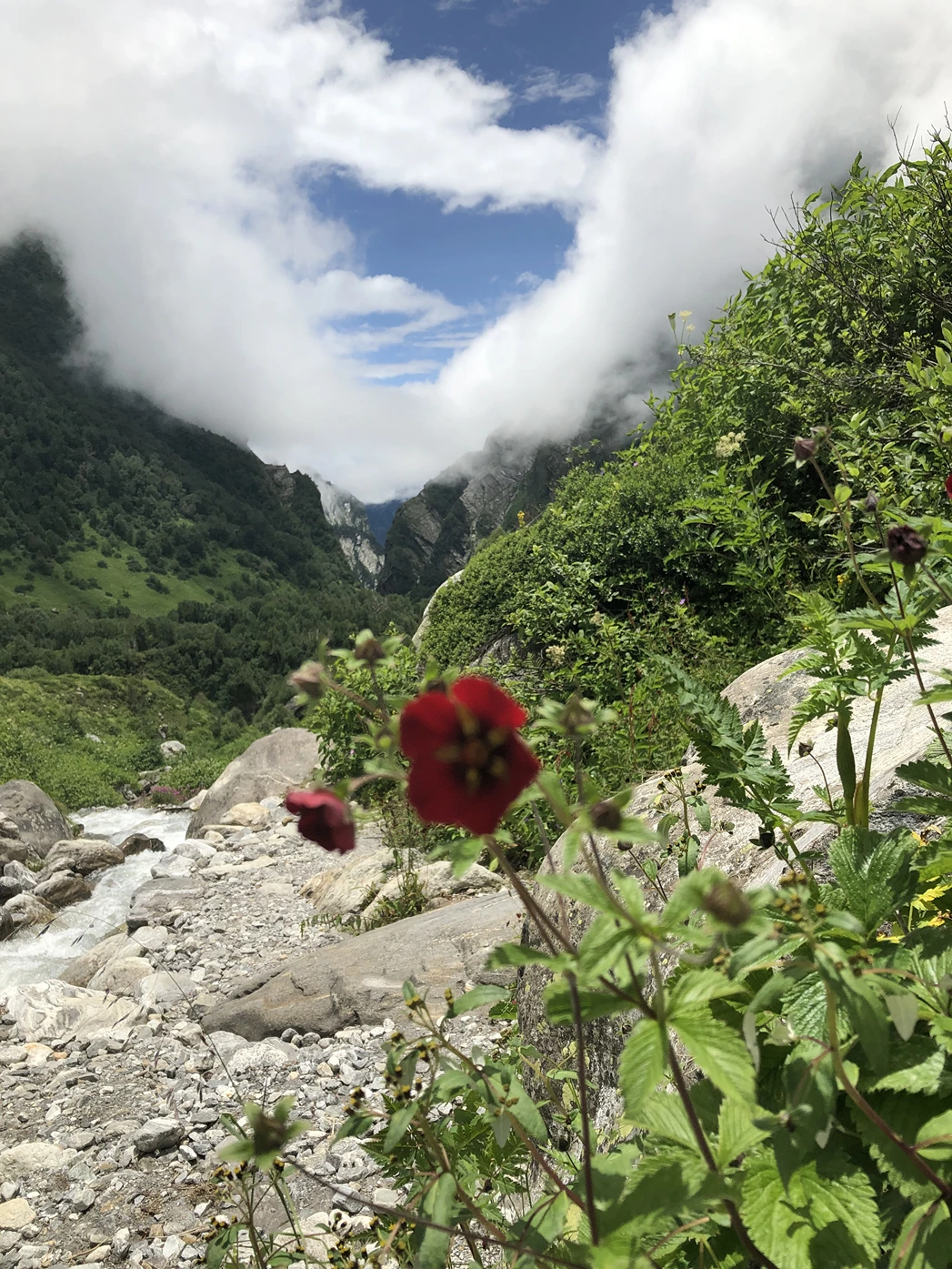
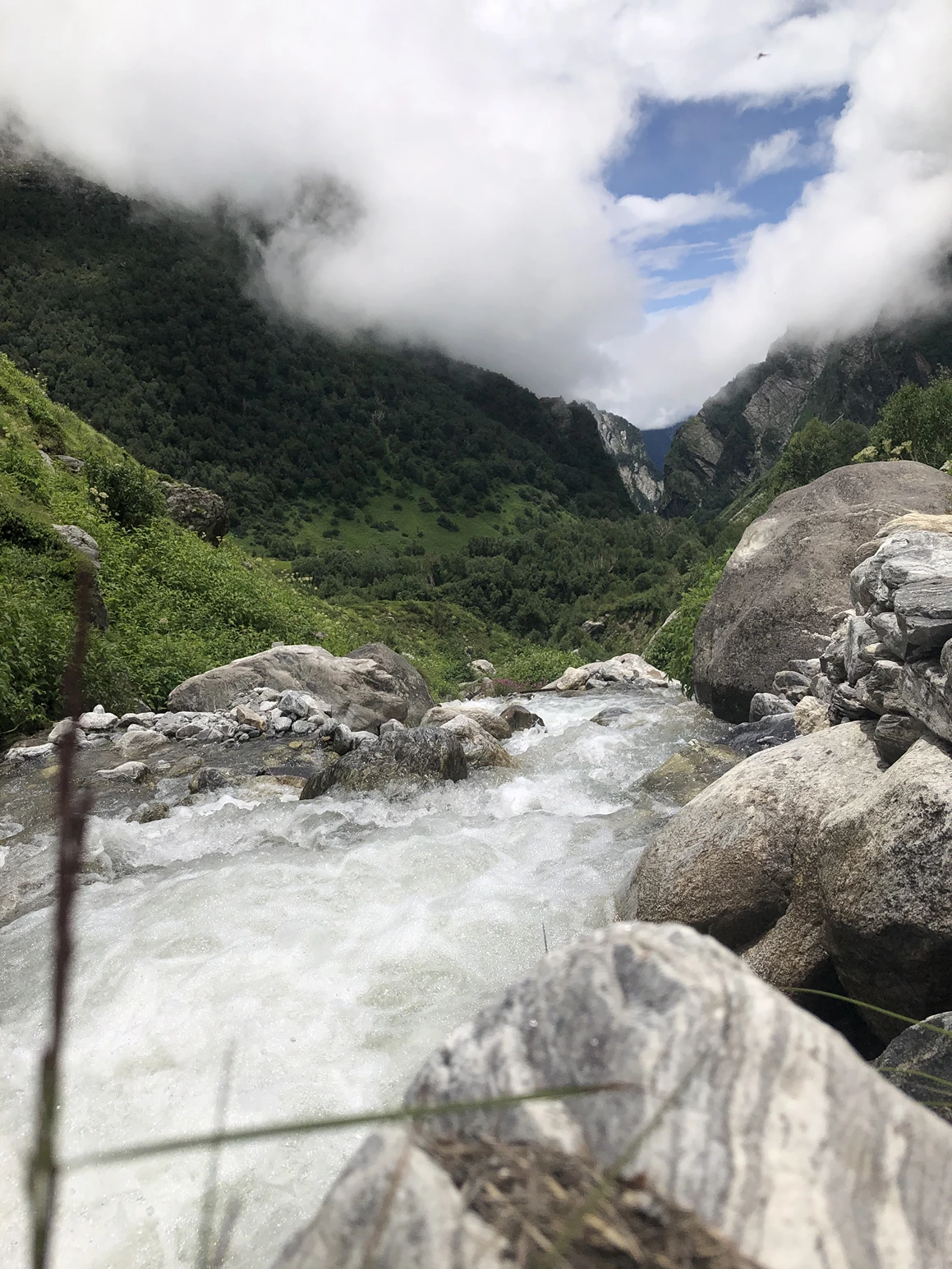
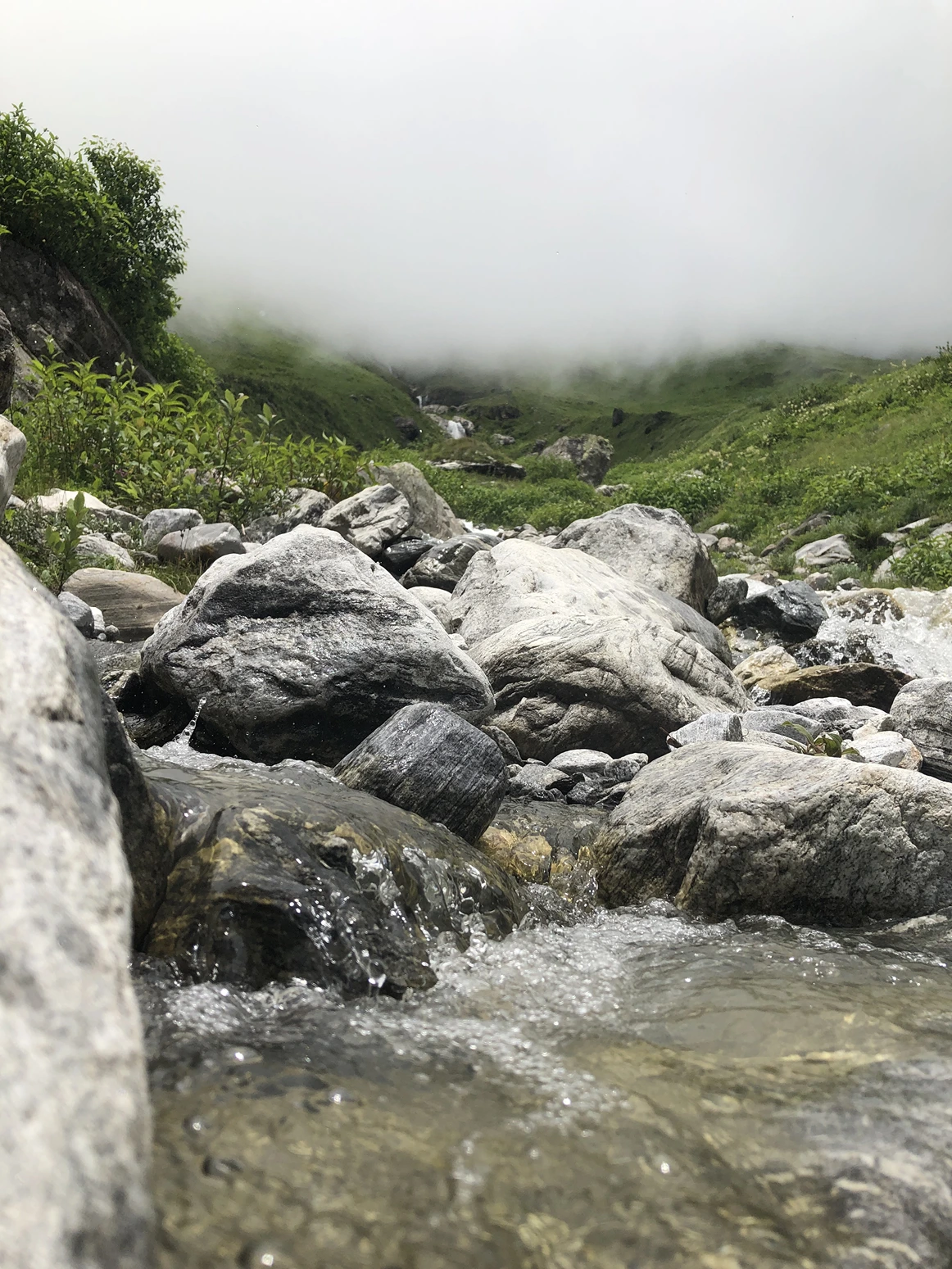
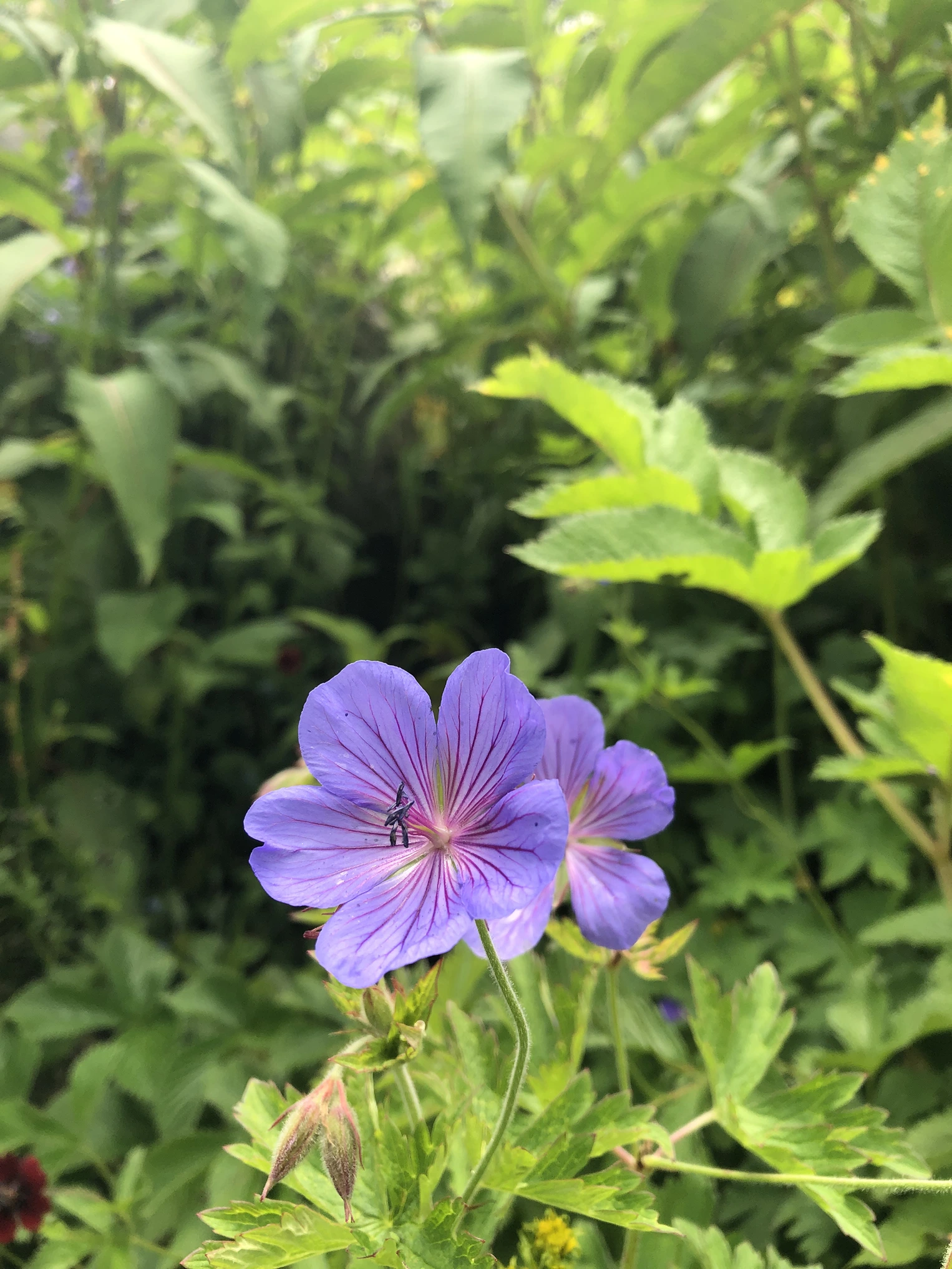
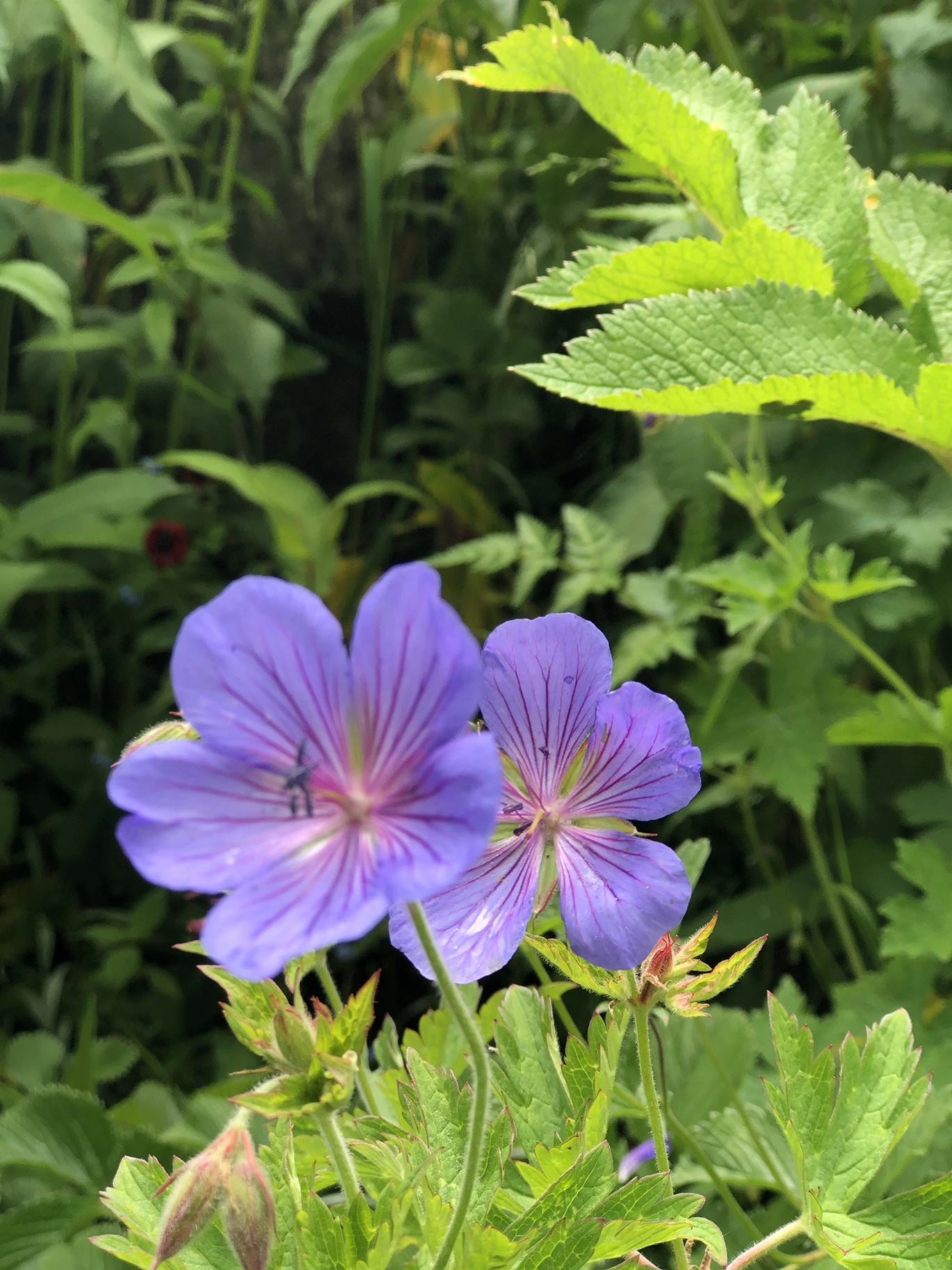
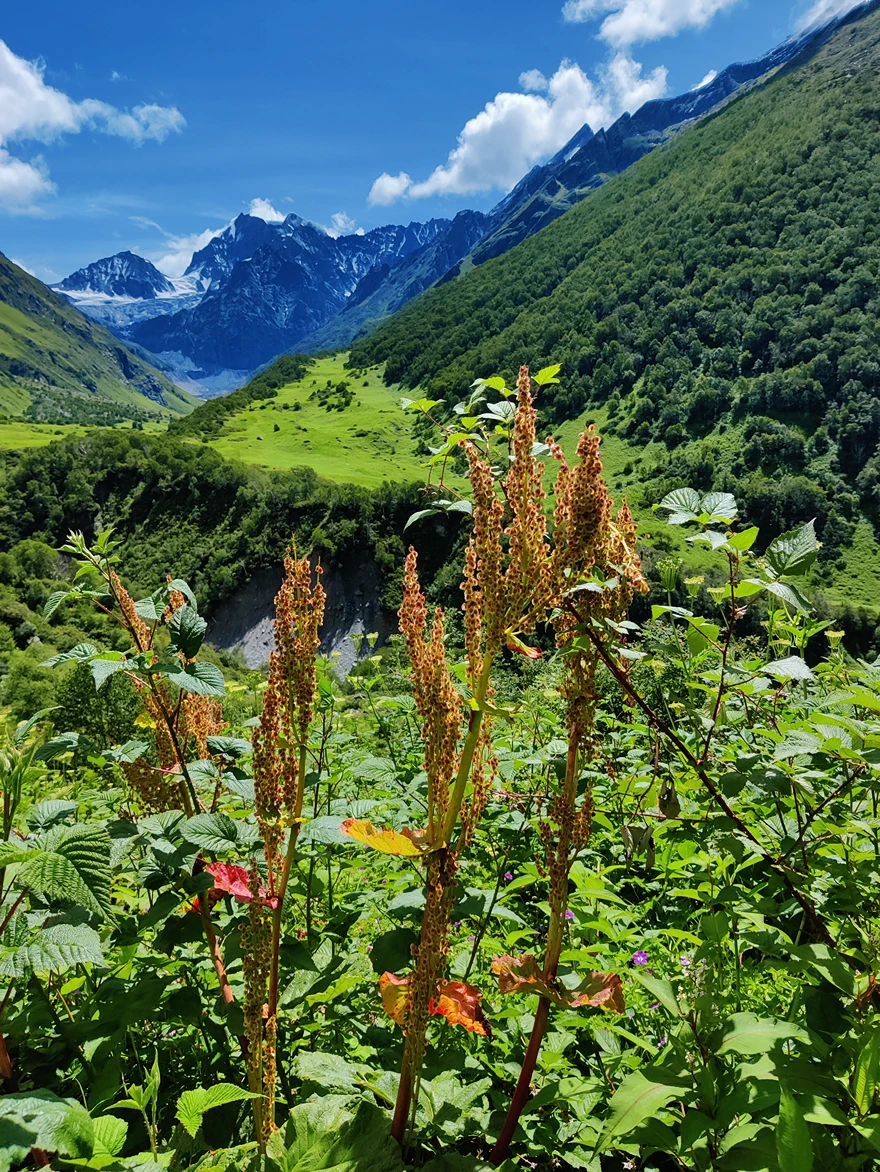
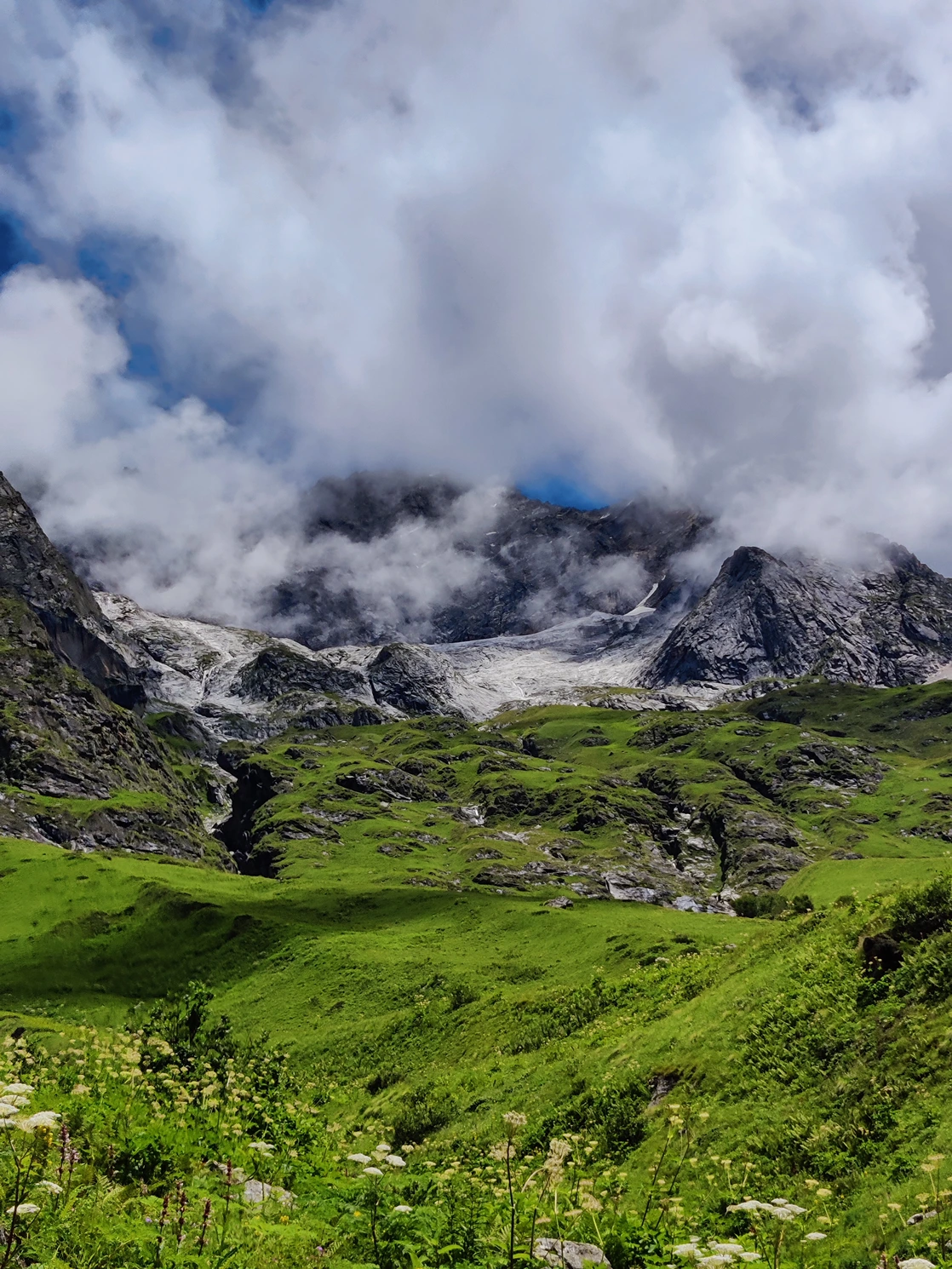
The Himalayas, a realm typically defined by stark rock, formidable ice, and severe altitude, hold a hidden, jewel-toned exception: the Valley of Flowers National Park. This trek is an immersion into a place so extraordinary that it has been designated a UNESCO World Heritage Site, recognized globally as a botanical masterpiece. It is a profound, protected landscape where the wilderness abandons its harshness to reveal a vibrant, undulating, and impossibly beautiful carpet of colour.
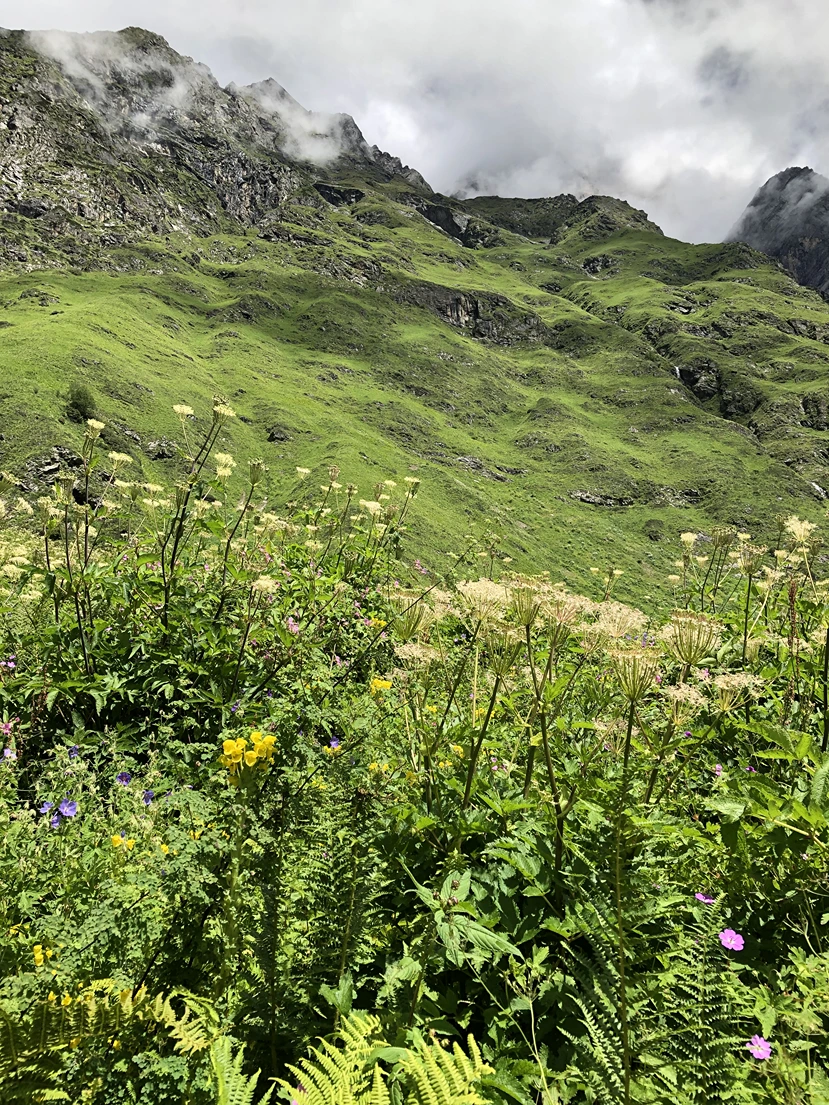
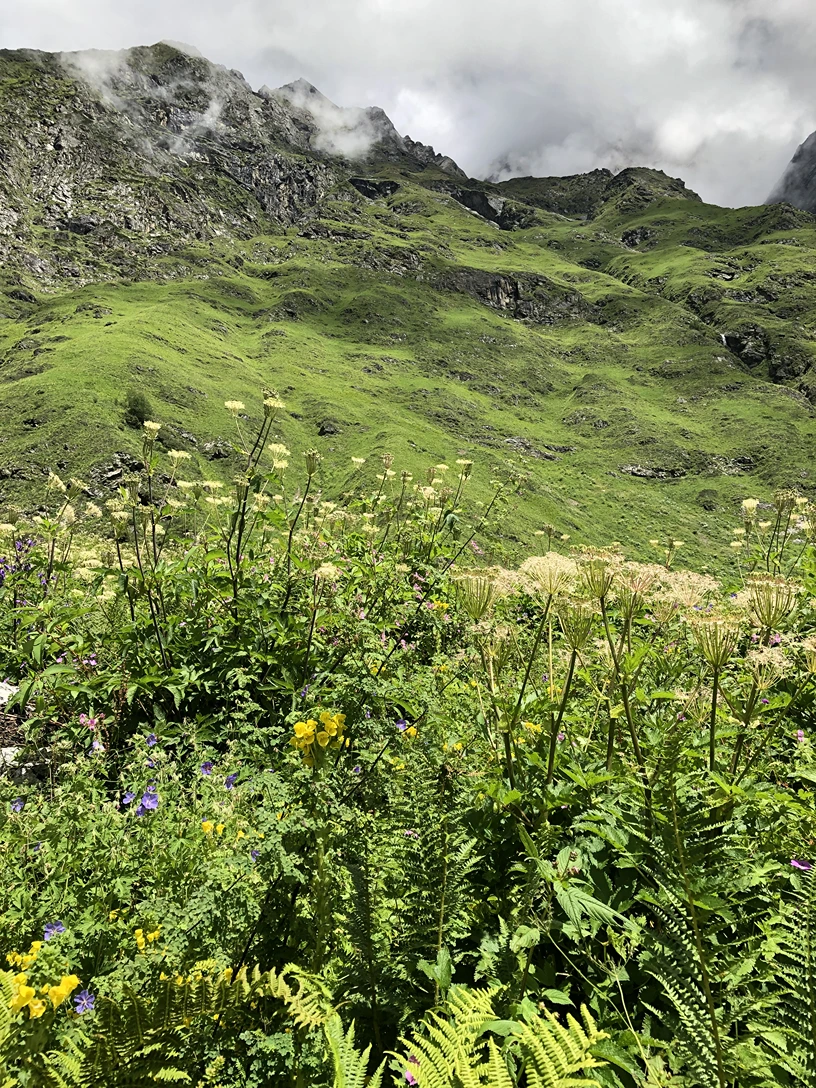
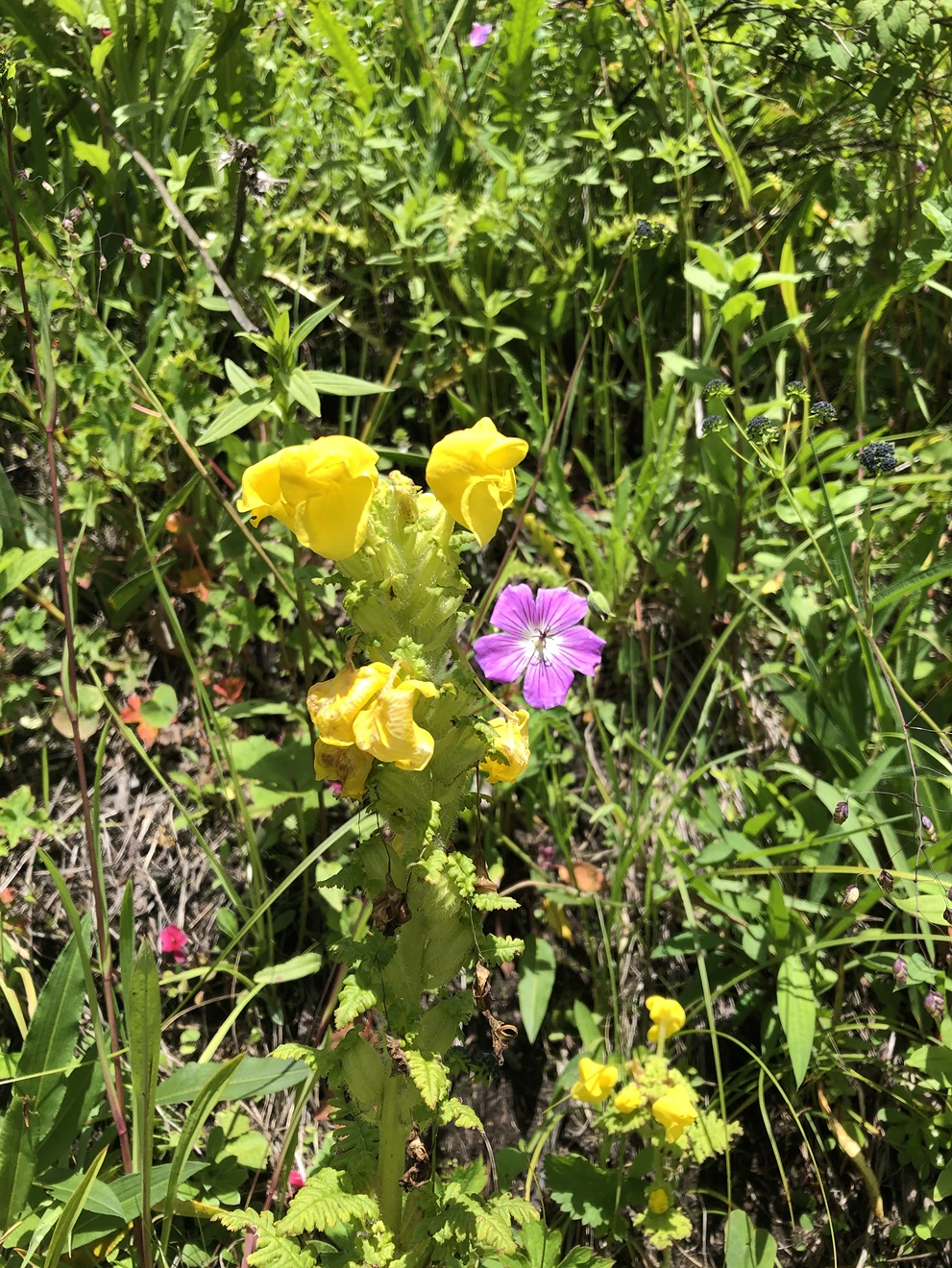
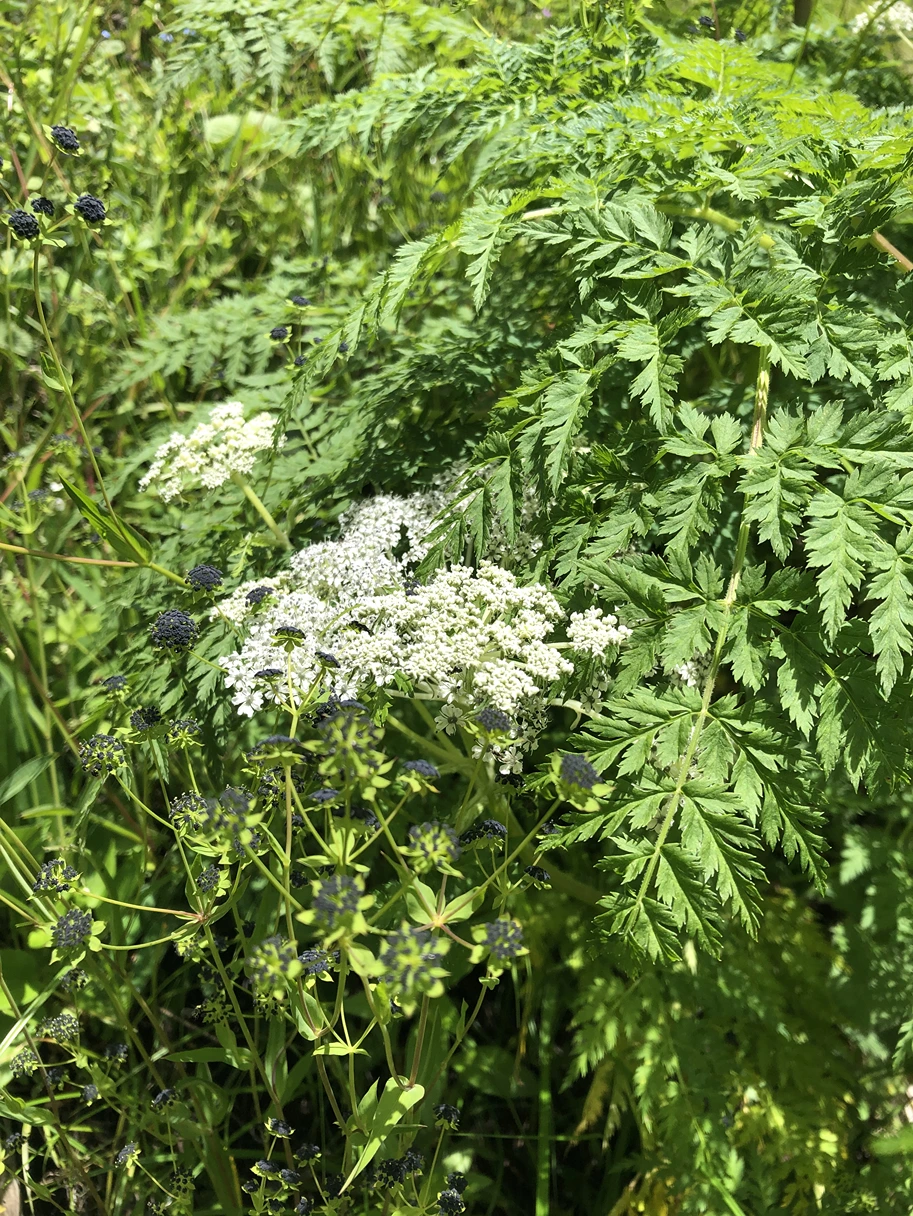
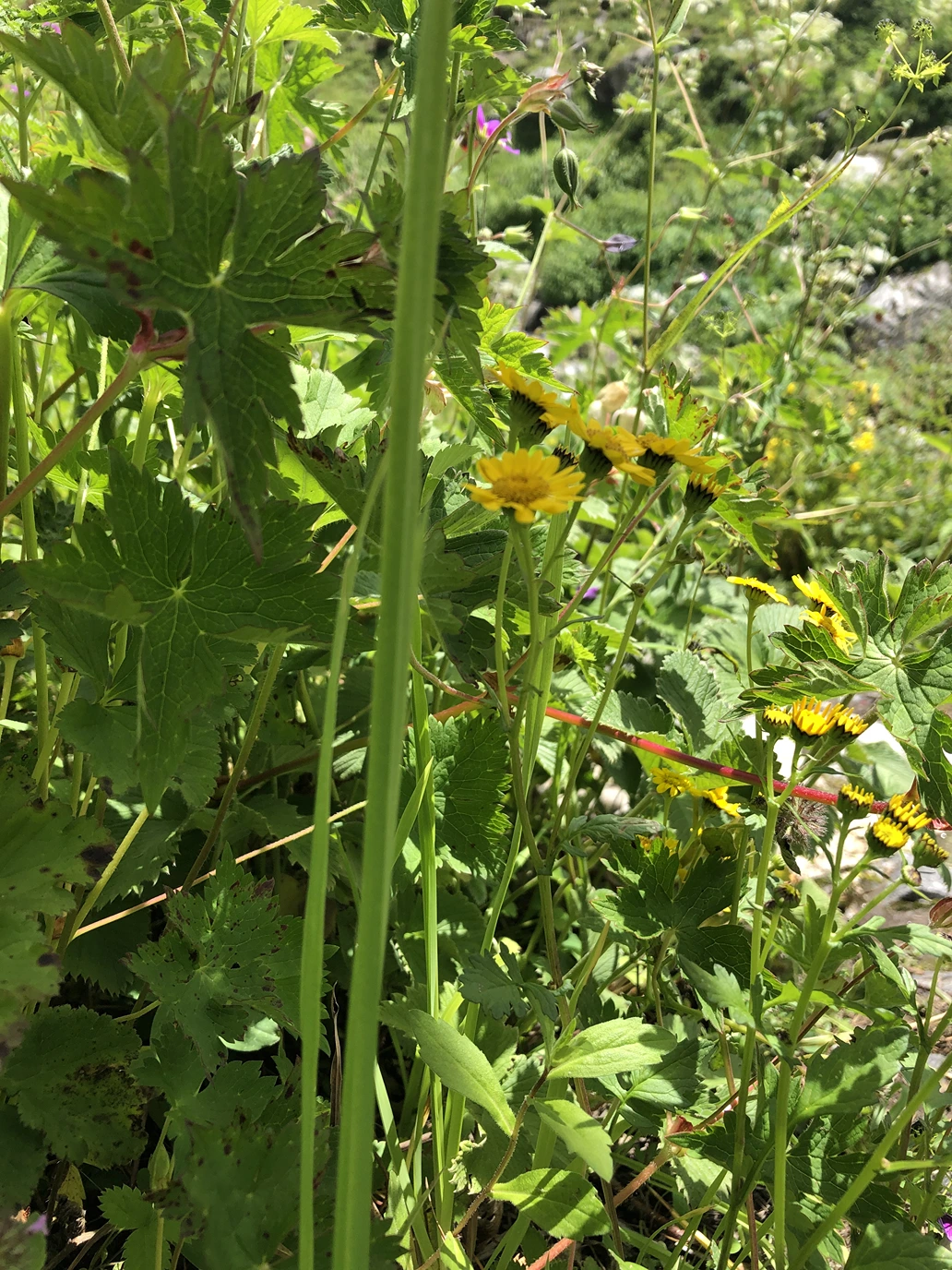
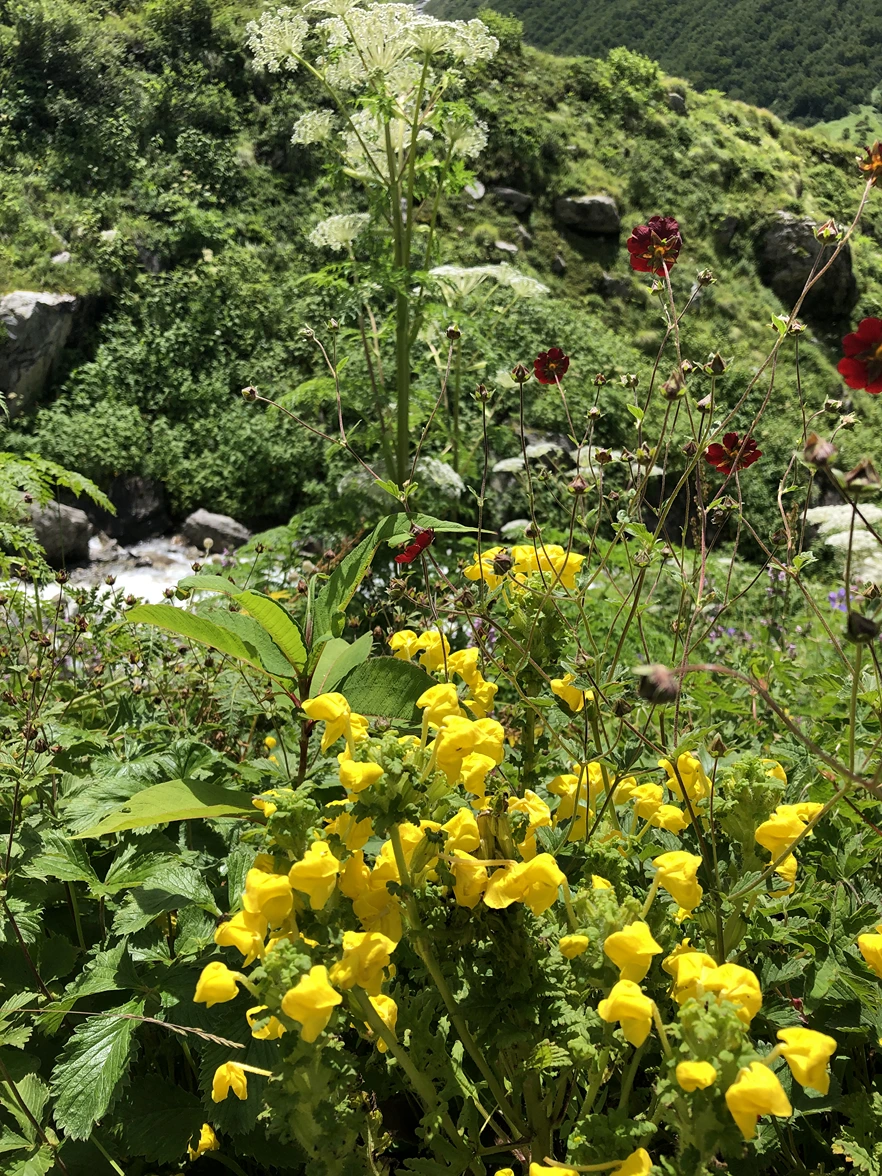
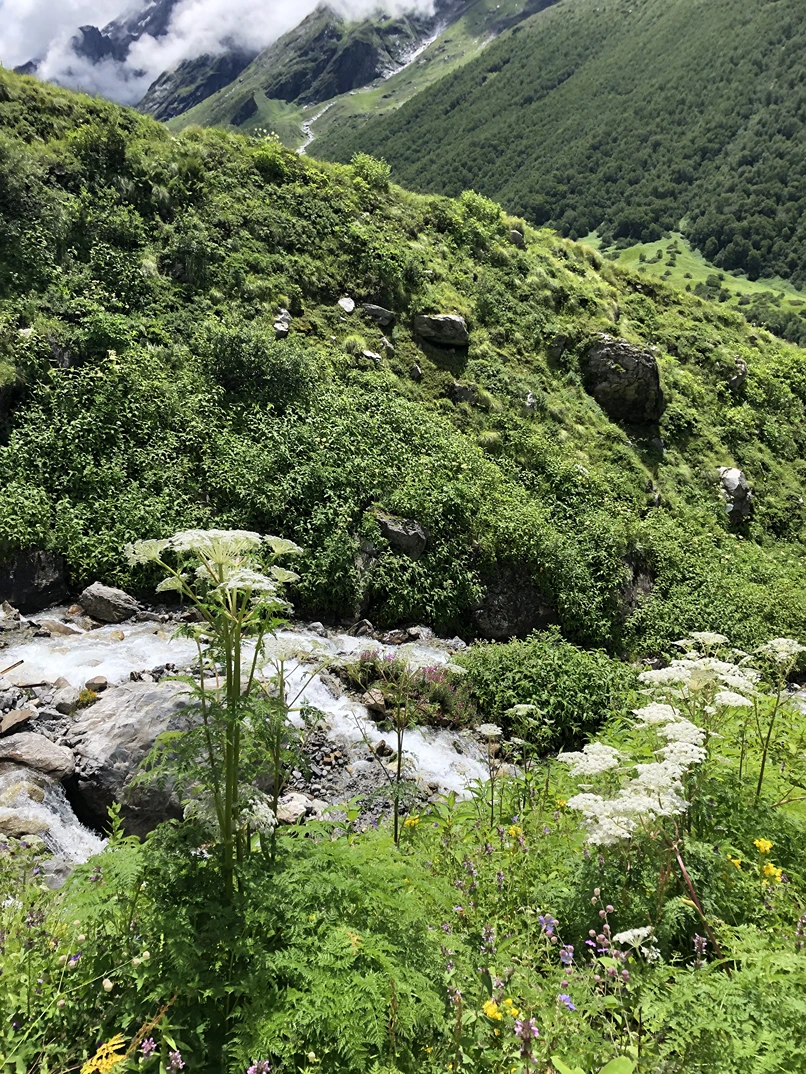
The true magic of the Valley of Flowers lies in its intense, seasonal transformation. For only a few short months each year, the narrow valley floor, carved by the Pushpavati River, becomes home to over 650 species of endemic alpine flora. The plant life here is locked in a fierce, spectacular race against the approaching winter, resulting in an unparalleled concentration of blooms. From the celebrated Blue Poppy to the potent, medicinal Brahma Kamal, the experience is less a trek and more a slow, respectful walk through a massive, living laboratory—a natural gallery of the Earth’s most delicate high-altitude survivors.
Adding to its natural wonder, the Valley sits adjacent to the holy pilgrimage route leading to Hemkund Sahib, a high-altitude Sikh shrine. Trekkers begin their journey from the basecamp of Govindghat, sharing the same spiritual energy that guides thousands of devotees each year. This convergence of unique botanical beauty with deep-rooted spiritual devotion lends the entire expedition an atmosphere of serenity and shared purpose, making it a powerful journey for the body, the eyes, and the soul.
Highlights
Itinerary
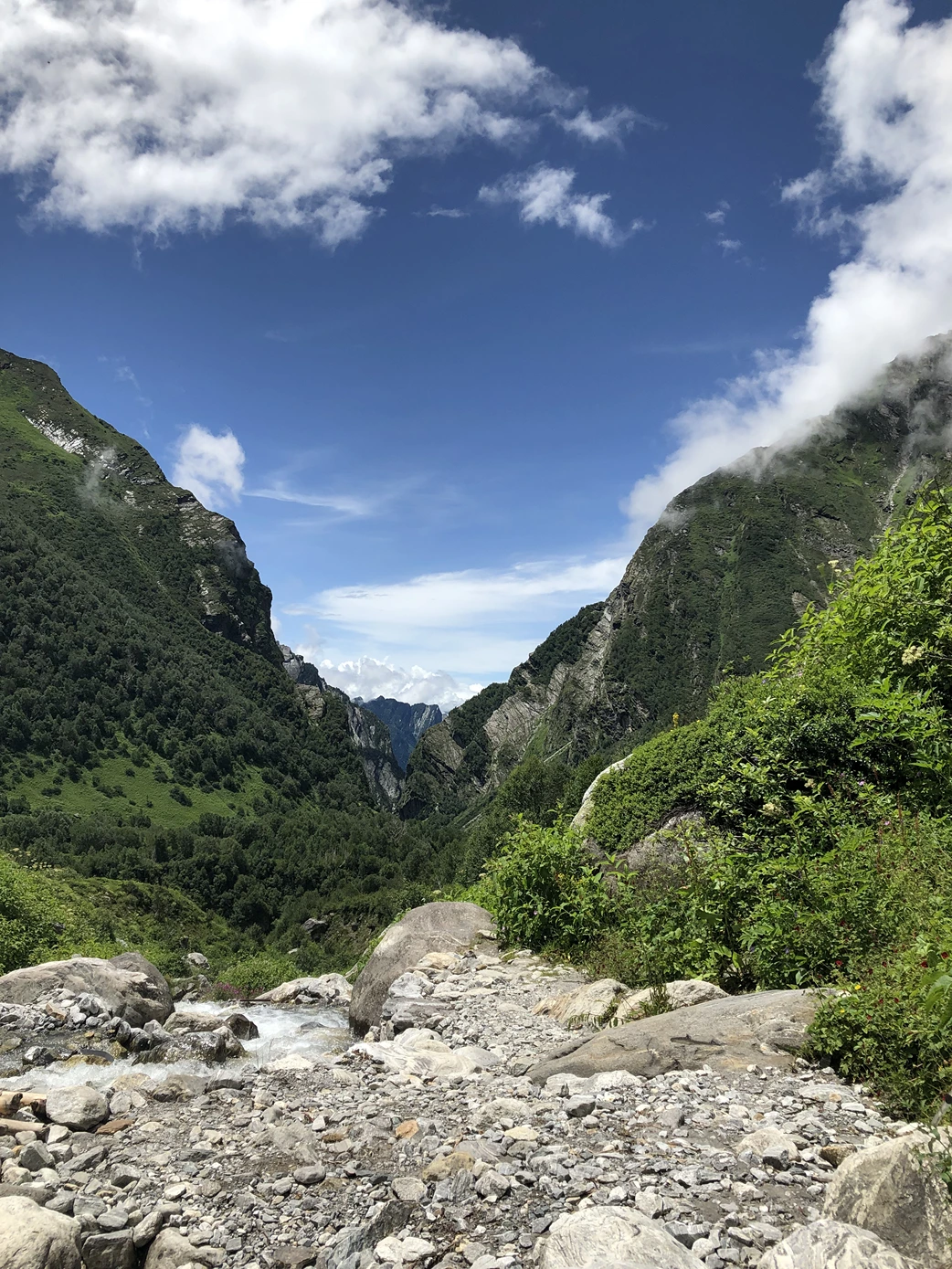
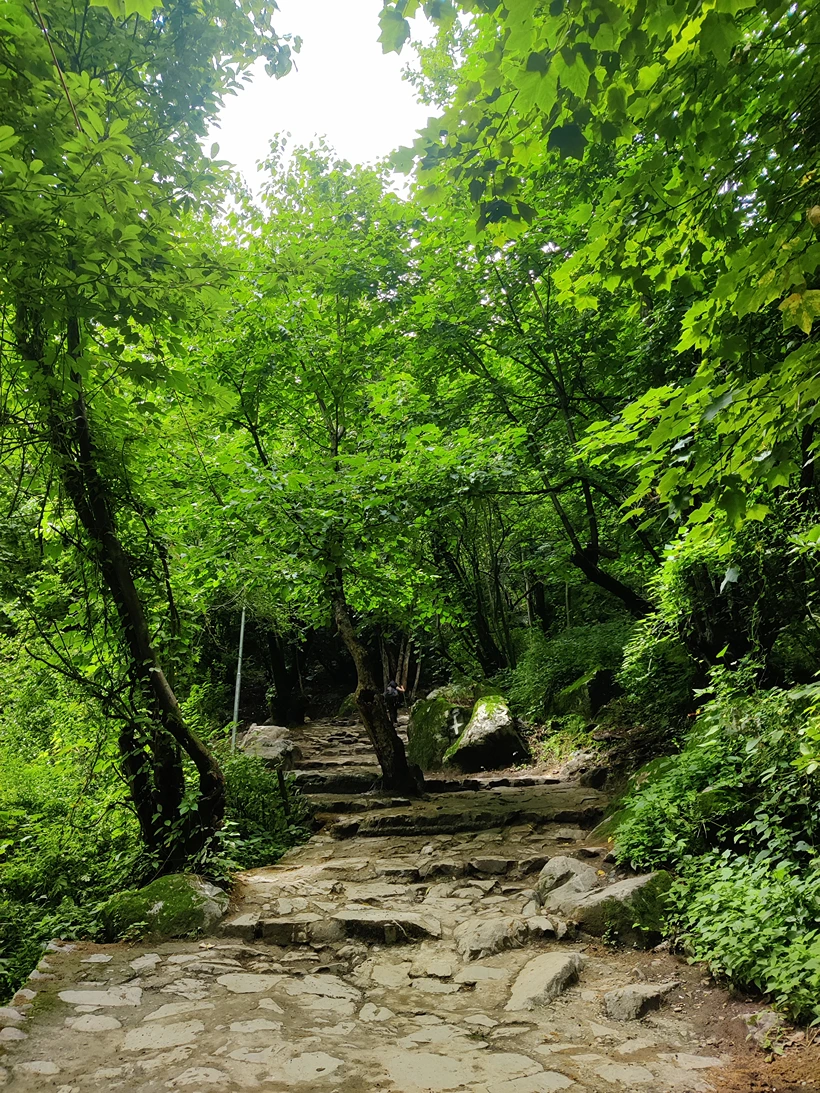
Today, the trek officially begins. A short transfer takes the team to the trailhead near Pulna, from where the 13 km trek commences. This segment is a moderate, well-defined path that follows the Bhyundar Ganga river and involves a significant altitude gain of nearly 4,000 feet. The trail is shared with pilgrims heading to Hemkund Sahib, creating a unique atmosphere of camaraderie. We arrive at Ghangaria (10,200 ft), the permanent, high-altitude base settlement that serves as the junction for both destinations. We settle into our comfortable guesthouse accommodation, a strategic choice to ensure proper rest and acclimatization before the rigorous climbs ahead.
Meals
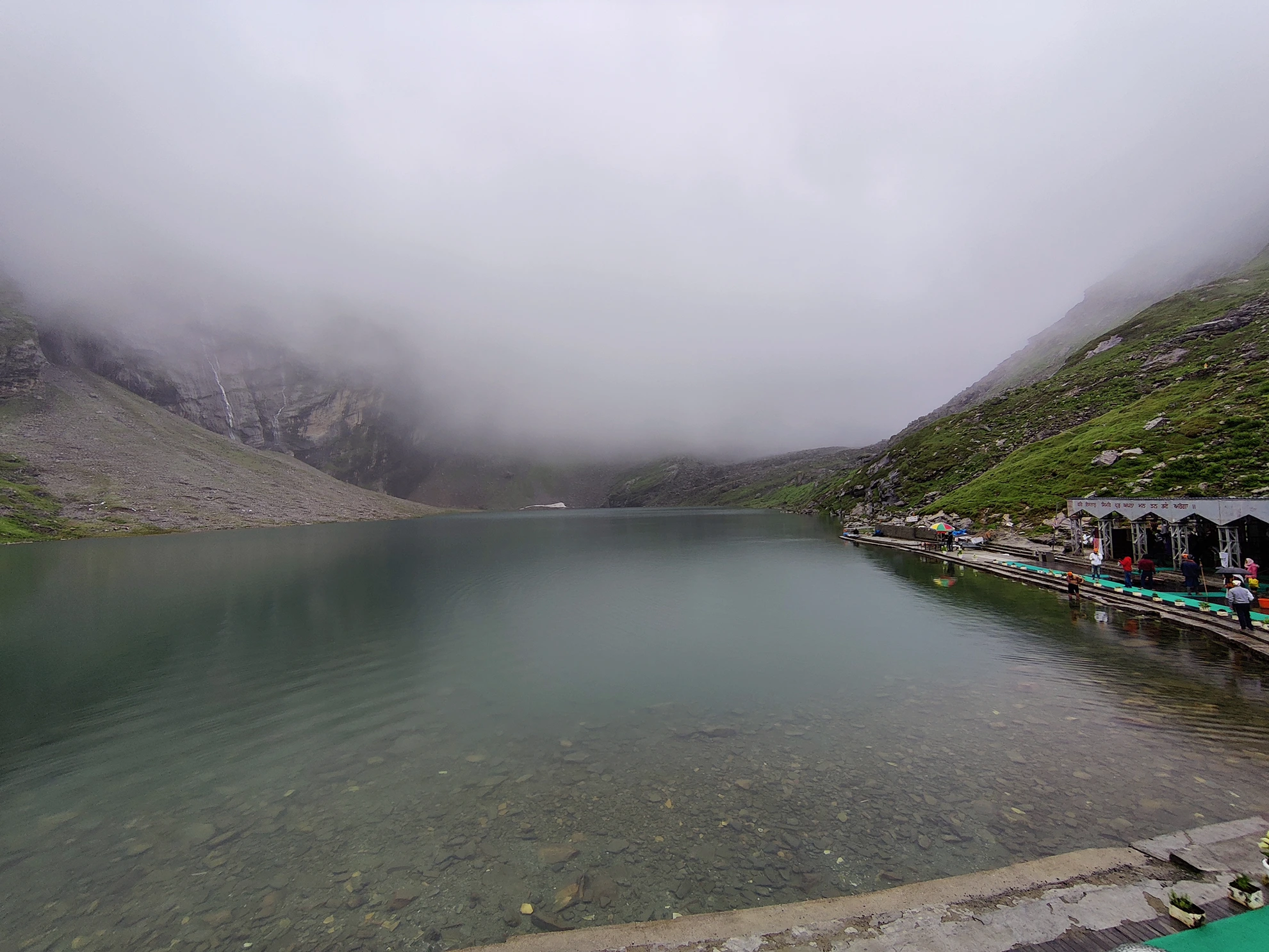
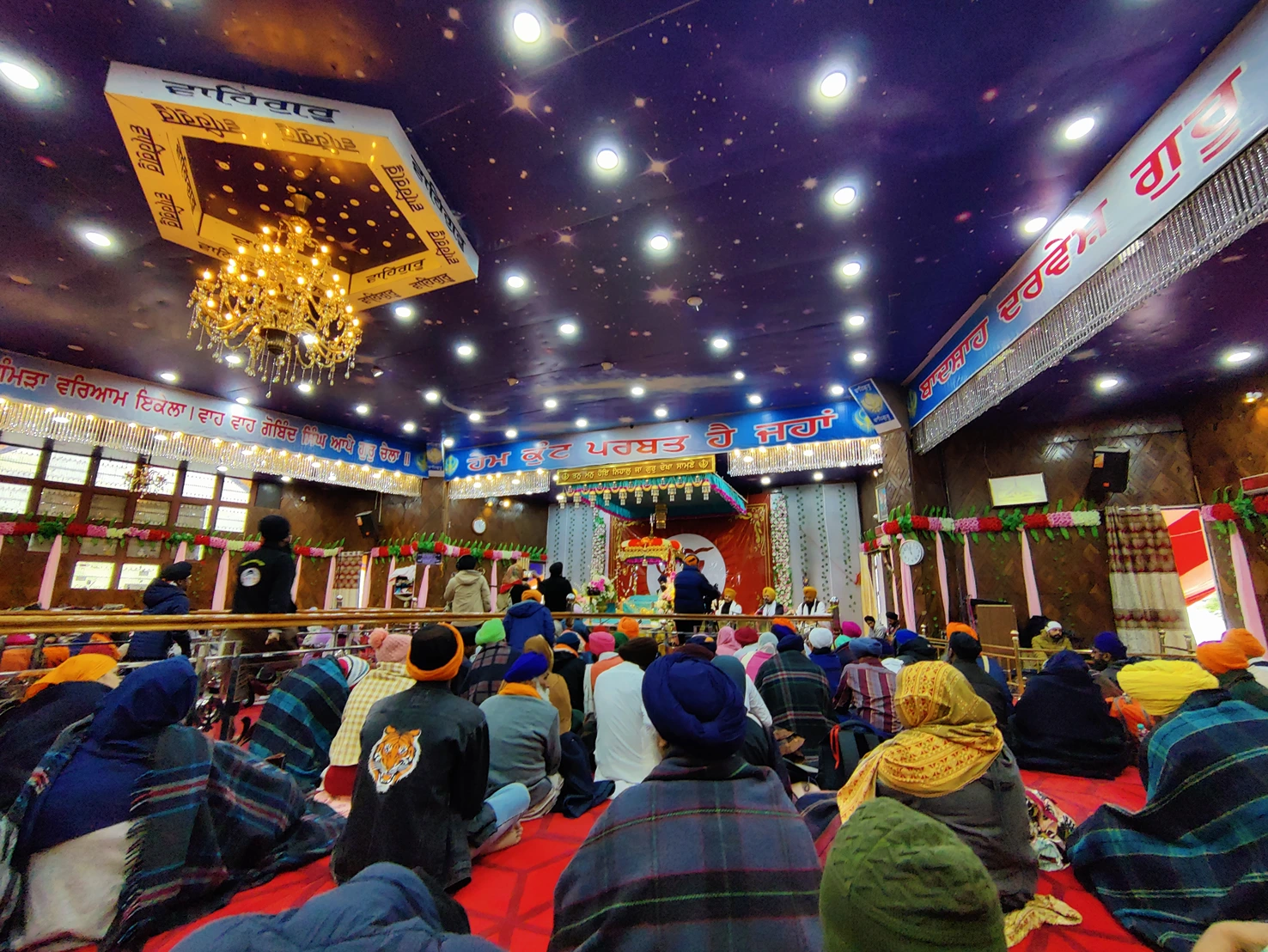
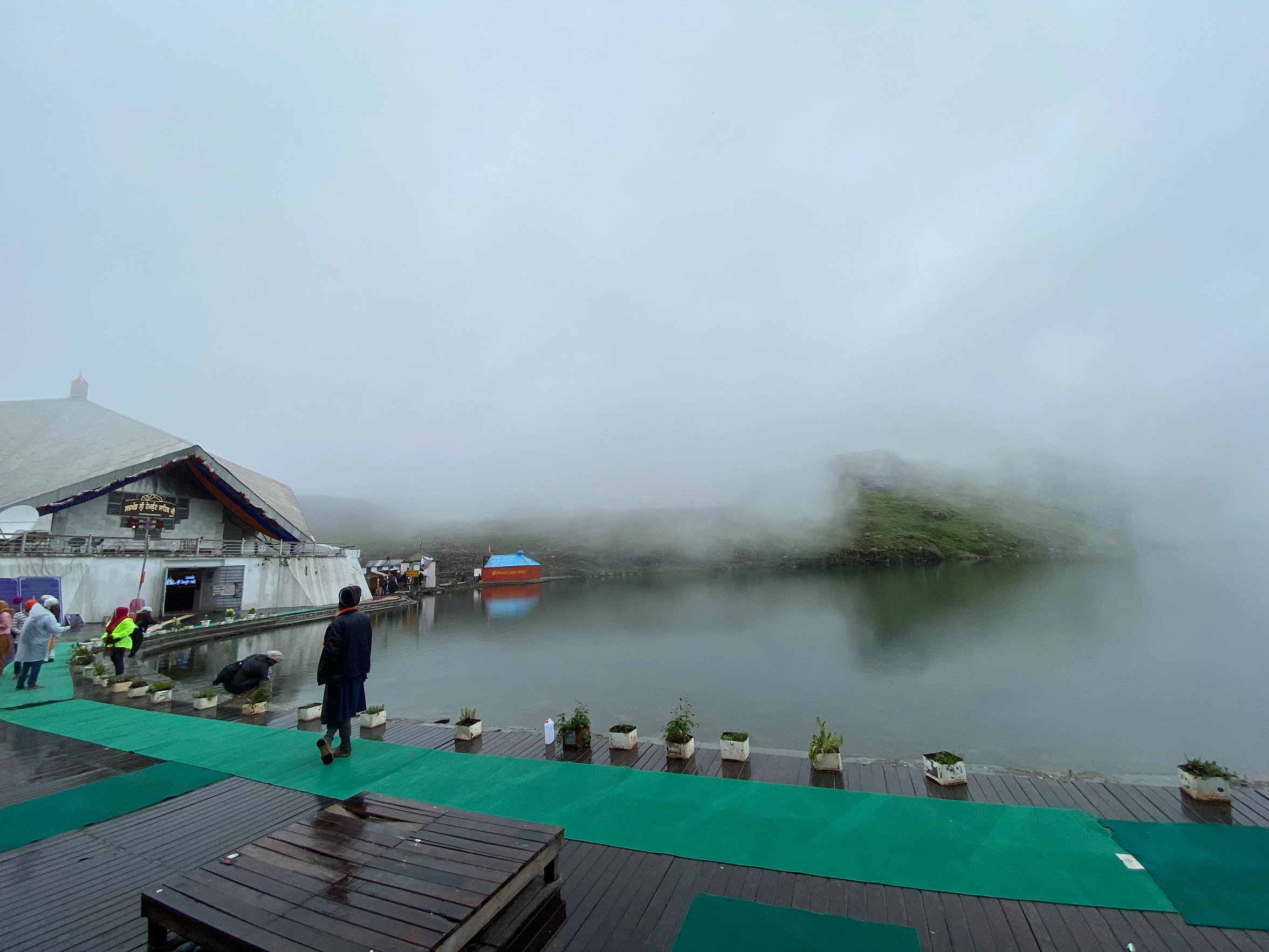
This is the most physically challenging day, demanding a commitment to spiritual and physical ascent. The climb involves a sustained, steep, 6 km ascent (one-way) from Ghangaria to Hemkund Sahib (14,107 ft). This rigorous path leads to a high-altitude glacial lake framed by seven surrounding peaks and the revered Sikh Gurudwara and Lakshman Temple. Trekkers spend time absorbing the profound tranquility and immense views before making the mandatory descent back to Ghangaria by early afternoon. This rapid turnaround is essential for safety, ensuring the team drops altitude quickly to minimize exposure to the risks associated with the 14,107 ft elevation.
Meals
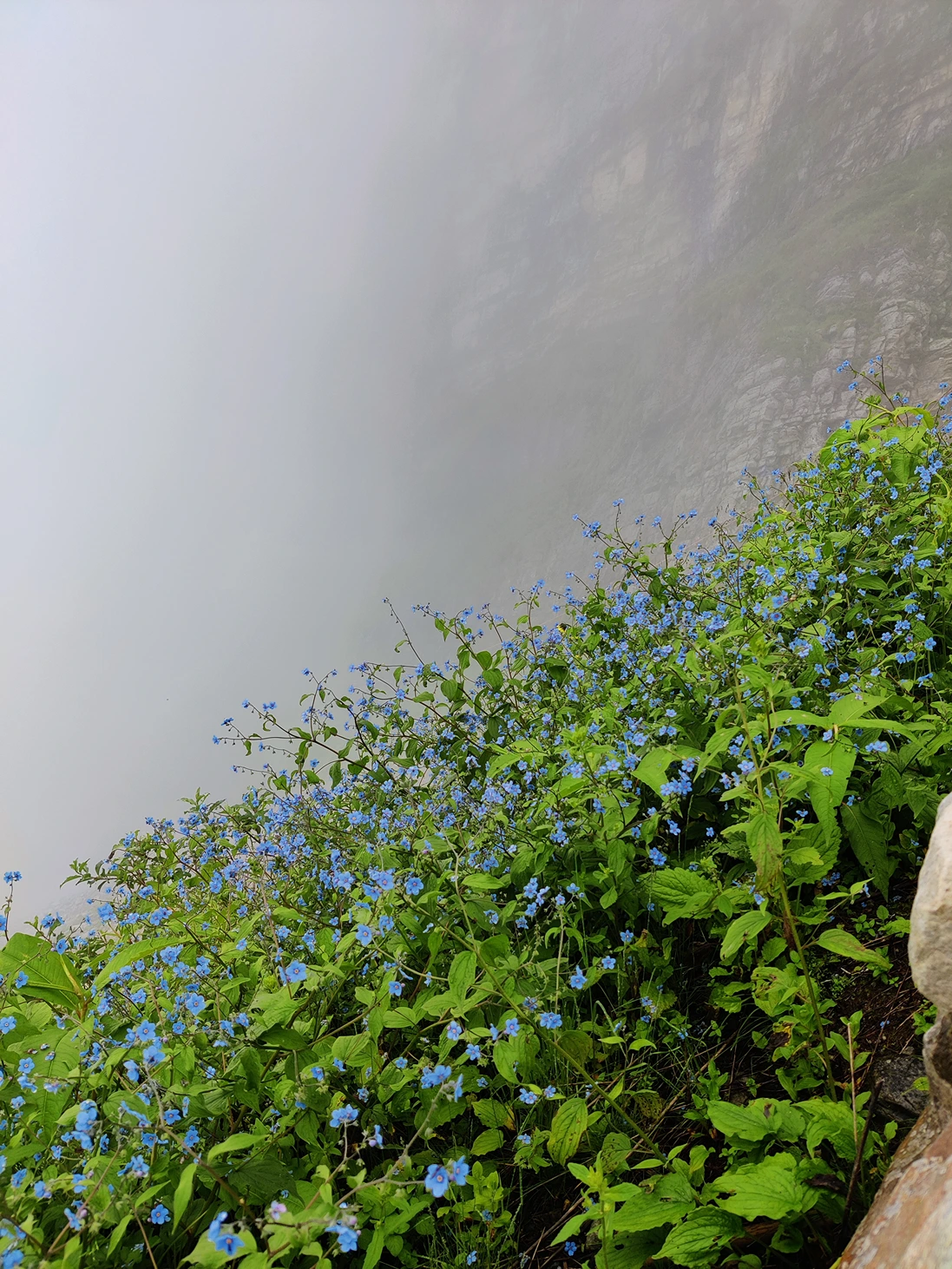
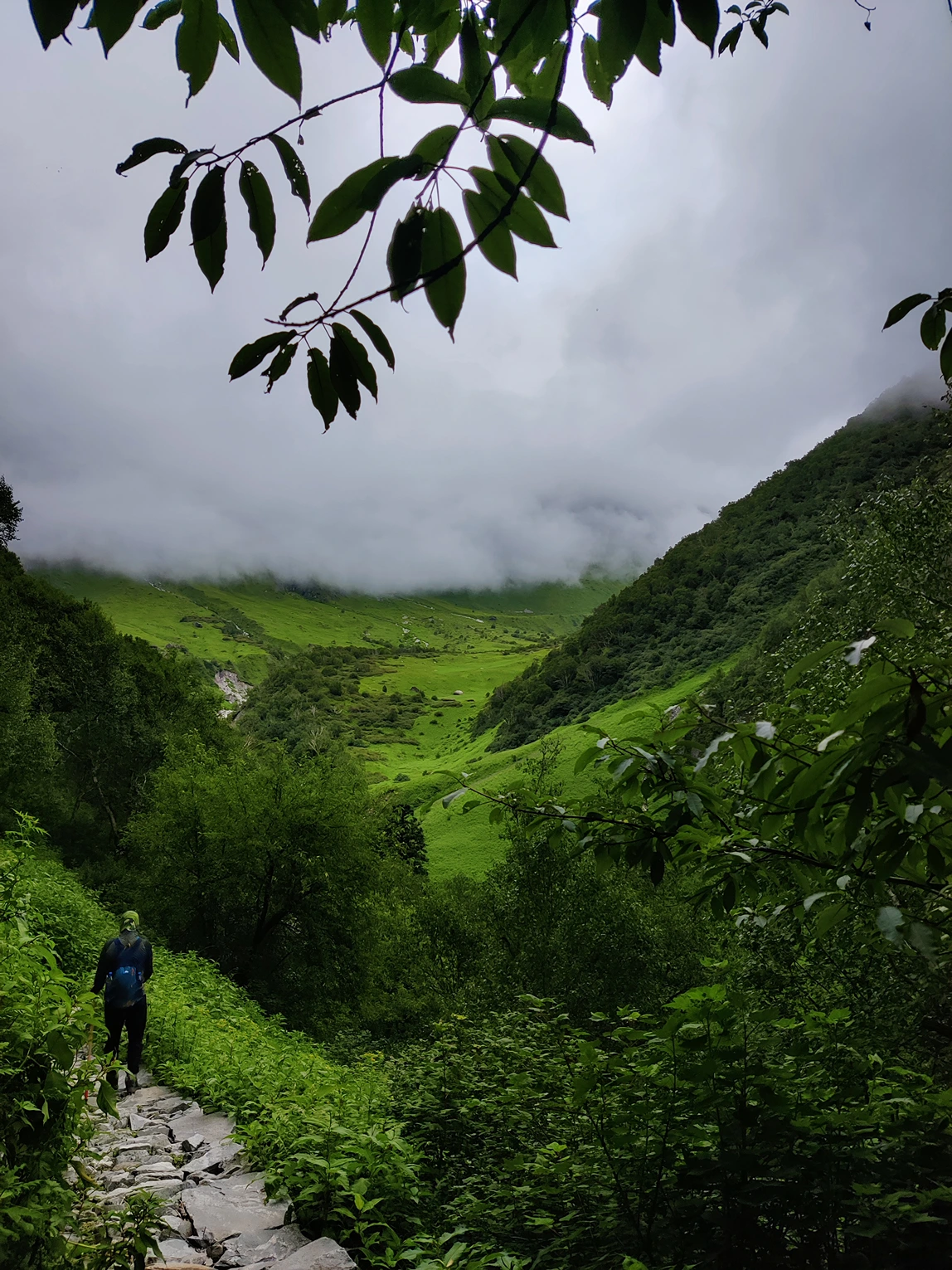
This dedicated day is the scenic highlight of the expedition. We follow the prescribed trail from Ghangaria to the official entry gate of the Valley of Flowers National Park. The trek is relatively gentle, traversing the valley floor (max 11,500 ft), allowing for deep immersion into the protected zone. We spend the entire day exploring the core area, observing the dense carpets of unique flora—including the Blue Poppy and Brahma Kamal—and following the winding path of the Pushpavati River. Strict adherence to the park rules (zero trace, path-only walking) is enforced. We return to Ghangaria by late afternoon, ensuring we exit the protected zone before the mandatory closing time.
Meals
The trek officially concludes with the long, continuous 13 km descent from Ghangaria back to the trailhead near Govindghat. This segment is a test of knee endurance, requiring careful footing and steady pacing. The descent is rapid, dropping the altitude by nearly 4,000 feet, which provides immediate and thorough de-acclimatization. Upon reaching the road head, we transfer the short distance back to the guesthouse in Govindghat (6,300 ft) for the final night of rest and celebration, trading the high-altitude camp environment for comfort.
Meals
The expedition ends with the full-day return drive from Govindghat. The long, scenic journey back down the mountain roads takes approximately 10 to 11 hours. Trekkers should arrange their onward travel (trains or flights) from Rishikesh or Dehradun only after 7:00 PM to account for the highly likely mountain road traffic, construction delays, and unforeseen stoppages common on this long route.
Meals
Good to know
Inclusions
-
Accommodation & Stay: 5 Nights of accommodation, including guesthouse/hotel stays in Govindghat and Ghangaria. All stays are in protected-zone hotels/guesthouses as camping is strictly forbidden.
-
All Meals: All meals from Dinner on Day 1 (in Govindghat) to Breakfast on Day 6 (in Govindghat). All food served is hot, nutritious, and strictly vegetarian (due to the pilgrimage route).
-
Permits & Entry: Includes the mandatory UNESCO World Heritage Site and Forest Entry Fees for the Valley of Flowers and all associated permits (crucial for this protected trek).
-
Team & Safety: Services of certified and experienced personnel, including the WFR-Certified Trek Leader and local support staff.
Exclusions
-
Personal Insurance: Any form of travel, medical, or emergency evacuation insurance is the sole responsibility of the trekker.
-
Backpack Offloading (Porter/Mule Charges): The cost if you choose to offload your main bag (max 10 kg limit). This fee is paid locally in cash.
-
Mule/Pony/Helicopter Services: Costs for any personal hire of transport (mule or helicopter service) from Govindghat to Ghangaria are not included.
-
Personal Expenses & Gear: Any gear rental, laundry, batteries, snacks, or bottled water outside of the provided meals.
Things to Carry
Must cover ears. Essential for retaining body heat.
Crucial for summit day to protect the nose and mouth from cold wind.
MANDATORY. Snow glare is intense and can cause snow blindness. Must be UV protected.
Thermal tops (full sleeve). Must be synthetic or Merino wool. NO COTTON.
Fleece jacket (thick). Your primary source of warmth.
Padded jacket (Polyfill/Down). Heavy, windproof, and water-resistant.
Thermal bottoms (leggings).
Quick-dry, synthetic trekking trousers. Avoid jeans/shorts.
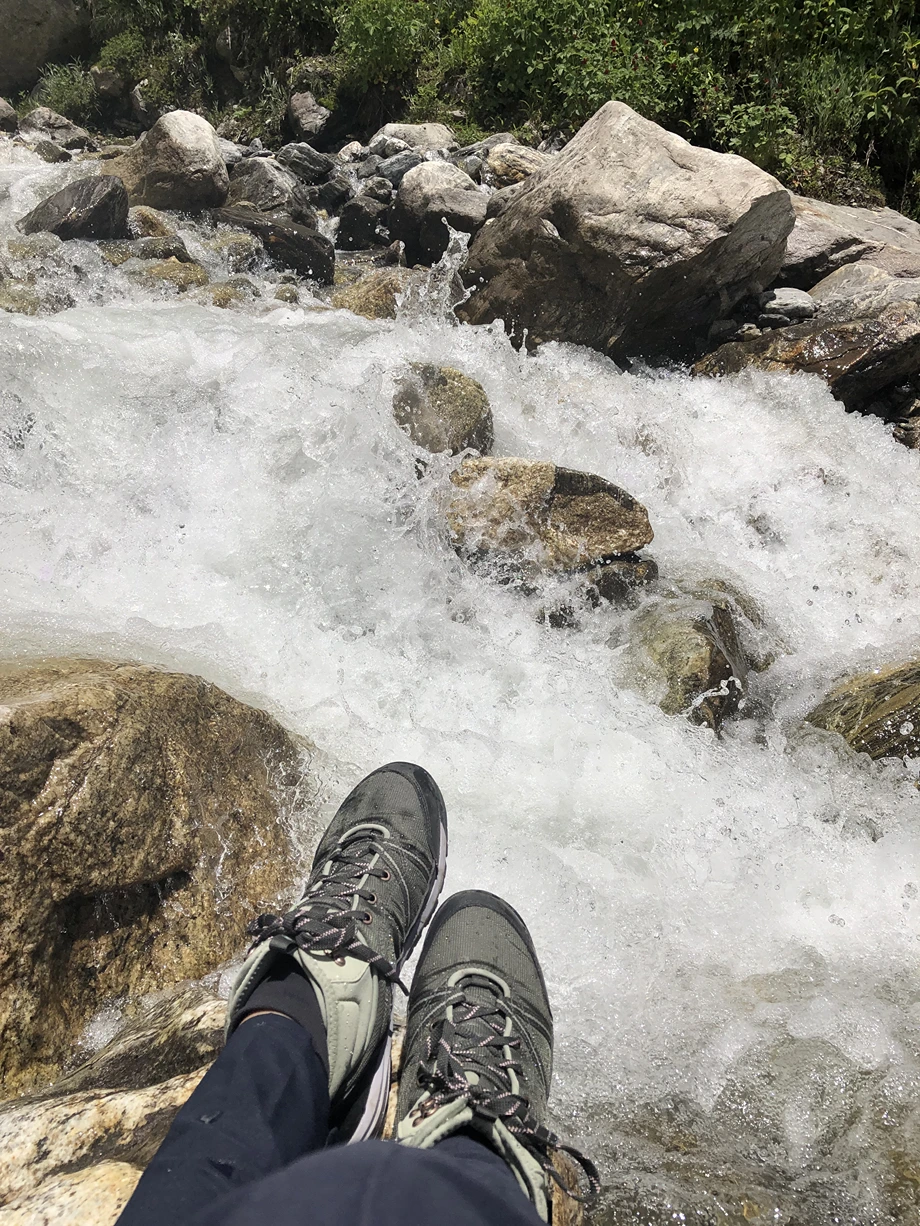
High-ankle, sturdy, waterproof trekking boots with good grip.
3–4 pairs of thick woolen/synthetic trekking socks (for the day) and 2 pairs of dry woolen socks (for sleeping only).
1 pair of woolen/fleece inner gloves and 1 pair of heavy, waterproof outer gloves.
MANDATORY. Carry extra batteries.
Carry a 1-liter bottle and a thermos to keep water from freezing.
Essential for high-altitude UV protection.
Toothbrush, wet wipes, and any personal prescription drugs.
For carrying water, jacket, snacks, and personal items during the trek.
Sleeping Bag, Sleeping Mat, Tents, Crampons, Gaiters, and Trekking Poles (use optional).
How to reach
The logistics of this trek are defined by the long travel day necessary to access the trailhead.
| Detail | Specification |
| Starting Hub | Rishikesh / Dehradun |
| Final Destination | Govindghat Basecamp |
| Distance | ∼280 km |
| Duration | 10−11 hours (Mountain Driving) |
| Recommended Mode | Shared Vehicle/Taxi (arranged by CRux Himalaya) |
Logistical Plan: The Drive to Govindghat
- iThe Critical Early Start: The 10–11 hour journey to Govindghat must commence very early, ideally between 6:00 AM and 7:00 AM, from the designated meeting point in Rishikesh or Dehradun. An early start is mandatory to ensure safe arrival at the basecamp before dark and to navigate potential mountain traffic.
- iThe Scenic Route: The drive is long but magnificent, tracing the path of the Alaknanda River and passing through revered, historic towns and confluences like Devprayag and Rudraprayag. This journey serves as your initial, gentle stage of passive acclimatization.
- iCRux Transport Service: If you have chosen our highly recommended shared transport service, the vehicle will be pre-arranged for efficient, coordinated travel. If you travel independently, ensure your taxi is registered and familiar with the long route to Govindghat.
- iArrival and Briefing: You will arrive at the Govindghat guesthouse/hotel by late afternoon or early evening. The Expedition Leader will conduct the final, mandatory briefing on the UNESCO park rules, the Hemkund Sahib itinerary, and the specific logistics for the following day’s climb to Ghangaria.
Critical Departure Advice (Day 6)
- iThe return drive from Govindghat to Rishikesh/Dehradun is equally long, taking 10-11 hours.
- iDo NOT book any onward travel (trains or flights) departing before 7:00 PM from Rishikesh or Dehradun. The route is highly susceptible to traffic, landslides, and construction delays, making an early buffer essential.
How to prepare your body and mind for the trek
Your Mind & Body Compass
Valley of Flowers is the perfect choice for a first-time wellness trekker, but a reasonable level of fitness is essential to ensure you enjoy the experience, especially given the rapid altitude gain.
Physical Conditioning (8 Weeks Prior):
- iCardiovascular Fitness: Commit to a daily routine of 4-5 kilometers of walking or jogging. Focus on building endurance to comfortably manage the steep sections.
- iStrength and Flexibility: Incorporate basic strength training (squats, planks) and gentle Himalayan-focused stretching to condition the muscles and joints for carrying a backpack.
Mental & Respiratory Conditioning:
- iMastering the Breath: Begin a routine of Pranayama (breathing exercises). Practices like Anulom Vilom (Alternate Nostril Breathing) are vital for improving lung capacity and ensuring a smooth, relaxed acclimatization at high altitude.
- iWeather Readiness: Be prepared for the transformative nature of Himalayan weather. While daytime can be manageable (10°C to 15°C), winter nights are intensely cold, dropping to -4°C or lower. Our high-quality gear is provided to support your journey safely through the cold.
Refund & Cancellation
We aim for clear and fair practices regarding cancellations. We know plans can change, and our policy is designed to balance flexibility for you with the operational needs of running a trek.
If Crux Himalaya Cancels Your Trek
-
If we are forced to cancel a trip for reasons beyond our control (such as natural disasters, route closures, or governmental mandates), you will receive a Trek Voucher. This voucher is valid for one year and can be applied toward the original trek or any other available trek.
-
If the cost of the new trek is higher, you must pay the difference. If the cost of the new trek is lower, we will refund the surplus amount.
-
If the cancellation is due to insufficient bookings (fewer than three participants), you will receive a full monetary refund.
If You Cancel Your Trek
| Cancellation Window | Refund | Notes |
|---|---|---|
| More than 30 days prior to the trek start date | 100% refund | Full refund of trek fee |
| Between 15 and 30 days prior to the trek start date | 50% refund | Balance forfeited |
| Within 1 to 15 days prior to the trek start date | No refund | Pre-booked logistics; refund not applicable |
30+ days before trek start
Full refund of trek fee
15–30 days before trek
Balance forfeited
1–15 days before trek
Refund not applicable
FAQs
The Valley of Flowers trek is generally rated as Easy to Moderate. The initial ascent from Pulna to Ghangaria is long but gradually uphill on a well-paved path. The main challenge comes from the slippery, uneven trails during the monsoon and the very steep, continuous ascent to Hemkund Sahib (14,107 ft), which is often considered the toughest day.
Yes, absolutely. With a basic level of fitness and proper preparation (cardio/stair climbing), fit beginners can complete the trek successfully. Its non-technical nature and well-marked path make it a good Himalayan starting point.
You should be able to comfortably jog 5 km in 35 minutes or walk 10 km in 80 minutes. Consistent cardio (running, brisk walking, stair climbing) starting 4-6 weeks before the trek is highly recommended.
Yes, you can hire a mule or porter (called a “pittu”) at Govindghat or Pulna to carry your main backpack to Ghangaria, the base camp. Palanquins are also available for those who cannot walk.
Mid-July to Mid-August is the absolute peak blooming season. This is when the valley is at its most vibrant, displaying hundreds of species like the Himalayan Blue Poppy and Cobra Lily.
The Valley of Flowers National Park typically opens on June 1st and closes in early October (around October 4th or the closing of Hemkund Sahib).
Since the peak season is during the monsoon, rain is highly likely. Day temperatures are pleasant (15∘C−20∘C), but evenings and the Hemkund Sahib trail are chilly (5∘C−10∘C). Expect thick fog and mist, which adds to the atmosphere.
NO. Camping and overnight stays are strictly prohibited inside the National Park. All trekkers must return to Ghangaria for the night.
The park is open from 7:00 AM to 5:00 PM daily. The last entry is typically allowed until 2:00 PM, and you must start your return from the valley by 1:00 PM to ensure you exit before the closing time.
The last reliable ATM facilities are in Joshimath. It is essential to withdraw sufficient cash in Haridwar or Rishikesh as the ATMs in Joshimath and Govindghat can often be non-functional or run out of cash.
BSNL is the most reliable network, offering intermittent signals in Govindghat and Ghangaria. Other major networks (Airtel, Jio) may be non-existent or very weak.
Yes, a mandatory entry permit for the Valley of Flowers National Park must be purchased at the Forest Check Post in Ghangaria.
- Pick Up: Govindghat
- Drop: Govindghat
- Location: Govindghat