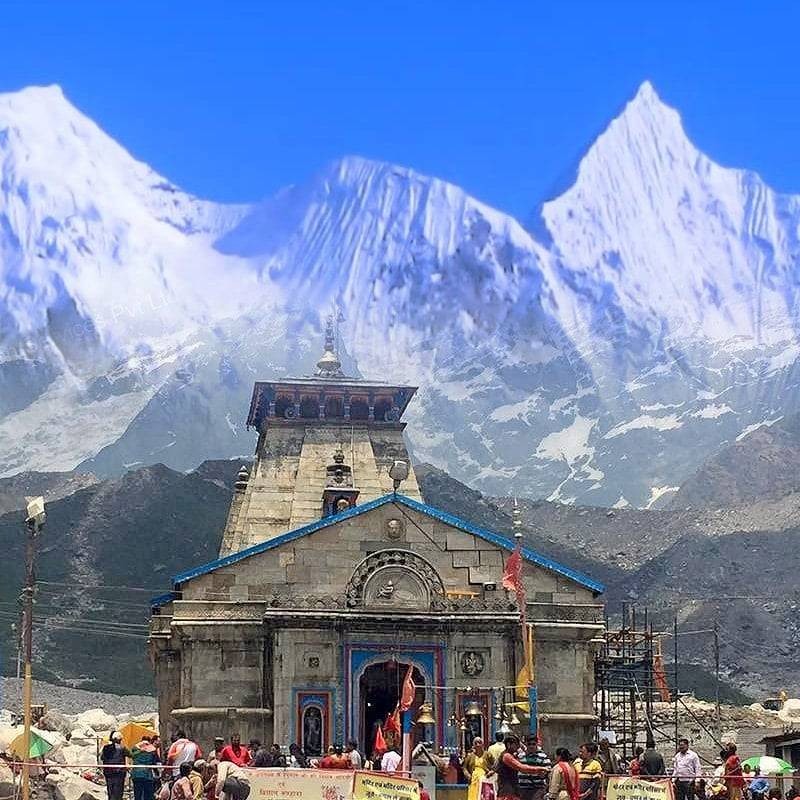
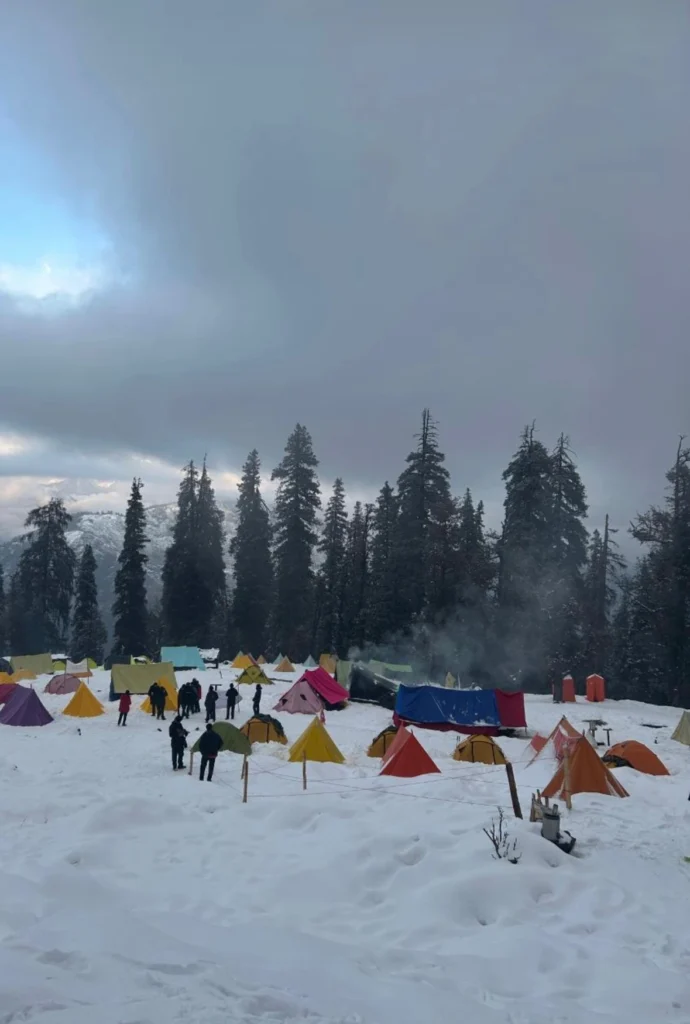
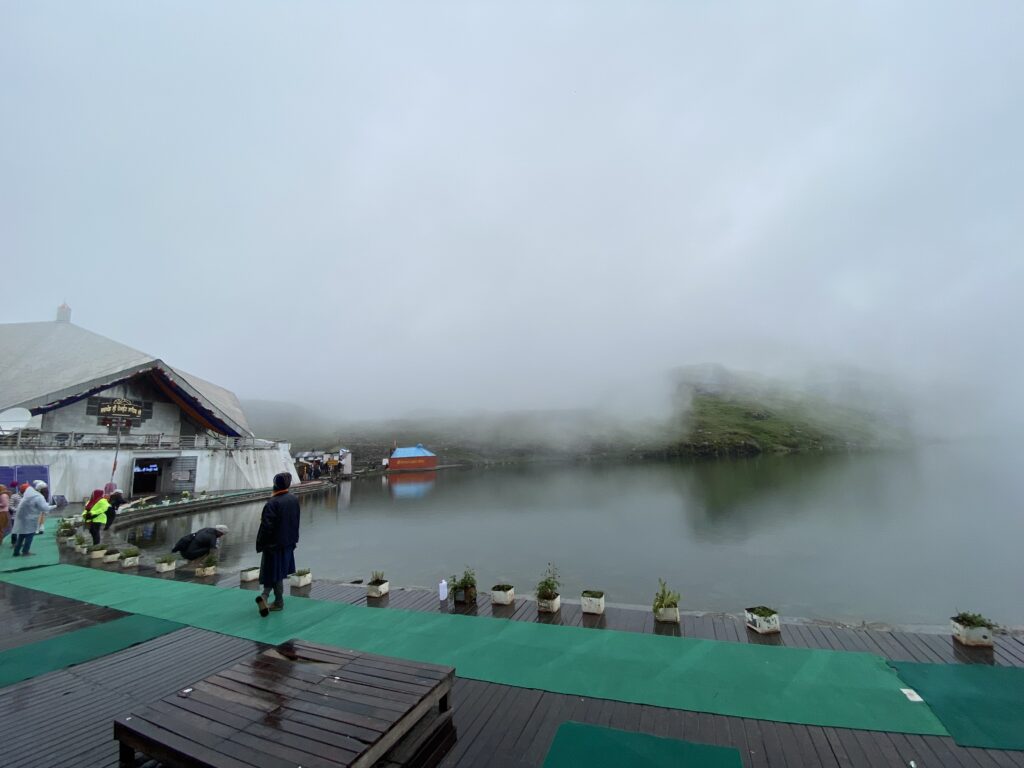
The journey begins with an early morning drive from Rishikesh to the charming town of Pipalkoti (≈4,000ft), serving as our first night’s halt in the hills. This is a long and scenic drive of approximately 8 to 9 hours, tracing the historical road along the Alaknanda river. The drive is punctuated by views of the holy confluences, including Devprayag, Rudraprayag, and Karnaprayag. Arriving in Pipalkoti by late afternoon, we check into a comfortable guesthouse/hotel. This stop provides essential rest and initial acclimatization before we head to the higher trekking start point.
Pangarchulla Peak Trek
- Pick Up: Joshimath
- Drop: Joshimath
- Location: Joshimath Base Camp
Send an enquiry
Overview
The Pangarchulla Peak Trek is an exhilarating expedition into the heart of the Garhwal Himalayas, designed for those who seek the rewarding challenge of reaching a true summit. Unlike simple viewpoint treks, Pangarchulla offers a magnificent journey to a height of 15,100ft, providing one of the most comprehensive and close-up panoramic experiences in Uttarakhand.
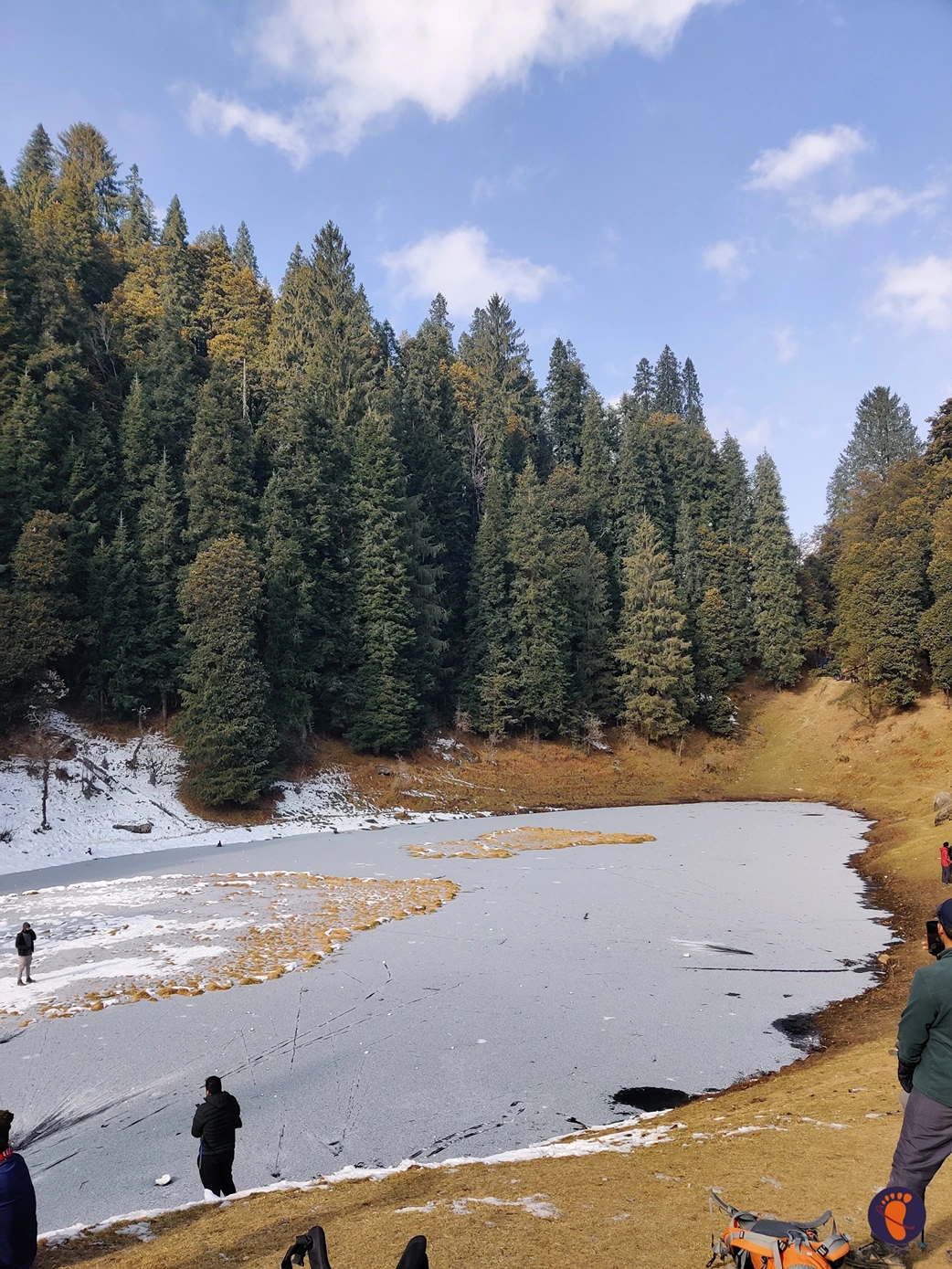
The Pangarchulla Peak Trek is celebrated for its dramatic contrasts, moving from the dense, enchanting forests to the desolate, windswept alpine summit. The initial days of the trek transport you through a vibrant tapestry of Himalayan flora—trekking beneath ancient groves of Golden Oak, Silver Oak, Cedar, and towering Rhododendrons. This biodiversity haven, where you might spot the elusive Himalayan Monal or the Musk Deer, builds the perfect atmosphere for the adventure ahead. The journey threads through classic high-altitude campsites like Khullara, offering serene stops that allow you to fully absorb the scale of the mountains.
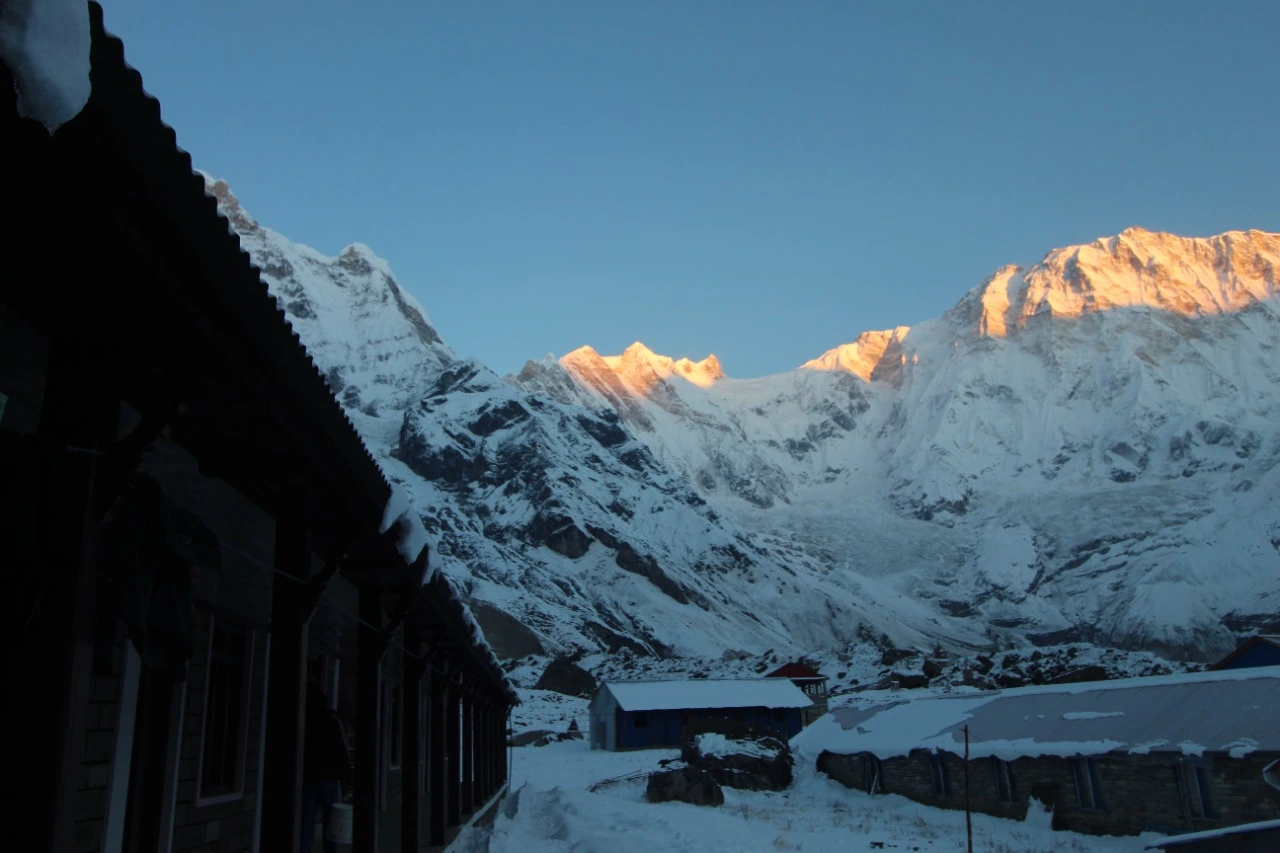
The climax of the trek is the legendary 360∘ vista from the peak. Standing at 15,100ft, you are granted a view so wide and profound that it encompasses the entire canvas of the Greater Himalayas. You can gaze upon the formidable giants of the region, including the majestic Nanda Devi, Trisul, Kamet, Dronagiri, Kedarnath Main, and Kedar Dome. The pre-dawn summit push, often requiring the use of an ice axe to navigate the thrilling summit ridge walk, adds an intense mountaineering flavour, making the moment the sun hits these peaks an unforgettable achievement.
The Pangarchulla Peak lies near the historical Kuari Pass, a route made famous by Lord Curzon who trekked here in 1905, establishing its status as one of the world’s finest trekking experiences. While the peak itself is a challenging mountaineering goal, the region is steeped in the mythology of the Himalayas. Many of the peaks you view from the summit—such as Dronagiri (linked to the mythological mountain that carried the Sanjeevani Booti in the Ramayana) and the Kedarnath range—are revered as sacred seats of the gods.
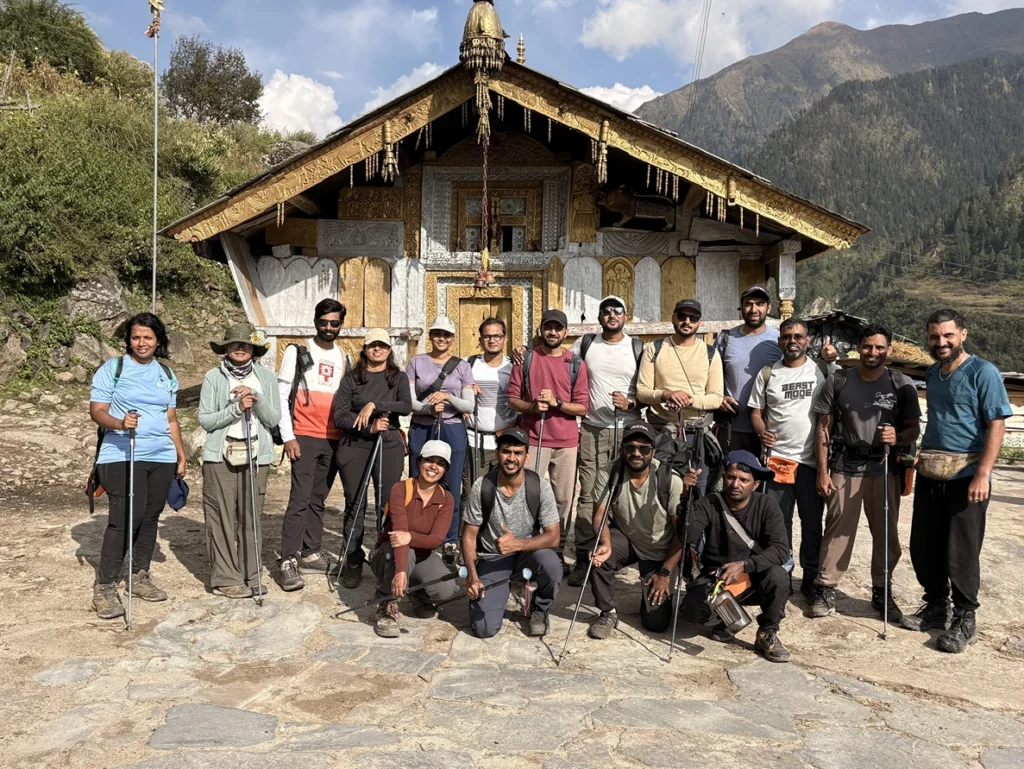
Furthermore, the trek offers a profound cultural immersion. The route passes through charming, traditional Garhwali villages like Tugashi, where you can witness the authentic, slow-paced life of the mountain communities, characterized by terraced fields and slate-roofed houses. This blend of ancient spirituality, challenging ascent, and local culture elevates the Pangarchulla trek beyond a mere hike into a complete Himalayan odyssey.
Highlights
Itinerary
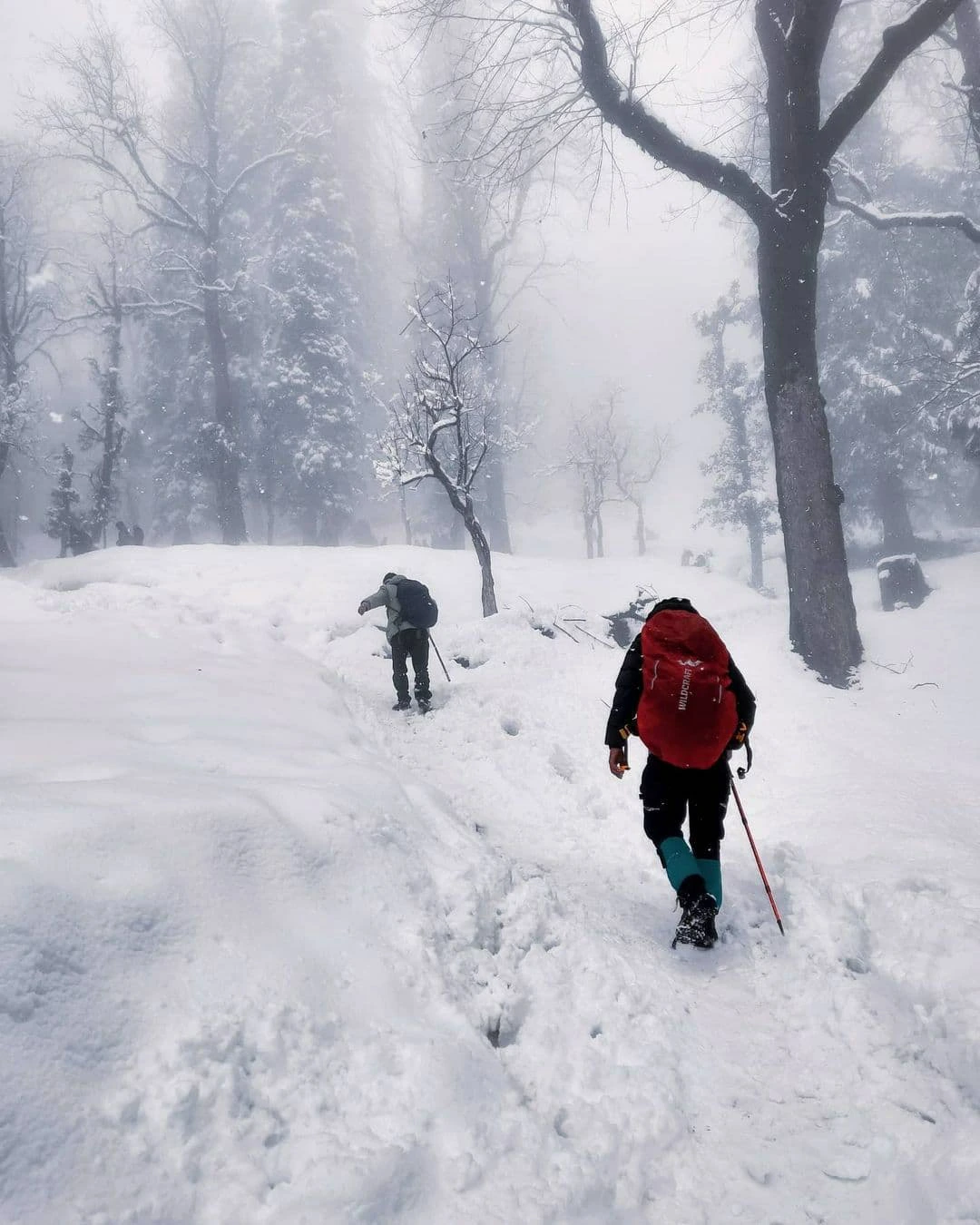
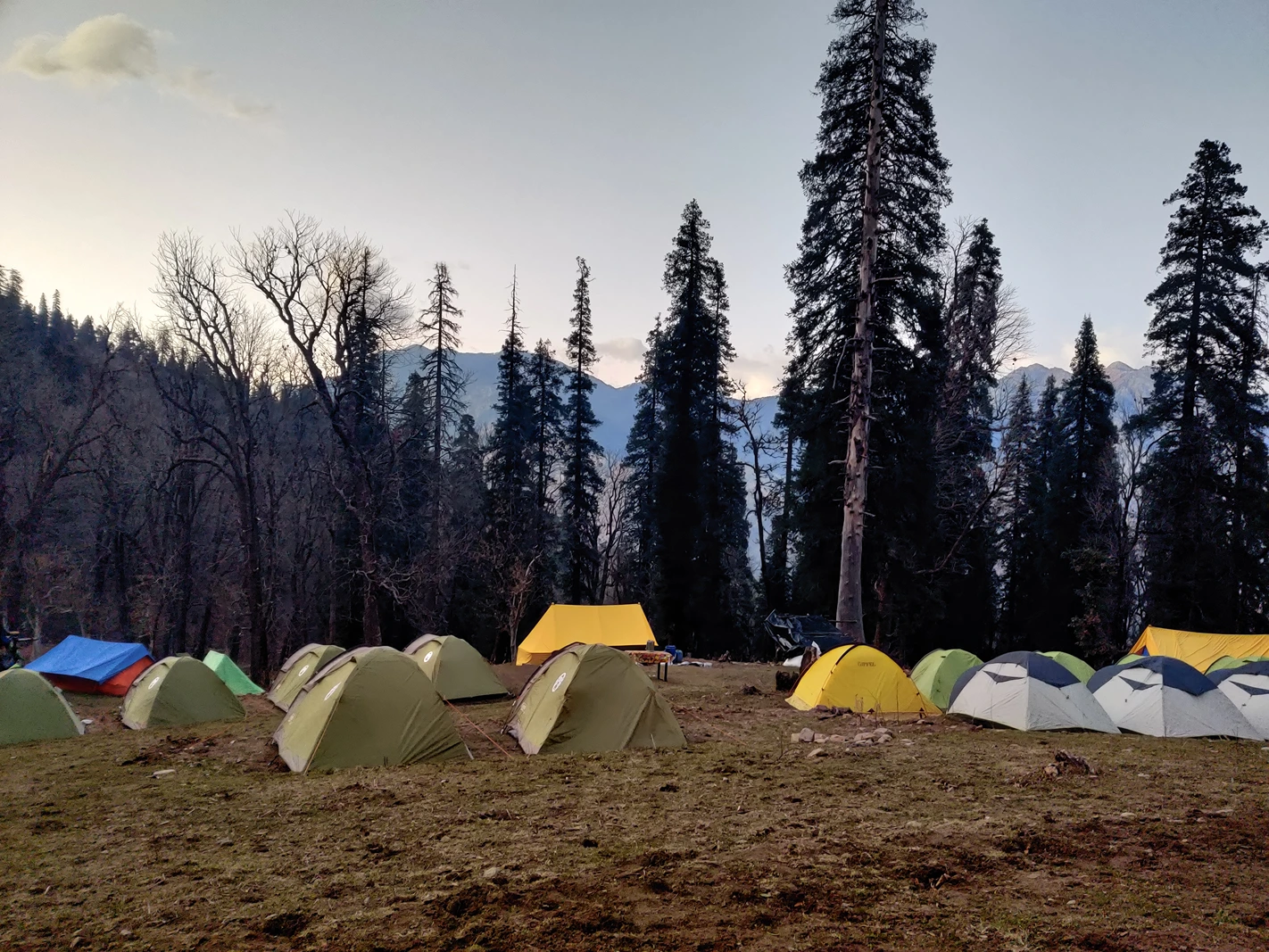
After breakfast, we take a short drive to the small, traditional Garhwali village of Tugasi (≈7,000ft), the official starting point of our trek. From here, the ascent begins. The trek to Gulling Top (≈9,600ft) is a moderate climb of about 4km, taking approximately 4 to 5 hours. The trail winds through dense forests of oak and rhododendron, opening up to fantastic views of the surrounding valleys and the first glimpse of the massive Himalayan peaks. We set up camp at the beautiful Gulling Top meadow for the night.
Meals
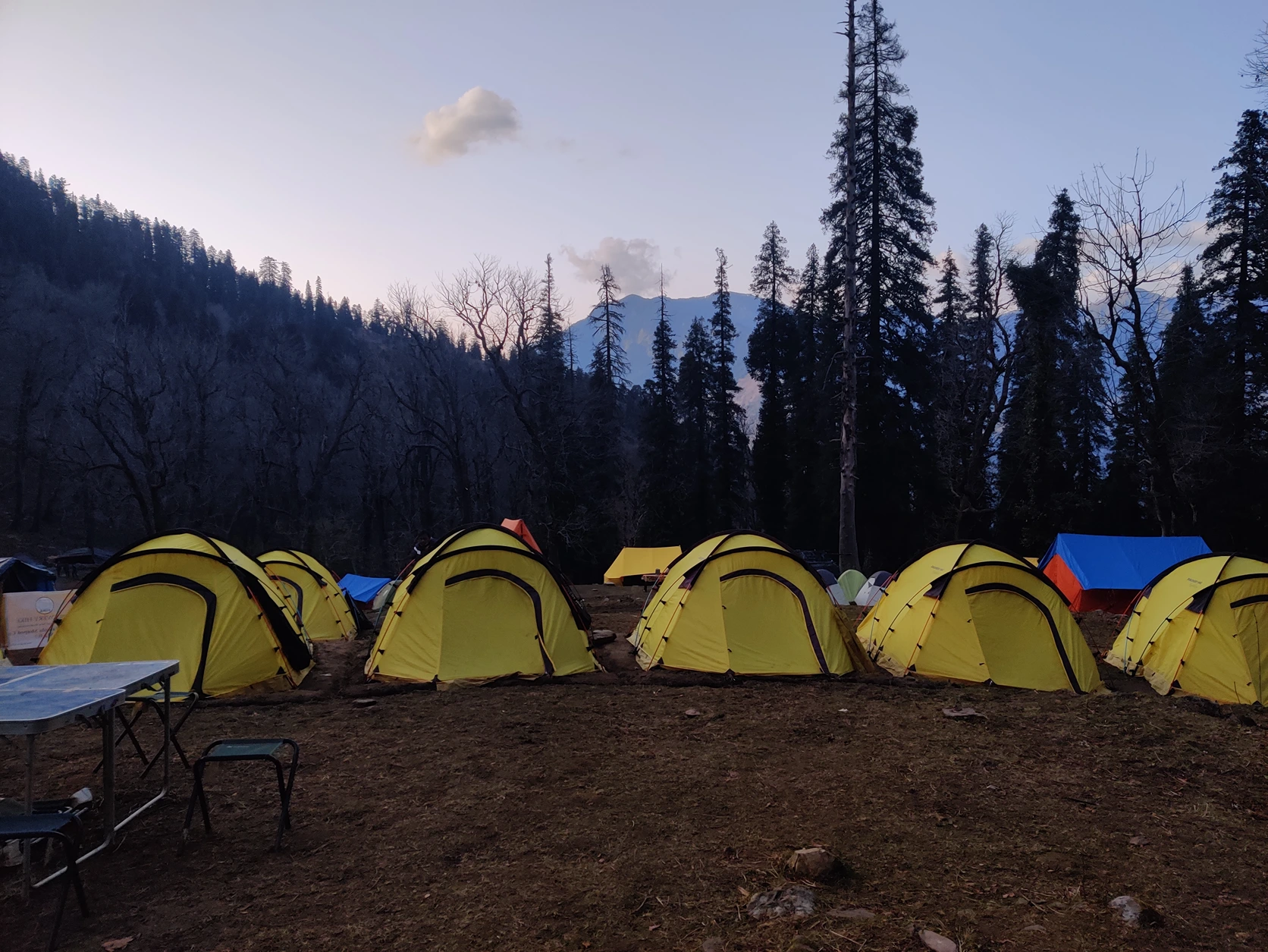
Today’s trek is a picturesque journey that transitions you fully into the high alpine environment. The trail continues through dense forest sections, covering roughly 6km in 4 to 5 hours. The final reward is reaching Khullara Camp (≈11,200ft), one of the most stunning alpine campsites in the region. This spot offers a vast, open view of the mountain panorama, including peaks like Dronagiri. Khullara will serve as our stable base camp for the summit push, allowing the body to adapt to the altitude.
Meals
This is a crucial day dedicated entirely to acclimatization. We undertake an ascent to the legendary Kuari Pass (≈12,700ft), often called Lord Curzon’s Trail. This approximately 5 to 6 hour round-trip hike is vital for optimizing our body’s preparedness for the high-altitude summit push the next day. The views from Kuari Pass are historic, offering spectacular perspectives on Nanda Devi, Trisul, Kamet, and Hathi-Gauri. We return to Khullara Camp for an early dinner and detailed summit briefing.
Meals
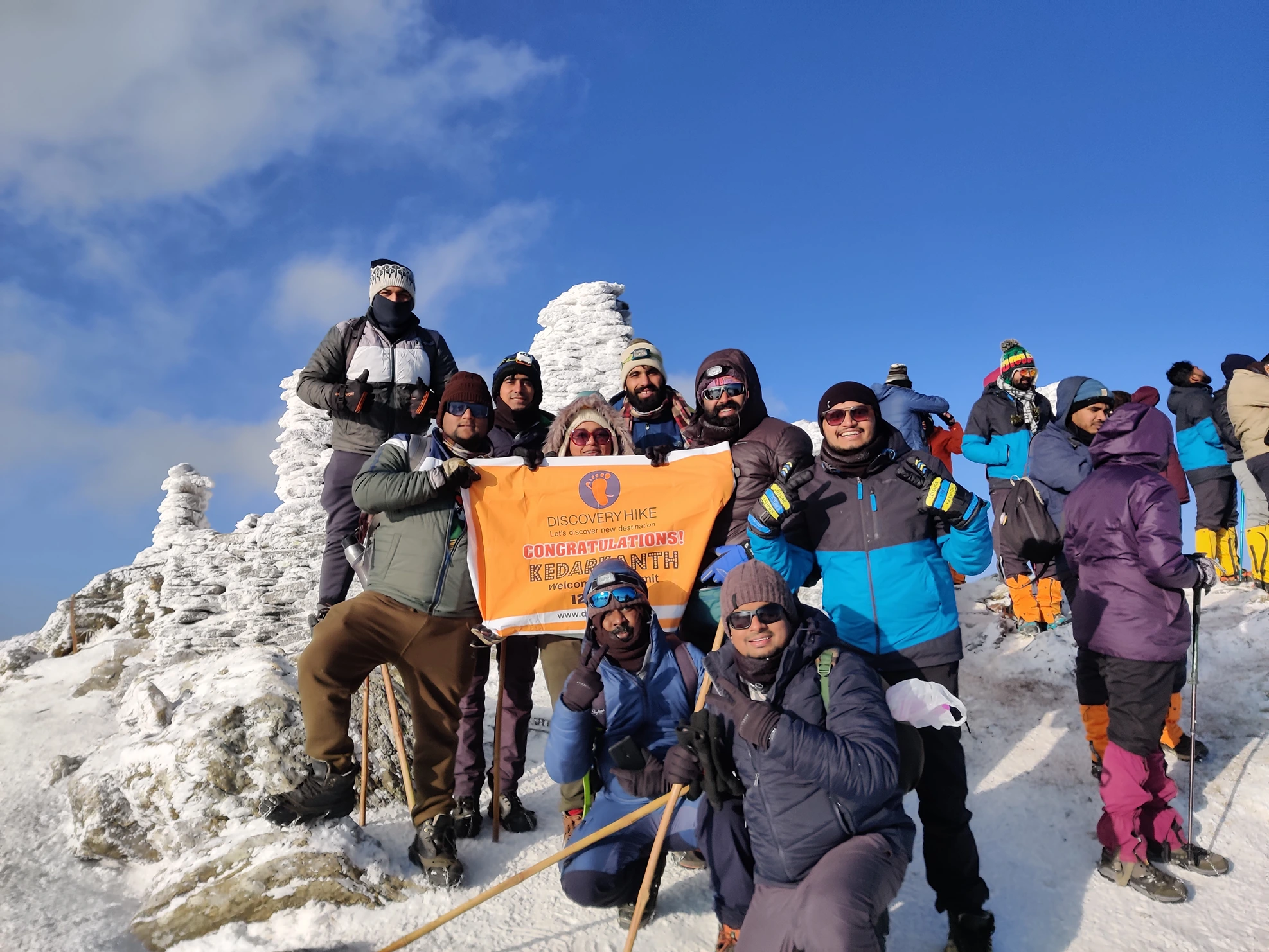
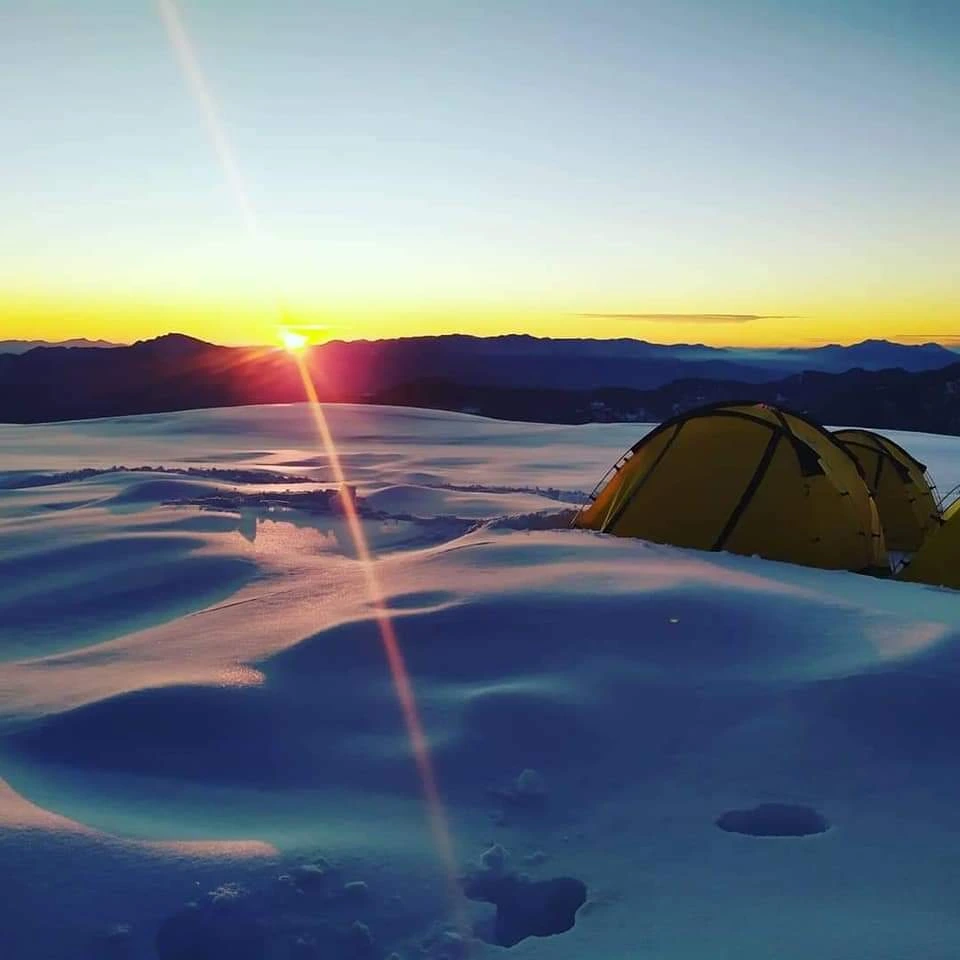
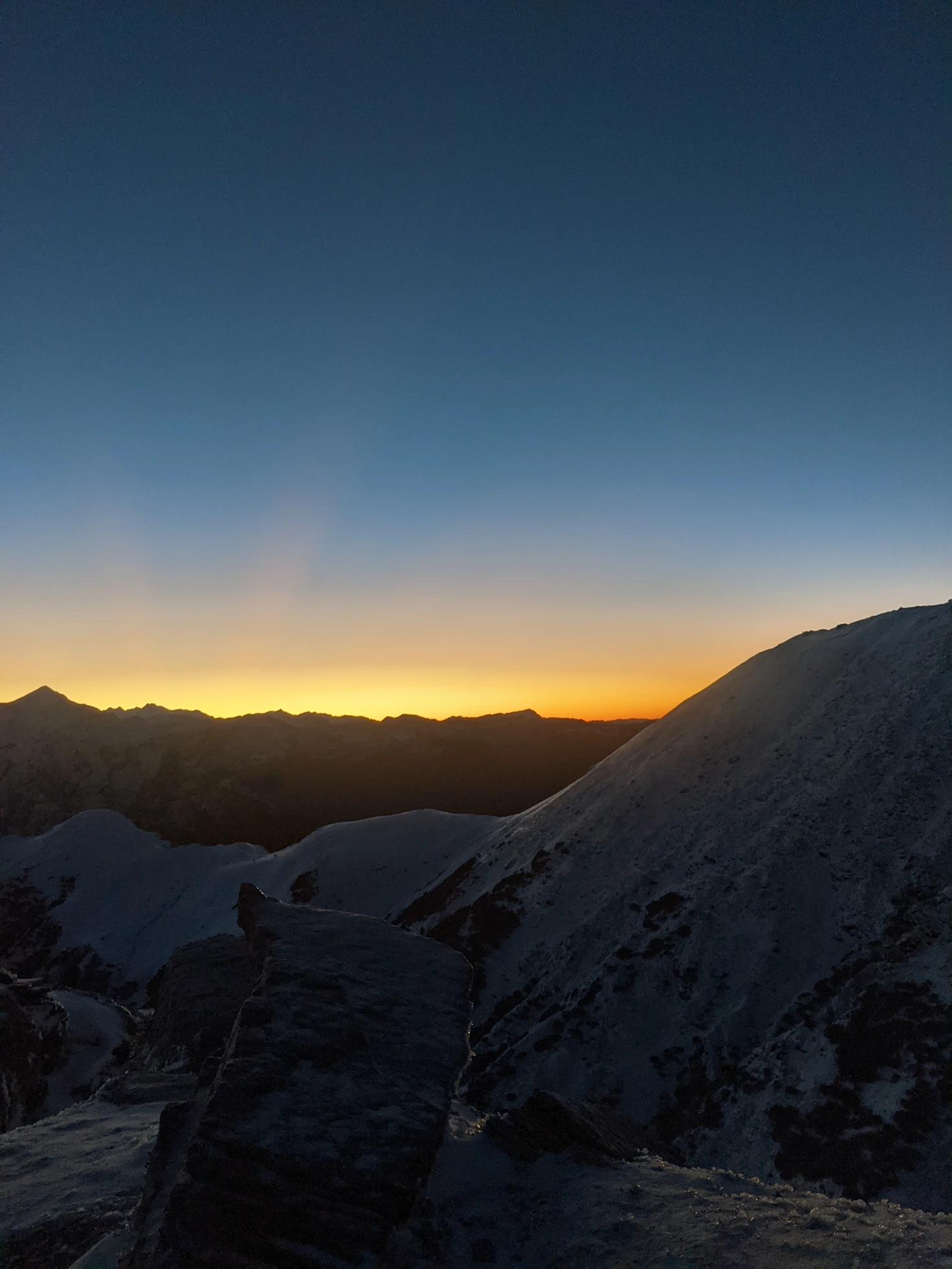
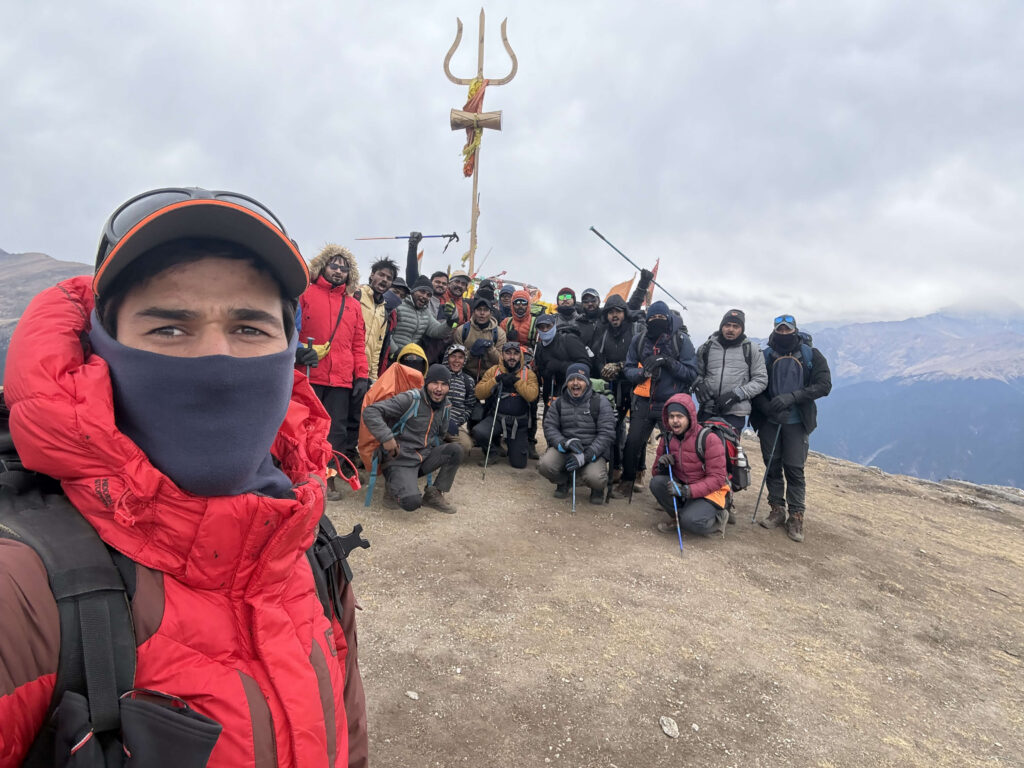
This is the Summit Day, requiring an extremely early start—typically between 1:00 AM and 2:00 AM. We begin the challenging ≈10km ascent to Pangarchulla Peak (≈15,100ft). The climb is steep and demanding, often requiring the use of technical aids like microspikes, and involves navigating a thrilling, exposed ridge toward the top. Reaching the summit at sunrise rewards you with an awe-inspiring, unobstructed 360∘ panoramic view of the Garhwal giants. After soaking in the achievement, we carefully descend the steep ridge and trek all the way back to the Khullara Camp.
Meals
Today is primarily a descent day. We enjoy a leisurely breakfast at Khullara before beginning the long, easy descent back to Tugasi Village, retracing our steps through the forests. The trek takes about 5 to 6 hours. Upon reaching Tugasi, we board our waiting vehicles for the short drive back to the hotel/guesthouse in Pipalkoti for a well-deserved night of rest and celebration in a comfortable bed.
Meals
The final day involves the long return drive from Pipalkoti back to Rishikesh. We start early, around 6:00 AM, to cover the ≈250km distance. The drive takes approximately 8 to 9 hours. Trekkers are usually dropped off at the Rishikesh Bus Station/Railway Station by late afternoon (between 5:00 PM and 6:00 PM), marking the end of the exhilarating Pangarchulla Peak expedition.
Meals
Good to know
Inclusions
-
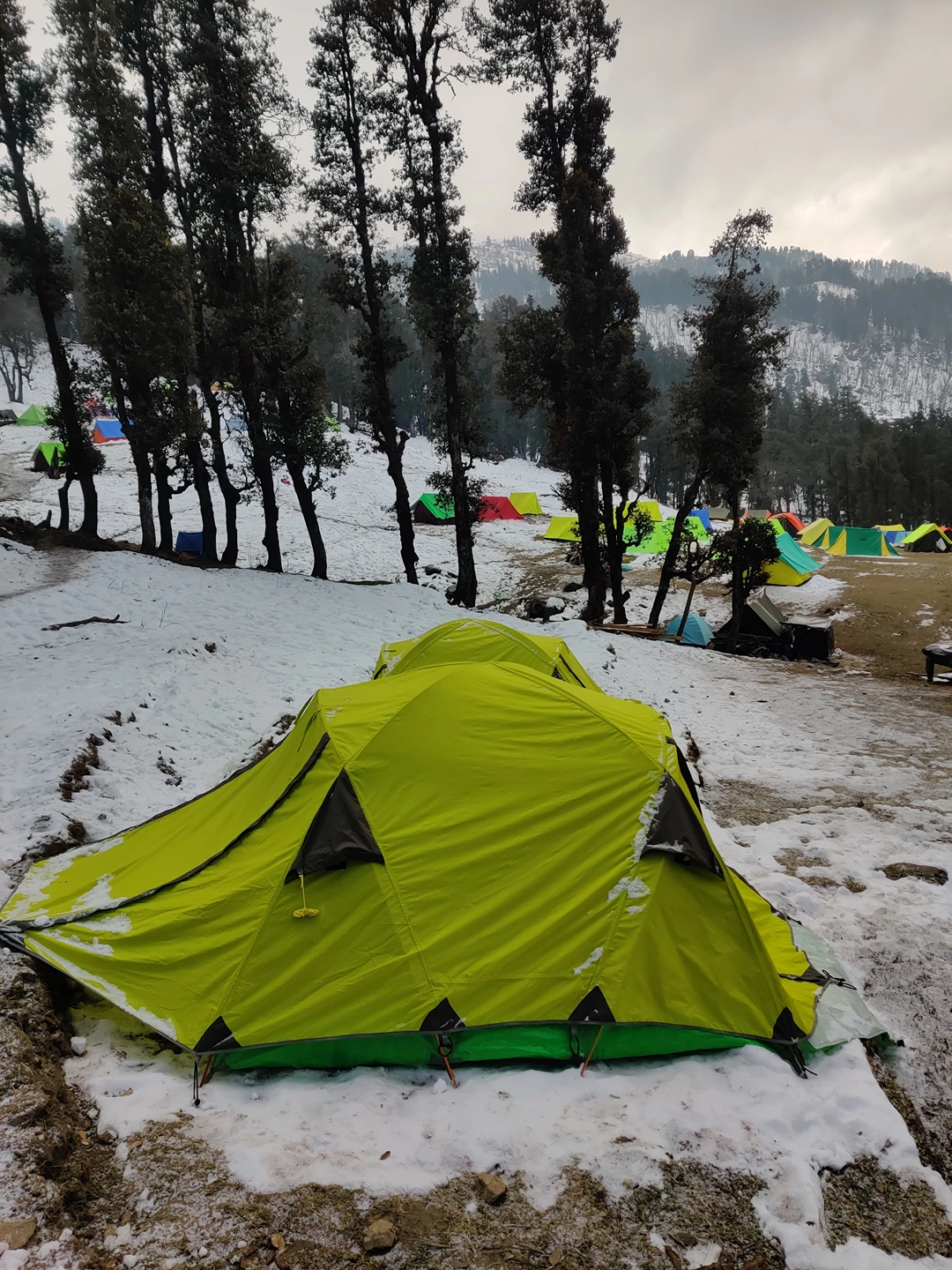
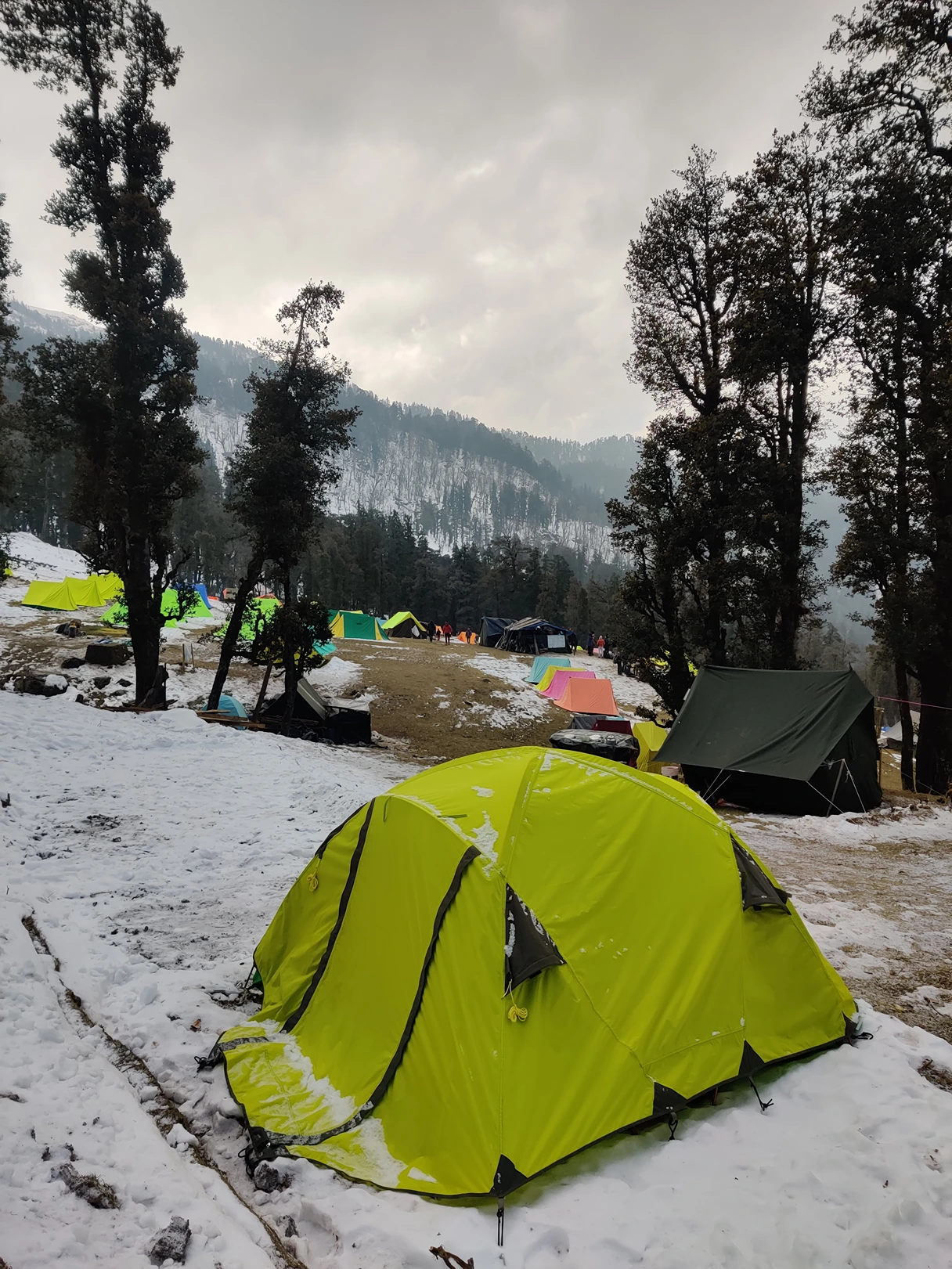
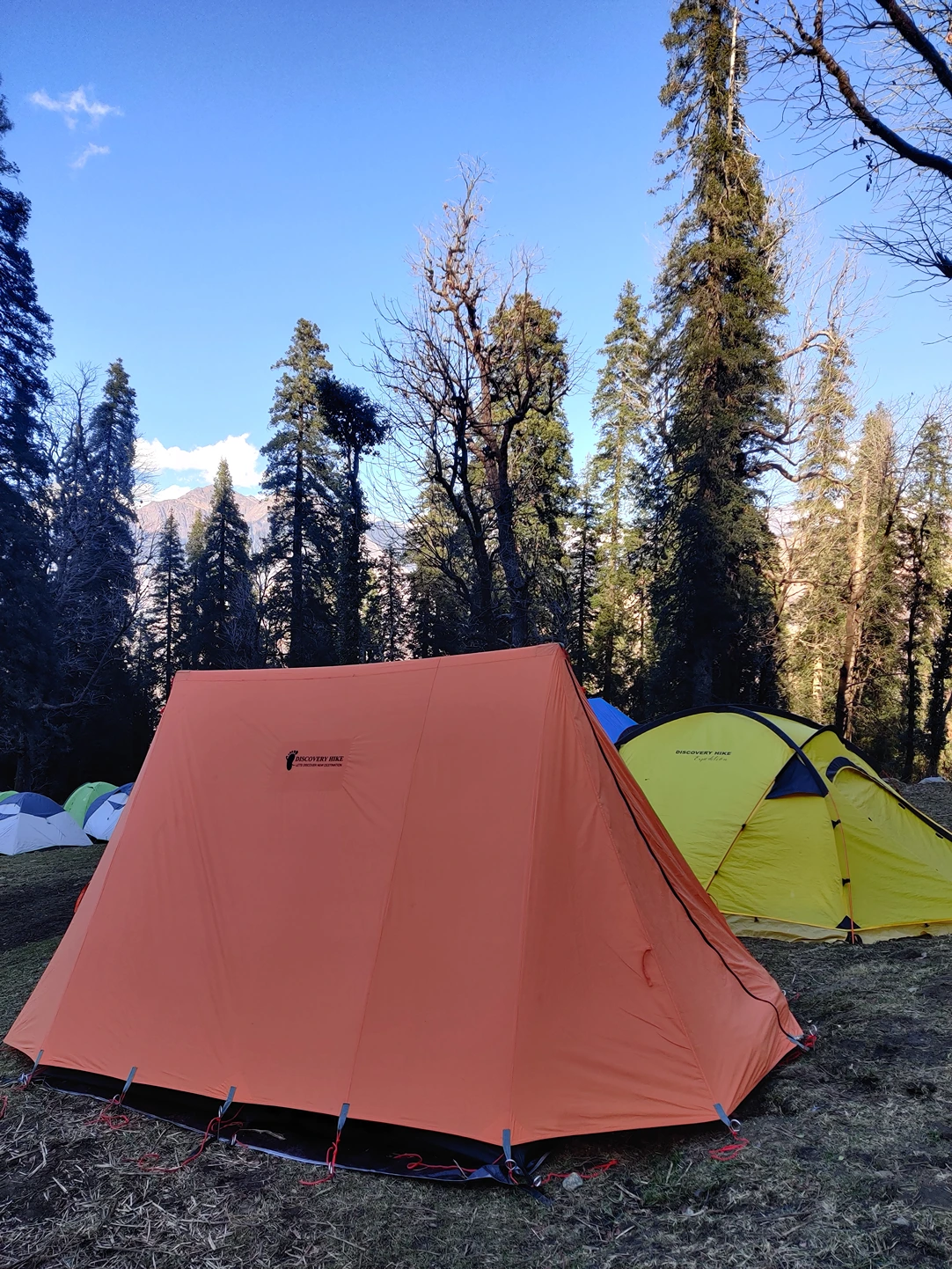
Accommodation on Trek: All nights spent on the trail (Day 2 to Day 5) in high-quality tents (twin-sharing basis). The first and final nights in Pipalkoti are covered in a guesthouse/hotel.
-
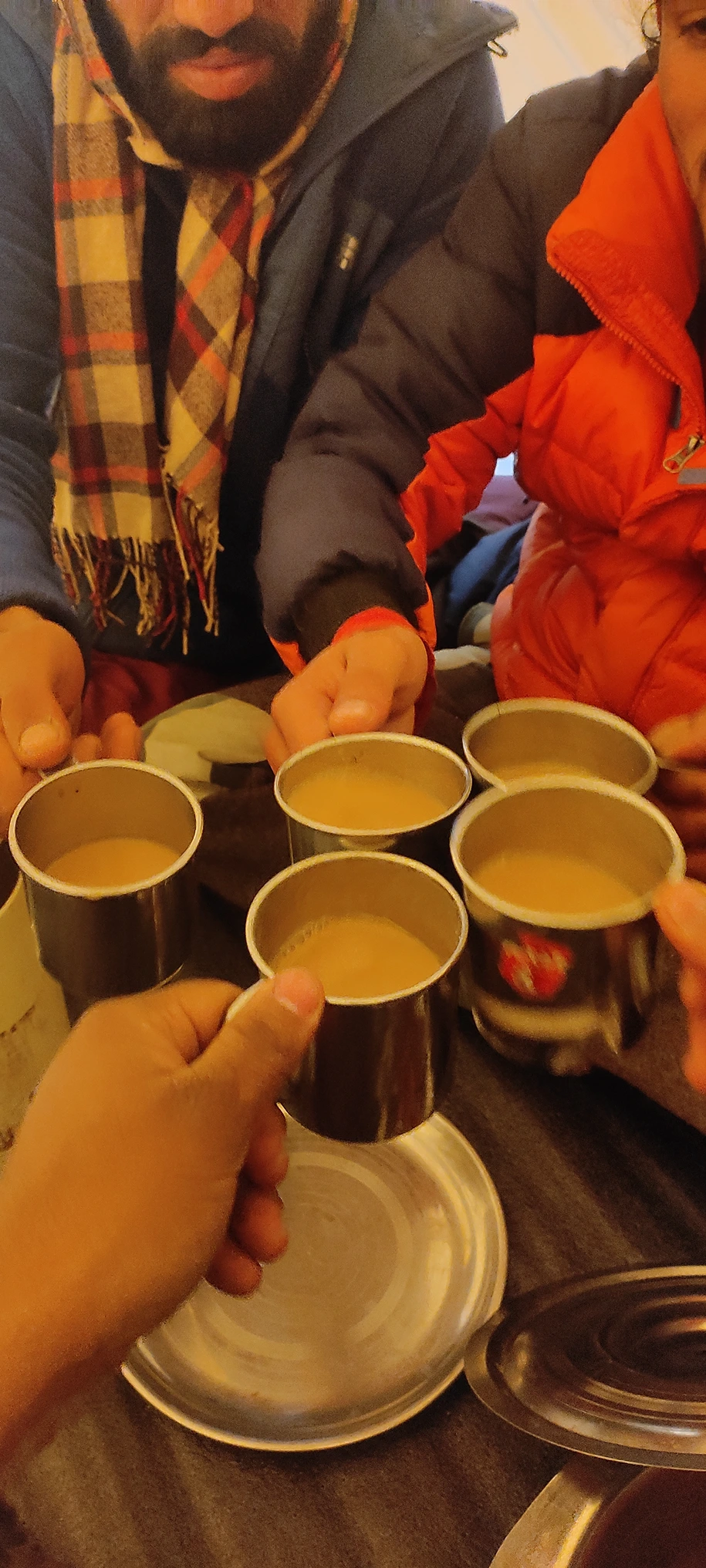
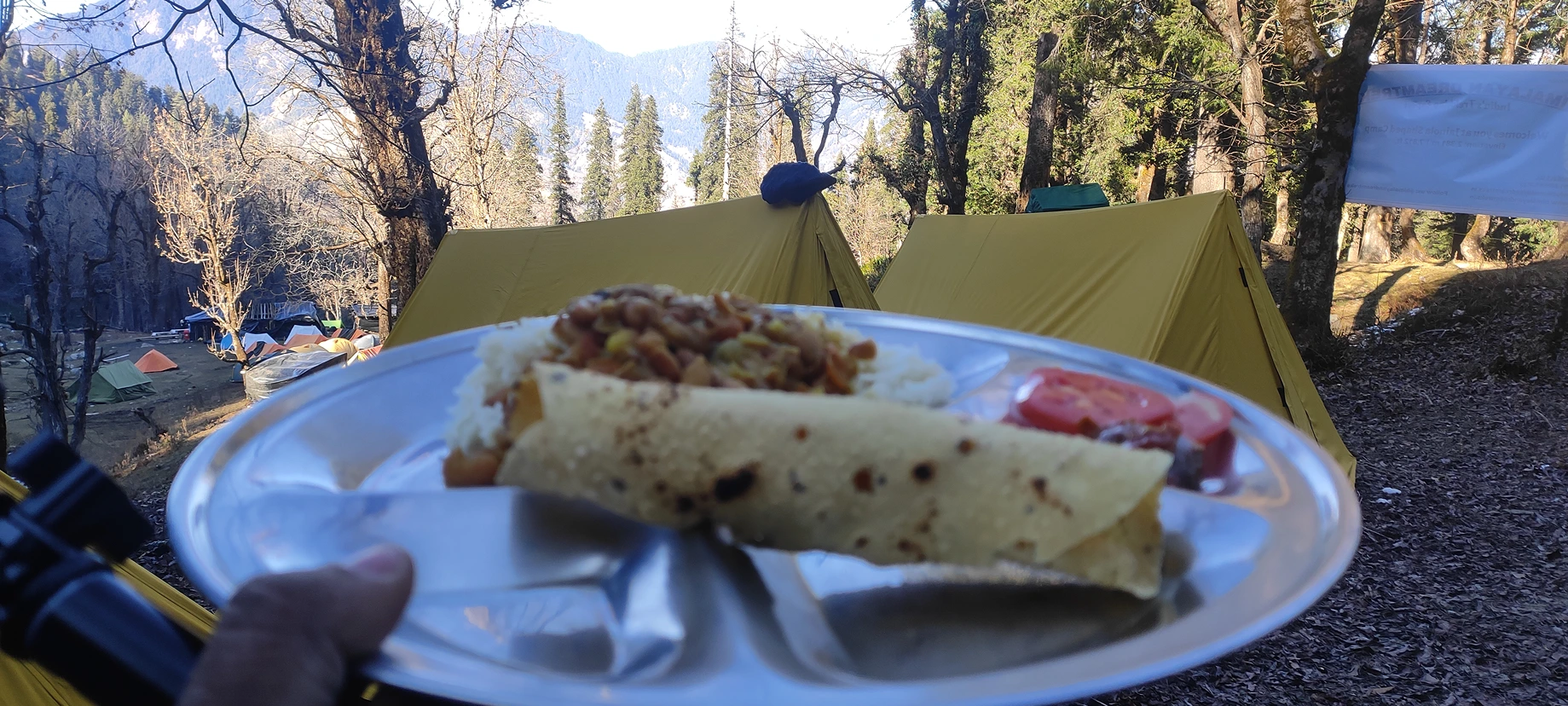
Meals: All meals from Day 1 Dinner to Day 6 Dinner are included, provided by our experienced staff. This consists of nutritious, hot vegetarian meals (breakfast, packed lunch, evening snacks, and dinner).
-
Transportation: The entire journey between the base camp and the trek start/end: the round-trip drive from Rishikesh to Pipalkoti and back. This also includes the short drive from Pipalkoti to Tugasi Village (the trek start).
-
Staff and Support: Fees cover the highly skilled team, including the Certified Trek Leader (WFR-trained), local guides, cooks, and support staff. Their expertise is crucial for safe summit attempts.
-
Permits and Fees: All necessary forest entry fees, camping charges, and trekking permits required for the Pangarchulla Peak region.
-
Safety Equipment: Access to essential safety gear carried by the team, including a comprehensive first-aid kit, Pulse Oximeter, emergency oxygen cylinders, and a pre-planned emergency evacuation system.
Exclusions
-
Trek Insurance: Mandatory personal travel, medical, or evacuation insurance. This is a crucial exclusion due to the high altitude.
-
Personal Gear Rental: The cost of renting or purchasing your personal high-altitude trekking gear (e.g., mountaineering boots, technical layering, ice axe, or gaiters).
-
Emergency Expenses: The cost of any emergency evacuation, rescue operation, or unforeseen medical treatment outside of the first-aid provided on the trail.
-
Meals during Transit: Food expenses during the long drives on Day 1 (Breakfast/Lunch) and Day 7 (Lunch/Dinner) are typically not included.
-
Personal Costs: Costs for personal items like snacks, bottled water, toiletries, or tips/gratuities for the support staff.
-
Taxes: The mandatory Goods and Services Tax (5%) is generally listed as separate from the base fee.
Things to Carry
Must cover ears. Essential for retaining body heat.
Crucial for summit day to protect the nose and mouth from cold wind.
MANDATORY. Snow glare is intense and can cause snow blindness. Must be UV protected.
Thermal tops (full sleeve). Must be synthetic or Merino wool. NO COTTON.
Fleece jacket (thick). Your primary source of warmth.
Padded jacket (Polyfill/Down). Heavy, windproof, and water-resistant.
Thermal bottoms (leggings).
Quick-dry, synthetic trekking trousers. Avoid jeans/shorts.
High-ankle, sturdy, waterproof trekking boots with good grip.
3–4 pairs of thick woolen/synthetic trekking socks (for the day) and 2 pairs of dry woolen socks (for sleeping only).
1 pair of woolen/fleece inner gloves and 1 pair of heavy, waterproof outer gloves.
MANDATORY. Carry extra batteries.
Carry a 1-liter bottle and a thermos to keep water from freezing.
Essential for high-altitude UV protection.
Toothbrush, wet wipes, and any personal prescription drugs.
For carrying water, jacket, snacks, and personal items during the trek.
Sleeping Bag, Sleeping Mat, Tents, Crampons, Gaiters, and Trekking Poles (use optional).
How to reach
The journey to the Pangarchulla Peak Trek begins in the gateway city of Rishikesh and involves a long, but deeply scenic, drive to the first overnight halt at Pipalkoti.
Part I: Reaching the Gateway (Rishikesh)
Rishikesh serves as the mandatory meeting and starting point for the trek, as the drive to the base camp is too long to start after an overnight bus from Delhi. Plan to arrive in Rishikesh one day before the official Day 1 start.
| Mode of Transport | Nearest/Best Hub | Time/Distance from Delhi | Notes |
| By Air | Jolly Grant Airport (DED), Dehradun | ≈45 mins drive to Rishikesh. | The fastest way; regular taxis are easily available from DED to Rishikesh. |
| By Rail | Haridwar (HW) or Rishikesh (RKSH) | Overnight journey. | Haridwar Junction is a major railway station with better connectivity than Rishikesh. |
| By Road/Bus | Rishikesh ISBT | ≈6 to 7 hours | Frequent overnight and day Volvo/AC sleeper buses operate from Delhi’s ISBT. |
Part II: The Final Leg to Pipalkoti (The Base Camp Halt)
Pipalkoti is the designated overnight halt on Day 1 before the trekking officially begins the next day at Tugasi village.
- iRoute: Rishikesh → Devprayag → Rudraprayag → Karnaprayag → Nandaprayag → Pipalkoti.
- iMode: The entire journey is covered by a pre-arranged shared or reserved taxi, as this is the most logistically viable option for covering the distance.
- iTimeline: The drive covers approximately 250km and takes a scheduled 8 to 9 hours.
- iEssential Note: This drive must begin very early (around 6:00 AM) on Day 1 to ensure that you reach Pipalkoti in daylight, allowing for adequate rest and acclimatization before starting the trek on Day 2. The journey offers spectacular views of the holy confluences of the Alaknanda and its tributaries.
How to prepare your body and mind for the trek
Your Mind & Body Compass
Pangarchulla Peak is the perfect choice for a first-time wellness trekker, but a reasonable level of fitness is essential to ensure you enjoy the experience, especially given the rapid altitude gain.
Physical Conditioning (8 Weeks Prior):
- iCardiovascular Fitness: Commit to a daily routine of 4-5 kilometers of walking or jogging. Focus on building endurance to comfortably manage the steep sections.
- iStrength and Flexibility: Incorporate basic strength training (squats, planks) and gentle Himalayan-focused stretching to condition the muscles and joints for carrying a backpack.
Mental & Respiratory Conditioning:
- iMastering the Breath: Begin a routine of Pranayama (breathing exercises). Practices like Anulom Vilom (Alternate Nostril Breathing) are vital for improving lung capacity and ensuring a smooth, relaxed acclimatization at high altitude.
- iWeather Readiness: Be prepared for the transformative nature of Himalayan weather. While daytime can be manageable (10°C to 15°C), winter nights are intensely cold, dropping to -4°C or lower. Our high-quality gear is provided to support your journey safely through the cold.
Refund & Cancellation
We aim for clear and fair practices regarding cancellations. We know plans can change, and our policy is designed to balance flexibility for you with the operational needs of running a trek.
If Crux Himalaya Cancels Your Trek
-
If we are forced to cancel a trip for reasons beyond our control (such as natural disasters, route closures, or governmental mandates), you will receive a Trek Voucher. This voucher is valid for one year and can be applied toward the original trek or any other available trek.
-
If the cost of the new trek is higher, you must pay the difference. If the cost of the new trek is lower, we will refund the surplus amount.
-
If the cancellation is due to insufficient bookings (fewer than three participants), you will receive a full monetary refund.
If You Cancel Your Trek
| Cancellation Window | Refund | Notes |
|---|---|---|
| More than 30 days prior to the trek start date | 100% refund | Full refund of trek fee |
| Between 15 and 30 days prior to the trek start date | 50% refund | Balance forfeited |
| Within 1 to 15 days prior to the trek start date | No refund | Pre-booked logistics; refund not applicable |
30+ days before trek start
Full refund of trek fee
15–30 days before trek
Balance forfeited
1–15 days before trek
Refund not applicable
FAQs
The peak is located in the Garhwal Himalayas of Uttarakhand, in the Chamoli district. The summit altitude is approximately 15,010 feet (around 4,575 meters).
The trek is generally rated as Moderate to Difficult or Challenging. The initial days are moderate, but the summit push is long (10-12+ hours), very steep, and can involve climbing on snow/boulders, which makes it challenging. It is often recommended for those with prior high-altitude trekking experience.
The standard itinerary is typically 5 to 6 days (Joshimath to Joshimath) or 6 to 7 days (Dehradun/Rishikesh to Dehradun/Rishikesh). The total trekking distance is around 30-38 km.
Spring (March to April) and Autumn (September to November). March-April is popular because the snow cover on the summit route is firm, making the climb easier than traversing exposed boulders. September-October offers clear skies and pleasant weather, though the summit may have challenging boulders instead of snow.
During the best seasons, expect daytime temperatures of 5°C to 15°C (lower on summit day) and nighttime temperatures from 0°C down to -10°C or lower at high campsites, especially in the colder months.
The trail is diverse: it passes through rhododendron and oak forests, lush meadows (Bugyals) like Gorson, and a steep, challenging final ascent on snow or large boulders to the summit ridge.
It is generally considered a non-technical peak climb, meaning no advanced mountaineering skills like rope work are usually required. However, on summit day, technical gear like microspikes/crampons and gaiters are often needed and provided by the trek operator for walking on snow/ice.
A high level of physical fitness is essential. You should be able to complete a 5 km run in 35-40 minutes and comfortably carry a daypack for long durations. Start your preparation (cardio and strength training) at least 1-2 months before the trek.
Pangarchulla is a high-altitude trek (over 15,000 ft). Consult your doctor about taking Diamox (Acetazolamide) as a prophylactic or carrying it in your medical kit. Your trek leader will also carry a medical kit, including oxygen and emergency medicines for severe AMS/HAPE/HACE.
The main transit point is Joshimath. The trek often starts from a nearby village like Dhak or Tugasi, which are a short drive from Joshimath. The nearest major transport hubs are the railway station at Rishikesh and the airport at Dehradun (Jolly Grant Airport, DED).
You will typically have a mobile network (especially Jio/Airtel) in Joshimath. However, the signal will become sporadic or non-existent once you start trekking towards the higher campsites.
Yes, you can usually offload your main backpack onto a mule or porter for an additional charge. Most trekkers carry a smaller daypack with essentials, water, and snacks.
Food provided will be vegetarian and will include breakfast, lunch, dinner, and evening snacks/tea on trek days. Safe, boiled/filtered water for drinking will be provided at all campsites.
- Pick Up: Joshimath
- Drop: Joshimath
- Location: Joshimath Base Camp