Kedartal Trek

Trek Fee
₹ 14,999 ₹16,999
Save ₹2,000 (12% Off)
  • Pick Up: Gangotri
  • Drop: Gangotri
  • Location: Gangotri Base Camp
Note: Pick-up & drop details will be reconfirmed on WhatsApp after booking.

Overview

The Emerald Sanctuary of Shiva OR Confronting the Glacial Giants at the Foot of Shivling.

Kedartal is not merely a high-altitude trek; it is a profound journey into the wild, unadulterated heart of the Indian Himalayas. Located deep within the rugged Gangotri National Park in Uttarakhand, this trek stands apart as one of the most challenging and rewarding experiences in the Garhwal range, reserved for those with proven endurance and a deep respect for the mountain’s power. It takes the adventurous to a dizzying maximum altitude of over 15,500 feet, demanding sustained effort over multiple days in barren, icy terrain.

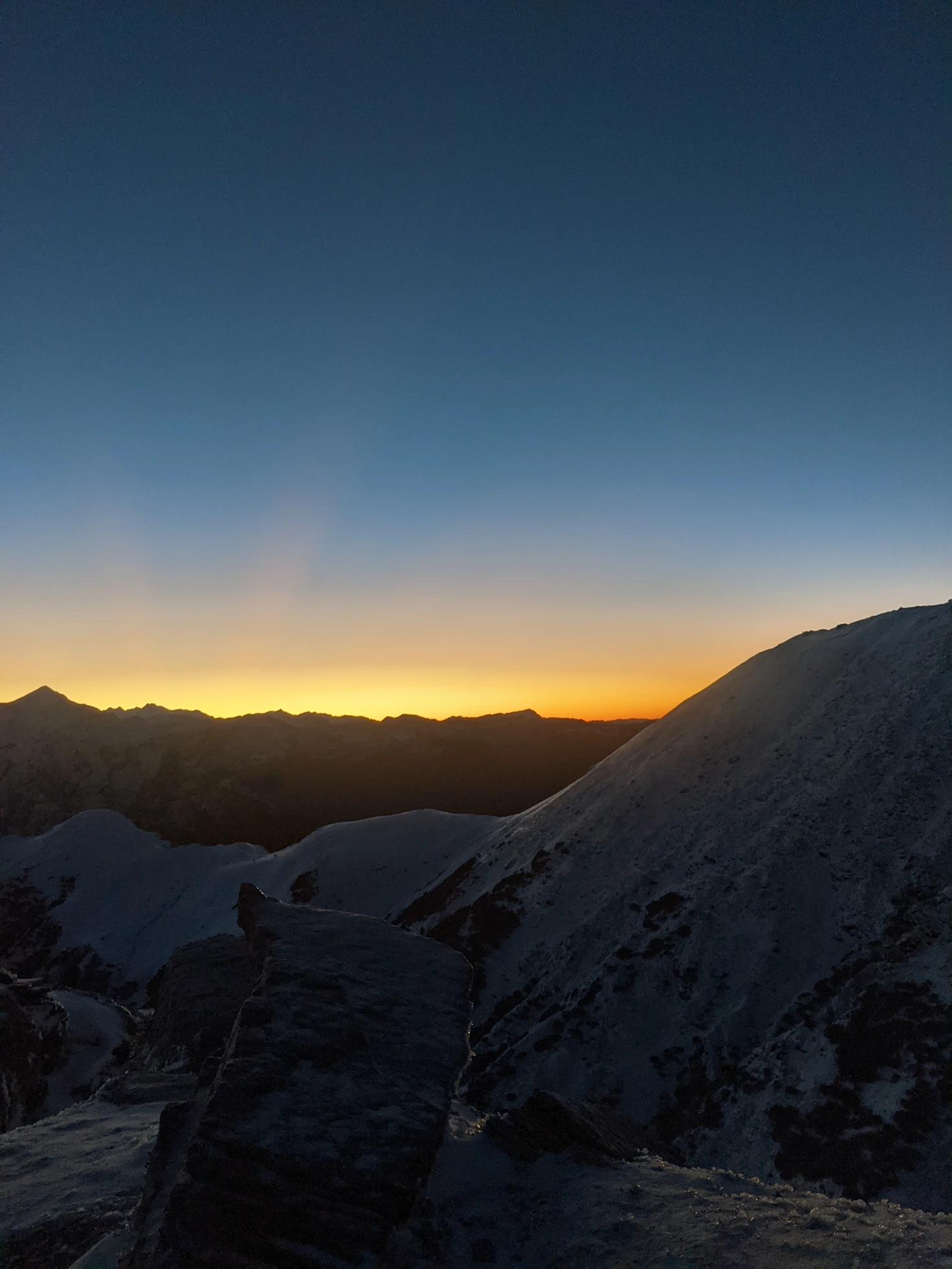
The ultimate destination is the breathtaking, emerald-green Kedartal Lake. This pristine, glacial lake sits high in a natural amphitheater, acting as a perfect, stunning mirror for the majestic peaks that encircle it. Trekkers are rewarded with an unrivaled, panoramic, and incredibly close-up view of some of the Himalayas’ most famous giants, including the spiritually iconic Mt. Shivling, the formidable Mt. Thalaysagar, and the colossal Bhagirathi Peaks. It is a visual testament to the sheer, unyielding beauty of the high alpine world.

The significance of Kedartal extends far beyond its physical beauty, tying it directly to the region’s ancient spiritual heritage. The name itself is derived from ‘Kedar,’ one of the epithets for Lord Shiva, the presiding deity of the Himalayas. This connection reinforces the belief that this rugged, remote sanctuary is truly sacred ground.

Geographically, Kedartal is the source of the Kedar Ganga, a vital, crystal-clear stream that rushes down the mountains to eventually merge with the Bhagirathi River at Gangotri. The Bhagirathi, in turn, is a primary headstream of the sacred River Ganga. Therefore, to trek to Kedartal is, in essence, to journey to one of the most remote, pure, and spiritually charged sources of life-giving water in the entire subcontinent. Historically, this trail was utilized by Sadhus and advanced pilgrims seeking isolation and union with the divine, lending the trek an air of austere, demanding sanctity that remains palpable today. This challenge demands full commitment, offering a spiritual and visual reward commensurate with the effort expended.

Highlights

Duration 7D/6N
Difficulty Moderate
Altitude 4725 m
Batch Size 21 people
Base Camp Gangotri
Pick & Drop Dehradun – Dehradun

Itinerary

Day
1
The Grand Approach to Uttarkashi (Drive: 6-8 hours) Meal

The trek begins with the essential first leg of travel, driving from the primary transport hub (Dehradun, Rishikesh, or Haridwar) to the intermediate base of Uttarkashi (3,799 ft). This 6 to 8-hour drive is vital for passive acclimatization and logistical coordination. Upon arrival, the trek Leader manages the critical administrative tasks: securing any outstanding Inner Line Permits (ILP) required for entry into Gangotri National Park and ensuring trekkers complete their final cash withdrawal, as this is the last town with reliable ATM access. The evening involves a mandatory, detailed briefing on high-altitude protocols and a final gear check before the final ascent drive on Day 2.

Meals

Breakfast
Lunch
Dinner
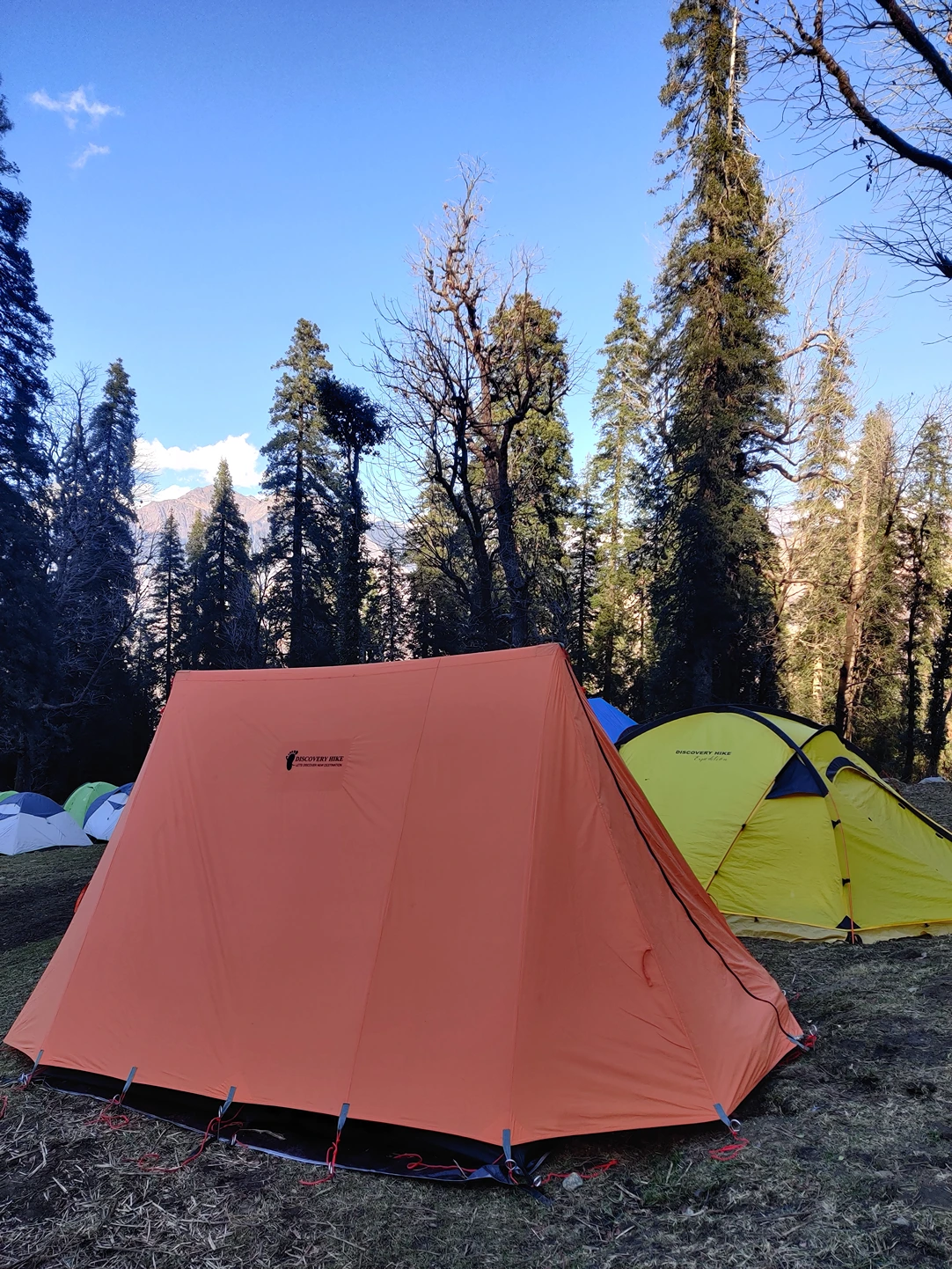
Today involves the major jump in altitude as we drive from Uttarkashi to the final base camp and pilgrimage town of Gangotri (10,200 ft). The 4 to 5-hour drive is spectacular, tracing the Bhagirathi River up to its spiritual source. This elevation gain (over 6,000 ft in one day) requires strict adherence to rest and hydration protocols upon arrival. Gangotri is a revered place, the location of a major Shiva Temple and the official entry point to the National Park. The afternoon is dedicated entirely to rest, acclimatization, and securing the final paperwork, preparing the body for the sustained physical effort that begins on Day 3.

Meals

Breakfast
Lunch
Dinner
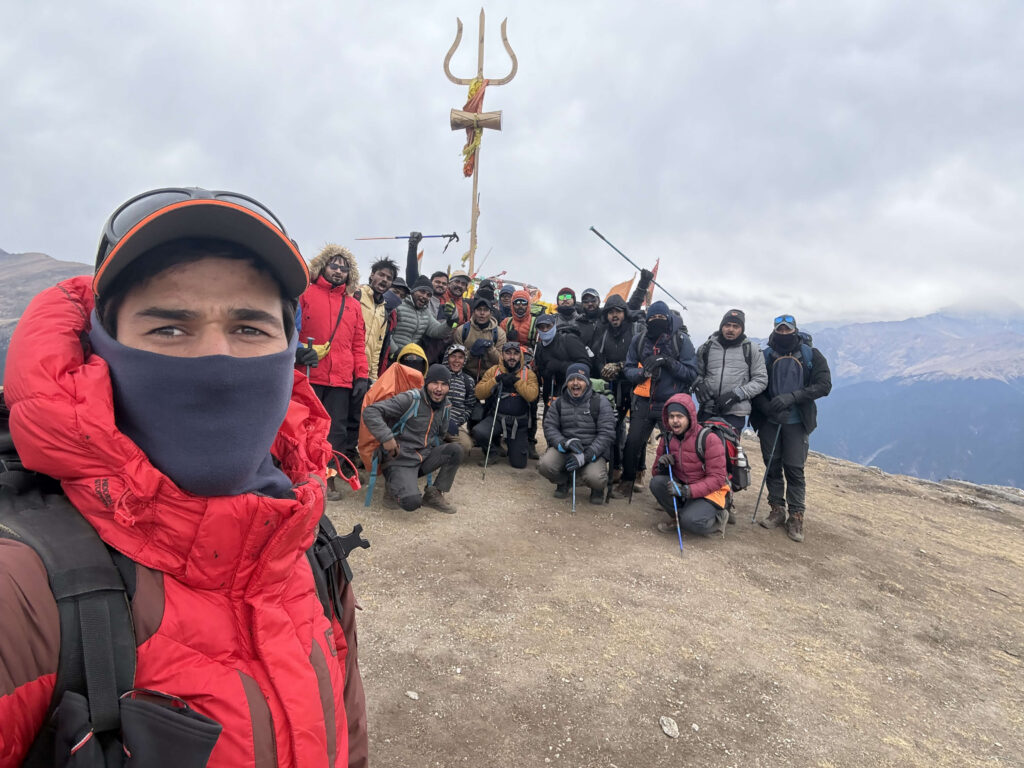
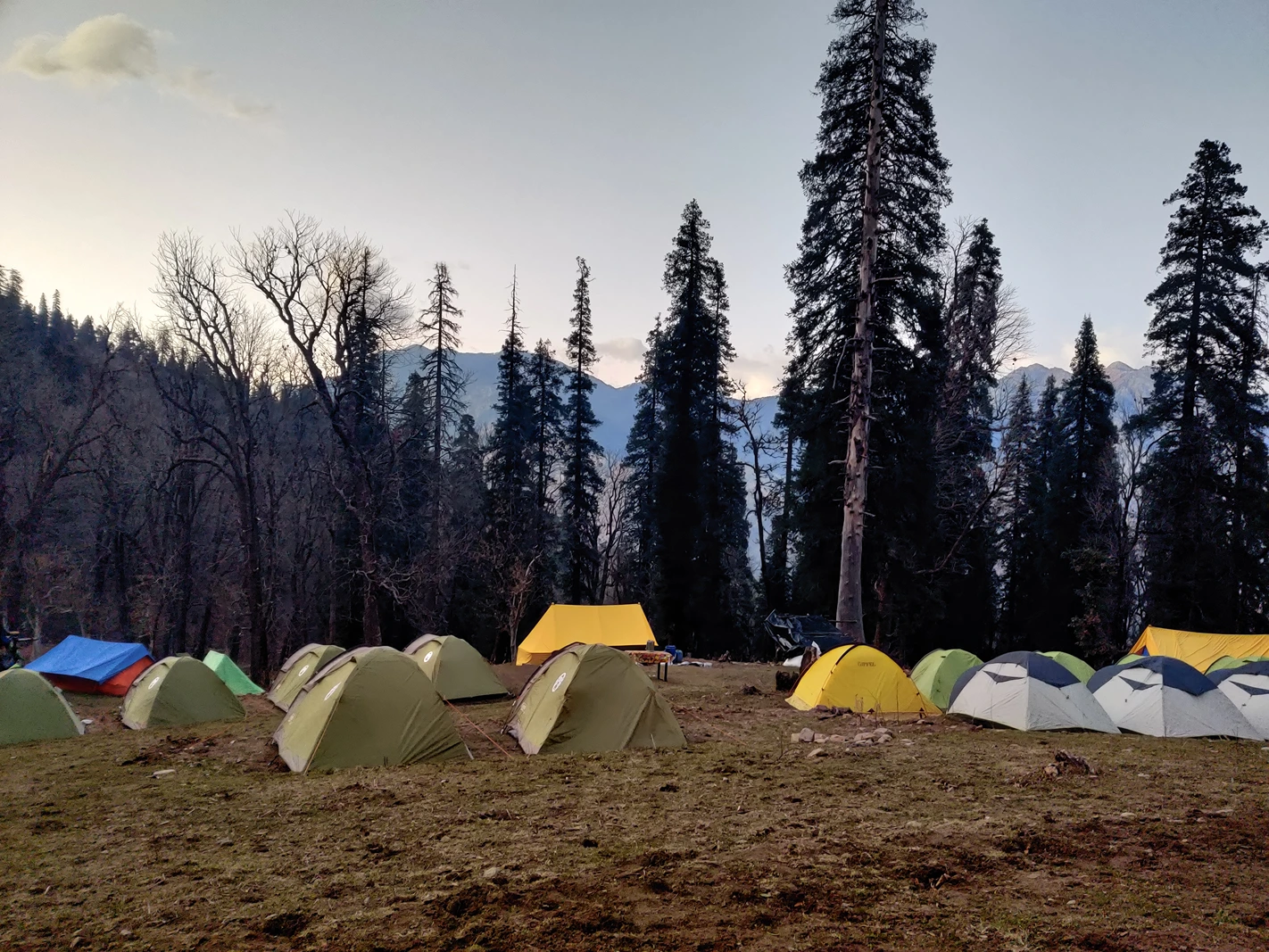
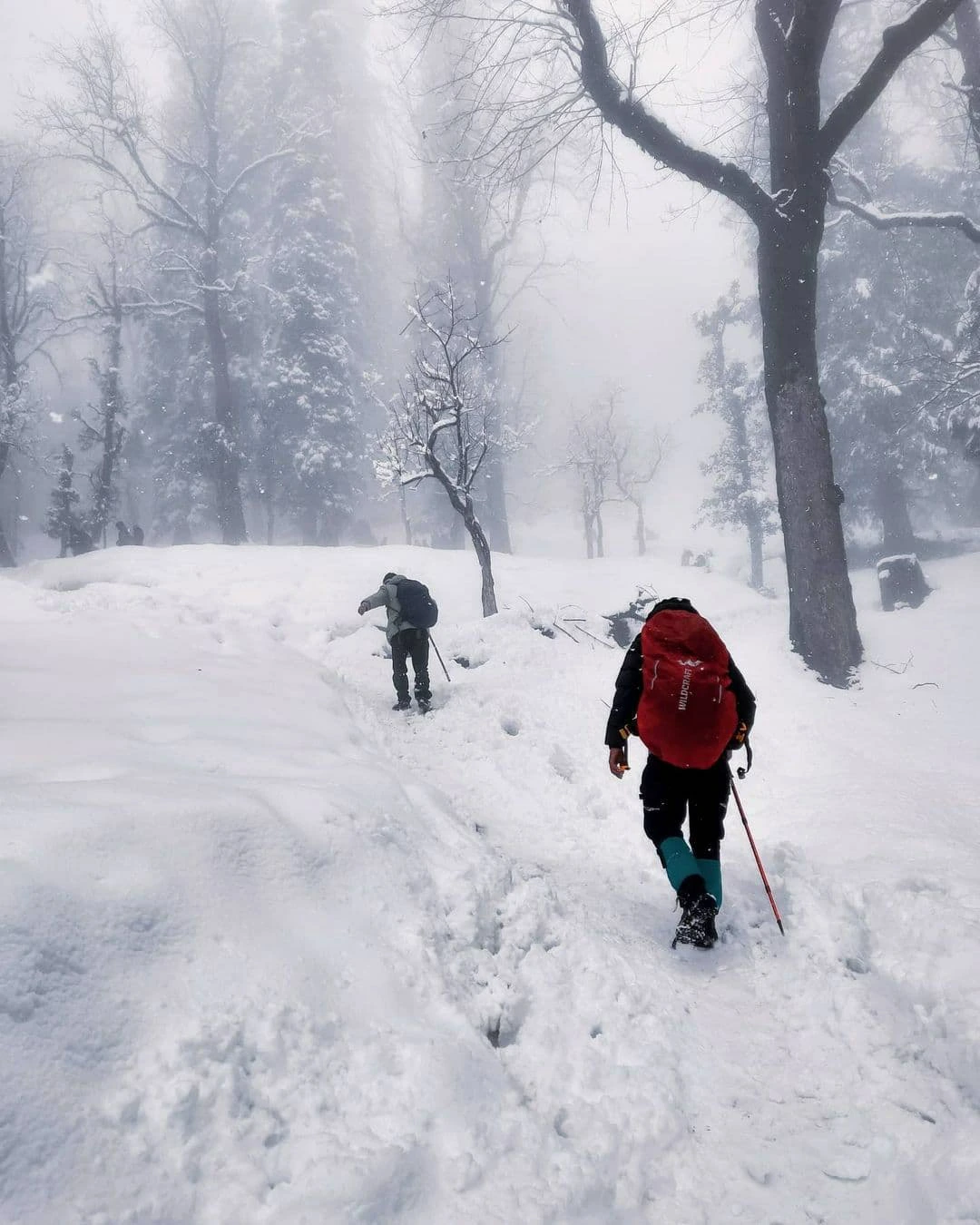
The trekking begins after the initial permit check at the Gangotri Gate. The path immediately starts climbing, following the sacred Kedar Ganga stream. This 4 to 5-hour section is crucial as it takes the team steeply out of the Bhagirathi Valley. The trail traverses through dense pine and birch forests, eventually leading to the tree line, marked by the famous bhojpatra (Himalayan Birch) trees. The campsite at Bhoj Kharak (12,500 ft) is located in an isolated clearing, providing a necessary, mid-elevation stopping point for acclimatization before entering the harsh alpine zone. The evening includes rigorous SpO2 monitoring and hydration checks.

Meals

Breakfast
Lunch
Dinner
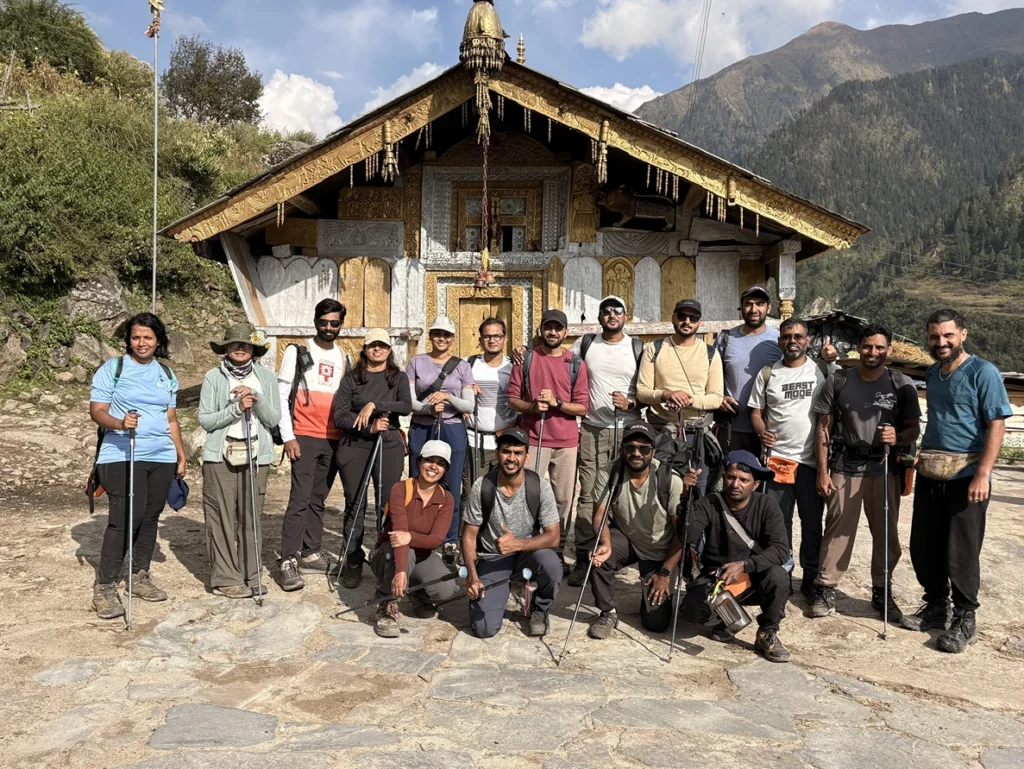
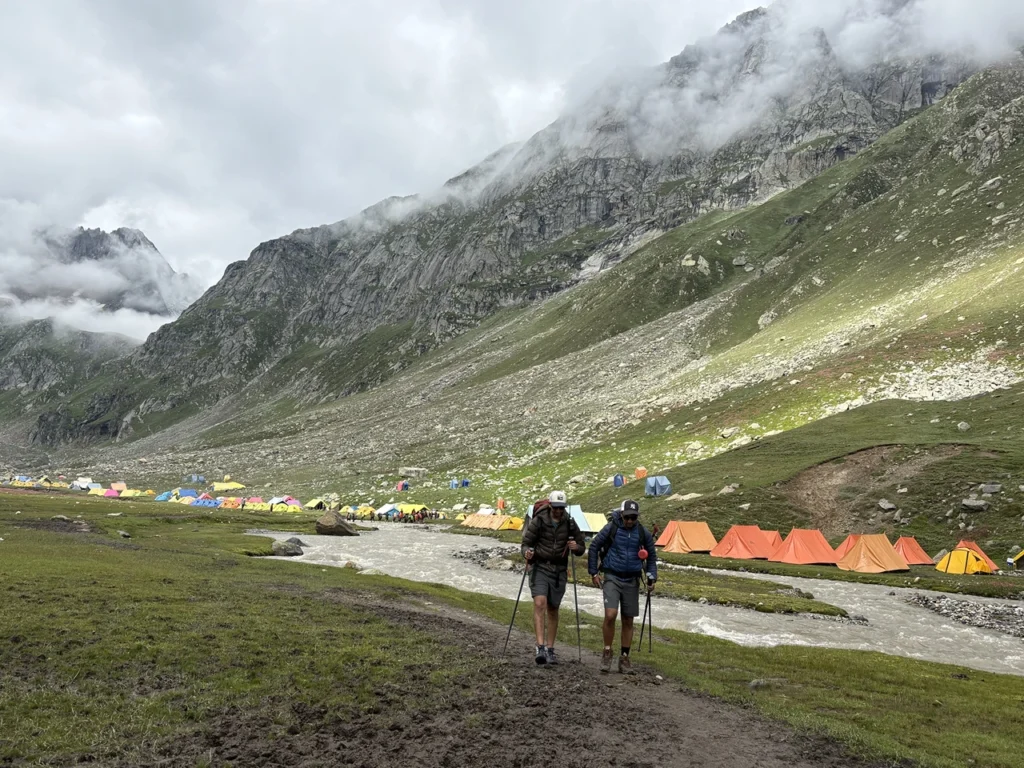
This day marks the official entry into the high alpine zone. The 4 to 5-hour trek is technically challenging, featuring exposed, rocky terrain. The route includes traversing the infamous, difficult section known as the Spider Wall (Jaspur)—a steep, rocky path that requires careful footing and concentration. As we gain elevation, the scenery changes dramatically, becoming barren and defined by glacial moraines and rocky scree. The team reaches Kedar Kharak (14,000 ft), a vast, expansive high-altitude meadow and the final camping spot before the summit push. A crucial Mindfulness Session is often held here, focusing on breath control and mental resilience for the challenge ahead.

Meals

Breakfast
Lunch
Dinner
This is the most demanding day of the trek. The team undertakes an early start to tackle the 5 to 7-hour round trip to the glacial lake. The ascent involves navigating challenging moraine fields and icy patches, requiring slow, deliberate footing and the potential deployment of fixed ropes or assistance from guides. Upon reaching the stunning Kedartal Lake (15,500 ft), the team is rewarded with the breathtaking sight of Mt. Shivling and Mt. Thalaysagar reflected perfectly in the emerald water. A moment of guided contemplation is held here to absorb the spiritual energy of this sanctuary. Following the ascent, the team descends carefully back to the Kedar Kharak high camp, with the WFR-certified guide performing immediate, crucial vitals and SpO2 checks to ensure immediate recovery.

Meals

Breakfast
Lunch
Dinner

The long descent begins today, a test of knee endurance and careful movement. The team rapidly loses altitude, retracing the path through Bhoj Kharak and back down the steep section into the forest line. This is a deliberate, long day of trekking, typically lasting 6 to 8 hours. The significant loss of altitude is a crucial safety measure for recovery and reversing the effects of sustained high-altitude exposure. The team camps back at the Gangotri base camp (10,200 ft), enjoying the relative warmth and better oxygen levels of the lower elevation.

Meals

Breakfast
Lunch
Dinner

The trek concludes with the full day of driving back to the primary transport hubs. The team starts early in the morning to complete the long drive, first to Uttarkashi, and then onward to Dehradun or Rishikesh. Trekkers are strongly advised to arrange their onward travel (trains, flights, etc.) for late evening (after 7:00 PM) to account for the highly likely delays encountered on the mountain roads. The trek officially ends upon arrival at the final drop-off point.

Meals

Breakfast
Lunch
Dinner

Good to know

Inclusions

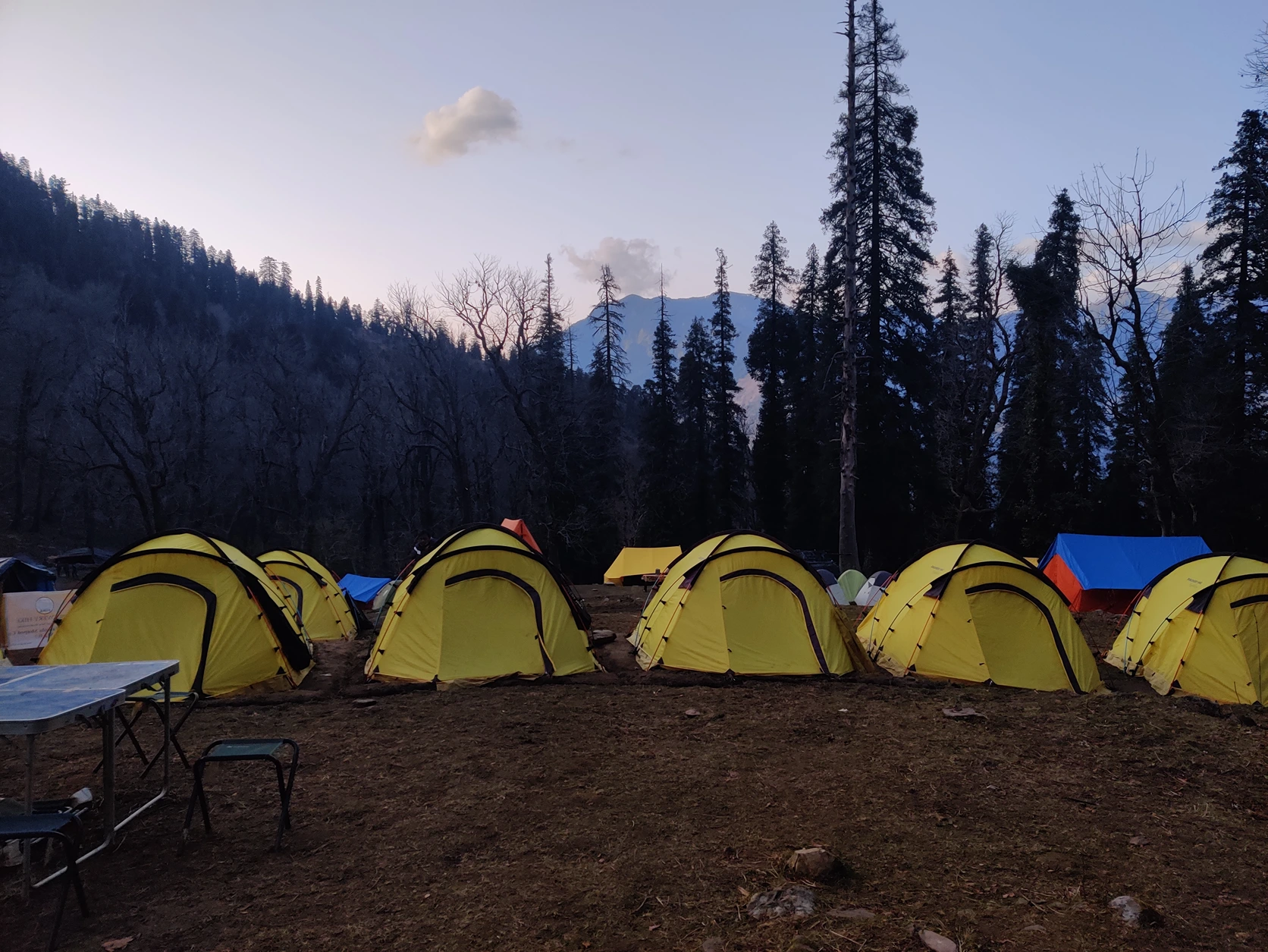
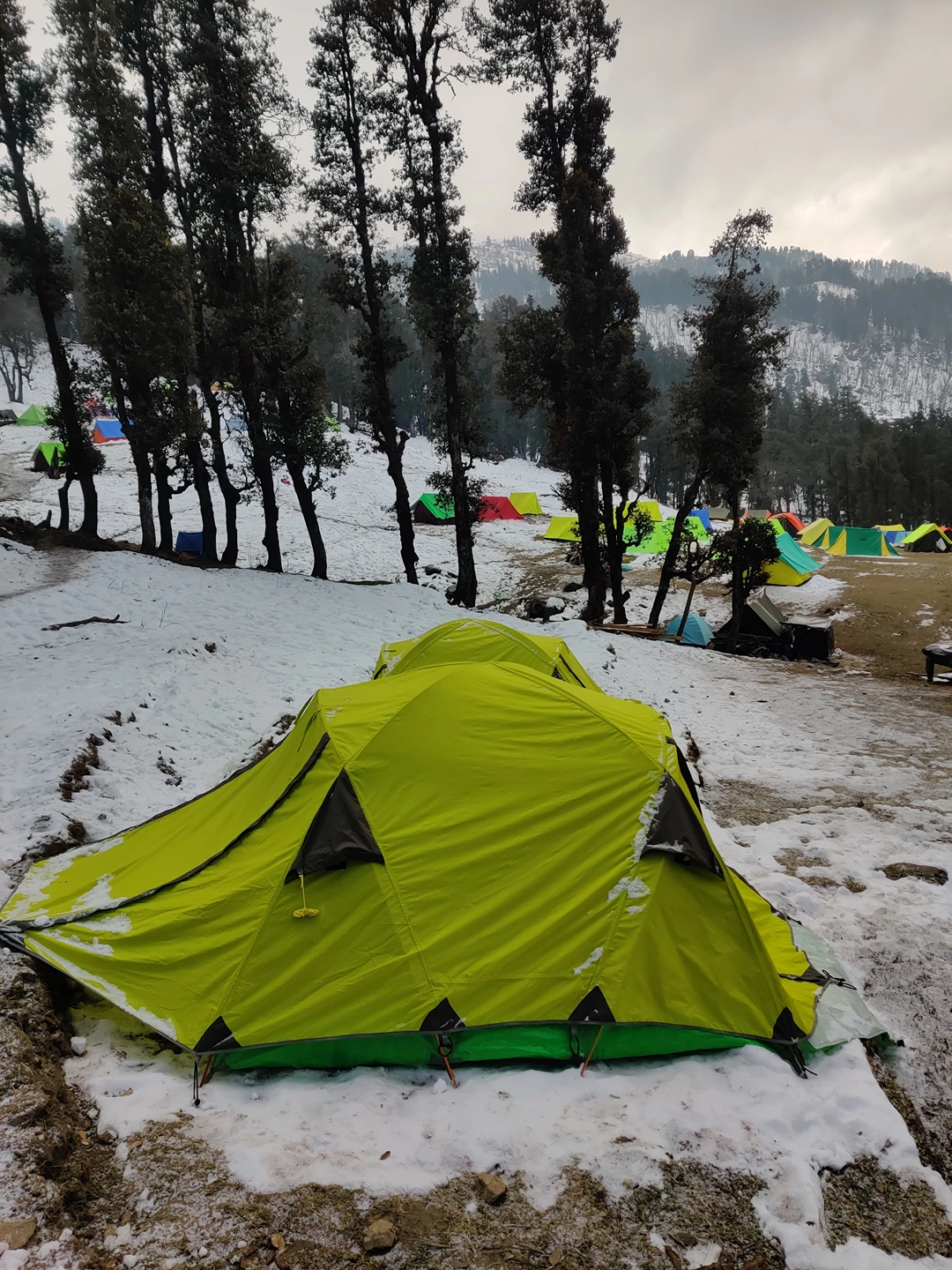
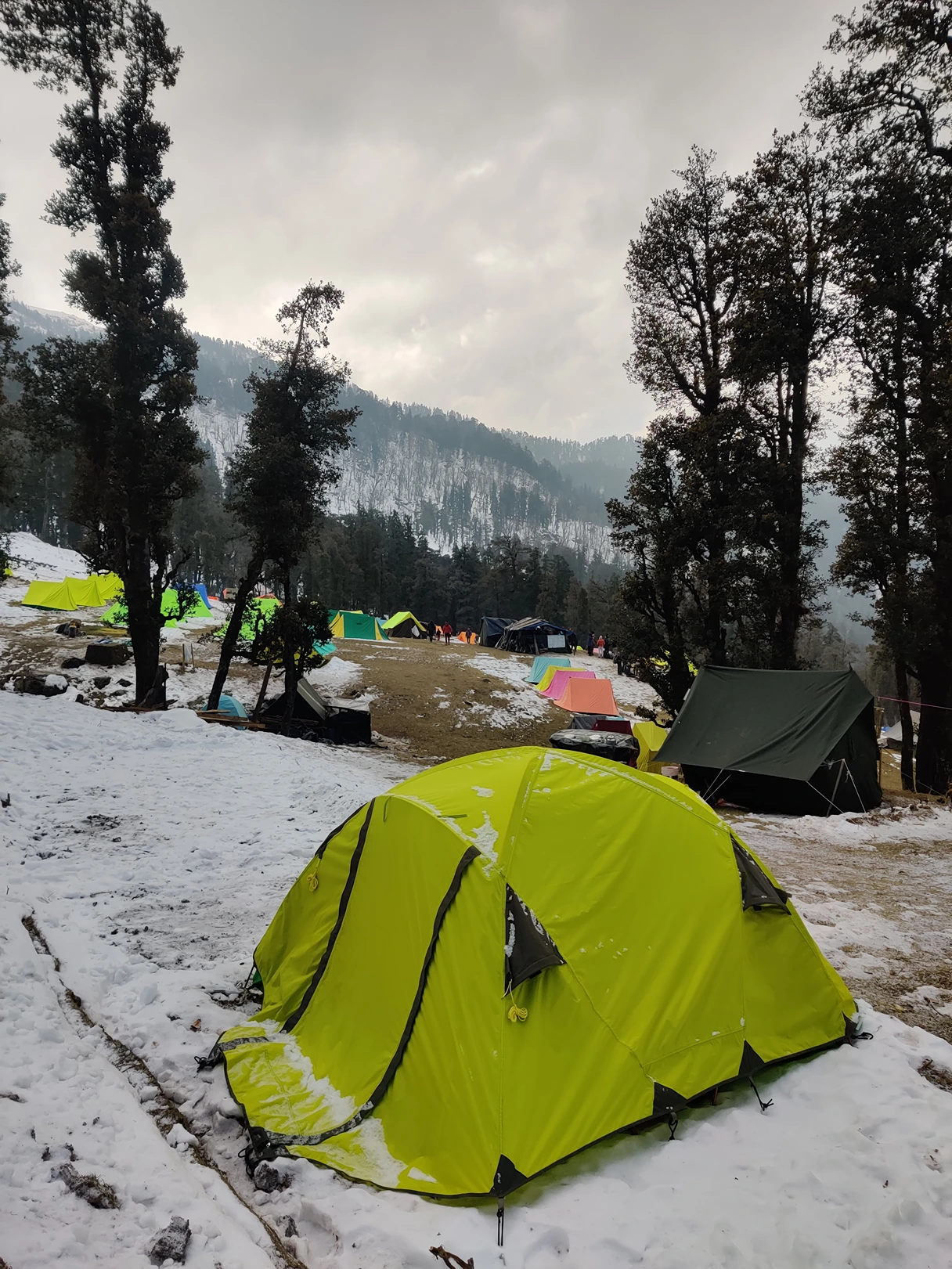
  • Accommodation & Stay: 6 Nights of accommodation, including guesthouse/homestay stays in Uttarkashi and Gangotri, and all nights in high-quality, expedition-grade tents at high camps (Bhoj Kharak, Kedar Kharak). Includes sleeping bags and sleeping mats.
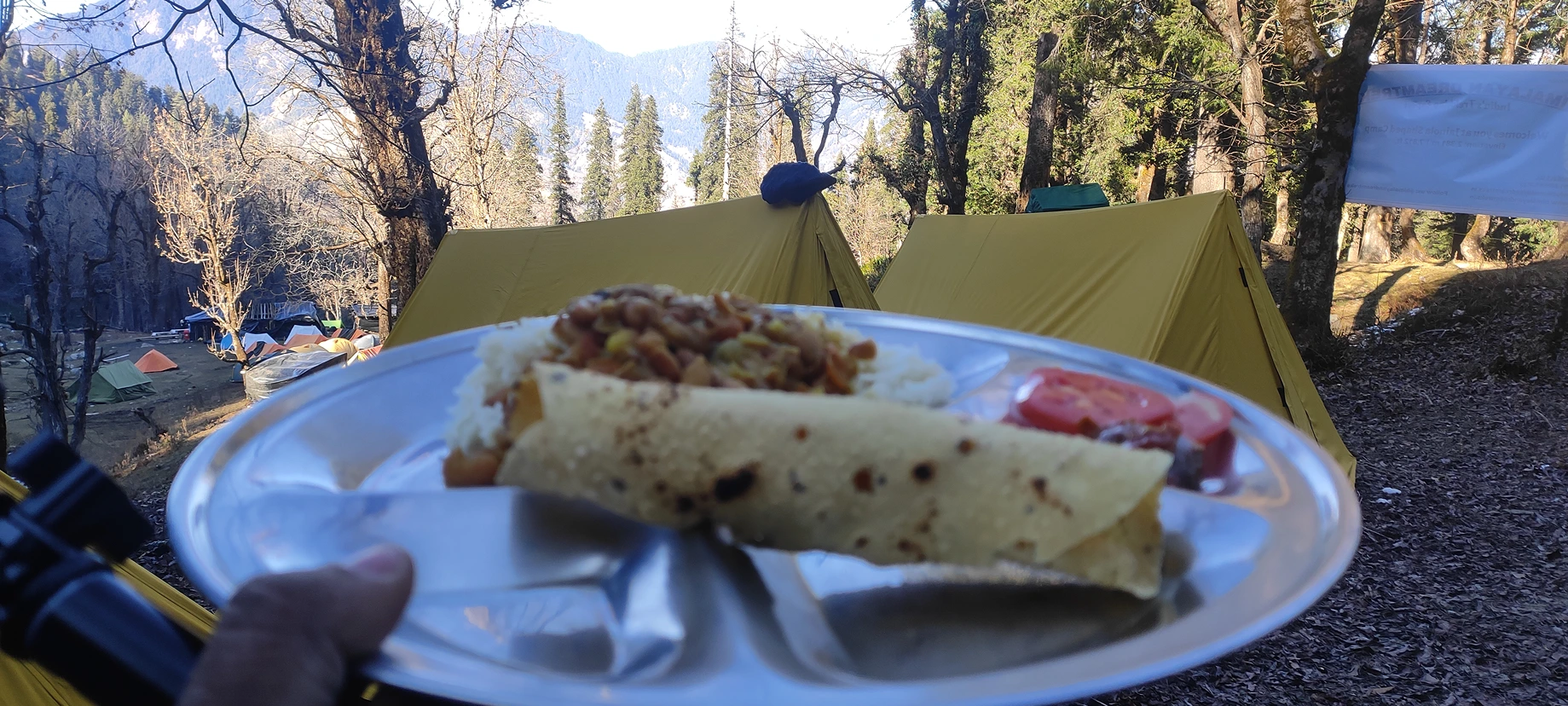
  • All Meals: All meals from Dinner on Day 1 (in Uttarkashi) to Breakfast on Day 7 (in Uttarkashi). All food is hot, nutritious, and strictly vegetarian, designed for high-altitude energy needs.
  • Specialized Safety Team & Gear: Services of certified and experienced personnel, including the WFR-Certified Trek Leader and local support staff. Crucially, this includes the use of supplemental oxygen cylinders and the Gamow Bag (portable hyperbaric chamber) on the high-altitude route.
  • Permits & Fees: All mandatory government charges, including Forest Entry Permits, Camping Fees, and the necessary Inner Line Permit (ILP) required for entry into the protected Gangotri National Park.

Exclusions

  • Personal Insurance: Any form of travel or medical insurance, including costs arising from emergency evacuation, is the sole responsibility of the trekker.
  • Backpack Offloading (Porter/Mule Charges): If you choose not to carry your own main backpack (max 10 kg limit), the cost for the porter/mule service must be paid locally in cash at Gangotri.
  • Personal Expenses & Gear: Costs for personal trekking gear rental (if needed), batteries, beverages, snacks, and any costs incurred due to unforeseen itinerary changes (e.g., road closures).
  • Cash: Funds for tipping the support staff and any offloading charges must be carried in cash.

Things to Carry

I. Head & Face
Woolen Cap / Beanie

Must cover ears. Essential for retaining body heat.

Balaclava / Neck Gaiter

Crucial for summit day to protect the nose and mouth from cold wind.

UV-Protection Sunglasses

MANDATORY. Snow glare is intense and can cause snow blindness. Must be UV protected.

II. Upper Body
Base Layer (2–3)

Thermal tops (full sleeve). Must be synthetic or Merino wool. NO COTTON.

Mid Layer (2)

Fleece jacket (thick). Your primary source of warmth.

Outer/Shell Layer (1)

Padded jacket (Polyfill/Down). Heavy, windproof, and water-resistant.

III. Lower Body
Base Layer (1–2)

Thermal bottoms (leggings).

Trekking Pants (2)

Quick-dry, synthetic trekking trousers. Avoid jeans/shorts.

IV. Hands & Feet
Trekking Shoes (1 Pair)

High-ankle, sturdy, waterproof trekking boots with good grip.

Socks (5–6 Pairs)

3–4 pairs of thick woolen/synthetic trekking socks (for the day) and 2 pairs of dry woolen socks (for sleeping only).

Gloves (2 Pairs)

1 pair of woolen/fleece inner gloves and 1 pair of heavy, waterproof outer gloves.

V. Accessories
Headlamp

MANDATORY. Carry extra batteries.

Water Bottle / Thermos

Carry a 1-liter bottle and a thermos to keep water from freezing.

Sunscreen (SPF 40+) & Lip Balm

Essential for high-altitude UV protection.

Personal Toiletries & Medication

Toothbrush, wet wipes, and any personal prescription drugs.

Daypack (20–30L)

For carrying water, jacket, snacks, and personal items during the trek.

VI. Provided Gear
From Our Side

Sleeping Bag, Sleeping Mat, Tents, Crampons, Gaiters, and Trekking Poles (use optional).

How to reach

The base camp for Kedartal is the sacred town of Gangotri (10,200 ft), located deep within the Uttarkashi district. Due to the distance, the approach is split into two necessary segments, requiring an overnight stay at an intermediate point.

I. Basecamp Vitals: Gangotri

Detail Specification
Final Basecamp Gangotri (Requires ILP)
Basecamp Altitude 10,200 ft (3,100 m)
Assembly Hub Dehradun / Rishikesh
Total Drive Time 10 to 13 hours (Split over Day 1 & Day 2)
Intermediate Stop Uttarkashi (Day 1)

II. Mode 1: CRux Himalaya Organized Transport (Advised)

For a trek of this difficulty and logistical complexity, the CRux Himalaya organized transport is advised to ensure the synchronized movement, safety, and timely processing of permits for the entire team.

  • i
    The 2-Day Synchronization:
    • Day 1 (Assembly to Uttarkashi): Vehicles depart early morning (approx. 6:00 AM) from a designated meeting point in Dehradun/Rishikesh, driving to the intermediate base of Uttarkashi.
  • i
    Day 2 (Uttarkashi to Gangotri): The team departs early again to complete the final, steep ascent drive to Gangotri (Day 2 of the itinerary).
  • i
    Cost: This is a mandatory, shared add-on cost (approx. ₹4,000 – ₹5,000 round trip). This fee covers the vehicle cost, driver wages, and fuel for the entire 7-day duration.
  • i
    Benefit: This option guarantees the synchronized arrival necessary for collective Inner Line Permit (ILP) processing and ensures that a reliable vehicle is reserved and waiting for your complex pick-up after the descent on Day 7.
  • III. Mode 2: Independent/Public Transport (Not Recommended)

    Due to the remote location, the necessary synchronization for permits, and the extreme length of the drive (10+ hours), independent travel is strongly discouraged for the Kedartal trek.

    1. i
      Complexity: Public buses from Rishikesh/Dehradun run only up to Uttarkashi on Day 1. On Day 2, finding a reliable connecting bus or shared taxi to Gangotri (a far more remote destination) is extremely difficult, time-consuming, and often results in delays that can jeopardize the trek start and permit deadlines.
    2. i
      Permit Risk: The mandatory Inner Line Permit (ILP) requires the presence of the group and the Trek Leader for final authentication. Arriving late or independently risks not having your permits authenticated on time.

    IV. Reaching the Primary Hub (Dehradun/Rishikesh)

    Trekkers must arrive in Dehradun/Rishikesh the evening before Day 1 to meet the early 6:00 AM departure.

    1. i
      By Air: Dehradun’s Jolly Grant Airport (DED) is the closest airport to the assembly hub. Taxis are easily available from the airport to Rishikesh or Dehradun city center.
    2. i
      By Train: Dehradun Railway Station (DDN) and Haridwar Railway Station (HW) offer the best overnight and express rail connections from major Indian cities, making an evening arrival simple.

    V. Critical Logistics and Safety Note

    • i
      Cash is Mandatory: The town of Uttarkashi (Day 1) is the final, reliable place to withdraw cash. There are no reliable ATM facilities in Gangotri. All cash needed for offloading fees, personal gear rental, and tips must be withdrawn in Uttarkashi or before.
    • i
      ILP Documentation: Ensure you carry the necessary government-issued ID (Aadhaar, Passport, etc.) used for your Inner Line Permit application, as it must be verified at the checkposts.

    How to prepare your body and mind for the trek

    Your Mind & Body Compass

    Kedartal is the perfect choice for a first-time wellness trekker, but a reasonable level of fitness is essential to ensure you enjoy the experience, especially given the rapid altitude gain.

    Physical Conditioning (8 Weeks Prior):

    • i
      Cardiovascular Fitness: Commit to a daily routine of 4-5 kilometers of walking or jogging. Focus on building endurance to comfortably manage the steep sections.
    • i
      Strength and Flexibility: Incorporate basic strength training (squats, planks) and gentle Himalayan-focused stretching to condition the muscles and joints for carrying a backpack.

    Mental & Respiratory Conditioning:

    • i
      Mastering the Breath: Begin a routine of Pranayama (breathing exercises). Practices like Anulom Vilom (Alternate Nostril Breathing) are vital for improving lung capacity and ensuring a smooth, relaxed acclimatization at high altitude.
    • i
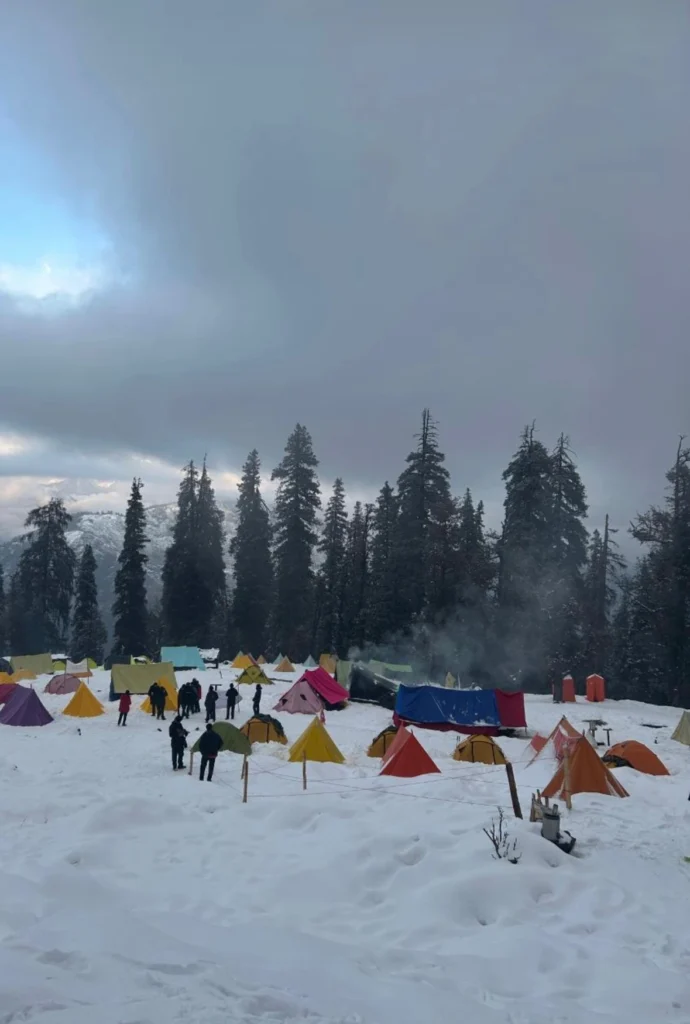
      Weather Readiness: Be prepared for the transformative nature of Himalayan weather. While daytime can be manageable (10°C to 15°C), winter nights are intensely cold, dropping to -4°C or lower. Our high-quality gear is provided to support your journey safely through the cold.

    Refund & Cancellation

    We aim for clear and fair practices regarding cancellations. We know plans can change, and our policy is designed to balance flexibility for you with the operational needs of running a trek.

    If Crux Himalaya Cancels Your Trek

    • If we are forced to cancel a trip for reasons beyond our control (such as natural disasters, route closures, or governmental mandates), you will receive a Trek Voucher. This voucher is valid for one year and can be applied toward the original trek or any other available trek.

    • If the cost of the new trek is higher, you must pay the difference. If the cost of the new trek is lower, we will refund the surplus amount.

    • If the cancellation is due to insufficient bookings (fewer than three participants), you will receive a full monetary refund.

    If You Cancel Your Trek

    Cancellation Window Refund Notes
    More than 30 days prior to the trek start date 100% refund Full refund of trek fee
    Between 15 and 30 days prior to the trek start date 50% refund Balance forfeited
    Within 1 to 15 days prior to the trek start date No refund Pre-booked logistics; refund not applicable

    FAQs

    It is officially graded as a Difficult trek. It is NOT recommended for first-time trekkers. It demands excellent prior trekking experience, high-level cardiovascular fitness, and the ability to operate comfortably for sustained periods at altitudes above 14,000 feet. The primary challenges are the high elevation and navigating the rough, exposed moraine and rocky terrain.

    The highest point is the Kedartal Lake, which sits at a challenging altitude of 15,500 feet (4,725 meters). The itinerary includes two nights at 14,000 ft to aid the mandatory acclimatization process.

    Absolutely not. Due to the high altitude, the lack of immediate evacuation points, and the technical nature of the trail (e.g., exposed traverses, moraine walking), this trek is reserved for trekkers with proven high-altitude experience and a high level of endurance.

    The unrivaled reward is the close-up, panoramic view from the lake of the iconic peaks: Mt. Shivling (often perfectly reflected in the water), Mt. Thalaysagar, and the entire Bhagirathi Group

    The best seasons are May-June (summer) and September-October (post-monsoon). The trek is generally closed during heavy winter (Dec-Apr). In the early season (May-June), you will find substantial snow and ice patches near the lake, requiring micro-spikes and careful movement.

    Yes, mandatory. The trek is located within the protected Gangotri National Park and near the international border. CRux Himalaya handles the processing of the ILP and Forest Entry Permits, but you must provide the necessary documentation during booking.

    Due to the high altitude, our WFR-certified team carries supplemental oxygen cylinders and the Gamow Bag (Portable Hyperbaric Chamber) on the high camps (Kedar Kharak) for rapid treatment of severe AMS.

    No. Uttarkashi (Day 1) is the last reliable town to withdraw cash. Trekkers must withdraw all necessary funds for offloading fees, personal expenses, and tips before the drive to Gangotri.

    Highly recommended. Given the altitude and the difficulty of the terrain (moraine, steep rock), trekking with only a light daypack is strongly advised to conserve energy for the ascent and safety. Offloading is available for an extra cash charge (max 10 kg limit).

    The Kedar Ganga is the stream that flows directly from Kedartal Lake. It is revered as a glacial source of pure water that eventually merges with the Bhagirathi River (a main headstream of the Ganga), lending the entire area profound spiritual significance.

    No, mobile network coverage is zero past the Gangotri base camp. The trek Leader carries a Satellite Phone (SAT phone) for guaranteed emergency communication with the outside world.

    Trek Fee
    ₹ 14,999 ₹16,999
    Save ₹2,000 (12% Off)
    • Pick Up: Gangotri
    • Drop: Gangotri
    • Location: Gangotri Base Camp
    Note: Pick-up & drop details will be reconfirmed on WhatsApp after booking.