Ali Bedni Bugyal Trek

Trek Fee
₹ 7,999 ₹9,999
Save ₹2,000 (20% Off)
  • Pick Up: Lohajung
  • Drop: Lohajung
  • Location: Lohajung Base Camp
Note: Pick-up & drop details will be reconfirmed on WhatsApp after booking.

Overview

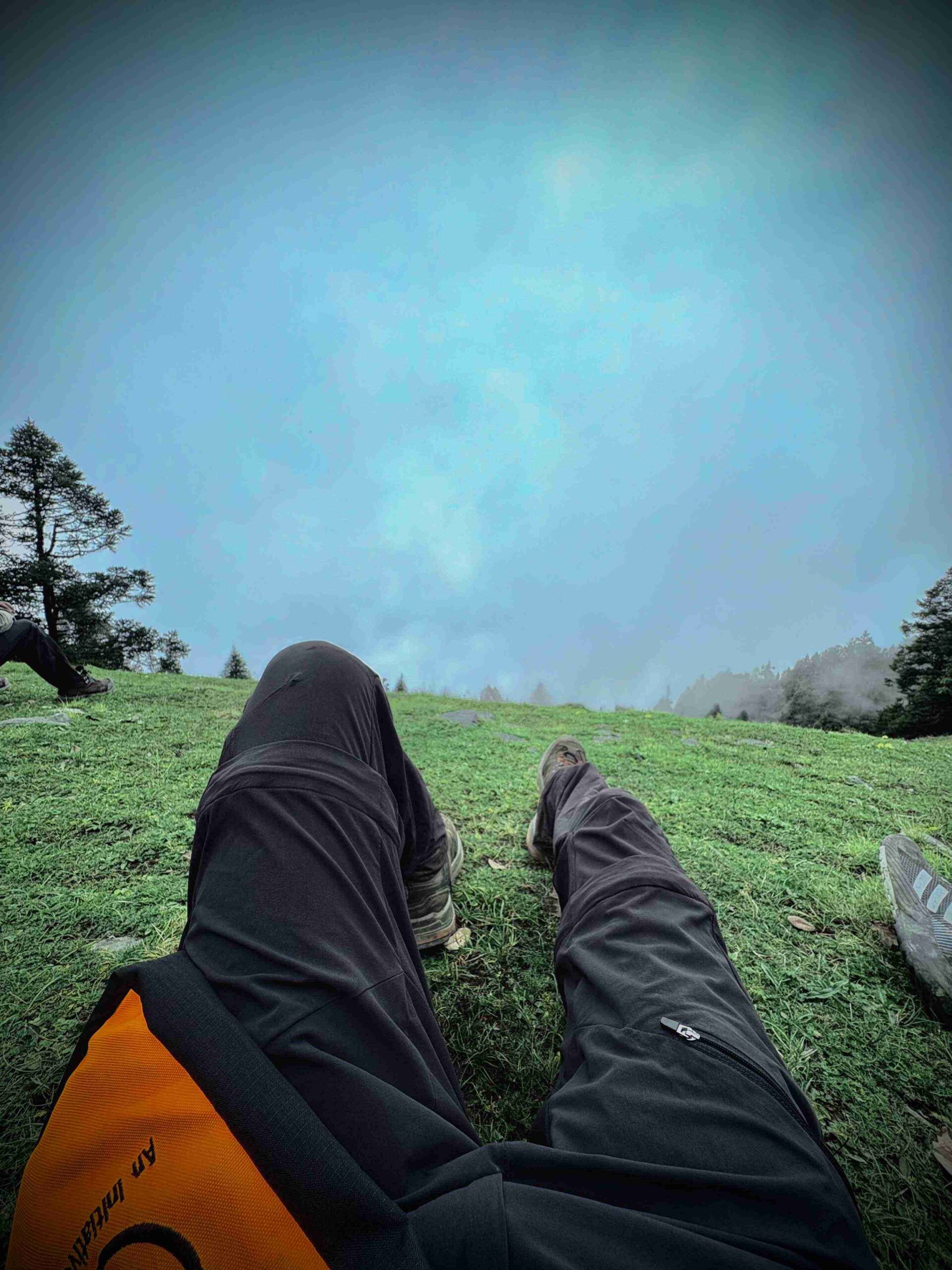
The Himalayas often speak in two distinct, powerful voices: the roar of the steep, barren rock faces, and the gentle, profound whisper of the alpine meadows. The Ali Bedni Bugyal Expedition is the epitome of the latter—a transcendent journey into what is widely regarded as India’s most expansive and magnificent high-altitude grassland.

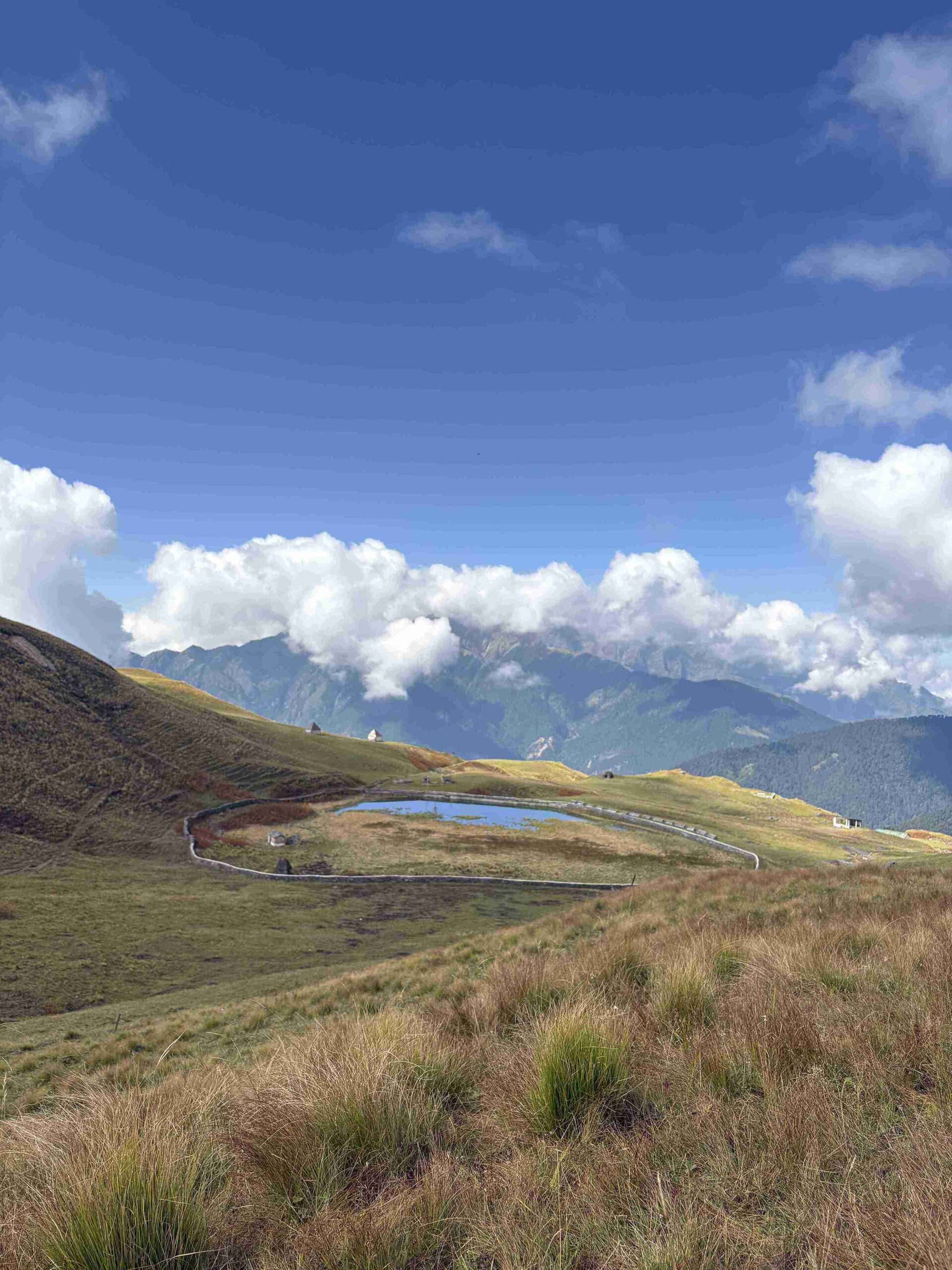
Unlike the tight, vertical ascents of summit-oriented treks, Ali Bedni is about an unfolding horizon. This journey takes the trekker high into the Chamoli district of Garhwal, where two sister meadows, Ali Bugyal and Bedni Bugyal, merge seamlessly to form a single, massive carpet of undulating velvety grass. The sheer scale of this expanse is breathtaking; the world suddenly feels uncensored, with the sky immense, the silence profound, and the green (or brilliant white in winter) stretching far beyond the eye can see.

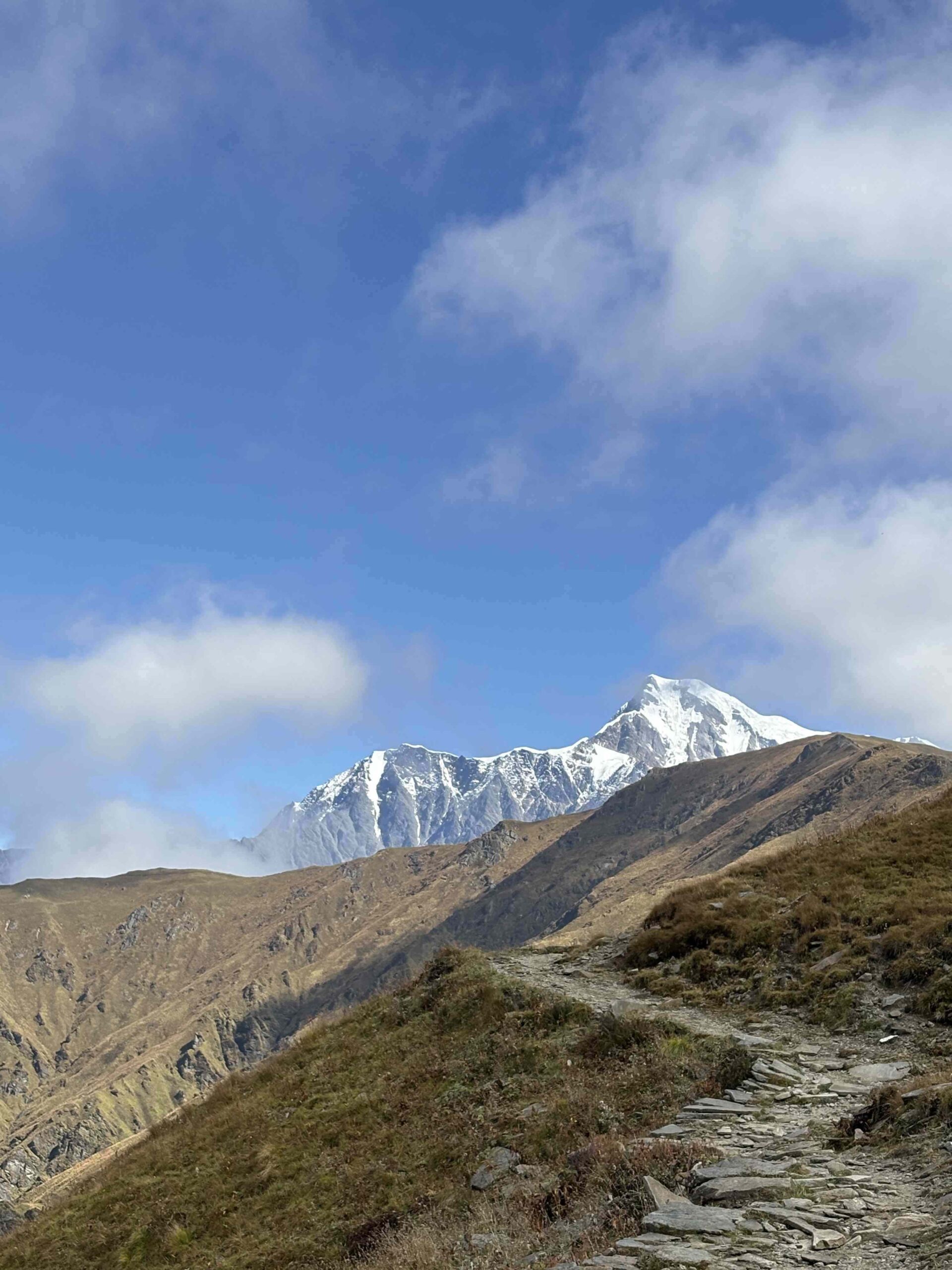
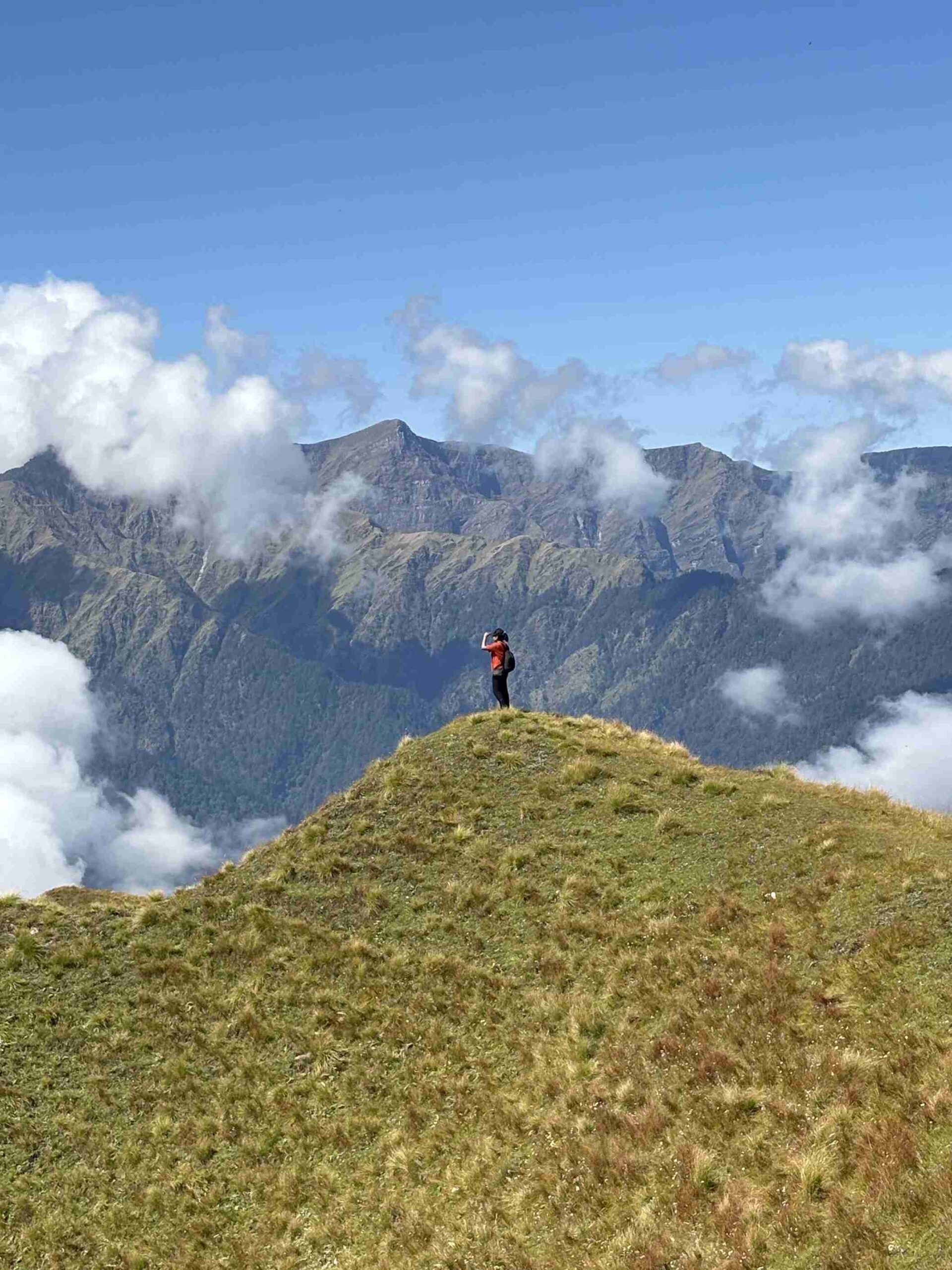
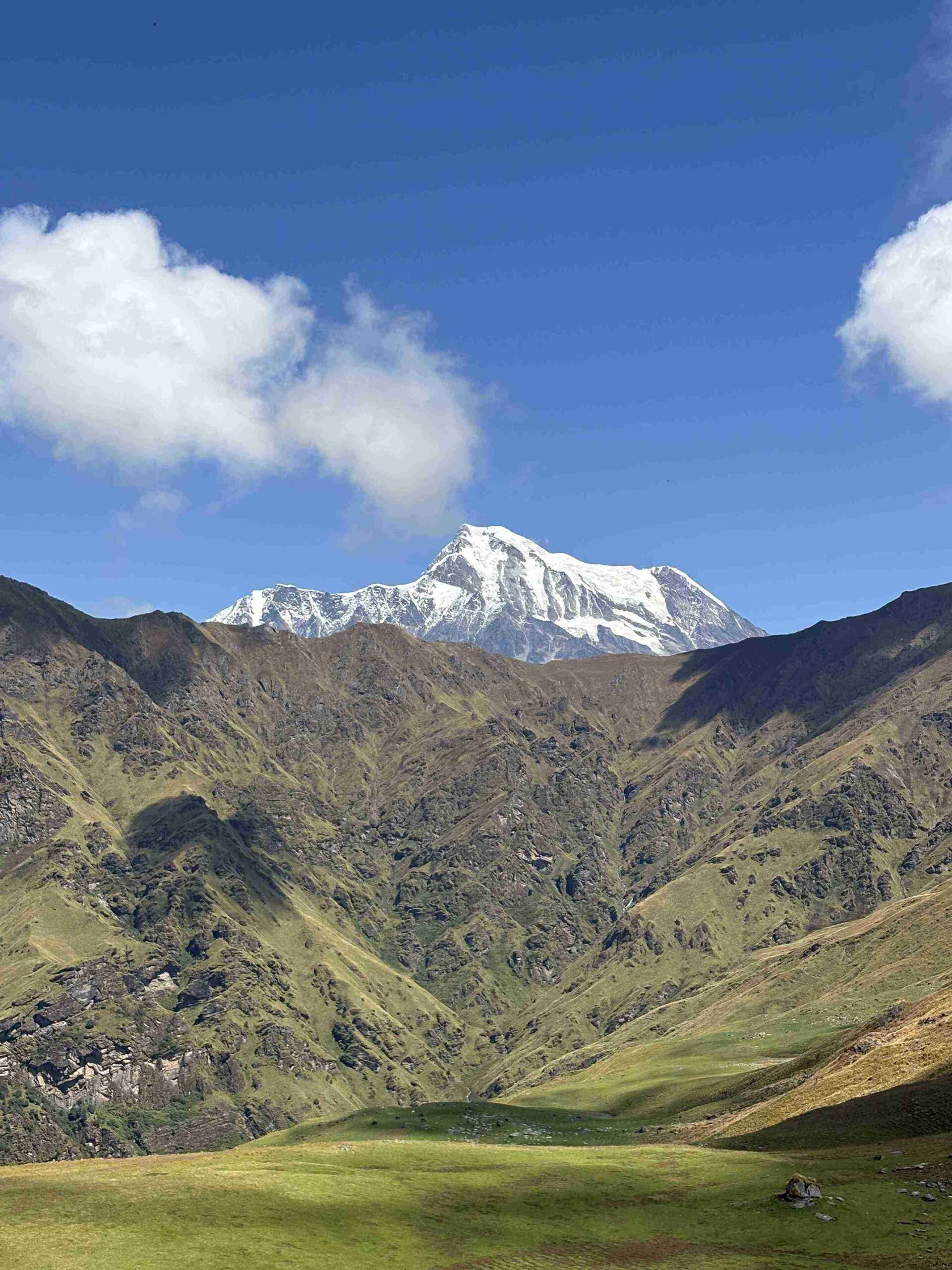
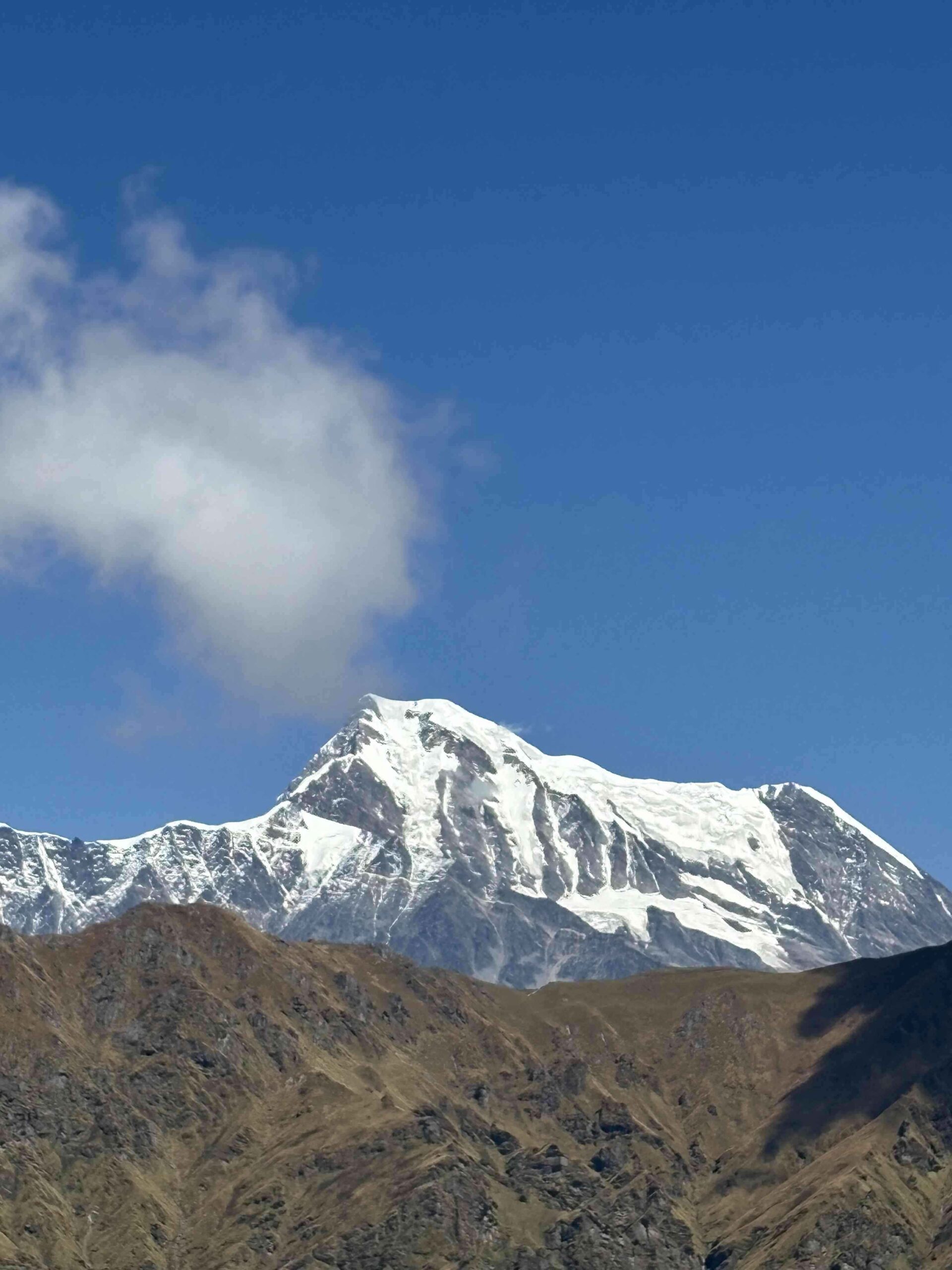
What truly elevates Ali Bedni above all other meadow treks is the spectacular, unobstructed, and continuous close-up view of the Garhwal giants that define the western horizon. Trekkers are rewarded with a panorama dominated by the colossal presence of the Trishul Peak and the iconic, towering Nanda Ghunti. Standing on the soft slopes of Bedni, with these majestic peaks soaring directly above the meadow, is often described as standing in a vast natural cathedral.

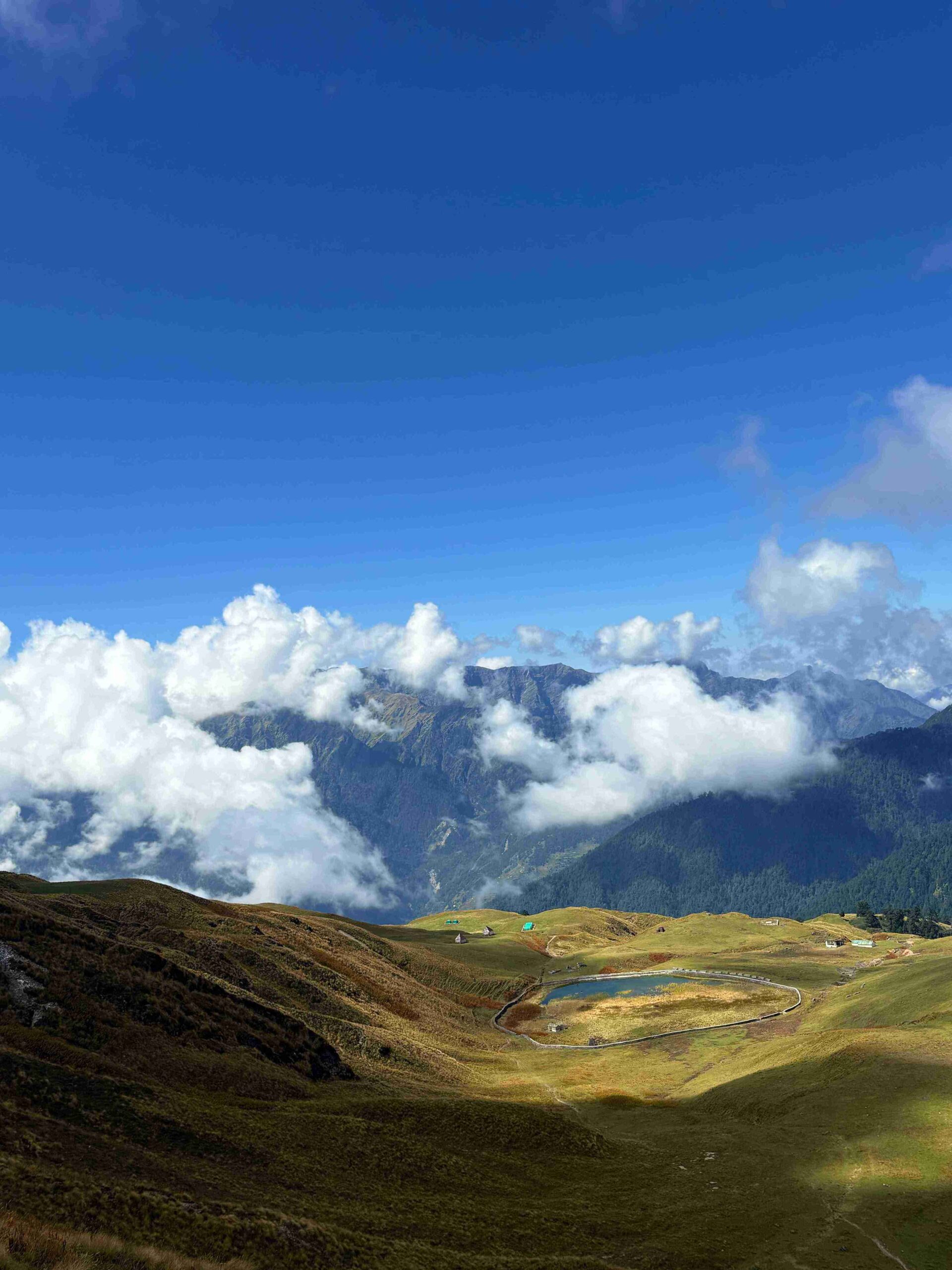
The spiritual and historical resonance of the Bugyals is deep. Bedni is more than just a grazing ground; it is a sacred waypoint. It sits directly on the traditional pilgrimage route to the mysterious and revered Roopkund Lake. The Bedni Kund, a small, pristine pond located on the meadow, is believed to be where the Hindu Goddess Nanda Devi once washed herself, lending the entire area an air of sanctity and ancient devotion. Pilgrims still gather here for the Nanda Devi Raj Jat Yatra, the grandest pilgrimage in the Himalayas. Thus, the Ali Bedni Bugyal Expedition is not just a hike across grass; it is a walk through a sacred landscape, a journey that weaves together boundless physical beauty with an ancient, spiritual legacy.

Highlights

Duration 6D/5N
Difficulty Moderate
Altitude 3825 m
Batch Size 21 people
Base Camp Lohajung
Pick & Drop Rishikesh – Rishikesh

Itinerary

Day
1
The Long Approach to Lohajung (Drive: 10-11 hours; Altitude: 7,600 ft) Meal

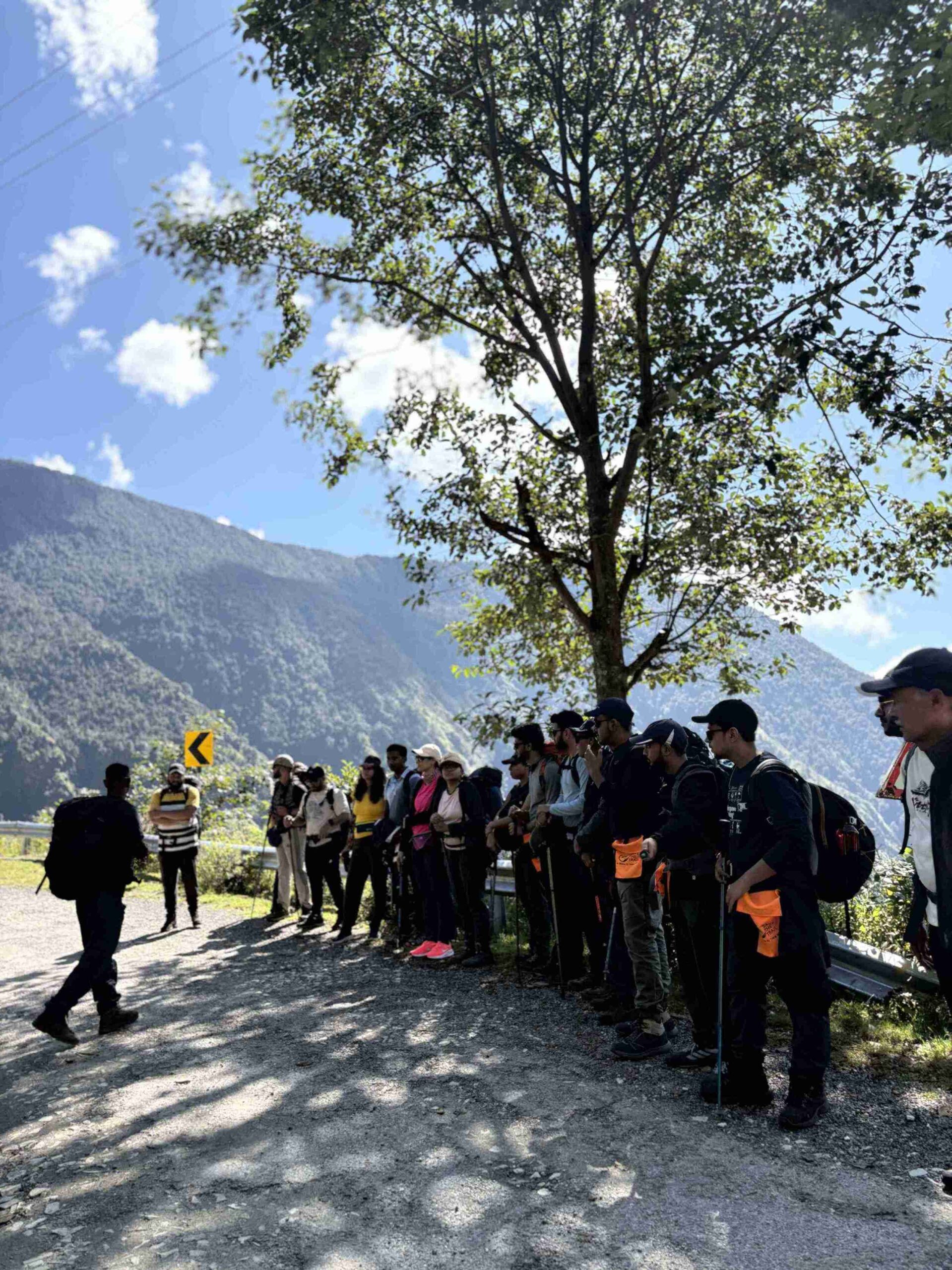
The expedition begins with the essential, full-day drive from the primary transport hub (Rishikesh or Dehradun) to the final basecamp, Lohajung (7,600 ft). This 10-to-11-hour journey is scenic, tracing the Mandakini and Alaknanda rivers, and passing through the revered confluences of Devprayag and Karnaprayag. The long drive serves as the initial, passive stage of acclimatization as you gain nearly 7,000 feet in elevation. Upon arrival in Lohajung, a traditional Garhwali village, the Expedition Leader conducts a comprehensive briefing, focusing on the gear check and the low-impact protocols necessary to preserve the delicate Bugyal ecosystem you will enter tomorrow.

Meals

Breakfast
Lunch
Dinner
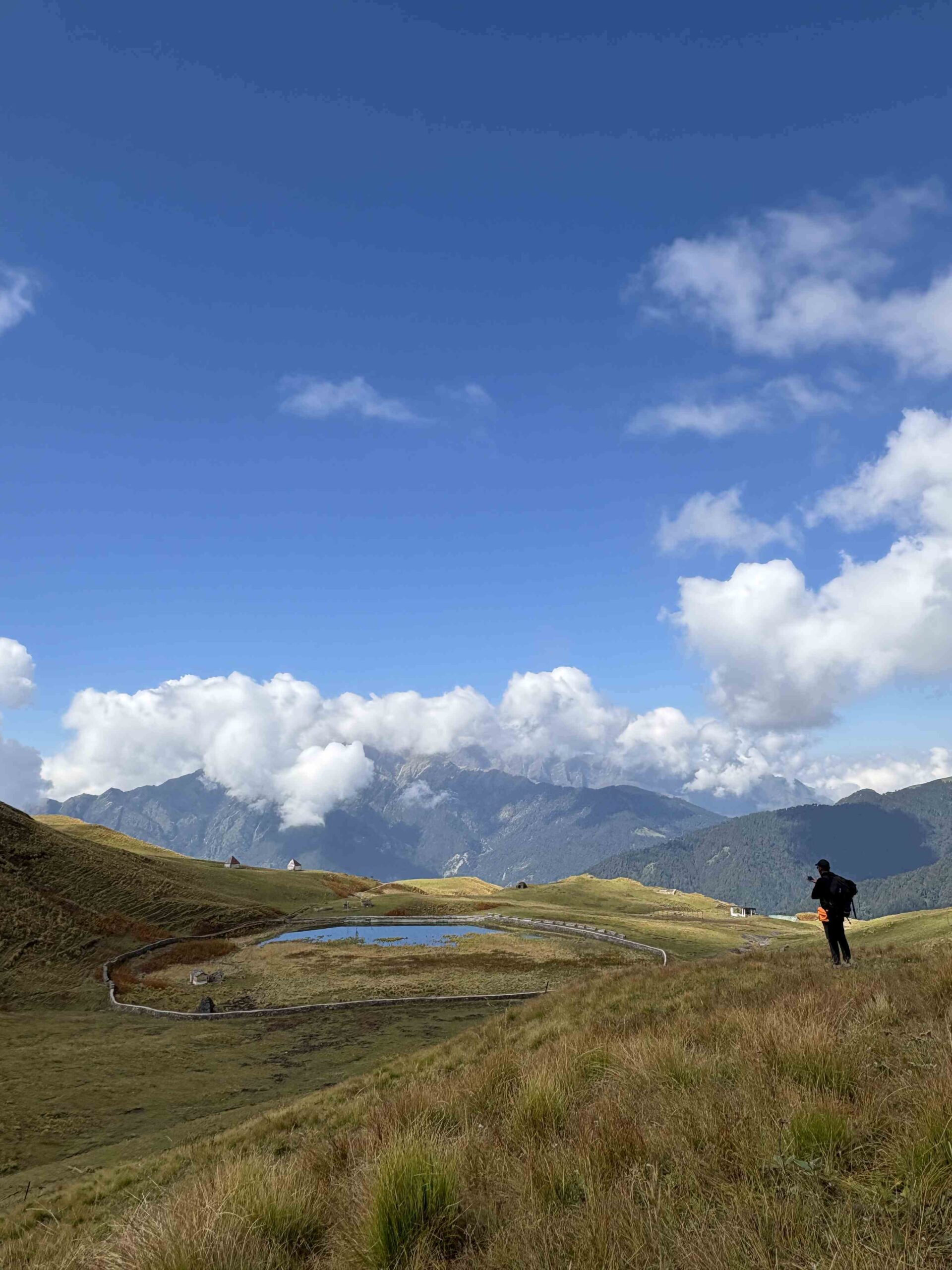
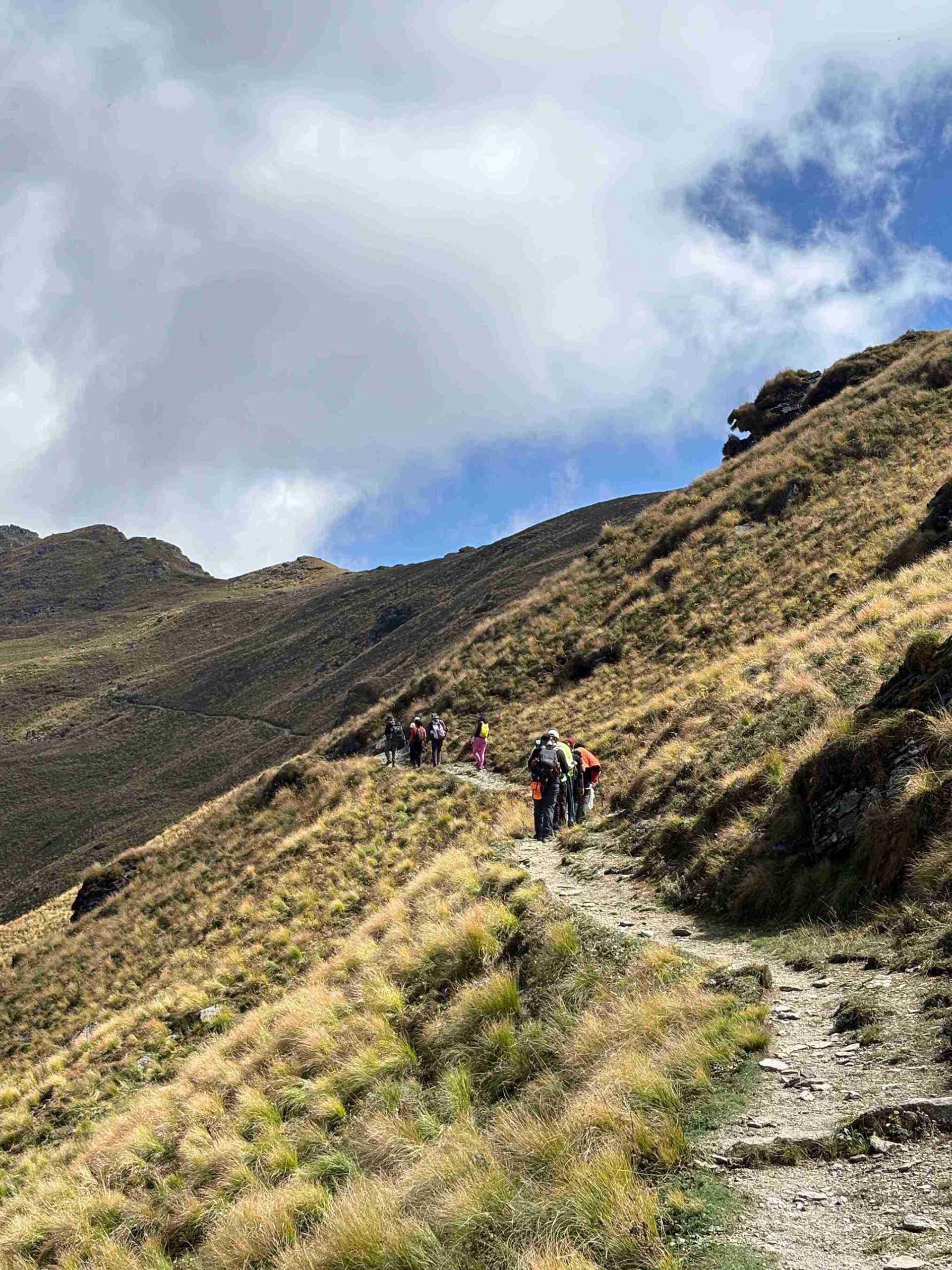
Today marks the official start of the trek. The team takes a short, 45-minute drive to the trailhead near Wan Village before beginning the actual trek. The initial path involves a gradual descent to the Neel Ganga river, followed by a moderate, sustained ascent that leads the team into the dense, silent forests. This 4-to-5-hour section is defined by walking beneath thick canopies of ancient Oak and Rhododendron trees, which provide a beautiful, shaded start. We arrive at Didna Village (8,135 ft), a charming, small settlement nestled on the hillside, where the team often enjoys a homestay experience, providing a vital first night of restful sleep at a gentle altitude, which is perfect for Easy-Moderate acclimatization.

Meals

Breakfast
Lunch
Dinner
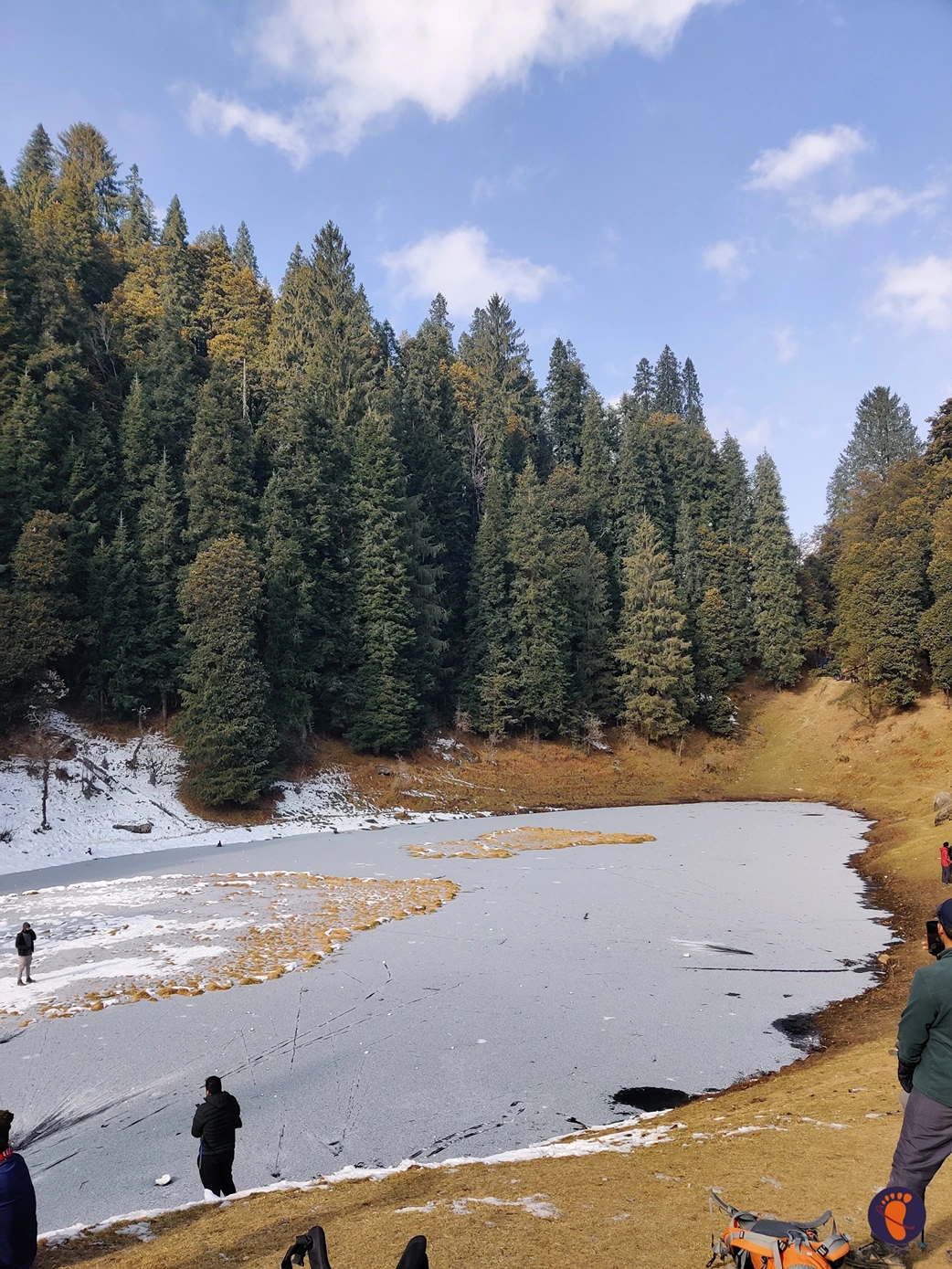
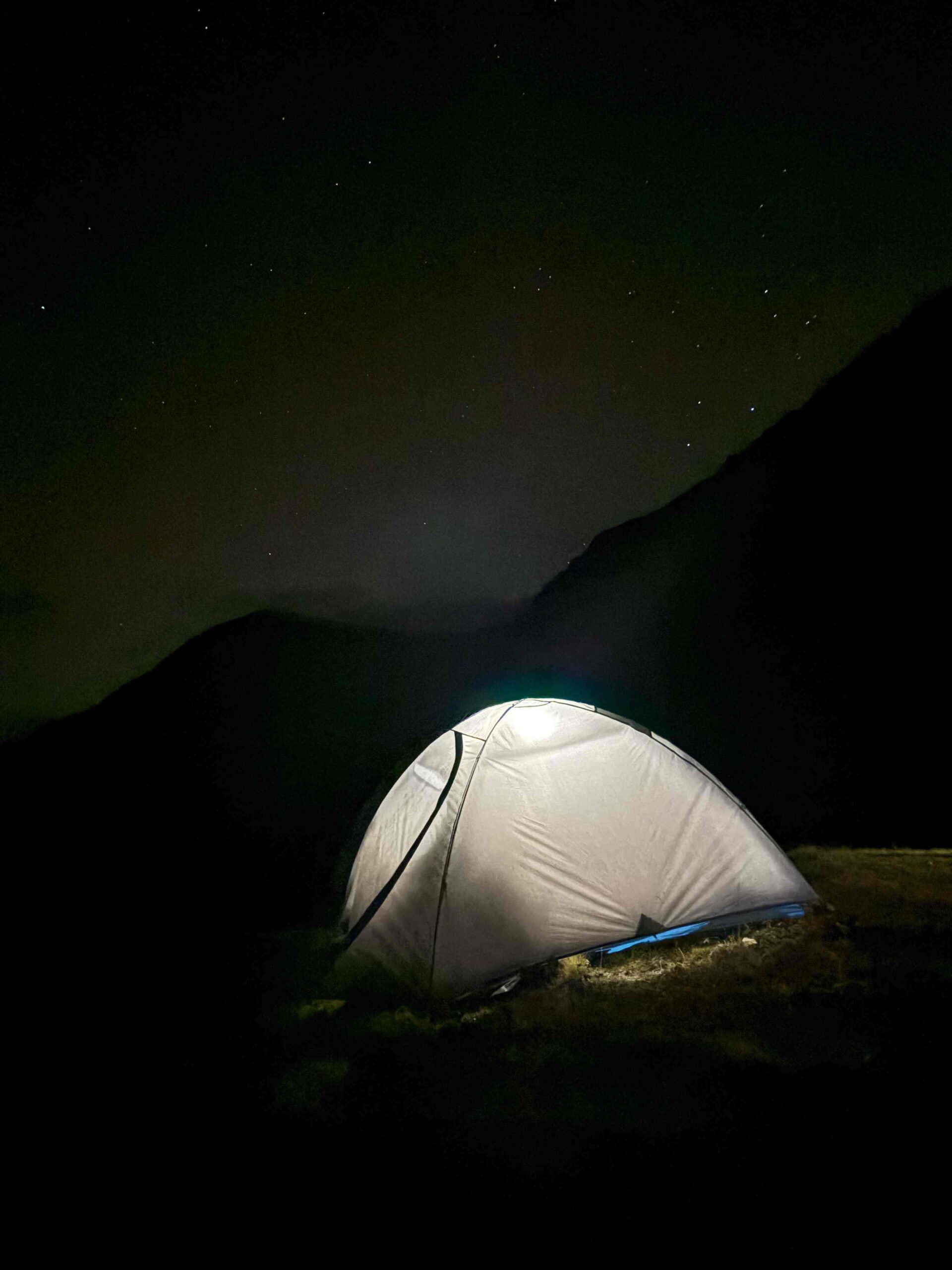
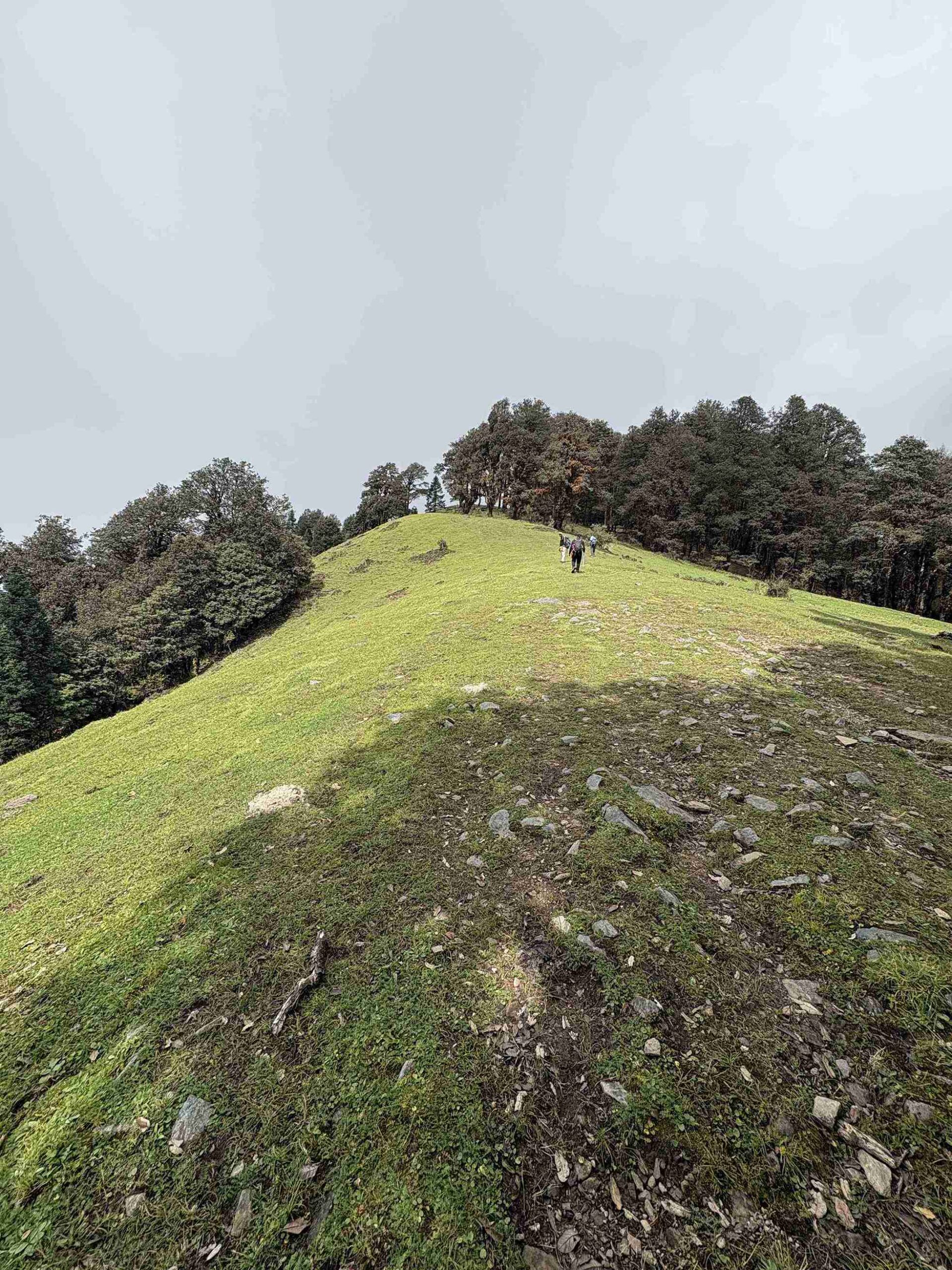
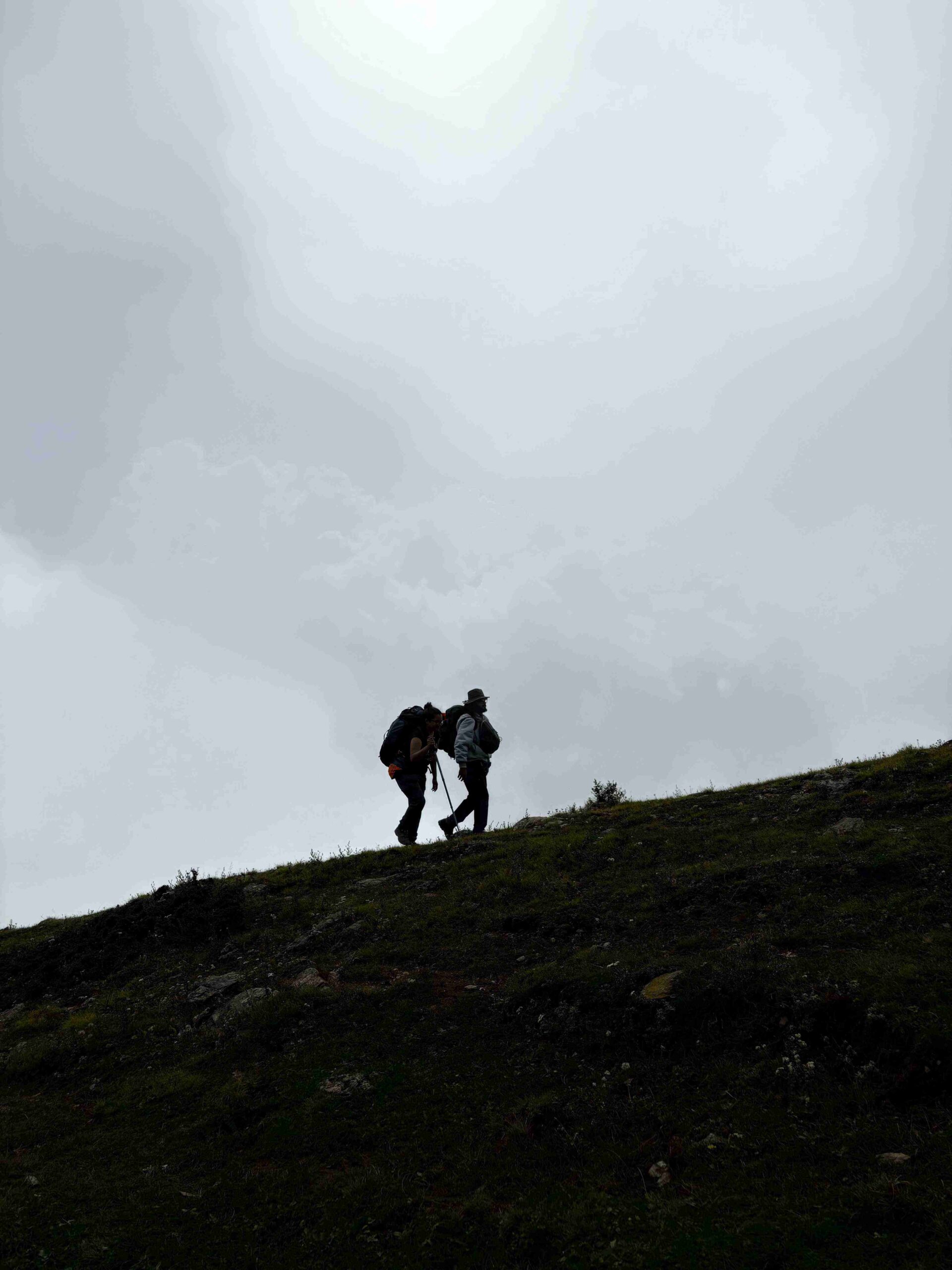
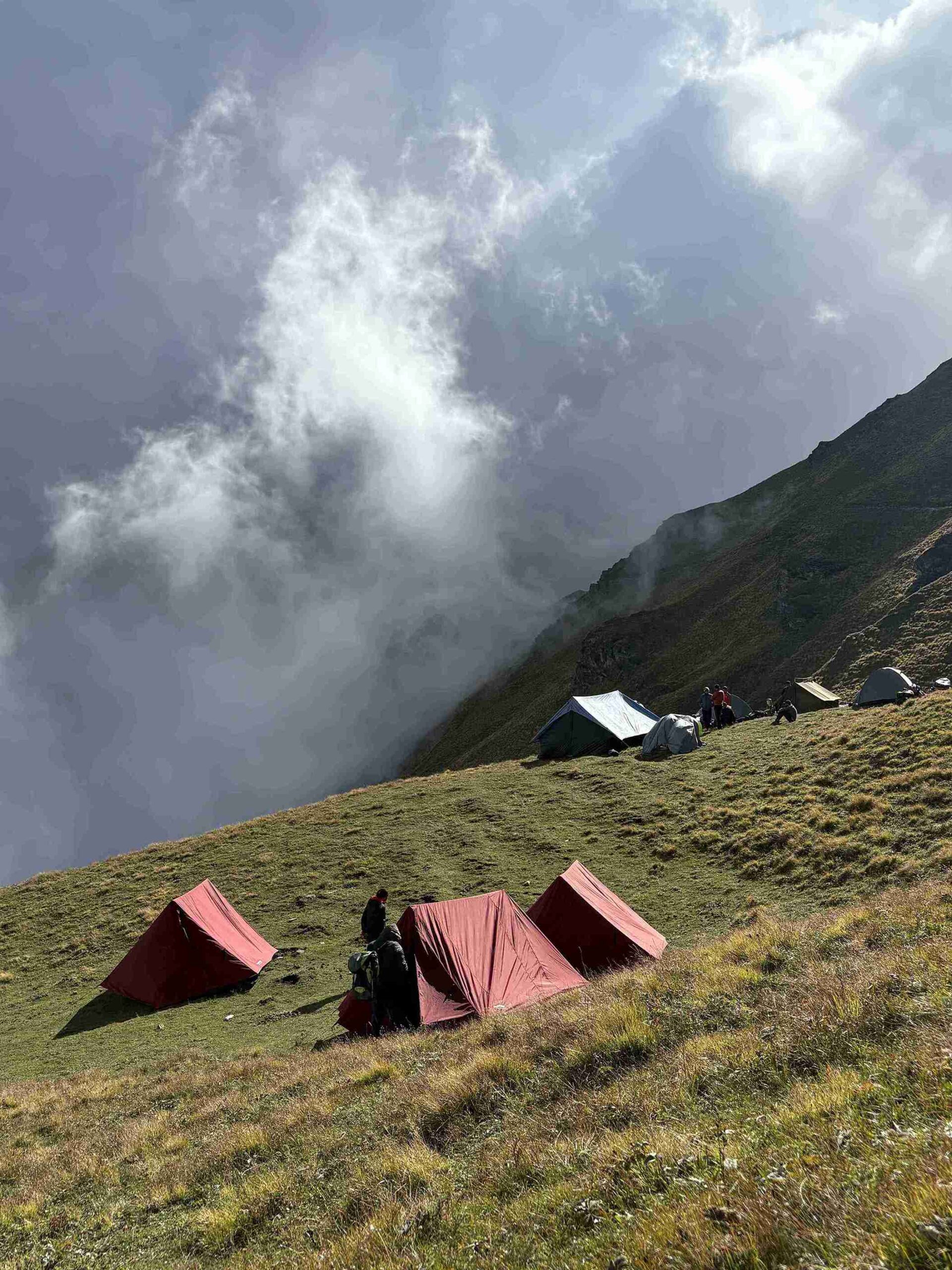
This is the day of transformation, where the forest gives way to the meadows. The trek begins with a steep, sustained 3-4 hour climb immediately out of Didna. The trail continues through the magnificent Rhododendron forests before the dense foliage begins to thin, finally breaking out onto the first vast alpine meadow: Ali Bugyal (11,000 ft). This moment—stepping from the silent forest onto the seemingly endless, rolling grassland—is the first true reward of the trek. The remainder of the day is a gentle traverse across the soft, expansive slopes of Ali, offering continuous, breathtaking views of the distant Trishul and Nanda Ghunti peaks. We camp at Abin Kharak (or Khobal Tal), situated at the edge of the Bugyal, perfectly positioned to capture the dramatic sunset.

Meals

Breakfast
Lunch
Dinner

This is the summit and viewpoint day, covering the most spectacular terrain. The trek starts with a scenic traverse across the upper slopes, leading quickly to the sister meadow, Bedni Bugyal. Here, the scale is immense, and the views of the Garhwal peaks are at their closest and most magnificent. The team takes a short detour to the highest point of the journey, Bedni Top (12,550 ft), to achieve the ultimate panoramic vista of the Nanda Devi Sanctuary. We also visit the sacred Bedni Kund, a pristine lake believed to be a ritual bathing spot of Goddess Nanda Devi. The day concludes with a gentle descent to the lower meadow campsite of Ghairoli Patal (10,500 ft), providing a crucial and safe altitude drop for optimal recovery before the long descent.

Meals

Breakfast
Lunch
Dinner

The focus shifts to a sustained, long descent designed to quickly reverse the effects of high altitude. The team leaves the meadows behind, traversing down through the thick pine and oak forests once more. This 4-to-5-hour descent is a test of knee endurance, requiring careful footing on the natural forest trail. We arrive at Wan Village, the road-head, where the trekking portion of the expedition concludes. From Wan, a short, pre-arranged drive takes the team back to the familiar basecamp of Lohajung (7,600 ft) for the final night of the journey, swapping the tents for the comfort of the guesthouse.

Meals

Breakfast
Lunch
Dinner

The expedition concludes with the reverse of the Day 1 journey: a long, full-day drive from Lohajung back to the plains of Rishikesh or Dehradun. The drive, lasting approximately 10 to 11 hours, is often subject to mountain traffic and delays. Trekkers are strongly advised to arrange their onward travel (trains or flights) from Rishikesh or Dehradun after 7:00 PM to account for the highly likely mountain road delays, ensuring a safe and stress-free departure.

Meals

Breakfast
Lunch
Dinner

Good to know

Inclusions

  • Accommodation & Stay: 5 Nights of accommodation, including guesthouse/homestay stays in Lohajung/Didna and all nights in high-quality, weatherproof alpine tents at meadow camps (Ali Bugyal, Bedni Bugyal). Includes sleeping bags and sleeping mats.
  • All Meals: All meals from Dinner on Day 1 (in Lohajung) to Breakfast on Day 6 (in Lohajung). All food is hot, nutritious, and strictly vegetarian, designed for trekking energy needs.
  • Team & Permits: Services of certified and experienced personnel, including the WFR-Certified Trek Leader and local support staff. Includes all mandatory government charges, including Forest Entry Permits and Camping Fees.
  • Technical Gear: Basic safety and first-aid equipment carried by the guide (e.g., standard medical kit).

Exclusions

  • Personal Insurance: Any form of travel, medical, or emergency evacuation insurance is the sole responsibility of the trekker.
  • Backpack Offloading (Porter/Mule Charges): If you choose not to carry your own main backpack (max 10 kg limit), the cost for the porter/mule service must be paid locally in cash at Lohajung.
  • Personal Expenses & Gear: Costs for personal trekking gear rental (if needed), batteries, beverages, snacks, and any costs incurred due to unforeseen itinerary changes.

Things to Carry

I. Head & Face
Woolen Cap / Beanie

Must cover ears. Essential for retaining body heat.

Balaclava / Neck Gaiter

Crucial for summit day to protect the nose and mouth from cold wind.

UV-Protection Sunglasses

MANDATORY. Snow glare is intense and can cause snow blindness. Must be UV protected.

II. Upper Body
Base Layer (2–3)

Thermal tops (full sleeve). Must be synthetic or Merino wool. NO COTTON.

Mid Layer (2)

Fleece jacket (thick). Your primary source of warmth.

Outer/Shell Layer (1)

Padded jacket (Polyfill/Down). Heavy, windproof, and water-resistant.

III. Lower Body
Base Layer (1–2)

Thermal bottoms (leggings).

Trekking Pants (2)

Quick-dry, synthetic trekking trousers. Avoid jeans/shorts.

IV. Hands & Feet
Trekking Shoes (1 Pair)

High-ankle, sturdy, waterproof trekking boots with good grip.

Socks (5–6 Pairs)

3–4 pairs of thick woolen/synthetic trekking socks (for the day) and 2 pairs of dry woolen socks (for sleeping only).

Gloves (2 Pairs)

1 pair of woolen/fleece inner gloves and 1 pair of heavy, waterproof outer gloves.

V. Accessories
Headlamp

MANDATORY. Carry extra batteries.

Water Bottle / Thermos

Carry a 1-liter bottle and a thermos to keep water from freezing.

Sunscreen (SPF 40+) & Lip Balm

Essential for high-altitude UV protection.

Personal Toiletries & Medication

Toothbrush, wet wipes, and any personal prescription drugs.

Daypack (20–30L)

For carrying water, jacket, snacks, and personal items during the trek.

VI. Provided Gear
From Our Side

Sleeping Bag, Sleeping Mat, Tents, Crampons, Gaiters, and Trekking Poles (use optional).

How to reach

The entire expedition begins and ends with a long drive through the Garhwal Himalayas. Lohajung is the mandatory basecamp, situated deep in the Chamoli district.

Detail Specification
Starting Hub Rishikesh / Dehradun
Final Destination Lohajung Basecamp
Distance ∼250−260 km
Duration 10−11 hours (Mountain Driving)
Recommended Mode Shared Vehicle/Taxi (arranged by CRux Himalaya)

Logistical Plan: The Drive to Lohajung

  1. i
    The Early Start: The journey must begin early, ideally between 6:00 AM and 7:00 AM from the designated meeting point in Rishikesh or Dehradun. An early start is critical to avoid road traffic and reach Lohajung before nightfall, which is often mandatory for safe driving in the mountains.
  2. i
    The Route: The drive is spectacular, tracing the Alaknanda and Mandakini rivers and passing the famous holy confluences of the region. The altitude gain is gradual but significant, making the journey the first phase of passive acclimatization.
  3. i
    CRux Transport Service: If you opted for the Highly Recommended Transport Service (₹3,000 – ₹3,500 round trip), a dedicated, shared vehicle will be organized for your group, ensuring a seamless, coordinated journey to and from the basecamp. If traveling independently, ensure your local taxi is reliable and knowledgeable about the Lohajung route.
  4. i
    Arrival: Expect to reach the Lohajung guesthouse/homestay by late afternoon or early evening. Upon arrival, you will check-in, receive a final trek briefing, and prepare your gear for the start of the trek the following morning.

Critical Departure Advice (Day 6)

  • i
    The return drive from Lohajung to Rishikesh/Dehradun on Day 6 also takes 10-11 hours.
  • i
    Do NOT book any onward travel (trains or flights) before 7:00 PM from Rishikesh or Dehradun. Mountain road delays are common and unpredictable, and an early booking may lead to missed connections.

How to prepare your body and mind for the trek

Your Mind & Body Compass

Ali Bedni Bugyal is the perfect choice for a first-time wellness trekker, but a reasonable level of fitness is essential to ensure you enjoy the experience, especially given the rapid altitude gain.

Physical Conditioning (8 Weeks Prior):

  • i
    Cardiovascular Fitness: Commit to a daily routine of 4-5 kilometers of walking or jogging. Focus on building endurance to comfortably manage the steep sections.
  • i
    Strength and Flexibility: Incorporate basic strength training (squats, planks) and gentle Himalayan-focused stretching to condition the muscles and joints for carrying a backpack.

Mental & Respiratory Conditioning:

  • i
    Mastering the Breath: Begin a routine of Pranayama (breathing exercises). Practices like Anulom Vilom (Alternate Nostril Breathing) are vital for improving lung capacity and ensuring a smooth, relaxed acclimatization at high altitude.
  • i
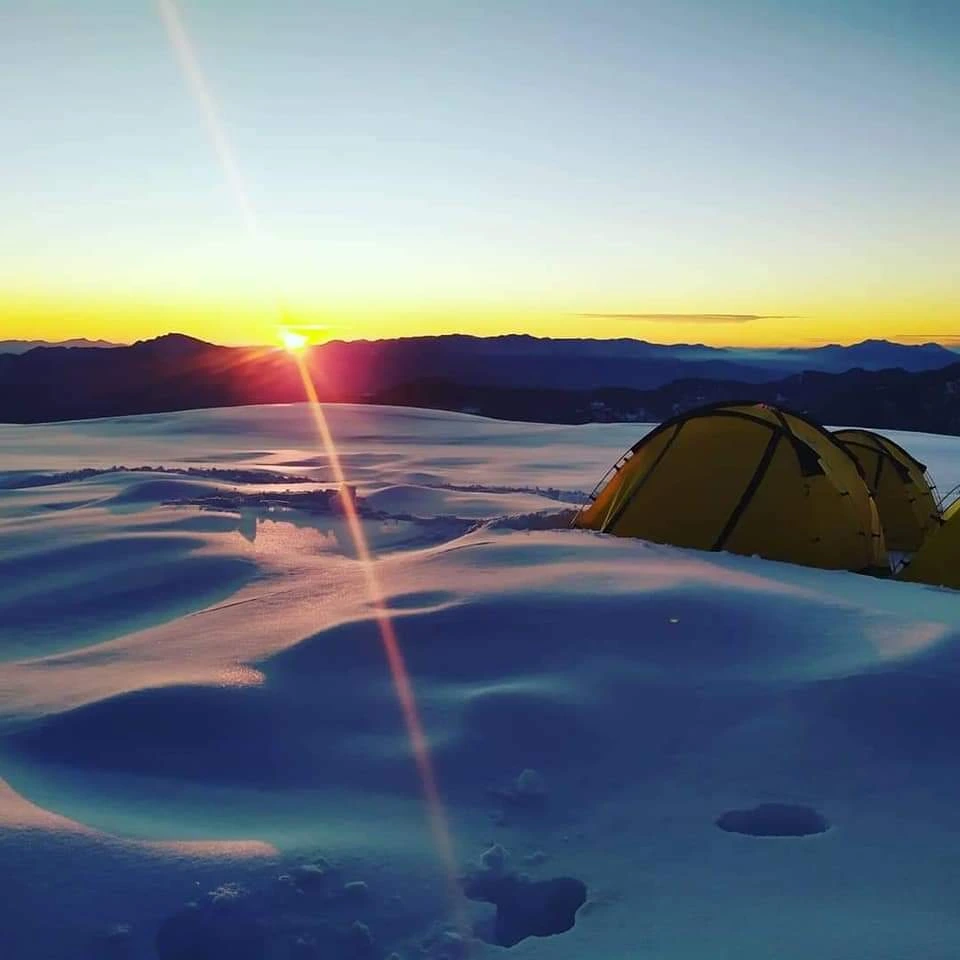
    Weather Readiness: Be prepared for the transformative nature of Himalayan weather. While daytime can be manageable (10°C to 15°C), winter nights are intensely cold, dropping to -4°C or lower. Our high-quality gear is provided to support your journey safely through the cold.

Refund & Cancellation

We aim for clear and fair practices regarding cancellations. We know plans can change, and our policy is designed to balance flexibility for you with the operational needs of running a trek.

If Crux Himalaya Cancels Your Trek

  • If we are forced to cancel a trip for reasons beyond our control (such as natural disasters, route closures, or governmental mandates), you will receive a Trek Voucher. This voucher is valid for one year and can be applied toward the original trek or any other available trek.

  • If the cost of the new trek is higher, you must pay the difference. If the cost of the new trek is lower, we will refund the surplus amount.

  • If the cancellation is due to insufficient bookings (fewer than three participants), you will receive a full monetary refund.

If You Cancel Your Trek

Cancellation Window Refund Notes
More than 30 days prior to the trek start date 100% refund Full refund of trek fee
Between 15 and 30 days prior to the trek start date 50% refund Balance forfeited
Within 1 to 15 days prior to the trek start date No refund Pre-booked logistics; refund not applicable

FAQs

The trek is classified as Easy to Moderate. It is an ideal Himalayan trek for fit beginners. While it involves some steep ascents (especially on Day 3 breaking into Ali Bugyal) and a long descent, the daily walking hours are manageable (4–7 hours), and there are no technically challenging sections. A strong base of cardio fitness is essential.

The maximum altitude of 12,550 ft (Bedni Top) is considered moderate. While the risk of Acute Mountain Sickness (AMS) is present, the 6-day itinerary is designed for excellent acclimatization. We ascend gradually, ensuring safe altitude gain. By staying hydrated and following the guide’s pace, the risk is significantly mitigated. We do not use a rapid ascent itinerary.

The trek is best enjoyed during two windows:

  • April to June (Spring/Summer): This is when the meadows come alive with vibrant colors. The famous Rhododendron forests are in full bloom during late April and May, and the grasses are intensely green.
  • September to November (Autumn): This period offers the clearest, sharpest views of Trishul and Nanda Ghunti due to the clear post-monsoon skies. The grass turns a soft gold-brown, offering a unique contrast to the snow-capped peaks.

“Bugyal” is a regional Hindi word referring to high-altitude alpine meadows or vast grasslands, typically found above the tree line (around 10,000 ft). Ali and Bedni together form one of the largest and most ecologically significant Bugyals in India.

  • Toilets: At all high-altitude campsites (Ali and Bedni), we utilize dry eco-friendly toilet tents. These are simple pits enclosed by a tent, using a shovel and soil. They require trekkers to be comfortable with basic, communal facilities.
  • Water: Drinking water is sourced from clean mountain springs and streams. Our team ensures all water is boiled or chemically treated before being served. Trekkers should carry personal water bottles/thermoses.

Yes, Bedni Bugyal sits directly on the traditional pilgrimage route to the notorious Roopkund Lake. However, the modern Ali Bedni Bugyal Trek itinerary diverts and descends from Bedni Bugyal back toward Lohajung (via Wan) to ensure a safe, moderate, and complete circuit. You will not proceed to the higher, riskier elevations necessary to reach Roopkund.

We strongly recommend relying on the nutritious, hot meals provided by our kitchen team, as these are calculated for trekking demands. Only essential energy snacks (chocolates, dry fruits) should be carried personally. Non-vegetarian food is strictly prohibited on the trail out of respect for the local culture and the sacred nature of the Bugyals, which lie on a major pilgrimage route.

Trek Fee
₹ 7,999 ₹9,999
Save ₹2,000 (20% Off)
  • Pick Up: Lohajung
  • Drop: Lohajung
  • Location: Lohajung Base Camp
Note: Pick-up & drop details will be reconfirmed on WhatsApp after booking.