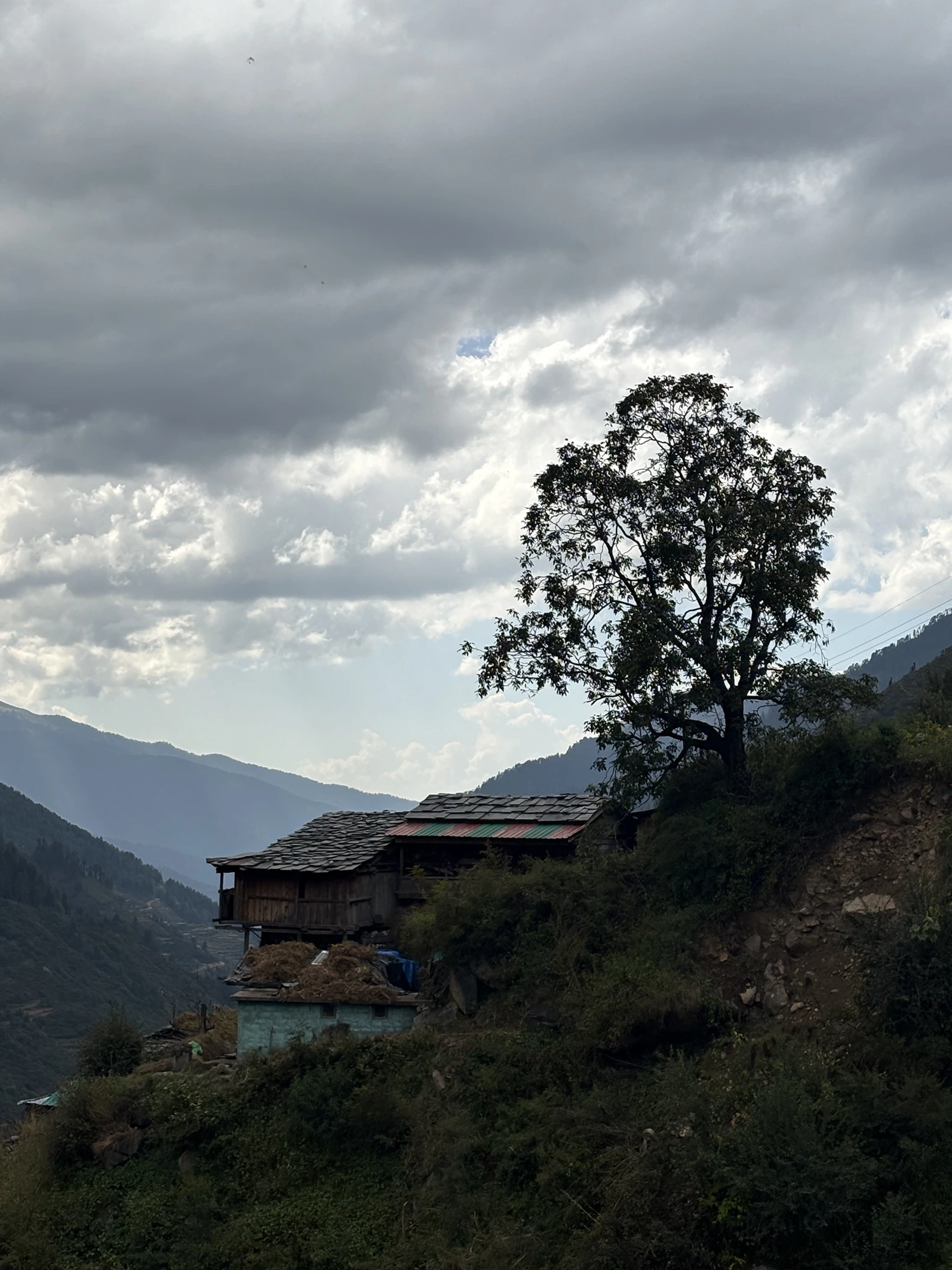
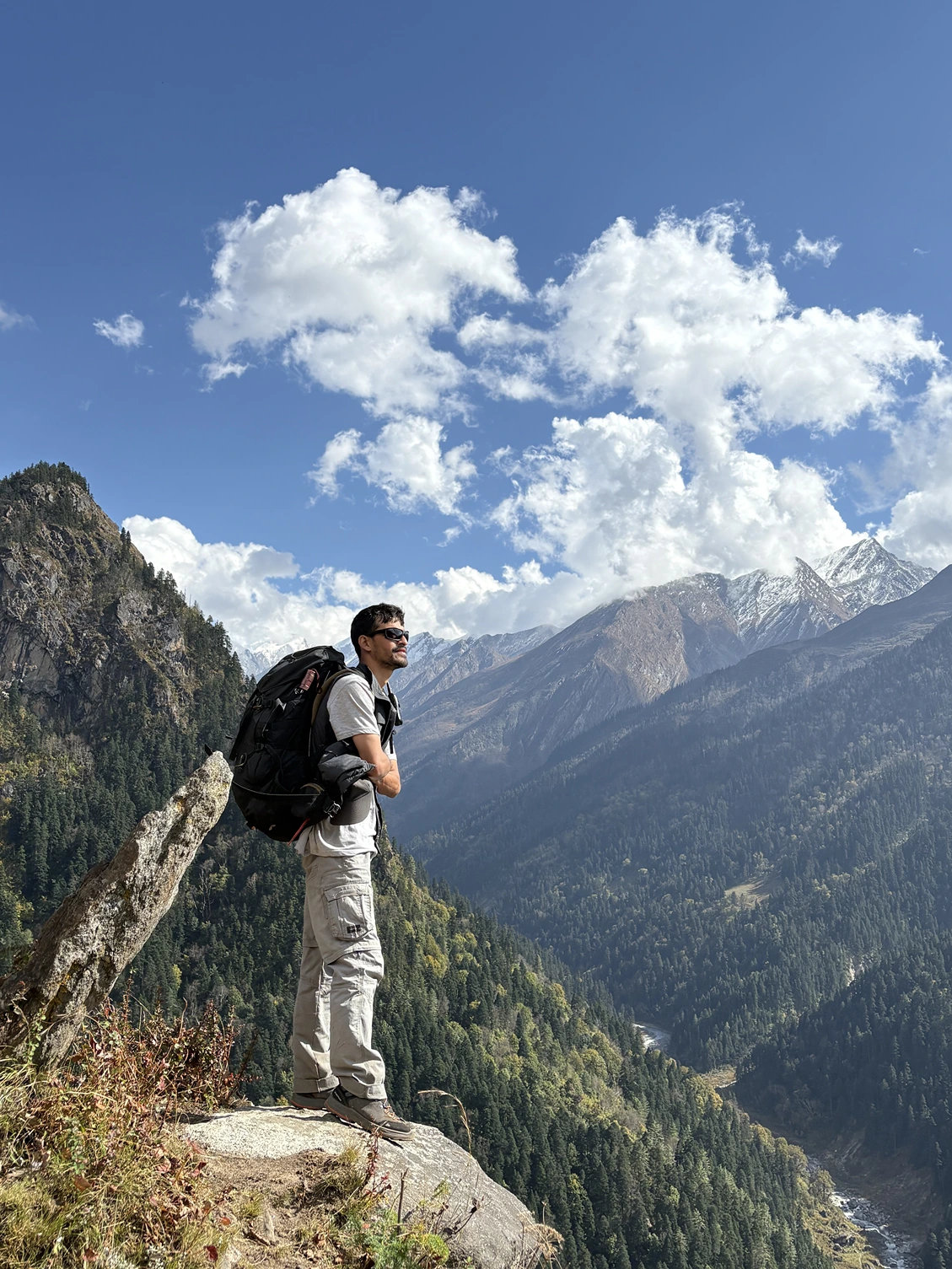
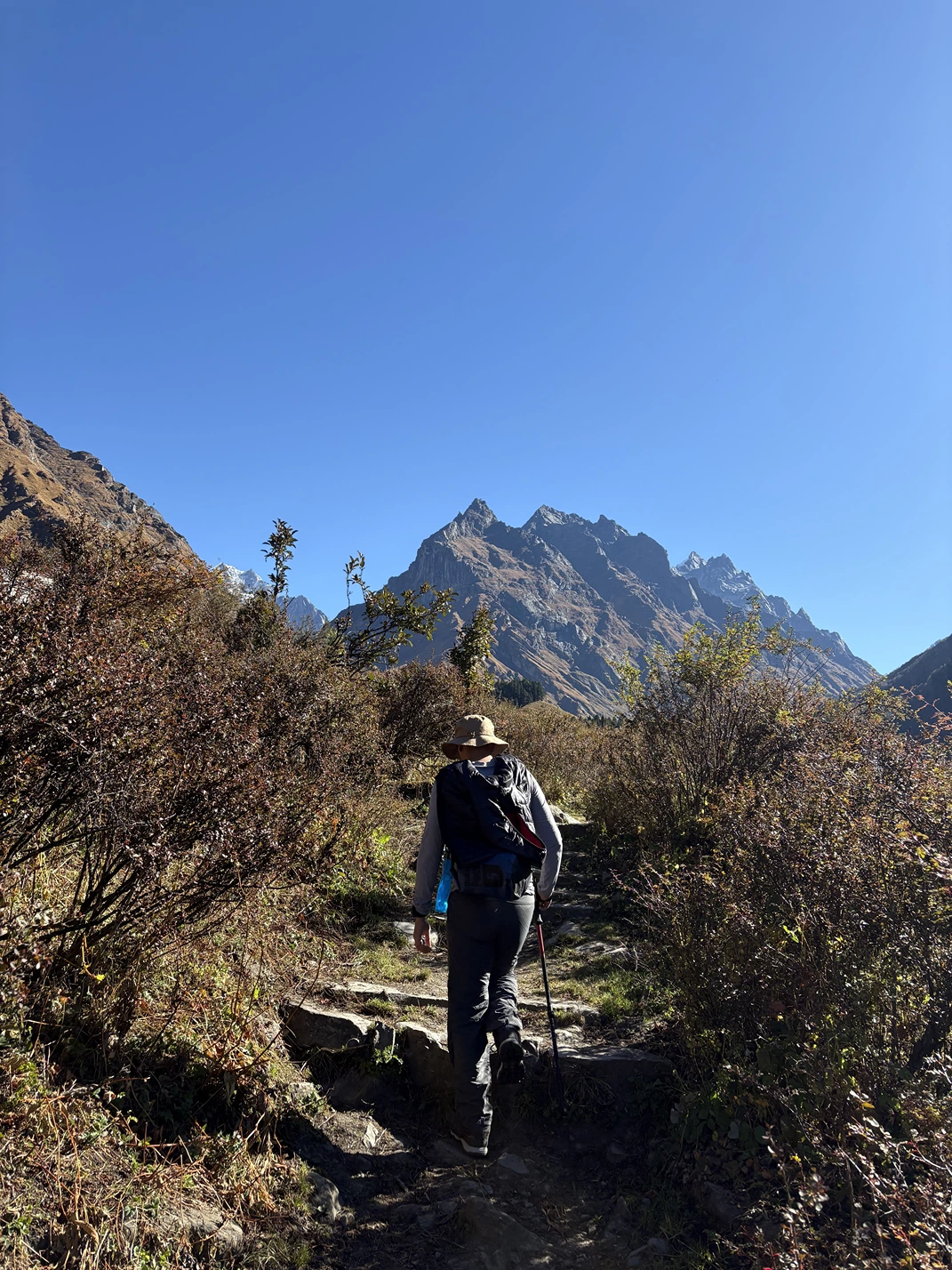
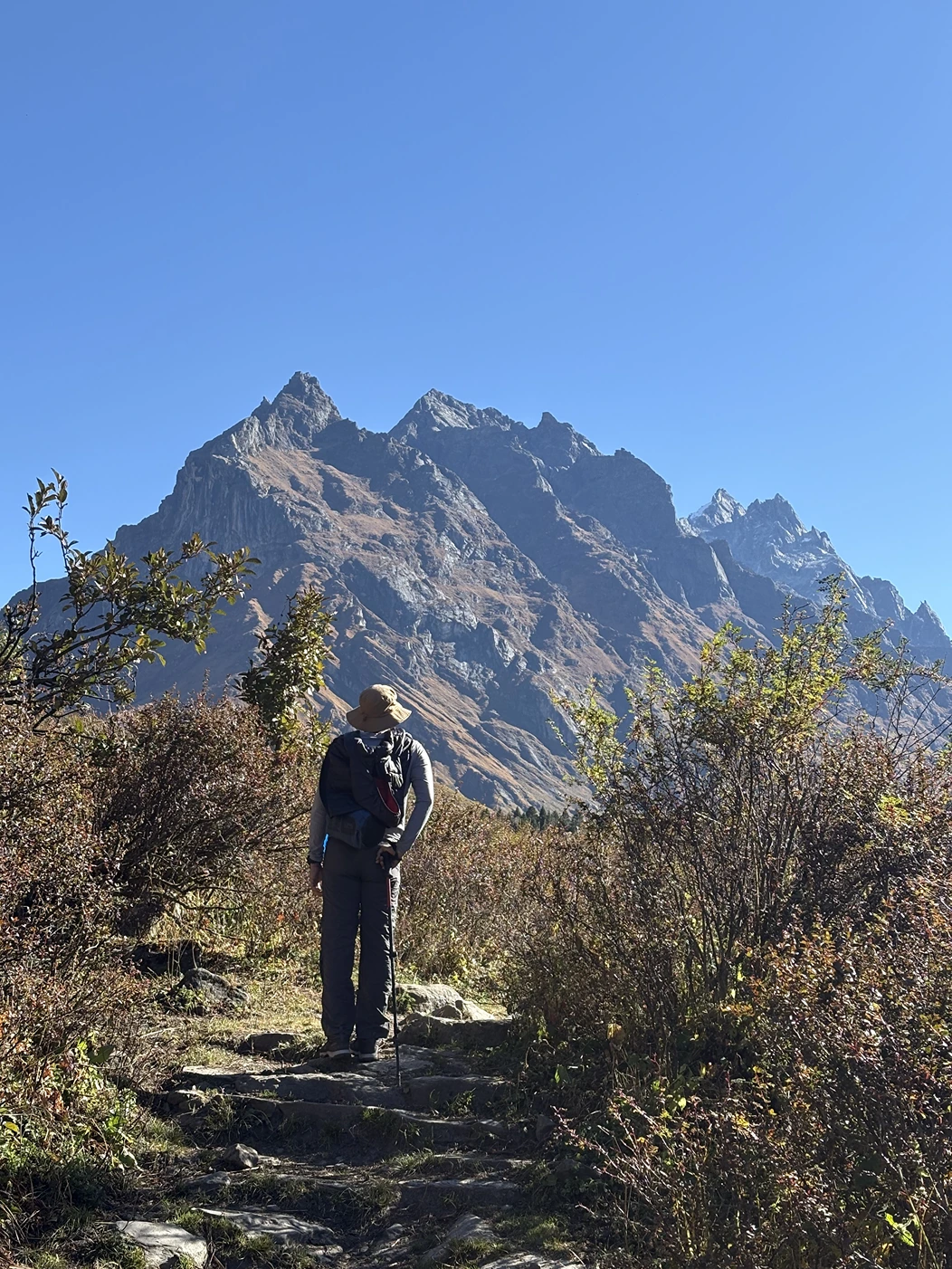
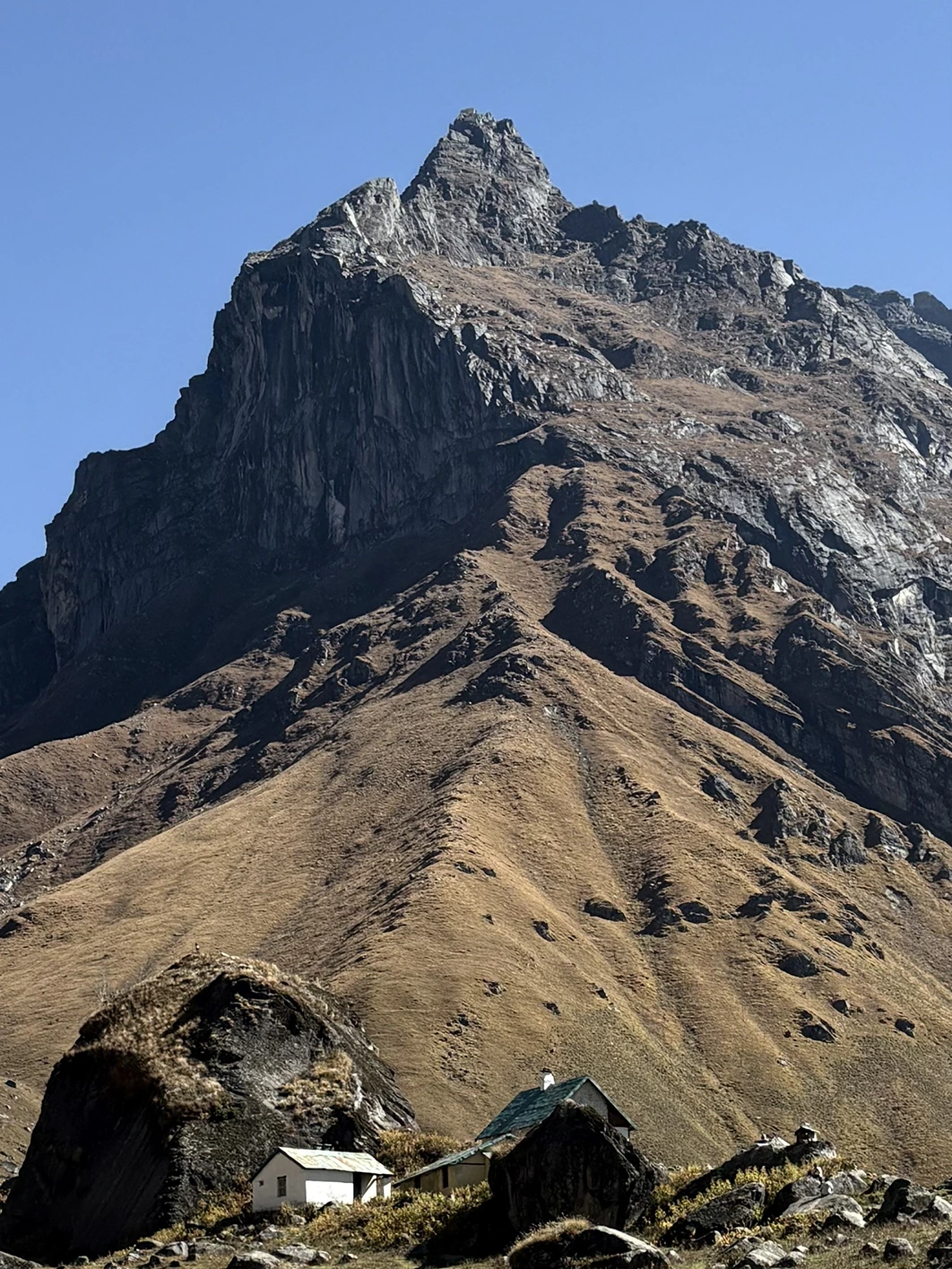
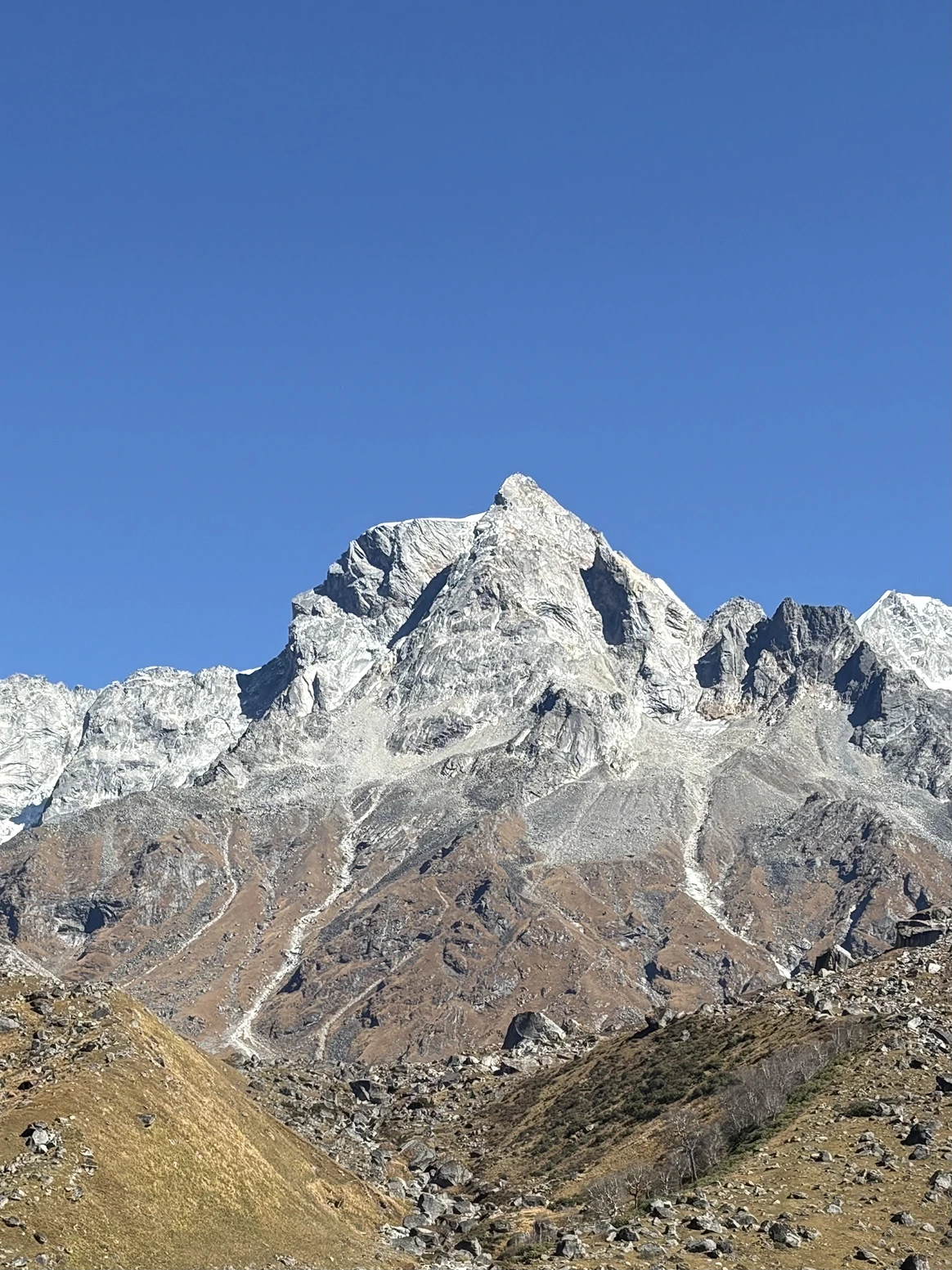
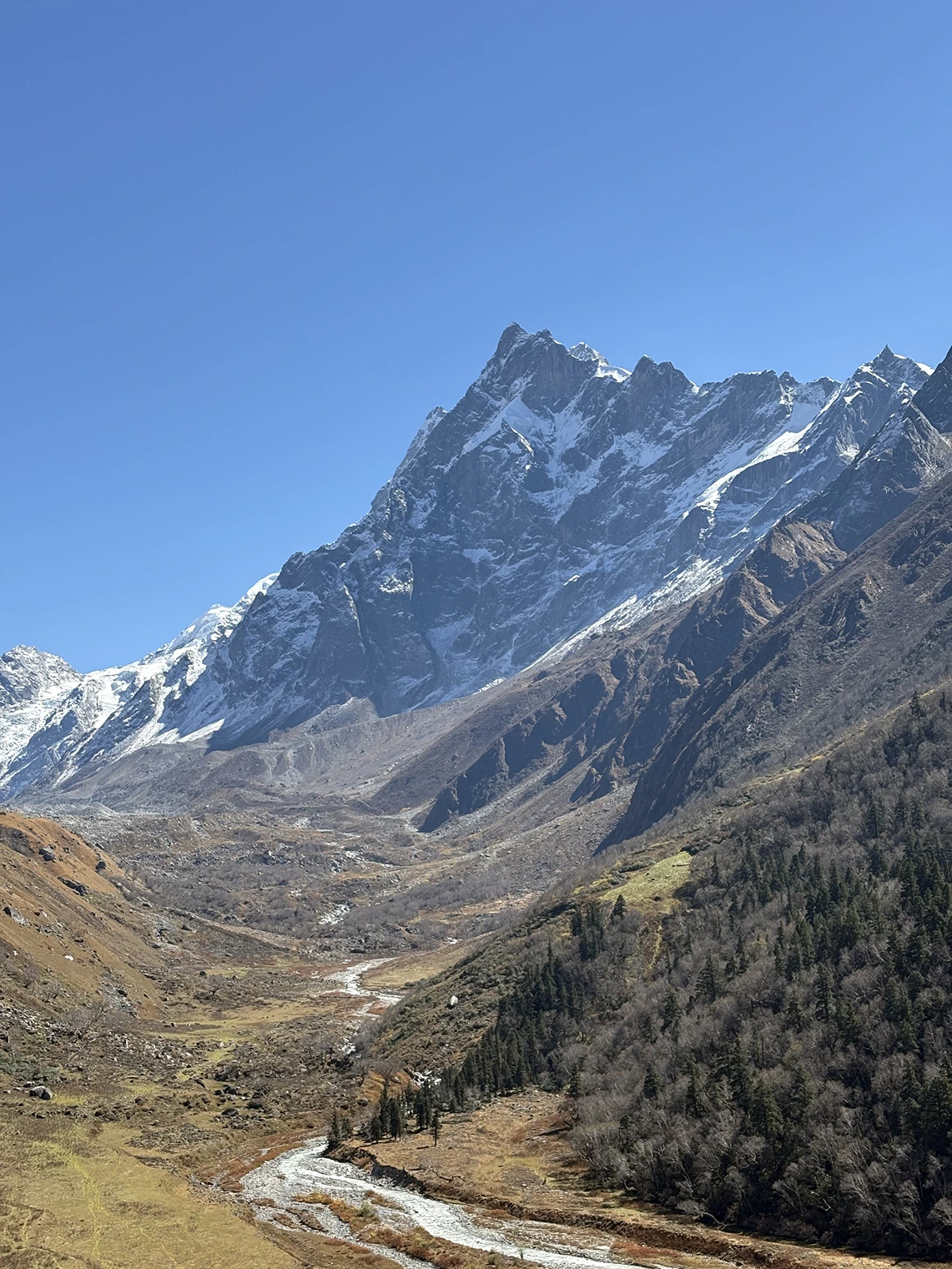
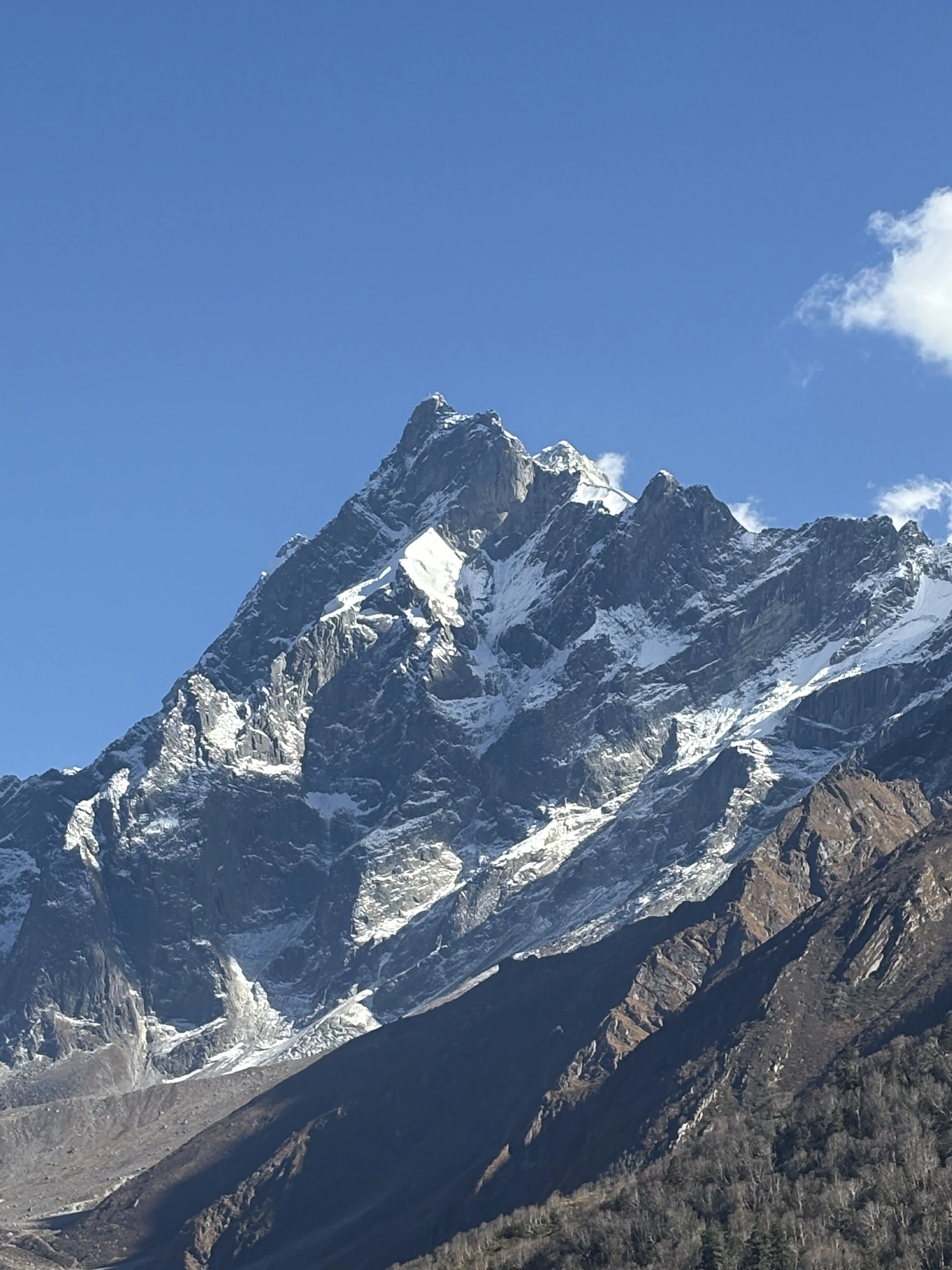
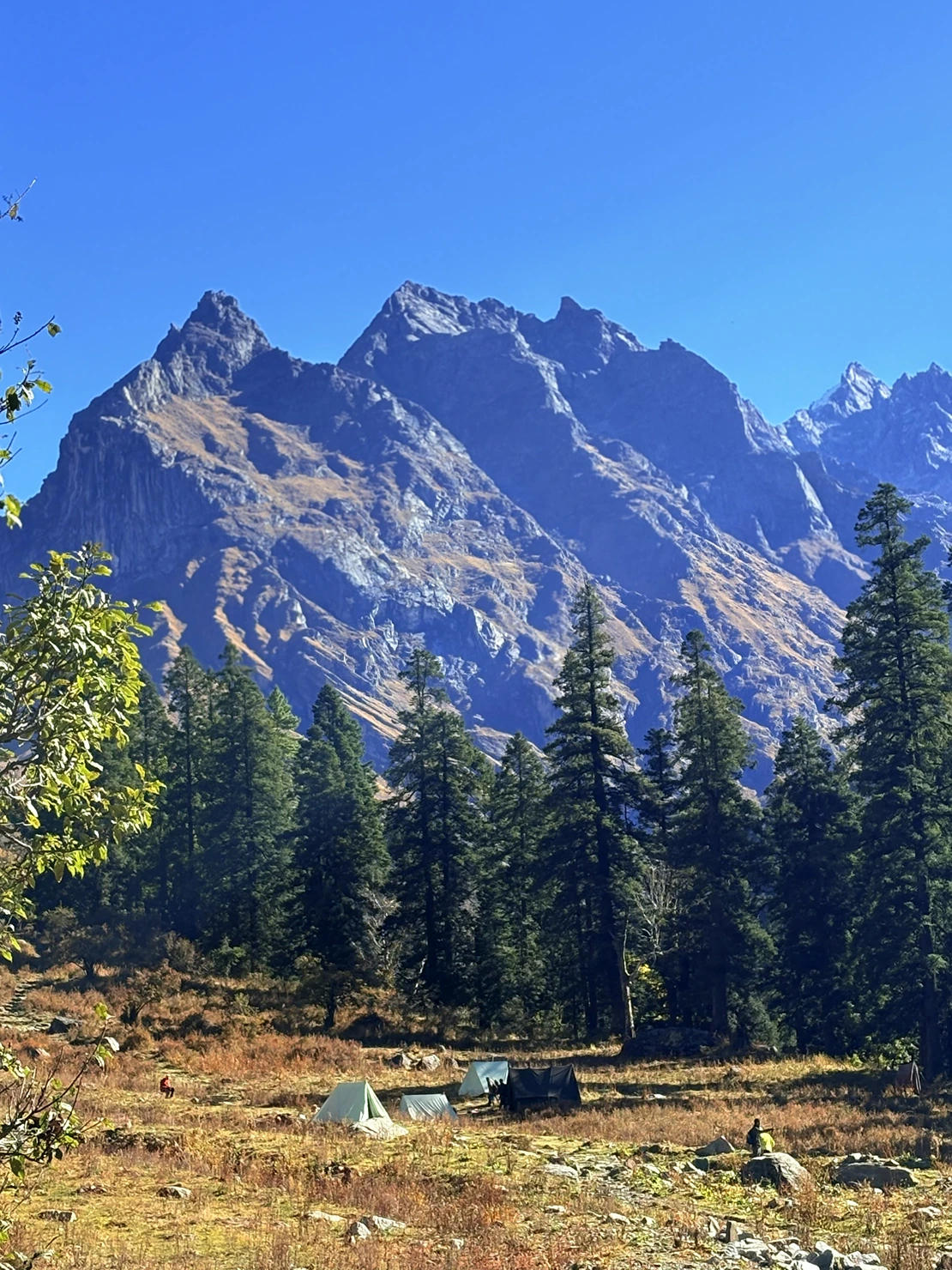
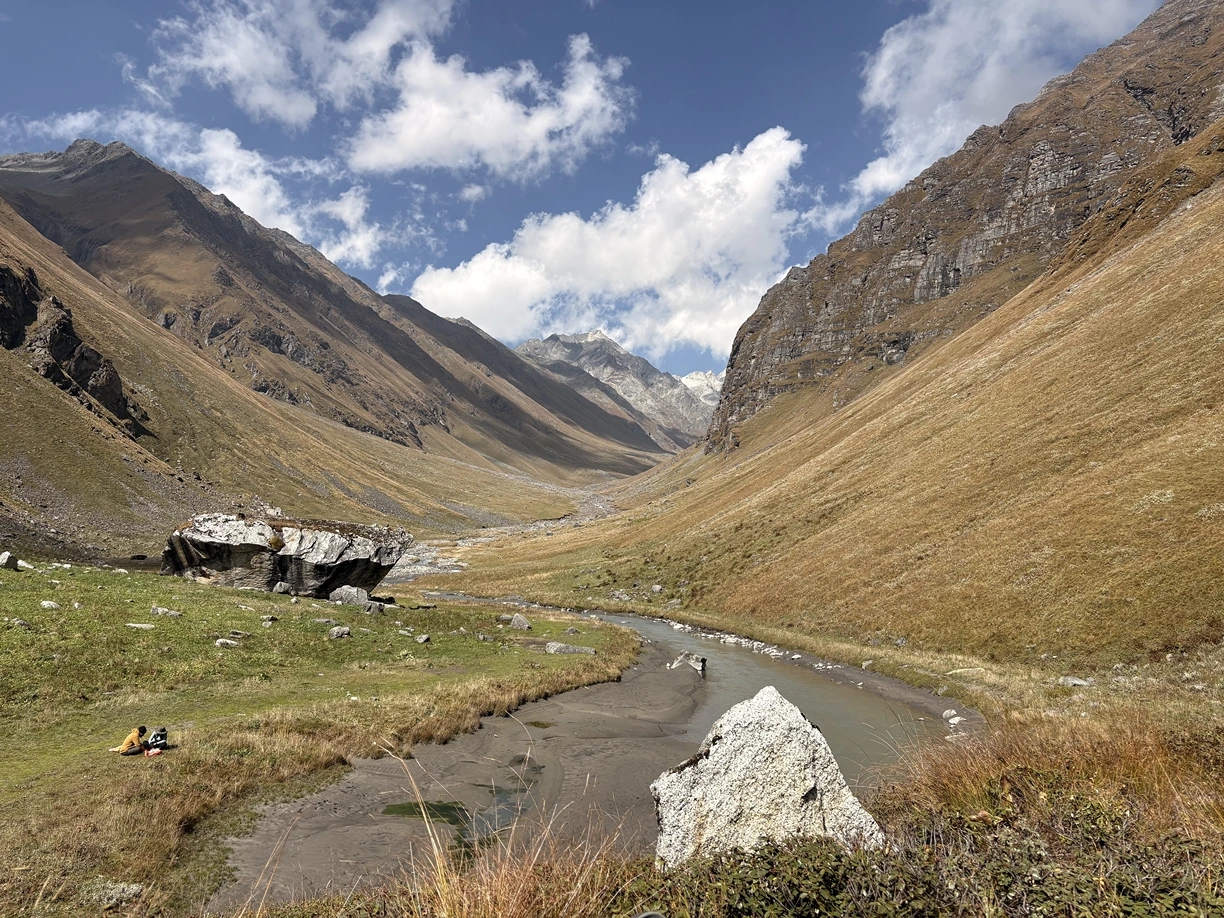
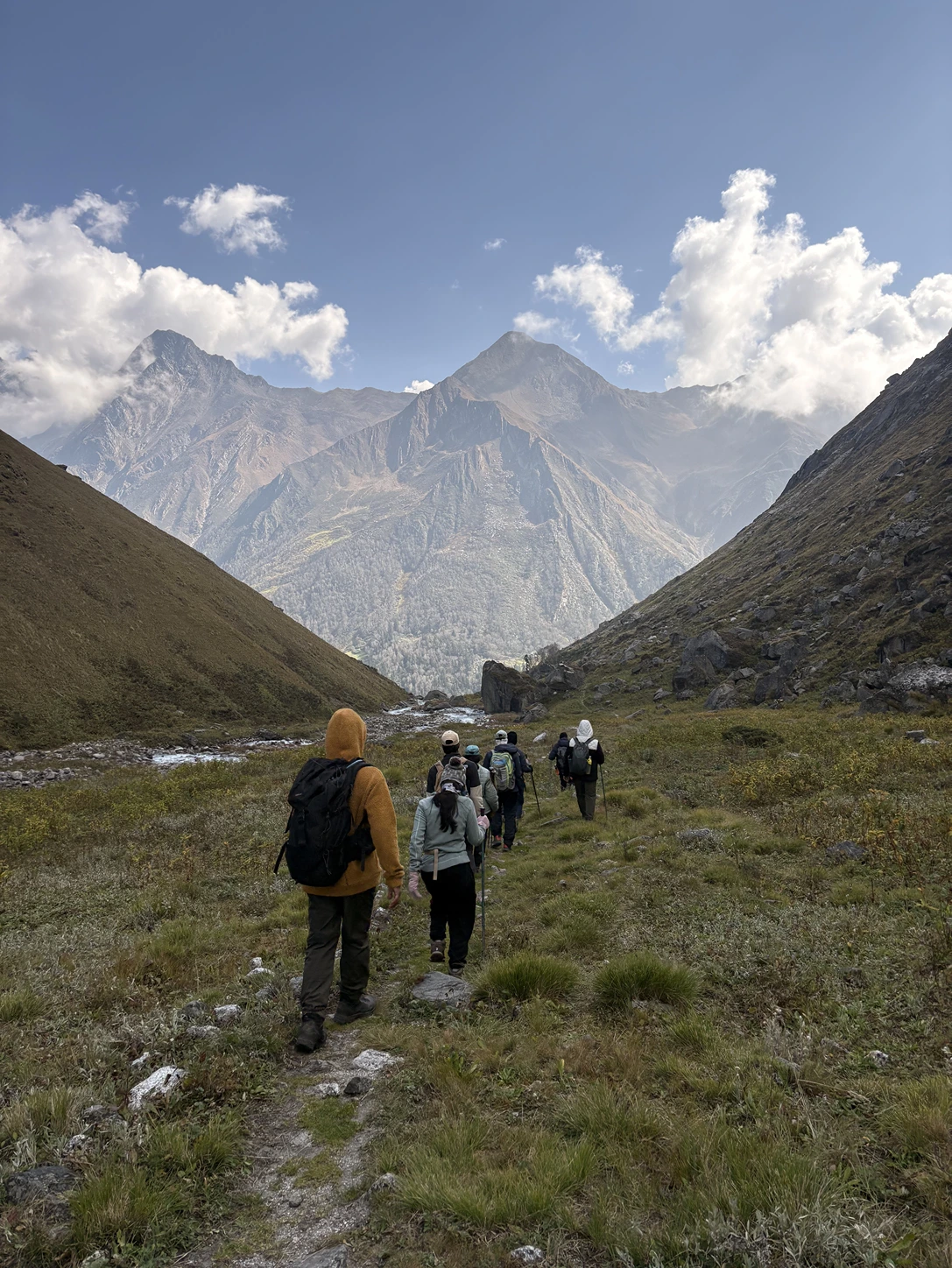
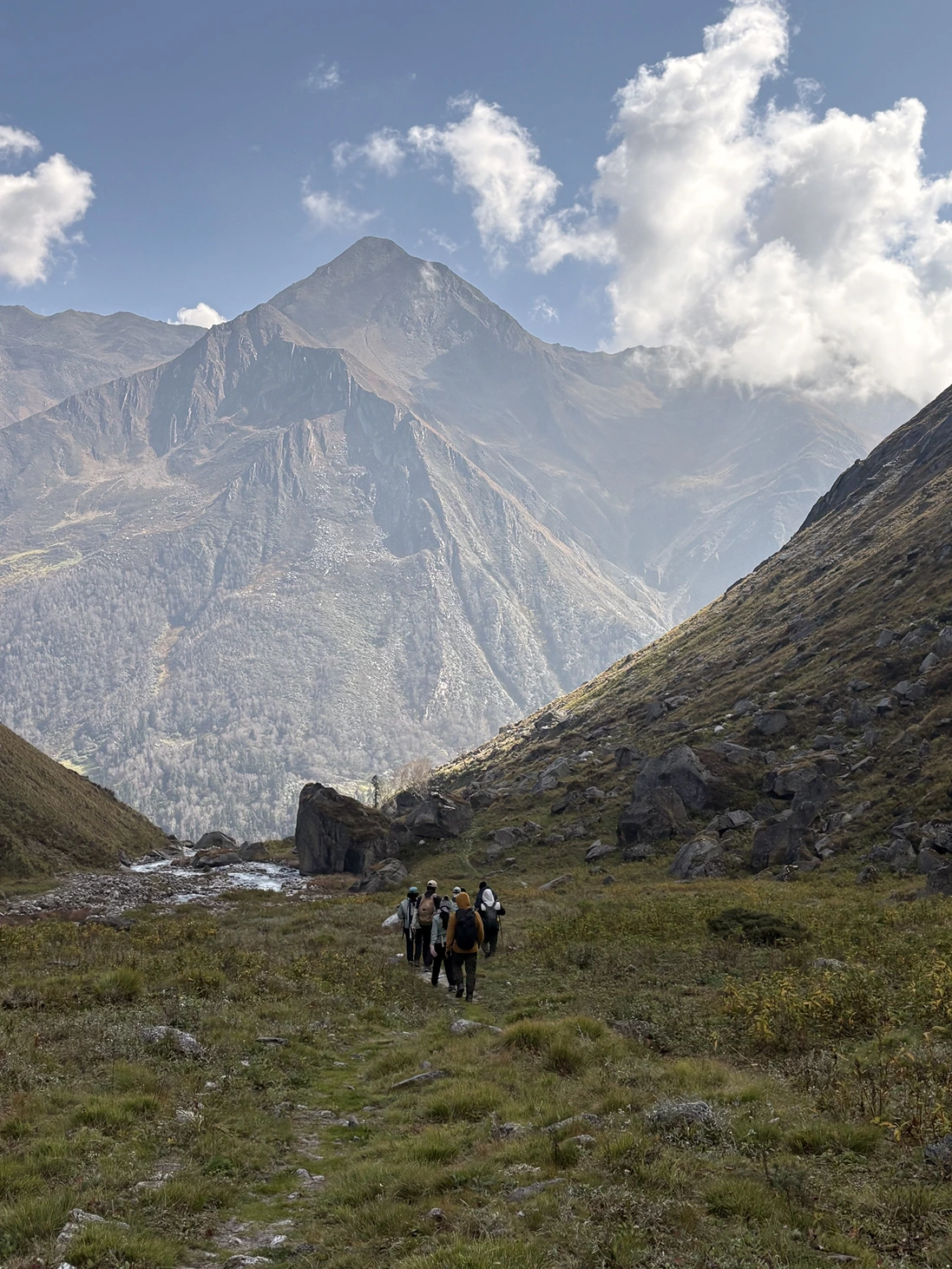
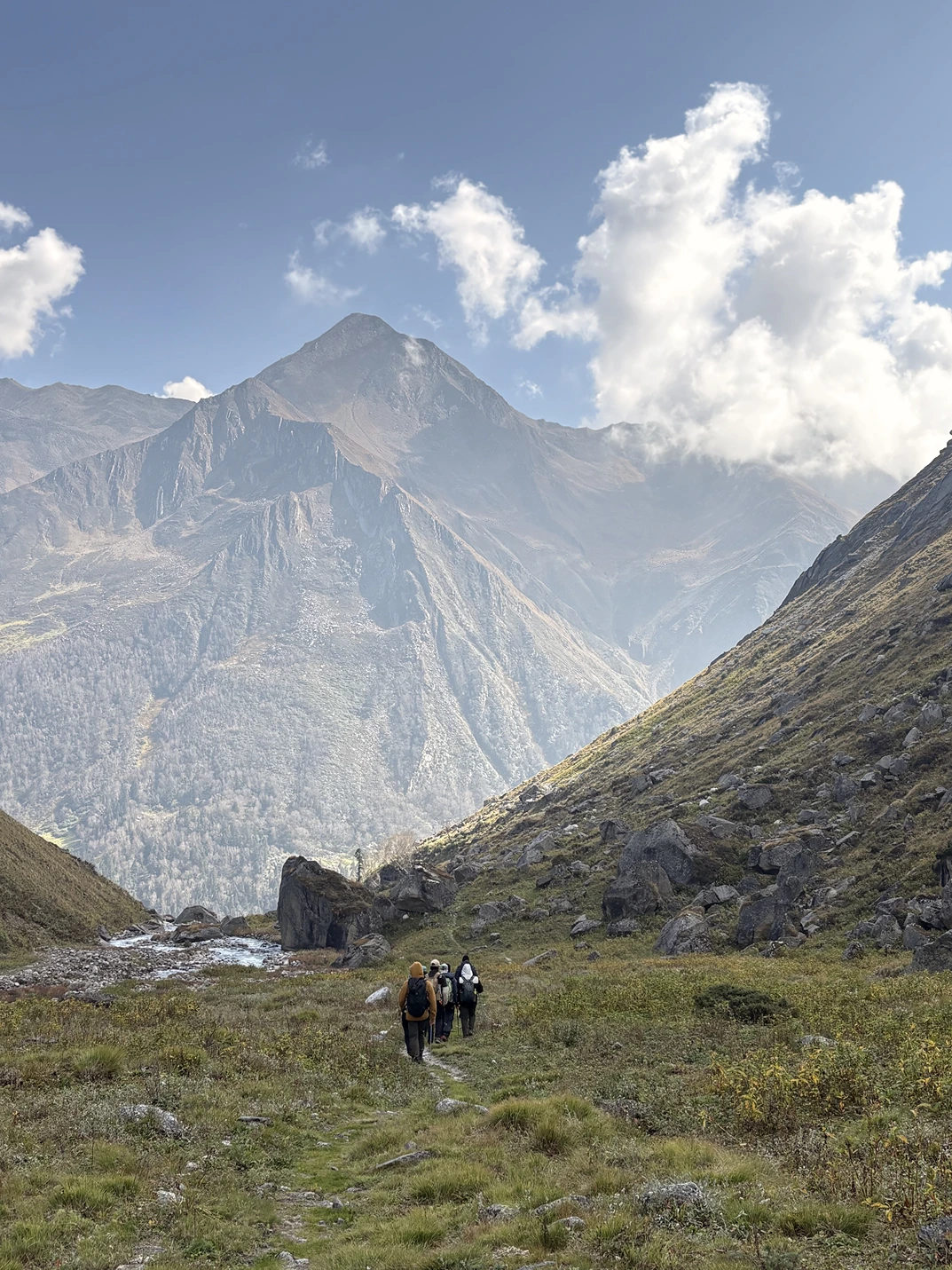
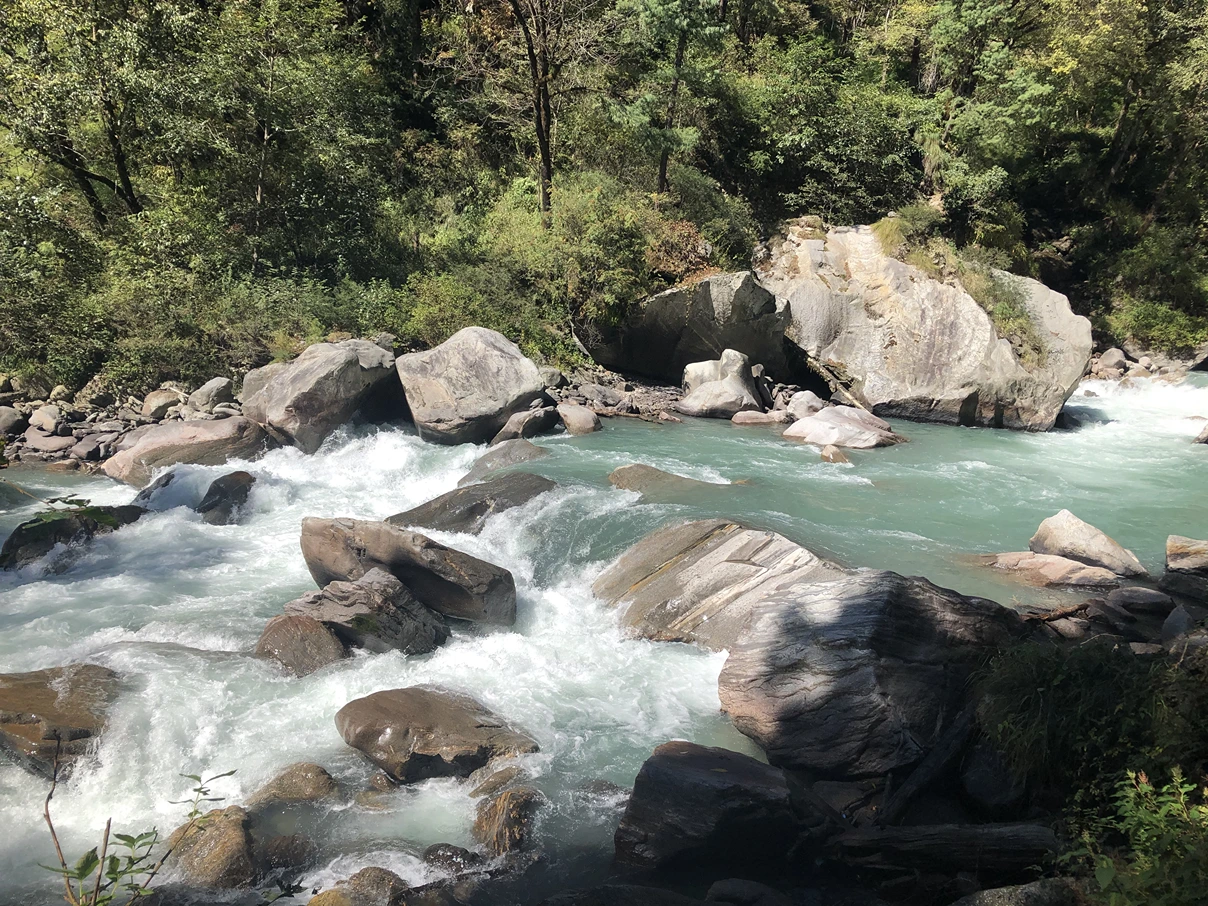
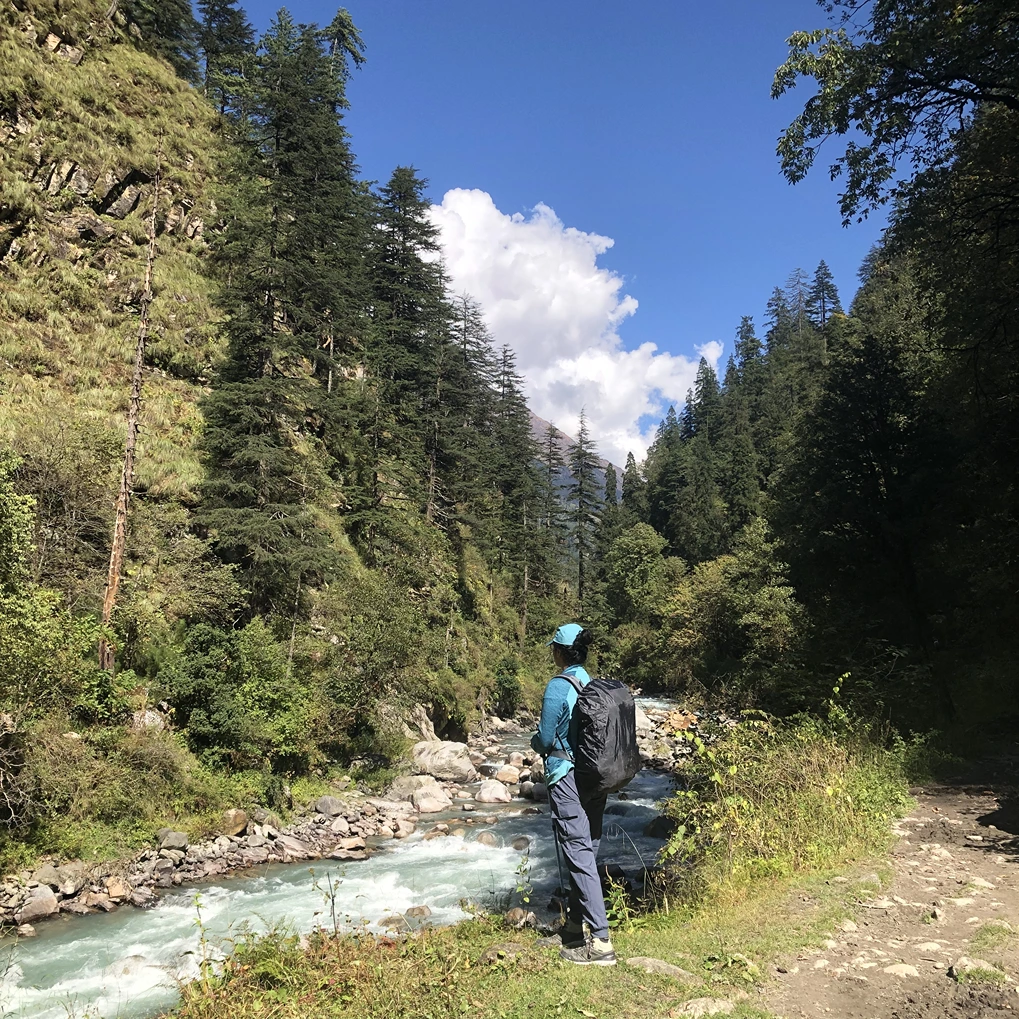
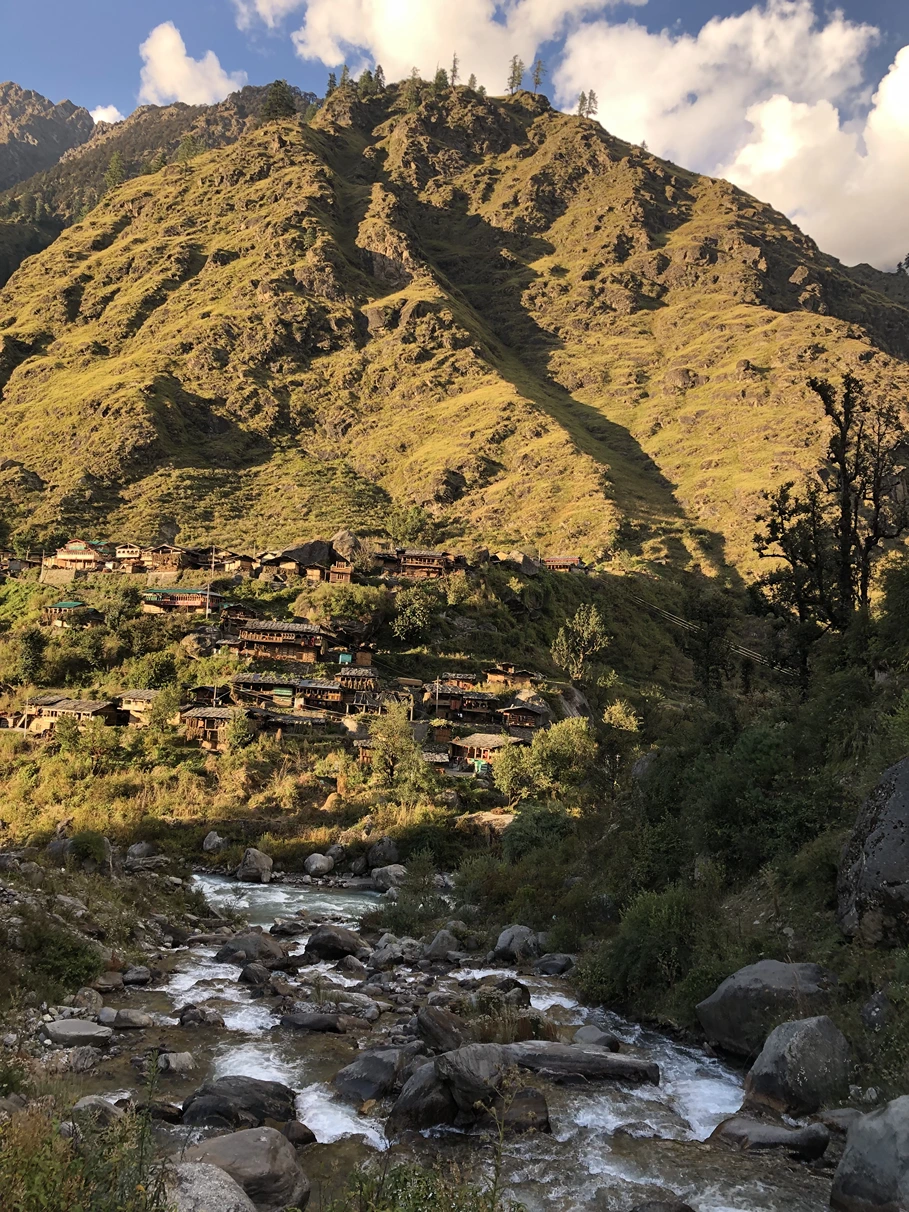
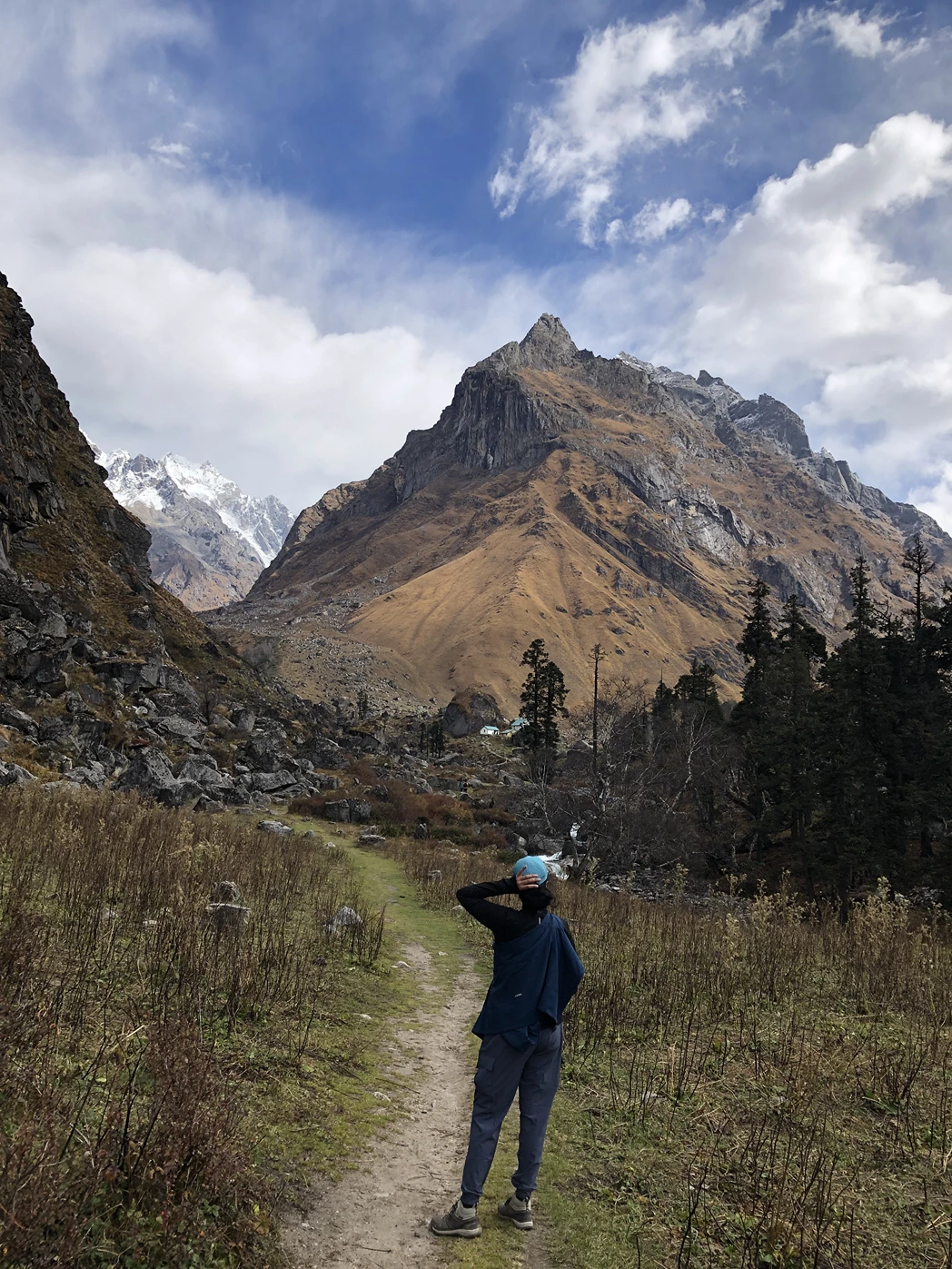
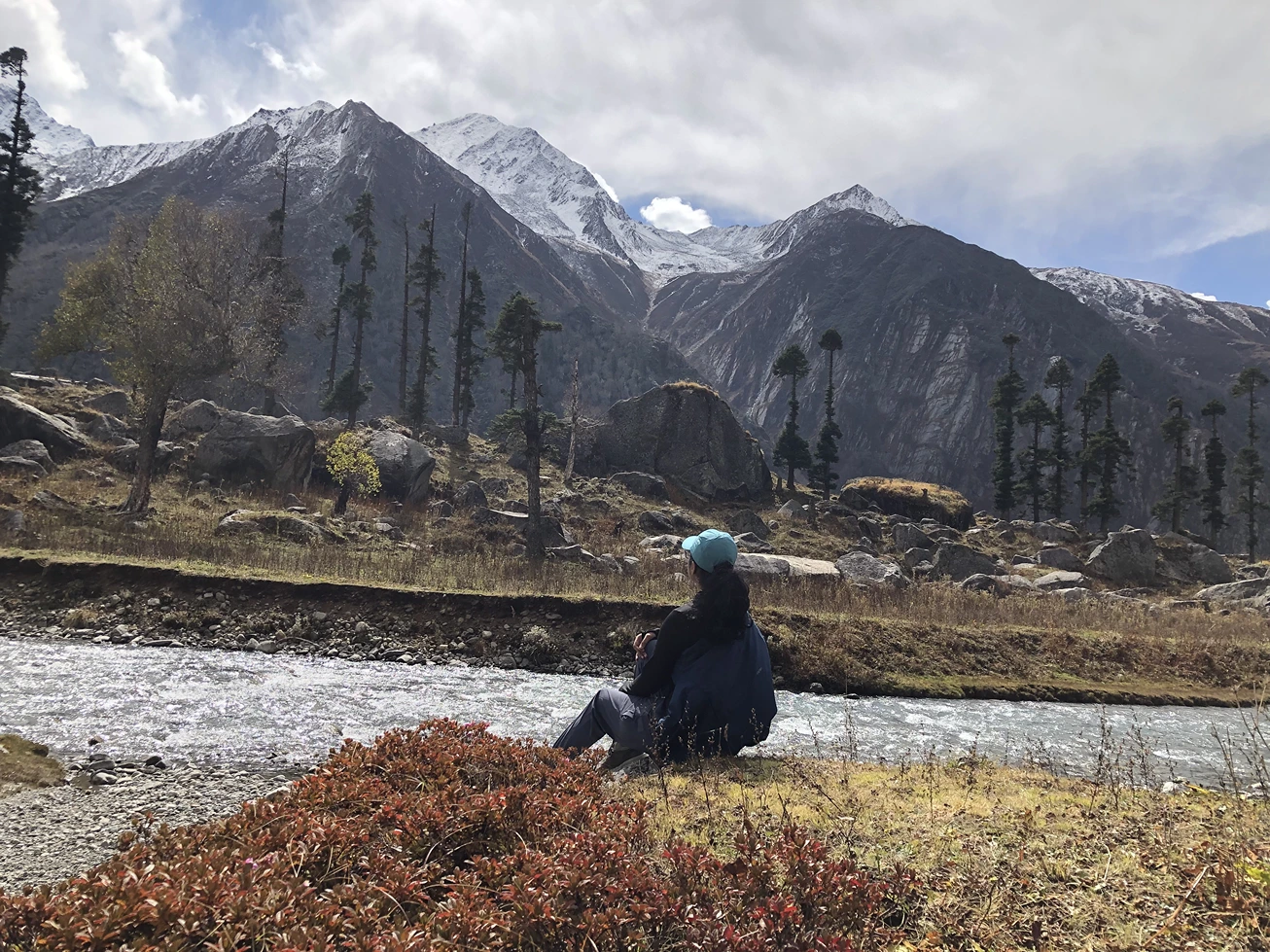
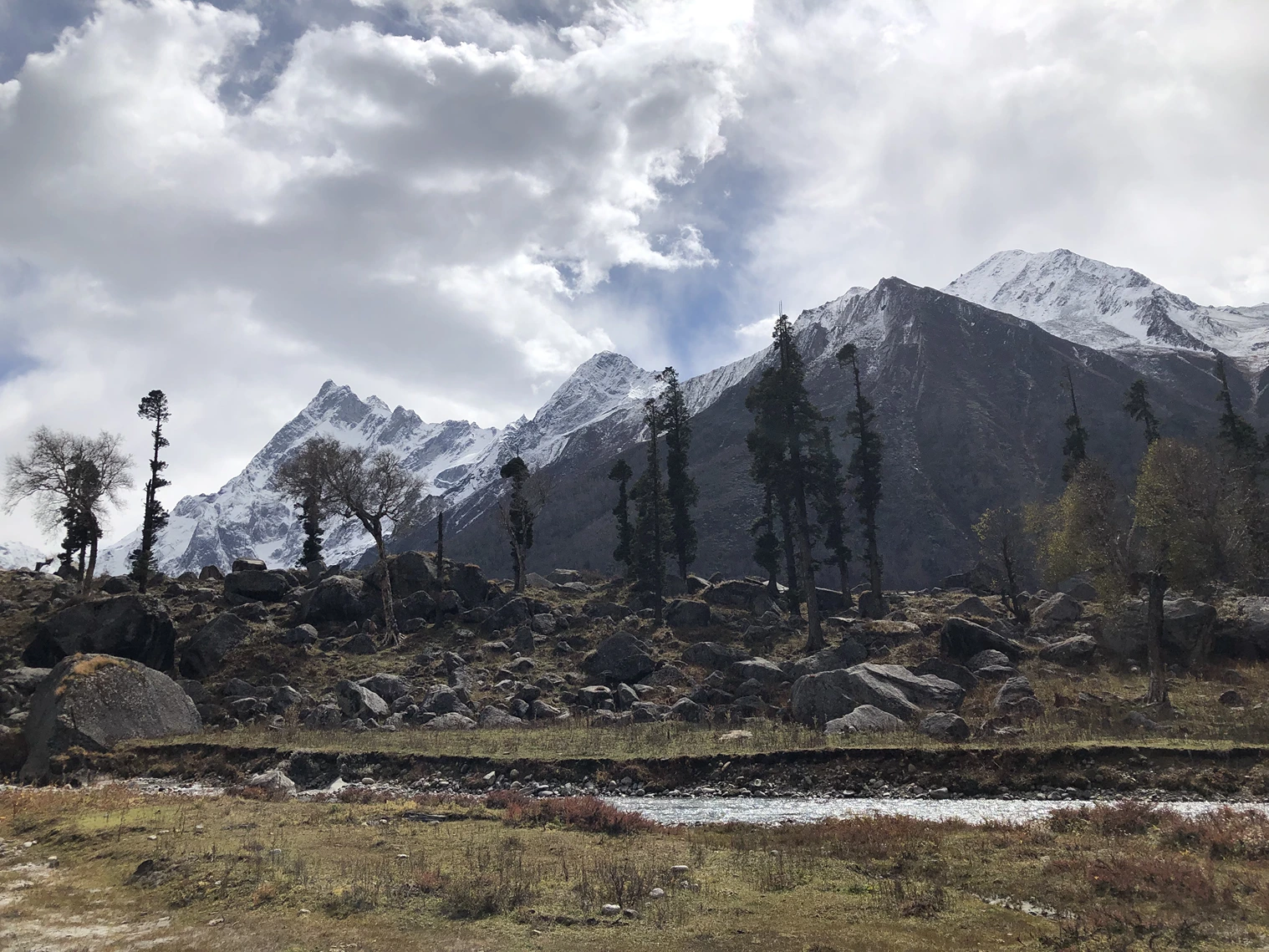
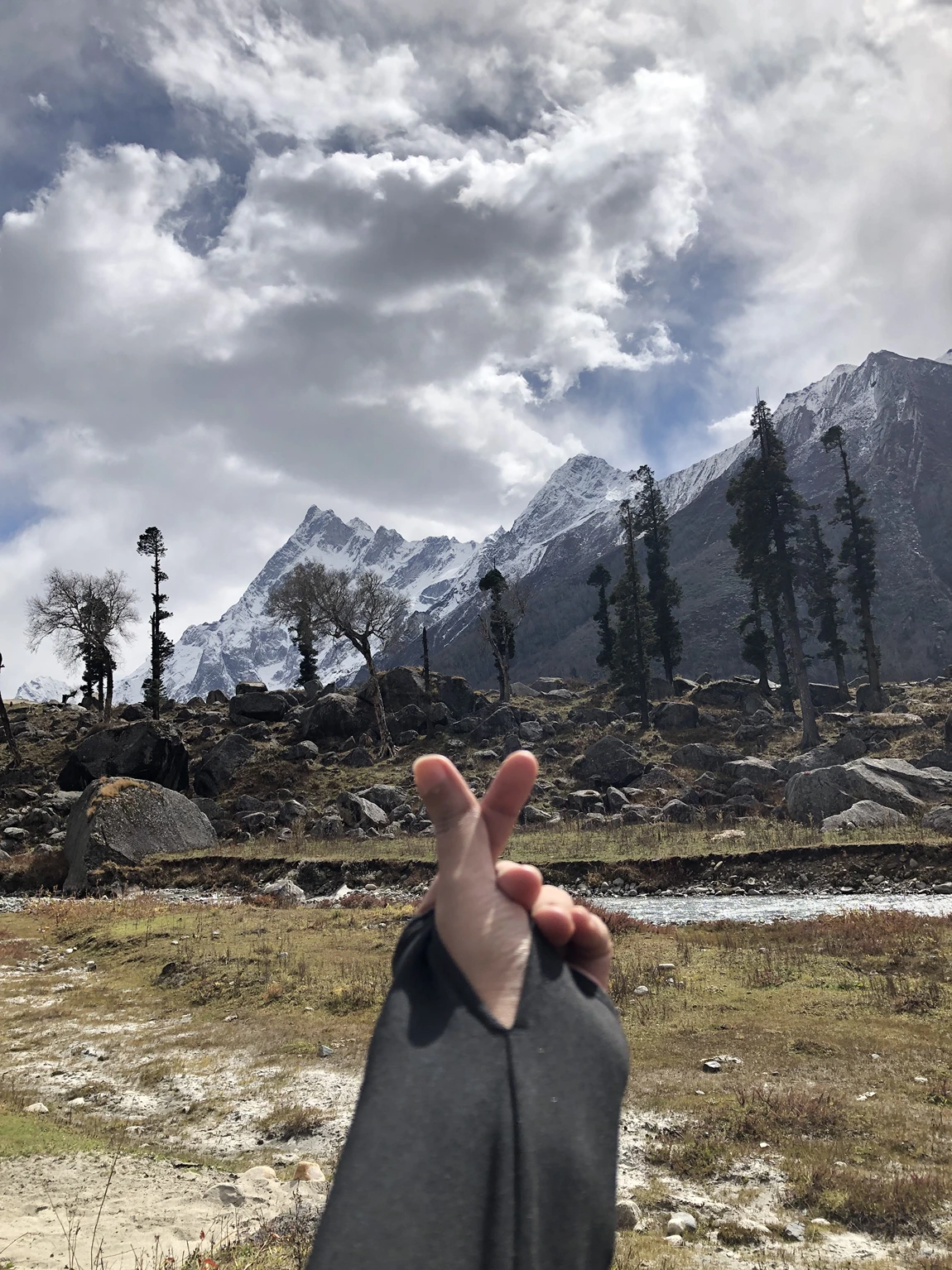
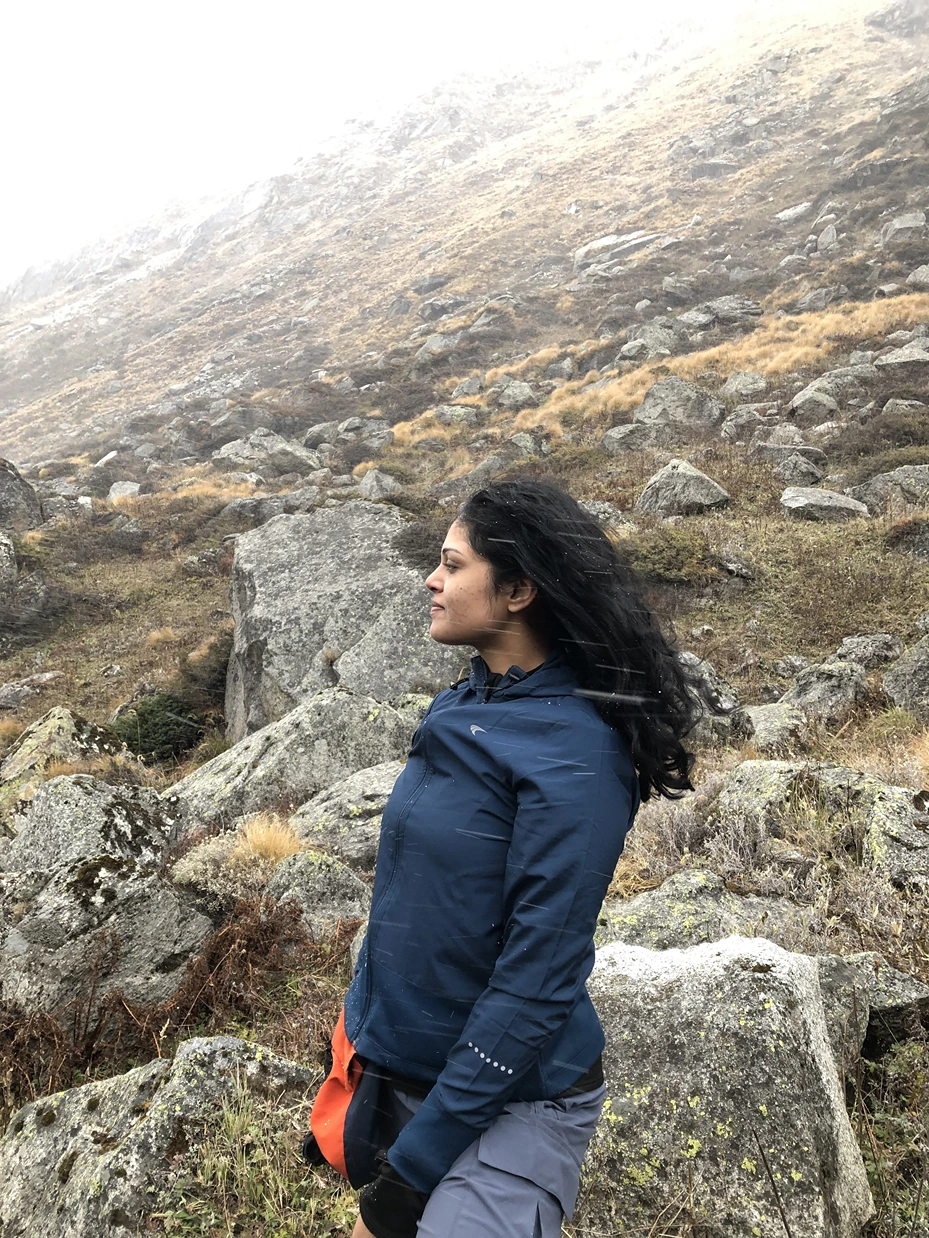
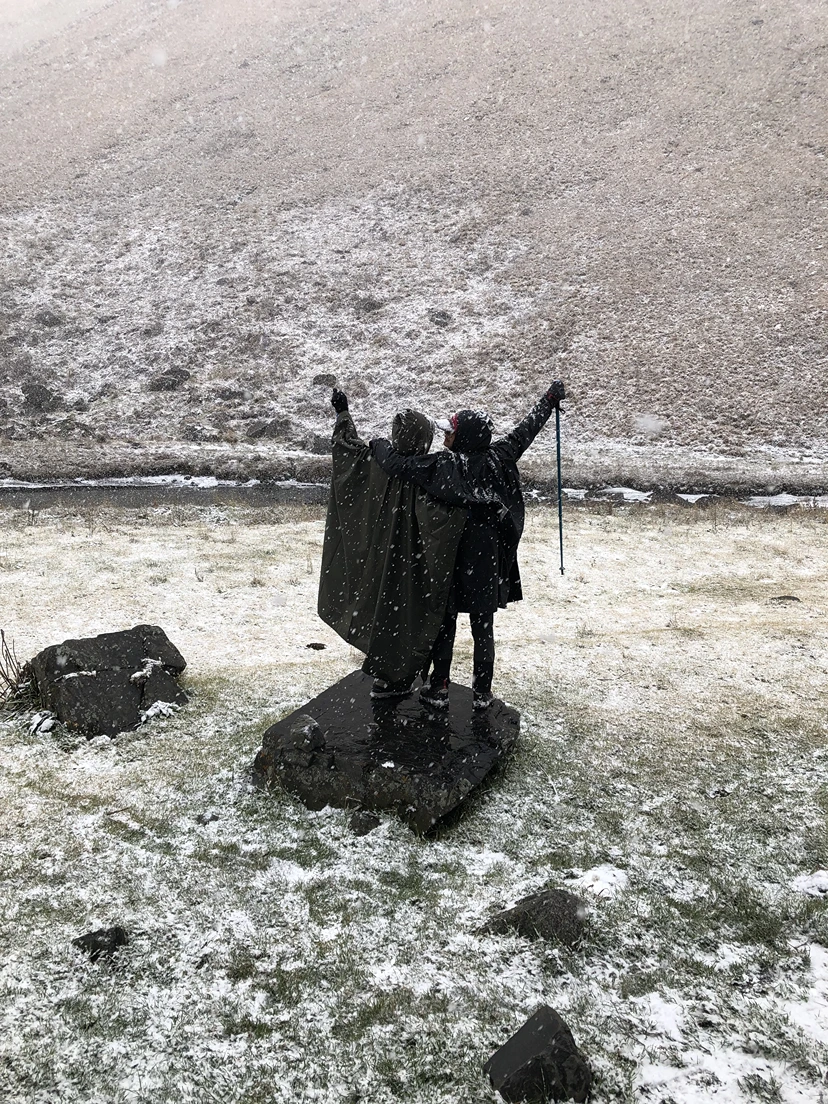
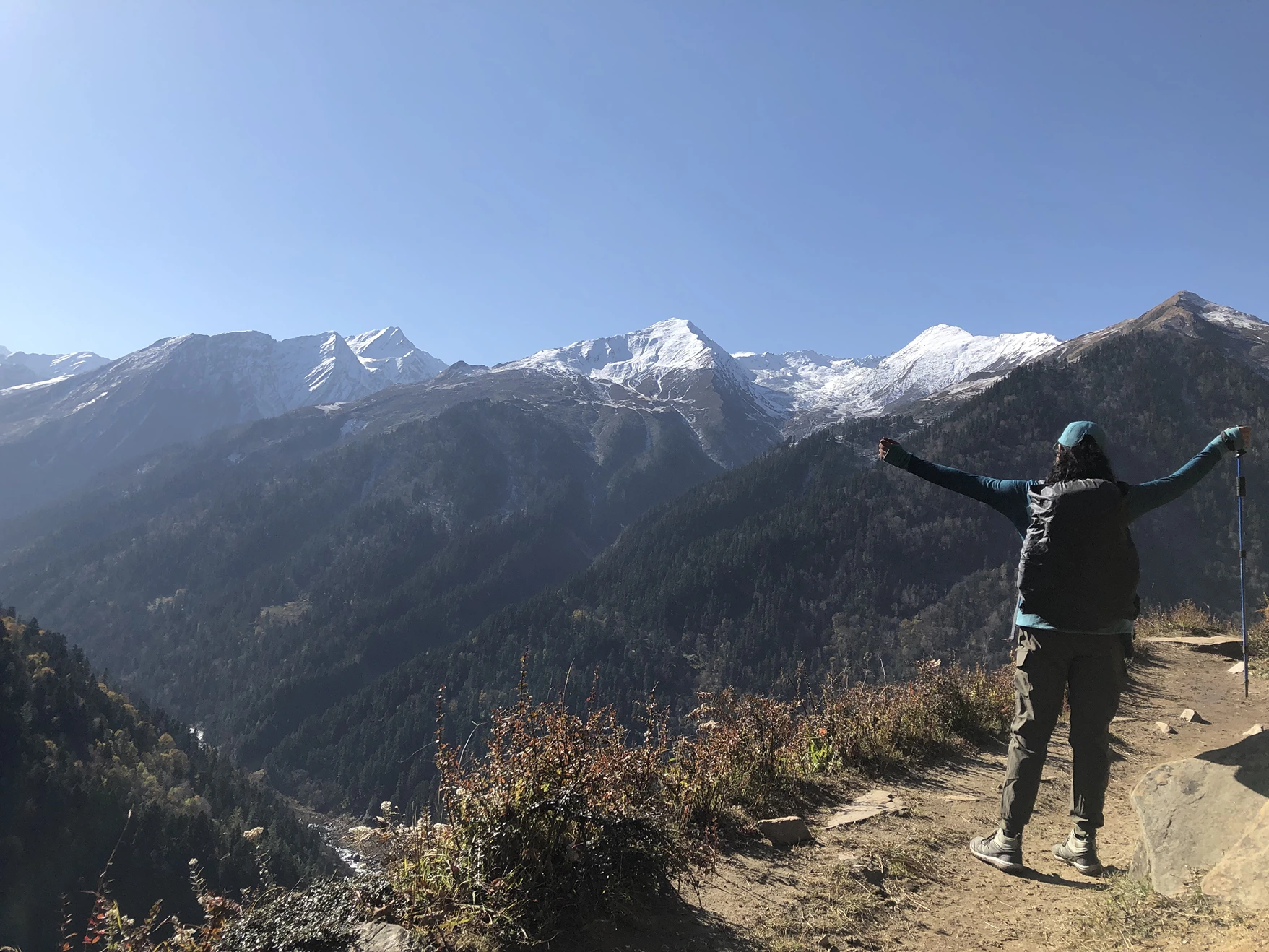
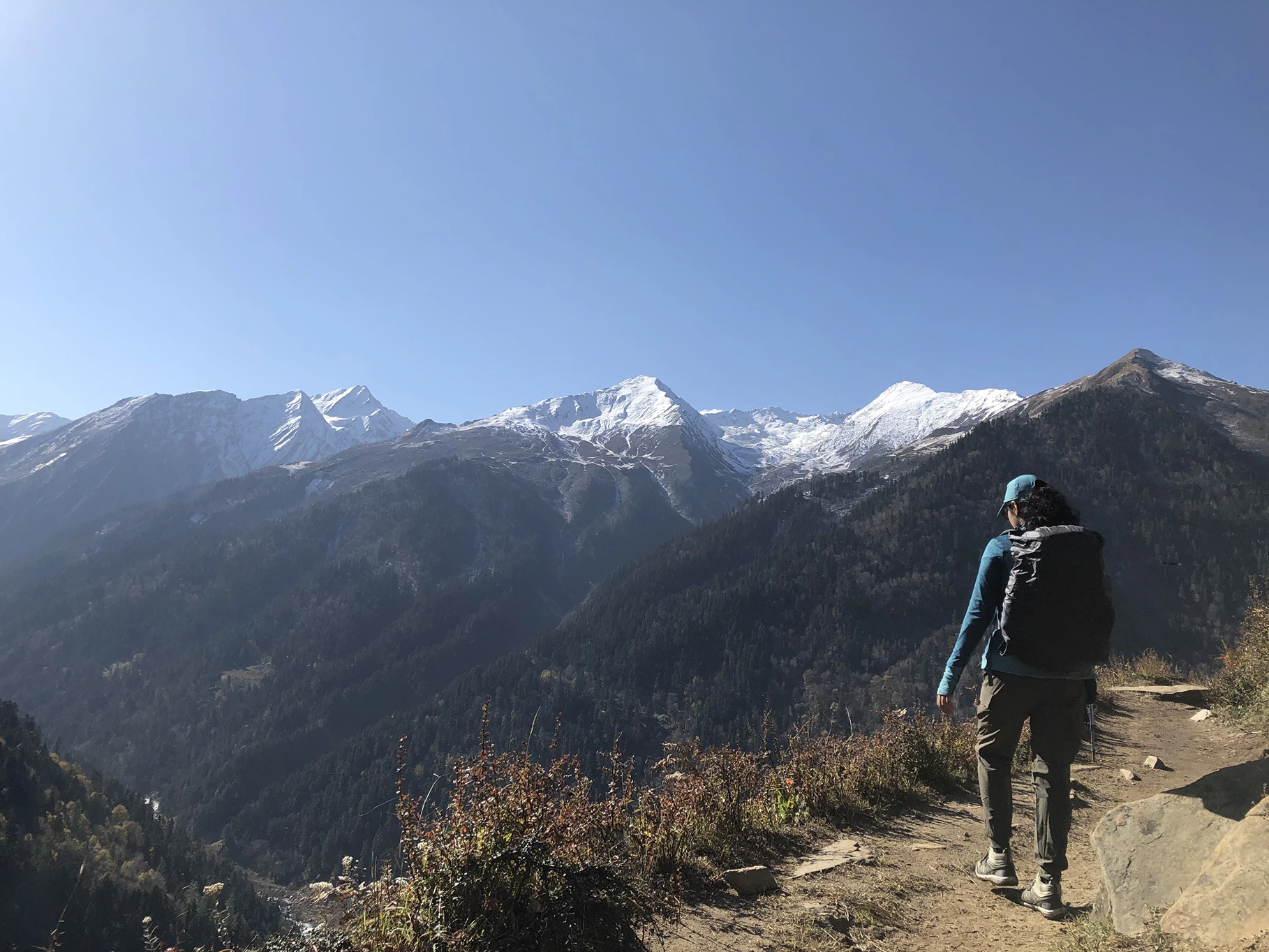
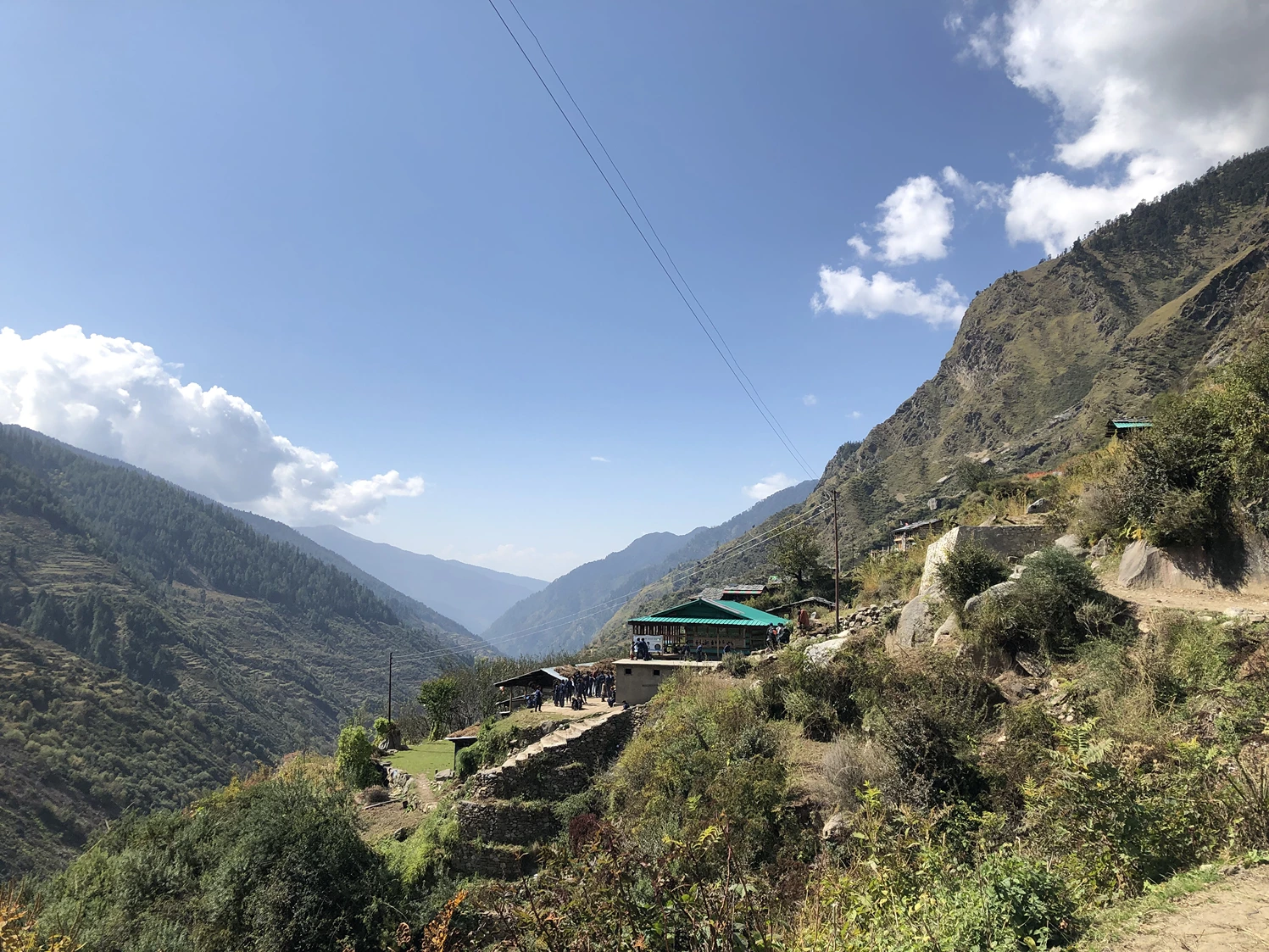
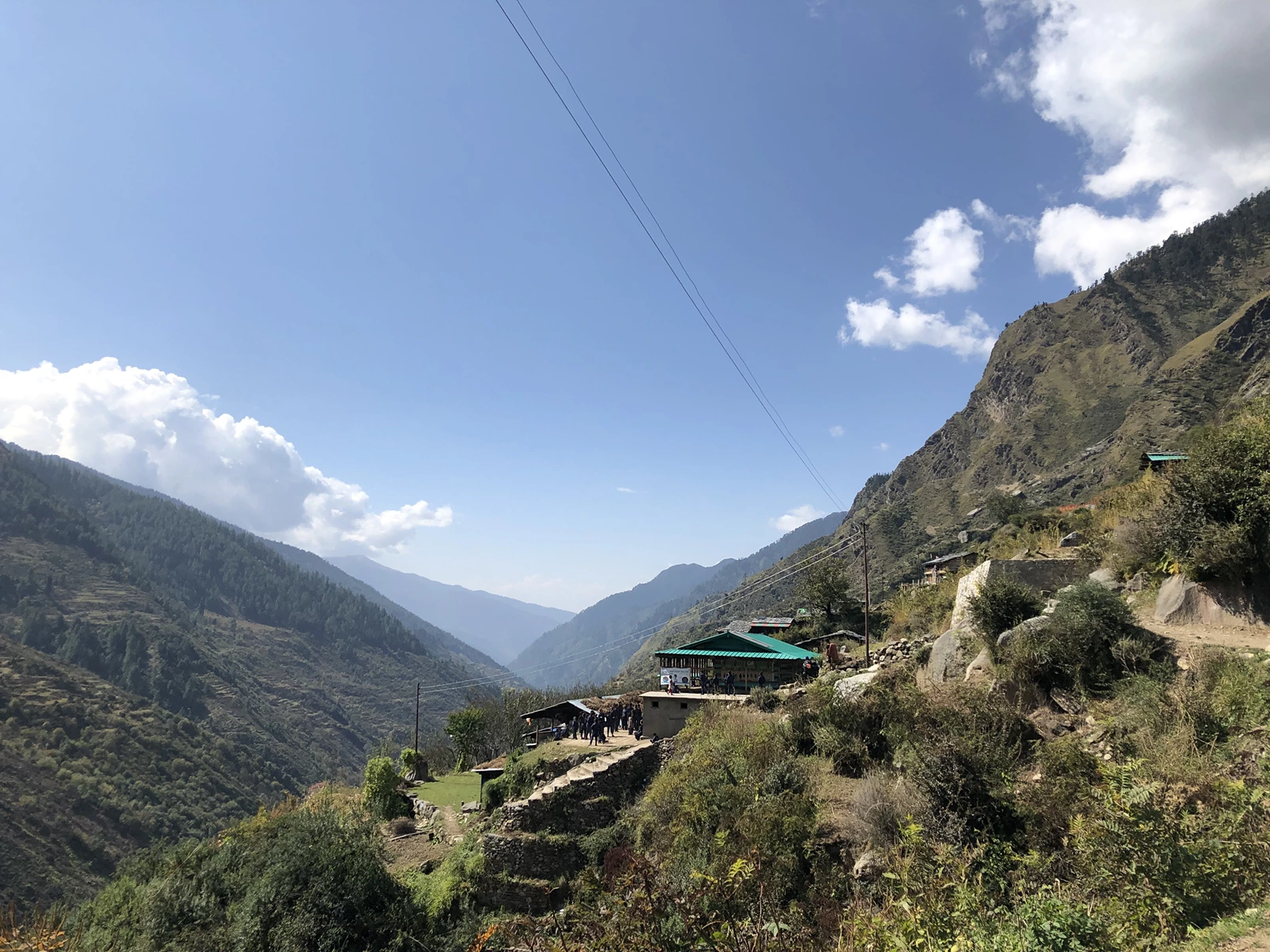
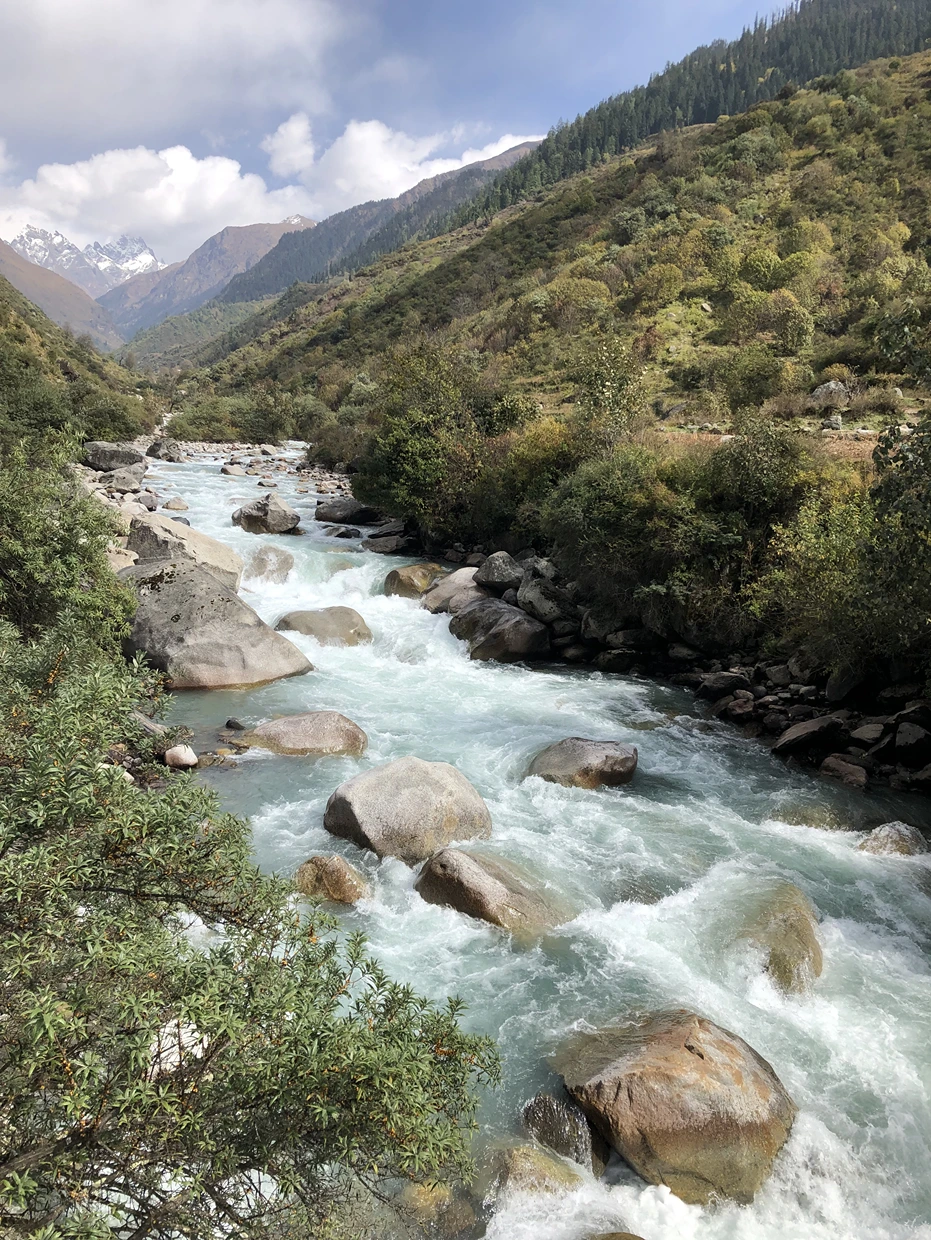
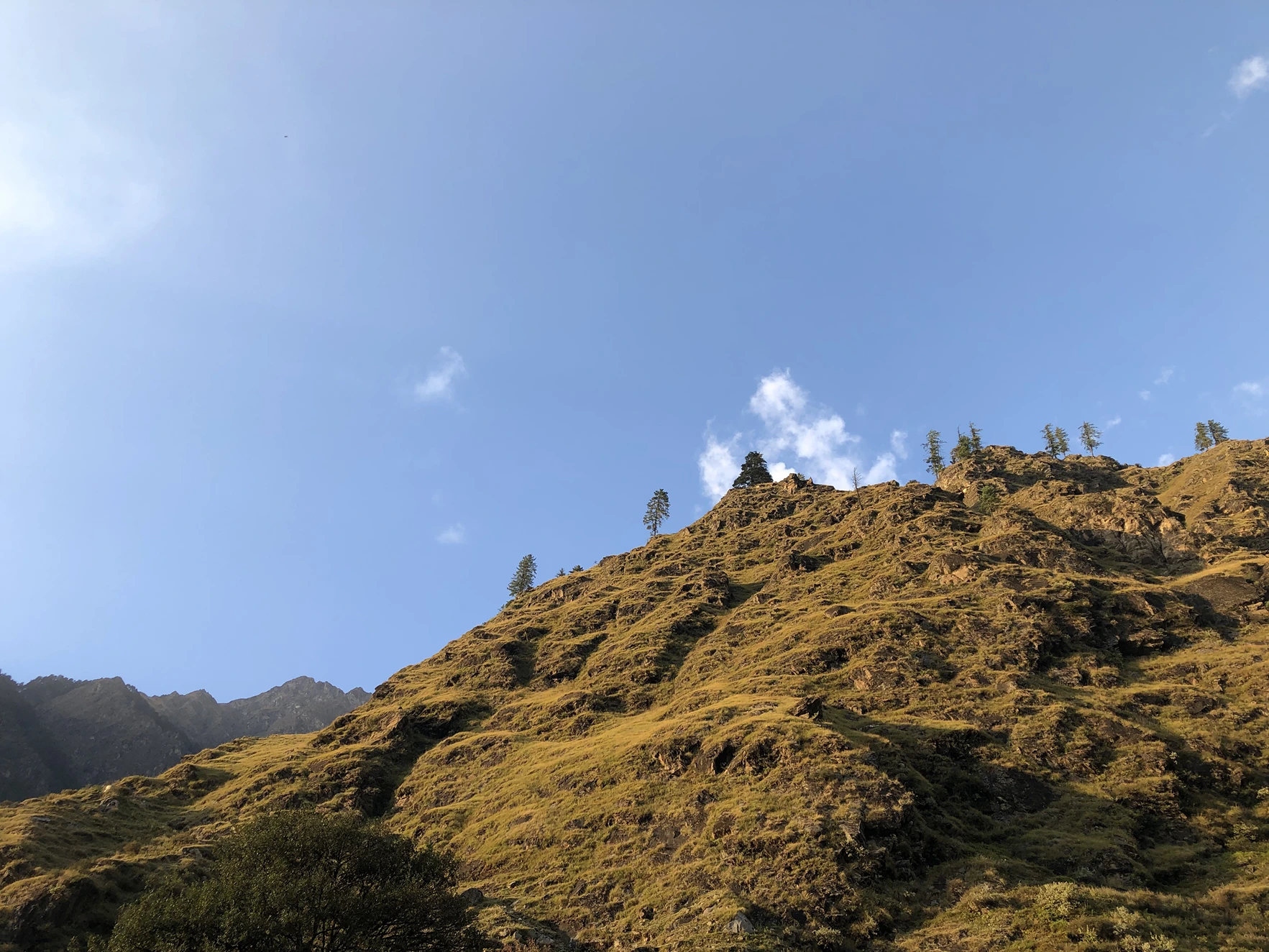
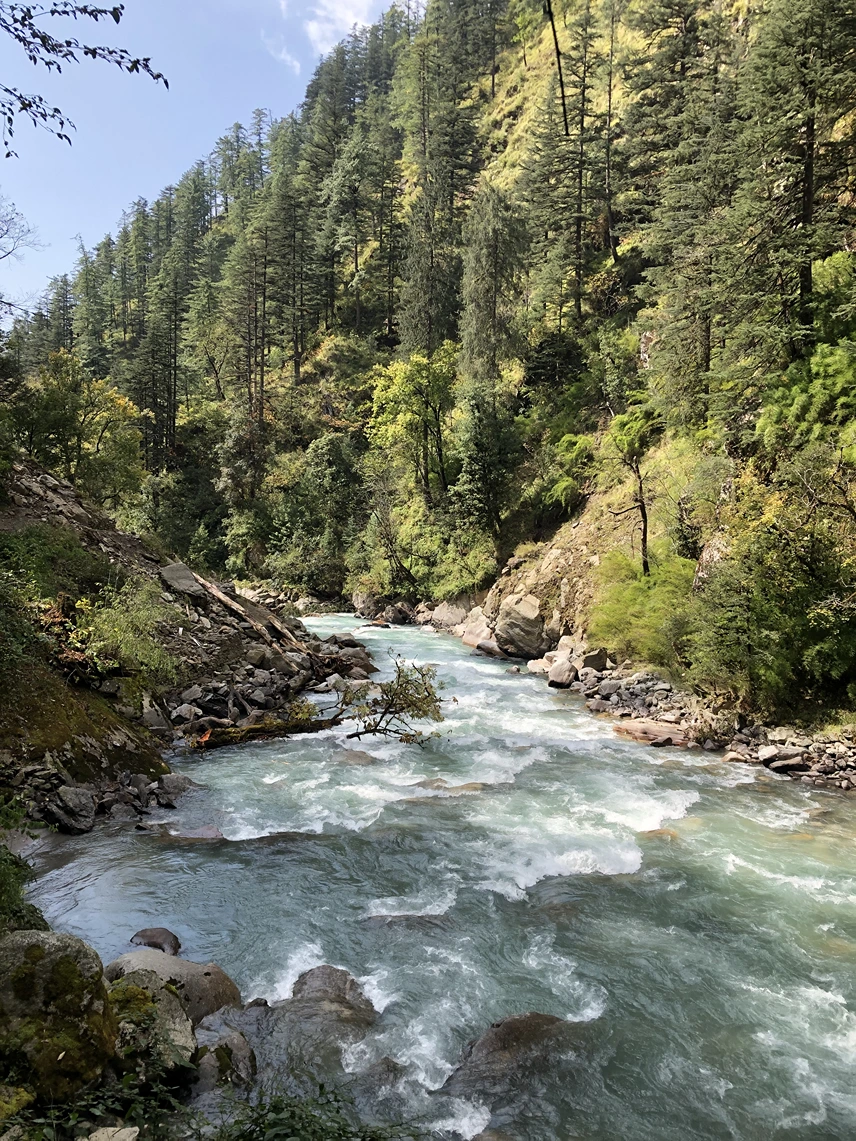
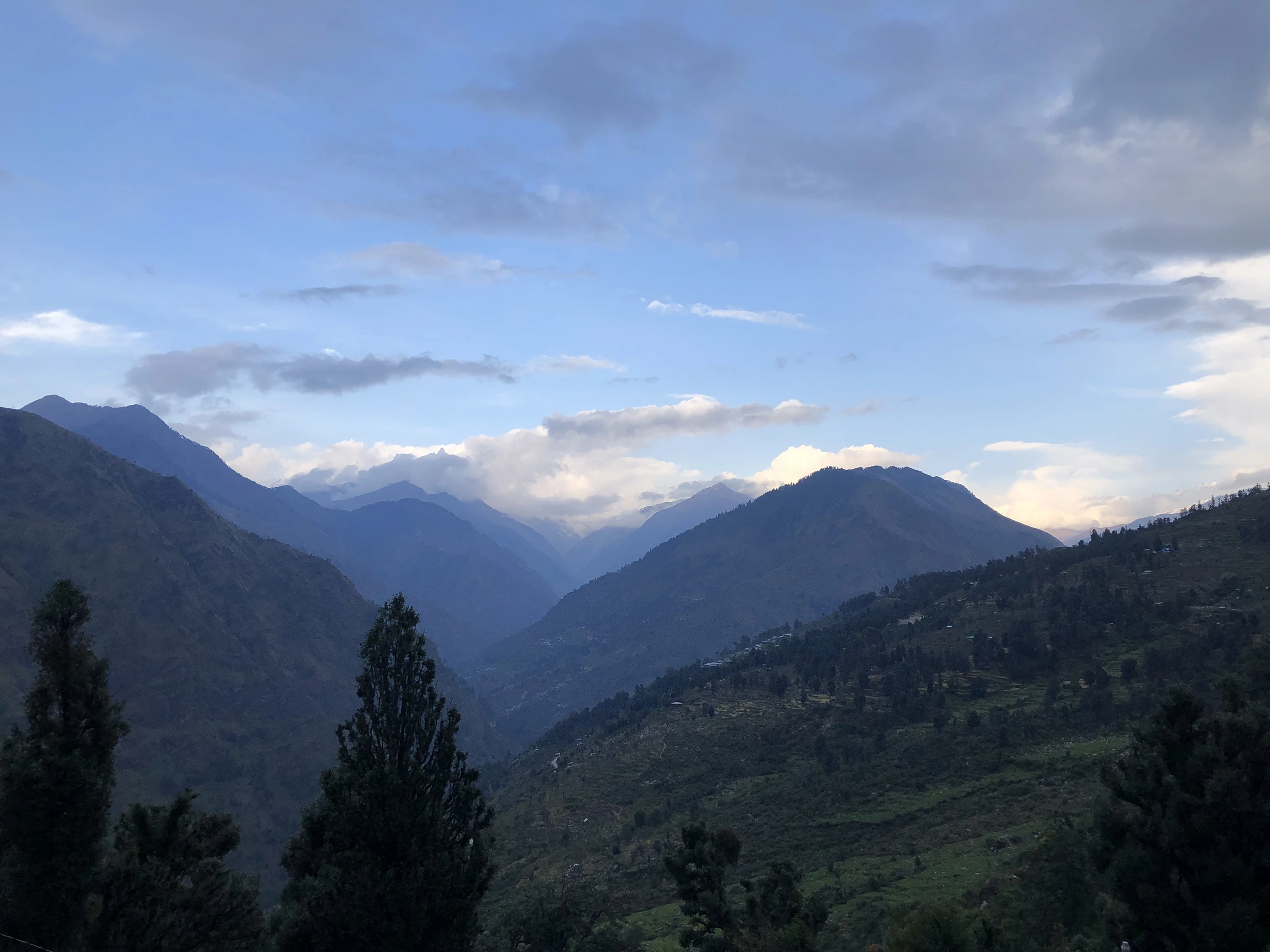
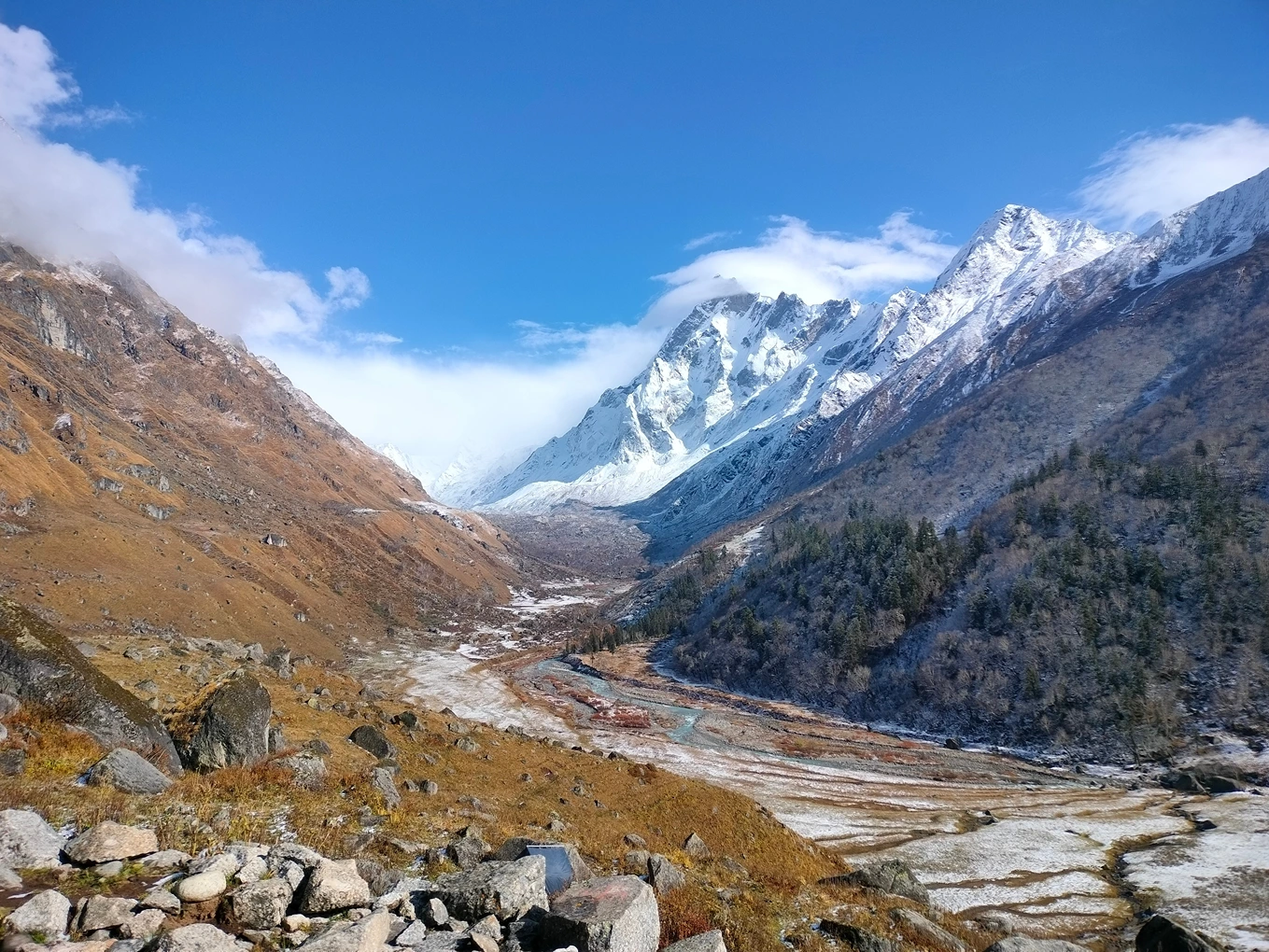
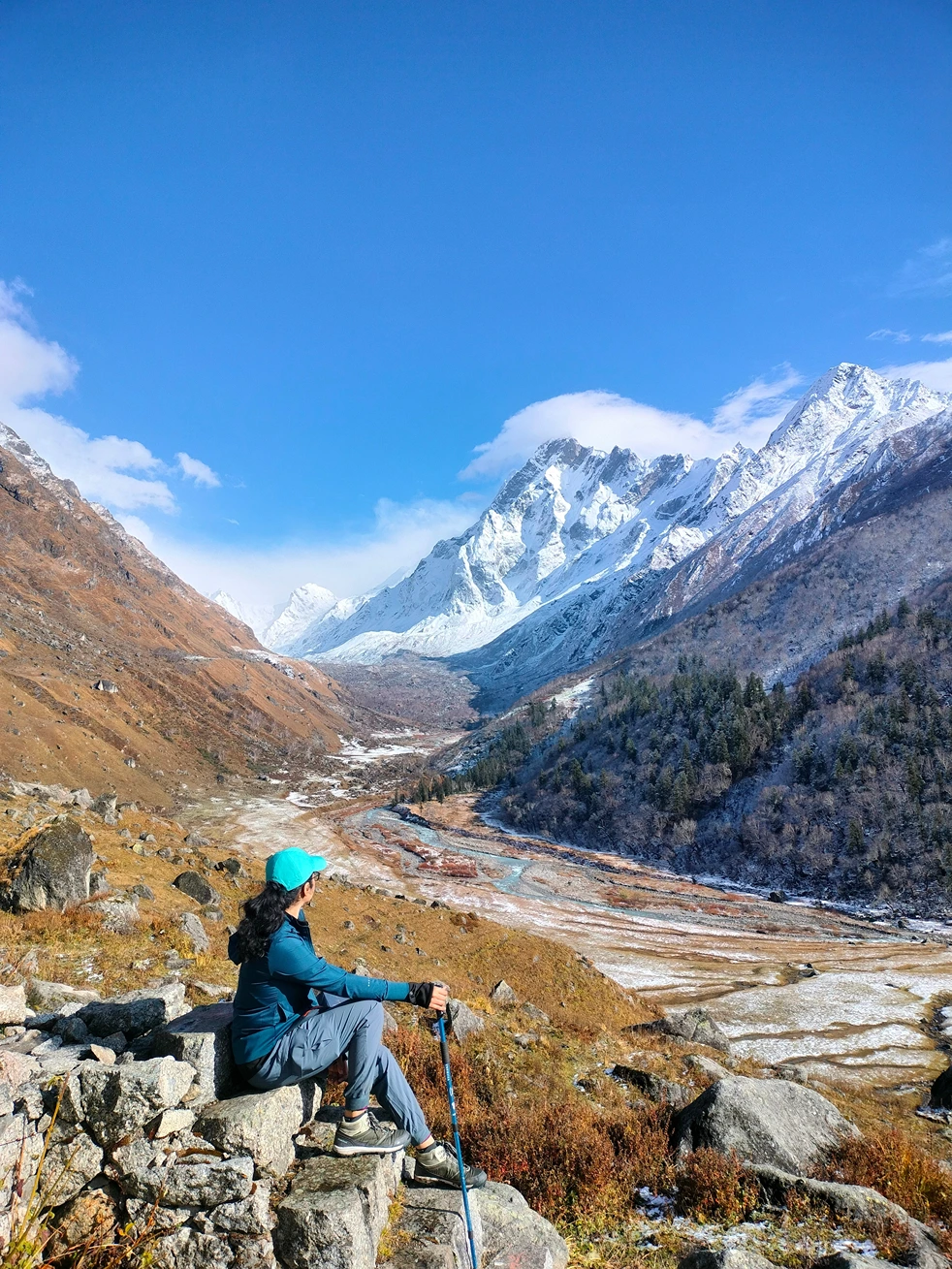
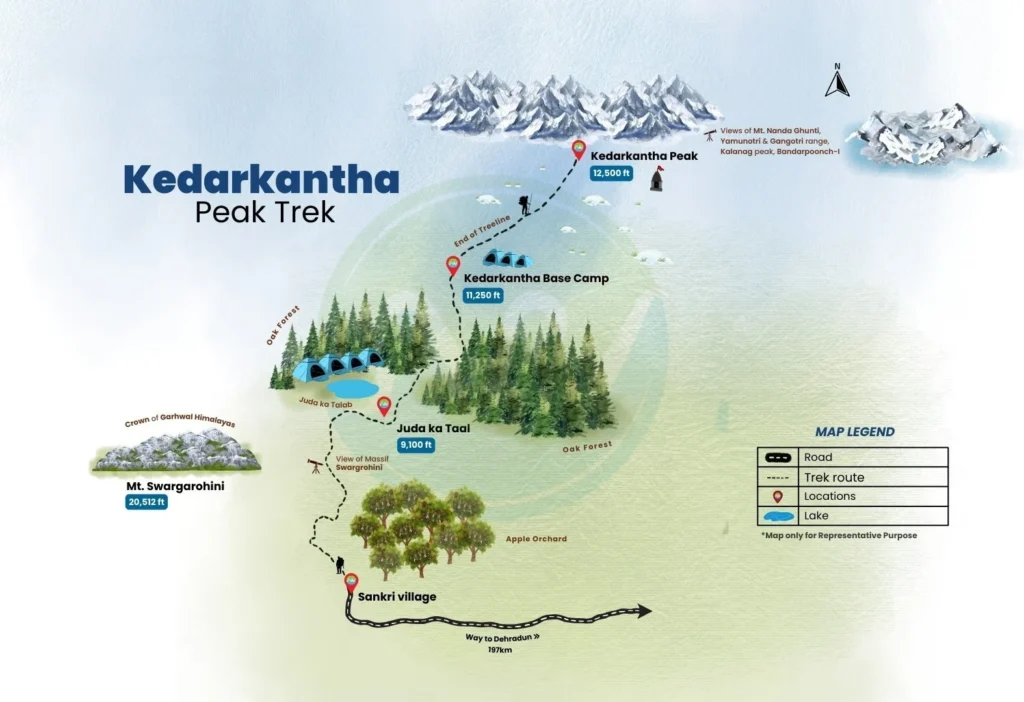
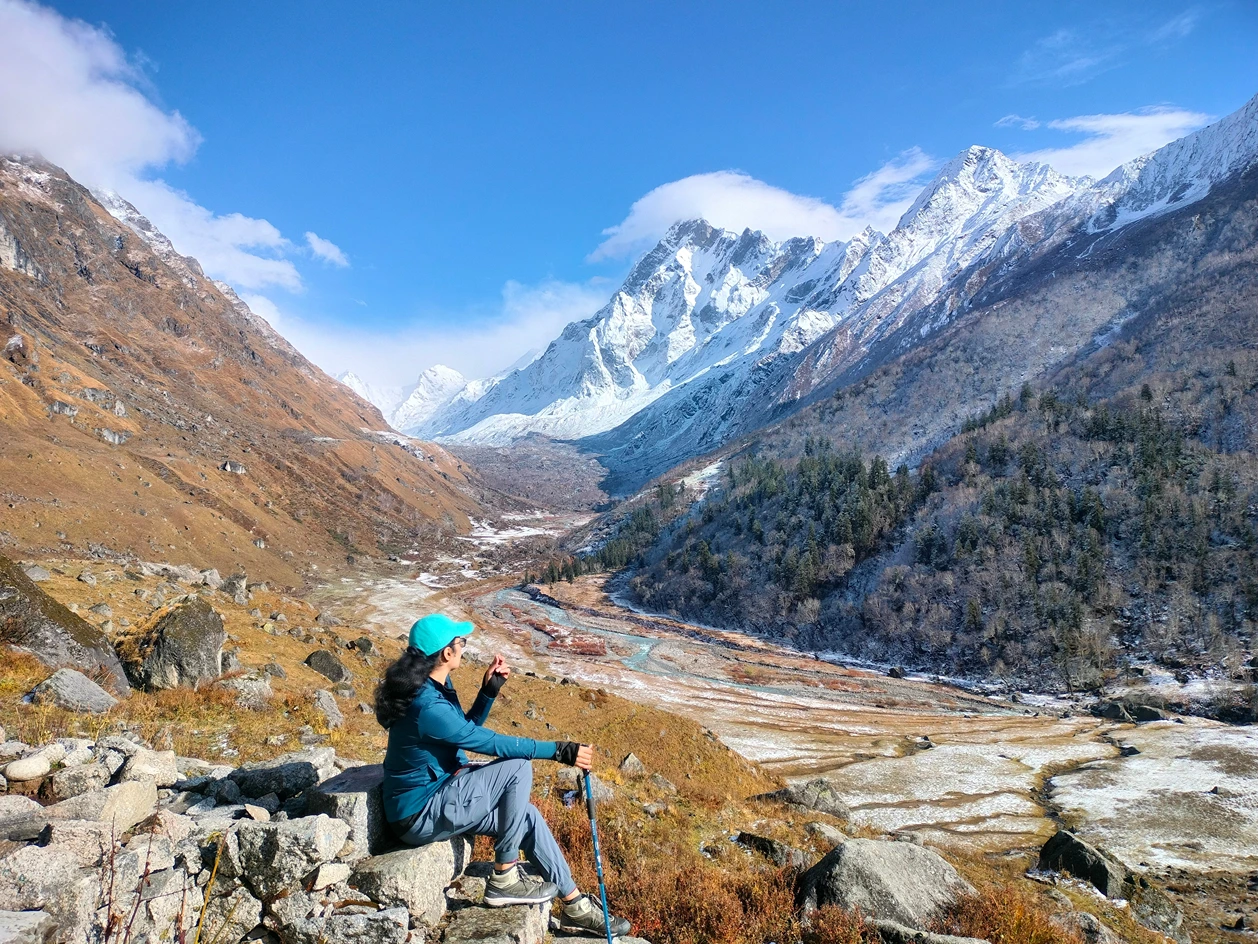
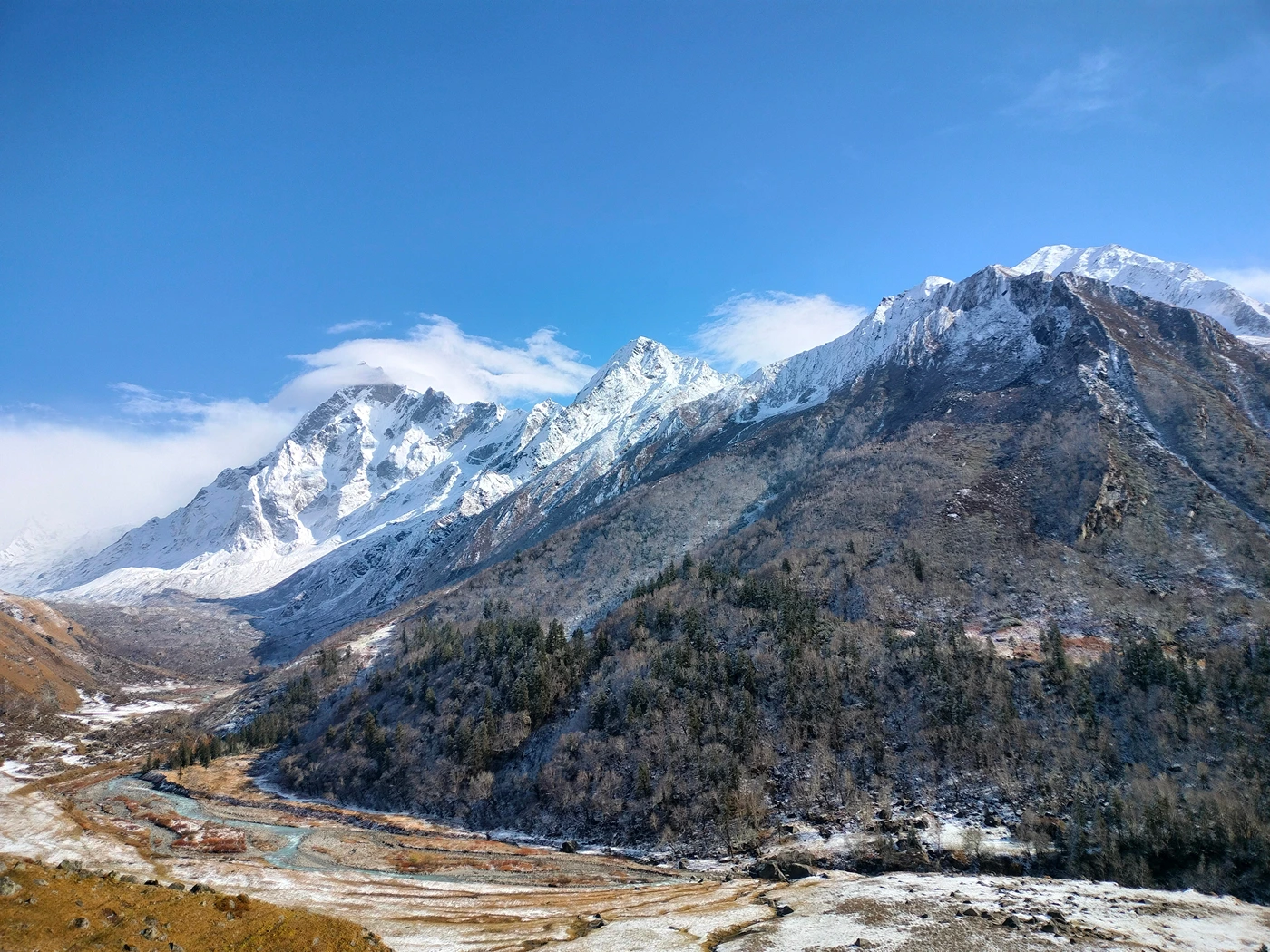
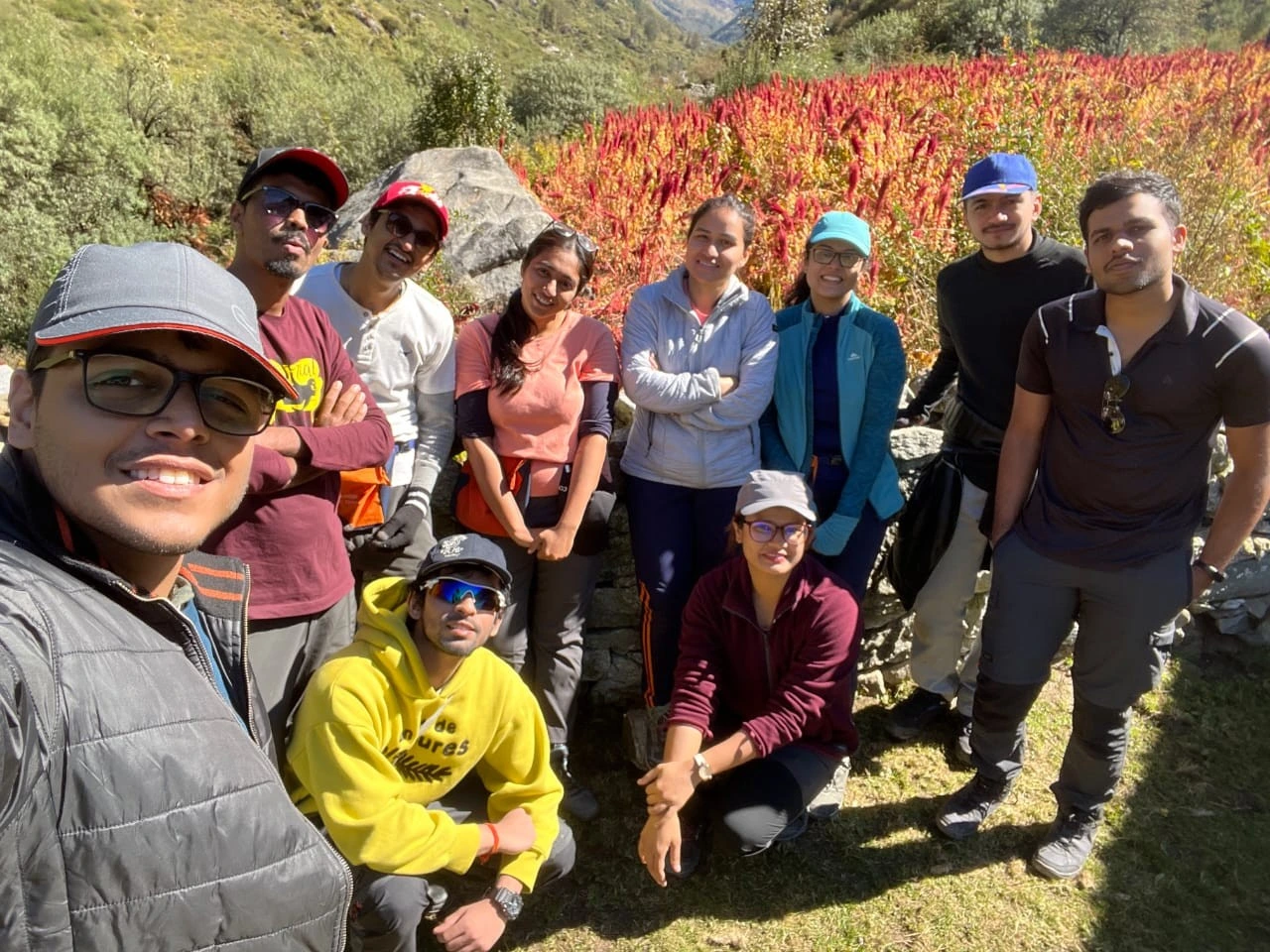
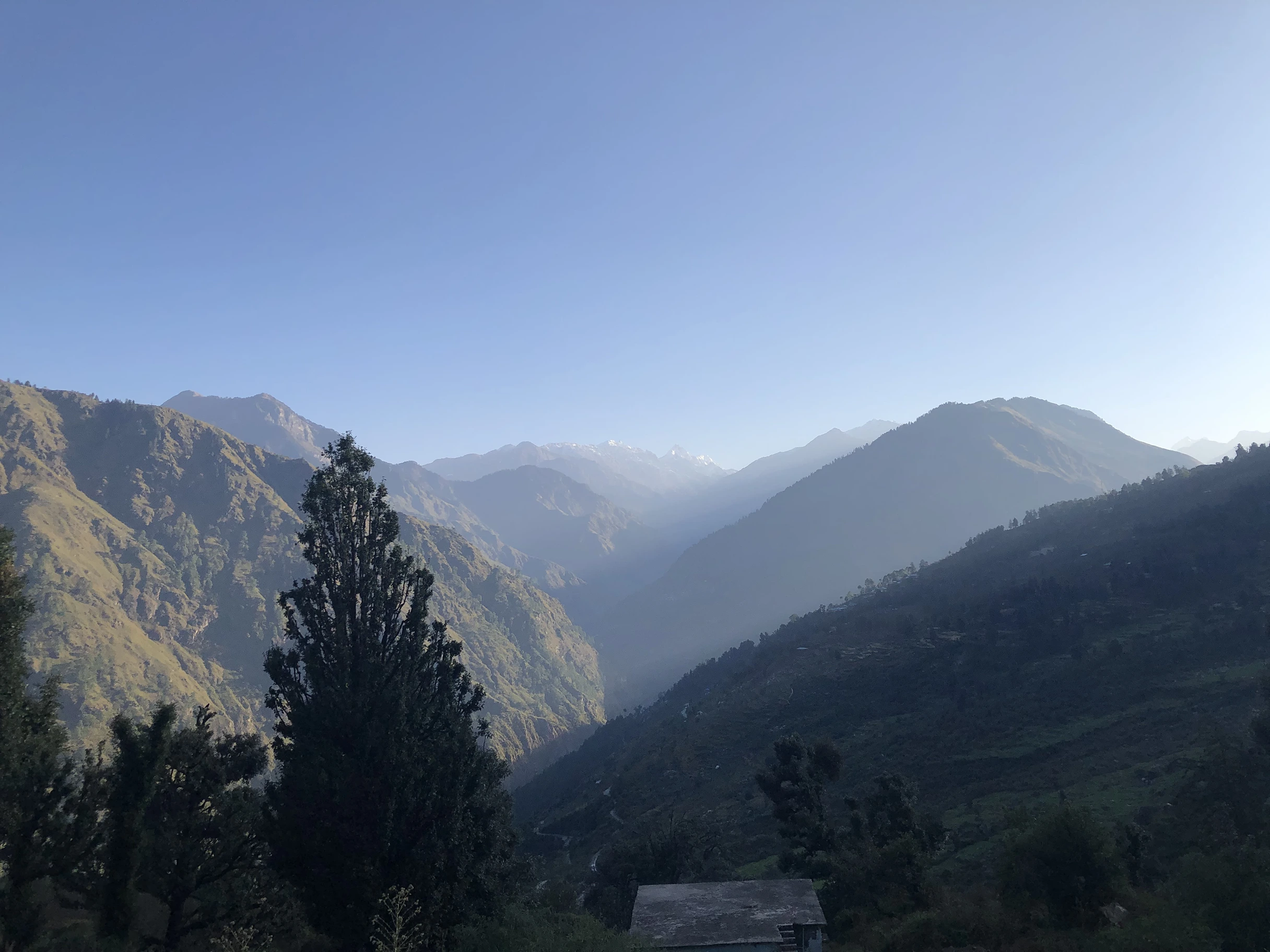
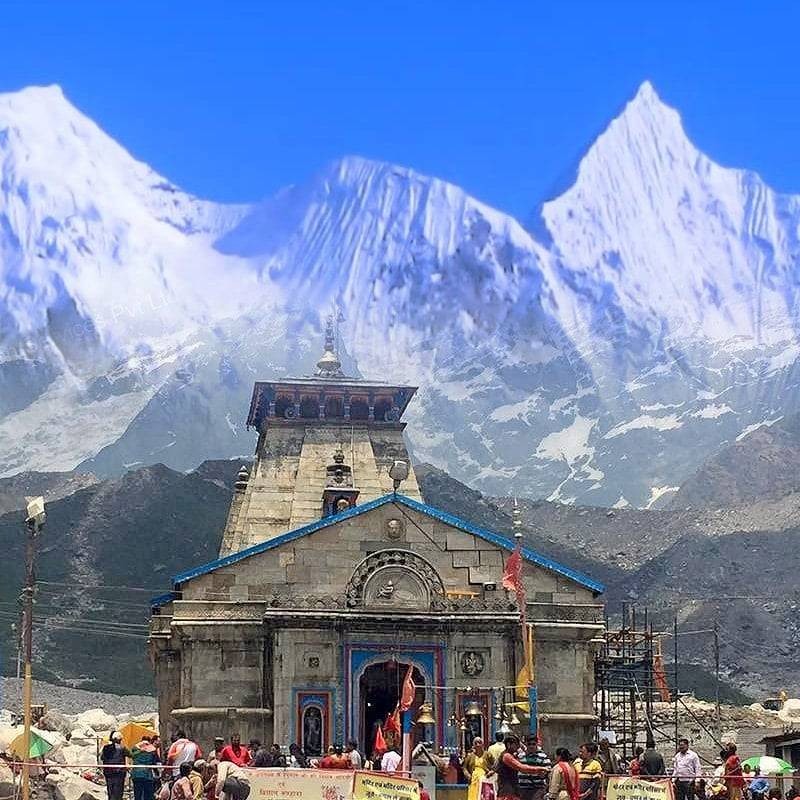
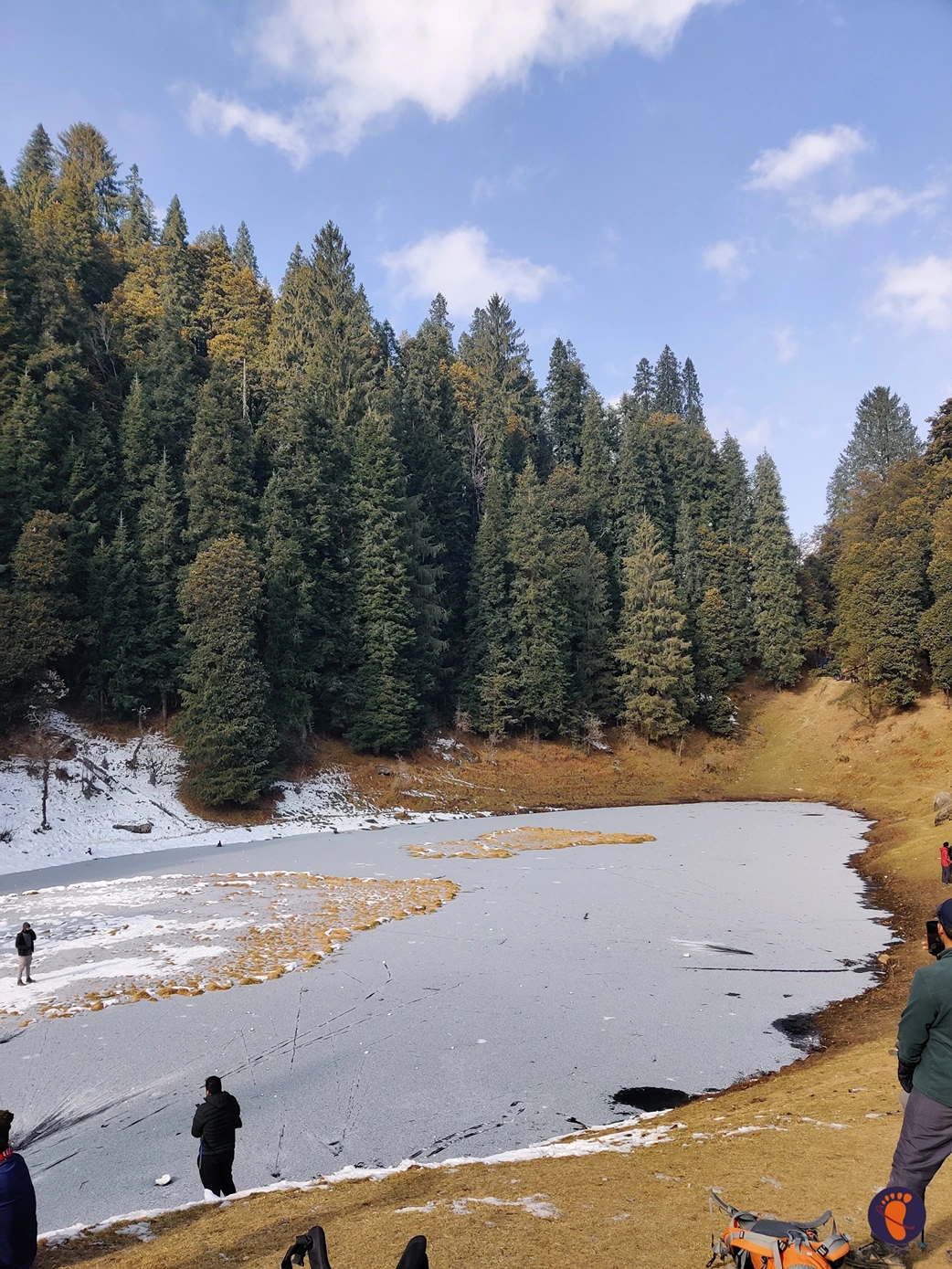
The expedition begins early with the essential 8-10 hour road journey from Dehradun to the base village of Sankri (6,400 ft). This long, winding drive serves as the crucial first step in passive acclimatization. The route is spectacular, tracing the paths of the Yamuna and Tons rivers, offering glimpses of famous landmarks and passing through the ancient temple area of Lakhamandal. Crucially, the last reliable mobile network and ATM are typically found at Purola or Mori; cash withdrawals must be completed before leaving Dehradun. We officially enter the Govind Pashu Vihar Wildlife Sanctuary after crossing the check post at Netwar. Upon arrival, the village of Sankri, with its unique wooden houses, welcomes you with a stunning sunset view of Mt. Swargarohini.
Har Ki Dun Trek
- Pick Up: Sankri
- Drop: Sankri
- Location: Sankri Market
Send an enquiry
Overview
A Journey of Mythology and Majestic Views
The Har Ki Dun, reverently known as the “Valley of Gods,” is far more than just a trekking destination; it is a profound journey into the very heart of Uttarakhand’s cultural and spiritual antiquity. Situated deep within the Govind Wildlife Sanctuary and National Park, this valley is one of the region’s most spectacular natural wonders, characterized by its unique amphitheater shape and the sublime, clear waters of the Supin River that nourish it. Unlike the raw, challenging high-altitude passes, Har Ki Dun offers a relatively gentle, welcoming path—a monumental experience accessible to even fit beginners.
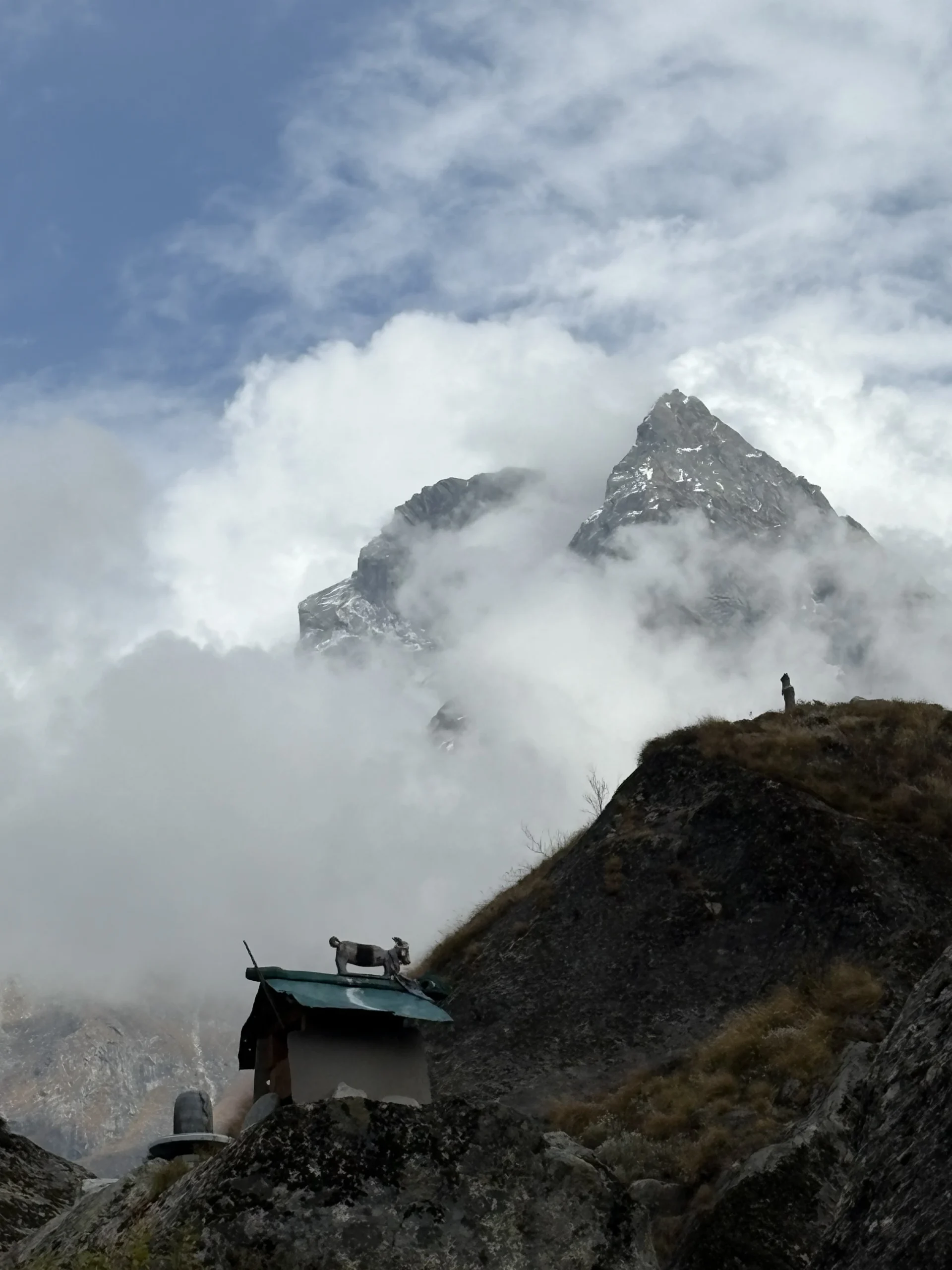
At an altitude of nearly 12,000 feet (3,645 meters), the valley opens up to reveal a stunning, uninterrupted panorama of the giants of the Garhwal range, including the magnificent, sacred Swargarohini Group of Peaks, Bandarpoonch, and Kala Nag (Black Peak). This scenic convergence of alpine meadows, pine forests, and towering peaks transforms dramatically with the seasons—from lush carpets of wildflowers in spring to pristine, deep snow cover in winter, making it a viable and mesmerizing trek for most of the year.
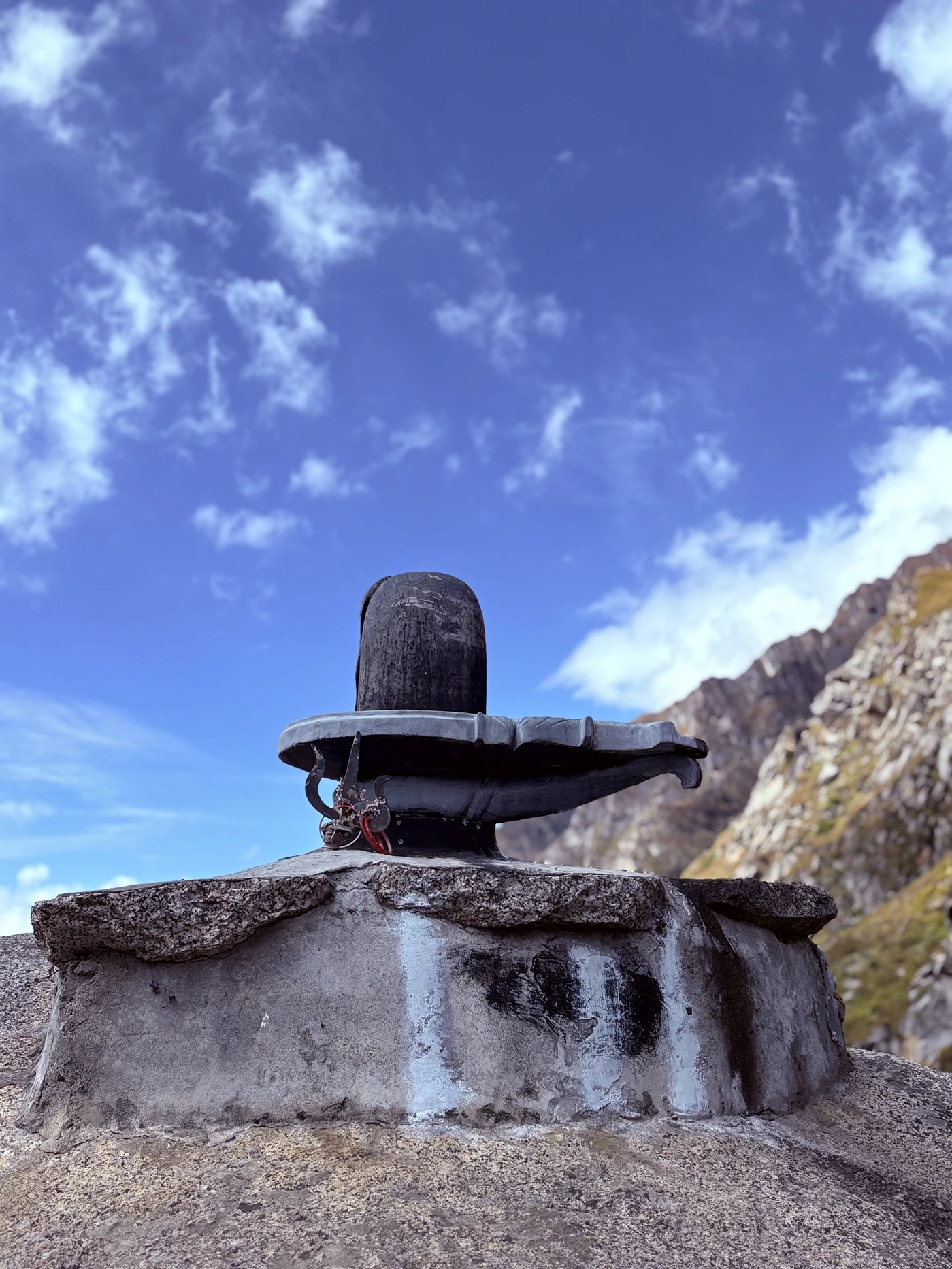
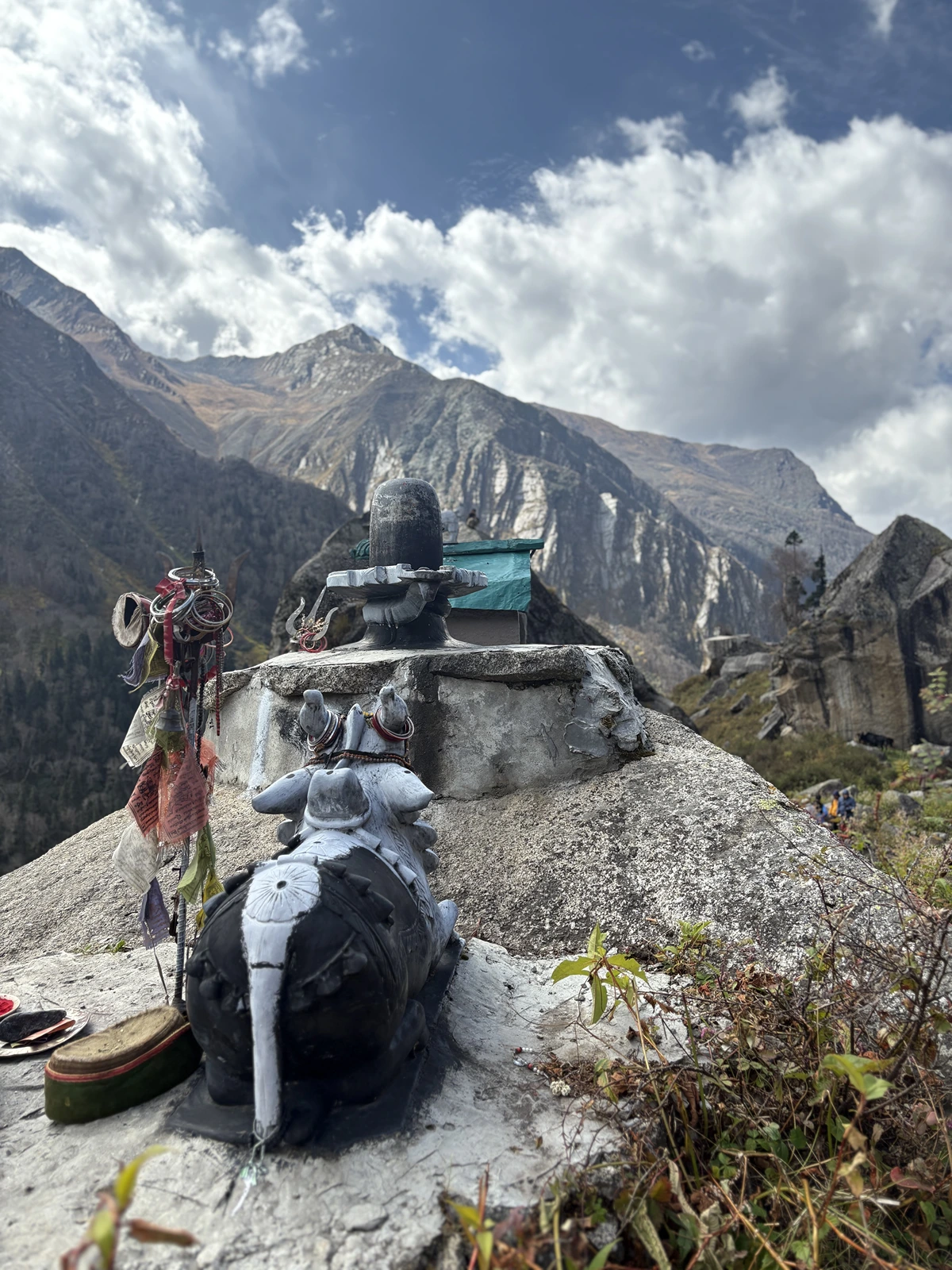
The enduring legend of Har Ki Dun elevates the journey from a simple trek to a pilgrimage. The valley follows a historic route that dates back over 500 years. According to the Indian epic, the Mahabharata, this specific path is believed to be the sacred route taken by the Pandavas on their final ascent to heaven, establishing its status as the definitive “Valley of Gods”.
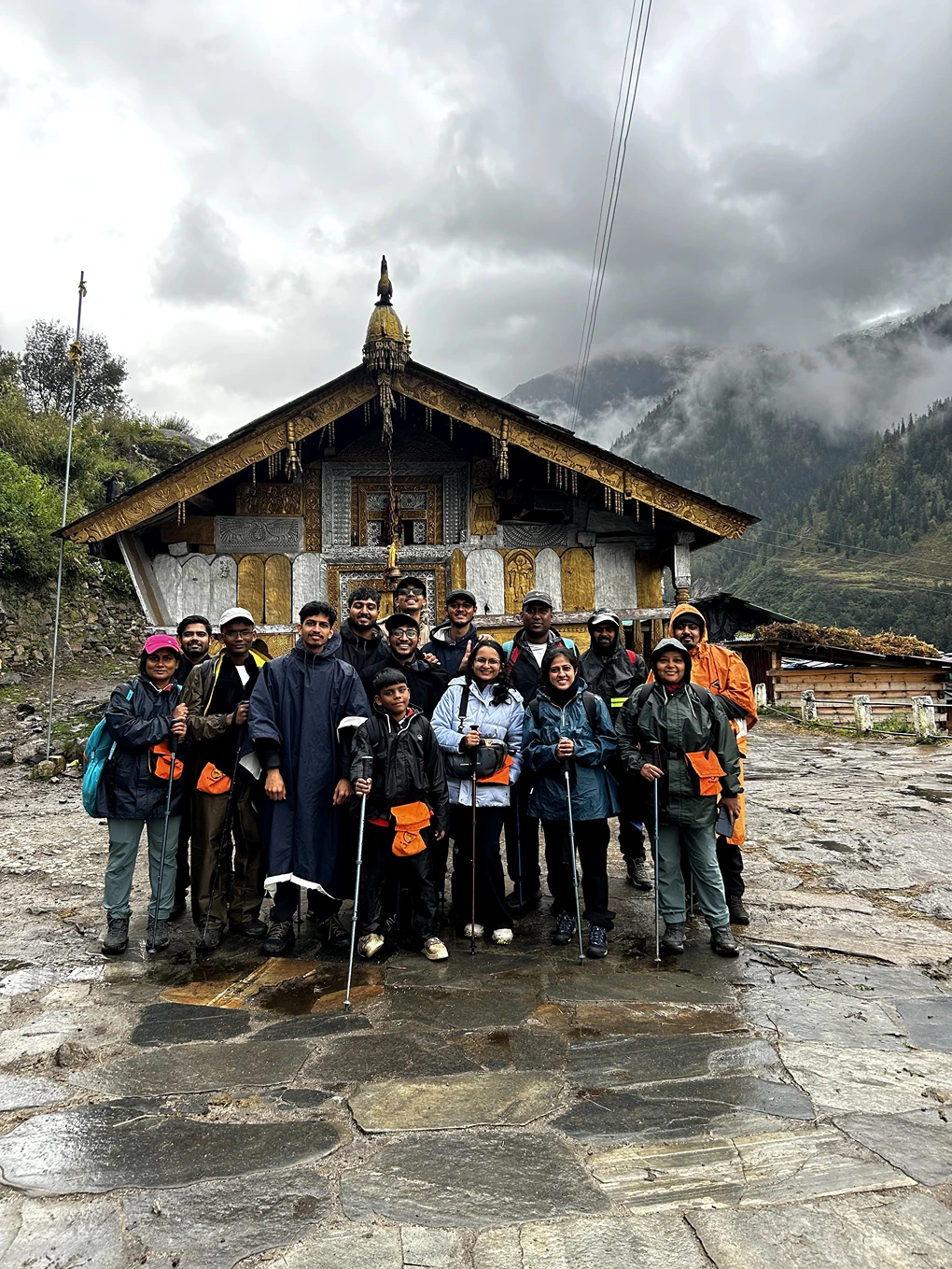
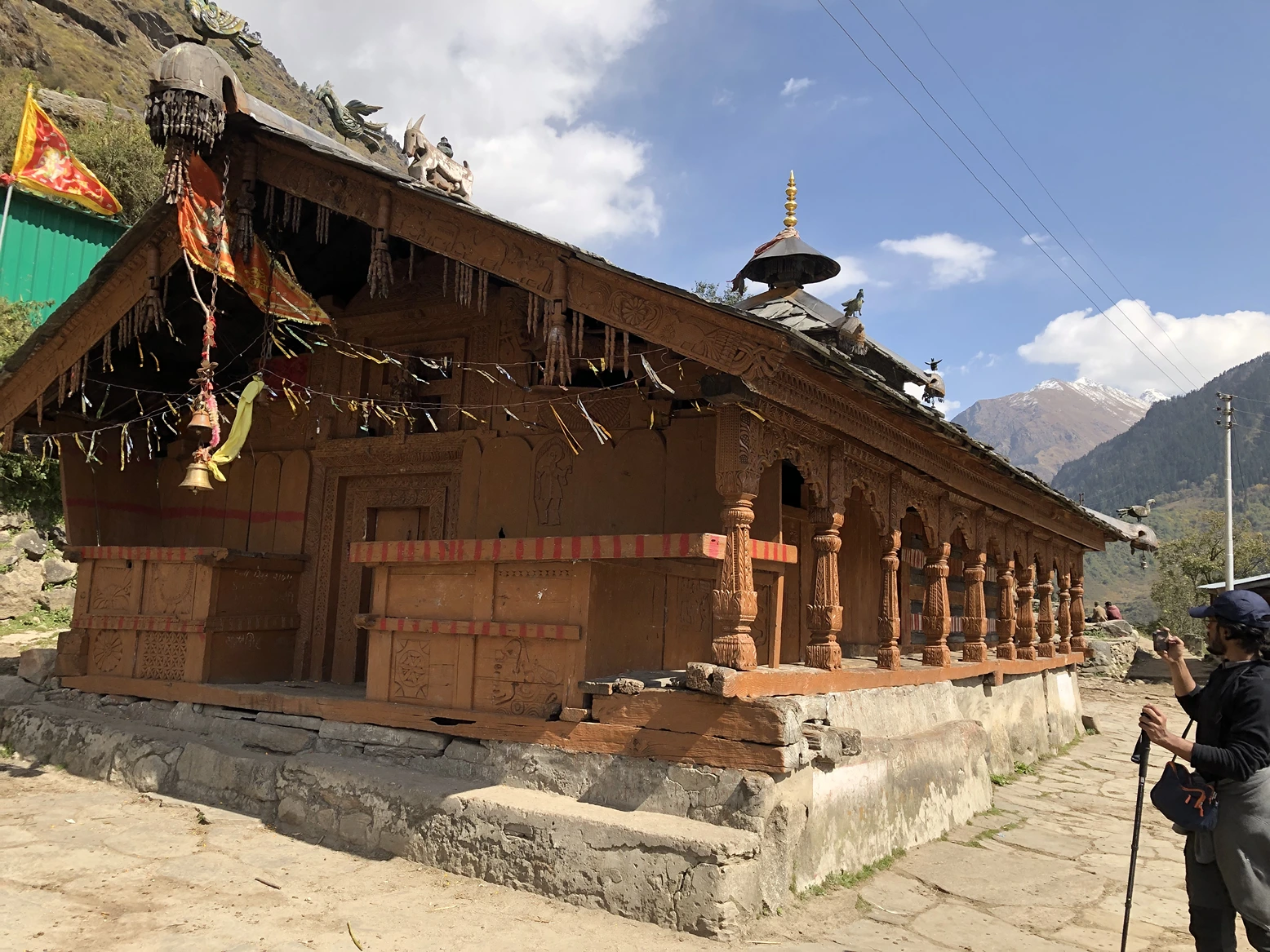
This mythological significance is palpable in the isolated villages scattered along the trail, such as Osla and Taluka, which have preserved centuries of tradition. The people here maintain a unique culture and architectural style, and the village of Osla is notably home to the ancient Duryodhana Temple (now devoted to Lord Someshwar), highlighting the profound connection this remote corner of the Himalayas has to India’s epic narratives. When you embark on this expedition, you are literally following in the footsteps of legends, trekking on ground where every village and stream holds a whisper of the ancient world.

Highlights
Itinerary
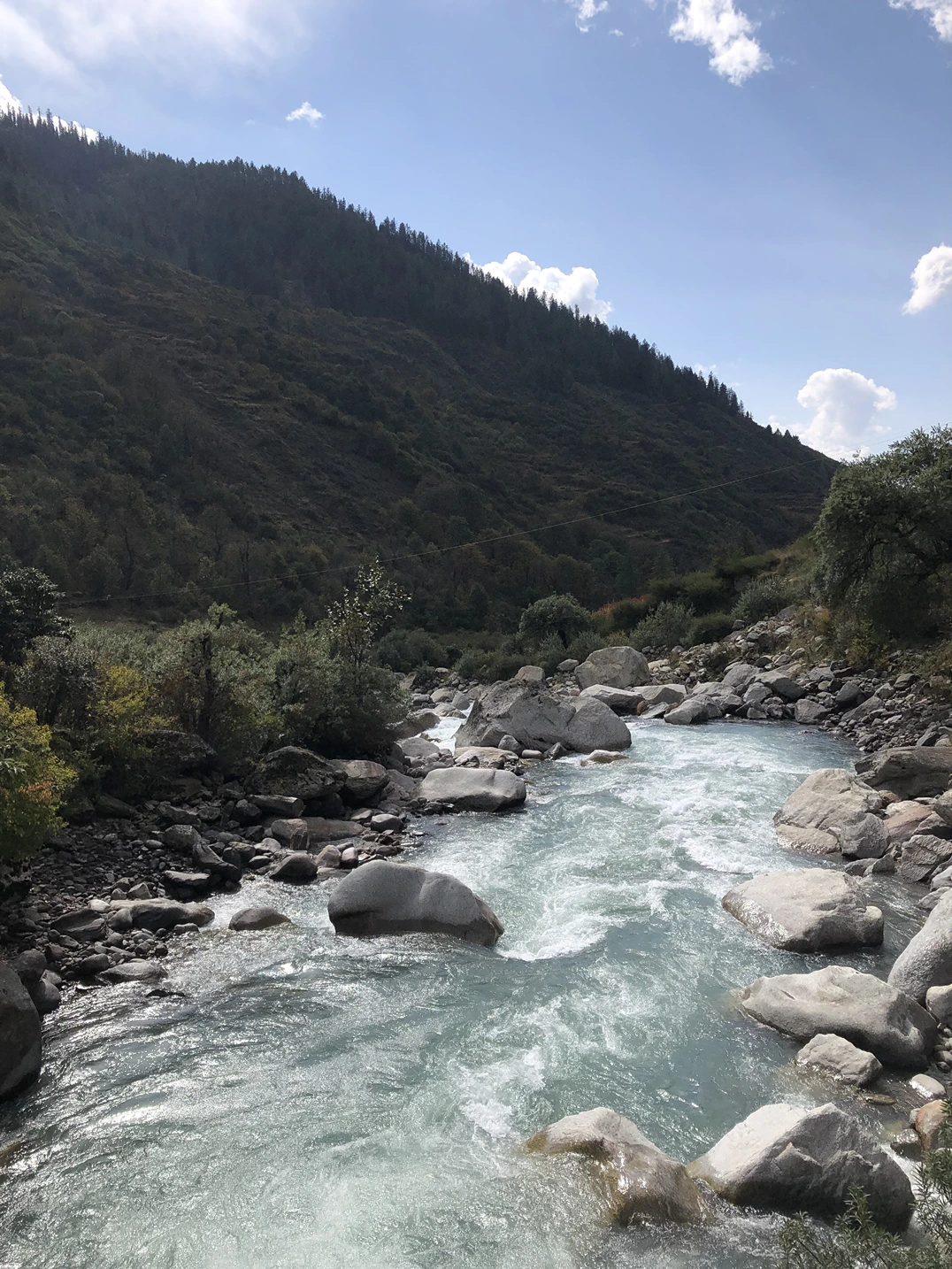
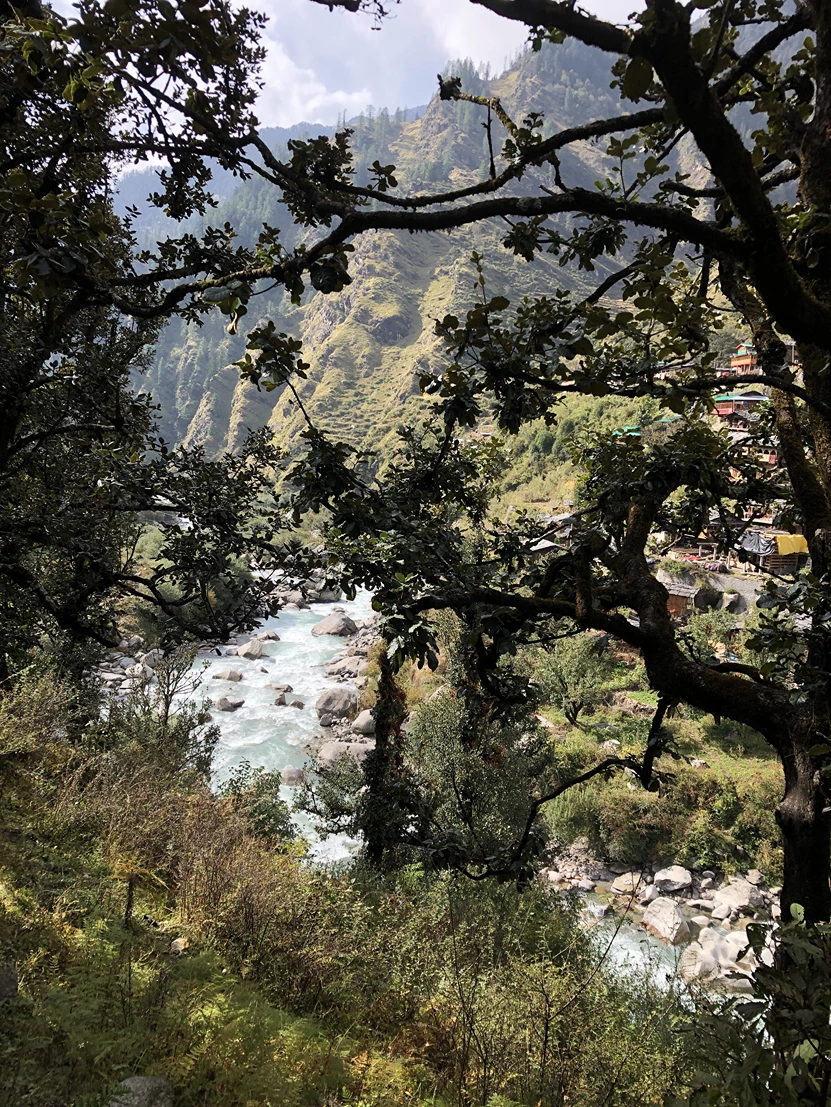
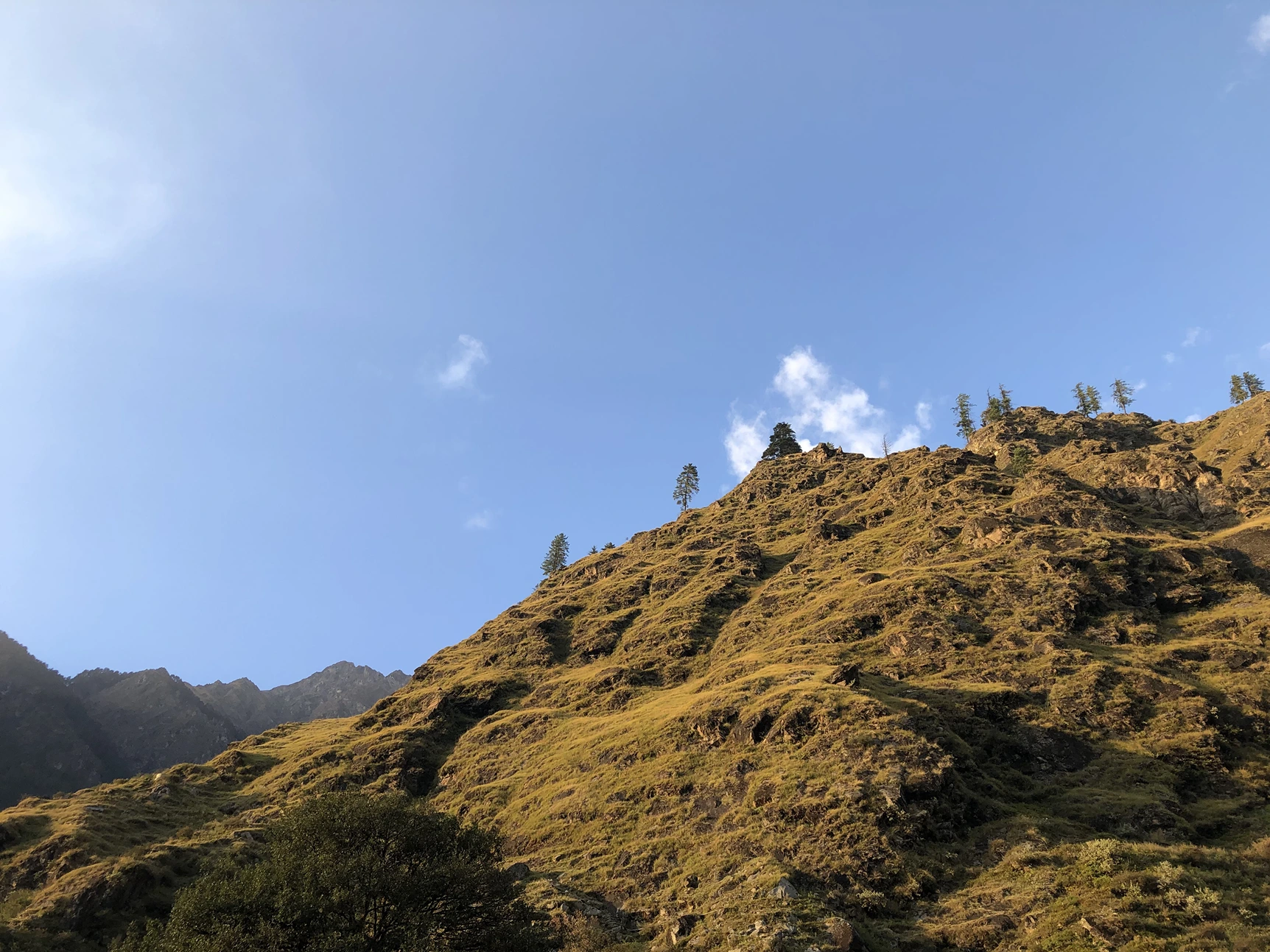
The trekking begins after a short, essential 12 km drive from Sankri to Taluka, the final roadhead. The trail from here is a gentle descent and then a steady walk that gradually increases in altitude. The path plunges you into rich flora, winding through dense forests of chestnut, walnut, chinar, and pine, offering a continuous view of the Supin River flowing nearby. The focus is on finding a smooth, steady trekking rhythm. We camp at Seema, or cross the major bridge to the ancient, culturally rich village of Osla (approx. 8,500 ft), which sits on the opposite bank and provides a true introduction to the isolated local Himalayan lifestyle.
Meals
The environment changes significantly as you leave the lower valley. This is a sustained ascent day, transitioning from the river bank to the alpine ridges. After crossing the Supin River, the trail climbs steadily, rewarding us with dramatic changes in scenery as the forest opens up. We pass the vantage point of Kalkati Dhar and establish camp at the sprawling meadow of Kalkattiyadhar (approx. 10,000 ft). This site is strategically chosen for its panoramic view, offering the first clear, commanding perspective of the giants of the range, including the Swargarohini peaks.
Meals
This is the relatively short, but majestic, final ascent to the Har Ki Dun Valley (11,958 ft). The path is characterized by a final push through the vast, undulating alpine meadows that give the region its unique feel. The Valley of Gods itself is an incredible, flat, open amphitheater nestled at the foot of Hata Peak. Upon arrival, there is ample time to settle into the camp, absorb the profound silence, and fully appreciate the sight of the mighty peaks surrounding you—a moment that encapsulates the entire journey.
Meals
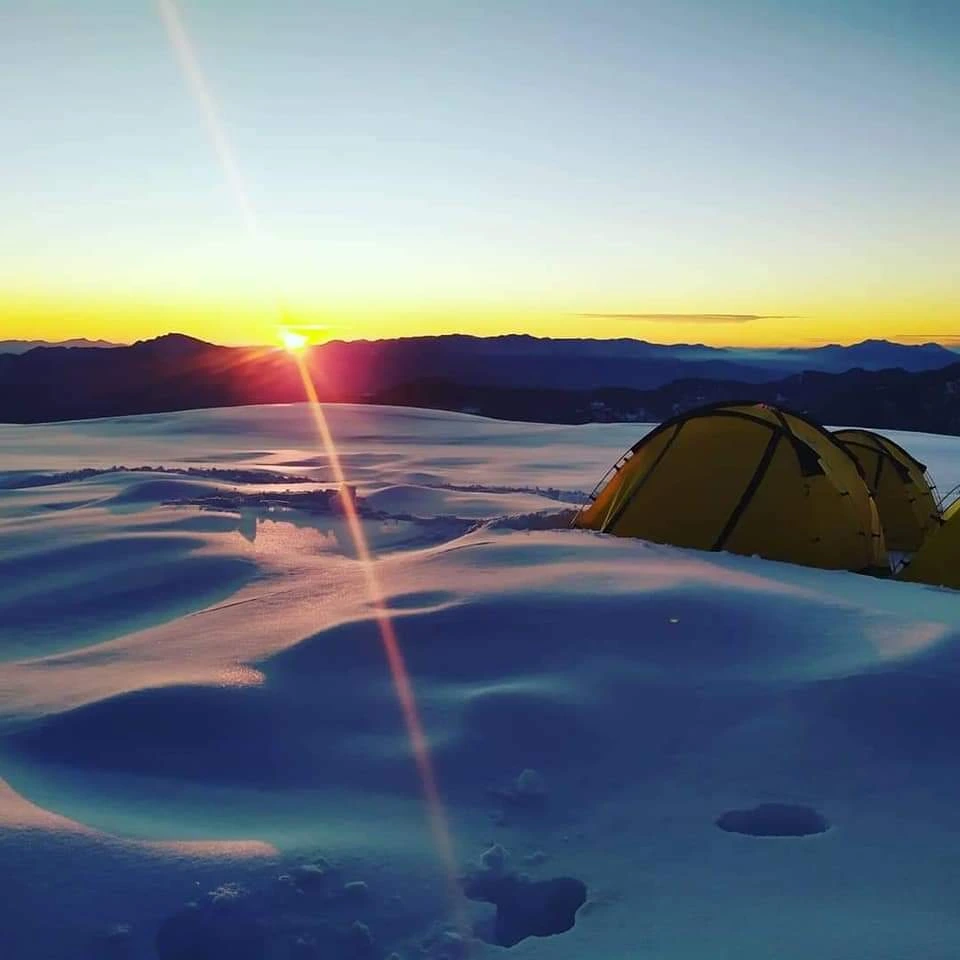
This crucial day is dedicated to acclimatizing at the maximum altitude and exploring the stunning surroundings. After waking to the glorious sunrise over the Swargarohini Peaks, the team will undertake an optional excursion to either the Jaundhar Glacier or Marinda Tal. This provides an up-close and personal view of the Black Peak (Kala Nag) and the glacial sources that feed the Supin River. This is a chance to extend the day’s walking (6-8 hours round trip) while still sleeping at the same, well-acclimatized valley altitude, a key strategy for health and enjoyment.
Meals
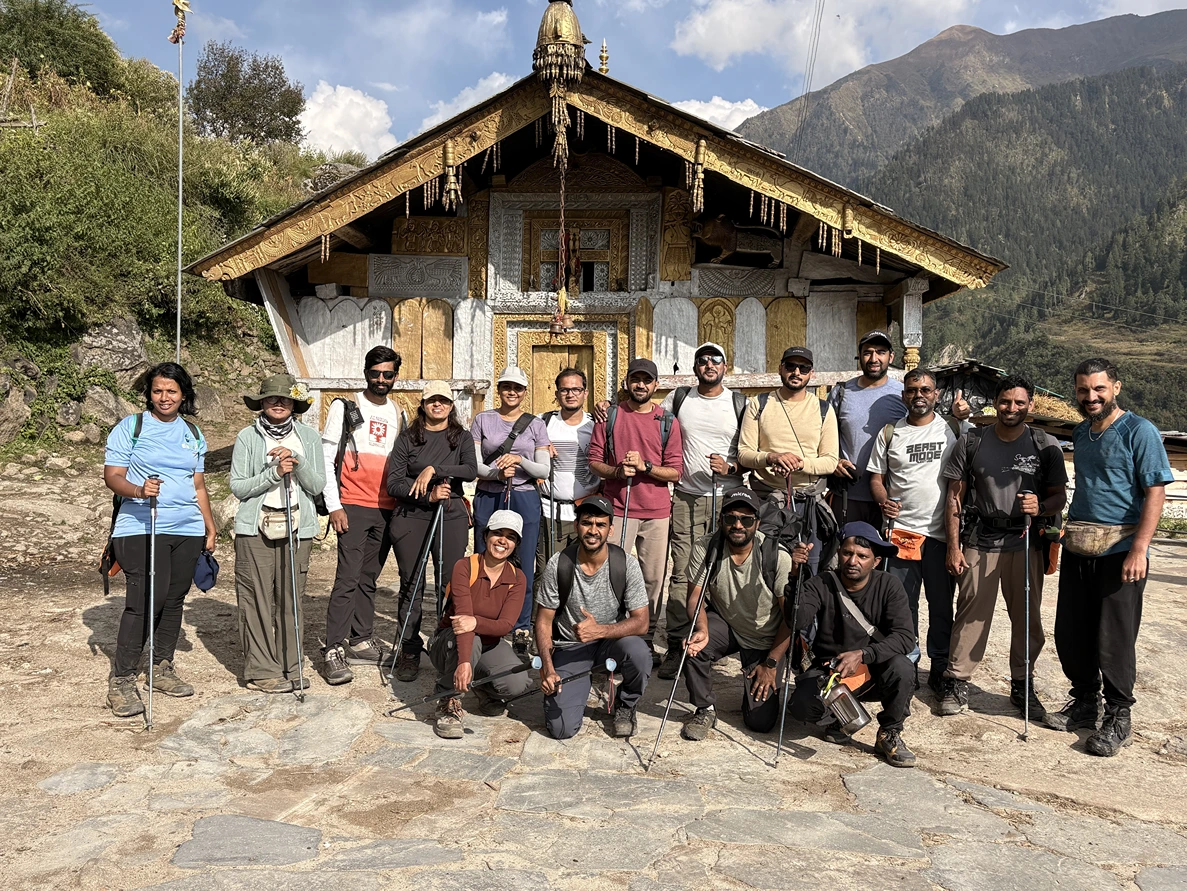
The long descent back down the valley begins. This is a test of knee endurance, requiring careful footing but moving rapidly due to the loss of elevation. The trail leads back through the meadow and forest to the villages of Seema/Osla (approx. 8,500 ft). This evening is reserved for cultural immersion: visiting the isolated, beautifully constructed Duryodhana Temple (now dedicated to Lord Someshwar) in Osla, and interacting with the unique, culturally preserved locals whose ancestors are tied to the Mahabharata legend.
Meals
The final leg of the mountain journey involves trekking from Seema/Osla to the final roadhead at Taluka. From Taluka, the entire team boards the pre-arranged transport for the long, celebratory drive back to Sankri and then onward to Dehradun. The drive often takes all day, but you return with the profound achievement of having successfully traversed the mythical Valley of Gods.
Meals
Good to know
Inclusions
-
Accommodation & Stay: 6 Nights of accommodation, covering all nights on the itinerary. This includes the first and final nights in a comfortable Homestay/Guesthouse in Sankri, and four nights in high-quality, expedition-grade tents at all campsites (Seema/Osla, Kalkattiyadhar, Har Ki Dun Valley). This also includes sleeping bags and sleeping mats.
-
All Meals: All meals from Dinner on Day 1 (in Sankri) to Breakfast on Day 7 (in Sankri/Dehradun). All meals are nutritious, hot, and vegetarian, designed for high-altitude energy. This includes packed lunches for the long trekking days.
-
Trekking & Safety Team: Services of certified and highly experienced personnel, including the Trek Leader, qualified Local Guides (WFR certified), Support Staff (Cooks, Camp Helpers), and any required technical equipment (e.g., micro-spikes/gaiters in winter).
-
Permits & Fees: All mandatory government charges, including Forest Entry Permits, Camping Fees, and Environmental Fees required for traversing the Govind Wildlife Sanctuary.
Exclusions
-
Dehradun Transport Cost: The Optional Transport Service (approx. ₹3000 round trip) must be paid separately or arranged independently.
-
Personal Insurance: Any form of travel or medical insurance, including costs arising from emergency evacuation, is the sole responsibility of the trekker.
-
Backpack Offloading (Porter/Mule Charges): If you choose not to carry your own main backpack (max 10 kg limit), the cost for the porter/mule service must be paid in cash at the base camp (Sankri). This charge varies based on the duration of the trek.
-
Personal Expenses: Costs for personal trekking gear rental (trekking poles, padded jackets), beverages, snacks purchased off-camp, and any costs incurred due to unforeseen itinerary changes (e.g., road closures, natural events).
Things to Carry
Must cover ears. Essential for retaining body heat.
Crucial for summit day to protect the nose and mouth from cold wind.
MANDATORY. Snow glare is intense and can cause snow blindness. Must be UV protected.
Thermal tops (full sleeve). Must be synthetic or Merino wool. NO COTTON.
Fleece jacket (thick). Your primary source of warmth.
Padded jacket (Polyfill/Down). Heavy, windproof, and water-resistant.
Thermal bottoms (leggings).
Quick-dry, synthetic trekking trousers. Avoid jeans/shorts.
High-ankle, sturdy, waterproof trekking boots with good grip.
3–4 pairs of thick woolen/synthetic trekking socks (for the day) and 2 pairs of dry woolen socks (for sleeping only).
1 pair of woolen/fleece inner gloves and 1 pair of heavy, waterproof outer gloves.
MANDATORY. Carry extra batteries.
Carry a 1-liter bottle and a thermos to keep water from freezing.
Essential for high-altitude UV protection.
Toothbrush, wet wipes, and any personal prescription drugs.
For carrying water, jacket, snacks, and personal items during the trek.
Sleeping Bag, Sleeping Mat, Tents, Crampons, Gaiters, and Trekking Poles (use optional).
How to reach
The CRux Himalaya journey begins in Dehradun, Uttarakhand, the capital city that serves as the primary gateway to the Garhwal Himalayas. Sankri, our tranquil base village, is located approximately 210 km away.
Here is a simple guide on how to reach Dehradun, and your final steps to Sankri:
Step 1: Arriving in Dehradun
Your travel to Dehradun is easy and well-connected from all major Indian cities via road, rail, or air.
| Mode of Travel | Destination Details |
|---|---|
| By Air (Airplane) | Jolly Grant Airport (DED), Dehradun (Jolly Grant Airport – Dehradun). The airport is about an hour’s drive from the city center. |
| By Rail (Train) | Dehradun Railway Station (Dehradun Train Station). This station has excellent connectivity, especially with overnight trains from Delhi. |
| By Bus | ISBT Dehradun (ISBT Dehradun). If you prefer long-distance public transport, the Inter-State Bus Terminal is another option. |
Step 2: The Final Leg to Sankri (Dehradun to Sankri)
The drive from Dehradun to Sankri is approximately 10–11 hours and is a stunning journey in itself, winding through the Yamuna and Tons River valleys and offering your first magnificent views of the mountains.
Our Recommended Option: CRux Himalaya Transport Service
For a seamless, relaxed start to your wellness retreat, we highly recommend utilizing our pre-arranged transport service:
- iConvenience: We provide comfortable, dedicated vehicles (usually SUVs or Tempo Travellers) from a central meeting point in Dehradun directly to Sankri.
- iEase: This option eliminates the hassle of negotiating local transport and ensures you arrive with the rest of your trekking group, ready to relax.
- iTiming: Our vehicle typically departs early in the morning (around 6:00 AM – 7:00 AM) to ensure we reach Sankri before sunset, allowing for proper rest and our evening grounding session.
Alternative Option: Local/Public Transport
If you prefer to arrange your own travel:
- iLocal Buses: Uttarakhand Roadways operates 2–3 buses daily from Dehradun’s main bus terminal to Sankri. These buses typically depart very early in the morning (between 5:30 AM and 7:30 AM). Note that travel by public bus is a much longer and less predictable journey.
- iShared Taxis: Shared private taxis (often Maxx or Sumo vehicles) are available near the railway station and bus stand, but you may have to wait until the vehicle is full.
We take pride in providing a high-quality, safe, and comfortable experience that allows you to focus purely on your trekking and wellness journey. Our package is designed to be comprehensive, ensuring you have everything you need on the mountain.
How to prepare your body and mind for the trek
Your Mind & Body Compass
Har Ki Dun is the perfect choice for a first-time wellness trekker, but a reasonable level of fitness is essential to ensure you enjoy the experience, especially given the rapid altitude gain.
Physical Conditioning (8 Weeks Prior):
- iCardiovascular Fitness: Commit to a daily routine of 4-5 kilometers of walking or jogging. Focus on building endurance to comfortably manage the steep sections.
- iStrength and Flexibility: Incorporate basic strength training (squats, planks) and gentle Himalayan-focused stretching to condition the muscles and joints for carrying a backpack.
Mental & Respiratory Conditioning:
- iMastering the Breath: Begin a routine of Pranayama (breathing exercises). Practices like Anulom Vilom (Alternate Nostril Breathing) are vital for improving lung capacity and ensuring a smooth, relaxed acclimatization at high altitude.
- iWeather Readiness: Be prepared for the transformative nature of Himalayan weather. While daytime can be manageable (10°C to 15°C), winter nights are intensely cold, dropping to -4°C or lower. Our high-quality gear is provided to support your journey safely through the cold.
Refund & Cancellation
We aim for clear and fair practices regarding cancellations. We know plans can change, and our policy is designed to balance flexibility for you with the operational needs of running a trek.
If Crux Himalaya Cancels Your Trek
-
If we are forced to cancel a trip for reasons beyond our control (such as natural disasters, route closures, or governmental mandates), you will receive a Trek Voucher. This voucher is valid for one year and can be applied toward the original trek or any other available trek.
-
If the cost of the new trek is higher, you must pay the difference. If the cost of the new trek is lower, we will refund the surplus amount.
-
If the cancellation is due to insufficient bookings (fewer than three participants), you will receive a full monetary refund.
If You Cancel Your Trek
| Cancellation Window | Refund | Notes |
|---|---|---|
| More than 30 days prior to the trek start date | 100% refund | Full refund of trek fee |
| Between 15 and 30 days prior to the trek start date | 50% refund | Balance forfeited |
| Within 1 to 15 days prior to the trek start date | No refund | Pre-booked logistics; refund not applicable |
30+ days before trek start
Full refund of trek fee
15–30 days before trek
Balance forfeited
1–15 days before trek
Refund not applicable
FAQs
It is officially graded as an Easy to Moderate trek, making it the perfect choice for fit beginners. While the total distance is long (40-46 km), the daily altitude gain is gradual, minimizing the risk of Severe AMS. The main challenge lies in the long walking distances (up to 14 km on some days) and managing the descent on the return journey.
The final destination, the Har Ki Dun Valley, sits at 11,958 feet (3,645 meters). This is an ideal altitude, as it offers the grandeur of the Himalayas (views of Swargarohini, Black Peak) without the need for technical skills required on higher passes.
The valley is steeped in mythology. It is believed to be the exact path taken by the Pandavas from the epic Mahabharata on their final ascent to heaven. This religious and historical significance gives the trek a unique, spiritual atmosphere.
For Snow: The best time for guaranteed, heavy snow is during December to March, when the valley is completely transformed into a winter wonderland, often requiring micro-spikes and gaiters. For Scenery/Flora: The best time for lush greenery, blooming alpine flowers, and clear views is May to June and September to November (Autumn).
Yes, due to its moderate grading and lack of technical climbing, it is one of the most family-friendly long-distance treks. It is suitable for children generally aged 10 and above and older adults who maintain a good, active level of fitness.
No, absolutely not. The last reliable ATM is far before Sankri, in the larger towns of Purola or Mori. It is essential to withdraw sufficient cash (for personal purchases, tips, offloading charges, etc.) in Dehradun before starting your drive.
No, carrying your own backpack is optional, but offloading is available for an extra charge (paid in cash at Sankri). If you choose this option, your bag must adhere to a strict 10 kg weight limit. It is highly recommended to trek with only a light daypack to maximize enjoyment.
Osla is a centuries-old village with remarkably preserved wooden architecture. It is home to the unique Duryodhana Temple (now dedicated to the local deity, Lord Someshwar). This cultural site is a highlight, and trekkers receive a specific briefing on respectful conduct before visiting.
Prepare for extreme variation. Even in Summer (May-June), night temperatures drop to 2∘C to 8∘C. In Winter (Dec-Feb), nights routinely plunge to −5∘C to −12∘C. Layering, thermal wear, and a high-quality padded jacket are mandatory year-round.
Yes. While the main trail is well-defined, the extreme remoteness, unpredictable weather conditions, and the need for immediate emergency response protocols (including WFR-certified guidance and SAT phone communication) make having a professional, certified guide essential for safety and permits.
The valley offers uninterrupted views of the Swargarohini Group of Peaks (I, II, and III), Bandarpoonch, and the dark, imposing Kala Nag (Black Peak).
While the risk is lower than on passes, AMS is possible at 11,958 feet. Our itinerary is designed with gradual ascent (e.g., stopping at Kalkattiyadhar) and a conservative pace to aid acclimatization. Daily vitals checks are performed, and guides carry supplemental oxygen and medical kits as a precaution.
- Pick Up: Sankri
- Drop: Sankri
- Location: Sankri Market
Send an enquiry
Category