- Route: Dehradun to Sankri
- Altitude Gain: Drive from ≈640m (Dehradun) to ≈1,920m (6,300 ft) (Sankri)
- Time: 9−10 hours drive (220km)
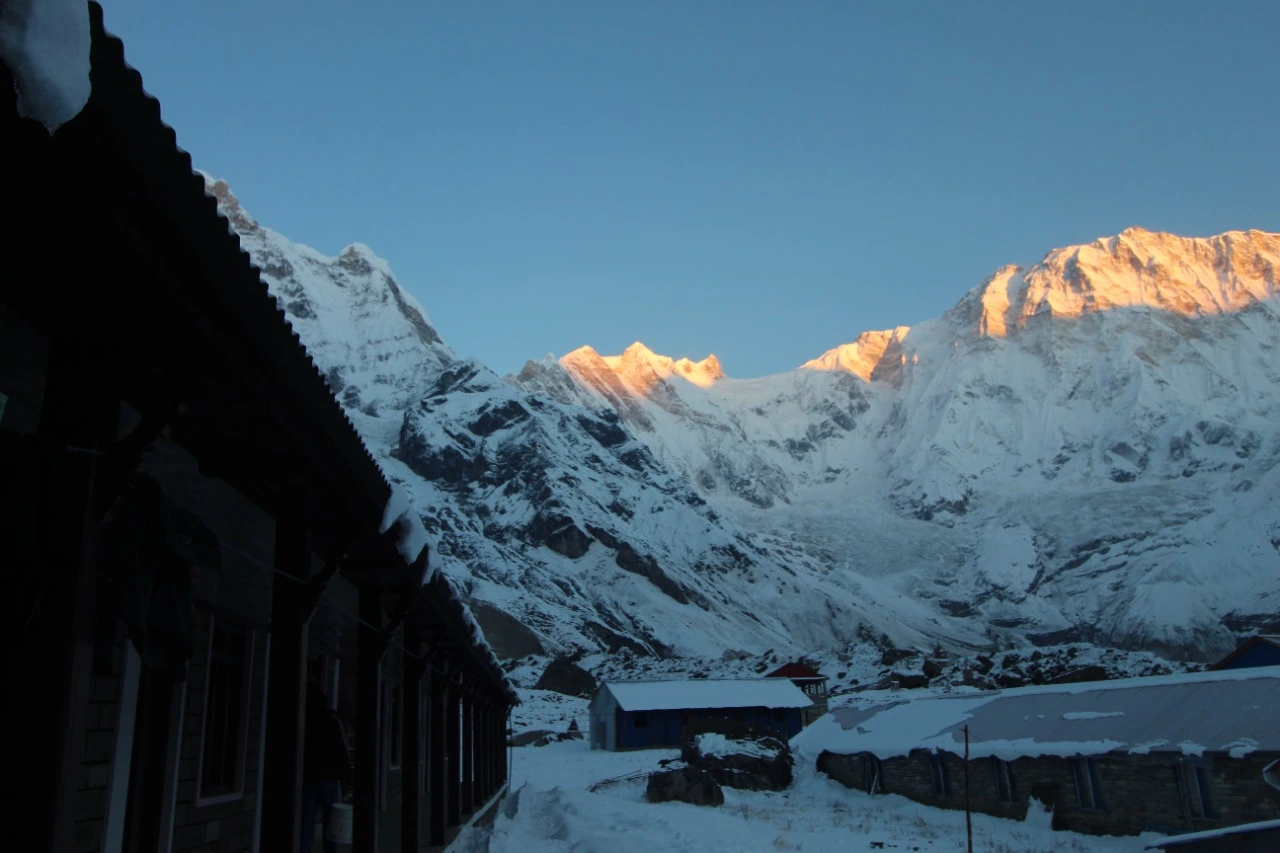
- Experience: The adventure kicks off with an early morning drive from Dehradun, transporting you deep into the Garhwal Himalayas. The journey is long but visually stunning, passing through major towns and following the curves of the mountains. You will experience a significant temperature drop as you ascend into the high mountains. Sankri is a charming, often snowy, hub that serves as the gateway to numerous iconic treks.
- Key Activity: Upon arrival, you will check into your guesthouse and attend the mandatory trek briefing. Use this time to organize your gear, leave any extra luggage, and make necessary last-minute purchases. Last chance for mobile network (erratic BSNL only) and to stock up on cash (ATM at Purola).
- Stay: Guesthouse/Hotel in Sankri.
Phulara Ridge Trek
- Pick Up: Sankri
- Drop: Sankri
- Location: Sankri Market
Send an enquiry
Overview
Walking the Knife’s Edge of the Garhwal Himalayas
The Himalayas often challenge trekkers with deep river valleys and towering passes, but the Phulara Ridge Trek offers a rare and exhilarating alternative: a continuous, high-altitude journey along a mountain’s spine. This trail isn’t just a walk; it’s a skywalk across one of the most scenic watersheds in the Garhwal Himalayas.
The sheer beauty of Phulara is defined by its dramatic ridge line. For miles, the trail runs along the crest of the mountain, separating the lush Supin Valley on one side from the picturesque Rupin Valley on the other. This unique position grants trekkers an unobstructed, near-270-degree panorama of the Greater Himalayan peaks. As you traverse this knife-edge path, you are treated to a magnificent spectacle: the snow-crowned giants of Swargarohini (The Ascent to Heaven), Bandarpoonch (Monkey’s Tail), and Kalanag rise across the horizon, appearing close enough to touch. The trail evolves from dense, ancient forests of pine and rhododendron to vast, emerald Pushtara meadows, providing a feast for the senses across the 6-day journey.
The trek lies entirely within the Govind Pashu Vihar National Park and Sanctuary, a region whose history is closely intertwined with the legends of the Mahabharata. The park’s purpose is to protect the region’s unique biodiversity, including the legendary Har Ki Dun valley which sits close by and serves as the starting point for some neighboring treks. This area is considered the land of the Pandavas, who are believed to have taken their final earthly journey through these very mountains on their way to Swargarohini, the mythical peak believed to be the path to heaven. Though the Phulara route itself is a modern trail, it carries the spiritual weight of the surrounding peaks, connecting the trekker to centuries of local Garhwali folklore and high-mountain reverence.
Offering an Easy to Moderate grade, the Phulara Ridge provides an achievable summit experience that is spectacular in its simplicity and unparalleled in its majestic views.
Highlights
Itinerary
- Route: Sankri to Sikolta
- Altitude Gain: ≈1,920m to ≈2,410m (6,300 ft to 7,900 ft)
- Time: 4−5 hours (4km)
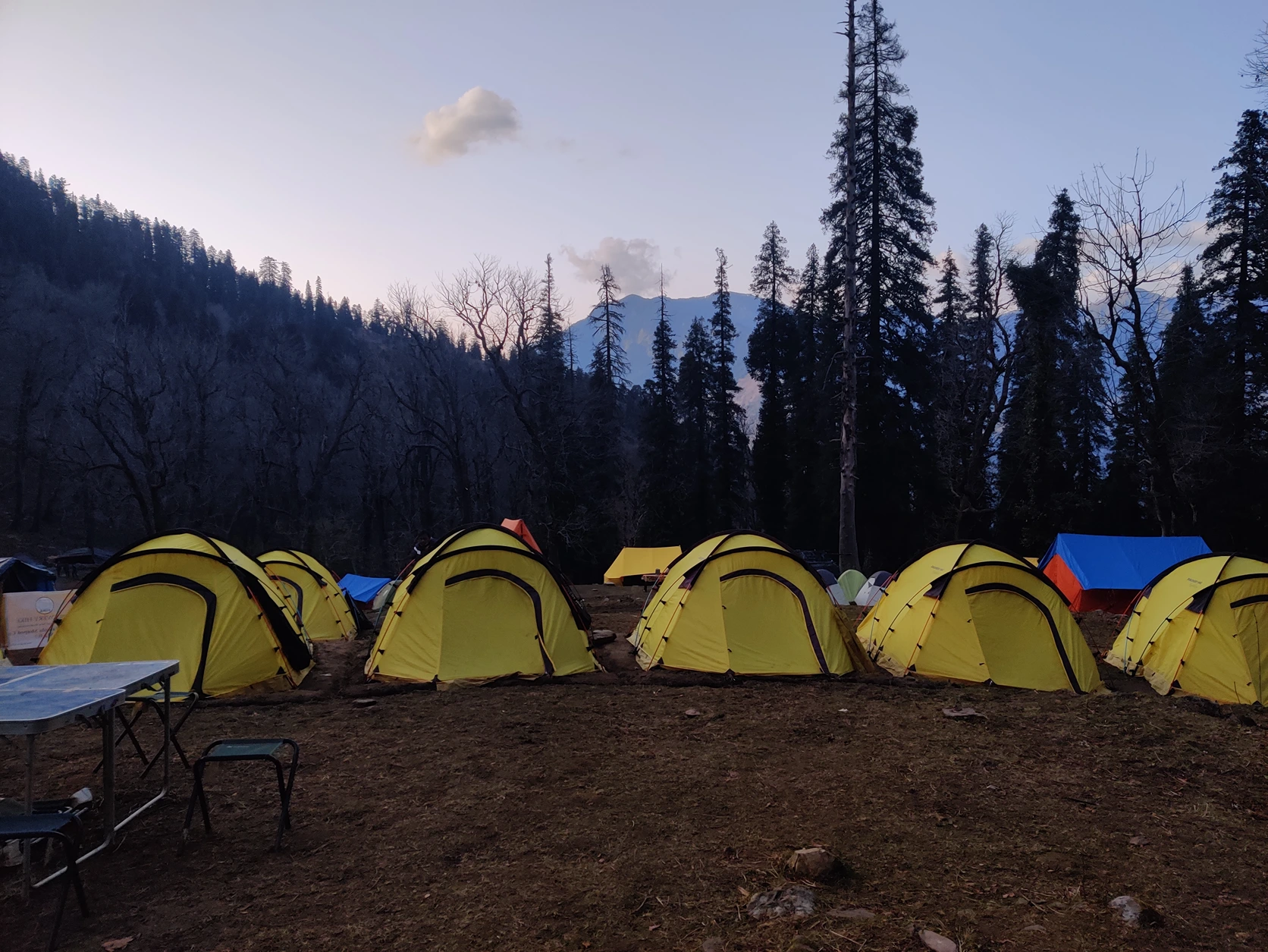
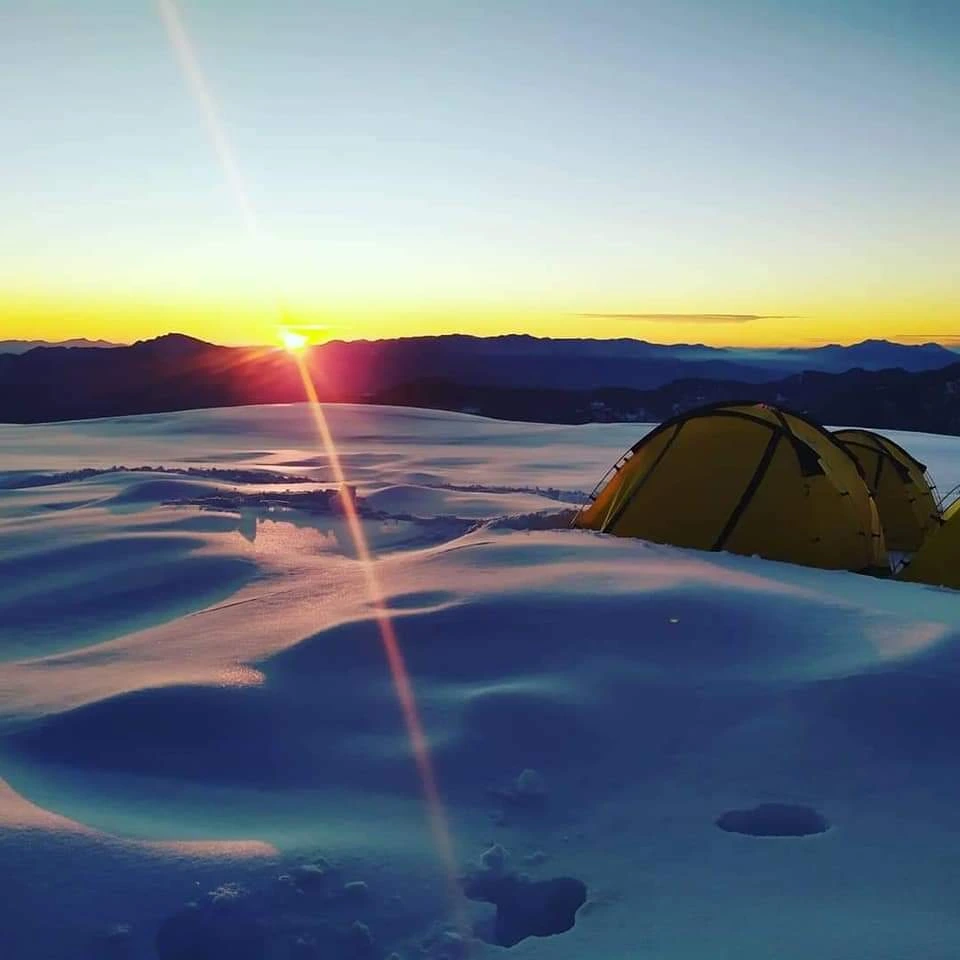
- Experience: The first trekking day is designed for gentle acclimatization. The trail begins with an easy walk out of Sankri, quickly leading into the Govind National Park forests. The path is a gradual, consistent uphill climb, weaving through dense woods rich in pine, rhododendron, and maple. The air is thick with the scent of the forest, and you’ll encounter numerous small streams.
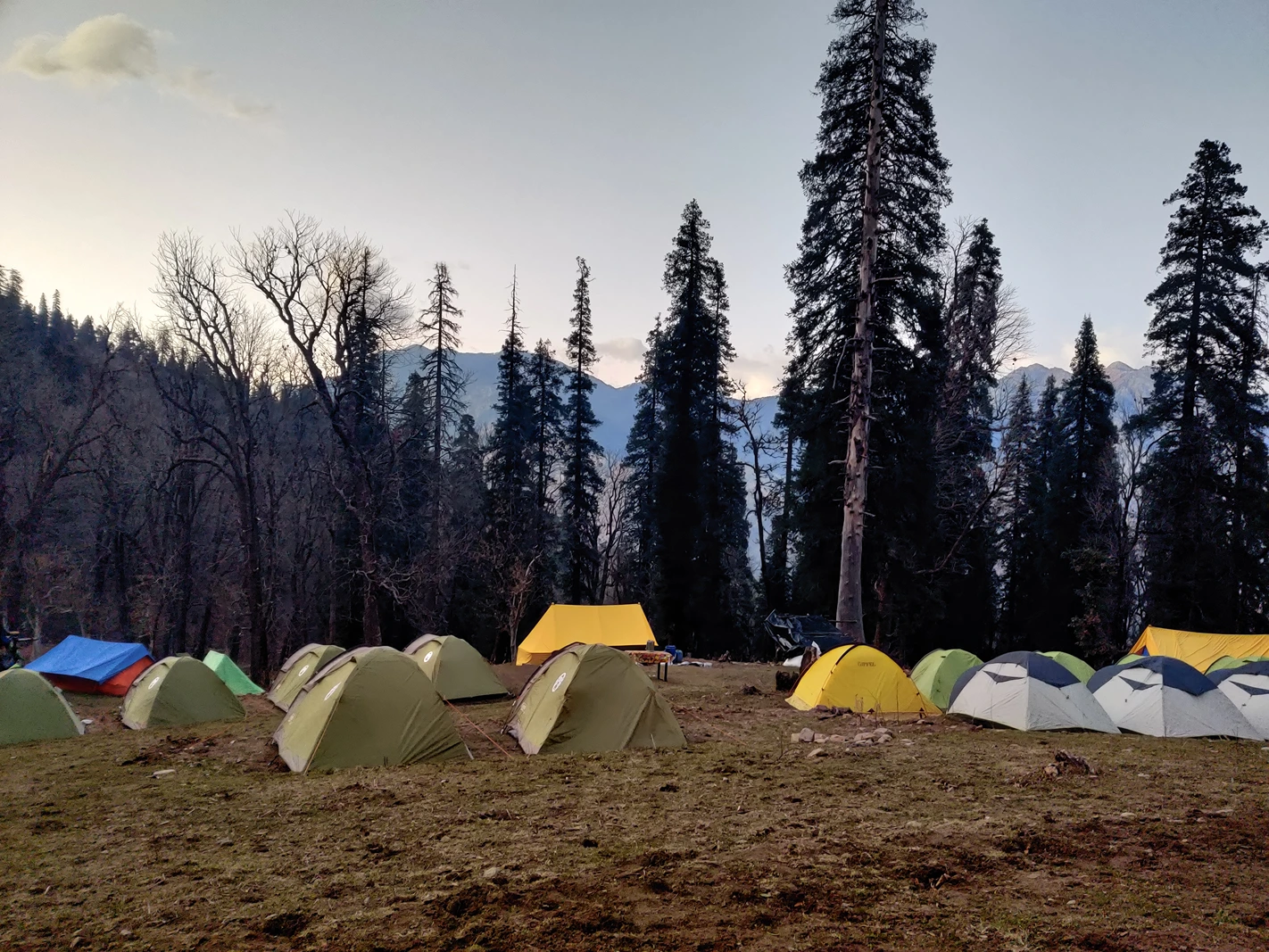
- Key Activity: Focus on maintaining a slow, rhythmic pace, and pay attention to your breathing and hydration. Sikolta is a beautiful, sheltered clearing ideal for the first night of camping, offering a peaceful mountain atmosphere.
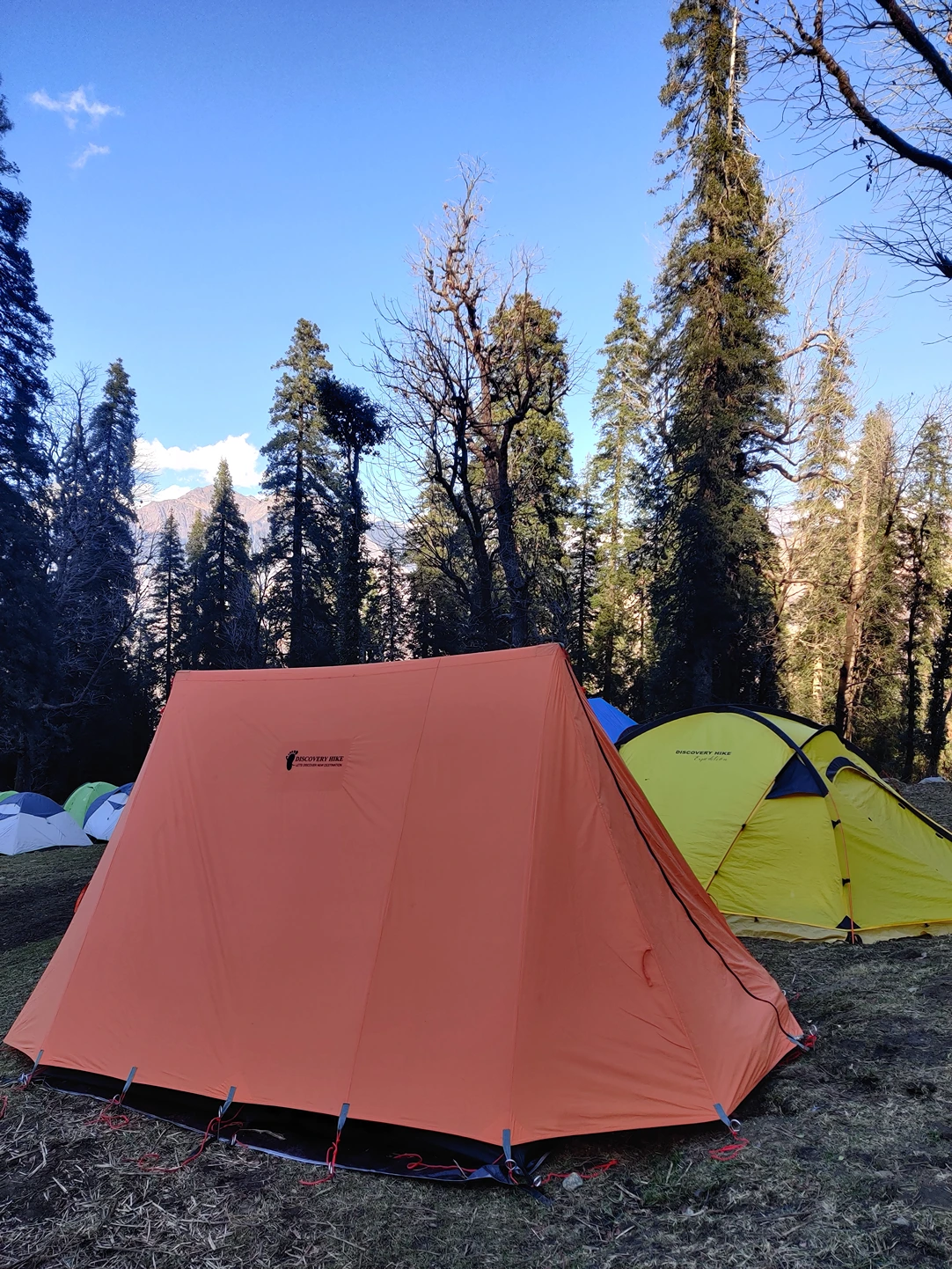
- Stay: Camping in tents.
Meals
- Route: Sikolta to Bhoj Gadi
- Altitude Gain: ≈2,410m to ≈3,080m (7,900 ft to 10,100 ft)
- Time: 5−6 hours (5.5km)
- Experience: This day involves a sustained, steeper ascent as you push towards the tree line. The forests begin to thin out, and the landscape opens up. Around midday, you will start receiving your first dramatic views, with the peaks of the Dhauladhar and Swargarohini ranges appearing on the horizon. This climb ensures your body adjusts well before the final push to the ridge.
- Key Activity: The campsite at Bhoj Gadi is situated in a high-altitude grazing area just below the Phulara Ridge, offering stunning sunset views of the mountain ranges—a perfect reward for the day’s effort. Use the afternoon for light stretching and enjoying the magnificent vista.
- Stay: Camping in tents.
Meals
- Route: Bhoj Gadi to Pushtara via Phulara Ridge
- Altitude Gain: ≈3,080m to ≈3,703m (10,100 ft to 12,150 ft) and back down
- Time: 6−7 hours (8.4km)
- Experience: This is the most anticipated day. You start with a significant climb to reach the Phulara Ridge crest. Once on the ridge, the hard work is over, and the real magic begins: a spectacular 2-3 hour traverse along a vast, gently rolling high-altitude ridge. The path separates the two valleys below, offering an unparalleled 270-degree panoramic view of colossal peaks like Swargarohini, Bandarpoonch, and Kalanag. The feeling of walking on the roof of the mountains is truly unique.
- Key Activity: After the exhilarating walk, the trail descends to the beautiful, expansive, and gently undulating Pushtara Meadows, a massive grassy meadow that makes for one of the most idyllic campsites on the trek.
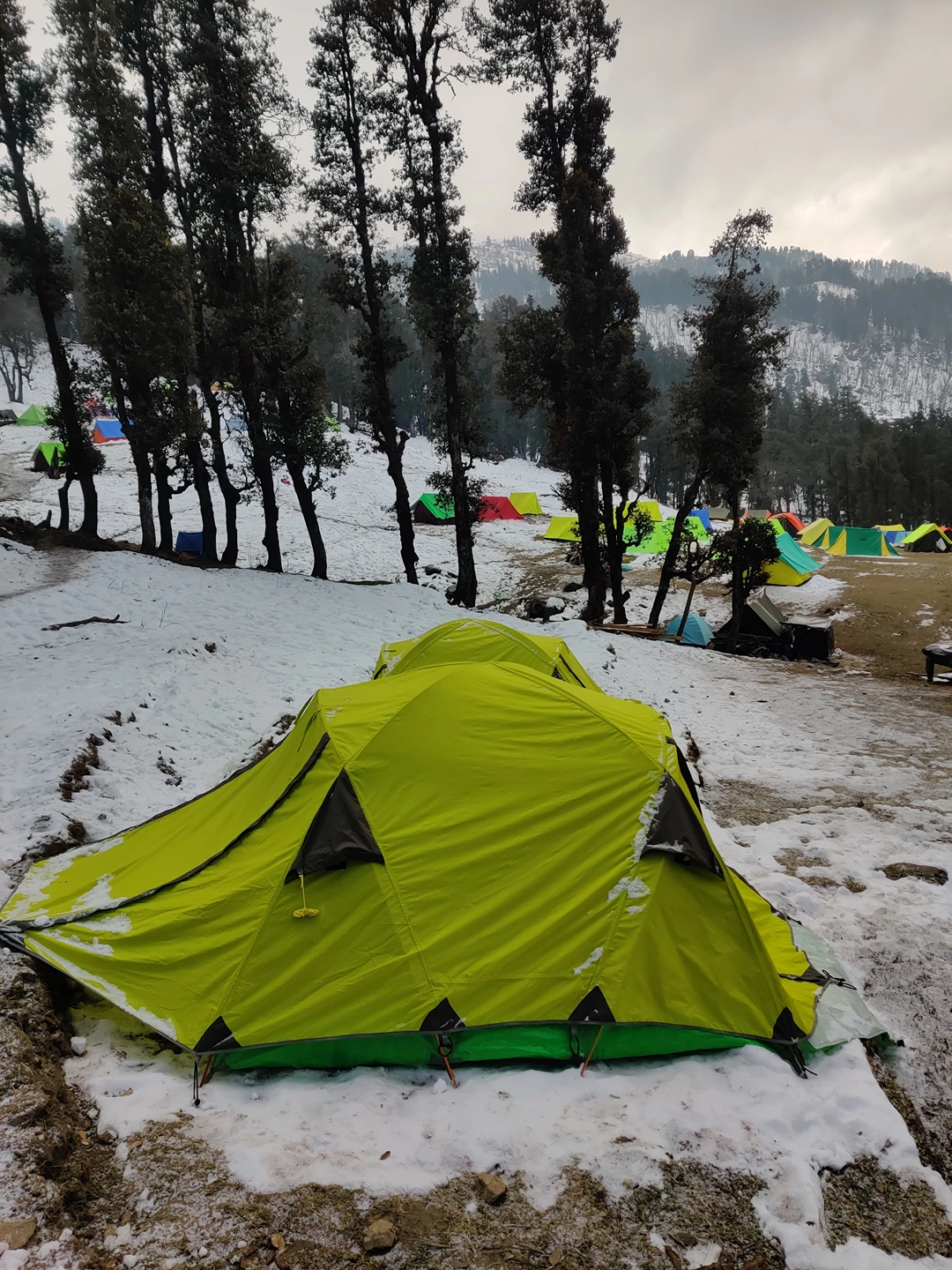
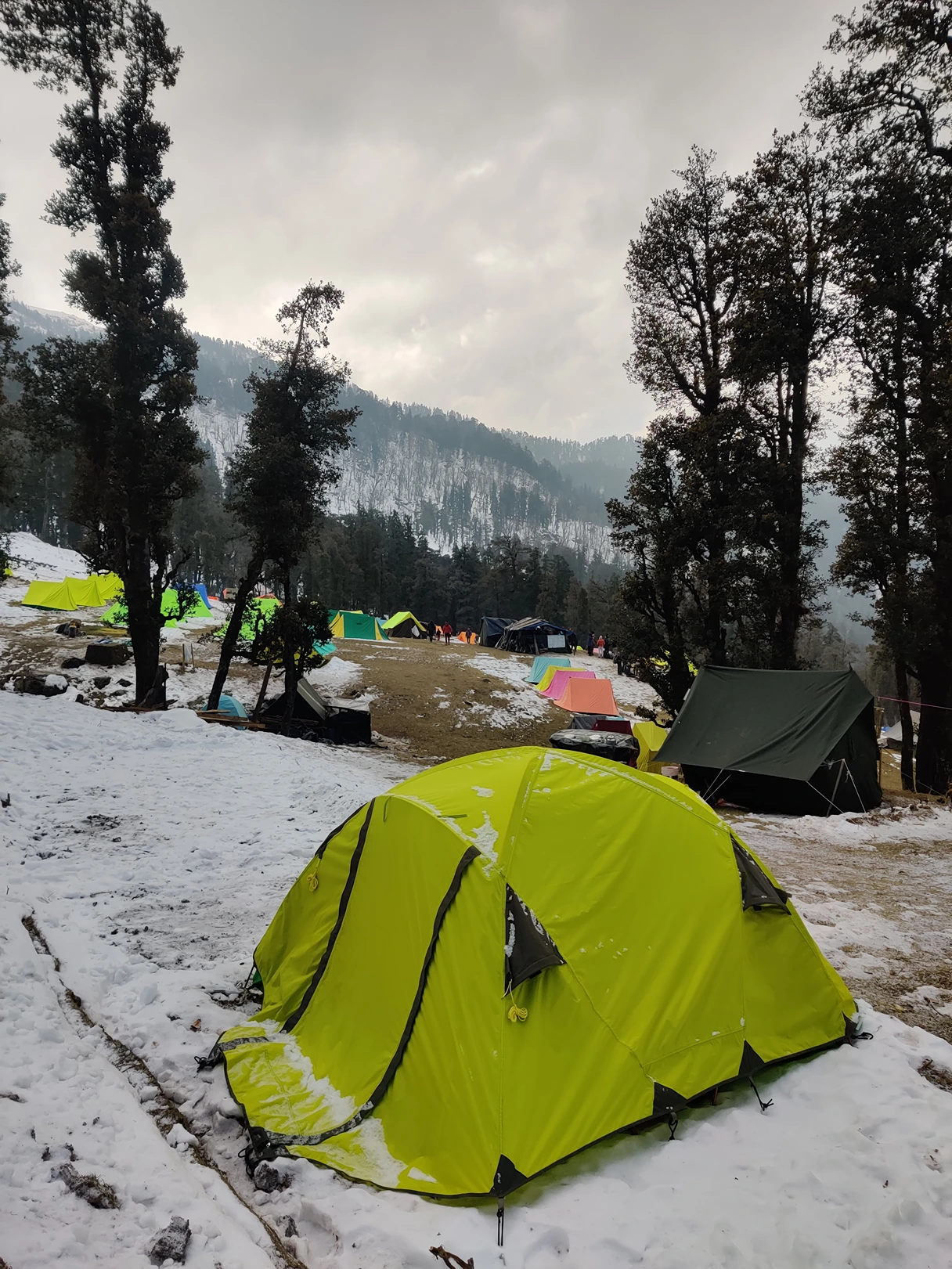
- Stay: Camping in tents at Pushtara.
Meals
- Route: Pushtara to Sankri via Taluka
- Altitude Loss: Significant descent to ≈1,920m (6,300 ft)
- Time: 5−6 hours trek + 1 hour drive (8km trek + 12km drive)
- Experience: After waking up to the vastness of Pushtara, the day involves a long, consistent descent. You will trek down through dense forest cover, navigating various streams and eventually reaching the settlement of Taluka. This marks the end of the trekking portion. From Taluka, a pre-arranged vehicle will take you back down the road to Sankri.
- Key Activity: Enjoy the comfort of a proper guesthouse after days of camping. The evening is reserved for a celebratory dinner and sharing experiences with your trekking team.
- Stay: Guesthouse/Hotel in Sankri.
Meals
- Route: Sankri to Dehradun
- Altitude Loss: Drive down to ≈640m
- Time: 9−10 hours drive (220km)
- Experience: An early start for the long drive back to the plains. Reflect on the incredible views and the exhilaration of walking the Phulara Ridge as the mountains slowly recede behind you.
- Notes: The goal is to reach Dehradun by evening. Plan your onward journey (train or flight) for late evening or the following morning to account for potential mountain road delays.
Meals
Good to know
Inclusions
-
Accommodation : 2 Nights Guesthouse/Homestay in Sankri; 3 Nights Tent Accommodation at all campsites (Twin/Triple sharing).
-
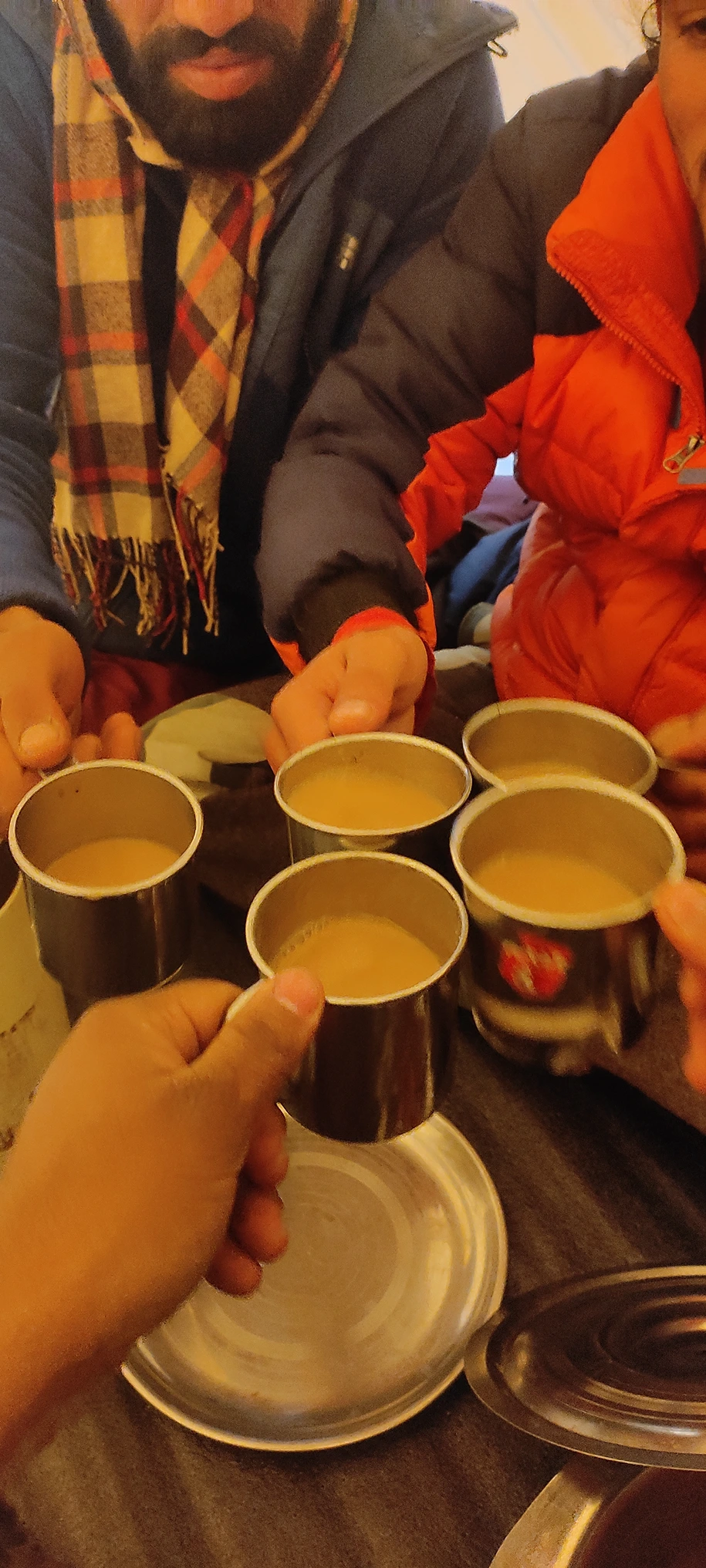
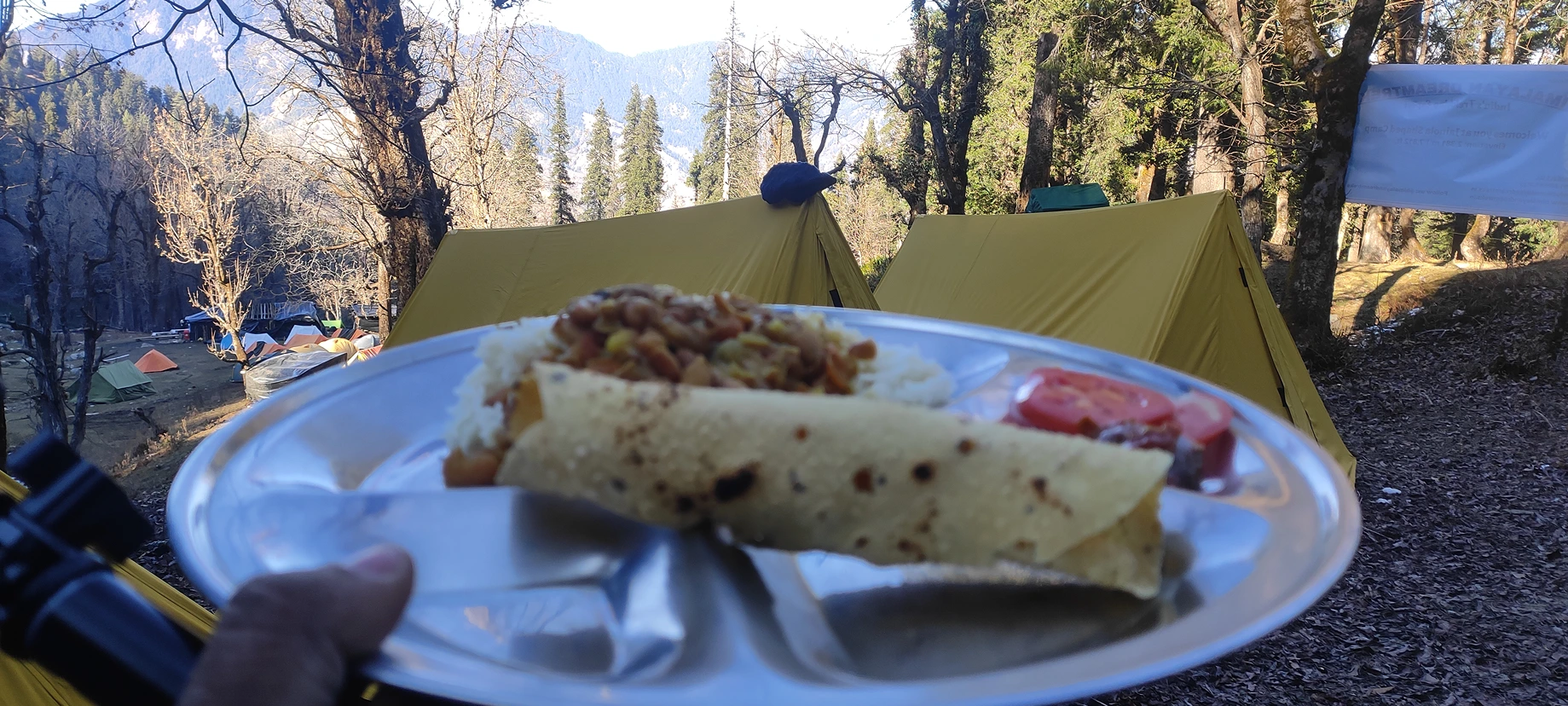
Meals : All meals on the mountain (from Dinner on Day 1 to Breakfast on Day 6). Nutritious, hot vegetarian food with an egg component.
-
Trek Staff : Services of a certified Trek Leader, local Trekking Guides, dedicated Cook/Kitchen Team, and support staff.
-
Trek Equipment : High-quality, all-weather tents, insulated sleeping bags, foam sleeping mats, Kitchen and Dining tents (for common use).
-
Safety & Medical : Comprehensive First Aid Kit, Oxygen Cylinder, Oxymeter, and Stretcher, managed by the Trek Leader.
-
Fees & Permits : All necessary Forest Entry Fees and Government Permits for the Govind National Park region.
-
Porterage : Mules/Porters to carry Communal Luggage (tents, kitchen supplies, ration, etc.).
Exclusions
-
Transportation : Road travel between Dehradun and Sankri (unless the “Dehradun-to-Dehradun” package is chosen).
-
Taxes : Mandatory 5% GST on the entire base trek fee.
-
Personal Porterage : Cost of hiring a mule/porter to carry your personal backpack/duffel bag.
-
Transit Meals : Food and refreshments during the 9-10 hour drive from Dehradun to Sankri and the return journey.
-
Personal Gear : Rental or purchase of trekking shoes, jackets, poles, or other personal clothing items.
-
Insurance/Emergency : Personal Travel/Trekking Insurance and the cost of any emergency evacuation, should it become necessary.
-
Other : Personal costs like tips for the local staff, phone charging fees (if available), or cost of bottled water.
Things to Carry
Must cover ears. Essential for retaining body heat.
Crucial for summit day to protect the nose and mouth from cold wind.
MANDATORY. Snow glare is intense and can cause snow blindness. Must be UV protected.
Thermal tops (full sleeve). Must be synthetic or Merino wool. NO COTTON.
Fleece jacket (thick). Your primary source of warmth.
Padded jacket (Polyfill/Down). Heavy, windproof, and water-resistant.
Thermal bottoms (leggings).
Quick-dry, synthetic trekking trousers. Avoid jeans/shorts.
High-ankle, sturdy, waterproof trekking boots with good grip.
3–4 pairs of thick woolen/synthetic trekking socks (for the day) and 2 pairs of dry woolen socks (for sleeping only).
1 pair of woolen/fleece inner gloves and 1 pair of heavy, waterproof outer gloves.
MANDATORY. Carry extra batteries.
Carry a 1-liter bottle and a thermos to keep water from freezing.
Essential for high-altitude UV protection.
Toothbrush, wet wipes, and any personal prescription drugs.
For carrying water, jacket, snacks, and personal items during the trek.
Sleeping Bag, Sleeping Mat, Tents, Crampons, Gaiters, and Trekking Poles (use optional).
How to reach
The gateway to the Phulara Ridge Trek is the vibrant city of Dehradun, from where a long but scenic drive takes you to the remote base village of Sankri.
1. Reaching the Transit Hub: Dehradun
| Mode of Transport | Details | Notes |
| By Air | Jolly Grant Airport (DED), ≈30km from the main city. | Well-connected to major Indian metros (Delhi, Mumbai, Bengaluru). Take a taxi to the pickup point in Dehradun city. |
| By Rail | Dehradun Railway Station (DDN) | Excellent connectivity, especially from Delhi (Nanda Devi Express, Dehradun Shatabdi). Most trek operators schedule the pickup near the station. |
| By Road | ISBT Dehradun | Frequent luxury and regular buses run overnight from Delhi (Anand Vihar ISBT). Arrive early morning to meet the trek transport. |
2. Dehradun to Sankri (The Final Stretch)
The drive to Sankri is a full-day commitment, tracing the Tons River valley deep into the Garhwal mountains.
| Detail | Specification |
| Distance | ≈220km |
| Time Taken | 9 to 10 hours (depending on road and traffic conditions) |
| Meeting Point | Usually Prince Chowk or Dehradun Railway Station (Exact spot confirmed by operator). |
| Departure Time | Very early morning, typically 6:00 AM to 7:00 AM (Crucial to start early to avoid night driving on mountain roads). |
| Cost | Included in the Dehradun-to-Dehradun package, or ₹3,000–₹4,000 round trip if booked separately. |
Important Notes for the Journey
- iAccommodation in Dehradun: It is highly recommended to arrive in Dehradun the day before Day 1 of the itinerary to ensure you are well-rested and on time for the early morning departure.
- iCash Withdrawal: The last reliable ATM is often in Purola or Mori, several hours before Sankri. Ensure you withdraw enough cash for the entire trek (including tips, offloading charges, and personal expenses).
- iMobile Connectivity: Expect erratic or zero mobile network after Sankri. Inform your family and friends about your limited connectivity for the next five days. Only BSNL/Vodafone may work intermittently in Sankri.
Purola Stop: The drive typically includes a stop for lunch in Purola, marking the halfway point of your journey.
How to prepare your body and mind for the trek
Your Mind & Body Compass
Phulara Ridge is the perfect choice for a first-time wellness trekker, but a reasonable level of fitness is essential to ensure you enjoy the experience, especially given the rapid altitude gain.
Physical Conditioning (8 Weeks Prior):
- iCardiovascular Fitness: Commit to a daily routine of 4-5 kilometers of walking or jogging. Focus on building endurance to comfortably manage the steep sections.
- iStrength and Flexibility: Incorporate basic strength training (squats, planks) and gentle Himalayan-focused stretching to condition the muscles and joints for carrying a backpack.
Mental & Respiratory Conditioning:
- iMastering the Breath: Begin a routine of Pranayama (breathing exercises). Practices like Anulom Vilom (Alternate Nostril Breathing) are vital for improving lung capacity and ensuring a smooth, relaxed acclimatization at high altitude.
- iWeather Readiness: Be prepared for the transformative nature of Himalayan weather. While daytime can be manageable (10°C to 15°C), winter nights are intensely cold, dropping to -4°C or lower. Our high-quality gear is provided to support your journey safely through the cold.
Refund & Cancellation
We aim for clear and fair practices regarding cancellations. We know plans can change, and our policy is designed to balance flexibility for you with the operational needs of running a trek.
If Crux Himalaya Cancels Your Trek
-
If we are forced to cancel a trip for reasons beyond our control (such as natural disasters, route closures, or governmental mandates), you will receive a Trek Voucher. This voucher is valid for one year and can be applied toward the original trek or any other available trek.
-
If the cost of the new trek is higher, you must pay the difference. If the cost of the new trek is lower, we will refund the surplus amount.
-
If the cancellation is due to insufficient bookings (fewer than three participants), you will receive a full monetary refund.
If You Cancel Your Trek
| Cancellation Window | Refund | Notes |
|---|---|---|
| More than 30 days prior to the trek start date | 100% refund | Full refund of trek fee |
| Between 15 and 30 days prior to the trek start date | 50% refund | Balance forfeited |
| Within 1 to 15 days prior to the trek start date | No refund | Pre-booked logistics; refund not applicable |
30+ days before trek start
Full refund of trek fee
15–30 days before trek
Balance forfeited
1–15 days before trek
Refund not applicable
FAQs
The trek is rated as Easy to Moderate. While most days involve simple to moderate gradient walking, the long day across the ridge requires good stamina and endurance. It is suitable for beginners with prior fitness preparation.
The highest point reached on the Phulara Ridge is approximately 12,150ft (≈3,700m). The itinerary is designed for gradual ascent, minimizing the risk of Acute Mountain Sickness (AMS).
The ideal seasons are:
- Spring/Summer: May to June (pleasant weather, Rhododendrons bloom).
- Autumn/Winter: September to December (clear views of the Himalayas, post-monsoon freshness, and snow in late season). The trek is generally closed during the heavy monsoon season (July and August).
Any trek above 10,000ft carries a risk of AMS. However, the Phulara Ridge itinerary is relatively gradual. Adhering to the acclimatization plan, staying hydrated, avoiding alcohol/caffeine, and reporting any symptoms immediately will mitigate the risk significantly.
Connectivity is extremely limited.
- In the base village of Sankri, BSNL and occasionally Vodafone may have a patchy signal.
- Beyond Sankri, you should expect no mobile network until you return. The trek team relies on satellite phones for emergencies.
No. There is no electricity on the trail or at the campsites. Limited charging facilities are available only at the guesthouse in Sankri. It is mandatory to carry a power bank for your devices.
Yes, solo trekkers are welcome. The standard practice is for solo trekkers to book into a batch and be accommodated with other trekkers in twin-sharing tents.
Water is sourced from clean mountain streams and waterfalls along the route. While safe, it is highly recommended that you carry water purification tablets or drops for all water refills during the trek. At the campsites, the kitchen staff will provide boiled, safe drinking water.
- Pick Up: Sankri
- Drop: Sankri
- Location: Sankri Market
Send an enquiry
Category